Almost exactly a year ago, the hedgehog was included in the Mammal Society’s Red List For British Mammals, listed as Vulnerable to Extinction.
Continue reading “Hedgehog Heroes”Hedgehog Heroes
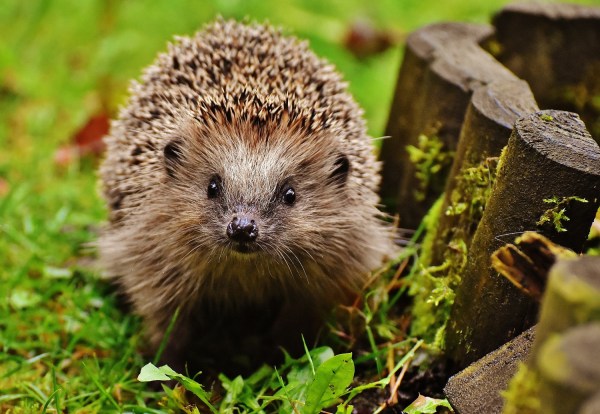
Almost exactly a year ago, the hedgehog was included in the Mammal Society’s Red List For British Mammals, listed as Vulnerable to Extinction.
Continue reading “Hedgehog Heroes”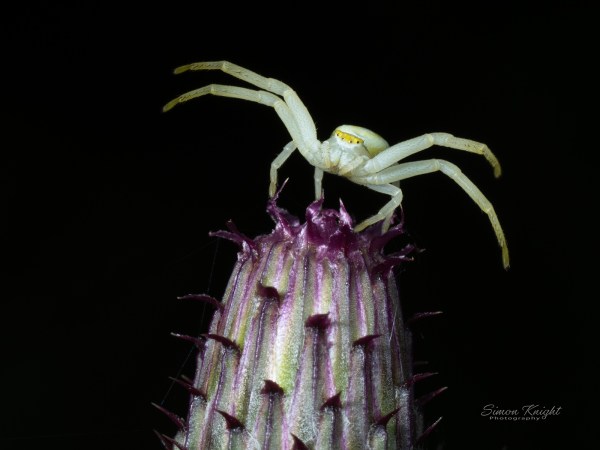
A flower crab spider, Misumena vatia.
Continue reading
Email from Countryside Officer Vicky Roscoe (Thu 15/07/2021):
Could you to put the attached notice on Facebook and the website? I don’t have a date as yet from the farmer but he did say it’s likely to be next week or the week after. Judging by the forecast, he could be on site very soon.


By Ian Bushell
This is a Great Pied Hoverfly (Volucella pellucens) so named for its black and white colouring. It is a new species for our lists, seen and photographed in the reserve on Tuesday, July 13th.
Continue reading “Great Pied Hoverfly”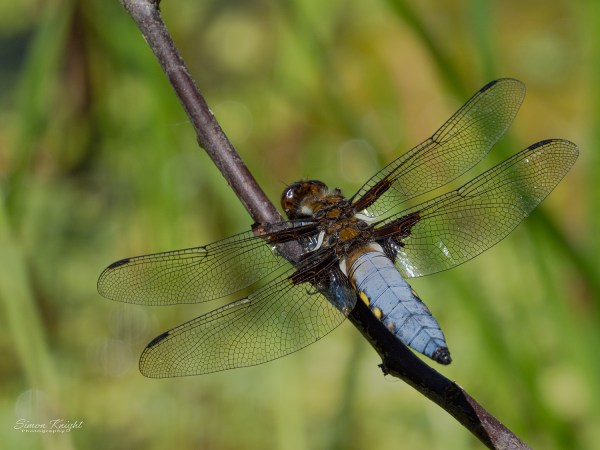
Have you seen the male broad bodied chasers fighting for territory in spectacular aerial dog fights over the pond? There were at least ten of them yesterday, as well as two females laying their eggs in the pond’s shallow margins. If you’re passing, pause and watch; here is a video to help you with identification.
Header picture: broad bodied chaser (Libellula depressa) © Simon Knight.
By Ian Bushell
Continue reading “What IS this?”

by David Feather
“I talk to the trees, but they don’t listen to me.” This was part of a lyric to a song some of our older nature reserve walkers will remember. Well, there is a possibility that the lyric writer might have been mistaken.
Continue reading
Pineapple weed (Matricaria discoidea) is an 18th century introduction from northeast Asia that escaped from Kew Gardens into the wild in 1871 to become the fastest spreading invasive plant species of the 20th century.
Continue reading “Pineapple weed”
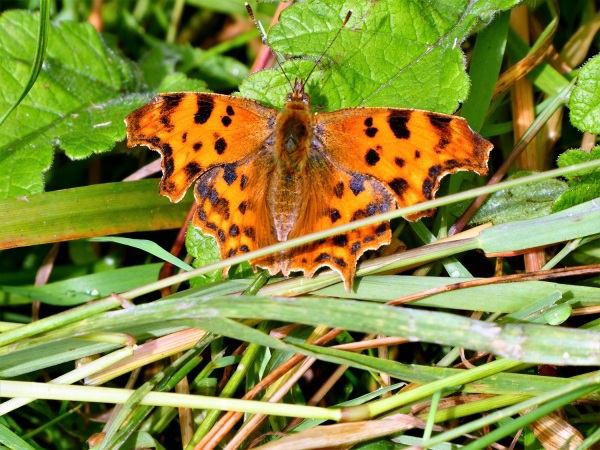
from Ian Bushell and Clive Knight


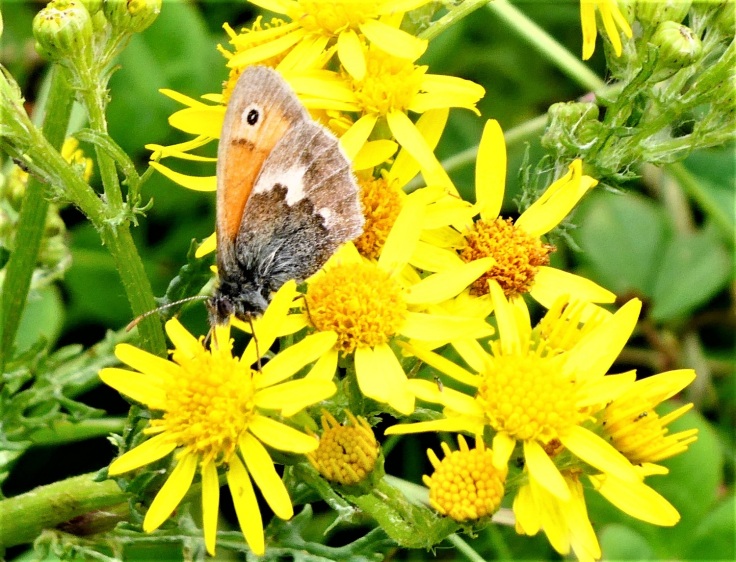
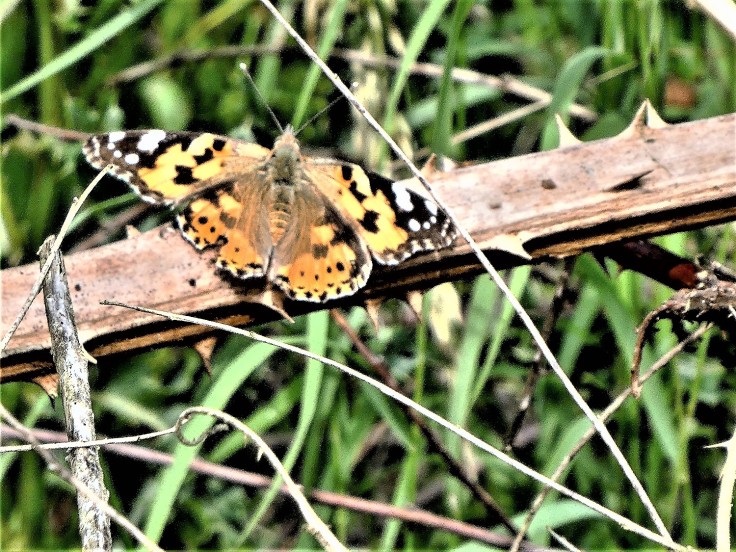
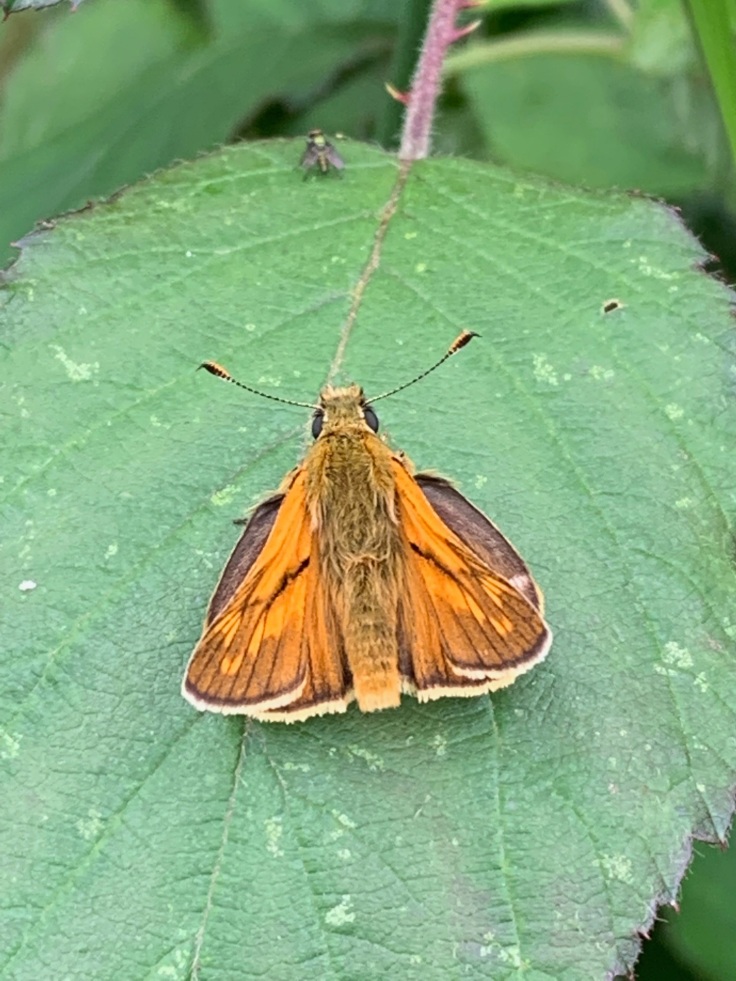
[1] Blood vein moth [2] Meadow brown [3] Ringlet [4] Small heath [5] Painted lady [6] Small skipper.
Header Image: Comma by Ian Bushell

Last year, Prime Minister Johnson, standing behind a banner that read BUILD BUILD BUILD, condemned all our efforts to protect the biodiversity of the Lambrok corridor as newt-counting. This was just the first move in what is beginning to look like a long-term campaign to benefit developers at the cost of our rapidly deteriorating environment. The latest move, hidden in the shadows of an obscure website, proposes restricting the reach of the Wildlife and Countryside Act 1981.
Continue reading “Calling all newt-counters”
Have you spotted the patches of bright yellow meadow vetchling in our hayfields?
Continue reading “Meadow vetchling”
An azure damselfly (Coenagrion puella) on greater bindweed, photographed in the reserve by Ian Bushell, who has a new camera.

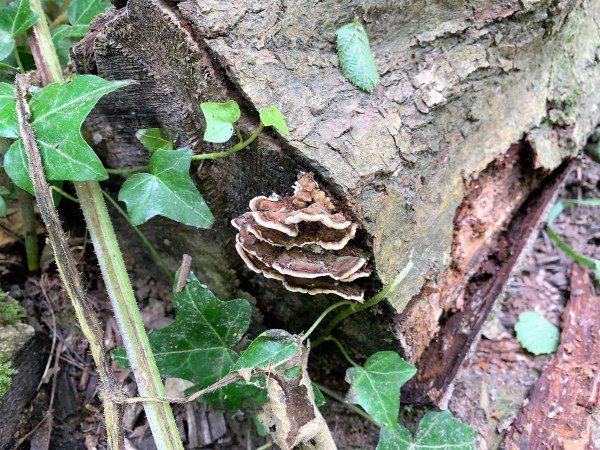
A fungus called turkeytail (Trametes versicolor) photographed in the reserve by Clive Knight and identified for us by Tree Officer Rich Murphy.
Continue reading
One of the reasons we are being overwhelmed by plastic pollution is that plastic offers us cheap and easy solutions to problems that sometimes we didn’t even know we had. It’s Plastic Free July: time, perhaps, we dog owners contemplated some changes.
Continue reading “Plastic free dog ownership”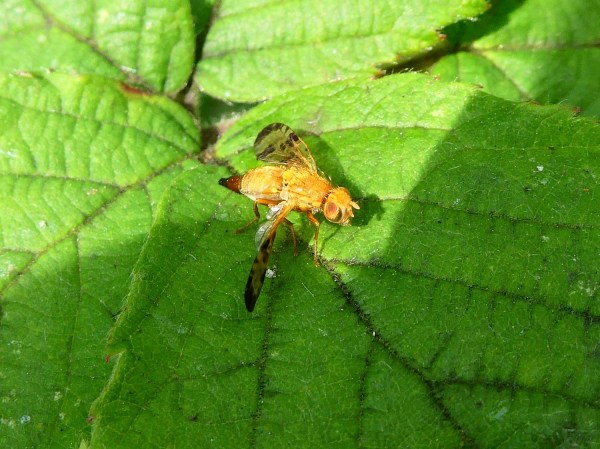
by Ian Bushell
This is Xyphosia miliaria, a species of Tephritidae or fruit fly. It is so small and so rarely noticed that it appears to have no common name.
Continue reading “Fruit fly”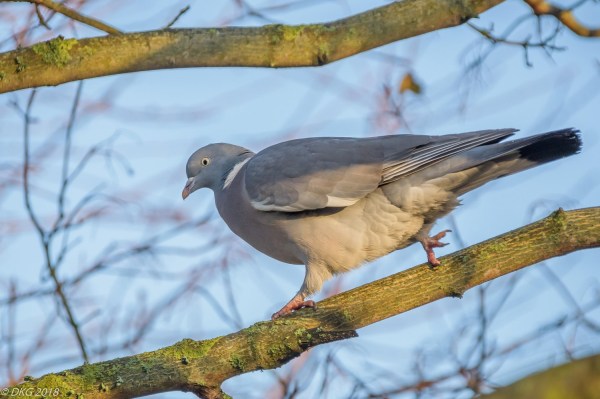
Pigeons feed their babies on milk.
Continue reading “A fascinating fact about pigeons”
A harlequin ladybird nymph photographed yesterday in the reserve by Ian Bushell.
Continue reading
Most of the reserve’s grey squirrels will have two litters of young this year. The first litter was born in the spring, and is now ready to be weaned in preparation for leaving the nest and the care of their mother. Here is a video of a family of young squirrels, on the edge of independence, trying to persuade their mother to feed them.
Header image by DKG

This is a six spot burnet moth (Zygaena filipendulae), a dayflying nectar feeder. Regular volunteer, Clive Knight photographed it yesterday on the reserve’s plentiful, nectar-rich, tufted vetch.
Continue reading
This is the caterpillar of the drinker moth (Euthrix potatoria), photographed in the reserve on Sunday. It is so named because the caterpillar is believed to drink drops of dew on grass stems.
Continue reading “Drinker moth caterpillar”
Half of the world’s annual 381 million tonnes of plastic waste is single-use. Join Plastic Free July, a global movement that is challenging hundreds of millions of people to find their own solutions to plastic pollution.
Continue reading “Plastic Free July”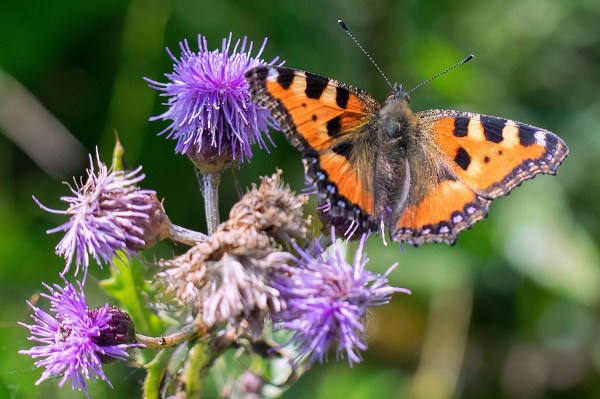
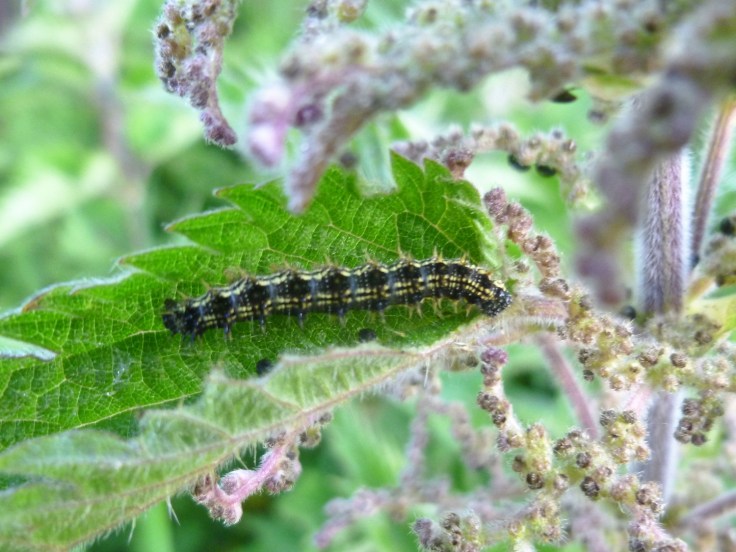
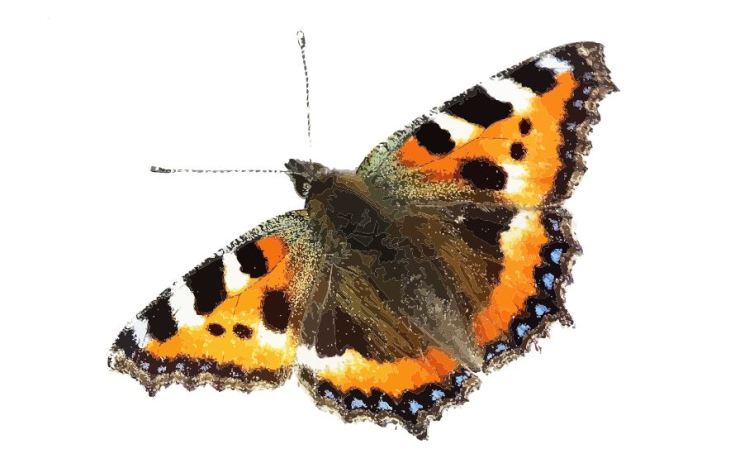
There are small tortoiseshell caterpillars (Aglais urticae) among the nettles by the path in Simpson’s Field. Take a careful look as you walk past.




 Southwick Country Park Nature Reserve