A queen wasp (Vespula vulgaris) in the hedge in Sleepers Field.
Continue reading “Queen wasp”Queen wasp

A queen wasp (Vespula vulgaris) in the hedge in Sleepers Field.
Continue reading “Queen wasp”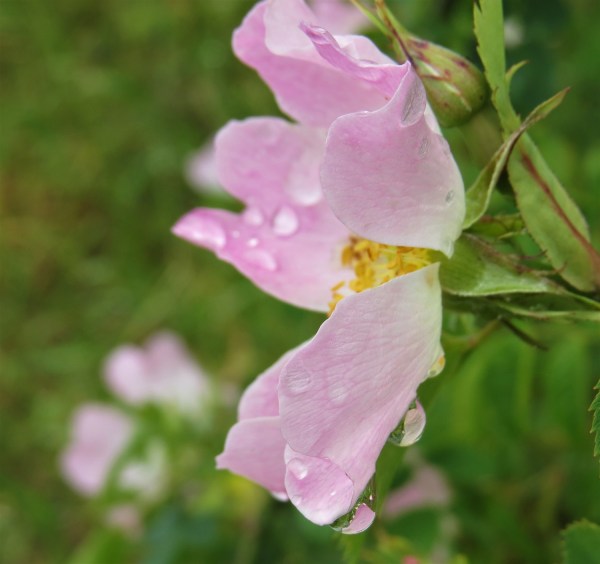
Dog, used as an adjective, as in dog’s mercury or dog Latin, can be disparaging: it means something is not quite the real thing. But dog rose is a direct translation of the Latin, Rosa Canina, so named in classical times because the root of the dog rose was believed to be a cure for the bite of a mad dog.
Continue reading “Rosa canina”
The peacock caterpillars will be growing fast at this time of year
Continue reading “Peacock caterpillars”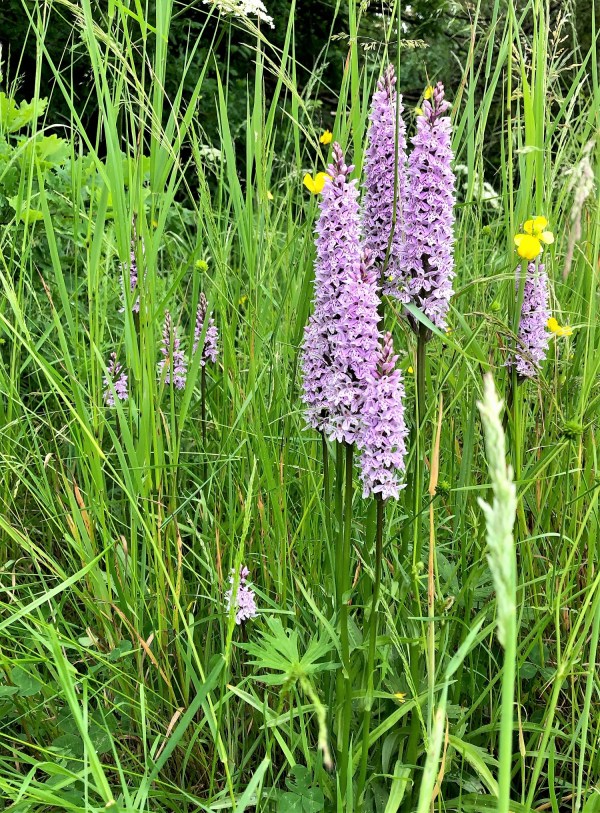
Common spotted orchids photographed in the reserve by Gillian Newbury.

Message and a photograph from Ian Bushell
In the picture above is a hoverfly I photographed at the top of Sheep Field in a sunny spot on the edge of the copse.
Continue reading “Large Wasp Hoverfly”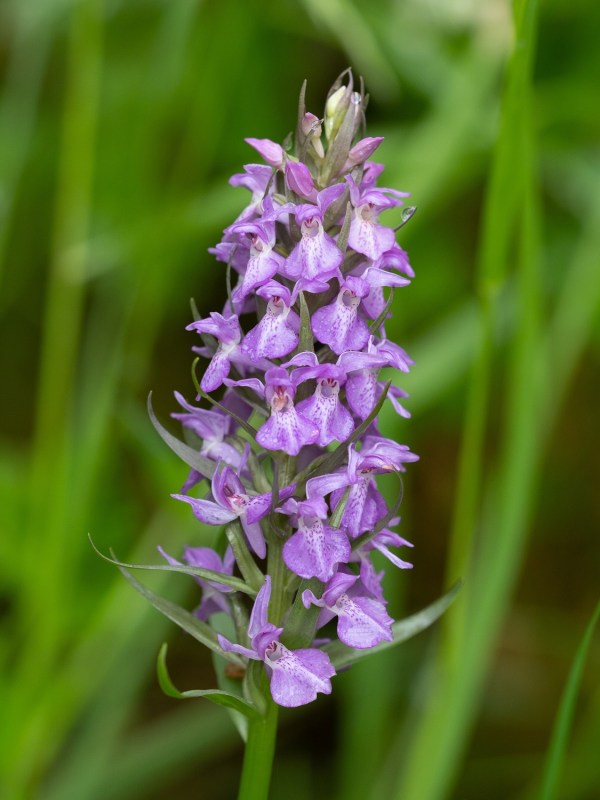

Dragonflies and damselflies are closely related cousins in the Odonata family but it isn’t difficult to tell them apart.
Continue reading
Email from Clive: This plant has been slowly developing, it’s about a metre high now. My app says Wild Carrot but we all know it’s is not reliable so over to you. If you need more pics let me know.
Read on for our answer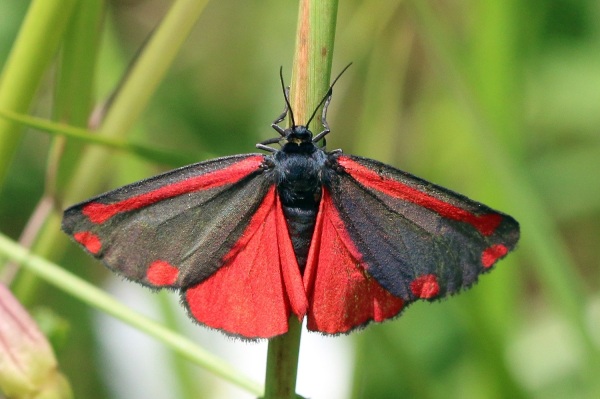
Cinnabar moths (Tyria jacobaeae) have been reported from the reserve in the past week.
Continue reading “Cinnabar moth”
Yesterday, while surveying pollinator networks in the reserve, Ian Bushell discovered a colony of bright pink pyramidal orchids (Anacamptis pyramidalis), an important new species for the reserve.
Continue reading
One of our early-risers has sent us a picture of a small red tent pitched just inside the main entrance, right next to the noticeboard on which the NO CAMPING sign is displayed. It may or may not contain the person/people who lit a fire in the picnic place last night.

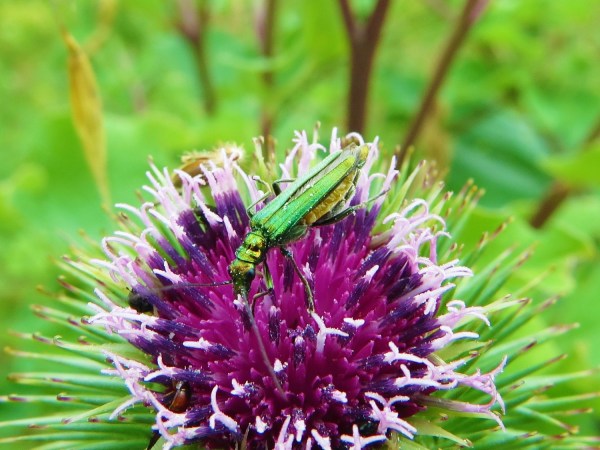
An irridescent green, female Oedemera nobilis, known as the thick legged flower beetle or swollen thighed beetle, photographed in the park this week. It is the male (see below) that has the strangely shaped legs for which the species is named


[1] by Gail Hampshire (CC BY 2.0) flickr.com; [2] © Hans Hillewaert (CC BY-SA 4.0) wikimedia.org
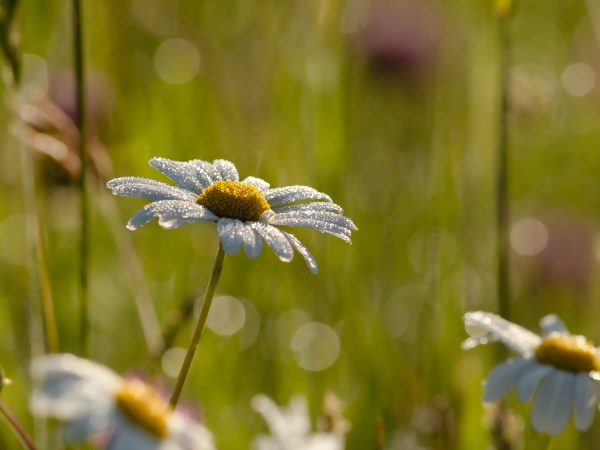
We would love to see drifts of summery oxeye daisies (Leucanthemum vulgare) in the reserve’s fields but there is a problem.
Read on to find out what the problem is
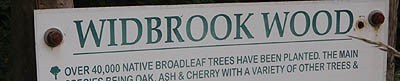
To improve the reserve as habitat and increase its biodiversity, the Friends have been planting trees for years: whips and saplings of many different species to thicken the hedges and copses.
Continue reading
by Simon Knight
In my last post I said I was going after young grasshoppers and crickets.
Continue reading
A bloody nosed beetle (Timarcha tenebricosa) found in the short grass where the rabbits graze at the end of Sleepers Field.
Continue reading “Bloody nosed beetle”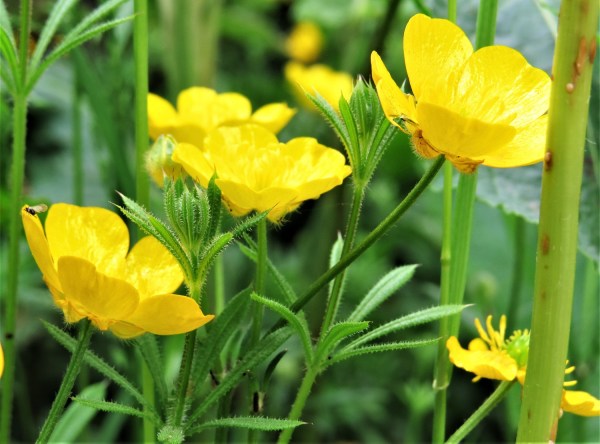
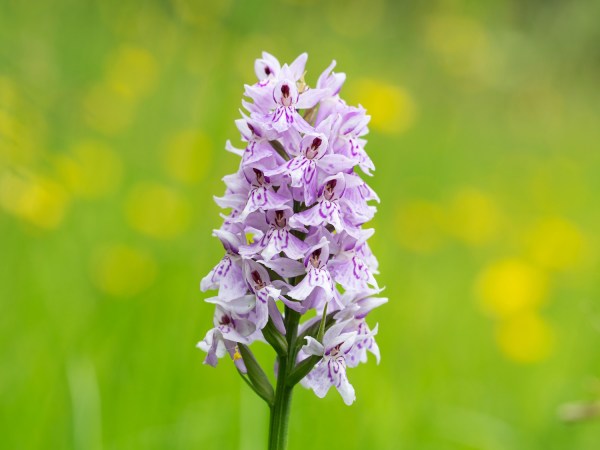
All orchid flowers, even the glamourous and expensive tropical kinds, are built to the same three point plan.
Continue reading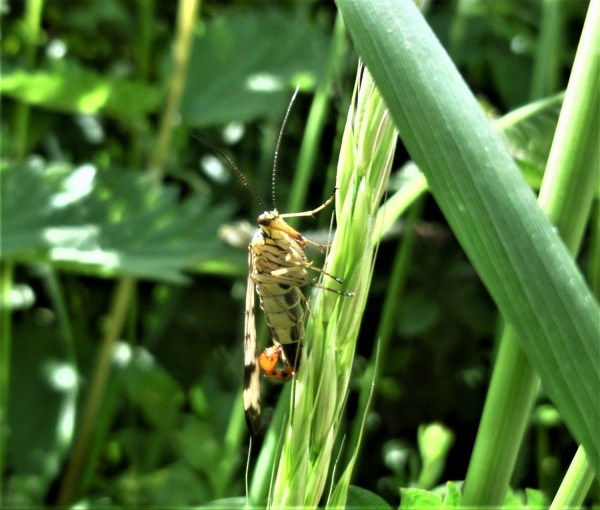
A male scorpion fly photographed by Ian Bushell yesterday, in the reserve’s main car park.
Continue reading “Scorpion fly”
Message and video from Simon Henstock.
Continue reading
Our ragged robin has spread into Kestrel Field and Brunts Field.
Continue reading “Ragged robin”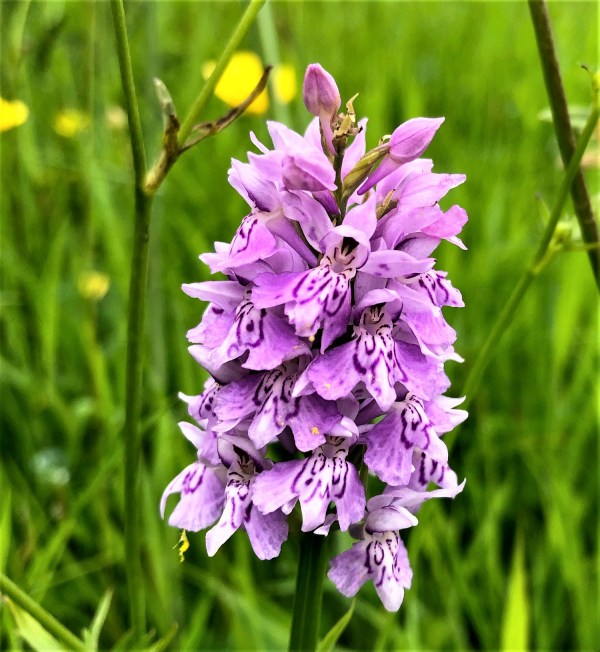
Every year there is quiet competition among Friends and Followers to see who can send in the first picture of the reserve’s common spotted orchids. This year the winner is Gill Newbury: well done, Gill!
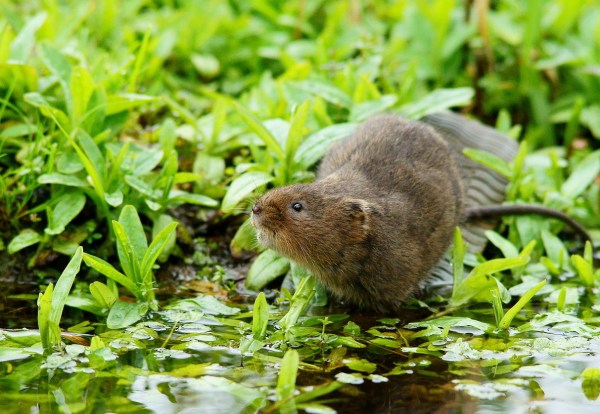
Reptiles and water voles
by Ian Bushell
Another Wednesday morning work party; another good day and a good turn-out of Friends.
Continue reading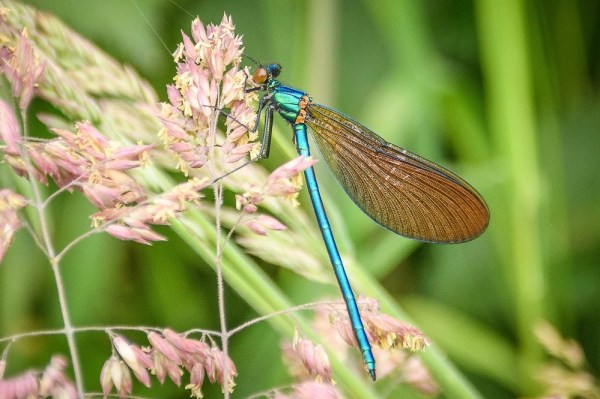
This is a damsel fly: a beautiful demoiselle, Calopteryx virgo.
Read on…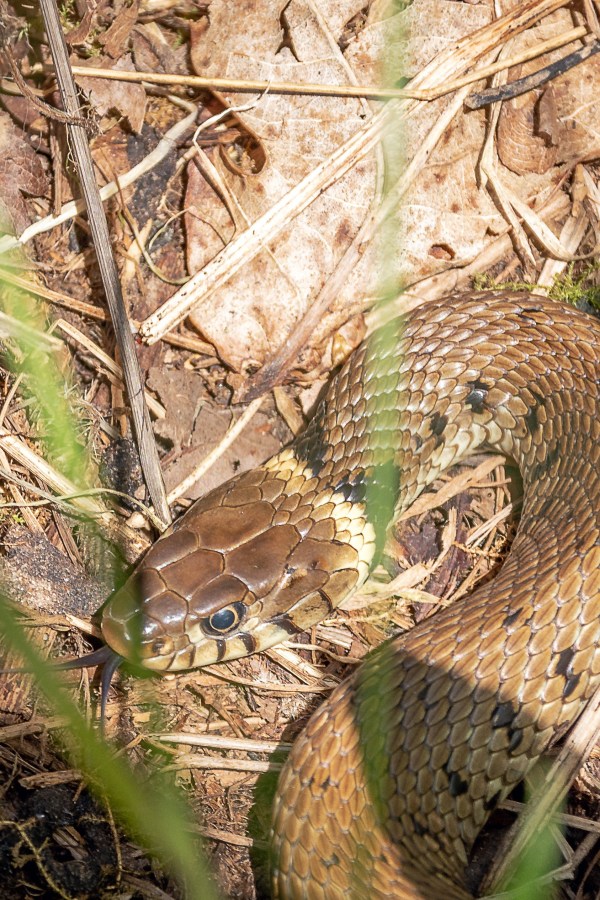
As the weather finally warms up, keep a look out for our grass snakes. A youngster, no more than 20cm long, was seen swimming in the pond last week: probably one of last autumn’s hatchlings.
Continue reading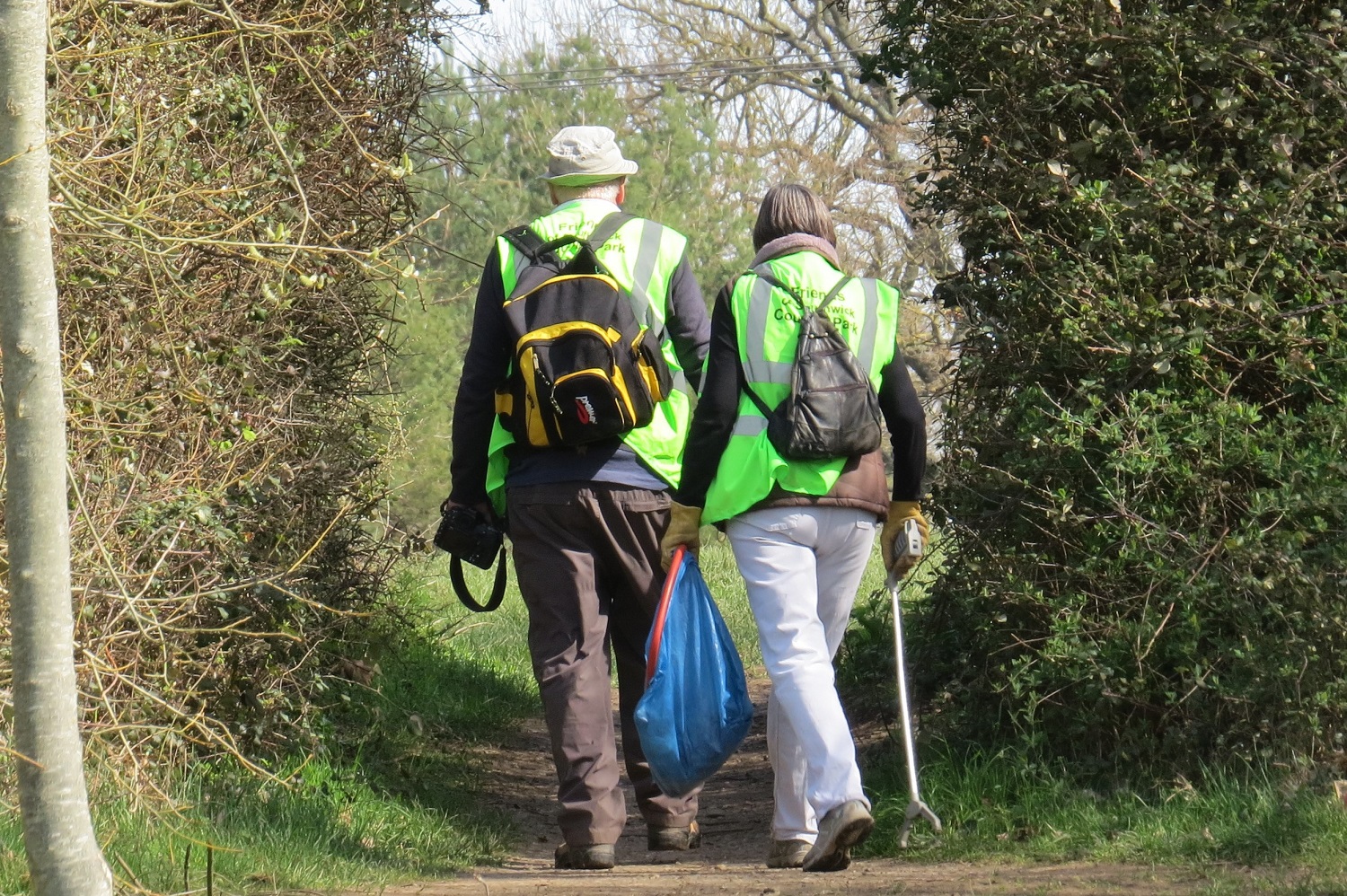


 Southwick Country Park Nature Reserve