This is common mouse ear (Cerastium fontanum), sometimes called mouse ear chickweed. It grows all over the park for most of the year.
Continue reading “Common mouse ear”Common mouse ear
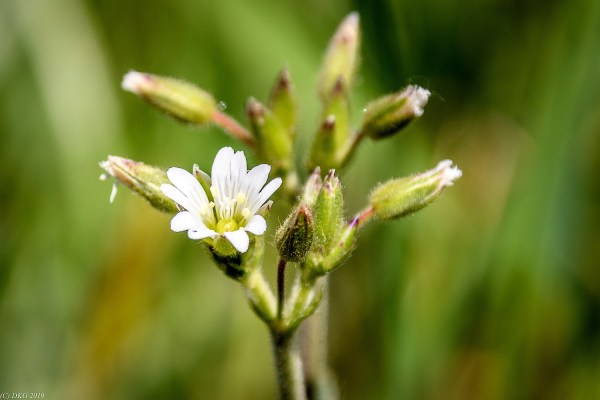
This is common mouse ear (Cerastium fontanum), sometimes called mouse ear chickweed. It grows all over the park for most of the year.
Continue reading “Common mouse ear”
What really happens to the plastic bottles thrown away in the park?
One or another of the Friends walks around the park pretty much every day and picks up rubbish as he or she goes. Most of what we pick up is plastic and most of the plastic is in the shape of bottles.
Here is a short video to explain what happens to a plastic bottle after it is thrown away.
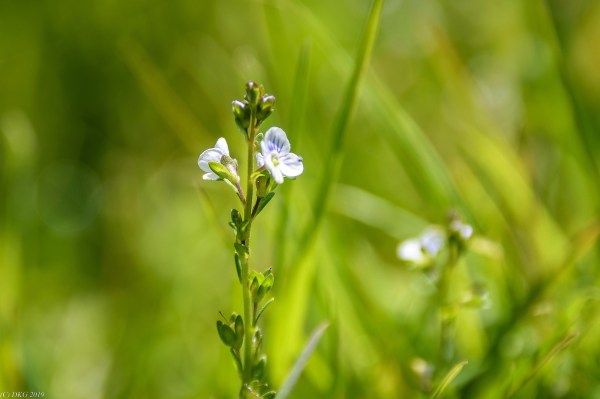
Veronica serpyllifolia

Germander speedwell – Veronica chamaedrys
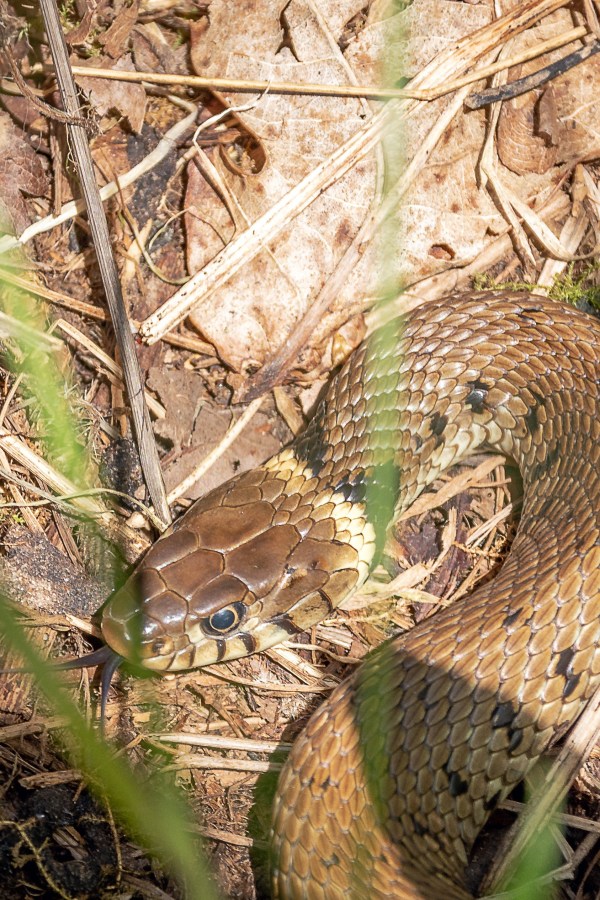
A grass snake (Natrix natrix) in the set-aside at the top of Kestrel Field.
Continue reading
It has been Mental Health Awareness week all week and we only just noticed.
Continue reading “Mental Health Awareness Week”
The pair of blue tits that DKG has been watching are very busy feeding green winter moth caterpillars to their young.


Here are more posts about this nest:
Blue tit update
Has our blue tits’ nest been abandoned?
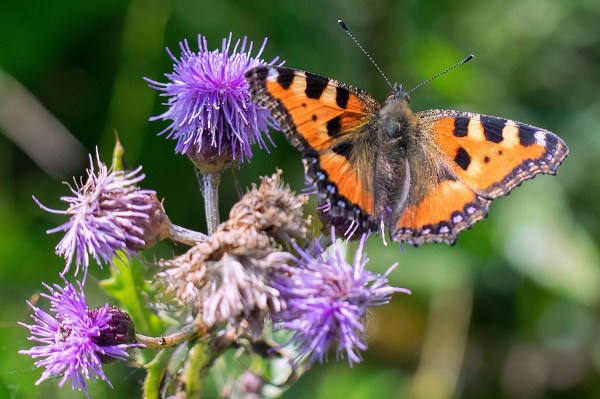
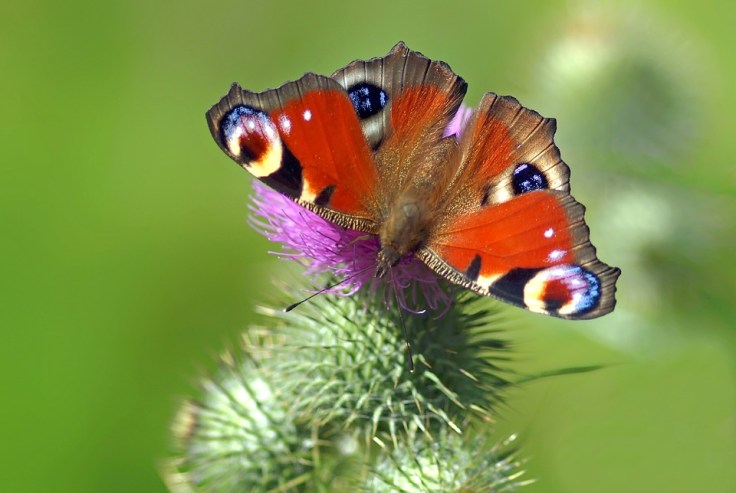
So far this year, only seven species of butterfly have been seen in the park and in very small numbers. Ian Bushell walked an unofficial transect on Wednesday and sent this message:
Read on for Ian’s message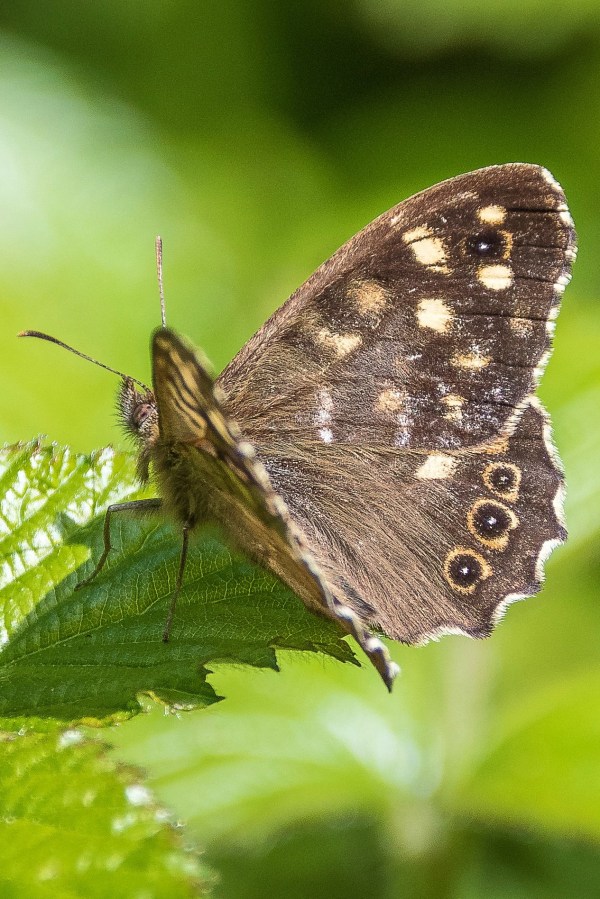
The complex surface of the wing of a speckled wood
(Pararge aegeria) photographed by DKG.
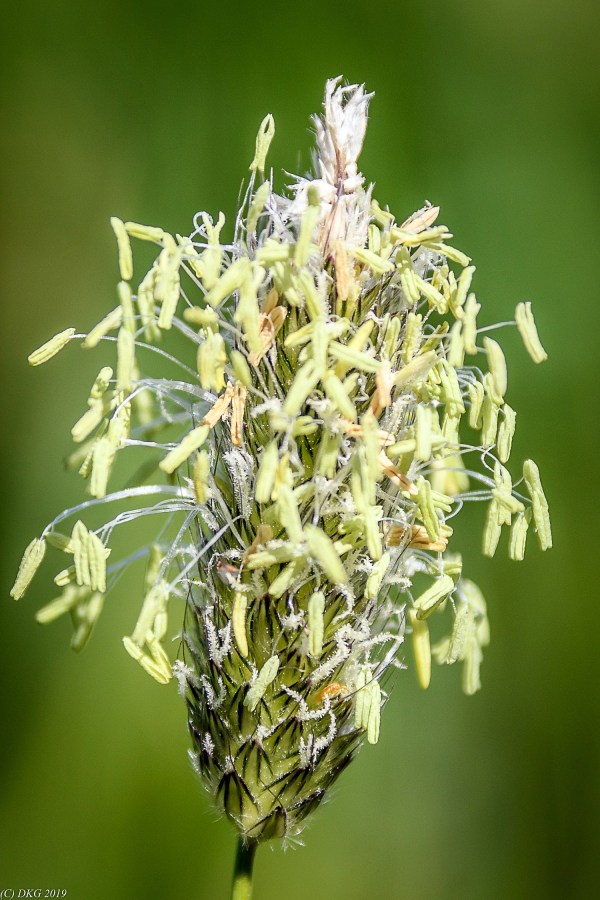
Grasses are flowering plants; they have all the same bits and pieces as a buttercup or a dandelion. The difference is that they are wind pollinated so they have not adapted their structure to meet the needs of insect pollinators; they have no scent, no nectaries, no colours or ultra-violet sign posts and no petals to make landing platforms.
Continue reading “Grass”
There is a badger sett in the park, hidden away in the boundary hedges.
Continue reading “Badger”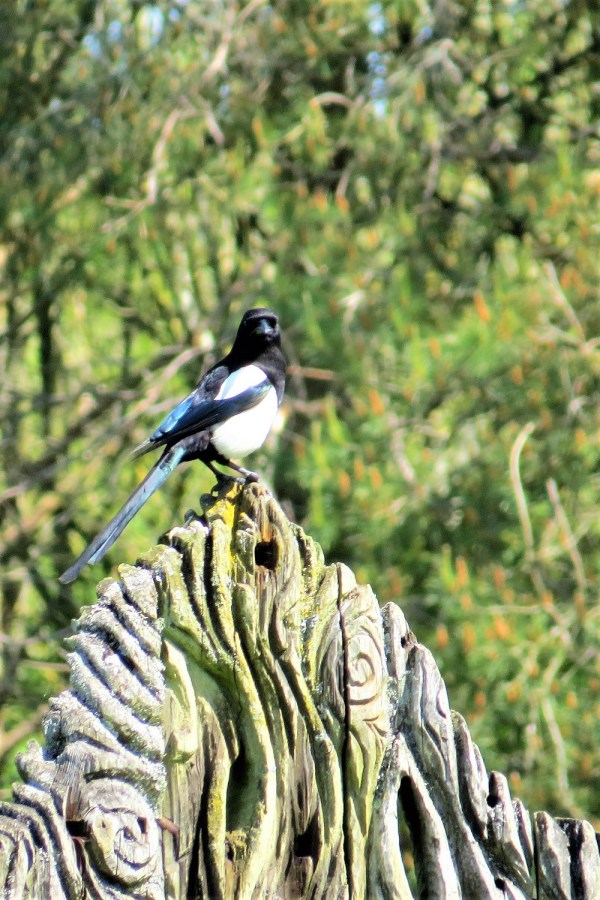
Magpie on the carved seat.

This is the blossom of the hawthorn tree. It is also called may or mayflower, and the hawthorn tree is still sometimes called a may tree.
Continue reading “Mayflower”
Wiltshire Housing Site Allocation Plan update.
Wiltshire’s Spatial Planning Department has said that Inspector Stephen Lee’s preliminary report on the WHSAP Examination, which was due on Thursday May 9th, is delayed but for only a matter of a few days. When it has been received, it will be published on the WHSAP webpage.
All our posts on this subject are tagged WHSAP.

At the beginning of this week, the UN’s Global Assessment has highlighted the impact that we are having on the natural world.
Continue reading “Global assessment”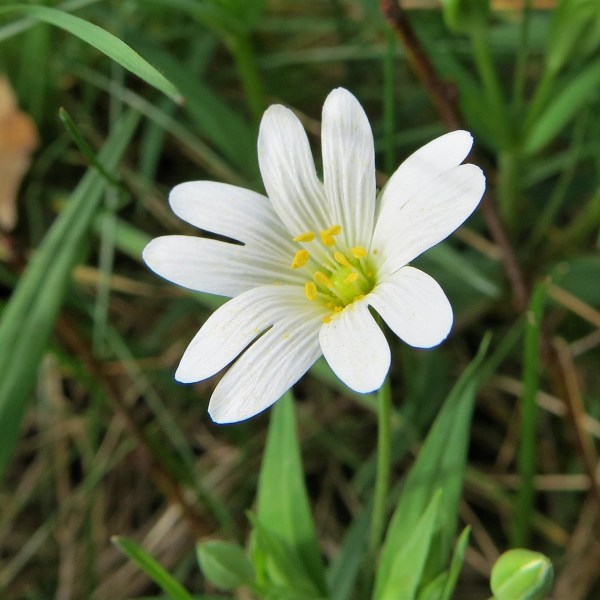
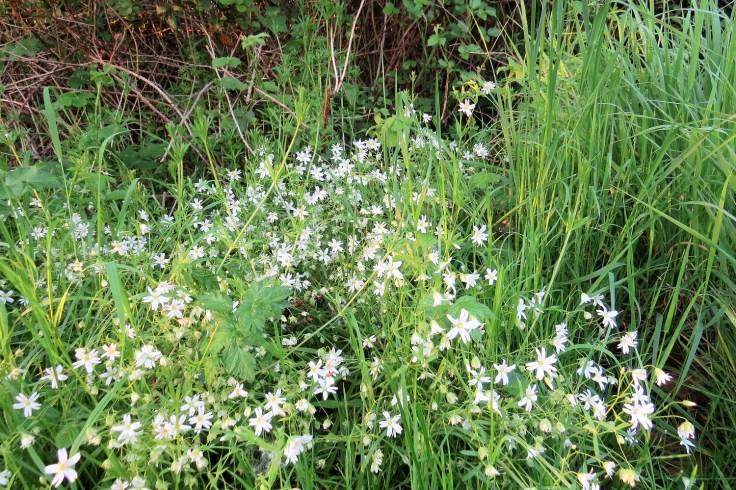
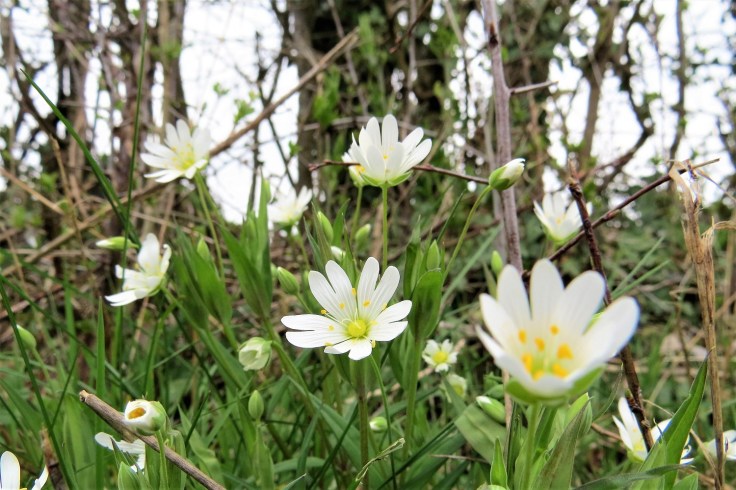
Our woods and hedges are full of greater stitchwort (Stellaria holostea), a fragile plant that avoids the sunlight if it can and leans on the foliage around it for support.


Our suggestion that we set up a Park Watch along the lines of a Neighbourhood Watch brought in a double handful of volunteers, all of them regular park users. They said that they wanted to help or that they hated to see the park spoiled in any way; nearly all said the park is a special place for them.
Continue reading “Park Watch update”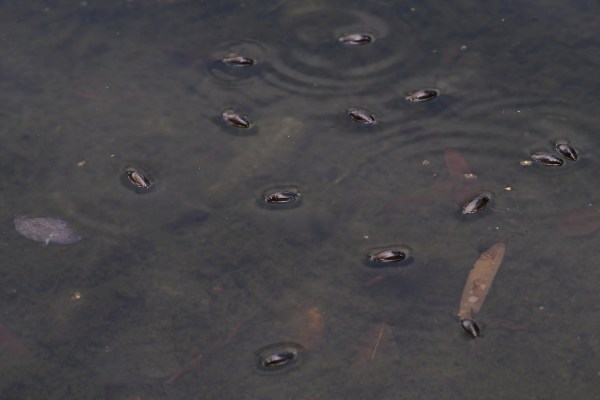
Whirligig beetles are actually a whole family (Gyrinidae) of water beetles: almost 700 different species globally, most of them very much alike and extremely difficult to tell apart. We have no idea what particular species live in the pond above the wooden bridge but all the Gyridinae share some fascinating features.
Read on for details and a short video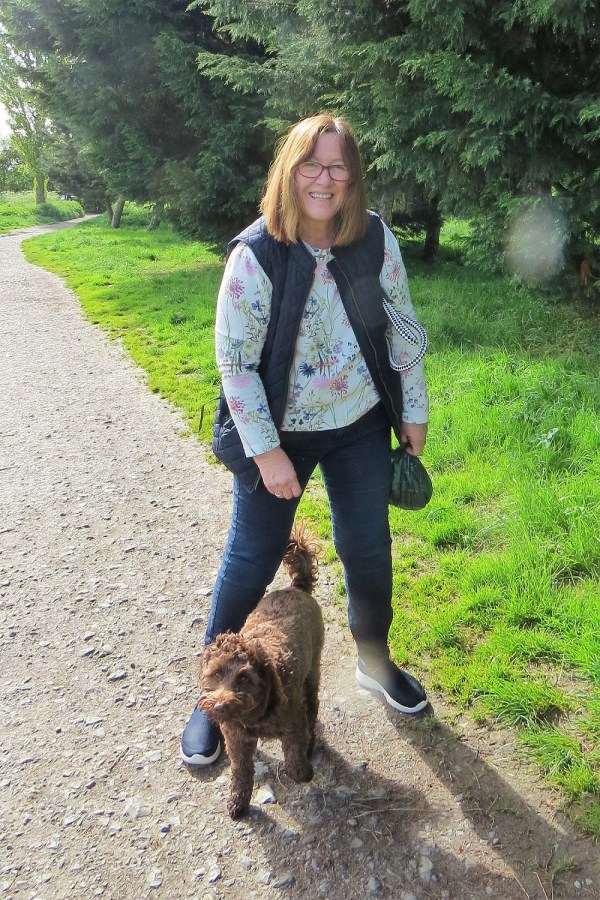
Dog of the week, Coco, who has trained Joyce to pick up not just for himself, but sometimes for other less fortunate dogs whose humans have failed them. Well done Coco for your altruism – and a gold star for Joyce, dog owner of the week.
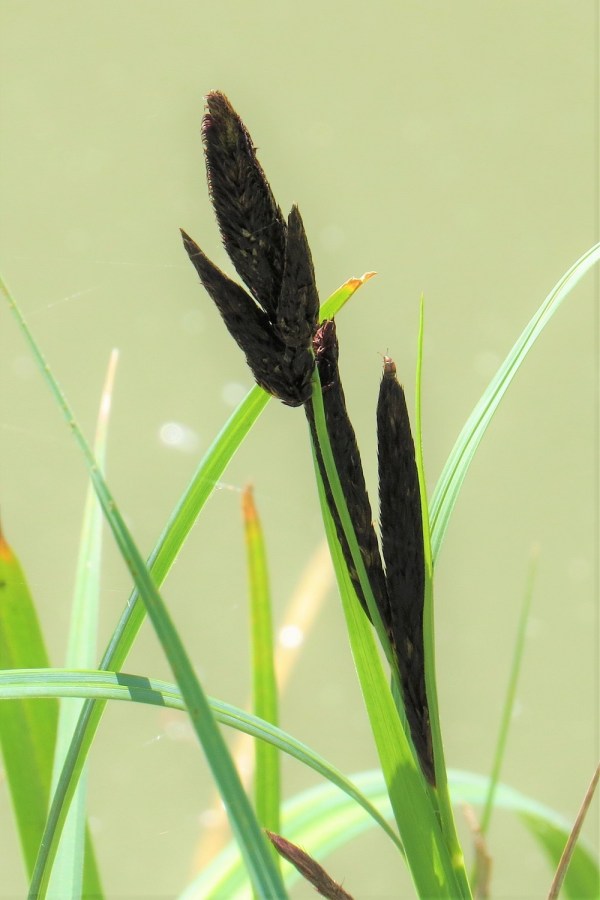
This is black sedge (Carex nigra), also known as common sedge. It grows along the Lambrok tributary either in the shallow water or on the bank and there is a bed of it in the woods just past the wooden bridge.
Continue reading
Yesterday, there were pond skaters (Gerris lacustris) on the little pond under the wooden bridge.
Continue reading “Pond skaters”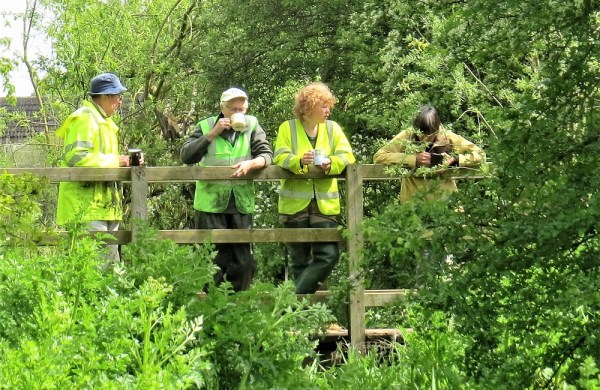
We cleared the stream by the wooden bridge; it had clogged up and we feared the little pond was becoming stagnant and would threaten the wildlife there that needs running water.
Continue reading “Wednesday work party”
These are the flowers of an oak tree. Oaks are monoecious; they have male flowers and female flowers on the same tree.
Continue reading “Oak flowers”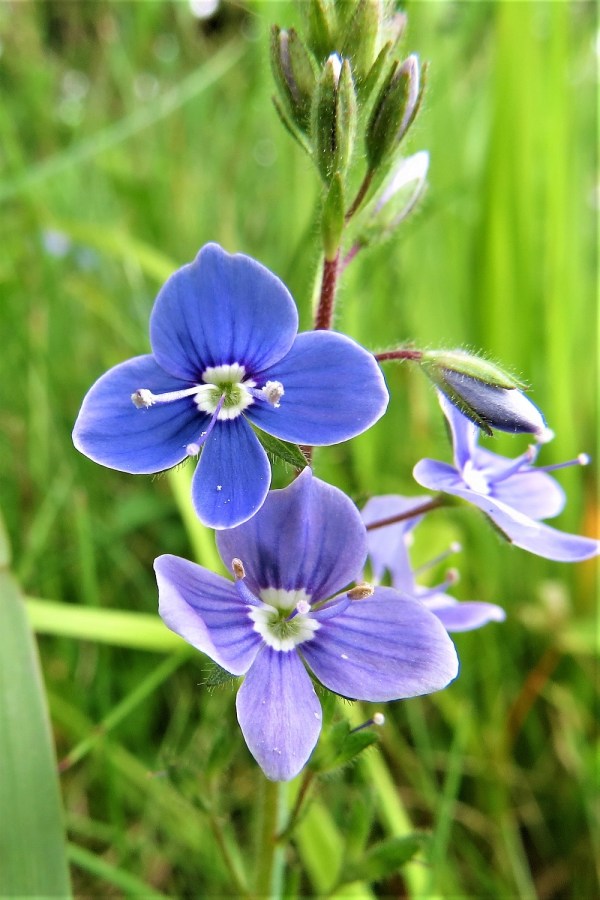
Germander speedwell (Veronica Chamaedrys) in the hedge in Brunts Field.
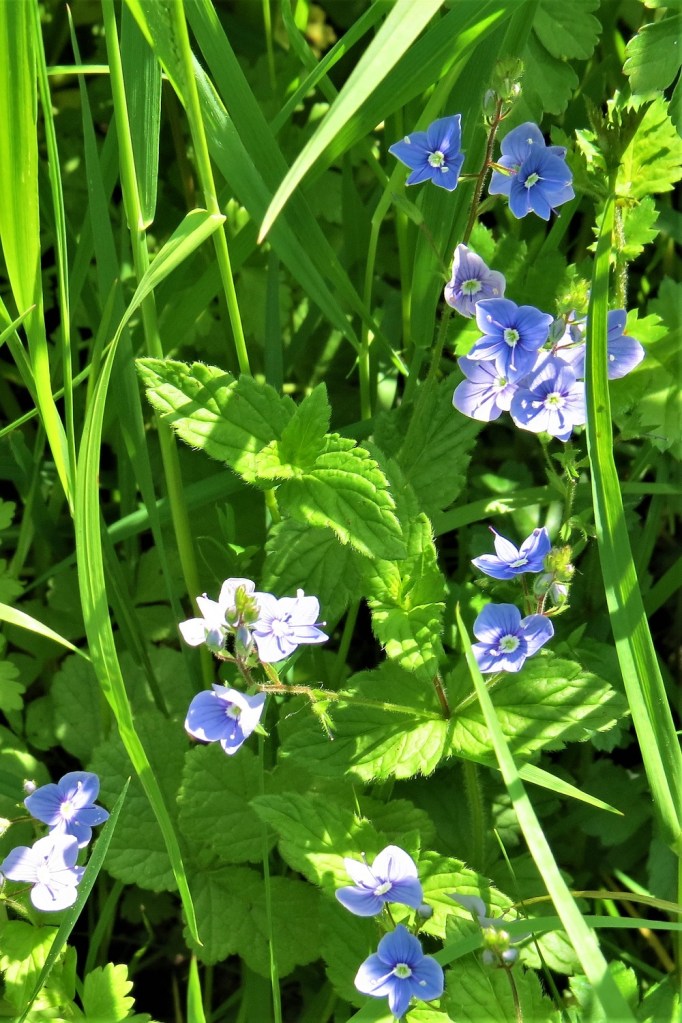
Pictures by Suzanne Humphries
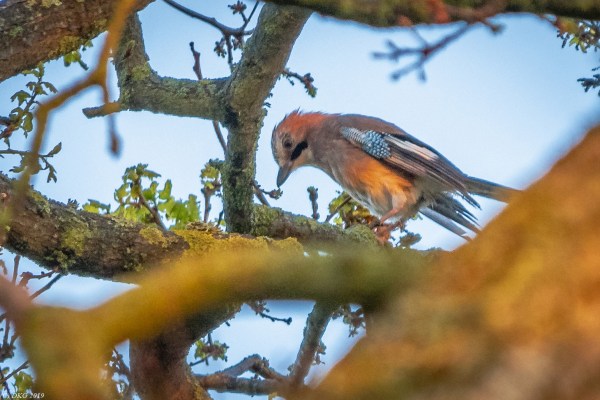
Last year’s acorn crop was poor and we expected that our resident jays (Garrulus glandarius) would chase away any winter incomers migrating from northern Europe. Jays are very territorial, defending what they consider their oak tree and all their caches of its acorns.
Continue reading “The park’s jays”
There was a frost on Saturday night.
Continue reading “Late frost”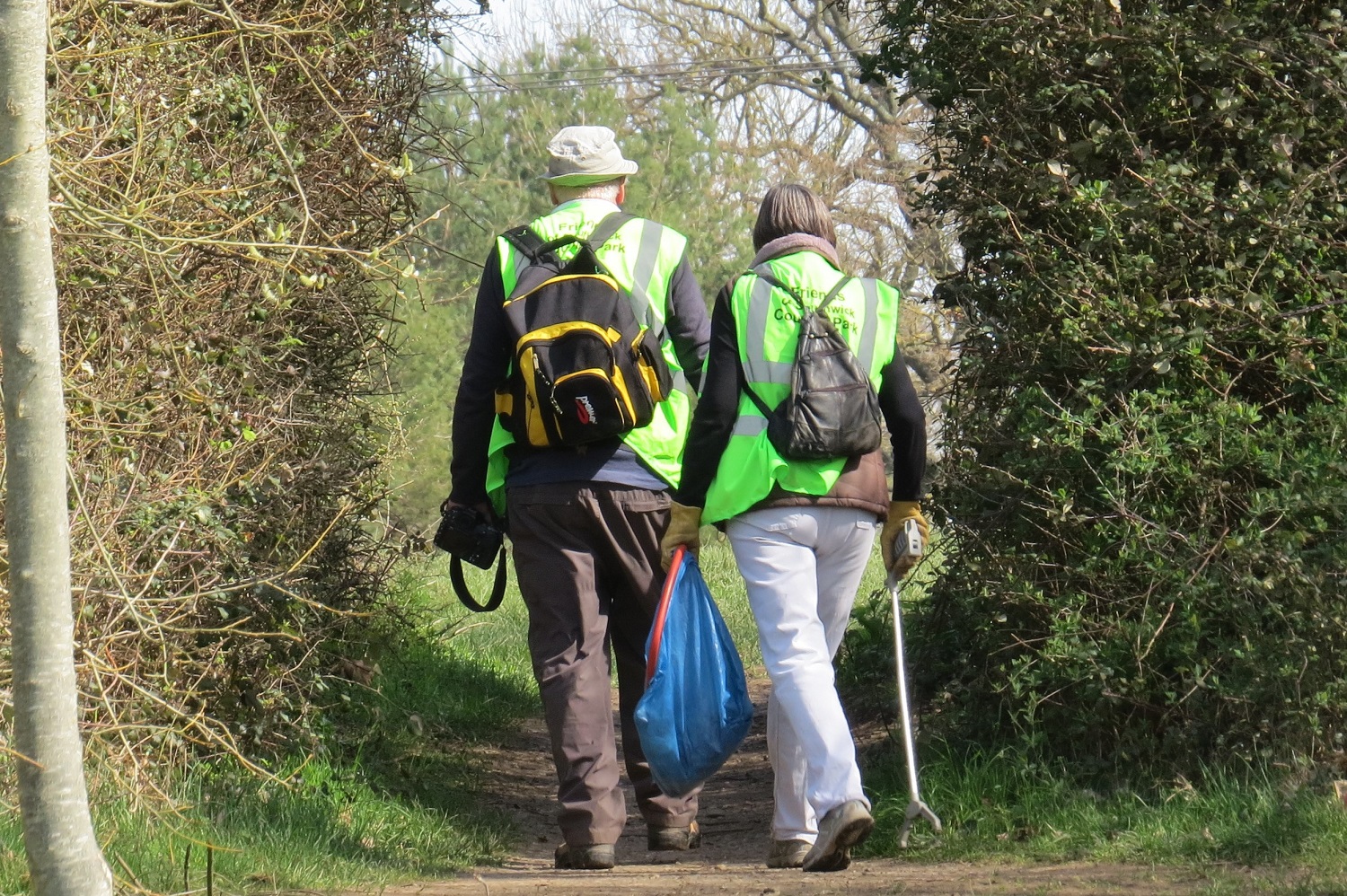


 Southwick Country Park Nature Reserve