Did you know that snowdrops are not native to the UK?
Continue reading “Snowdrop”Snowdrop

Did you know that snowdrops are not native to the UK?
Continue reading “Snowdrop”

Bees buzz in two different ways.
Continue reading “BUZZ!”

This post was first published in July 2018
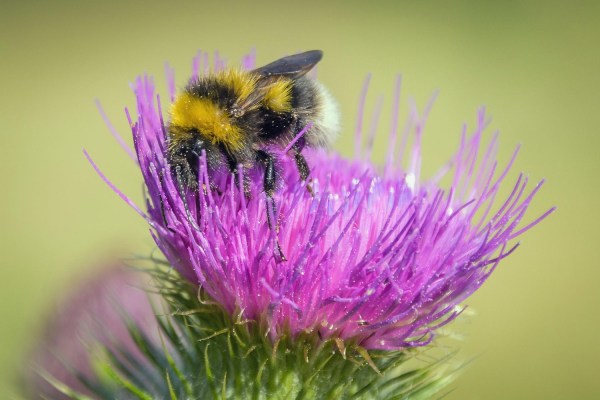
This is a garden bumble bee (Bombus hortorum) collecting nectar in a spear thistle flower at the edge of the large pond.


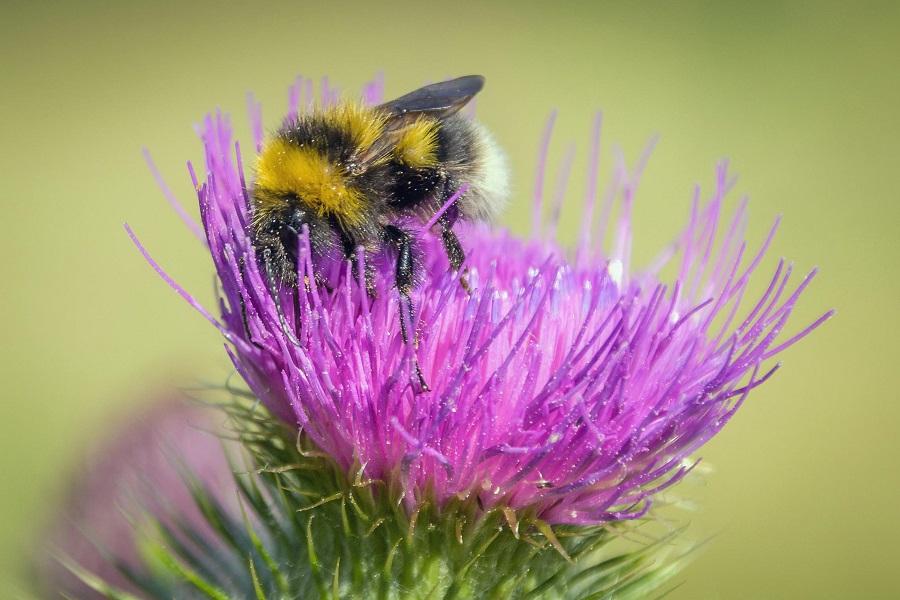

These photographs were taken by the late DKG in July of 2018
Continue reading “Garden Bumblebee”
At the last count we had two feral honey bee colonies in the reserve, both high up in veteran trees. How will the bees cope with this cold snap?
Continue reading
This year, 2023, was a good year for our species lists, particularly the invertebrates list.
Continue reading “The year’s finds”
There are at least two feral honey bee colonies in the reserve, nesting high in our mature trees. Unlike common wasps, honey bees don’t die at the end of the summer; the colony stores enough food for the queen and the workers to survive through the winter.
Continue reading “Honey bees”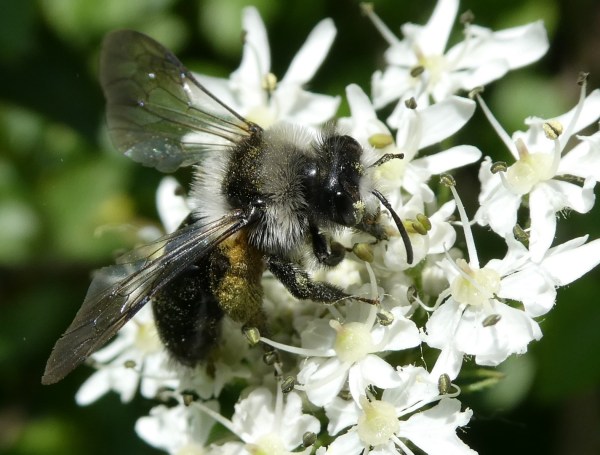
An ashy mining bee (Andrena cineraria) seen yesterday in the reserve, and photographed by Clive Knight. This is a female with two distinct bands of grey hairs across her thorax and a black, shiny abdomen.
Continue reading
If both have survived the winter, there are two feral honey bee colonies in the reserve. Feral bees are an important backwater in the Apis mellifera gene pool, busy adapting to the changing environment rather than to the needs of the beekeeping industry.
In March, our honey bees will be clearing out their nest cavities and working to replenish their depleted honey stocks. Here is a video about the way in which individual bees fit into a workforce of tens of thousands.
Buff tailed bumble bees can teach each other to open a puzzle box.
Continue reading “Bumble bee school”

Unlike common wasps, honey bees (Apis mellifera) don’t die at the end of the summer. The hive stores enough food for the queen and the workers to survive through the winter.
Continue reading “Honey bees”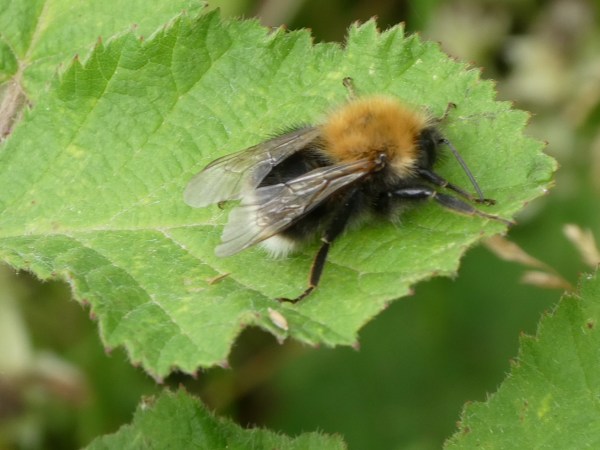
This fluffy bee is Bombas hypnorum, a tree bumblebee, photographed yesterday in the reserve by Clive Knight.
Continue reading
Bluebells photographed in the reserve on Monday by Cheryl Cronnie.
Continue reading “Bluebells”
Honey bees make a sound that apiarists call piping.
Continue reading “On the eleventh day…”
There are at least two wild honey bee nests in the reserve, high up in hollow old trees. Here is a short video that shows how the bees are adapting their colony and their behaviour to the demands of winter.

On 1st September 2020, the EU’s ban on the use of neonicotinoid pesticides came into effect but investigators have found that eight EU countries and the UK have since exported neonicotinoids to other nations with weaker environmental regulations. These are unacceptable double standards: the companies that produce these dangerous chemicals are prioritising their profits at the expense of our environment.
Continue reading “The return of neonicotinoids”
Unlike common wasps, honey bees (Apis mellifera) don’t die at the end of the summer. The hive stores enough food for the queen and the workers to survive through the winter.
Continue reading “Honey bees”
Bees buzz in two different ways.
Continue reading “BUZZ!”
Ian reports that the bee swarm from the old ash tree at Fiveways seems to have settled into a hole in the tree we call the Owl Box Oak; a second honey bee colony in the reserve is very exciting news.
Read on for even more exciting news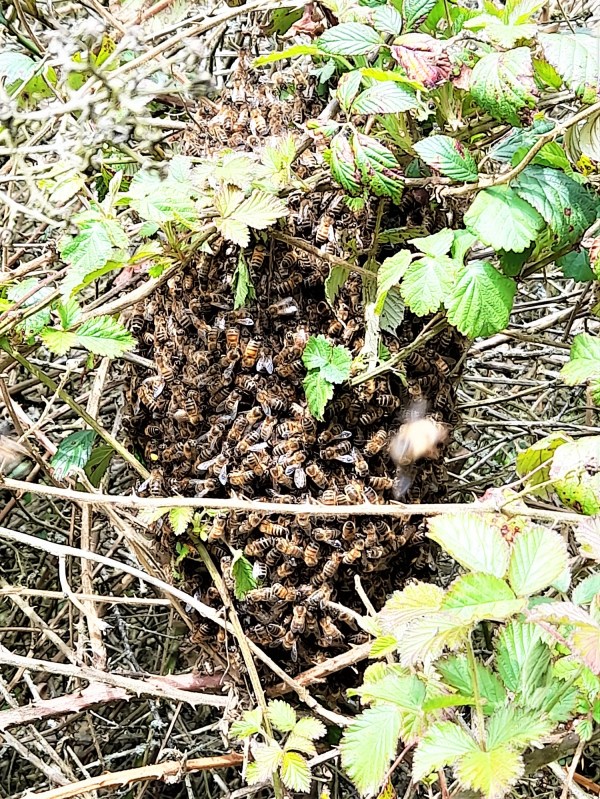
There is a honey bee colony high in the old ash tree at Fiveways. Last week the colony swarmed and Julie Newblé, a regular contributor, was lucky enough to be there with her camera.
Continue reading “Swarm”
by David Feather
It seems as though Marks and Spencer thought that they were the Bees’ Knees by setting up beehives in farms around the country, to produce honey for M&S sale. This is part of their Farming with Nature Programme.
Continue reading “The Bees’ Knees”
If you are planting your flower beds and hanging baskets this weekend, keep our dwindling population of pollinators in mind and please don’t plant double flowers.
Continue reading


 Southwick Country Park Nature Reserve