
Mallard
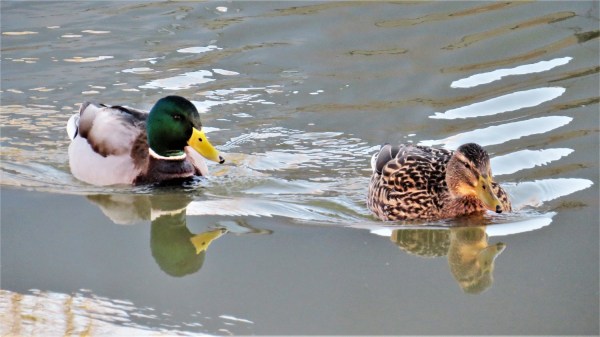
There has been a pair of mallards seen on the big pond during the week.
Continue reading “Mallard”Rooks in February
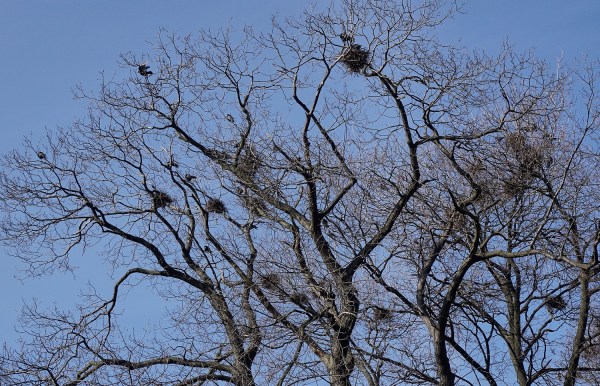
Before the end of February, the nature reserve’s rooks will have started collecting building materials for their nests. Here is a video that shows us what kind of behaviour to look out for:
Video by Film Studio Aves;
Header picture (CC0) pixabay.com
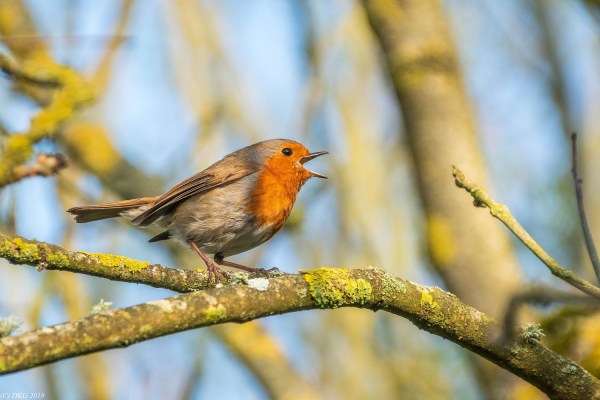
It might be cold but the robin at Fiveways is still singing.
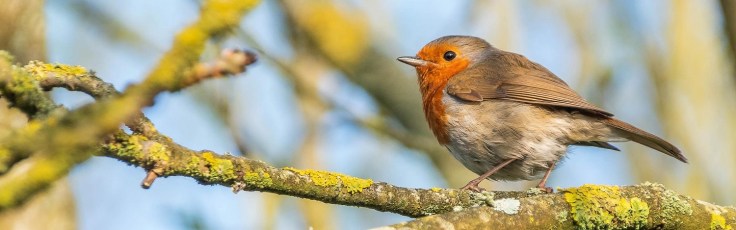
Both pictures of the Fiveways robin were taken by DKG in 2019.
Recording by Beatrix Saadi-Varchmin CC BY-NC-SA 4.0) xeno-canto.org

Winter nights
These long periods of sub-zero temperatures are really hard for the reserve’s small birds.
Continue reading
Our barn owls are back
Sharon Vincent posted on our Facebook page:
Sharon Vincent: Thought you might like to know we saw a barn owl flying across the Village Green field at about 11am this morning. No photo as I was so excited I forgot to grab my phone, & it was gone quite quickly!
Continue reading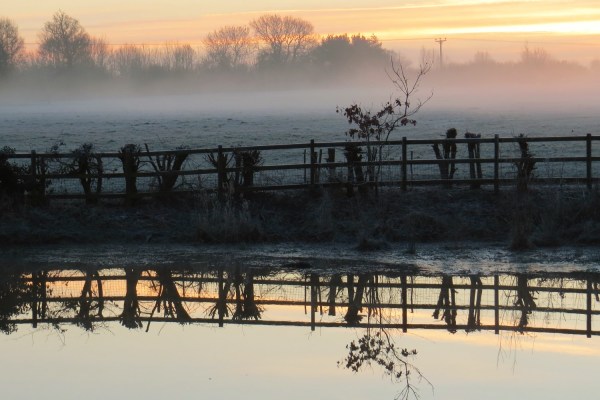
Before dawn, this frosty morning in the park, it sounded as though there was a song thrush singing from the top of every tree.
Continue reading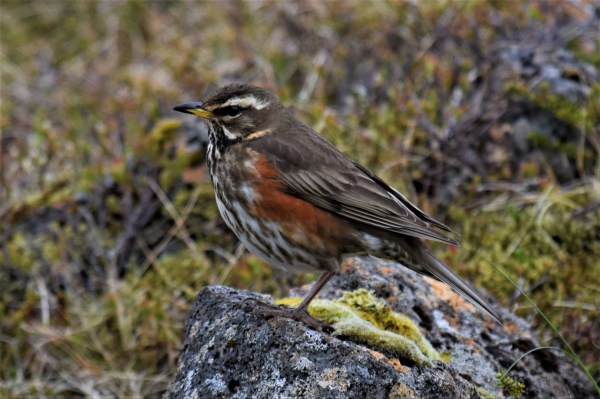
Redwing
Every year redwings are among the park’s winter visitors; we are their winter migration’s destination.
Continue reading
Blue tit
by Simon Knight
Along with everything else going on in the world, I was beginning to find the recent dull weather slightly depressing. I have also found it frustrating from a photography point of view, as I only like to take pictures in good light, and you don’t get good light without the sun! The recent dullness has been especially frustrating as I have had a new lens to test which needs good light for me to be able to get the best out of it.
Continue reading
There is a family of Eurasian wrens (Troglodytes troglodytes) sharing a winter territory in the copse to the north east of the big pond. Have you seen them?
Continue readingOn the twelfth day of Christmas
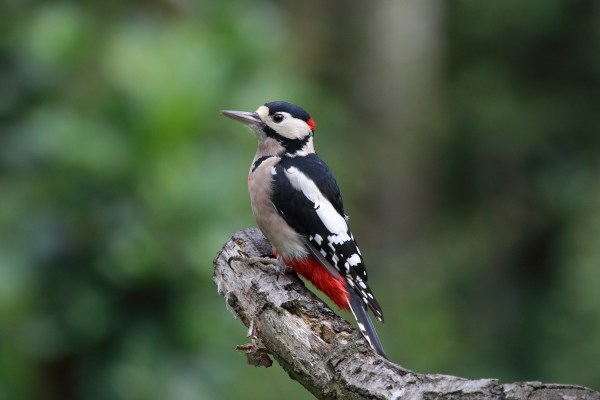
The park’s twelve drummers drumming are great spotted woodpeckers. They begin drumming at the end of winter as part of a courtship ritual in which the male marks out his territory and advertises his presence by drumming his beak against hollow wood 10 to 20 times in just 2 seconds, and the females replies briefly as she enters his territory.
Here is a video:
Video recorded in March 2019 by George Ewart
On the seventh day of Christmas
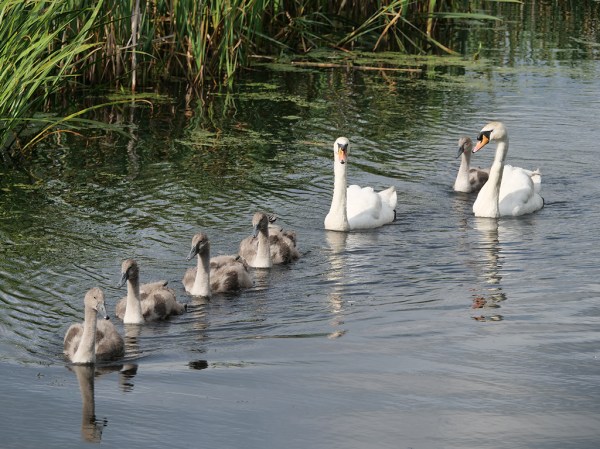
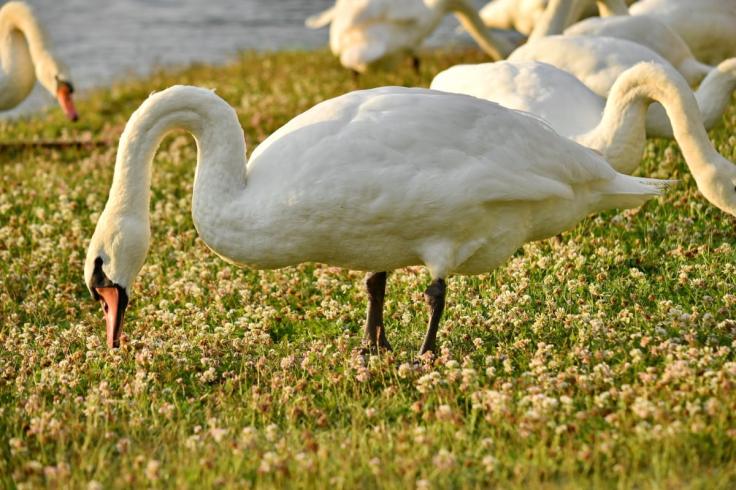
my true love sent to me seven swans a-swimming.
Mute swans (Cygnus olor) come to the park to graze, not to swim or raise chicks. They break their long journey to some faraway lake or river, to rest and eat in the park’s green fields. We are a swan service station.

Four calling birds

Not calling birds, according to the experts, but colly birds. Colly is an old word for soot or coal dust and a colly bird is a blackbird. We have tuneful blackbirds by the dozen in the park.
Audio by Beatrix Saadi-Varchmin (CC BY-NC-SA 4.0) xeno-canto.org
On the third day of Christmas
my true love sent to me:
…unfortunately, we have no French hens. In fact we don’t even know what French hens are and, try as we might, we can’t find out. The top two theories suggest that they were either fashionable domestic poultry in 1780, when the song was first published, or an allegorical representation of the Holy Trinity.
Continue reading “On the third day of Christmas”On the second day of Christmas
my true love sent to me…
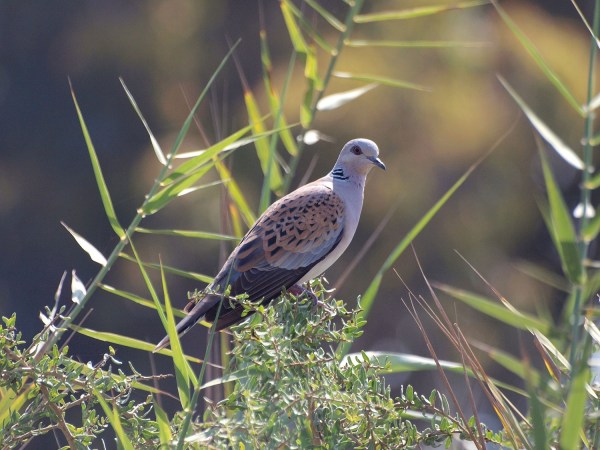
…two turtle doves. We have collared doves and woodpigeons by the dozen but no turtle doves. Sorry.
Continue reading “On the second day of Christmas”
Christmas robins
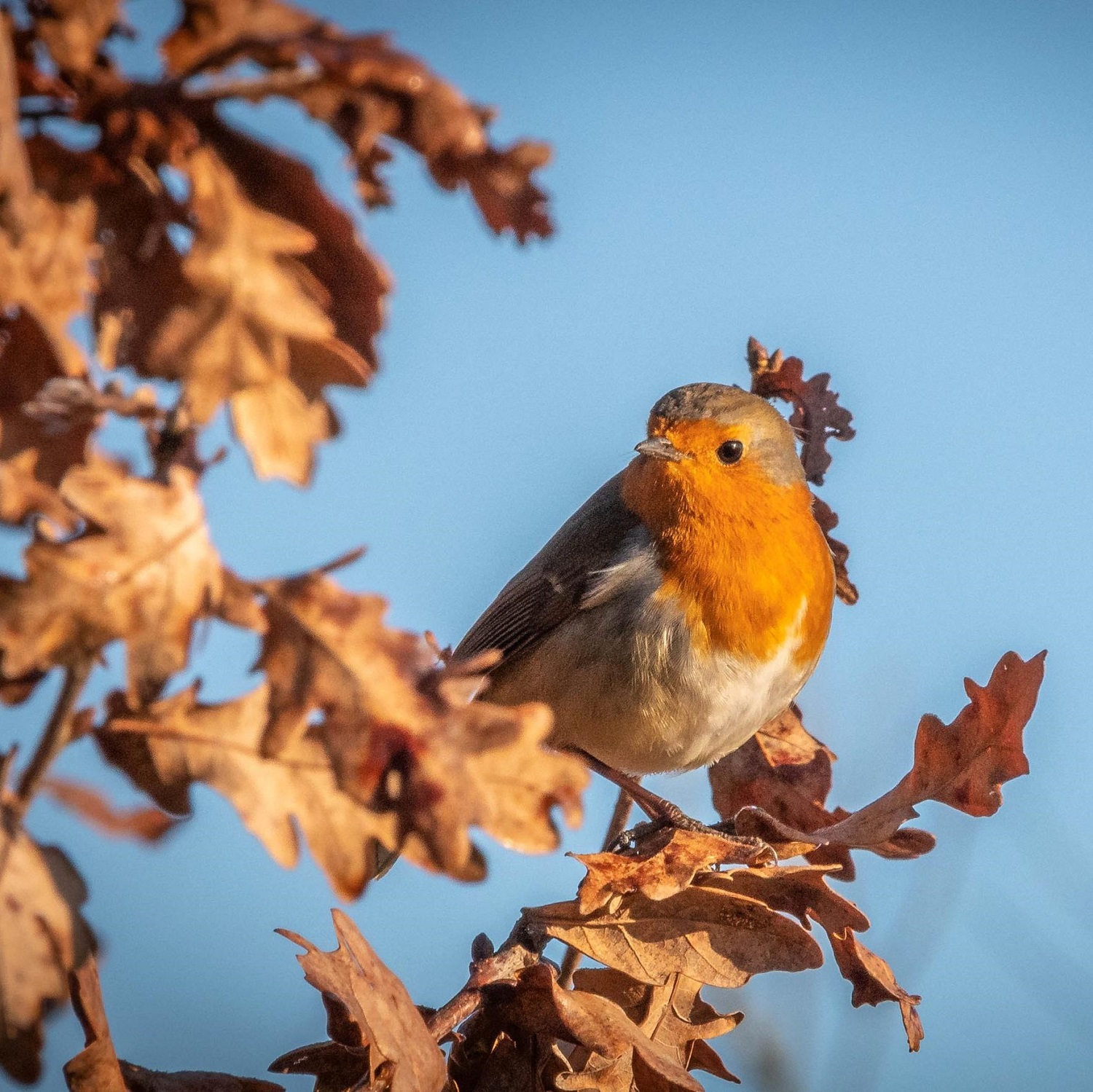
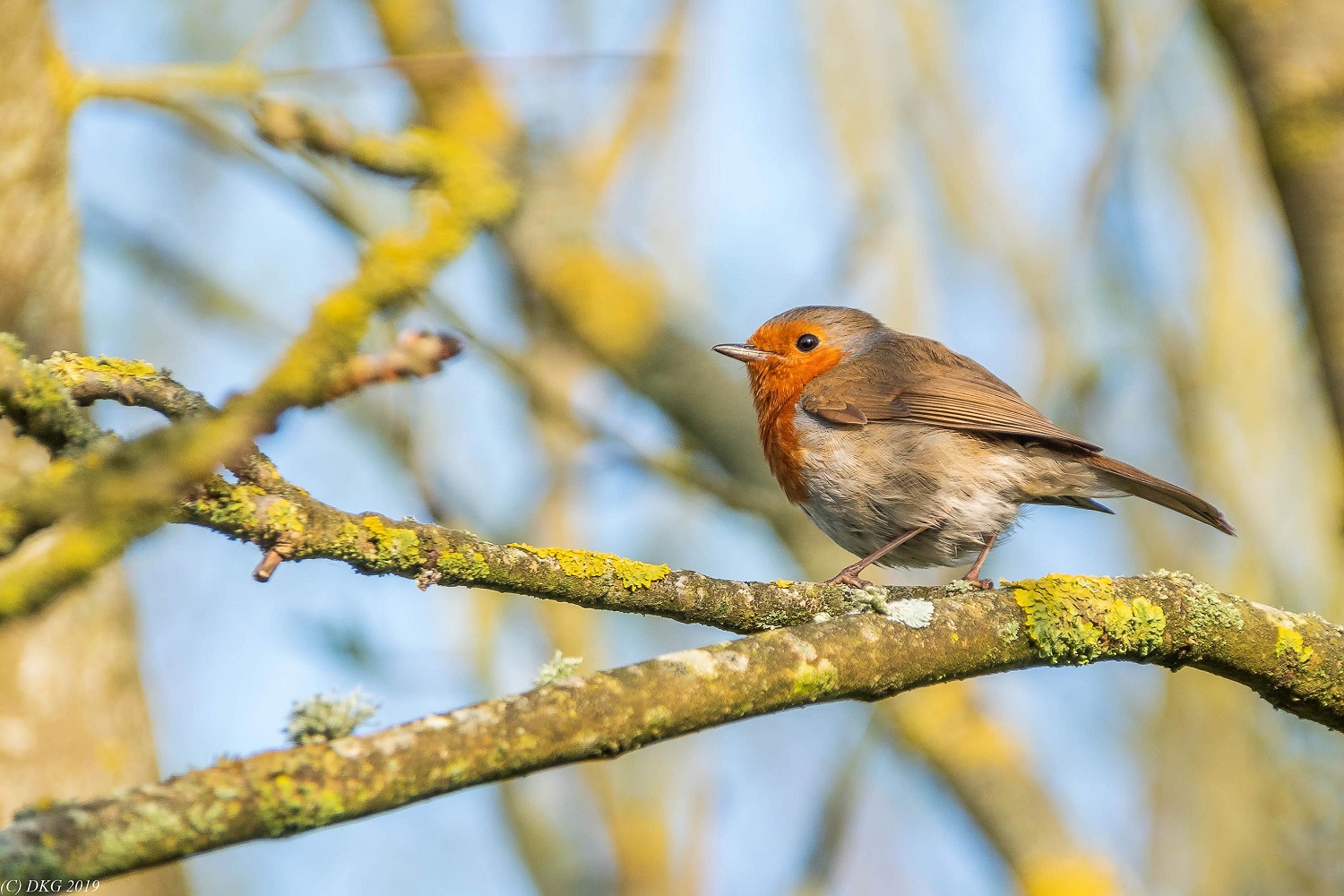
A Christmas Eve gallery of the park’s robins, photographed by DKG.




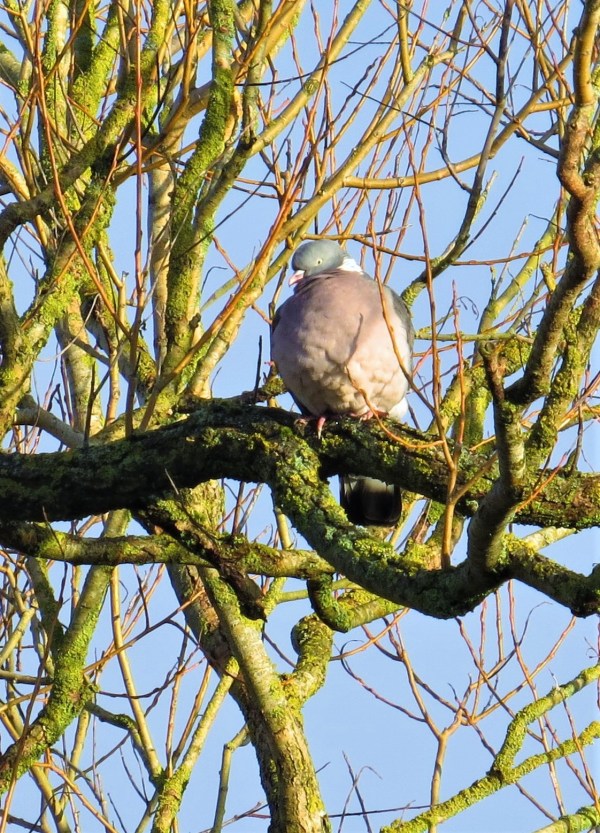
Not a partridge in a pear tree…
but a wood pigeon in a willow tree.
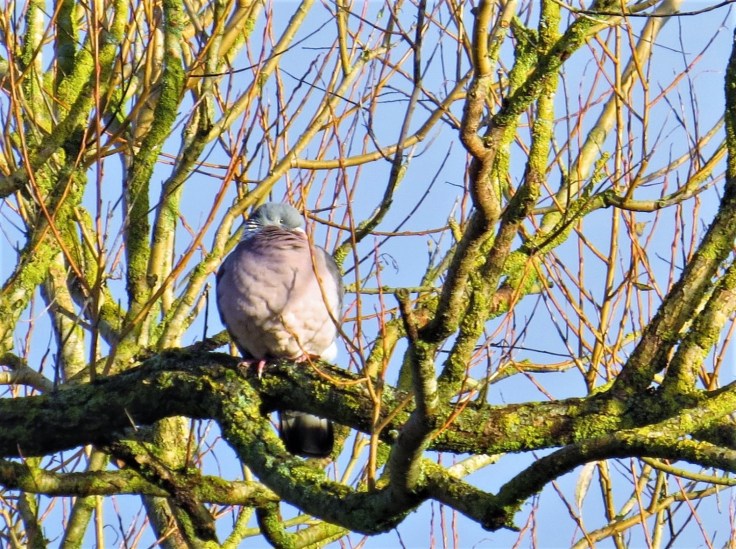
A wood pigeon in a willow tree, fluffed up against the cold of Wednesday’s bright, frosty morning.
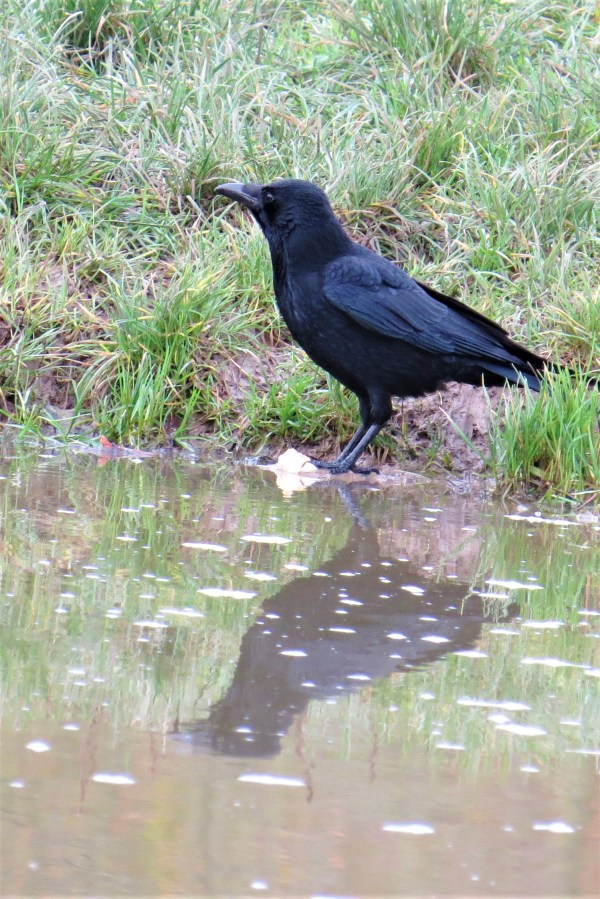
Clever corvid
Here’s a clever carrion crow (Corvus corone) bringing a piece of dried bread, from a bird table somewhere in Studley Green, to soak it in our pond until it is soft enough to eat.


Tawny owl facts

Since our report that there are tawny owls in the park, we have had several more from park-going night owls and early risers. Here are some tawny owl facts:
click here for tawny owl factsThe winter thrushes

Fieldfare (Turdus pilarus) and redwing (Turdus musicus), migratory thrushes from mainland Europe, are common winter visitors to the park. They are easily confused; here is a video to help you distinguish the two species.
Header picture: Fieldfare (Turdus pilaris) by Teresa Reynolds (CC BY-SA 3.0)

Tu-whit tu-whoo
Thanks to Sarah Gould for reminding us that the tawny owl’s classic tu-whit tu-whoo noise is, in fact, made by two birds in conversation.
Click for audioWinter moths

The Winter moth (Operophtera brumata) is one of the few moth species that can cope with winter’s freezing temperatures in its adult stage. They are endothermic which means that they can produce heat internally by biochemical processes, just as warm-blooded creatures do.
Continue reading “Winter moths”
Shrieking in the woods
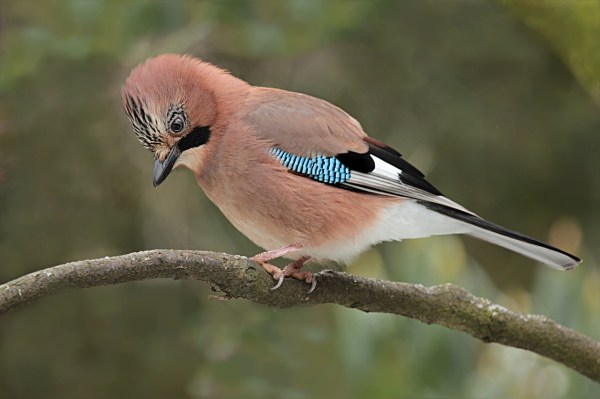
There are all sorts of things that shriek in our woods: the Eurasian Jay (Garrulus glandarius) is just one of them.
Jay (Garrulus glandarius) audio by Bodo Sonnenburg ( CC -BY-SA) xeno-canto.org
click here for more shriekers and Screamers
Bird populations in crisis

Last year the Department for Environment Food and Rural Affairs (DEFRA) published a report called Wild Bird Populations in the UK, 1970 to 2018. We published this post at the time but feel it bears repeating: the coronavirus crisis may be at the top of our list of concerns but the environmental crisis has not gone away.
Continue reading “Bird populations in crisis”



 Southwick Country Park Nature Reserve