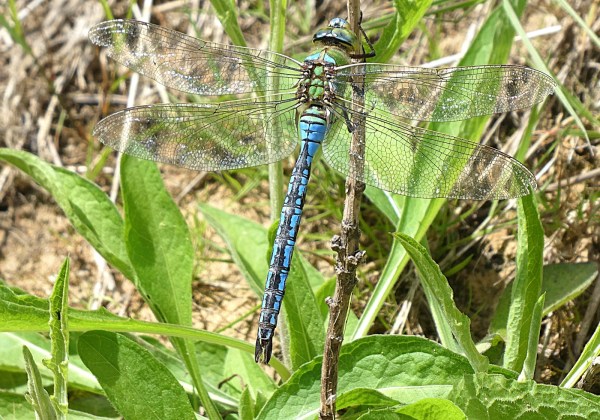
Emperor!

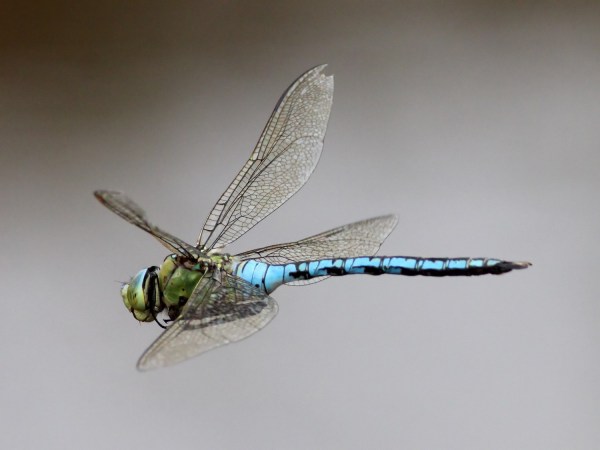
Ian has sent this beautiful photograph of a male emperor dragonfly (Anax imperator) perching among vegetation bordering one of the wetland scrapes in Lambrok Meadow.

While we have known for several years that emperors visit the reserve, we haven’t been sure that they were breeding here. But below is another of Ian’s pictures, this time of a female emperor laying eggs in one of our ponds.
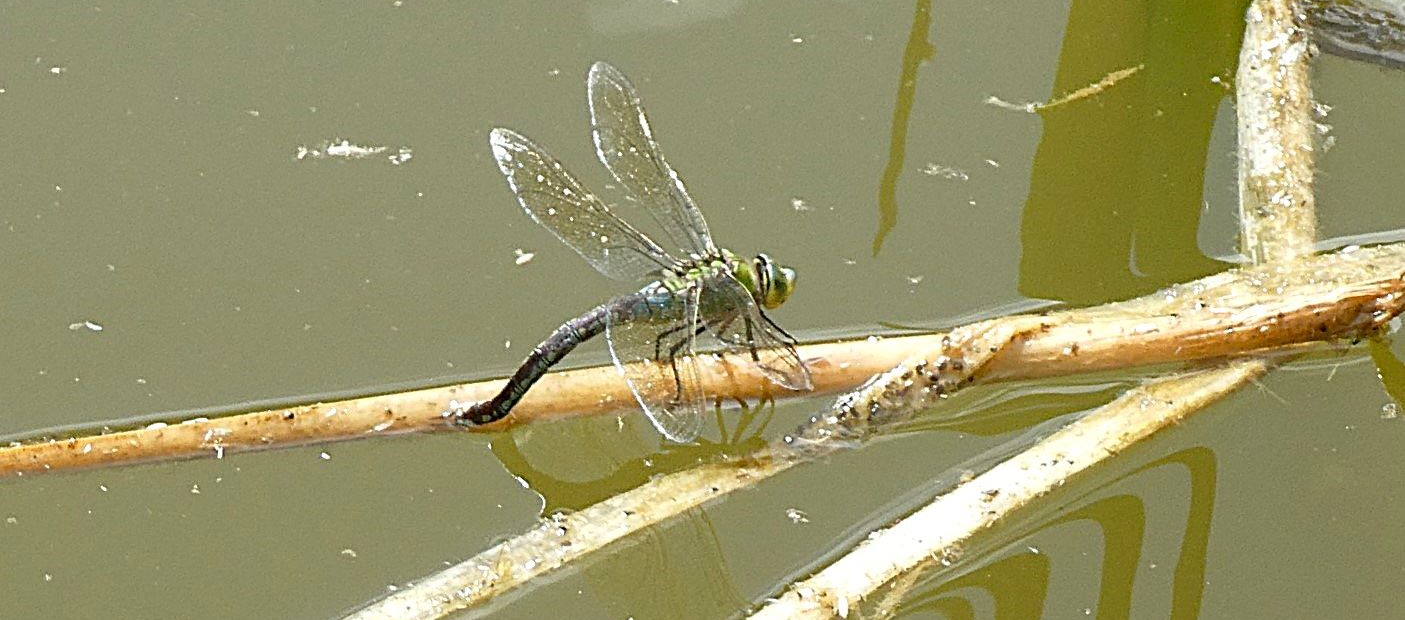
Images taken in the reserve by Ian Bushell
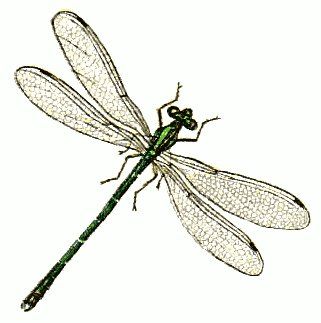
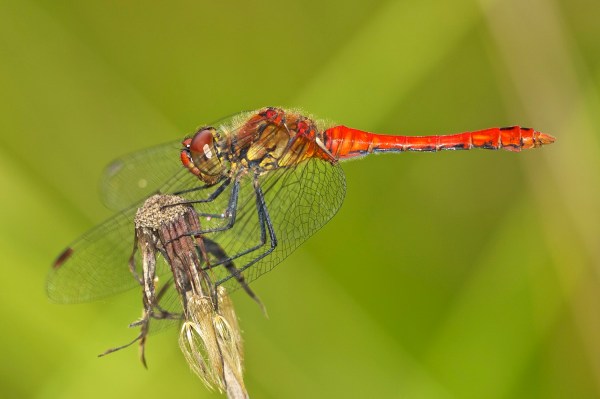
How to tell a dragonfly from a damselfly

Dragonflies and damselflies are closely related cousins in the Odonata family but it isn’t difficult to tell them apart.

Continue reading

Incomplete metamorphosis

We are too inclined to think of butterflies if anybody says anything about metamorphosis: eggs under a green leaf, caterpillars, chrysalises, and the beautiful adult wings unfolding in the sunlight. But all insects metamorphose and in many different ways.

Continue reading

Message from Ian:

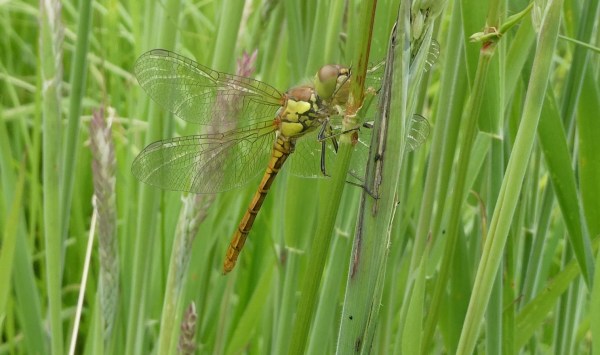
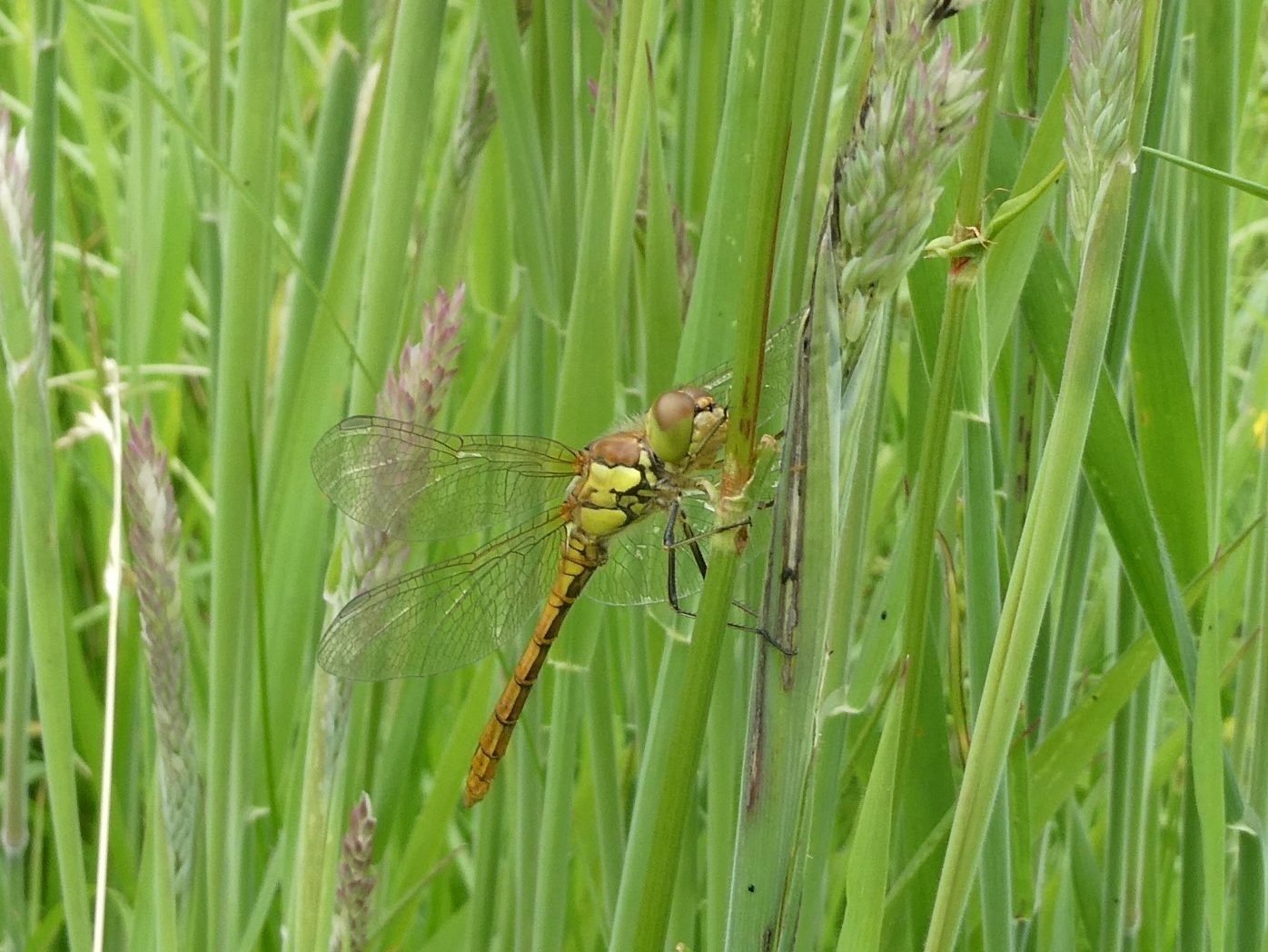
I think this is a very recently emerged female Ruddy Darter – Sympetrum sanguineum – taken on Friday June 7th near the reserve’s big pond. 

All pictures taken in the reserve by Ian Bushell

Aeshna cyanea

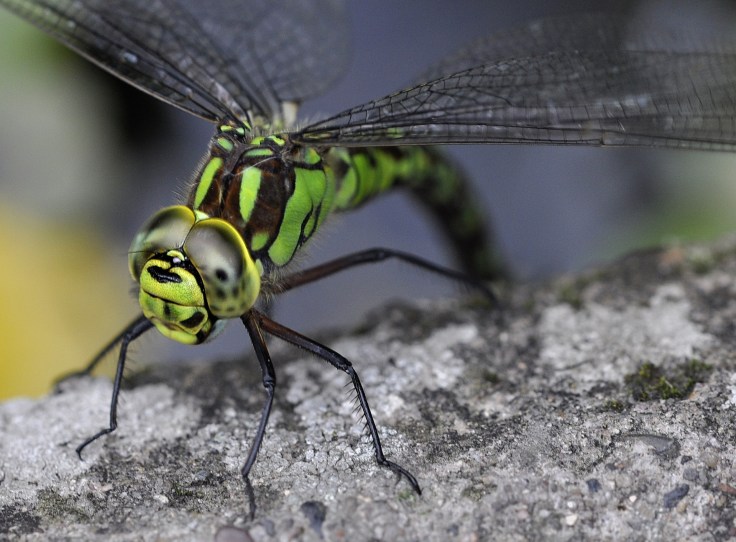
A southern hawker (not the one in these images) visited the Wednesday Work Party in the picnic area at the reserve last week: such a beautiful creature.

Southern hawker (Aeshna cyanea)

Broad bodied chaser

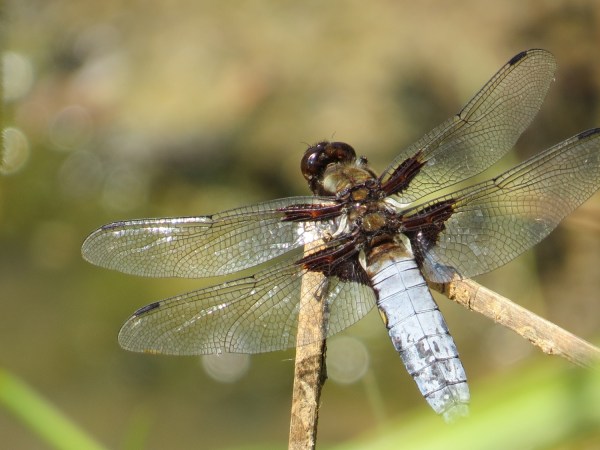
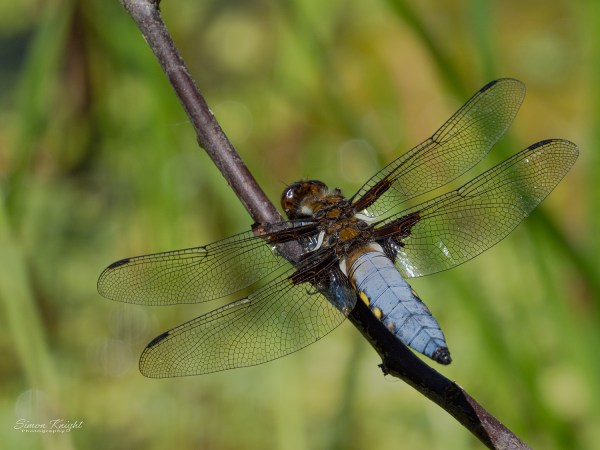
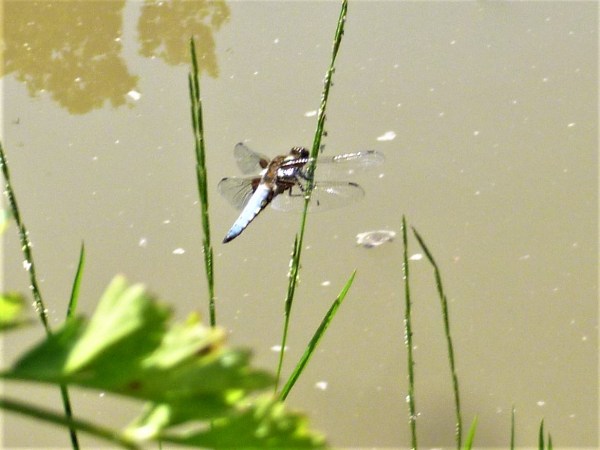
Village Green pond is prime real estate for broad bodied chasers. All summer long the flashy blue males fight over territory and the attentions of the golden brown females. Keep an eye out for them the next time you are passing.

Common Darter

by Ian Bushell
Yesterday afternoon, at the bottom set-side in Village Green, I was chatting with an old chap who, as a boy had played in these fields, when I saw a pair of dragonflies flying by.

Continue reading

Southern hawker

A late summer southern hawker photographed in the reserve last week by Clive Knight. The southern hawker’s flight period runs from the end of May right through into November but each individual dragonfly lives for only around six weeks. This one, to judge by it’s faded colours and torn wings, is approaching the end of its life.

The summer’s drought made difficulties for our dragonflies. Many of the shallow pools along the Lambrok dried up completely and the big pond, Grand Central Station for our Odonata, was reduced to a mere puddle. Not only do all dragonflies and damselflies need standing water for successful breeding, but so do their flying insect prey: nowhere to lay eggs, nothing to eat, not a good year.

How to tell a dragonfly from a damselfly

Dragonflies and damselflies are closely related cousins in the Odonata family but it isn’t difficult to tell them apart.

Continue reading

Broad bodied chaser

Have you seen the male broad bodied chasers fighting for territory in spectacular aerial dog fights over the pond? There were at least ten of them yesterday, as well as two females laying their eggs in the pond’s shallow margins. If you’re passing, pause and watch; here is a video to help you with identification.

Header picture: broad bodied chaser (Libellula depressa) © Simon Knight.

How to tell a dragonfly from a damselfly

Dragonflies and damselflies are closely related cousins in the Odonata family but it isn’t difficult to tell them apart.

Continue reading

Common Darter

By Ian Bushell
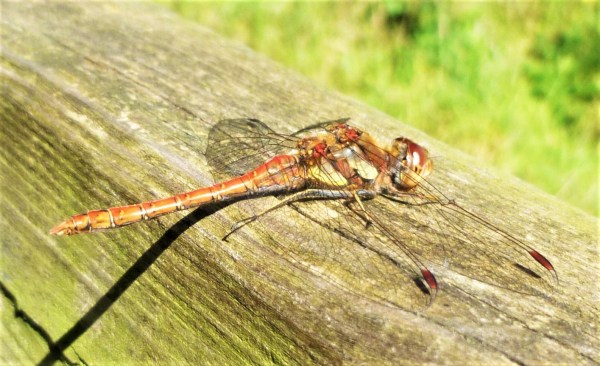
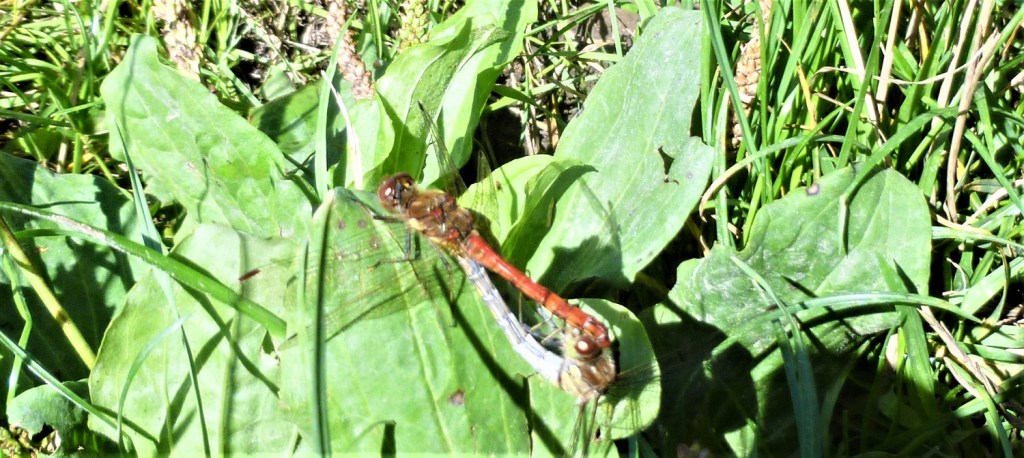
A male Common Darter (Sympetrum striolatum) resting on the wooden footbridge over the Lambrok tributary. At the pond, there were six male Common Darters protecting their own patches and I was lucky enough to get a picture of this pair mating.

A mating pair of common darters photographed near the pond by Ian Bushell.
Header picture: common darter, by Ian Bushell.

Hatch!

Extraordinary little video of an emperor dragonfly hatching into its final adult form.

Published on Jul 31, 2012 by wildvod.
Emperor Dragonfly larvae emerging from the kitchen garden pond at the Tyntesfield National Trust Estate in June 2012.

Ruddy darter?

This is, without doubt, a picture of a ruddy darter (Sympetrum sanguineum). We rarely use as a headline any pictures that have not been taken in the park but this one was taken in Chemnitz, Germany by Jörg Hempel and has been downloaded from Wikimedia Creative Commons

Click here to find out why

Damsel fly or dragonfly?

It is easiest to tell the difference between the two when they are at rest; then a damselfly’s wings are folded along its body while a dragonfly’s wings are outspread, held at right angles to its body.

Continue reading

Create a website or blog at WordPress.com

Up ↑