A fascinating fact….
…about pigeons
Continue reading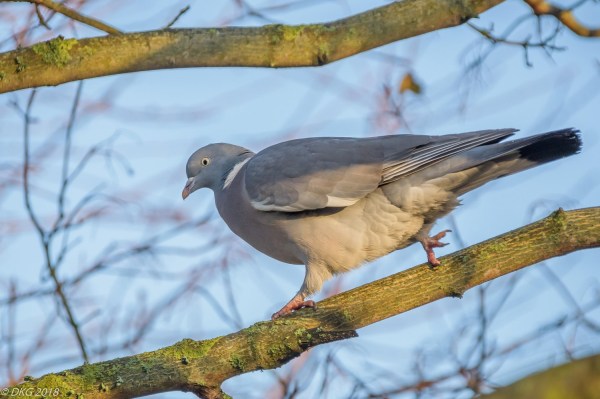
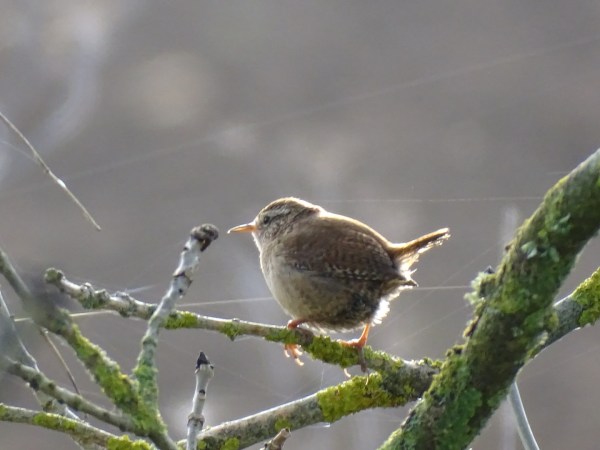
Eurasian wrens (Troglodytes troglodytes) share territories during the winter, in particular they will share sheltered winter roosts, sometimes crowding together for warmth in nesting boxes. The record number of wrens seen leaving a nesting box after a cold night is sixty three.
Header image: wren by Cheryl Cronnie
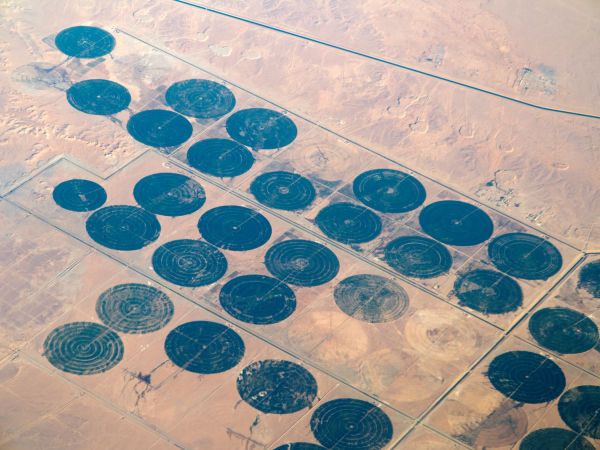
Here’s a fascinating but frightening fact: in the last couple of decades, we humans have pumped so much water out of the ground that we have actually shifted the planet’s poles by almost a metre. Earth’s poles are not fixed points. They wobble around to the rhythm of several cycles, some millennia long, so it’s hard to tell what, if any, effect this human interference will have. But it does show us what an enormous amount of ground water we are using and how damaging the consequences could be.
Header image: Irrigation in the desert by GRID-Arendal (CC BY-NC-SA 2.0) flickr.com


Snowdrops are the earliest of the reserve’s wildflowers and this is the right time to look out for their green shoots pushing through the woodland’s leaf litter. Here, while we wait for the flowers, are five things you probably didn’t know about snowdrops.
Continue reading
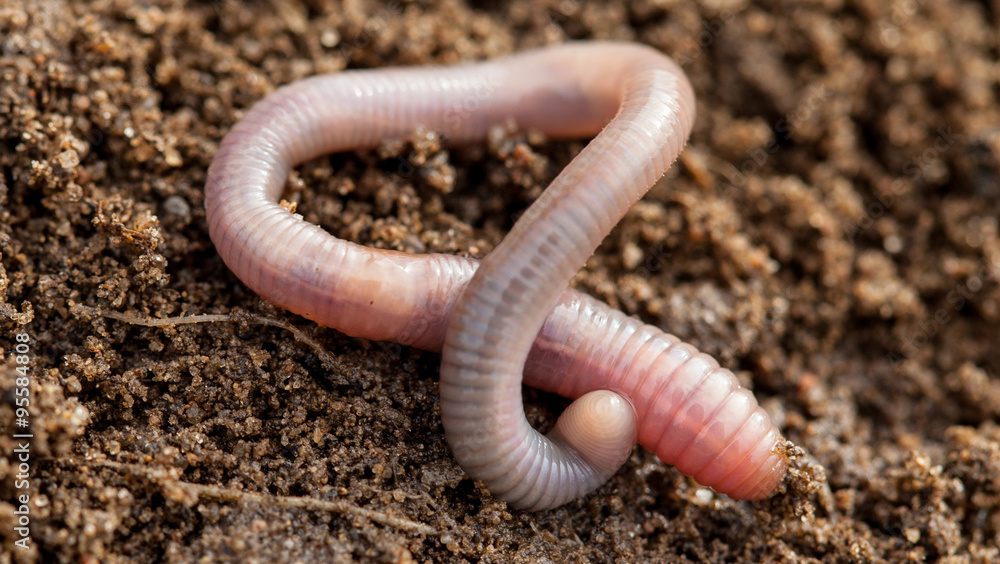
Charles Darwin calculated that there would be 53,000 earthworms in an acre of soil. That number has been adjusted upwards over the years and at the moment stands anywhere between 500,000 and a million. The reserve covers about 140 acres so, even at the lowest of modern estimates, there are 70 million earthworms in the park.

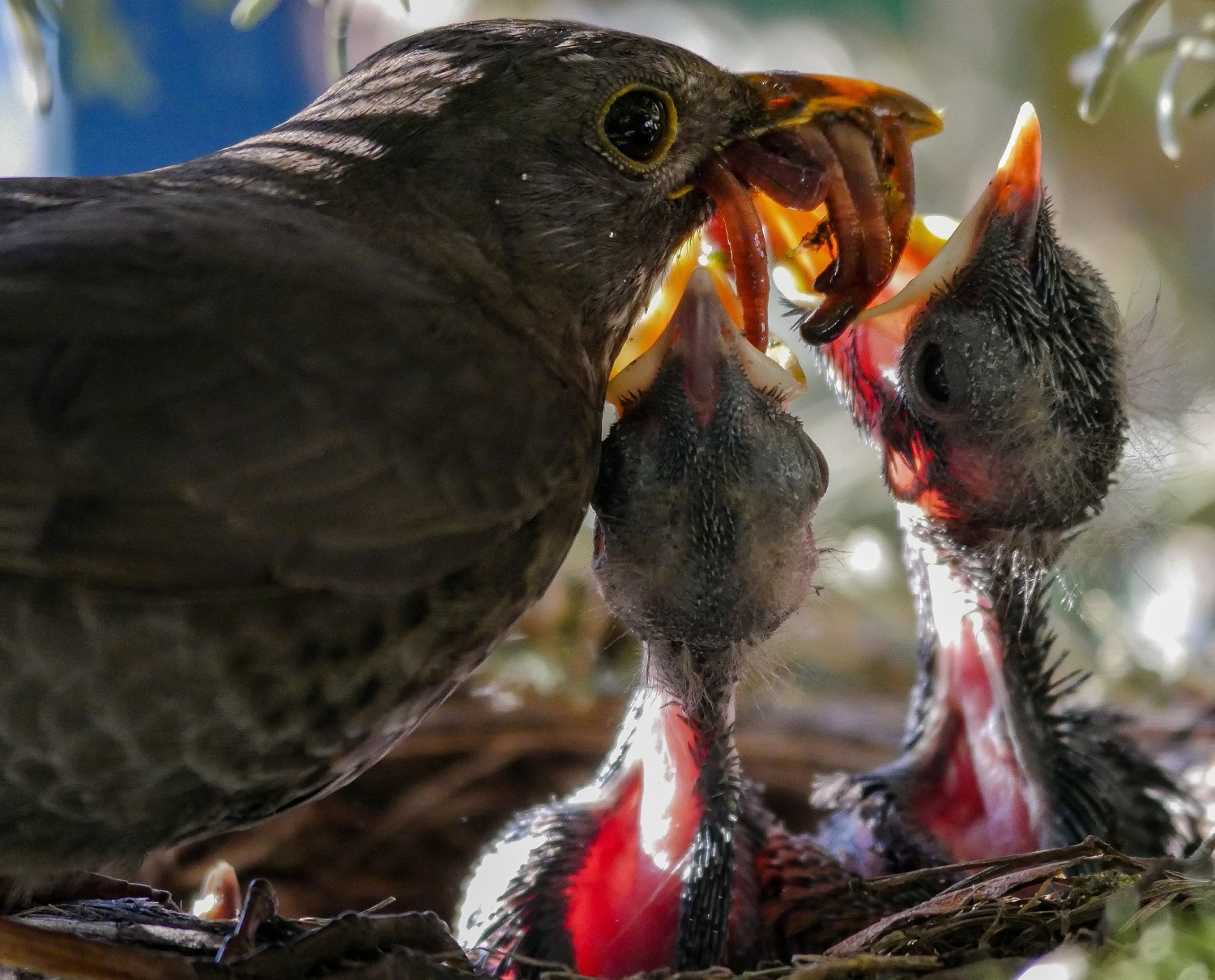

Eurasian wrens (Troglodytes troglodytes) share territories during the winter, in particular they will share sheltered winter roosts, sometimes crowding together for warmth in nesting boxes. The record number of wrens seen leaving a nesting box after a cold night is sixty three.
Header image: wren by Cheryl Cronnie
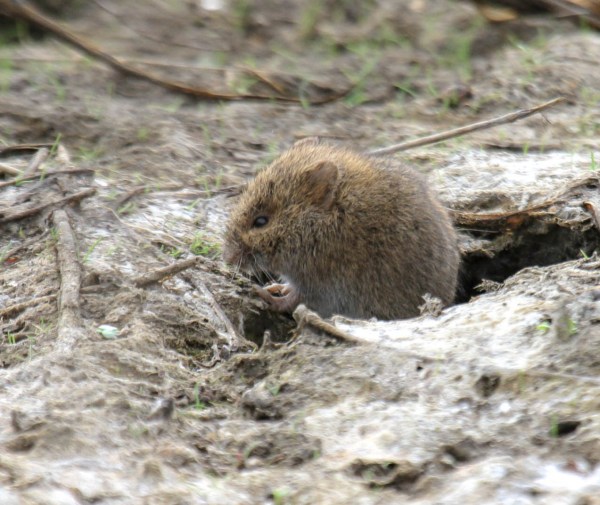
According to the sort of scientists that count things, there is only one mammal in the UK more numerous than we humans: Microtus agrestis, the field vole. The latest estimates put the field vole’s population at 75 million while our own is only 67 million.
Header image: field vole by Sam McMillan (CC BY-NC 2.0) flickr.com
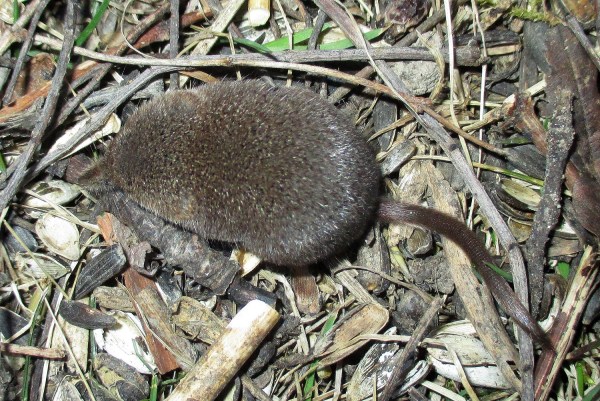
Our pygmy shrews can eat 125% of their body weight every day! An average pygmy shrew weighs 4.1 grams and, averagely, munches through a daily 5.0 grams’ worth of insects, arachnids and woodlice.

Conservation Status: Shrews are protected under the 1981 Wildlife & Countryside Act. As with all shrews, they may be trapped only under licence.

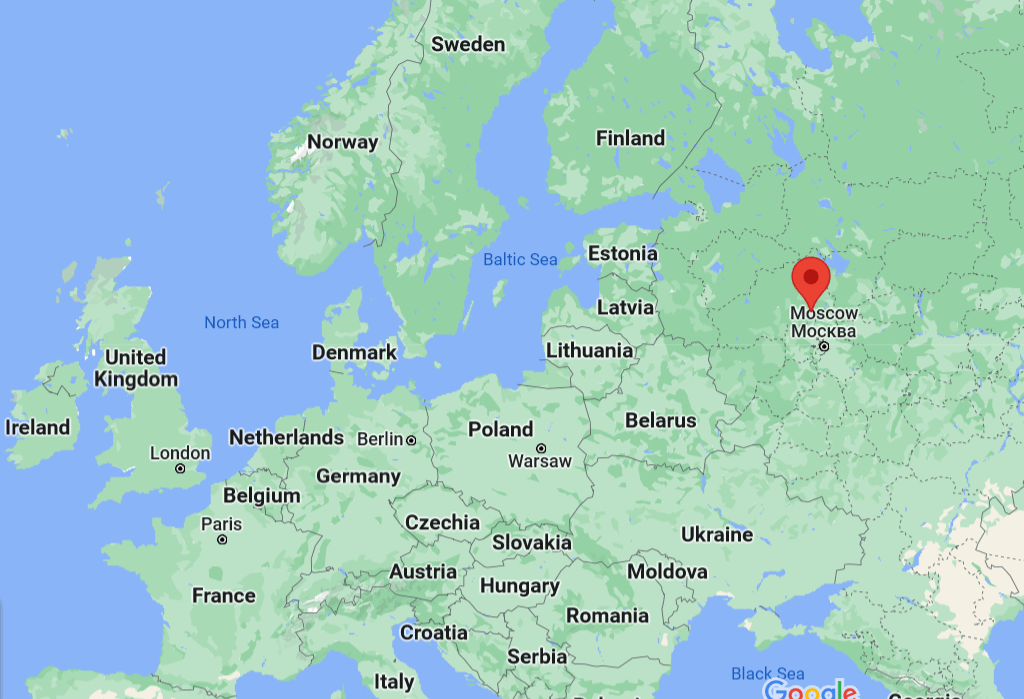
A ringed female Nathusius’ pipistrelle (Pipistrellus nathusii), weighing in at just 8g, recently set a British record by flying 2,018km from London to the Russian village of Molgino, near Moscow – where it was killed by a cat.
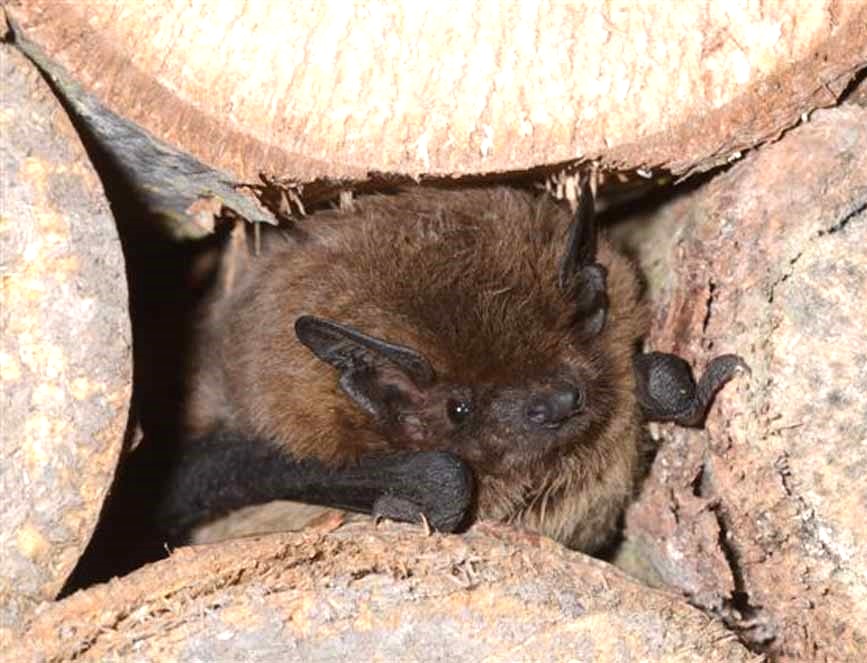
A Nathusius’ bat was first identified in the reserve in 2019 by Richard Green, Lead Ecologist for the RPS Ecology Survey of Church Lane. This is just one of twelve species of bats identified in the reserve.
Header imge: Nathusius pipistrelle wing by Rauno Kalda (CC BY-SA 4.0) via Wikimedia Commons

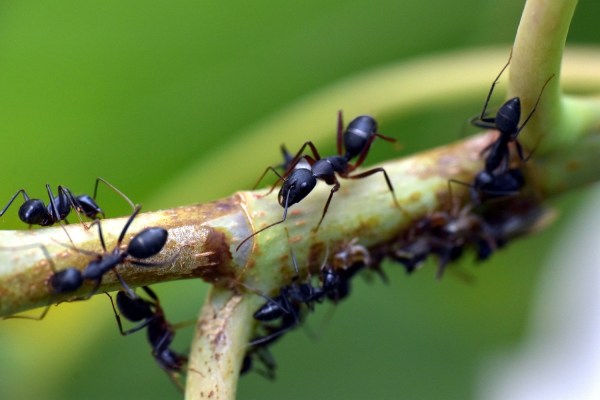
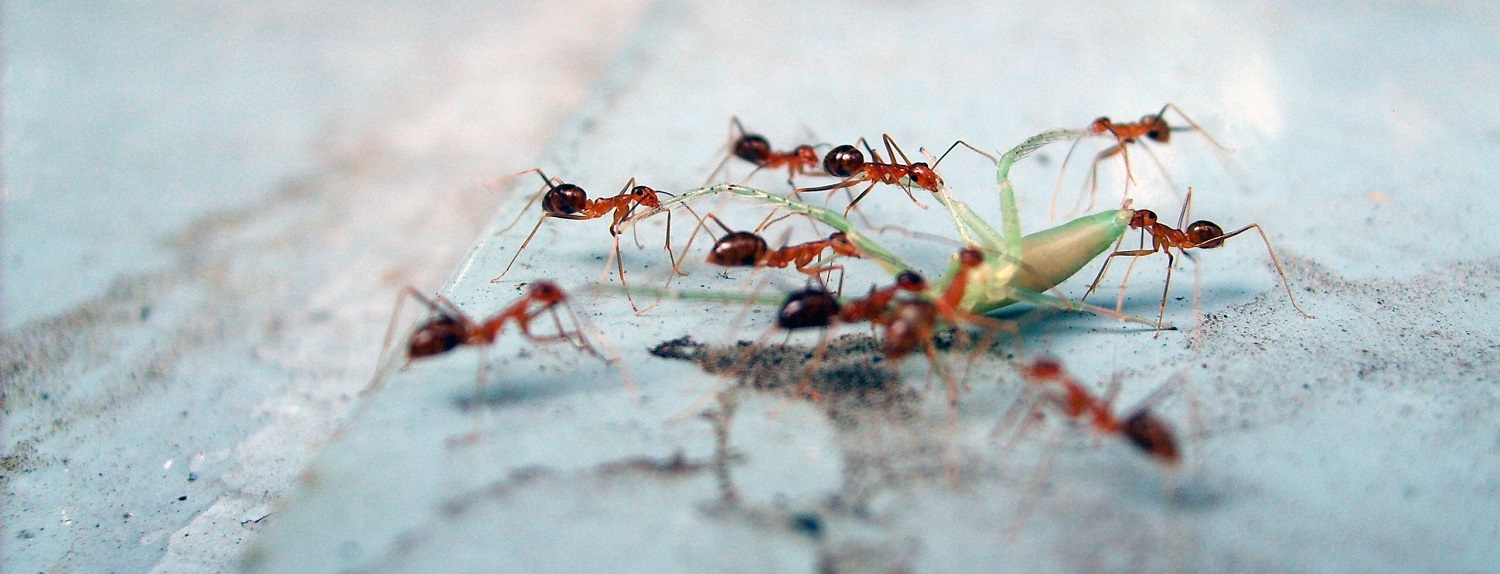
The latest research has concluded that our planet is home to 20 quadrillion ants – 20,000,000,000,000,000 – made up of 15,700 known species and subspecies. The total biomass of all those ants is 12 million tonnes which is more than the biomass of all wild birds and non-human mammals combined. Gosh!

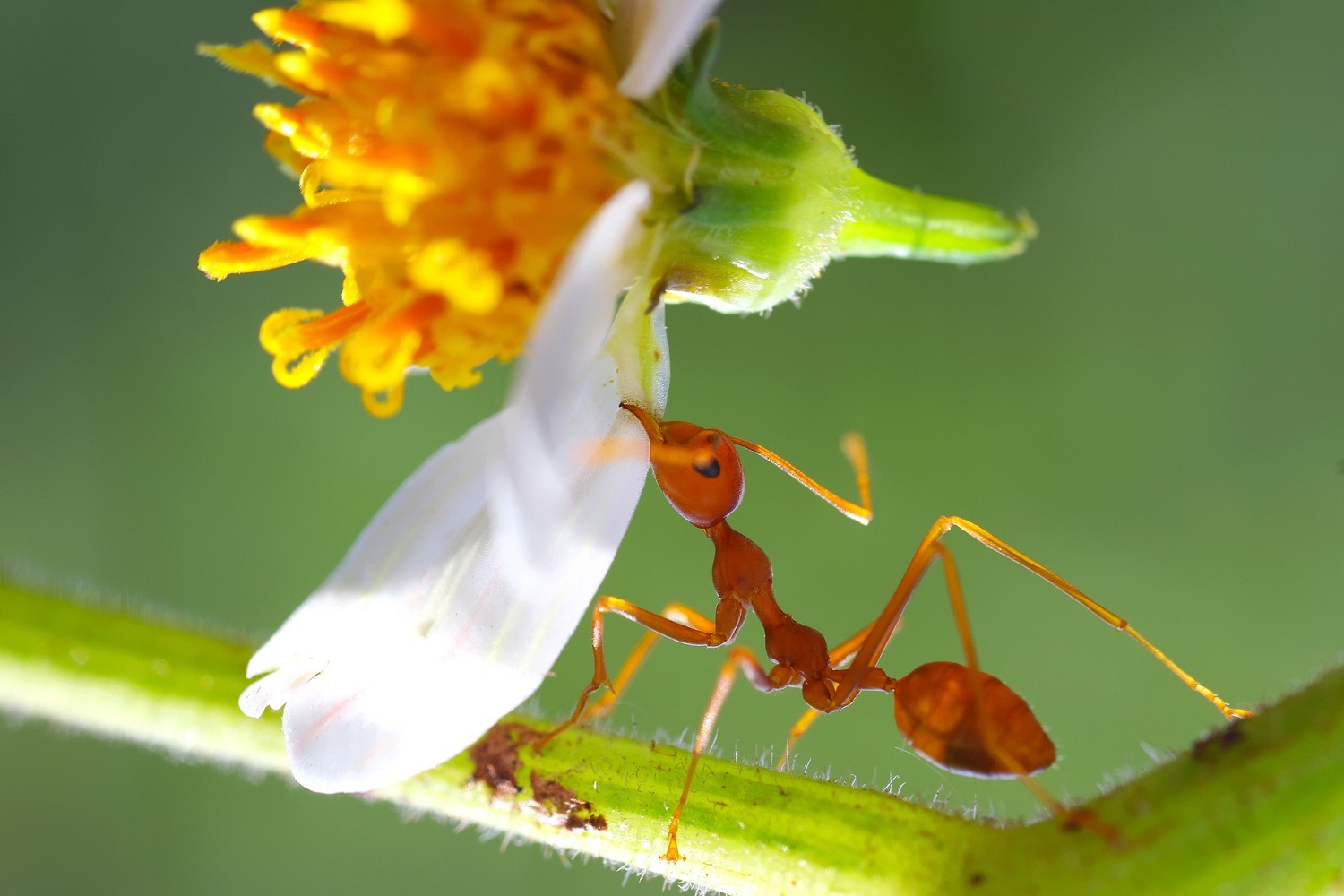

Snowdrops are the earliest of the reserve’s wildflowers. Here are five things you probably didn’t know about them
Continue reading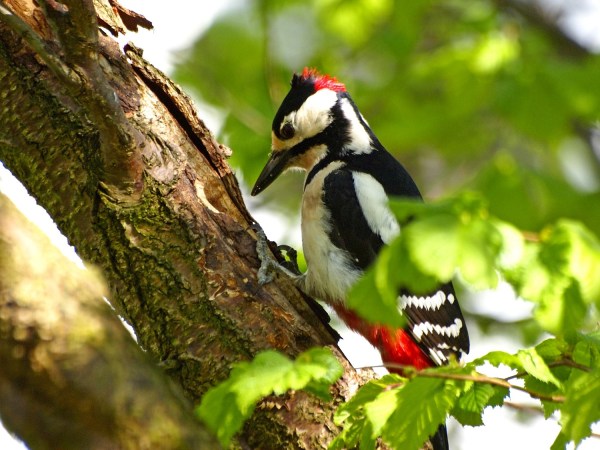
Here are five facts about the pair of greater spotted woodpeckers that has been seen hanging around the Lone Oak this week
Continue reading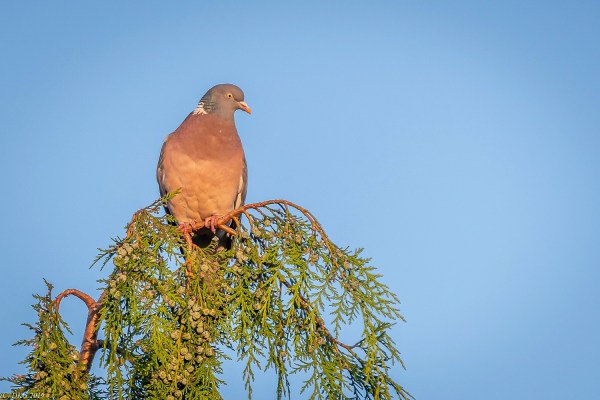
Here’s another astonishing fact from the world beyond the park’s boundaries: in a Japanese laboratory, researchers trained wood pigeons to discriminate between paintings by Picasso and by Monet.
Continue reading “Another astonishing fact”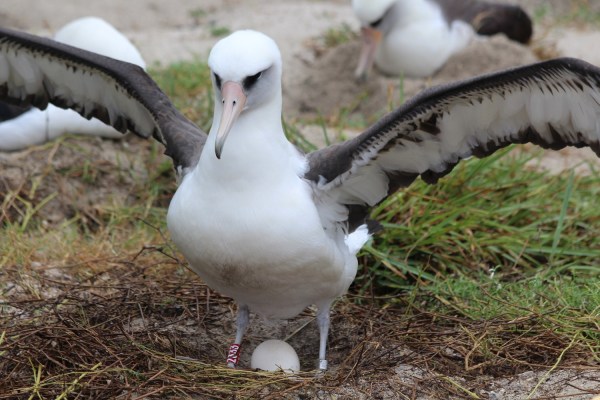
At more than 70 years of age, Wisdom the Laysan albatross has hatched another chick. While we admit that the chances of seeing an albatross in our park run from highly unlikely to nil, some facts are just too astonishing and irresistible to be ignored.
Continue reading
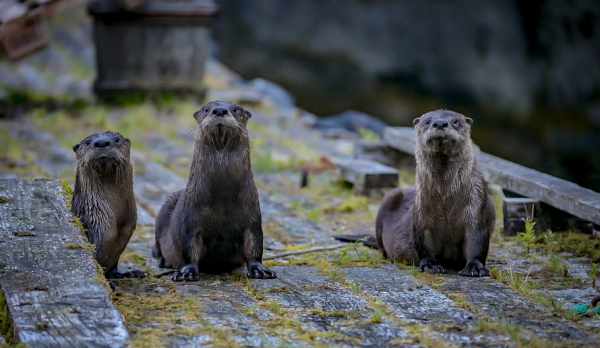
among mammals, otters have the thickest fur. In every square inch of a Eurasian otter’s skin, there are around half a million hairs. For comparison: the average dog has 15,000 hairs per square inch and the average human, only 1,000.



 Southwick Country Park Nature Reserve