Last winter, the willows along the stream between Lambrok Meadow and the large pond were pollarded, opening the ground beneath to sunlight. Rosebay willow herb has moved in.
Rosebay willow herb
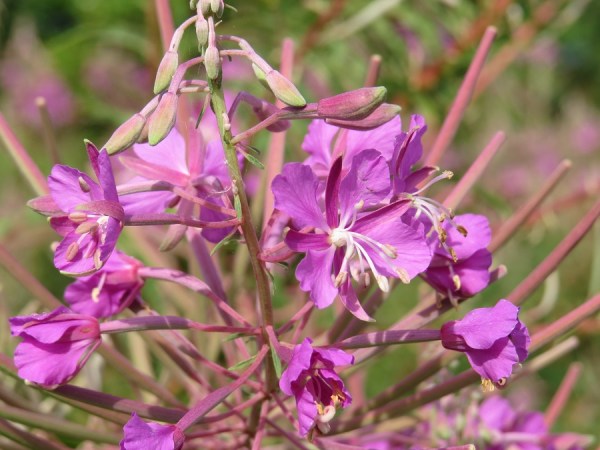
Last winter, the willows along the stream between Lambrok Meadow and the large pond were pollarded, opening the ground beneath to sunlight. Rosebay willow herb has moved in.

The Weed Act of 1959 requires landowners and occupiers to control the spread of five species of injurious weeds: ragwort, creeping thistle, spear thistle, common dock and curled dock. The Weed Act’s purpose was to increase the productivity of arable land and to protect livestock at a time, post WWII, when self sufficiency seemed at lot more important than ecology.
…


The hot summer has rushed the flowering season on and the park is full of seeds, fruits and berries: food for the park’s wildlife but not always for its human occupants. Some berries are poisonous.
…

Like ragwort, creeping thistle (Cirsium arvense) is classed as an injurious weed by the Weed Act of 1959. Our hedges and edges are full of it: beautiful, pollen-rich, heavily scented flowers, buzzing with invertebrates, followed by seed heads elevated on stems sturdy enough to support seed-eating birds. Gorgeous.


Photographs by DKG

The heatwave has brought the ragwort into flower early. There isn’t a lot of it, but it’s blooming beautifully; threatened by drought, it will seed rapidly and each plant can produce as many as 150,000 seeds. So….. it’s time for all those who complained about the spraying in the spring to turn out to pull ragwort.

Our grateful thanks go to the park’s tenant farmer. He has done us proud.

This is hogweed (Heracleum sphondylium), first cousin to the giant hogweed (Heracleum mantegazzianum) which the Daily Mail tells us has invaded Virginia, USA, and will blind us all.
Continue reading “Hogweed”

A common spotted orchid, photographed today by Julie Newble.
More orchids here


We sent DKG, and his macro lens, to look at the common spotted orchids in Village Green.

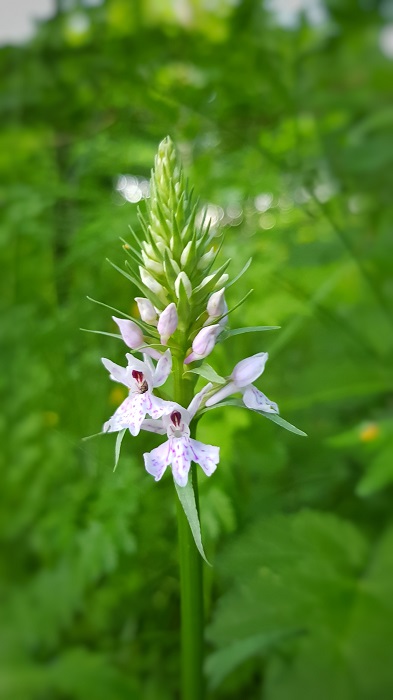
A message from Chris Seymour:
“Just wanted to share my photos of the orchids in the country park. I have been waiting for months to see them flower.”

It’s not an instruction to keep your coat on until June; it’s telling you to take your cardigan off when the may is in blossom, which has been known to happen as early as April.
Ragwort has many common names; in fact some, like stinking willie and marefart, are downright vulgar. Both refer to the plant’s unpleasant smell. Another set of names, staggerwort, stammerwort and sleepy-dose, are about to its toxicity. Then there is felon weed, swine grass and our personal favourites: scrog and weeby. Continue reading “Stinking Willie and Marefart”

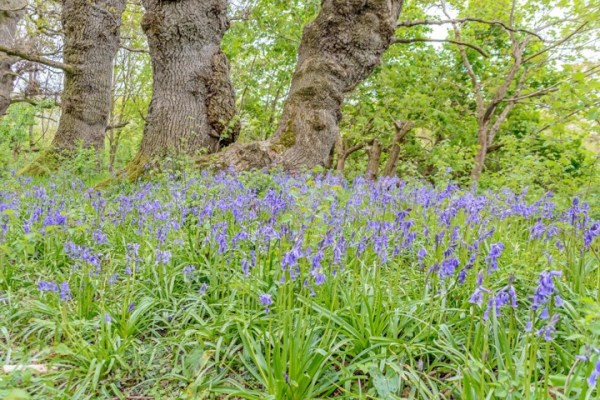
Our native species of bluebell (Hyacinthoides non-scripta) is threatened by the spread of Spanish squill (Hyacinthoides hispanica), a similar species imported into our gardens from southern Europe during the 17th and 18th centuries.
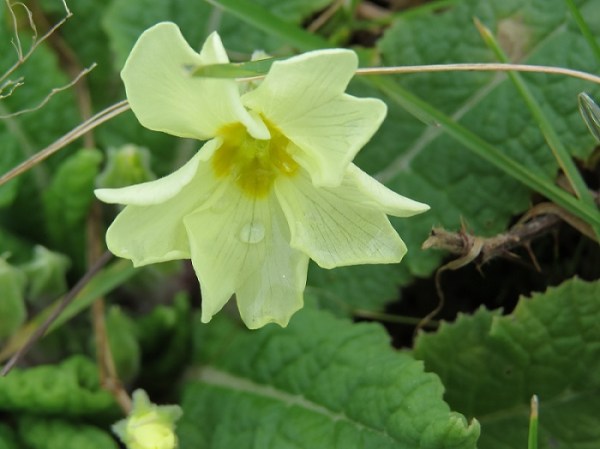

Our snowdrops are in flower…..
Photograph by DKG
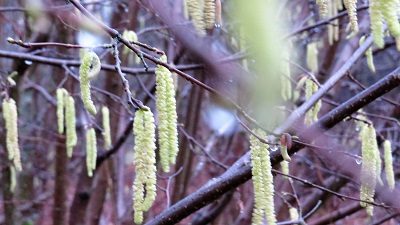
The hazel bushes in the park are flowering early this year. The catkins are already yellow with pollen; a sunny detail on a wet day.

Southwick Flower Show made a very generous donation of £150 to the Park’s cause, for which we thank them. We used their gift for the purchase of a thousand native daffodil bulbs (Narcissus pseudonarcissus) which we planted, in October, around the edge of the woodland surrounding Village Green.
Continue reading “Planting Native Daffodils”


 Southwick Country Park Nature Reserve