A queen wasp (Vespula vulgaris) in the hedge in Sleepers Field.
Continue reading “Queen wasp”Queen wasp

A queen wasp (Vespula vulgaris) in the hedge in Sleepers Field.
Continue reading “Queen wasp”
Message and a photograph from Ian Bushell
In the picture above is a hoverfly I photographed at the top of Sheep Field in a sunny spot on the edge of the copse.
Continue reading “Large Wasp Hoverfly”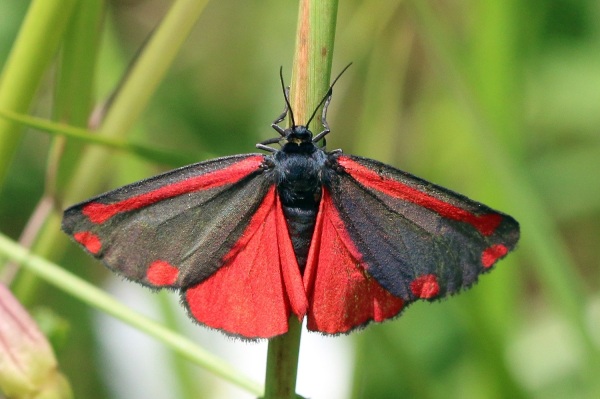
Cinnabar moths (Tyria jacobaeae) have been reported from the reserve in the past week.
Continue reading “Cinnabar moth”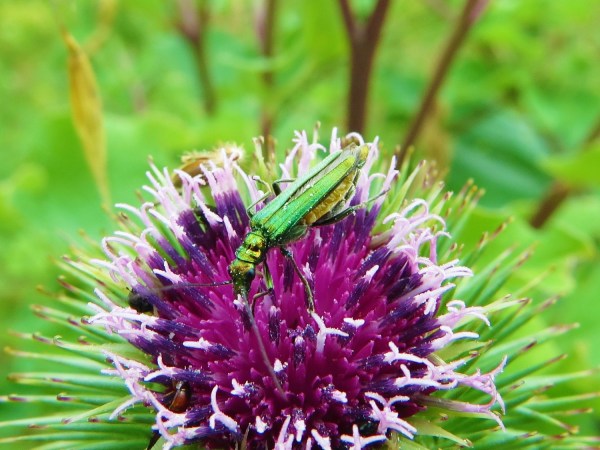
An irridescent green, female Oedemera nobilis, known as the thick legged flower beetle or swollen thighed beetle, photographed in the park this week. It is the male (see below) that has the strangely shaped legs for which the species is named


[1] by Gail Hampshire (CC BY 2.0) flickr.com; [2] © Hans Hillewaert (CC BY-SA 4.0) wikimedia.org

by Simon Knight
In my last post I said I was going after young grasshoppers and crickets.
Continue reading
A bloody nosed beetle (Timarcha tenebricosa) found in the short grass where the rabbits graze at the end of Sleepers Field.
Continue reading “Bloody nosed beetle”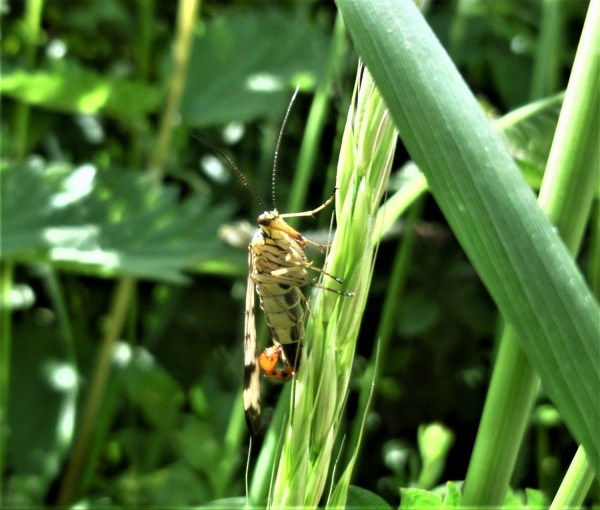
A male scorpion fly photographed by Ian Bushell yesterday, in the reserve’s main car park.
Continue reading “Scorpion fly”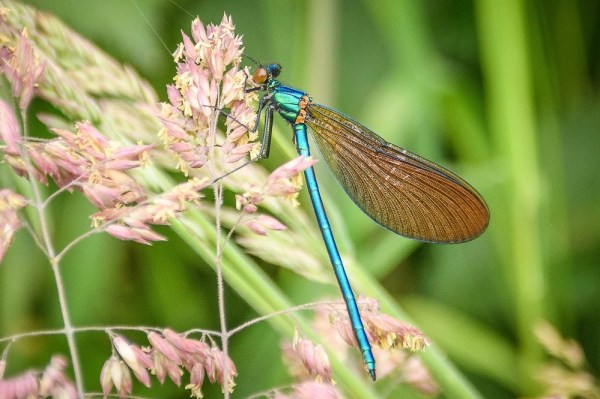
This is a damsel fly: a beautiful demoiselle, Calopteryx virgo.
Read on…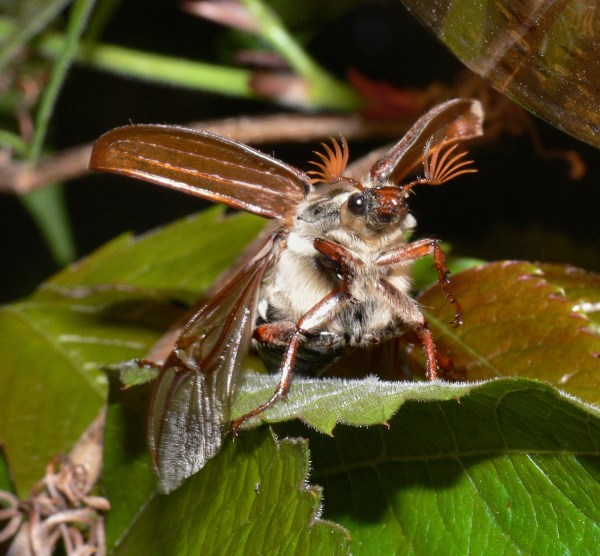
Cockchafers, more familiarly known as May bugs, are one of those things that go bang in the night.
Continue reading “Cockchafer”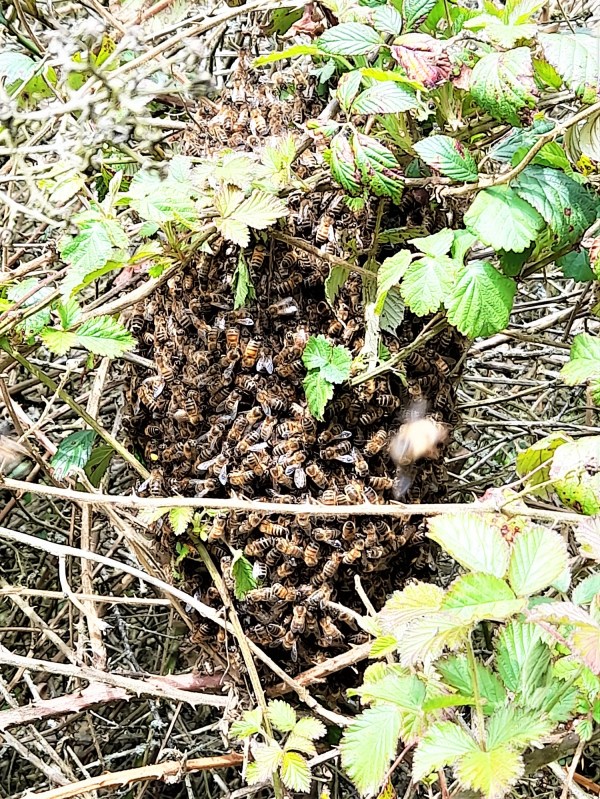
There is a honey bee colony high in the old ash tree at Fiveways. Last week the colony swarmed and Julie Newblé, a regular contributor, was lucky enough to be there with her camera.
Continue reading “Swarm”

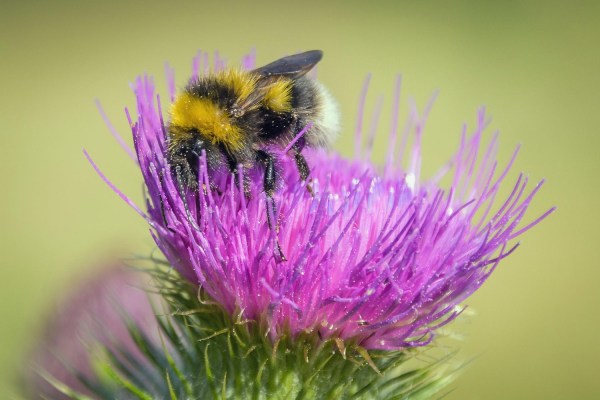
The aerodynamically unlikely buff tailed bumble bee queens are out of hibernation and, buzzing around between the park’s spring flowers. Here is a video about their surprising flying skills:
The Government has decided to allow the emergency use of the neonicotinoid thiamethoxam on sugar beet in England in 2021, despite objections from conservationists. The decision, in response to pressure from England’s farmers, will permit the treatment of sugar beet seed to combat beet yellows virus, which is spread by multiple species of aphids.
Continue reading “Neonicotinoids”
Honey bees make a sound that apiarists call piping.
Continue reading “On the eleventh day…”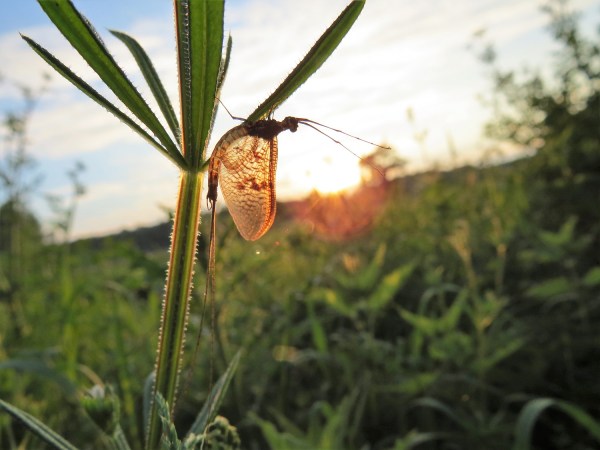
Research has recently found that the highly toxic insecticides used on cats and dogs to kill fleas are poisoning England’s rivers. Scientists believe that significant environmental damage is being done to important water insect populations, down at the bottom of the freshwater food chain.
Continue reading “Flea circus”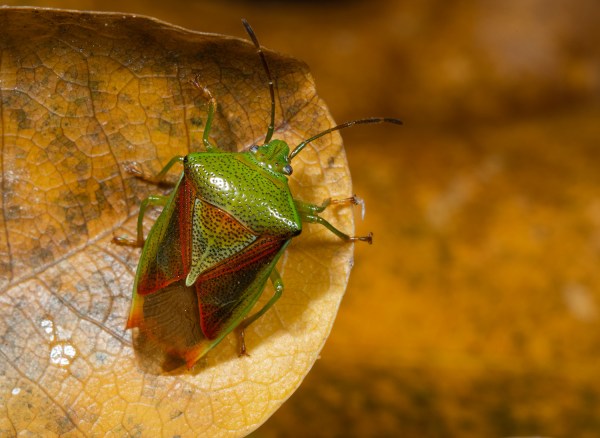
by Simon Knight
I was surprised to see these two critters, given that insect life in the park has gone quiet now compared to the summer.
Continue reading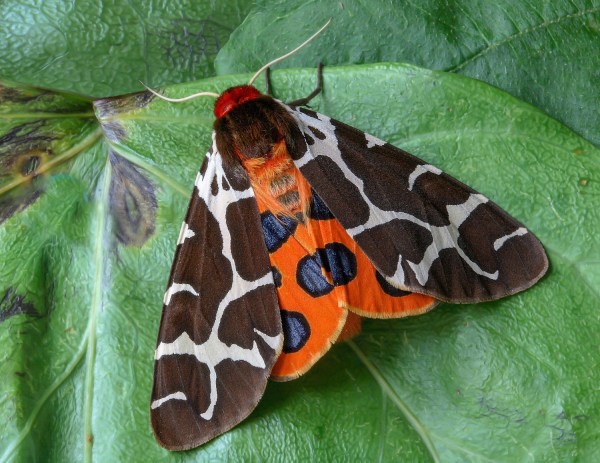
by Ian Bushell
David Feather found the caterpillar of a Garden Tiger Moth in the heritage orchard.
Continue reading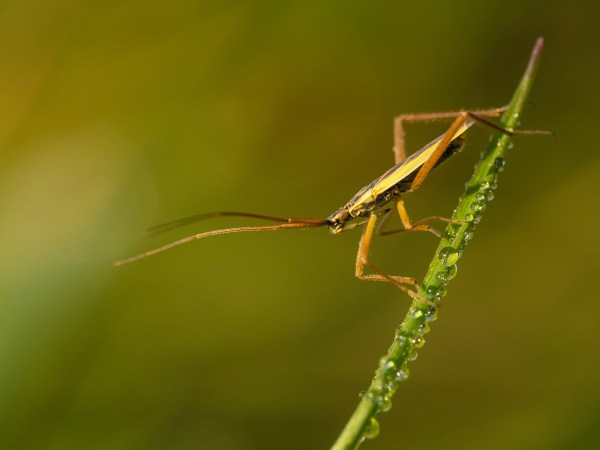
Simon Knight has sent us a beautiful picture of one of the park’s tiny creatures in the wet grass.
Continue reading
It’s crane fly time!
Read on: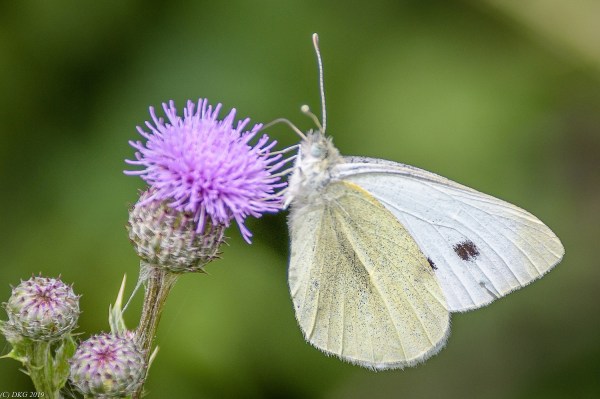
Transect for August
Numbers and variety are a bit disappointing; a cold late-summer day.
The old filled-in pond at the end of Lambrok Meadow is where I saw the Common Blue among the Ragwort, Willow-herb, Spindle, Thistle, Rose, Bramble, Red and White clover .

Question from Tom Martin:
Found this on the pavement near my house. Do you know what it is?

There are forty one species of Cantharidae in Britain and almost all go by the common names of soldier or sailor beetle.
Read on: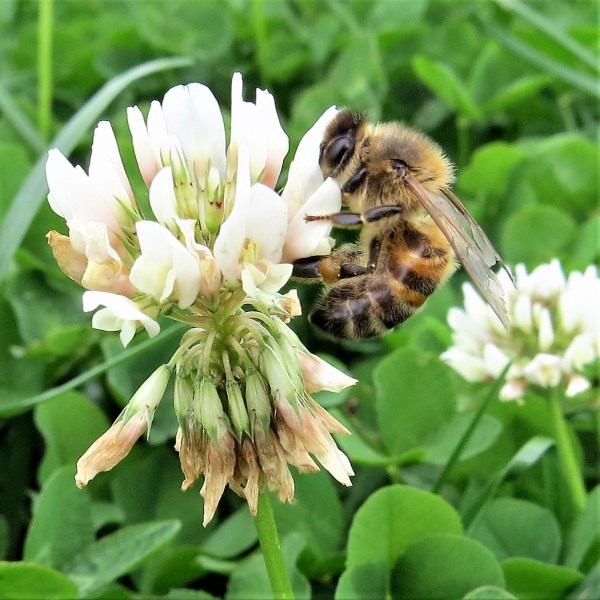
Unlike common wasps, honey bees (Apis mellifera) don’t die at the end of the summer. The hive stores enough food for the queen and the workers to survive through the winter.
Continue reading “Honey bees”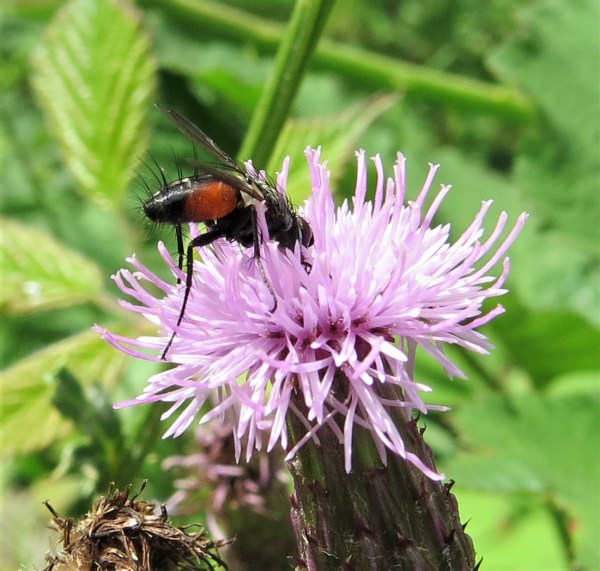
Message to Ian:
Another unidentified insect inadvertently included in a botanical picture. Any idea what it is?



 Southwick Country Park Nature Reserve