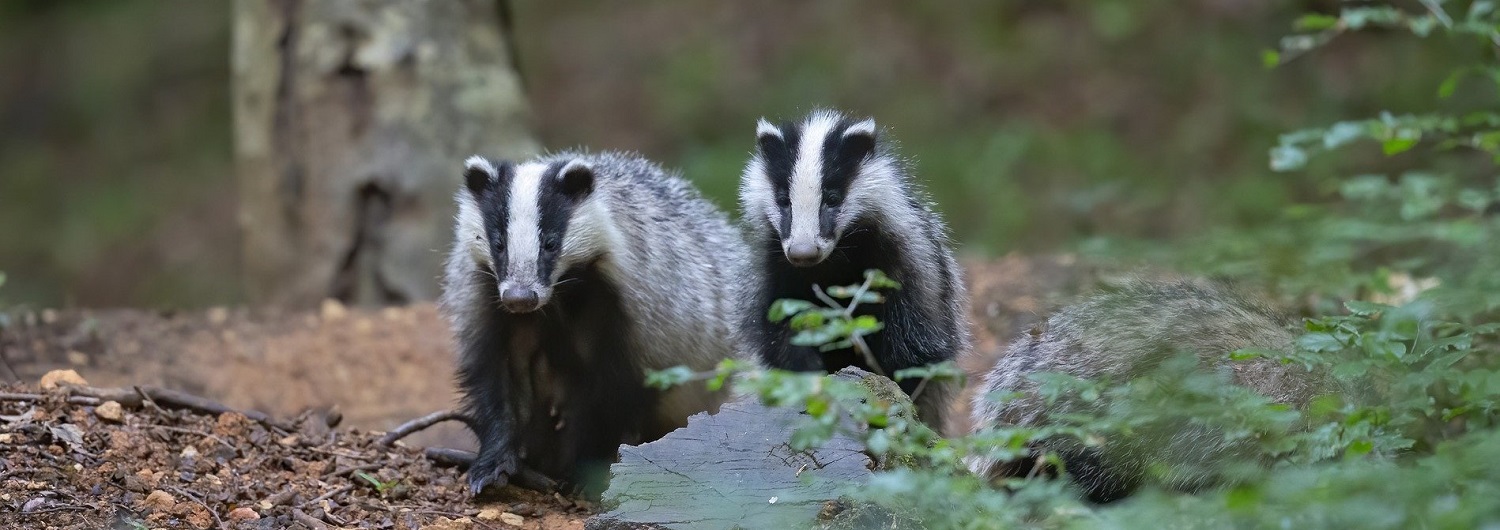
As February begins, at least one of our badger clan’s sows will be either heavily pregnant or nursing up to five newborn cubs.
Continue reading “Badger Cubs”Badger Cubs

As February begins, at least one of our badger clan’s sows will be either heavily pregnant or nursing up to five newborn cubs.
Continue reading “Badger Cubs”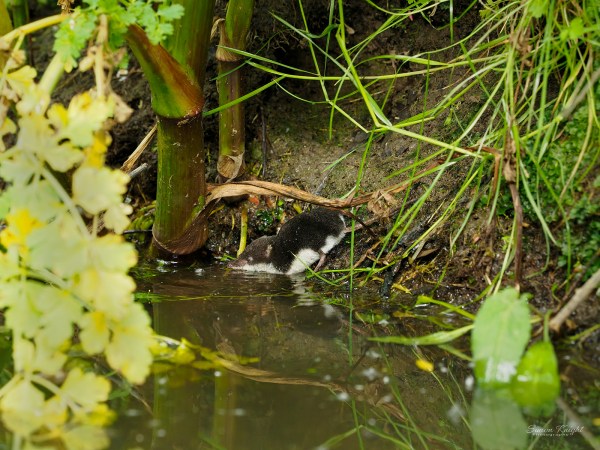
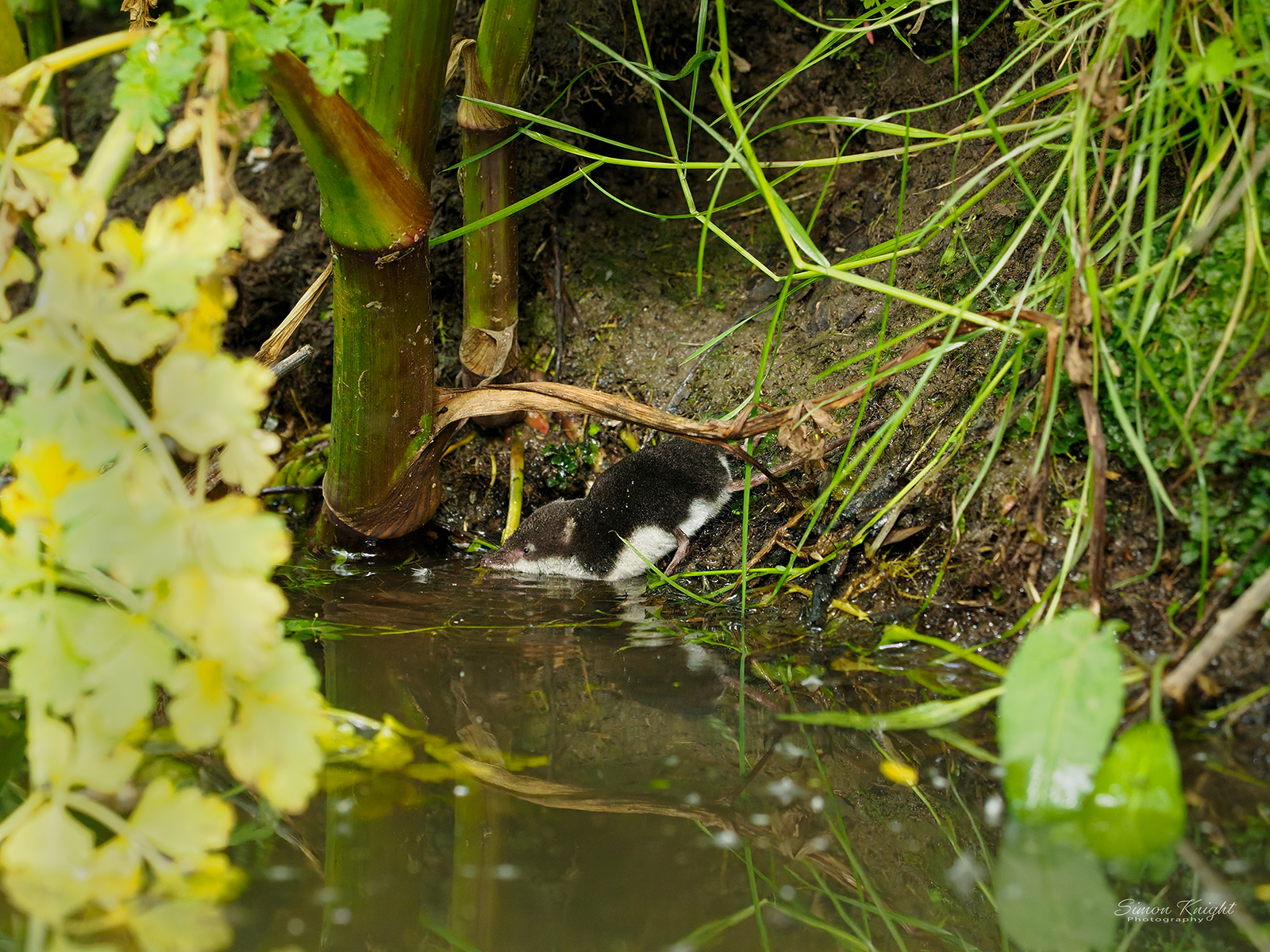
There are water shrews in the reserve. This header picture was taken by Simon Knight in the Lambrok’s tributary stream at the bottom of Kestrel Field.
Continue reading “Water shrew”
We use the words overwinter, hibernation, and diapause when we are writing about the reserve’s inhabitants’ preparations for the cold weather. It’s easy to assume that they are interchangeable terms but that is not so: let’s take a closer look.
Continue reading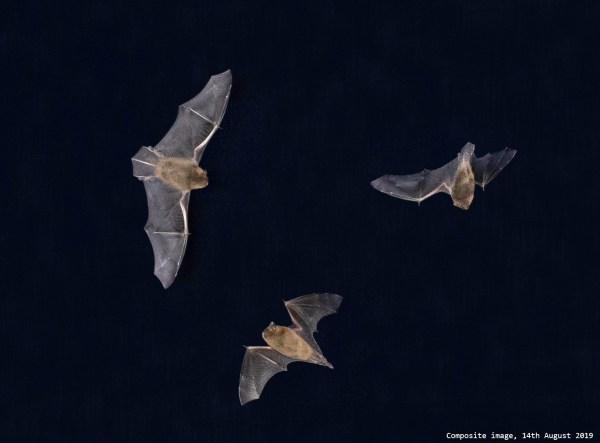

There are thirty two species of mammal on the reserve’s lists, thirteen of them bats
Continue reading “Mammals”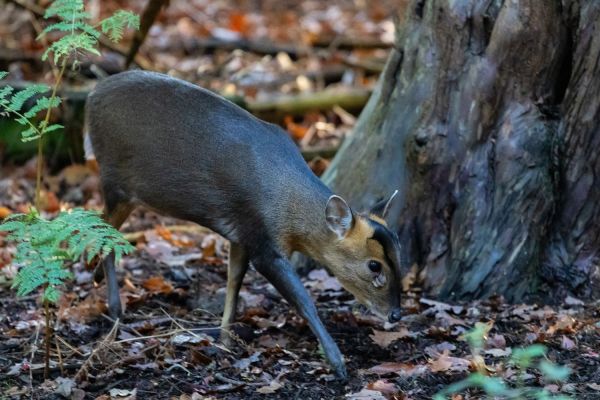
A message from an early-bird dog walker:
I spotted a Muntjac deer this morning, about 5 o’clock whilst walking my dog, who luckily is always kept on his lead. It was In the hedgerow that runs along the path from the carpark towards Studley, just one by itself only. Is this a species you are aware of?
I was very surprised to see it so close to a built up area which has quite considerable footfall. But for well over a year I haven’t haven’t seen the larger deer which frequented the park.
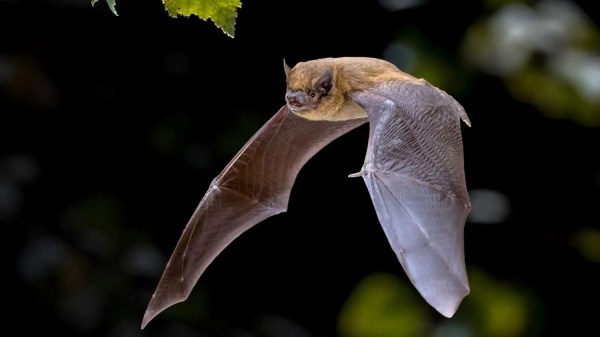
Our common pipistrelles (Pipistrellus pipistrellus) are out of hibernation
Continue reading
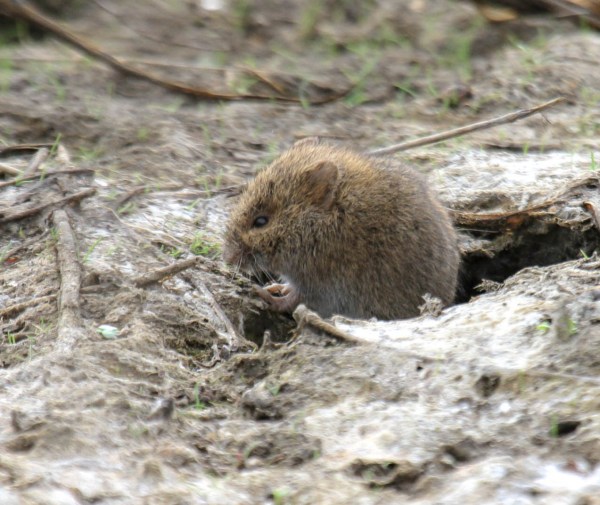
Our field voles (Microtus agrestis) are having a winter break from their long breeding season. They don’t hibernate; instead they grow a thick, very dense coat to shield them against the cold, and their metabolic rate almost doubles in order to maintain their body temperature.
Continue reading “Field vole”
Common name: Roe deer; the male is called a roebuck, the female a doe and their young are kids or fawns.
Continue reading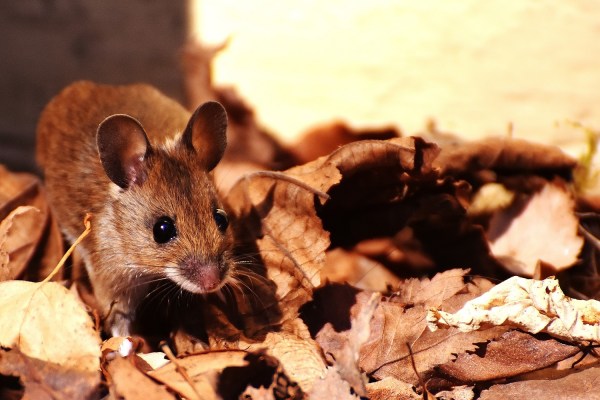
The wood mouse is Britain’s commonest and most widespread species of rodent. There must be hundreds, if not thousands, in our nature reserve but they are rarely seen. Here are some of their personal details.
Continue reading “Wood mouse”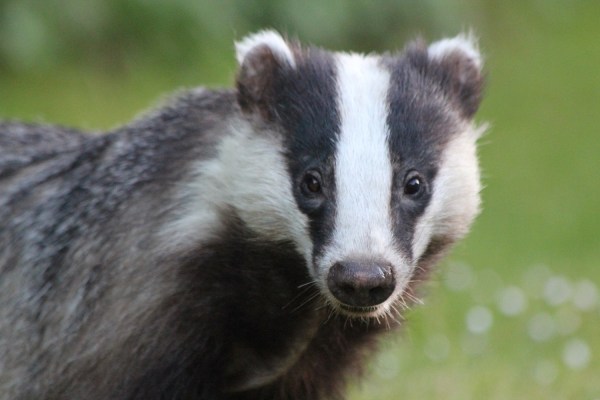
What are our badgers doing as November, Wiltshire’s wettest month, begins with a named storm?
Continue reading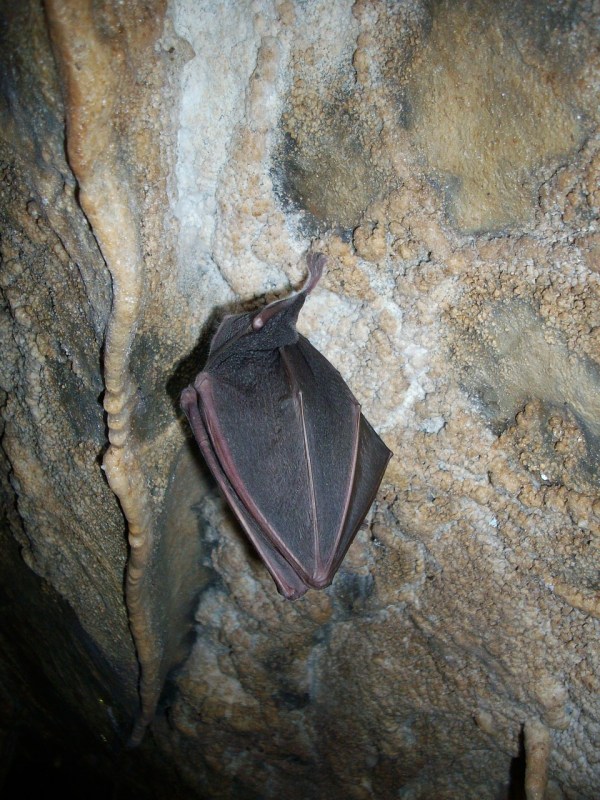
It’s a week to Hallowe’en so we are going to focus on the creatures of the night….
Continue reading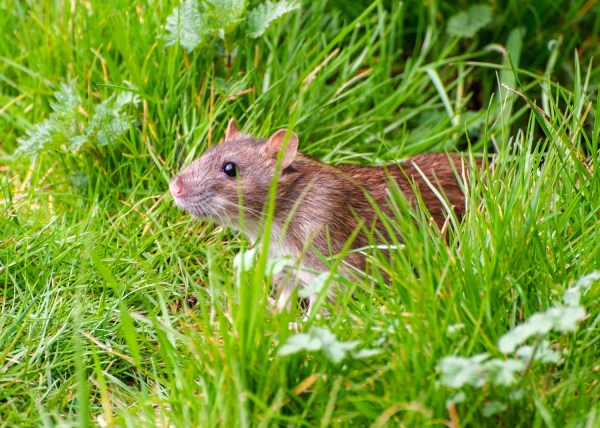
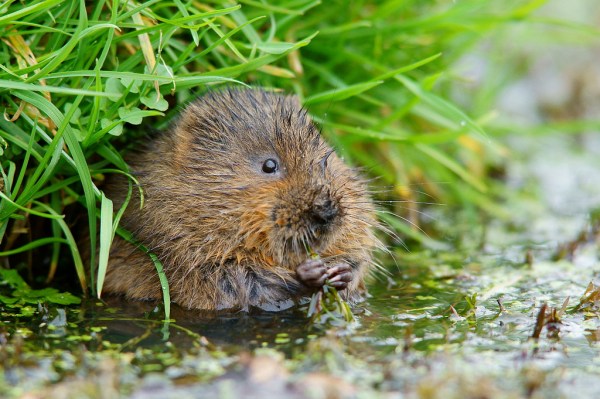
Here are some fascinating facts about water voles:
Continue reading “Ten water vole facts”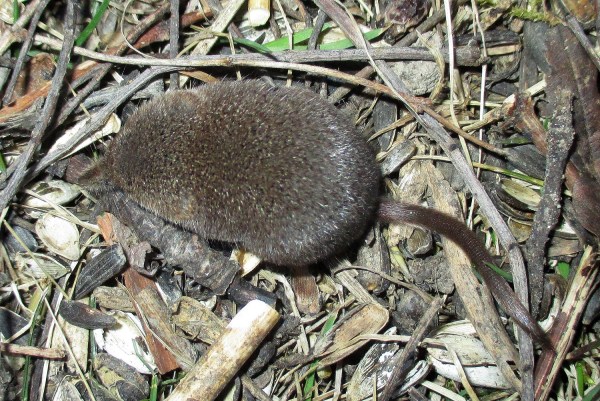
The smallest mammal in the world is the bumblebee bat but the Eurasian pygmy shrew (Sorex minutus), one of the reserve’s residents, comes a close second.
Continue reading “Pygmy shrew”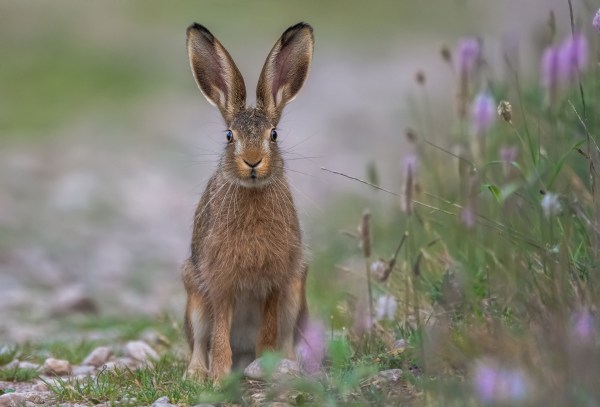
Here is a link to the spring 2023 edition of the Wiltshire Mammal Group newsletter, where you will find, on page14, a contribution from wildlife photographer Simon Knight about the reserve’s water voles and water shrews.
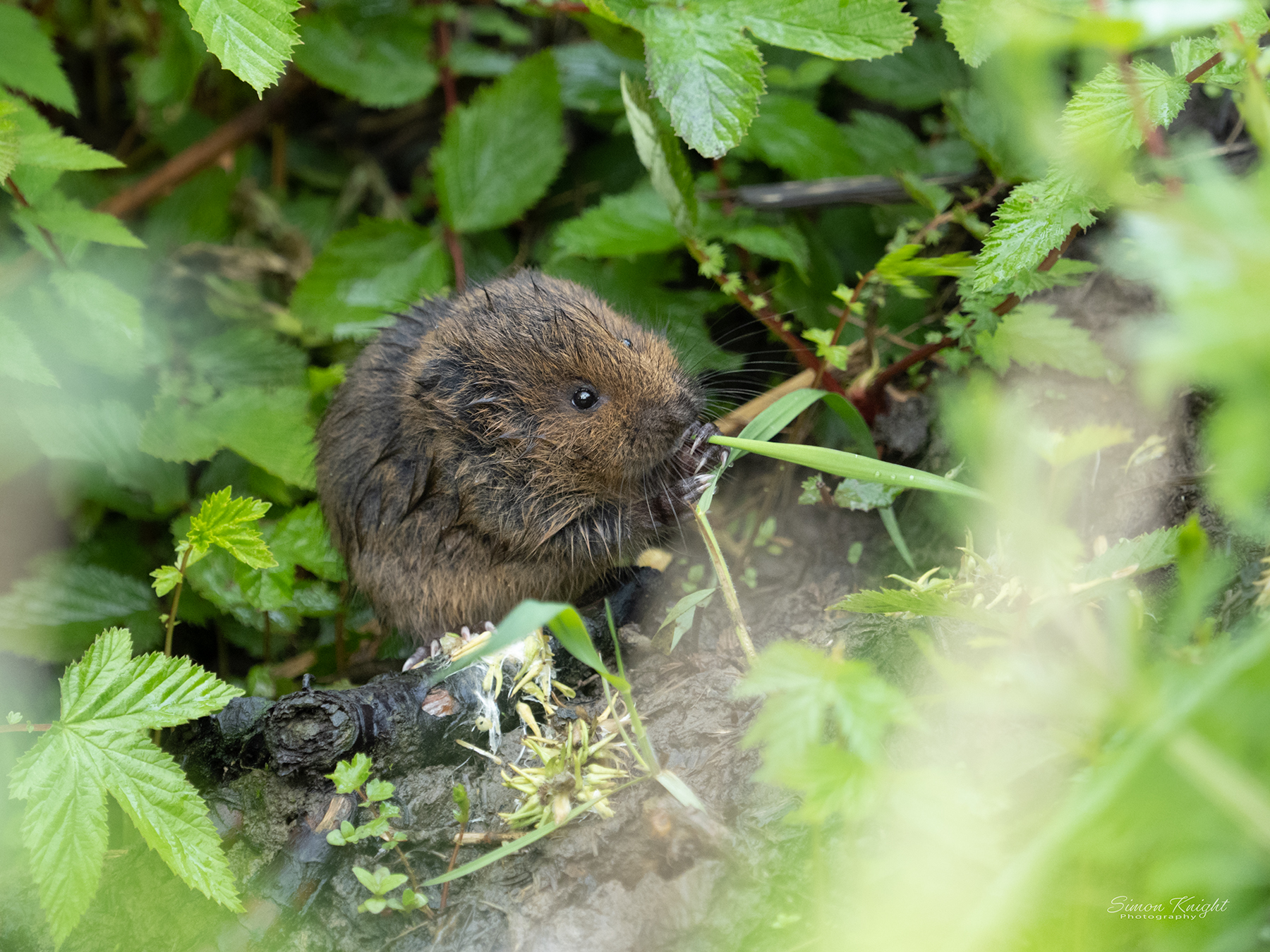
When you have read Simon’s piece, browse the rest of the newsletter; it’s full of interesting details about local efforts to conserve Wiltshire’s mammals.


The nature reserve’s rabbits are beginning their long and busy breeding season.
Continue reading “Rabbits”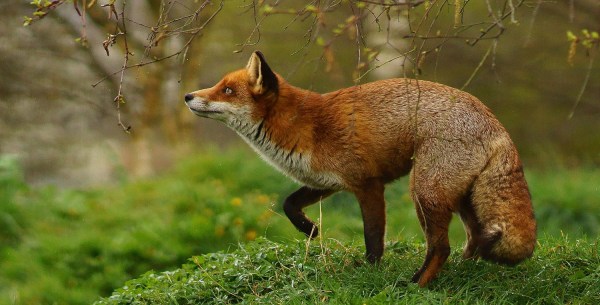
Have you heard the foxes? January is the middle of their mating season when they are a lot noisier than at other times of year.
Continue reading “Fox”

While we’re on the subject of foxes…
Continue reading
Did you hear the foxes last night? January is the middle of their mating season when they are a lot noisier than at other times of year.
Continue reading “Fox”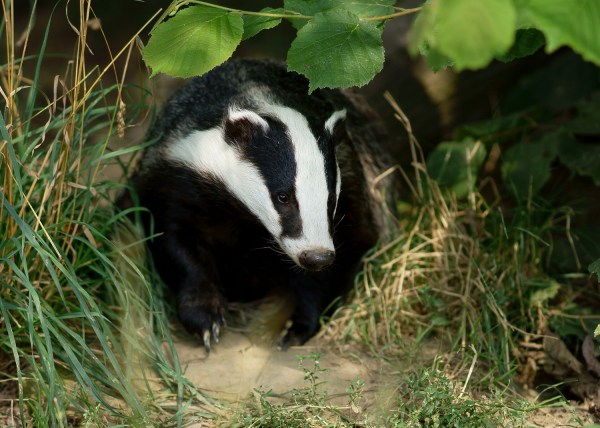
Badgers don’t hibernate, even in January, but they sleep a lot. The dominant female is pregnant, awaiting the birth of two or three cubs in February, and the rest of the clan are living off their fat reserves. They will leave the sett to visit the latrines but in particularly bad weather will dig latrines in distant and otherwise unused tunnels inside the sett.
Like the rest of us, they are waiting for the spring.
The wood mouse is Britain’s commonest and most widespread species of rodent. There must be hundreds, if not thousands, in our nature reserve but they are rarely seen. Here are some of their personal details.
Continue reading “Wood mouse”



 Southwick Country Park Nature Reserve