2019 review – part 2
We only added four new flowering plants to our species lists in 2019. . .
Continue reading
We only added four new flowering plants to our species lists in 2019. . .
Continue reading
Last week, we planted 100 snake’s head fritillary bulbs in Lambrok Meadow and Village Green.
Continue reading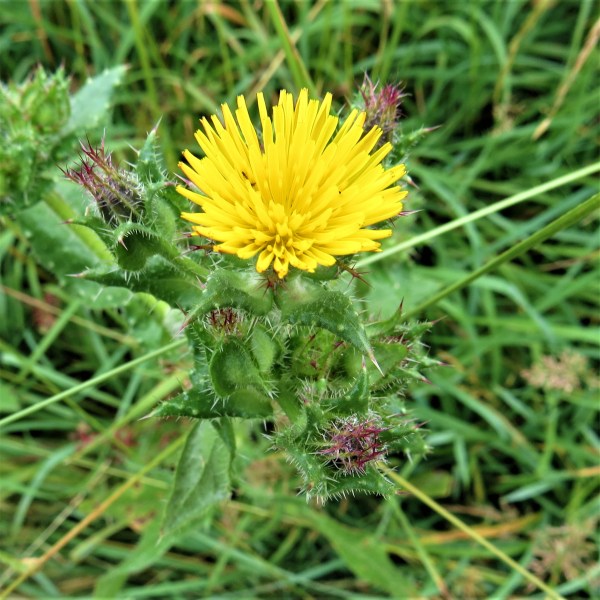
Bristly oxtongue (Picris echioides)
Continue reading
A new species for the park’s lists, found in the Blackthorn Tunnel last week. The plant was not in flower but the leaves are unmistakeable: Pulmonaria officinalis, lungwort.
Read on: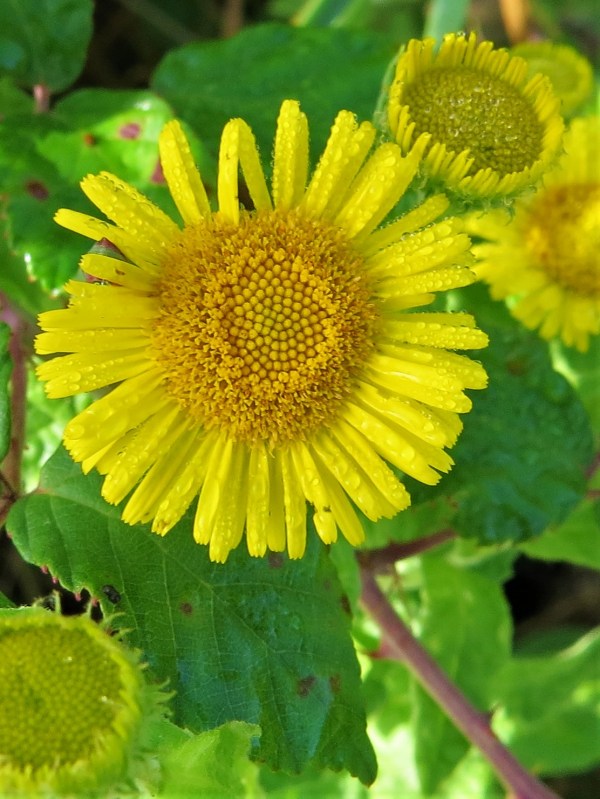
This is common fleabane (Pulicaria dysenterica); it is a plant that grows all over the place but nobody ever seems to know its name. As the park’s summer wildflowers go to seed, the fleabane is a welcome splash of colour beside the paths.
Continue reading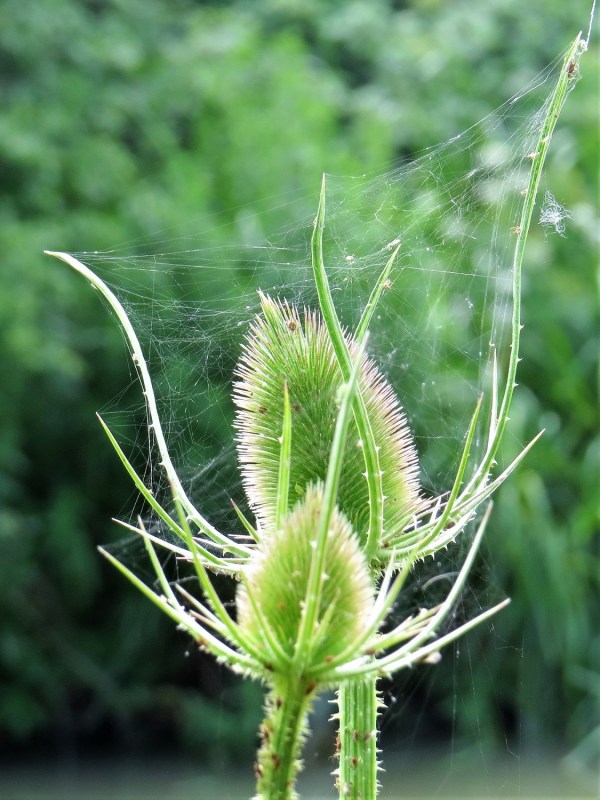
The lower leaves of a teasel grow opposite each other in pairs and each pair joins together around the stem, forming a cup. The cups fill with rainwater and insects fall into the little pools where they drown.
Continue reading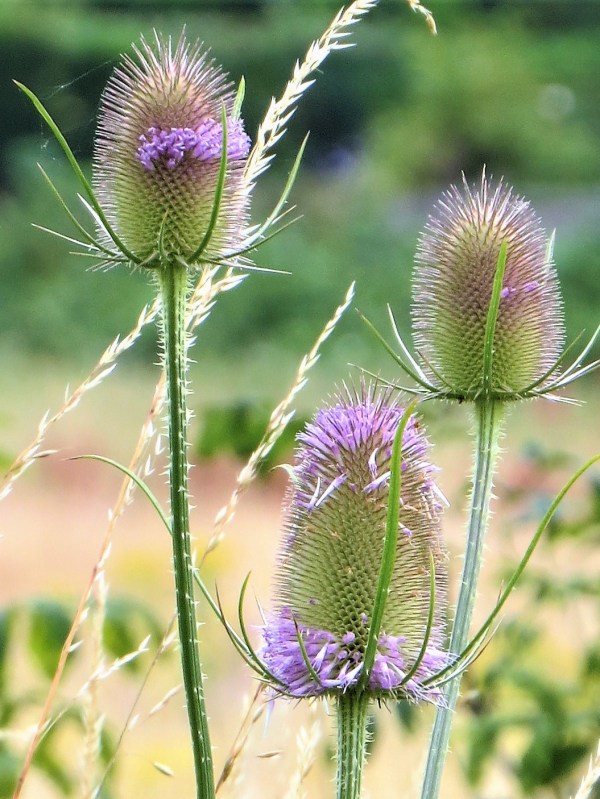
This is wild teasel (Dipsacus fullonum), sometimes called the common teasel, photographed in Lambrok Meadow next to Lambrok Stream.
Continue reading “Teasel”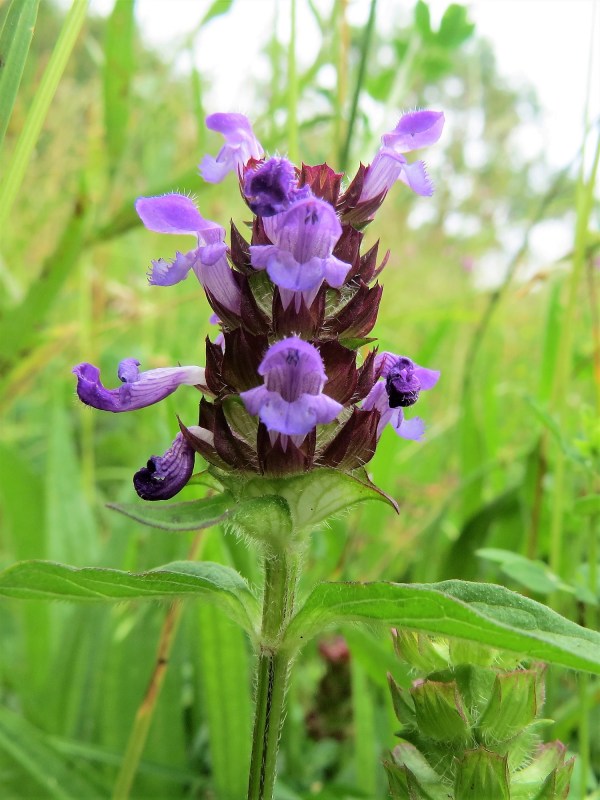
Here is another member of the Lamiaceae family: Prunella vulgaris, commonly known as selfheal or all-heal. Like the other Lamiaceae that we have looked at, red dead nettle and ground ivy, it has the characteristic two lipped zygomorphic flower and a square stem.
Continue reading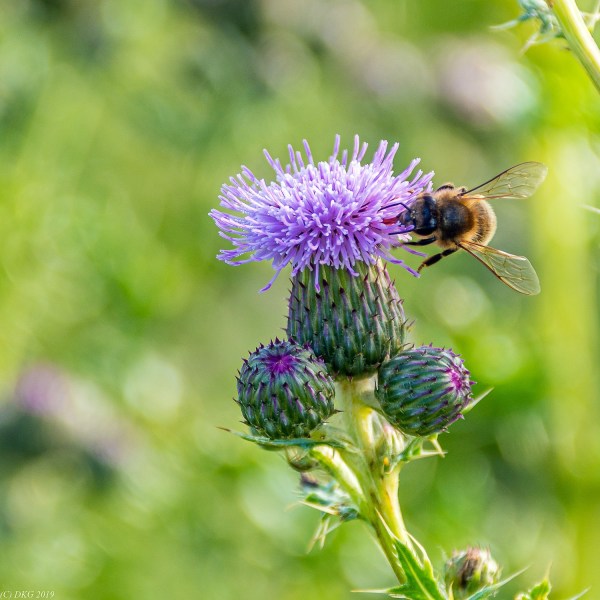
The 1959 Injurious Weeds Act does not just apply to ragwort. It names four more species as well: broad leaved dock, creeping thistle, curled dock, and the spear thistle . The park has all of them.
Continue reading “Creeping thistle”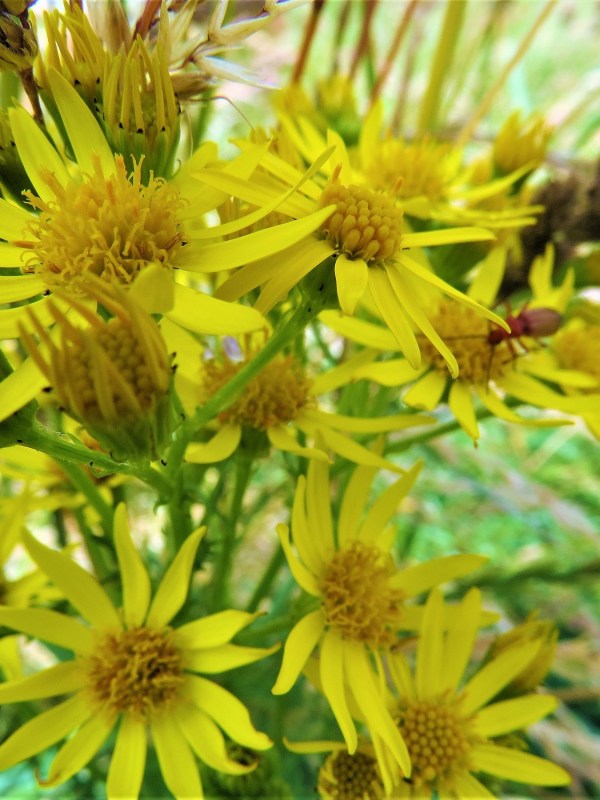
This year the park produced beautiful hay: a variety of grasses, dry, sweet smelling, full of wildflower and not a single shred of ragwort anywhere.
Continue reading “Ragwort again”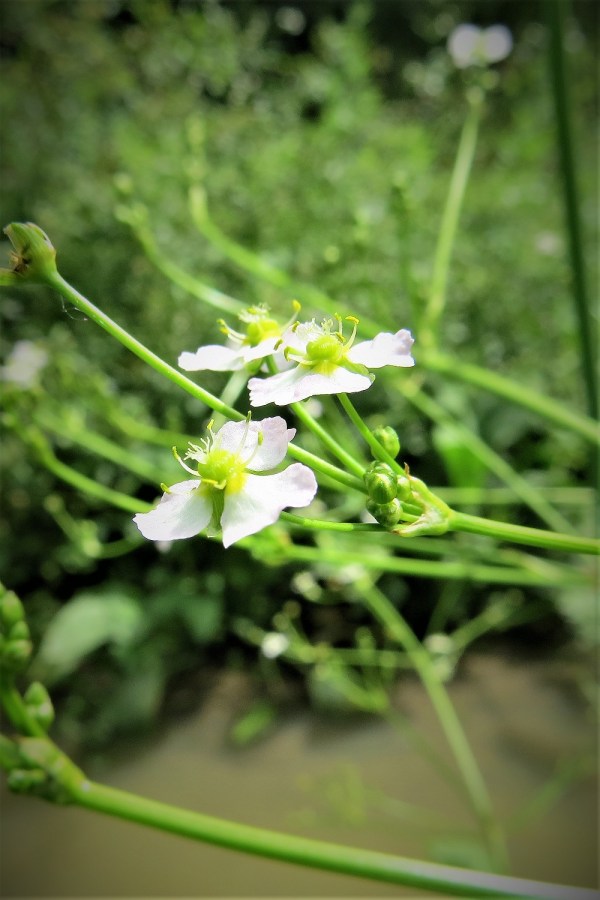
Water plantain ( Alisma plantago-aquatica) thriving in the Lambrok Tributary
Continue reading “Water plantain”
Creeping thistle (Cirsium arvense) taken at dawn this morning by DKG.
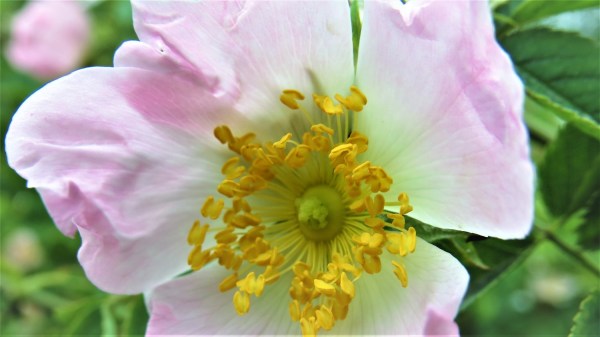
A gallery of colour to lift the sombre, over-grown greens of all the latest pictures on the home page.


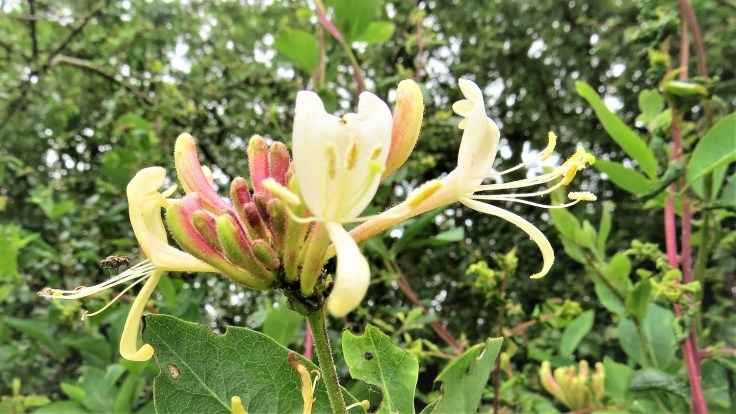

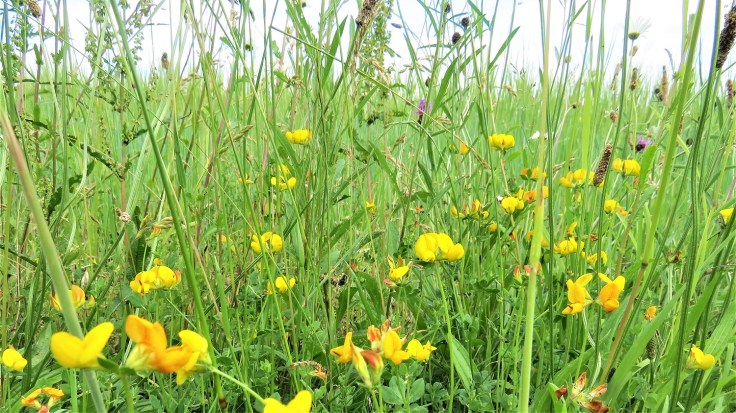
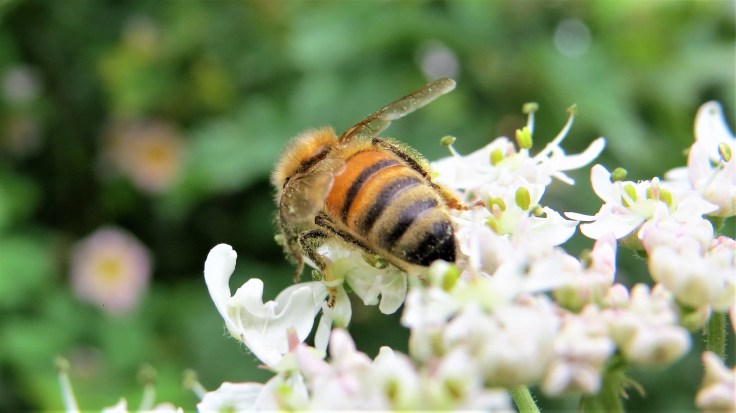

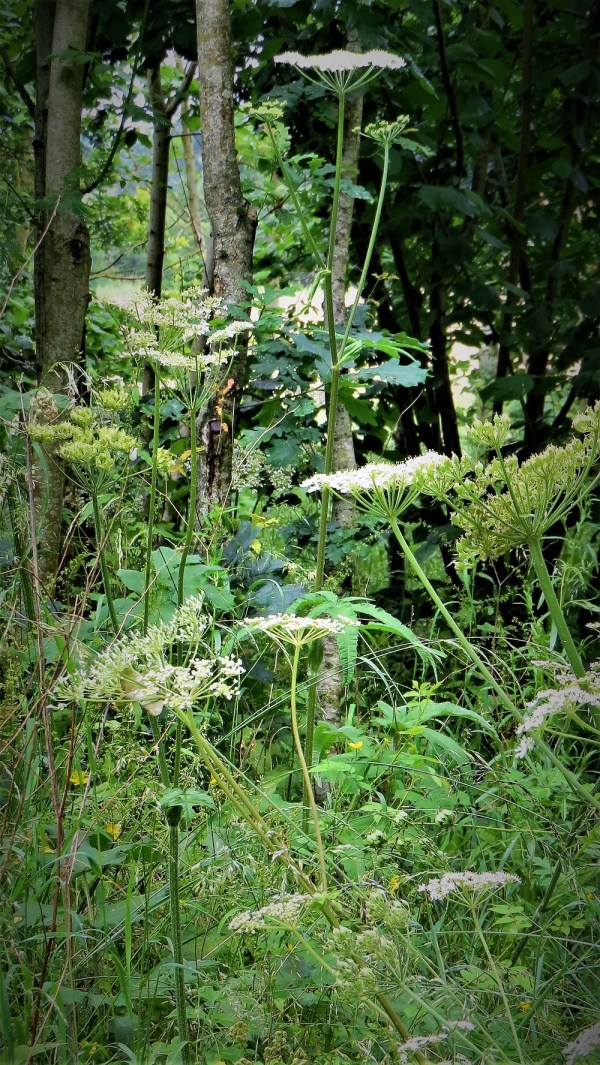
This has been a year of astonishing growth: more grass than we have ever seen, nettles at head height, trees and shrubs sagging under the weight of blossom. Our common hogweed (Heracleum sphondylium) is standing seven feet tall in places with flower-heads the size of dinner plates.
Continue reading “Hogweed”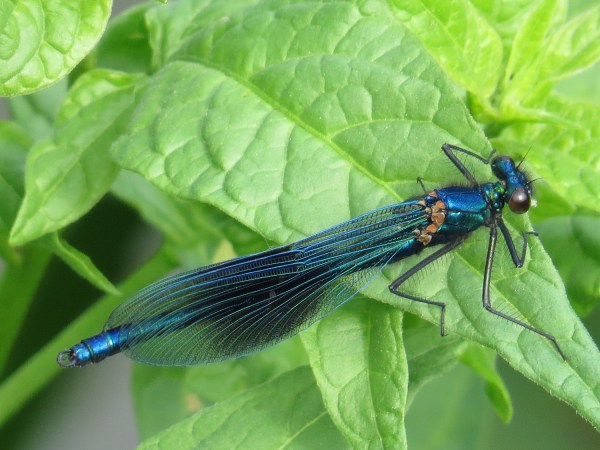
by Ian Bushell
Continue reading “A walk in the park”
This is Stachys sylvatica, commonly known as hedge nettle, hedge stachys or hedge woundwort. It is growing at the far end of Lambrok Meadow.
Continue reading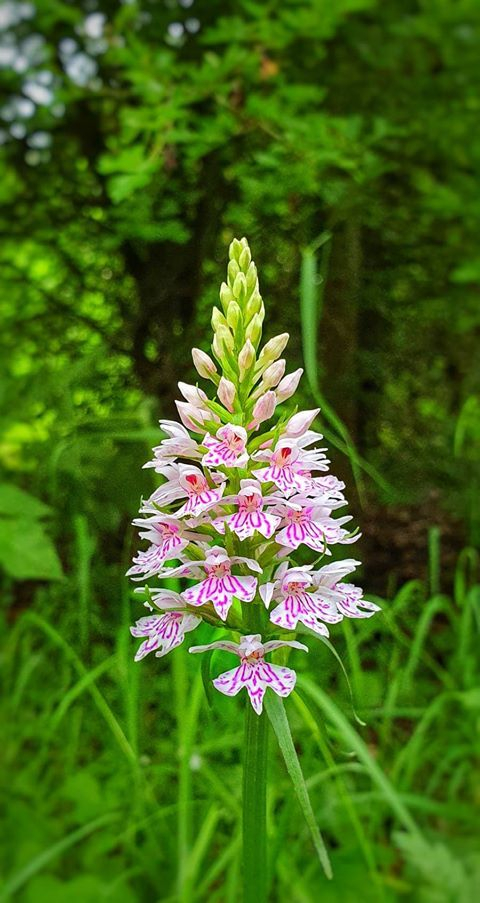
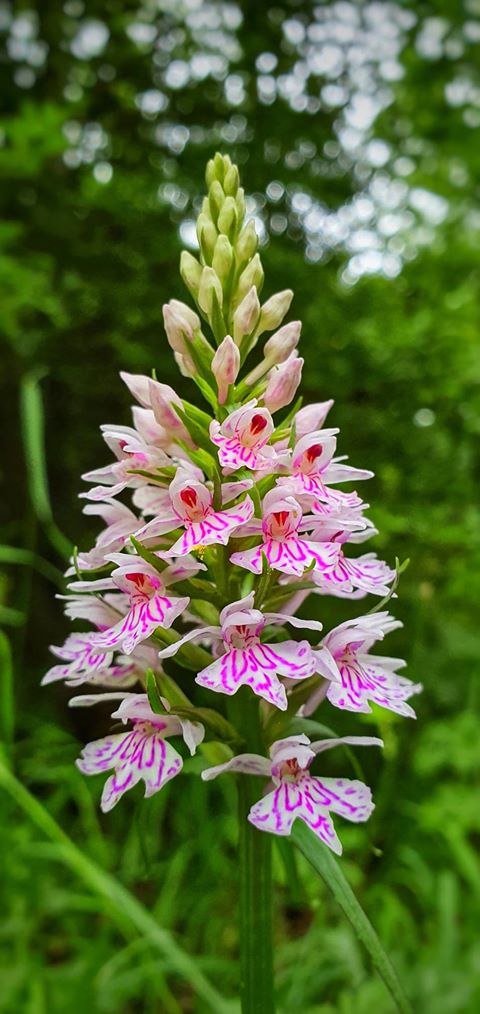

Chris Seymour’s pictures of the park’s common spotted orchids.
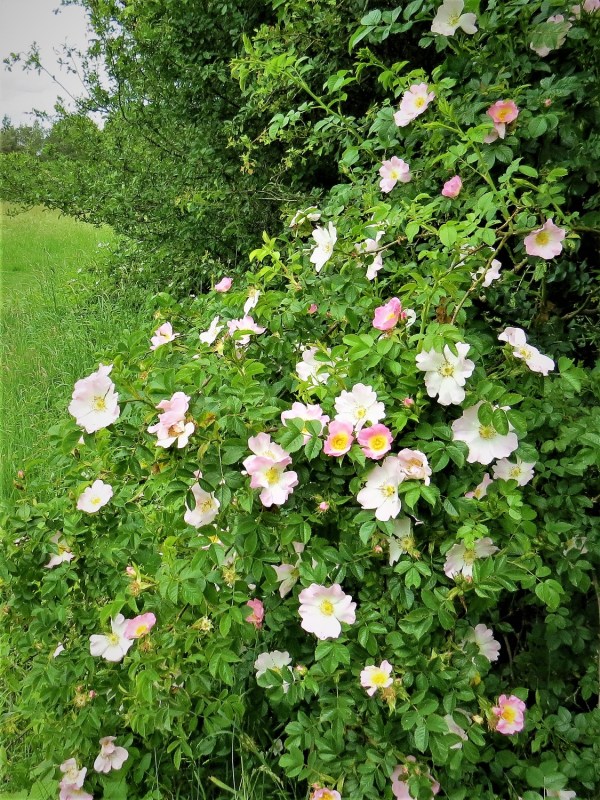
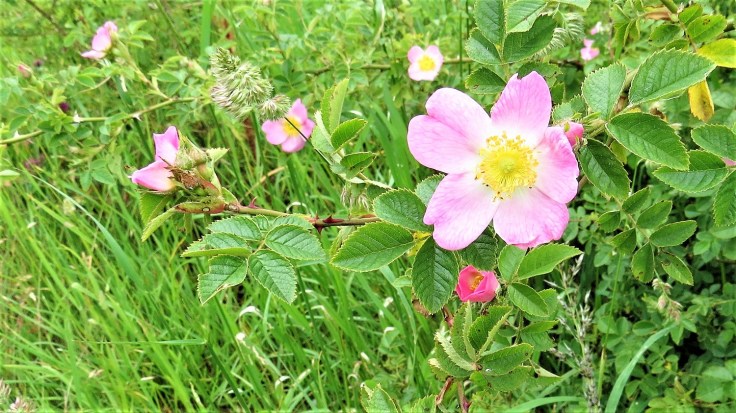
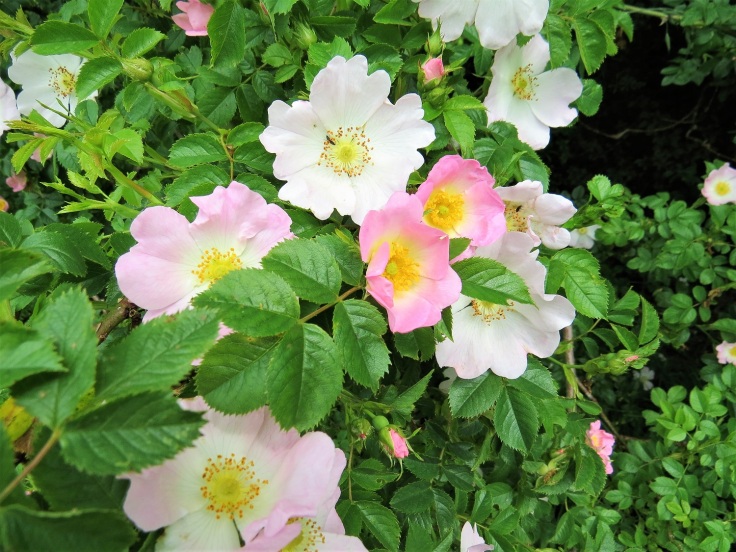
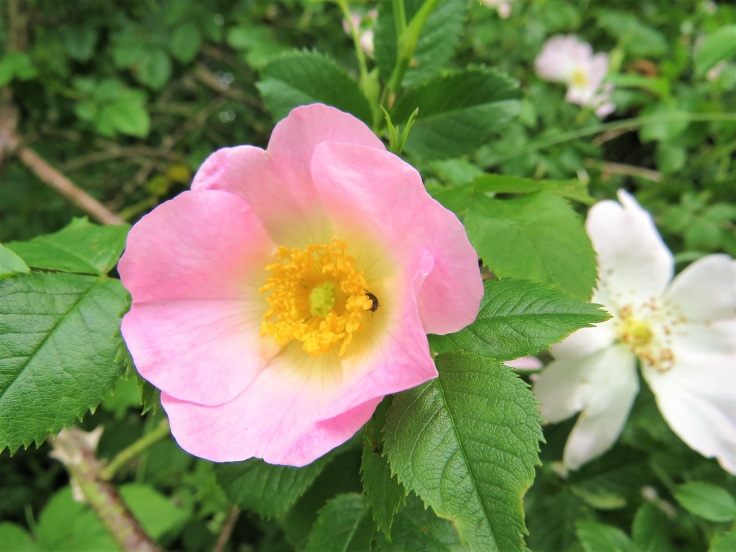
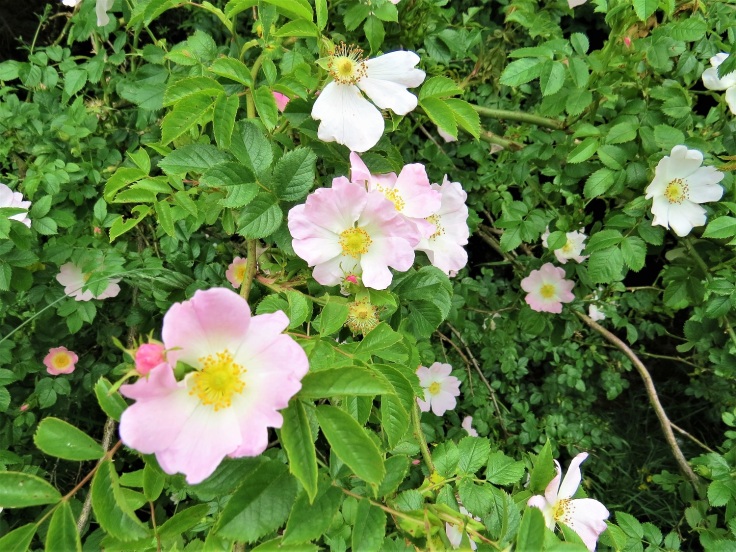
Dog roses (Rosa canina) are in flower in the park’s hedges. We are promised good weekend weather so come and see.
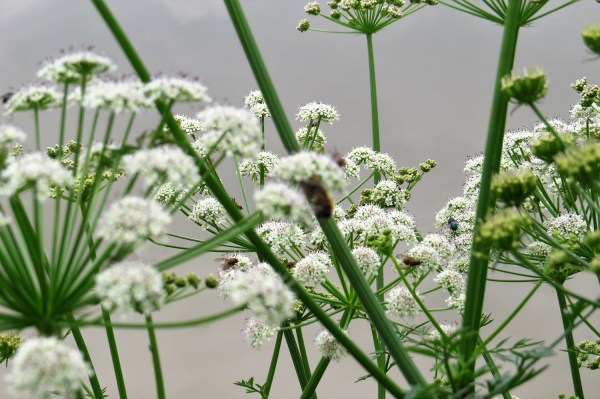
This is hemlock water dropwort (Oenanthe crocata), by some accounts the UK’s most poisonous plant.
Continue reading “Hemlock water dropwort”
Common spotted orchids from DKG

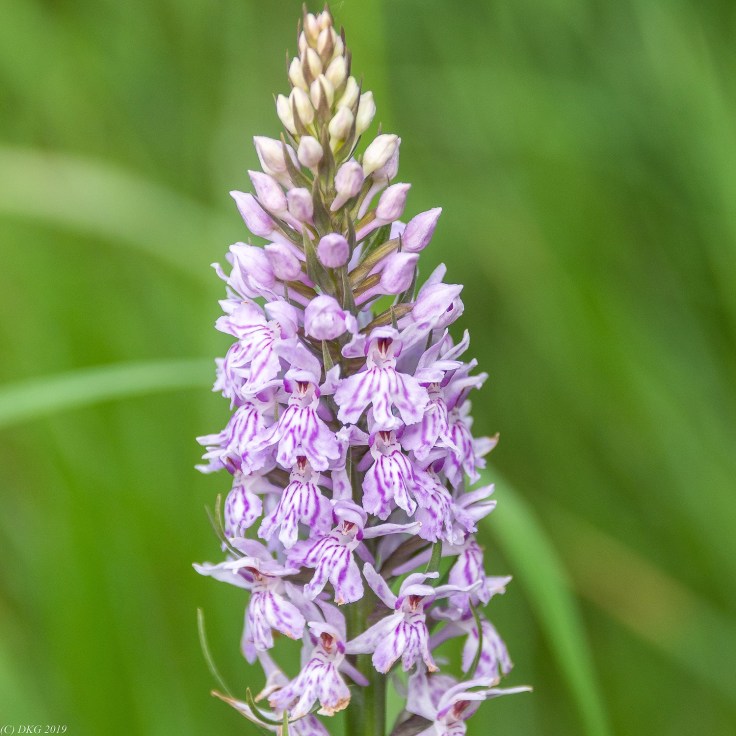
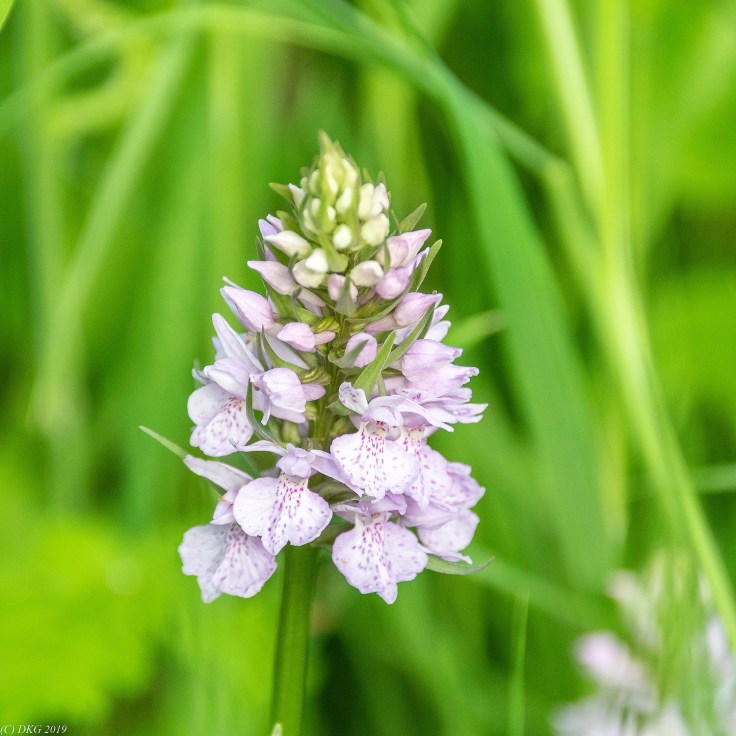

The first common spotted orchid of the year, photographed by Ian Bushell. Send in your own orchid photographs to friendsofscp@outlook.com and we will publish them all.
.o0o.
More here:

The yellow iris are in flower!
Click here for more pictures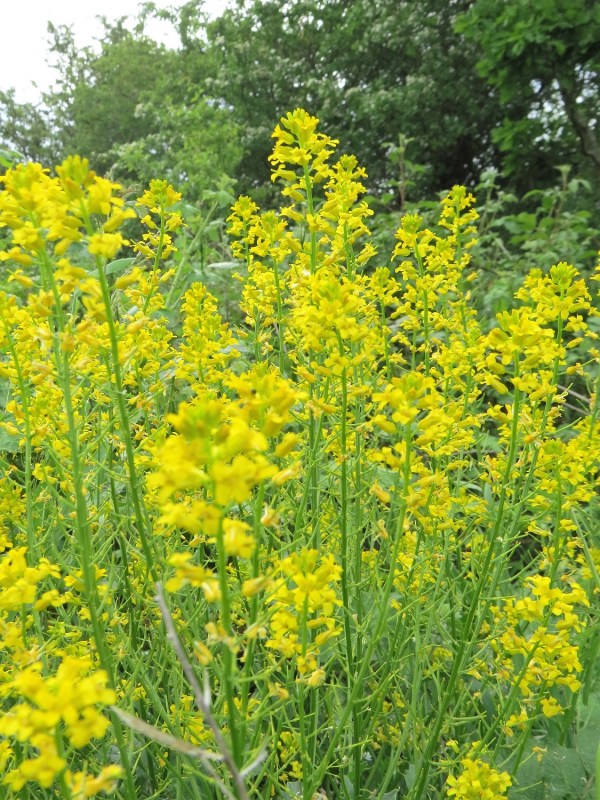
Barbarea vulgaris also called bittercress, herb barbara, rocketcress, yellow rocketcress, winter rocket, and wound rocket
Continue reading “Barbarea vulgaris”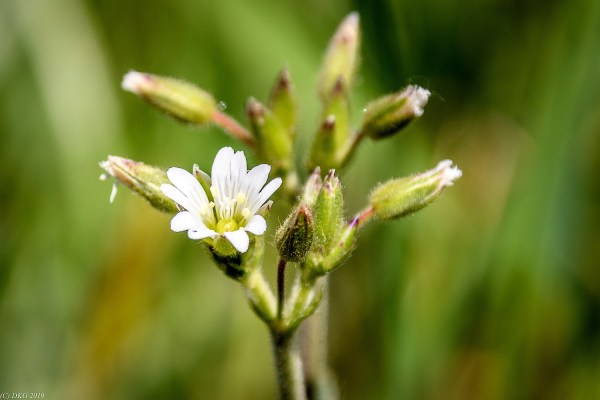
This is common mouse ear (Cerastium fontanum), sometimes called mouse ear chickweed. It grows all over the park for most of the year.
Continue reading “Common mouse ear”




 Southwick Country Park Nature Reserve