Regular contributor Cheryl Cronnie sent in two lovely pictures of a pair of house hunting blue tits looking around a nest hole in one of our veteran oak trees.
Continue reading “Des res”Des res
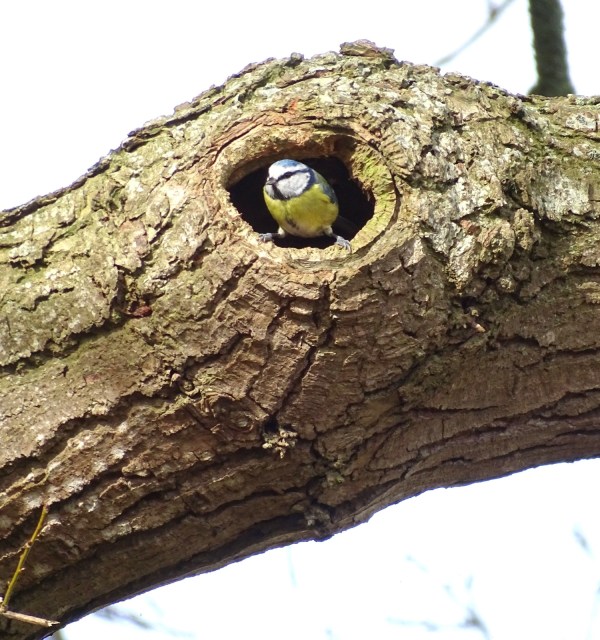
Regular contributor Cheryl Cronnie sent in two lovely pictures of a pair of house hunting blue tits looking around a nest hole in one of our veteran oak trees.
Continue reading “Des res”

by Ian Bushell
During Wednesday’s working party, while planting up the new scrapes in Lambrok Meadow, I came across this leech.
Continue reading “New species”
The sound of spring.

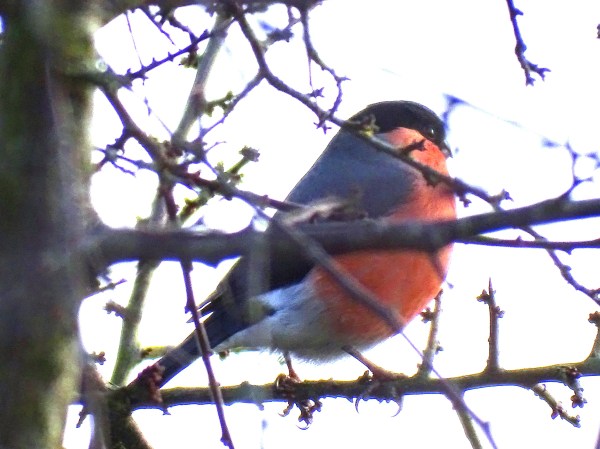
Regular contributor Cheryl Cronnie has sent a beautiful picture of a bullfinch.
Continue reading “Bullfinch”
If both have survived the winter, there are two feral honey bee colonies in the reserve. Feral bees are an important backwater in the Apis mellifera gene pool, busy adapting to the changing environment rather than to the needs of the beekeeping industry.
In March, our honey bees will be clearing out their nest cavities and working to replenish their depleted honey stocks. Here is a video about the way in which individual bees fit into a workforce of tens of thousands.
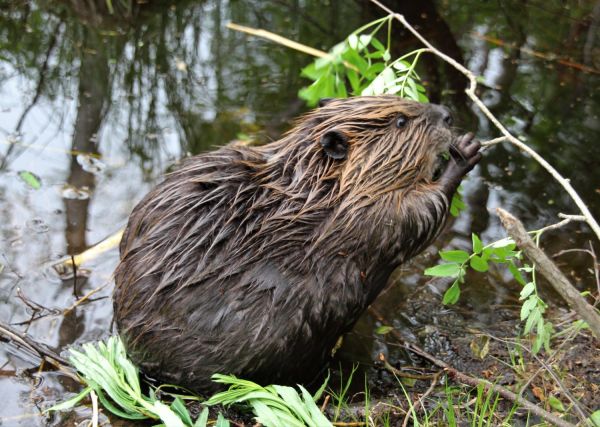
Last year, between January and March, Natural England surveyed the Avon catchment, including Lambrok Stream, for signs of wild beaver. Their report was published last week.
Continue reading “The beavers are back”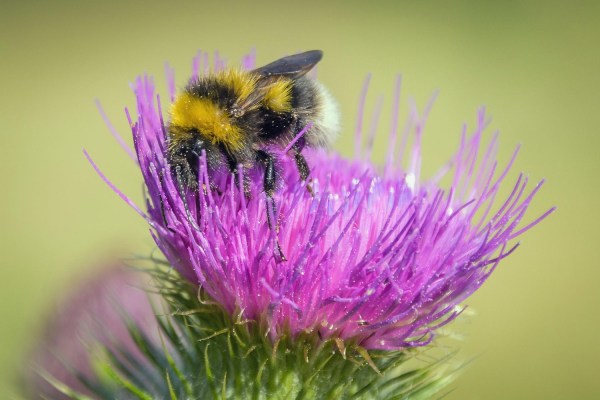
Buff tailed bumble bees can teach each other to open a puzzle box.
Continue reading “Bumble bee school”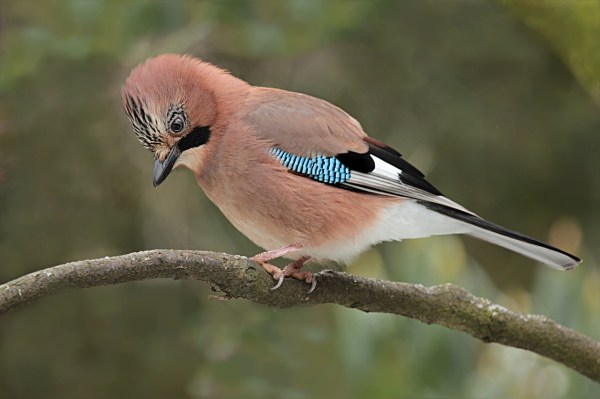
There are all sorts of things that shriek in our woods and the Eurasian Jay (Garrulus glandarius) is just one of them.
Jay (Garrulus glandarius) audio by Bodo Sonnenburg ( CC -BY-SA) xeno-canto.org

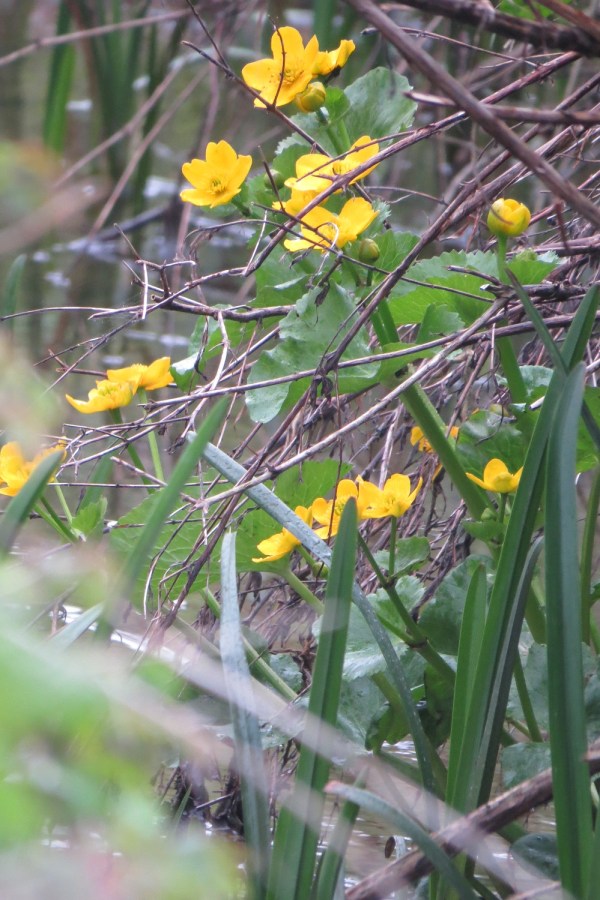
Above is a picture is of Caltha palustris flowering in Lambrok Stream, a plant I have always called marsh marigold but that Ian calls kingcup. Who is right?
Read on to see who is right
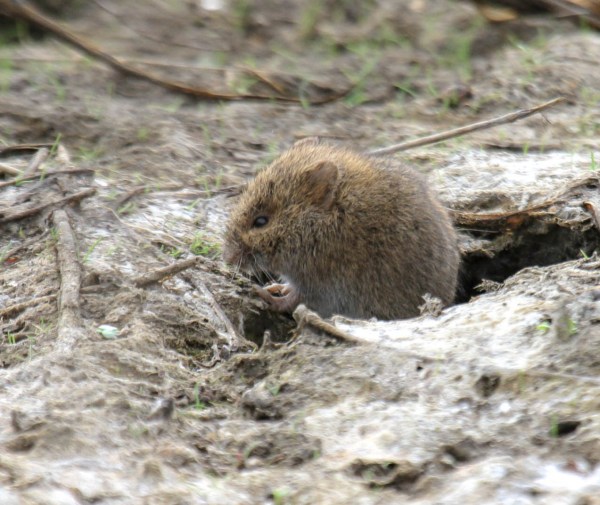
Here is a link to the spring 2023 edition of the Wiltshire Mammal Group newsletter, where you will find, on page14, a contribution from wildlife photographer Simon Knight about the reserve’s water voles and water shrews.
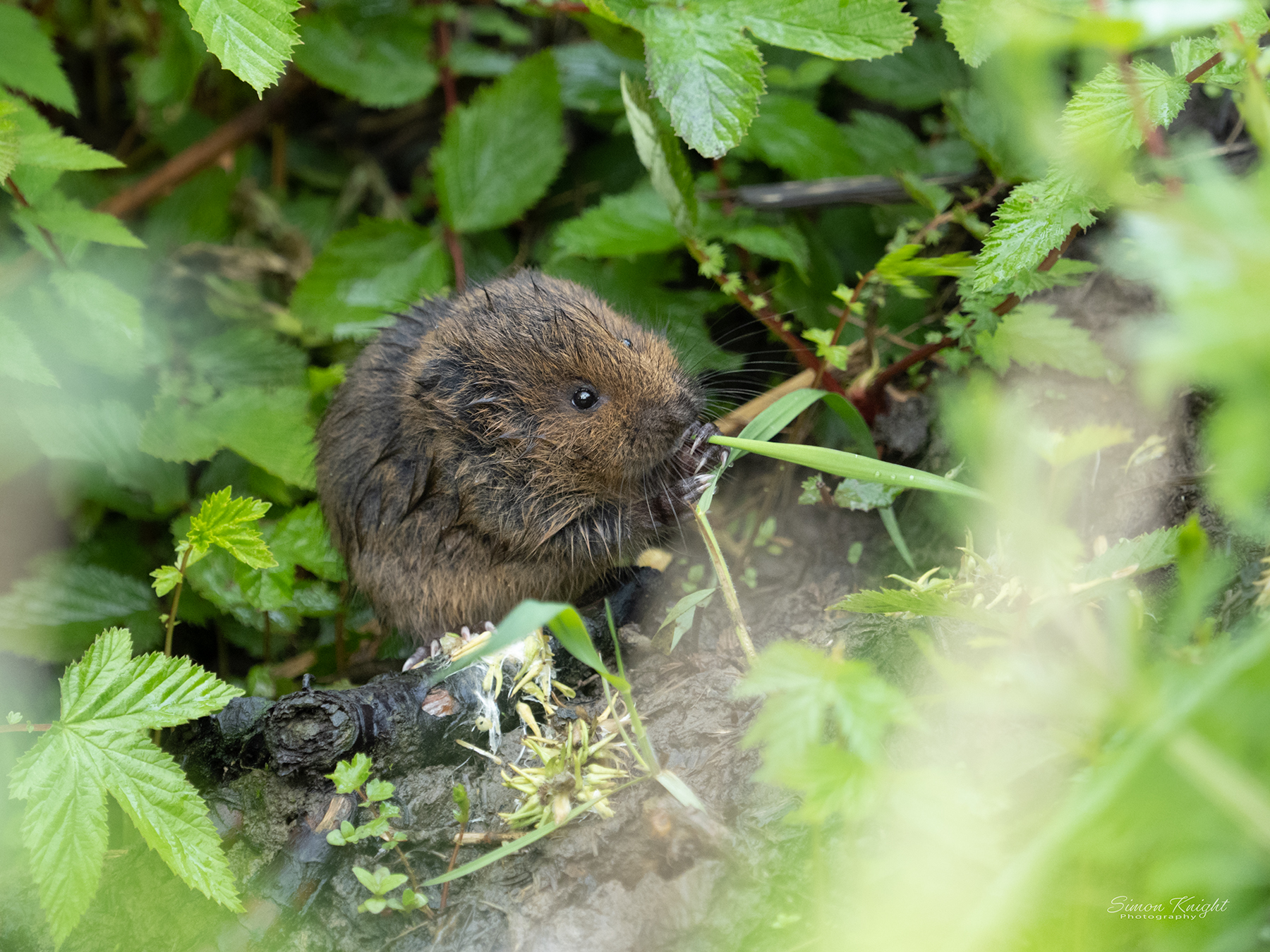
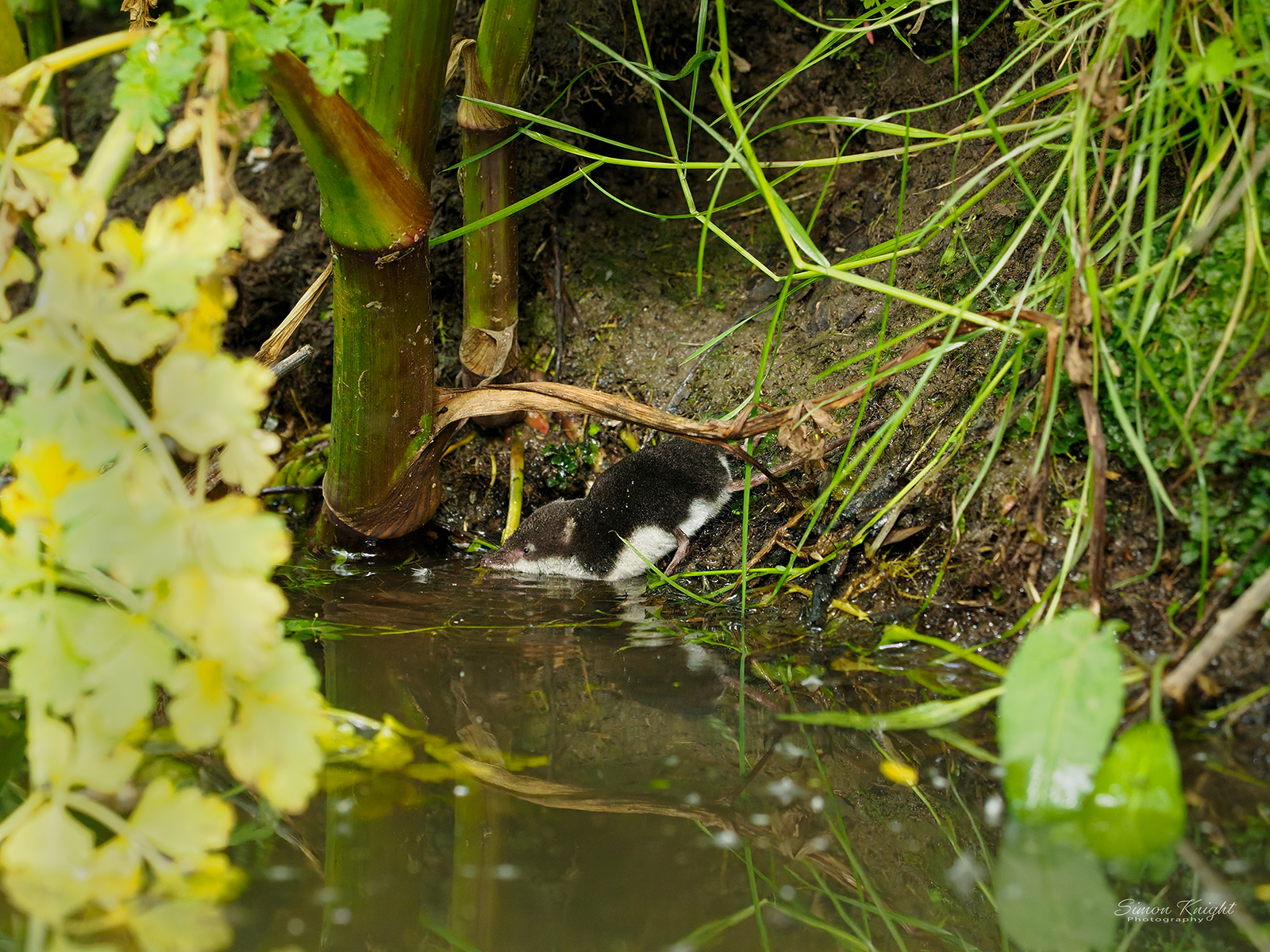
When you have read Simon’s piece, browse the rest of the newsletter; it’s full of interesting details about local efforts to conserve Wiltshire’s mammals.

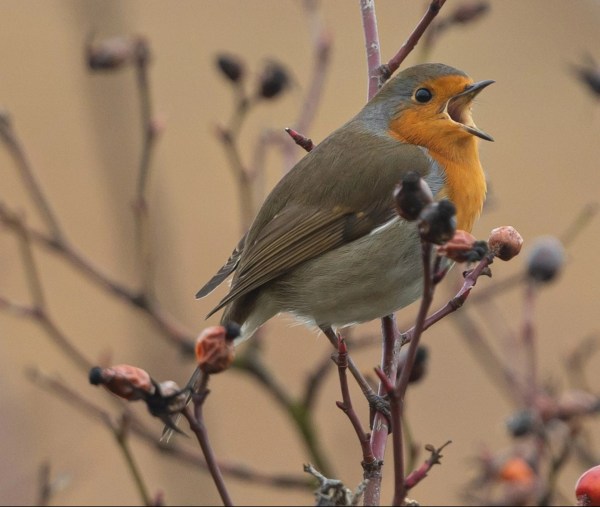
Our songbirds are tuning up for the spring. Here are ten things you may not have known about birdsong.
The reserve’s song bird are tuning up for spring
Continue reading “Birdsong”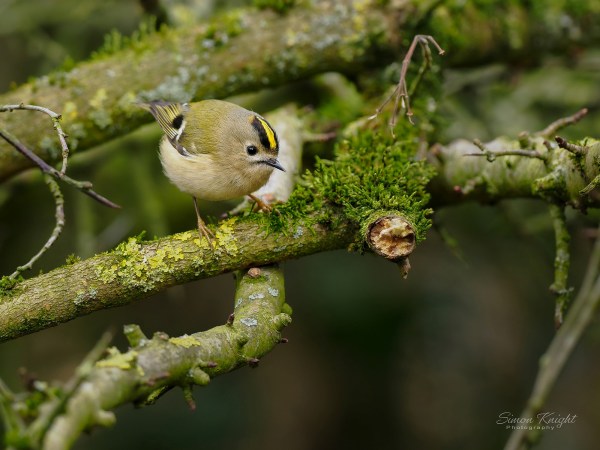
Simon Knight, our in-house wildlife photographer has sent a picture of a goldcrest, of which he says:
Continue reading
There is a rabbit warren under the hedge where Corn Field, Sheep Field and Sleepers meet. Its many entrances and exits are hidden under the brambles but you may well have walked atop the warren itself.

Do badgers eat hedgehogs? Yes, they do.
Continue reading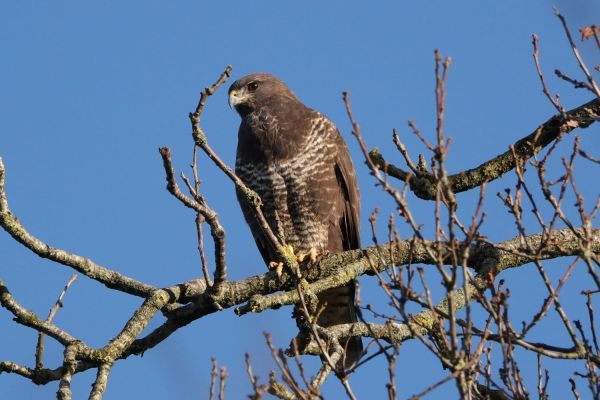
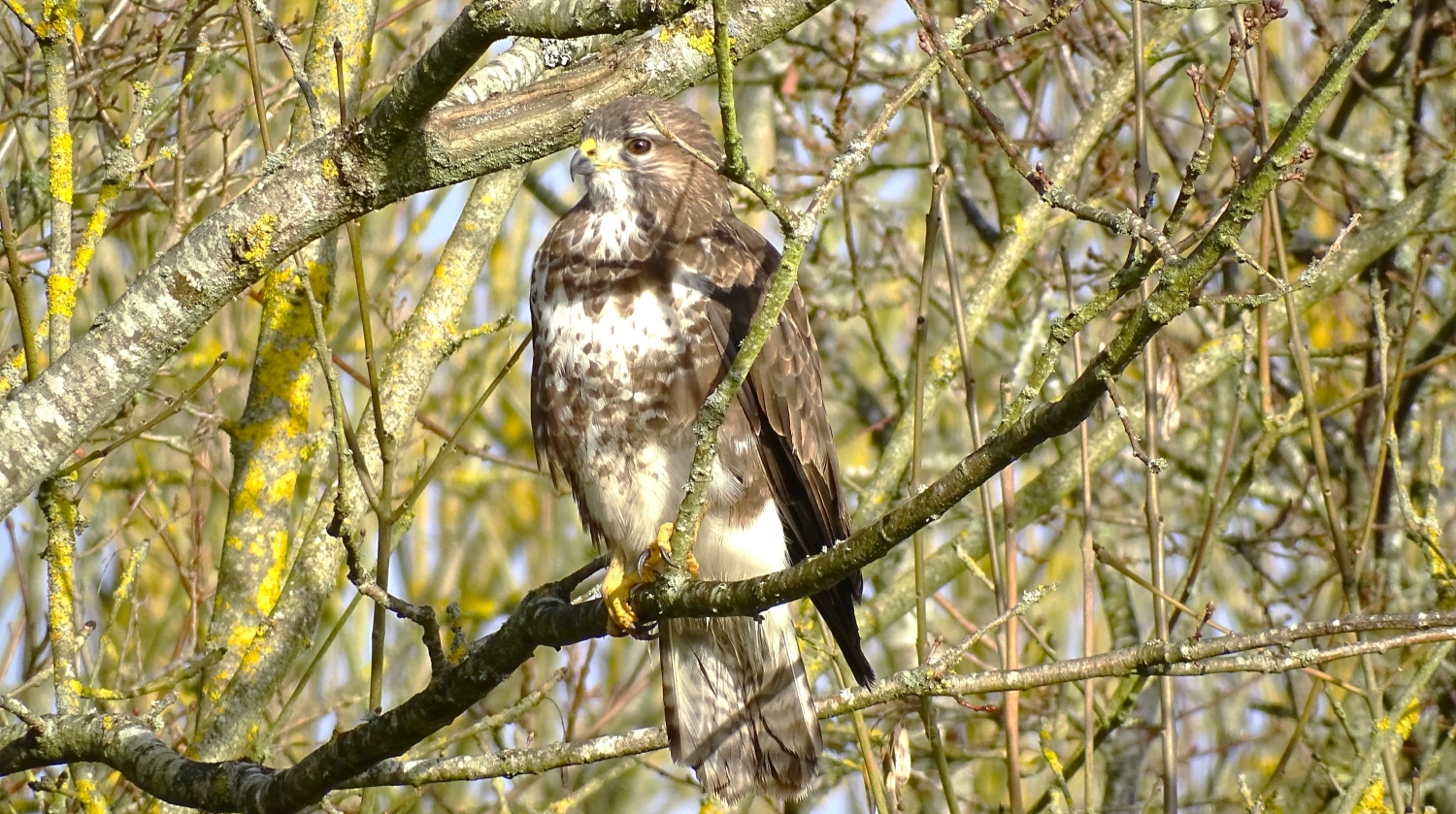
Above: a buzzard photographed in the reserve last week by Philip Knight. And below: a second, much lighter coloured buzzard, this time from regular contributor, Cheryl Cronnie.
Buzzards are fiercely territorial so it’s probable that this is a breeding pair. Their territory will cover a much wider area than just our reserve and may contain several different nest sites that they use in successive years.We know that there is one nest site in the trees at the bottom of the field just across the road from our car park but it would be great if they chose a site in our woodland.
If you know of another buzzard’s nest in the area. please let us know


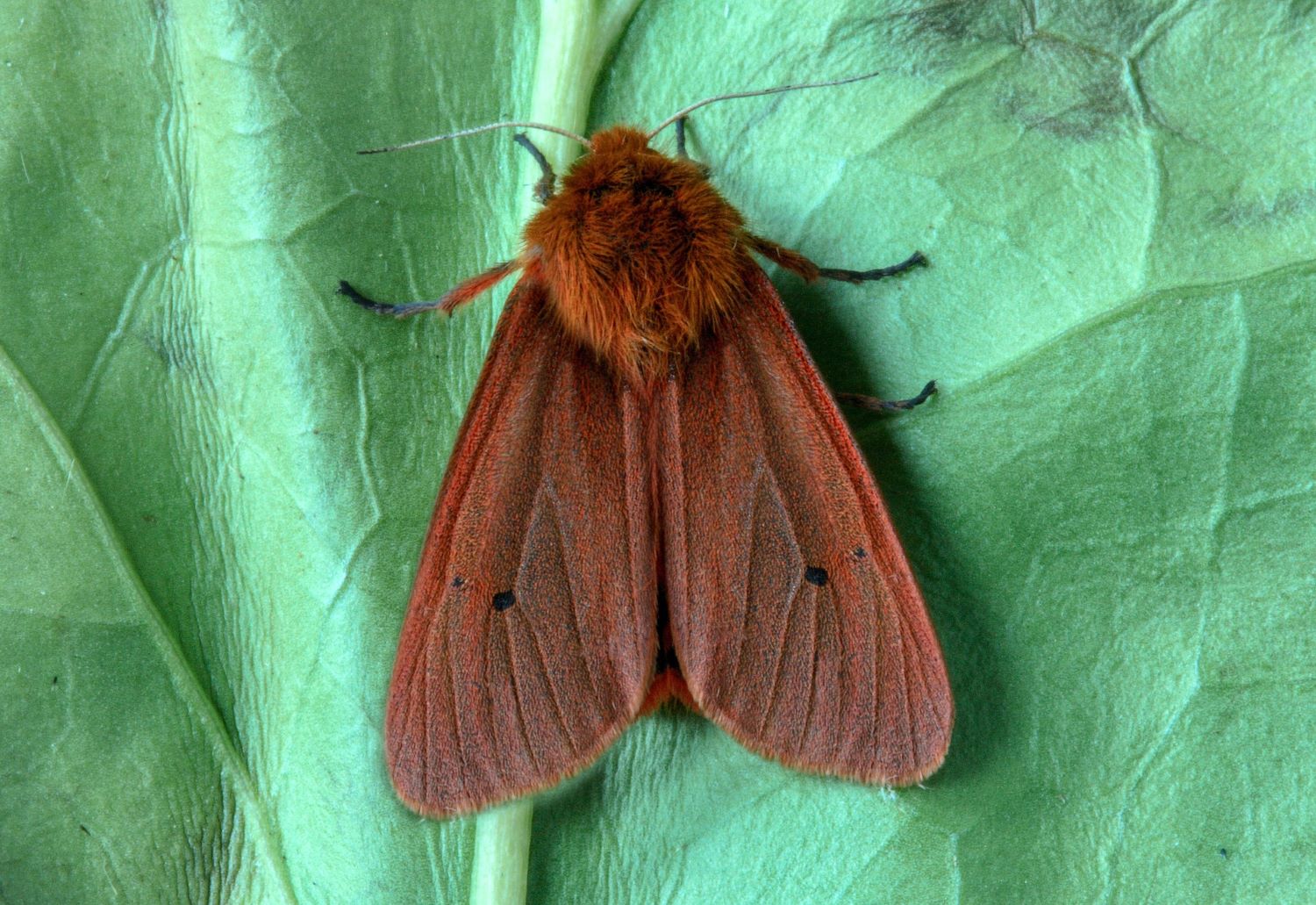
Another expedition into the reserve’s species lists has produced a ruby tiger moth (Phragmatobia fuliginosa) found and identified in the summer of 2021 by our lepidopterist, Hugo Brooke. This is a common day-flying moth, its adult stage so short lived, that it doesn’t feed; its only purpose is to mate and lay eggs on the ragwort, plantain, dock or dandelions on the edge of our woodland.
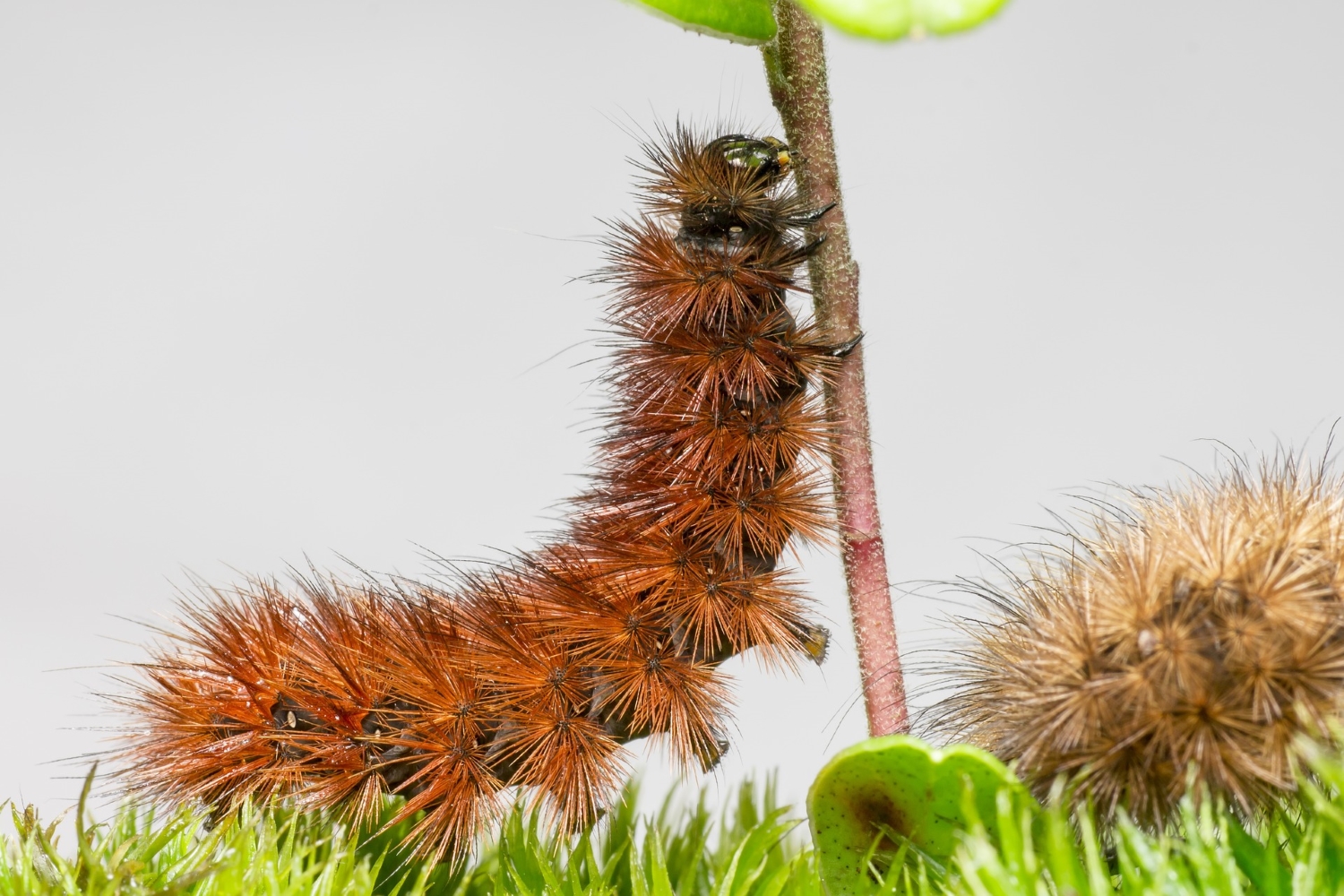
At this time of year, the ruby tiger is overwintering as a caterpillar, at ground level, among the leaf litter. Its blood contains a natural antifreeze which will have protected it through our recent sub-zero cold snap.

Our bluetits are already searching the reserve’s oak trees for nesting sites.
Continue reading
How many species of earthworm are there in the UK?
Continue reading “Earthworms”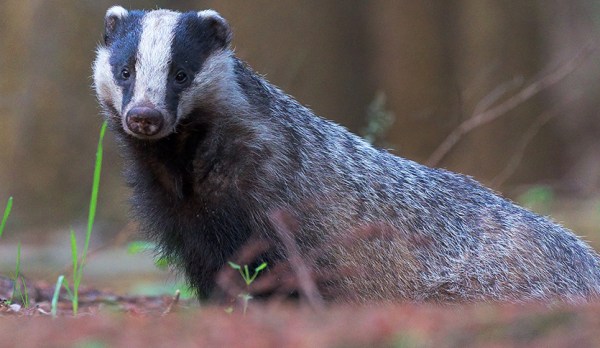
As February begins, at least one of our badger clan’s sows will be either heavily pregnant or nursing up to five newborn cubs.
Continue reading



 Southwick Country Park Nature Reserve