Robins, both male and female, sing almost the whole year round with just a pause after the breeding season, when they go into hiding for the moult.
Continue reading “Winter song”Winter song
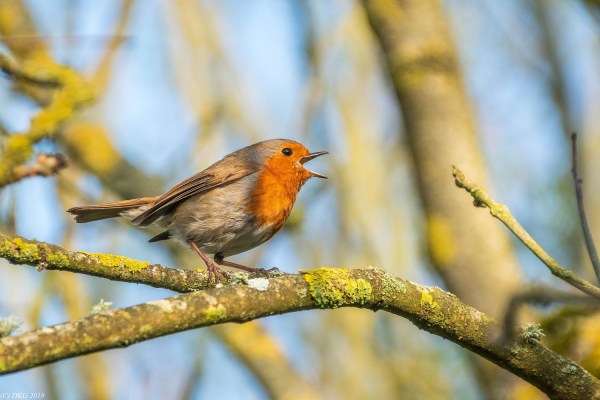
Robins, both male and female, sing almost the whole year round with just a pause after the breeding season, when they go into hiding for the moult.
Continue reading “Winter song”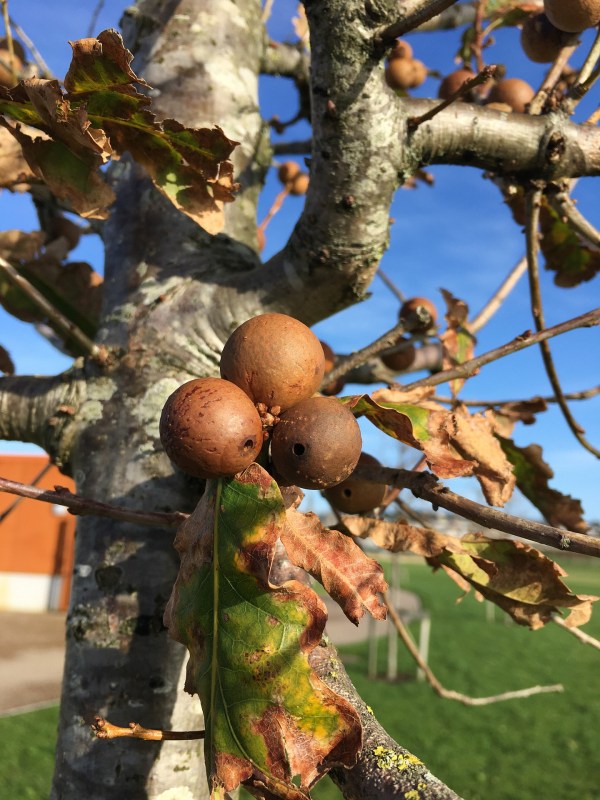
Ecosystem engineers are organisms that modify their environment. They increase biodiversity by creating habitat for species other than themselves. The oak apple, caused by a tiny wasp called Biorhiza pallida, is just such an engineered environment.
Continue reading
There are several families of magpies in the reserve. This year’s crop are, as yet, short-tailed, loud- mouthed and clumsy, hanging out in gangs and still learning to fly properly. But, despite their dramatic black and white beauty, their reputation is poor.
Read on:
Oak trees produce thousands of acorns every year. Somebody has worked out that an oak tree can produce ten million acorns over its lifetime. In a good year, they carpet the ground under the tree and crunch underfoot.
Read on: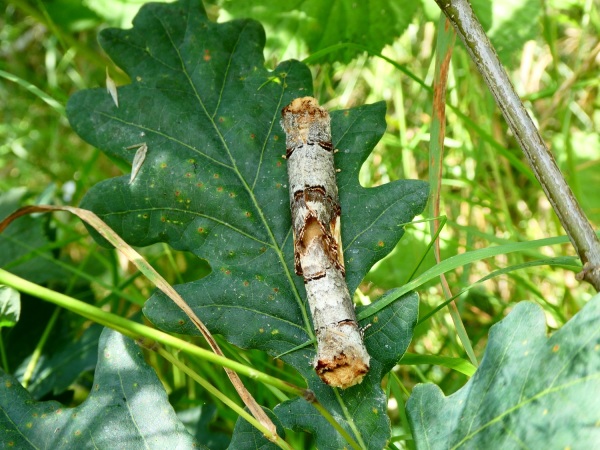
A recent study has found that the best kind of camouflage, out there in the wildwood, is pretending to be an inanimate object.
Continue reading “Camouflage”
A hornet, drinking at the Iris Pond, photographed by Clive Knight. Ian Bushell, our entomologist, has identified it as a queen.
Continue reading
This is a common drone fly (Eristalis tenax), named for its mimicry of a male honeybee. It was first identified in the reserve in 2019.
Continue reading “Common drone fly”
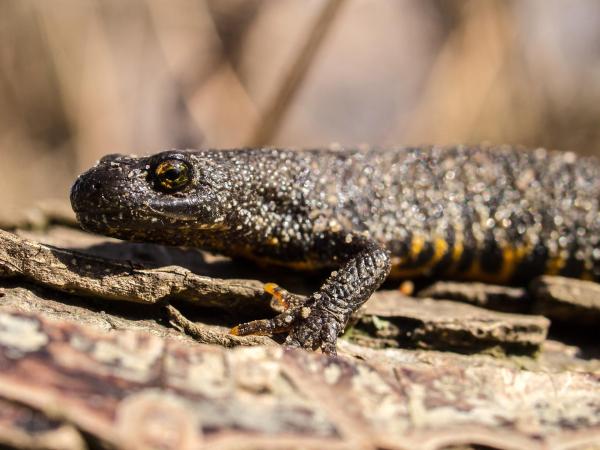
At the end of August, Ian checked the pond that we are developing with Wiltshire Wildlife Trust in the hope of attracting great crested newts to the reserve.
(Here are some links to previous posts about the pond’s development: ONE TWO THREE)
Read on for Ian’s report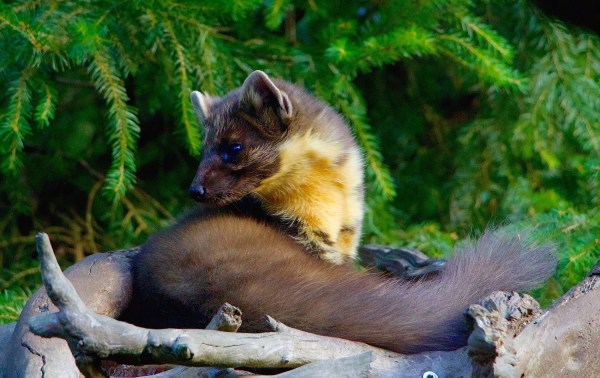
The Guardian reports that a European pine marten (Martes martes) has been spotted in London for the first time in more than a century.
Continue reading “Pine marten”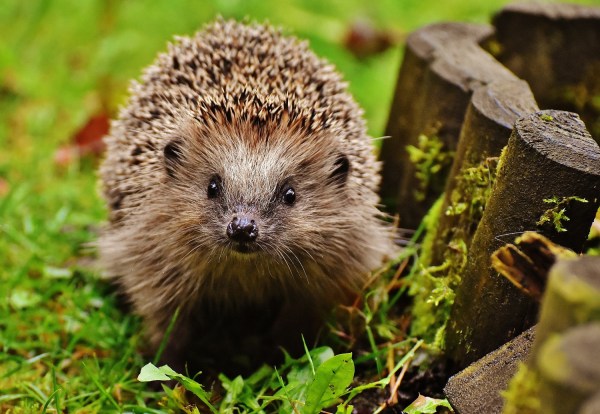


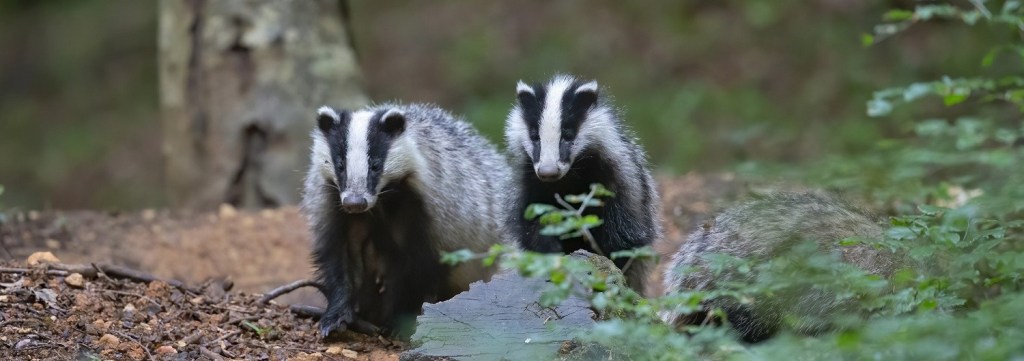
[1] Wood mouse [2] Water vole [3] Pigmy shrew [4] Grey squirrel [5] Rabbit [6] Stoat [7] Common mouse [8] Brown hare [9] Badger.
Header image: hedgehog (CC0)

By the end of the summer, the workers in a wasp nest will have finished raising and feeding the new queen larvae. The larvae have spun caps over their cells and begun the process of pupation. This indicates a change for the nest.
Read on:
There are forty one species of Cantharidae in Britain and almost all go by the common names of soldier or sailor beetle.
Read on: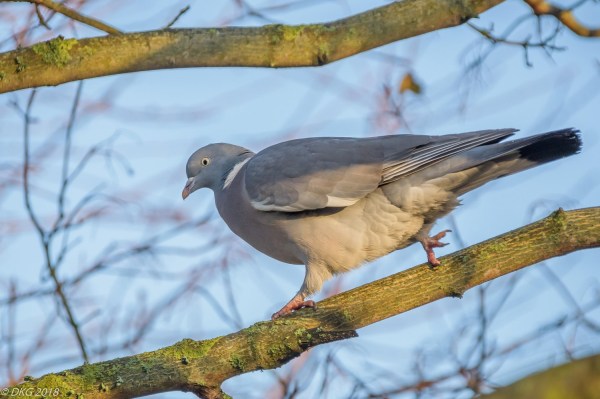
Wood pigeons (Columba palumbus) are our largest and most common pigeon. Gregarious, very adaptable and given to flocking in enormous numbers at this time of year, they are an everyday sight in British towns and countryside.
In towns they seem unafraid but in the park they are shy and wary. Often the first indication that they are there at all is the loud clattering and clapping of their wings as they take off and fly away. Their call is the lovely, familiar background noise of spring and summer.
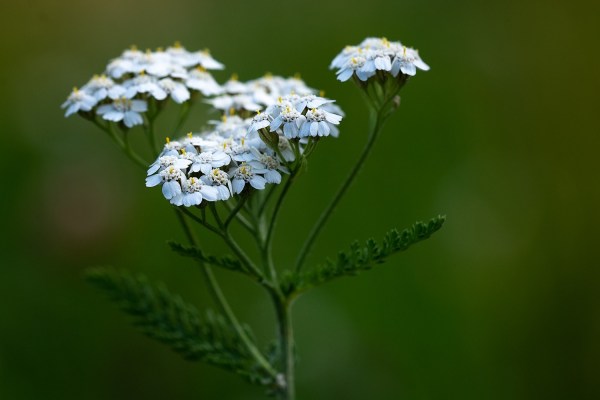
Yarrow, Achillea millefolium, a late-flowering perennial, photographed by Ian Bushell, in the little triangular field between Simpson’s Field and Fiveways.
Continue reading “Yarrow”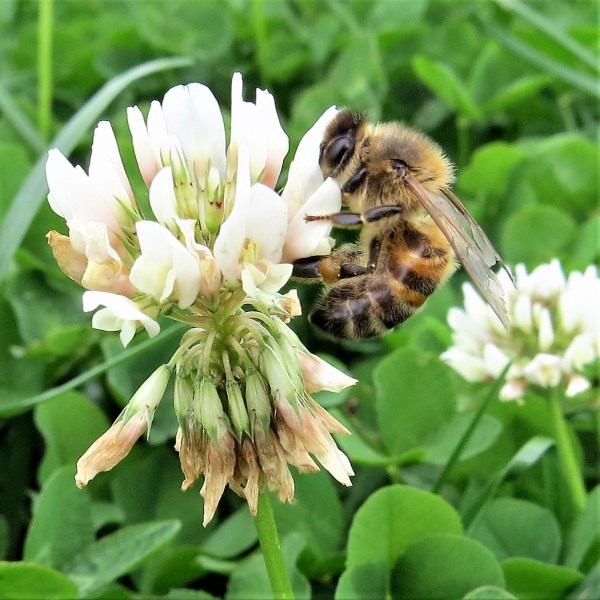
Unlike common wasps, honey bees (Apis mellifera) don’t die at the end of the summer. The hive stores enough food for the queen and the workers to survive through the winter.
Continue reading “Honey bees”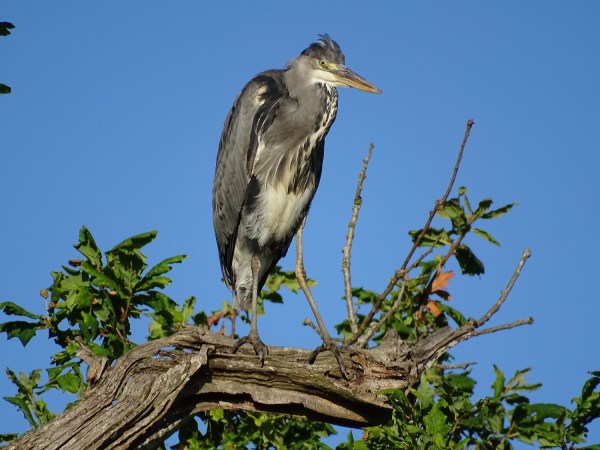
A juvenile grey heron (Ardea cinerea) photographed in the reserve at the weekend by Cheryl Cronnie.
Continue reading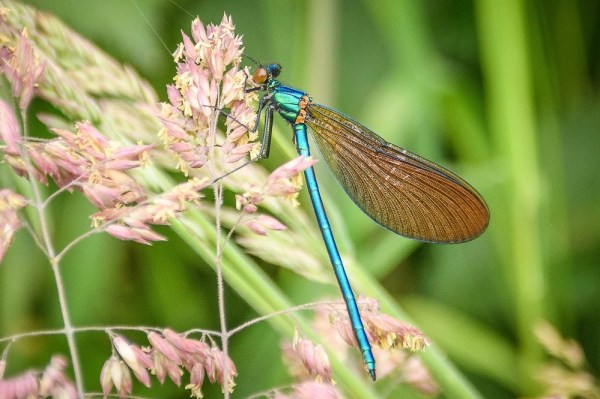

Clive Knight has finally found the European hornets’ nest we always knew was somewhere in the reserve and sent us this charming picture.

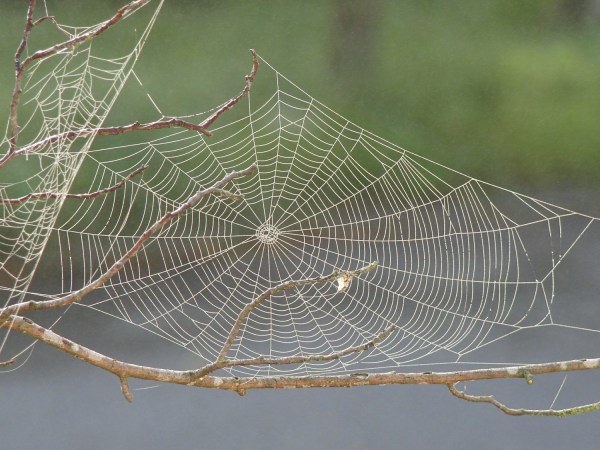
The reserve’s fields are full of spiders’ webs.
Continue reading “spider silk”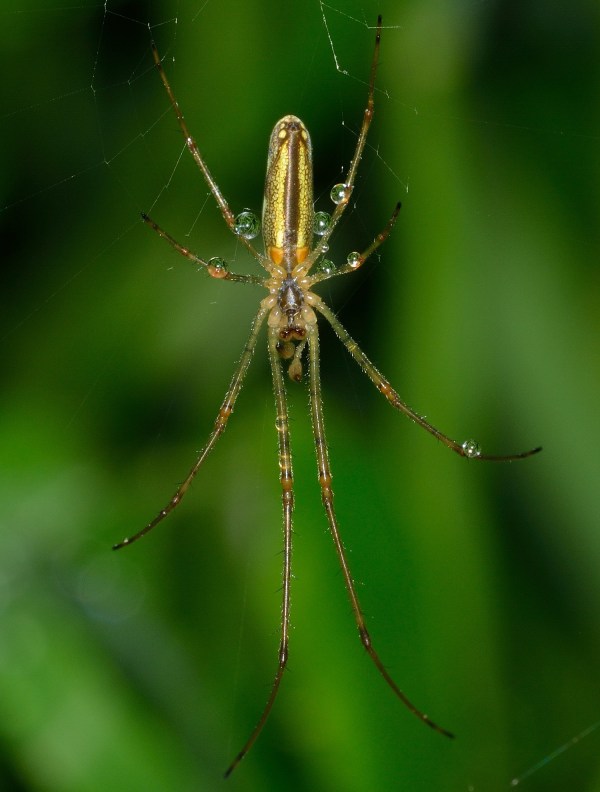
Another trawl through the depths of our species lists has snagged a long jawed spider, Tetragnatha extensa.
Continue reading “Tetragnatha extensa“
A common whitethroat (Sylvia communis), photographed in the park by DKG in the summer of 2019. It is probably either a female or a juvenile; the male is more distinctively coloured.
Continue reading “Whitethroat”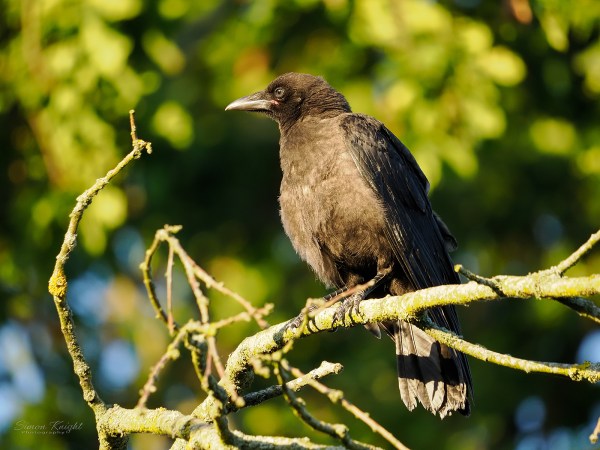
by Simon Knight
During this extreme hot spell we are all currently enduring, there is no doubt that the best time to be in the reserve is first thing in the morning.
Continue reading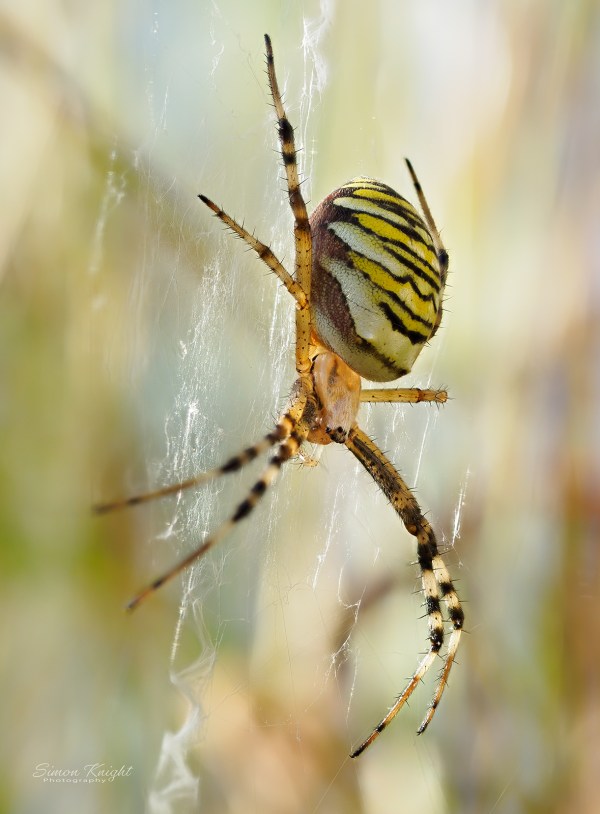
By Simon Knight
After the water voles, my second favourite residents of the reserve are the wasp spiders. When July rolls around, I make it my mission to find my first wasp spider and this happened on 3rd July. She was in Village Green and very small, the youngest I had ever seen. I used what3words to record the location as my plan was to come back over the coming days to see how she progressed. I was hoping the long grass in Village Green would remain as the rest of the reserve had already been cut, but sadly the next day Village Green was also cut. No more wasp spider.
Continue reading “Wasp Spiders”
This is a six spot burnet moth (Zygaena filipendulae), a dayflying nectar feeder, photographed on the reserve’s plentiful, nectar-rich, tufted vetch.
Continue reading


 Southwick Country Park Nature Reserve