Tardigrades

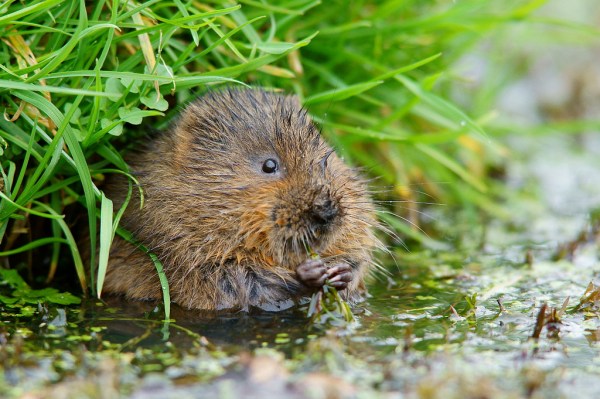
Tardigrades have been found everywhere in Earth’s biosphere, from the highest mountaintops to the deepest sea  and from tropical rainforests to the Antarctic. There are sure to be some, somewhere, in the reserve’s ponds, going quietly about their business.

Continue reading
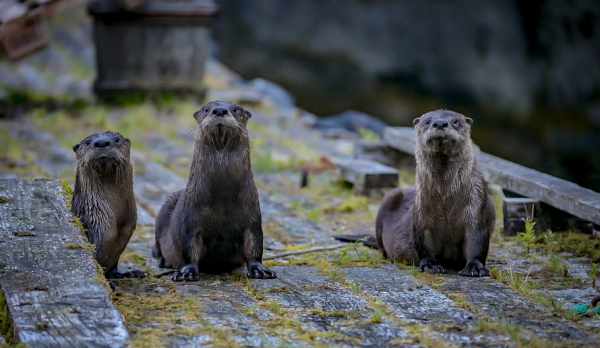
More about the otters in Lambrok Stream

Simon Tesler’s video of an otter hunting in the moat at Southwick Court is powerful evidence not only of Lambrok Stream’s biodiversity, but its importance as a wildlife corridor that runs from the River Biss right up through and beyond Southwick village.

Continue reading

Jays

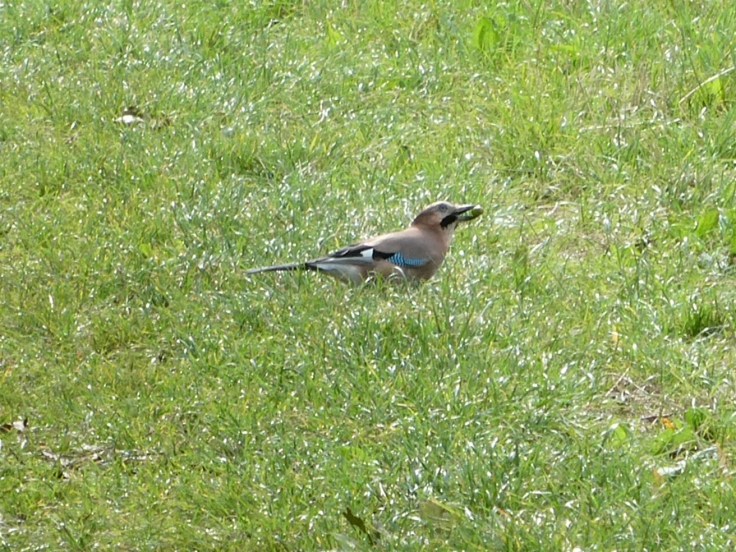
Live Knight has sent in pictures of the reserve’s jays busy this week caching acorns.

Kingfisher!

Mail from Cheryl Cronnie with pictures of a kingfisher:

Hi there, I’d just like to share with you the kingfisher I spotted today at Southwick Country Park by the pond. I was over the moon as I had never seen one before.

Lovely! Thank you, Cheryl.

Crane Flies

There are hundreds of species of crane fly in this country and almost all of them go by the name of daddy long legs. The differences between species can be microscopically small but we think this specimen photographed in the reserve is either a common European crane fly (Tipula paludosa) or a marsh crane fly, (T. oleracea).

Continue reading

One for sorrow, two for joy…

There are several families of magpies in the reserve. This year’s crop are, as yet, short-tailed, loud- mouthed and clumsy, hanging out in gangs and still learning to fly properly. But, despite their dramatic black and white beauty, their reputation is poor.

Read on:

Eurasian collared dove

Collared doves (Streptopelia decaocto) bred in Britain for the first time in 1955, in Norfolk. Within 20 years they had colonised every county in the British Isles, and had even reached Shetland and the Outer Hebrides.

Continue reading

It’s garden-tidy-up time.

Keep a look out for hibernating amphibians as you tidy up your garden ready for winter. Frogs, toads and newts will find sheltered places to hibernate in hedge bottoms, compost heaps, under stones and in log piles and are best not disturbed. Take particular care if you are planning to clear out a pond: frogs and newts will sometimes overwinter in the mud at the bottom.

Continue reading
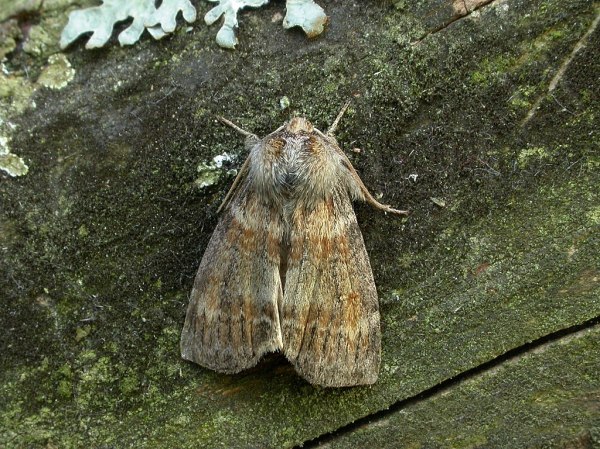
Oak lutestring

During last week’s moth trapping in Village Green, Ian and Hugo identified an oak lutestring (Cymatophorima diluta), a UK Biodiversity Action Plan Priority Species, classified as scarce and local. This is the thirteenth BAP priority species of Lepidoptera identified in the reserve: the hard work we put into our woodland habitat is paying off!

Continue reading

More about acorns…

…and squirrels.

Here is a video, taken from BBC Earth’s Spy In The Wild series, about squirrels caching acorns.

The header picture was taken in the park by DKG

Cats

Usually we would welcome predators into the reserve; they are a sign of a healthy ecosystem. We have resident stoats and weasels, foxes and badgers and are happy to know that our ecosystem can support them. Domestic cats, like this one photographed early in the morning in the woods in Village Green, are a very different proposition.

Continue reading “Cats”
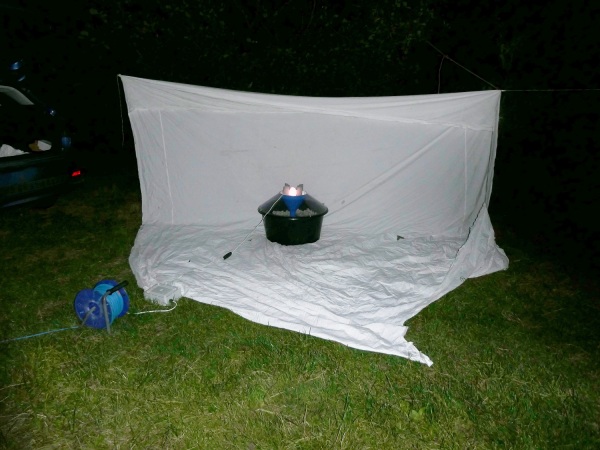
A common field grasshopper (Chorthippus brunneus) photographed by Ian Bushell in the park this week. This is a species that thrives among fined-leaved grasses, a sure sign that our policy of reducing the fertility and thus widening the biodiversity of our fields is working.

Continue reading

Acorns

Oak trees produce thousands of acorns every year. Somebody has worked out that an oak tree can produce ten million acorns over its lifetime. In a good year, they carpet the ground under the tree.

Read on:

Create a website or blog at WordPress.com

Up ↑