By Ian Bushell
This is a Great Pied Hoverfly (Volucella pellucens) so named for its black and white colouring. It is a new species for our lists, seen and photographed in the reserve on Tuesday, July 13th.
Continue reading “Great Pied Hoverfly”
By Ian Bushell
This is a Great Pied Hoverfly (Volucella pellucens) so named for its black and white colouring. It is a new species for our lists, seen and photographed in the reserve on Tuesday, July 13th.
Continue reading “Great Pied Hoverfly”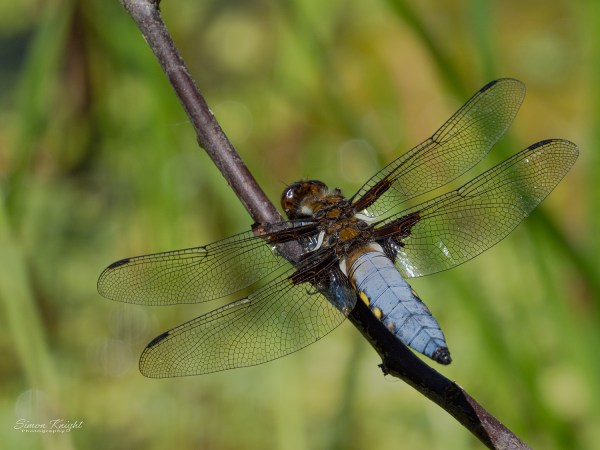
Have you seen the male broad bodied chasers fighting for territory in spectacular aerial dog fights over the pond? There were at least ten of them yesterday, as well as two females laying their eggs in the pond’s shallow margins. If you’re passing, pause and watch; here is a video to help you with identification.
Header picture: broad bodied chaser (Libellula depressa) © Simon Knight.
By Ian Bushell
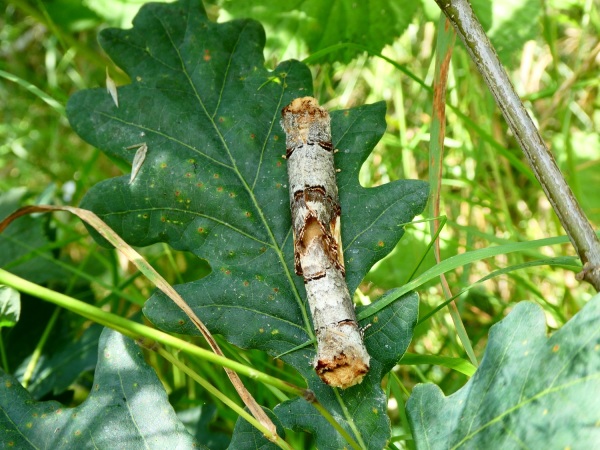
Continue reading “What IS this?”
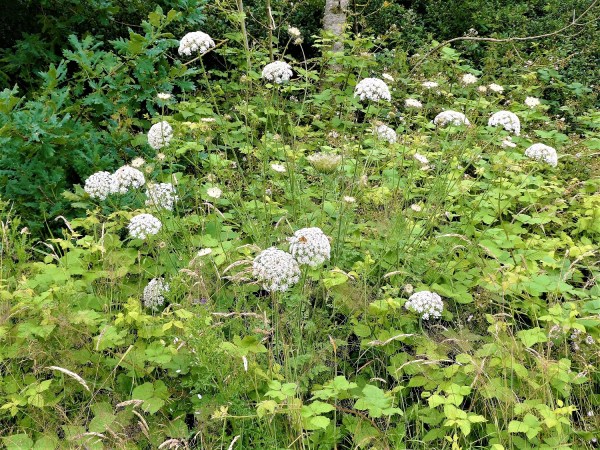
from Ian Bushell and Clive Knight


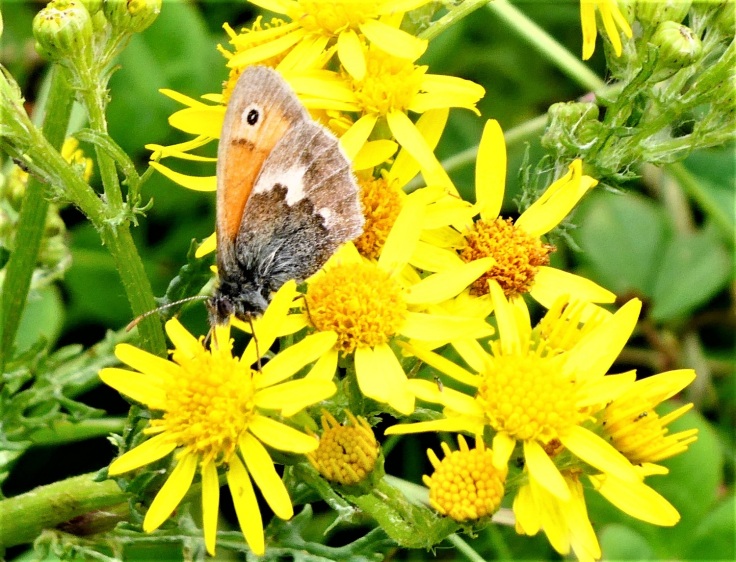
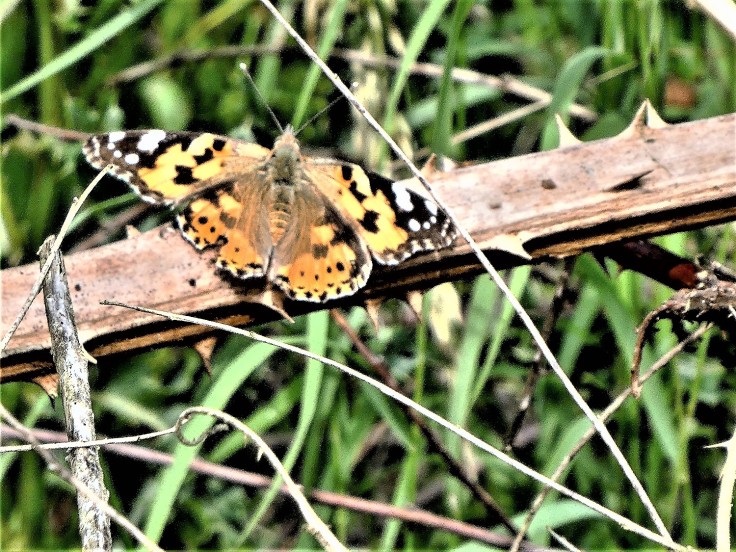
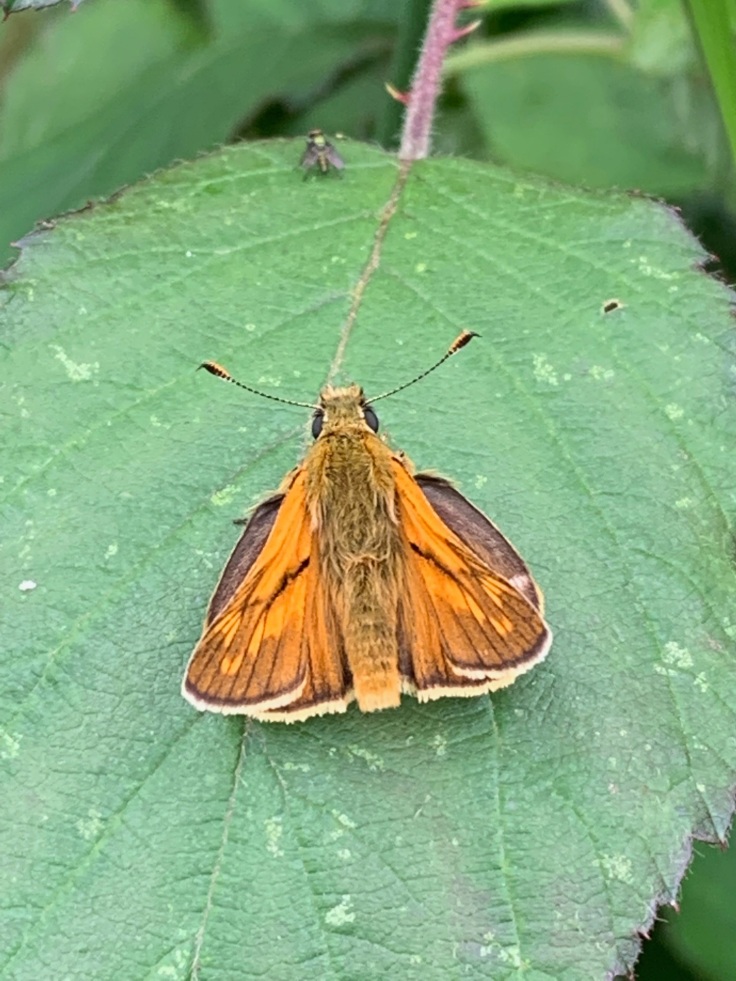
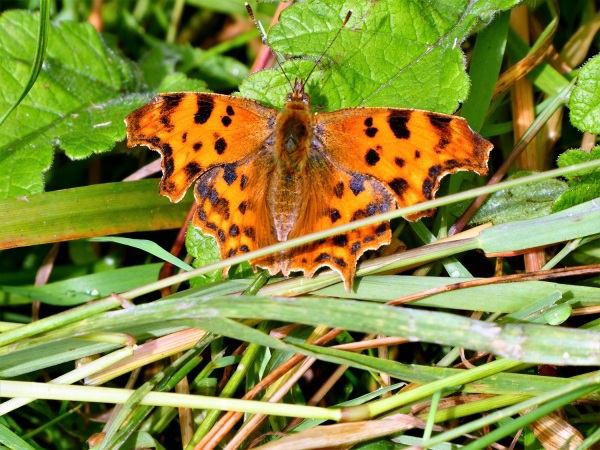
[1] Blood vein moth [2] Meadow brown [3] Ringlet [4] Small heath [5] Painted lady [6] Small skipper.
Header Image: Comma by Ian Bushell

An azure damselfly (Coenagrion puella) on greater bindweed, photographed in the reserve by Ian Bushell, who has a new camera.

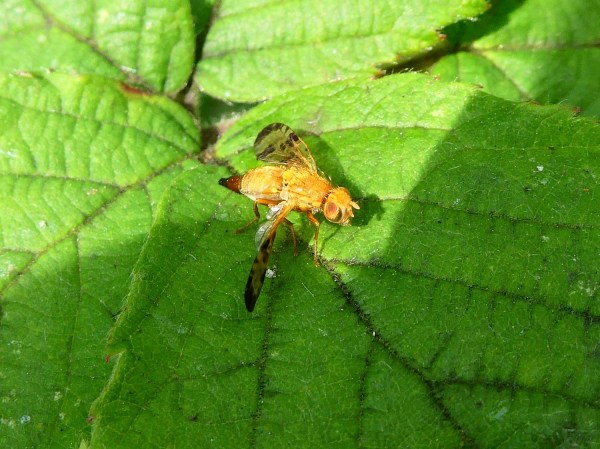
by Ian Bushell
This is Xyphosia miliaria, a species of Tephritidae or fruit fly. It is so small and so rarely noticed that it appears to have no common name.
Continue reading “Fruit fly”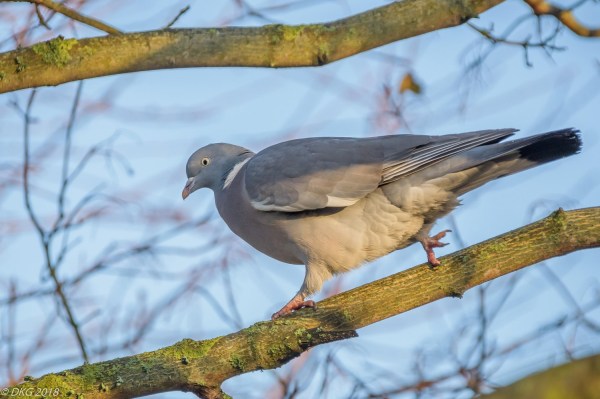
Pigeons feed their babies on milk.
Continue reading “A fascinating fact about pigeons”
A harlequin ladybird nymph photographed yesterday in the reserve by Ian Bushell.
Continue reading
Most of the reserve’s grey squirrels will have two litters of young this year. The first litter was born in the spring, and is now ready to be weaned in preparation for leaving the nest and the care of their mother. Here is a video of a family of young squirrels, on the edge of independence, trying to persuade their mother to feed them.
Header image by DKG

This is a six spot burnet moth (Zygaena filipendulae), a dayflying nectar feeder. Regular volunteer, Clive Knight photographed it yesterday on the reserve’s plentiful, nectar-rich, tufted vetch.
Continue reading
This is the caterpillar of the drinker moth (Euthrix potatoria), photographed in the reserve on Sunday. It is so named because the caterpillar is believed to drink drops of dew on grass stems.
Continue reading “Drinker moth caterpillar”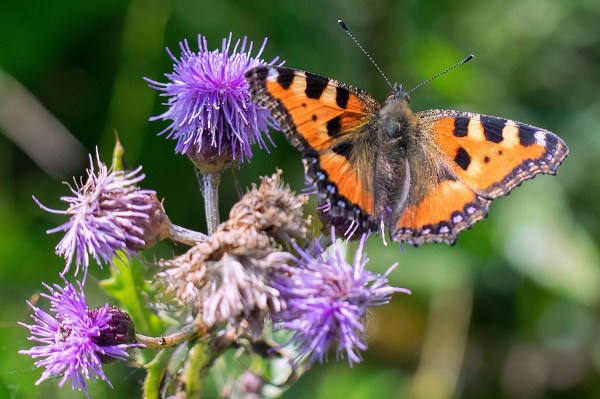
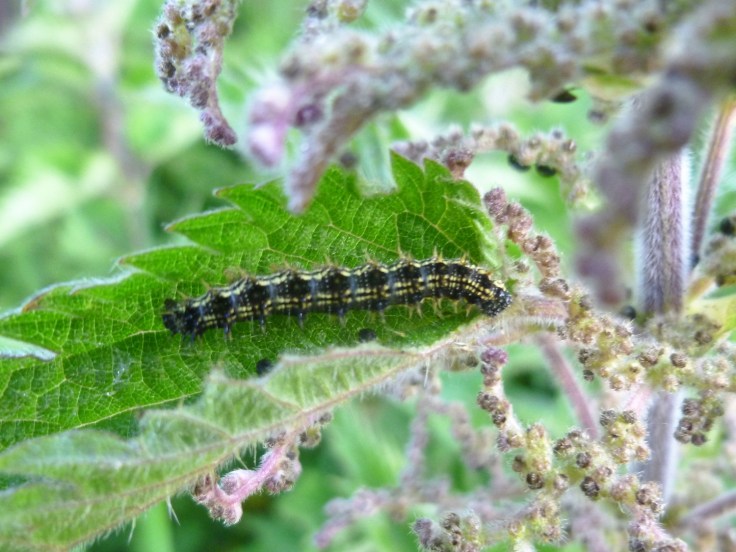
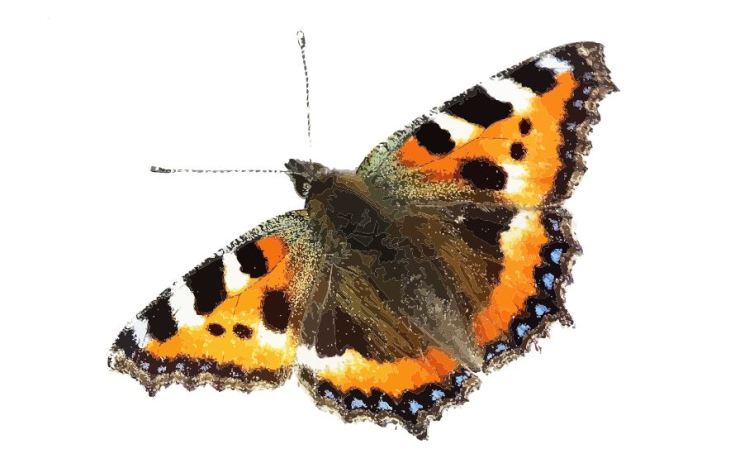
There are small tortoiseshell caterpillars (Aglais urticae) among the nettles by the path in Simpson’s Field. Take a careful look as you walk past.



A queen wasp (Vespula vulgaris) in the hedge in Sleepers Field.
Continue reading “Queen wasp”
The peacock caterpillars will be growing fast at this time of year
Continue reading “Peacock caterpillars”
Message and a photograph from Ian Bushell
In the picture above is a hoverfly I photographed at the top of Sheep Field in a sunny spot on the edge of the copse.
Continue reading “Large Wasp Hoverfly”
Dragonflies and damselflies are closely related cousins in the Odonata family but it isn’t difficult to tell them apart.
Continue reading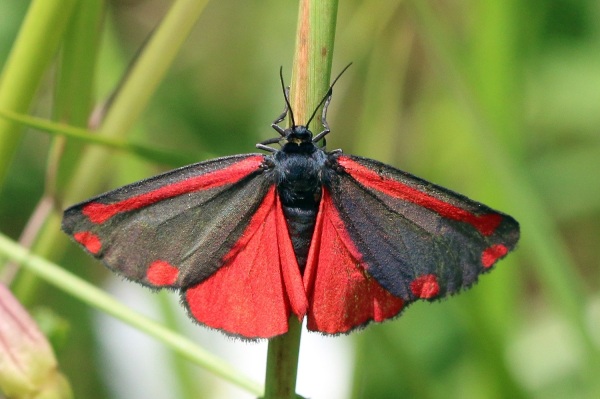
Cinnabar moths (Tyria jacobaeae) have been reported from the reserve in the past week.
Continue reading “Cinnabar moth”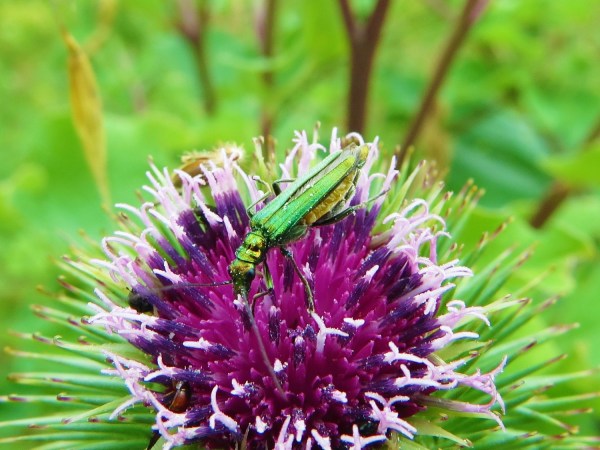
An irridescent green, female Oedemera nobilis, known as the thick legged flower beetle or swollen thighed beetle, photographed in the park this week. It is the male (see below) that has the strangely shaped legs for which the species is named


[1] by Gail Hampshire (CC BY 2.0) flickr.com; [2] © Hans Hillewaert (CC BY-SA 4.0) wikimedia.org
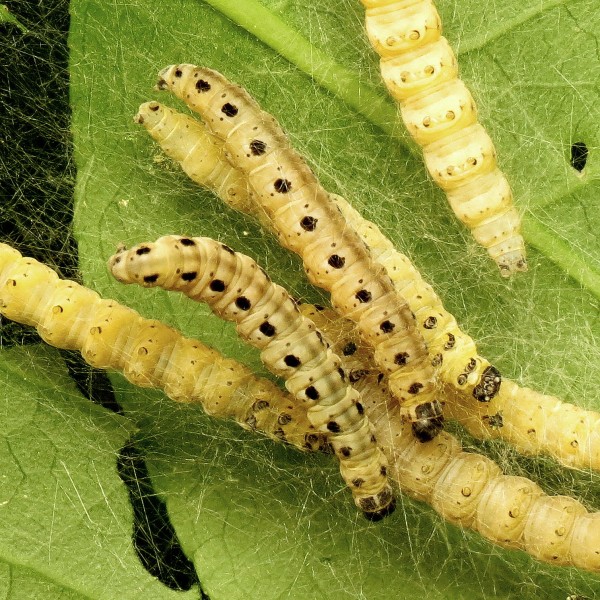
To improve the reserve as habitat and increase its biodiversity, the Friends have been planting trees for years: whips and saplings of many different species to thicken the hedges and copses.
Continue reading
by Simon Knight
In my last post I said I was going after young grasshoppers and crickets.
Continue reading
A bloody nosed beetle (Timarcha tenebricosa) found in the short grass where the rabbits graze at the end of Sleepers Field.
Continue reading “Bloody nosed beetle”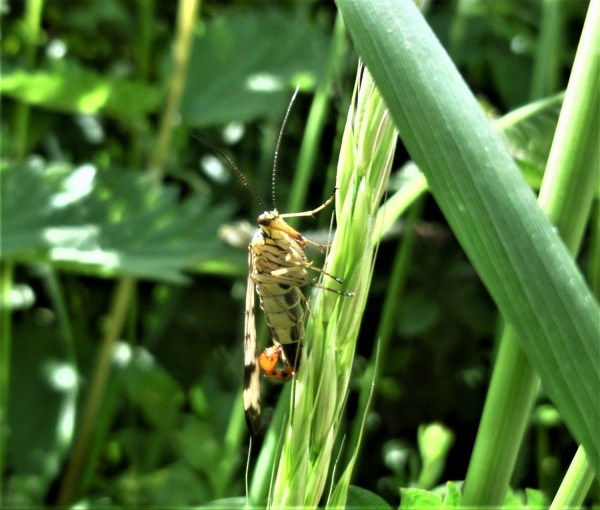
A male scorpion fly photographed by Ian Bushell yesterday, in the reserve’s main car park.
Continue reading “Scorpion fly”
Message and video from Simon Henstock.
Continue reading