Reptiles and water voles
by Ian Bushell
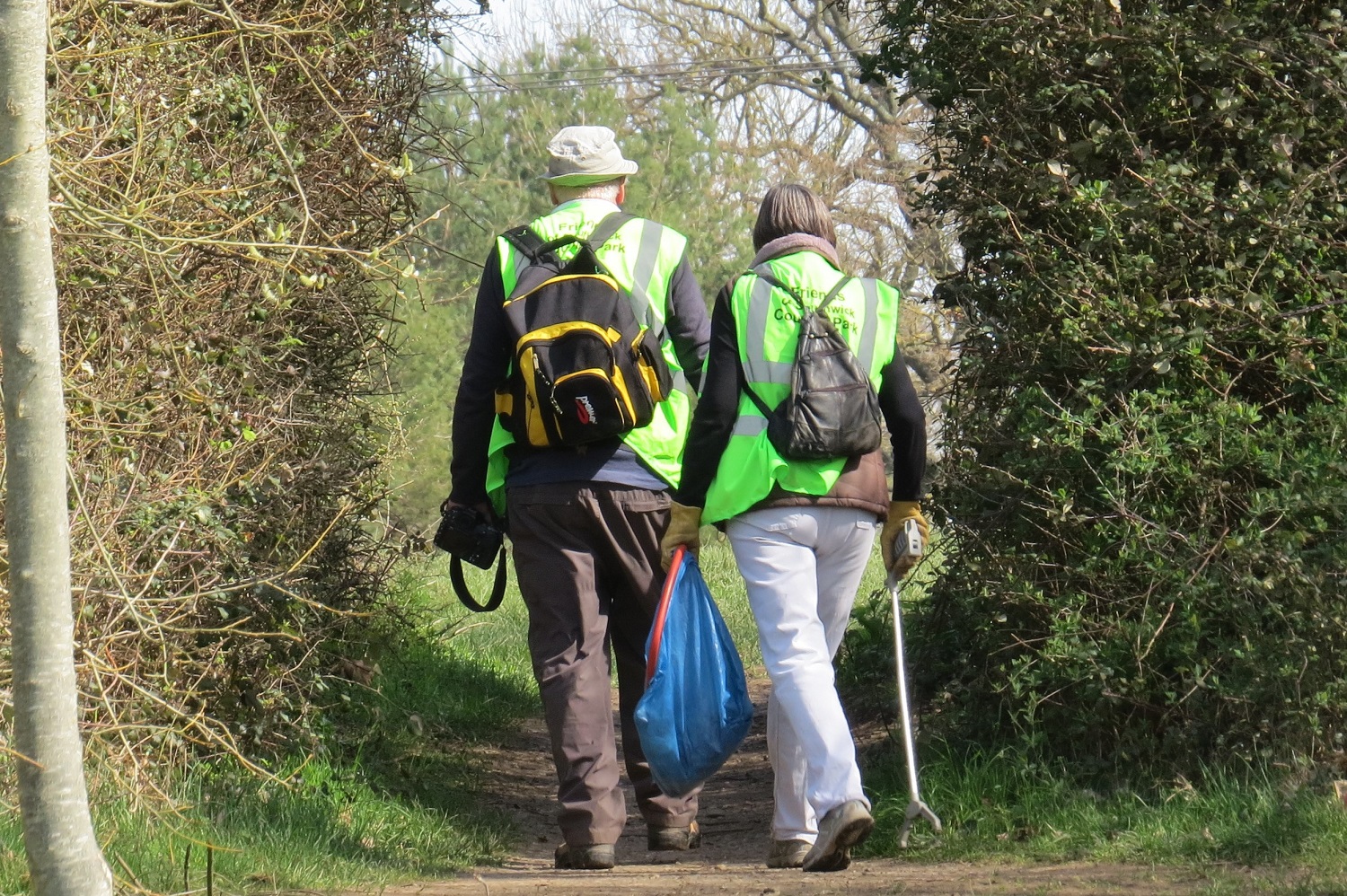
Another Wednesday morning work party; another good day and a good turn-out of Friends.
Continue reading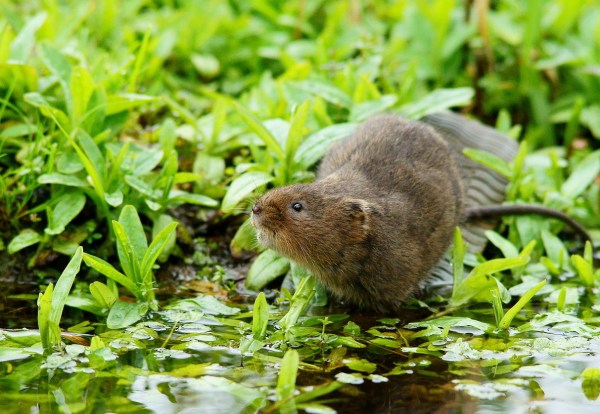
Reptiles and water voles
by Ian Bushell
Another Wednesday morning work party; another good day and a good turn-out of Friends.
Continue reading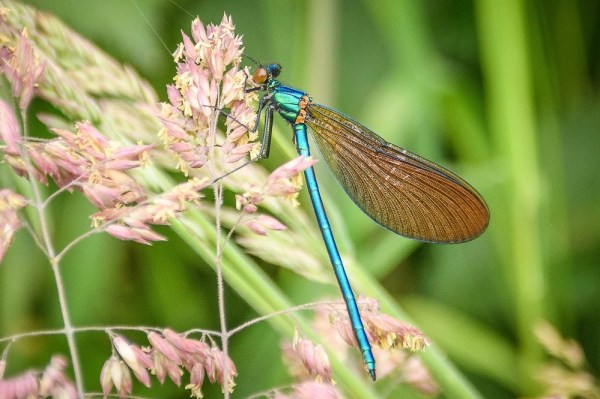
This is a damsel fly: a beautiful demoiselle, Calopteryx virgo.
Read on…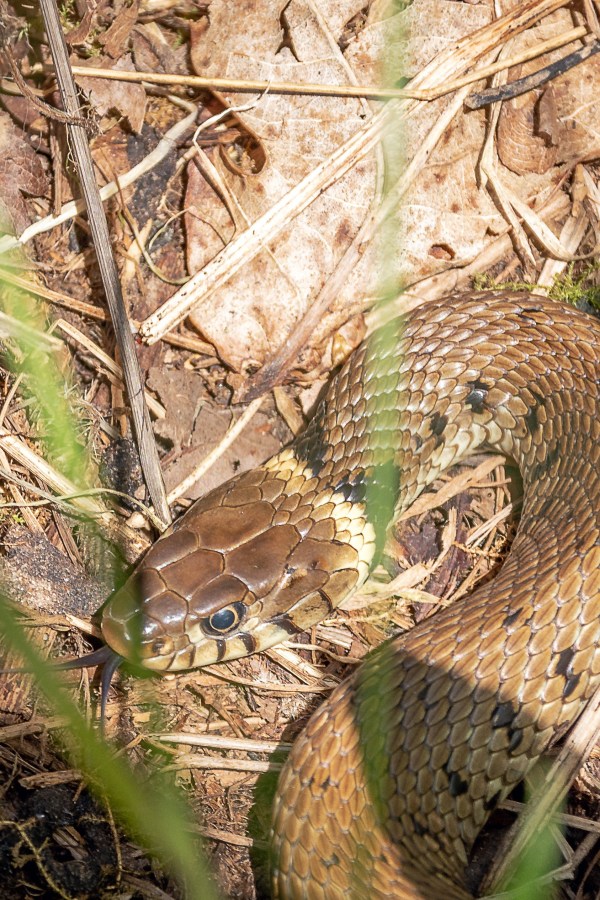
As the weather finally warms up, keep a look out for our grass snakes. A youngster, no more than 20cm long, was seen swimming in the pond last week: probably one of last autumn’s hatchlings.
Continue reading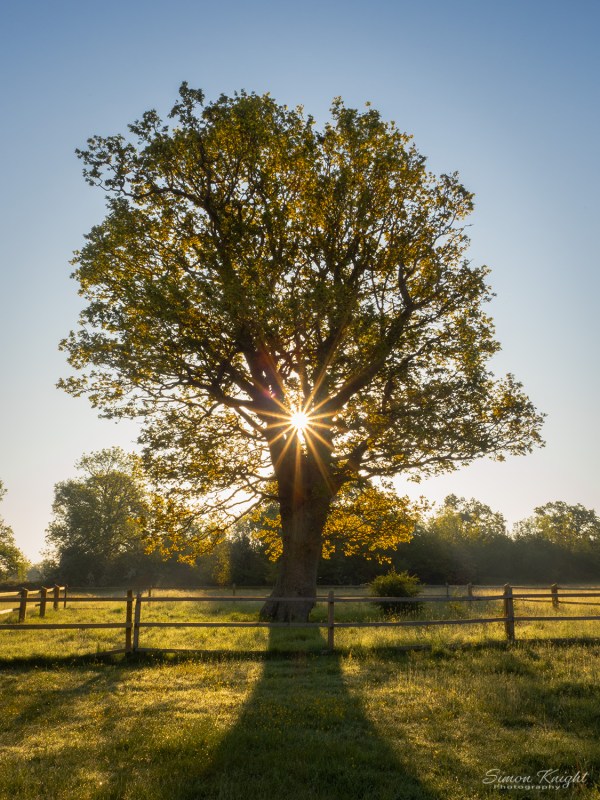
by Simon Knight
For me, the past few days in the park have been very special. Not only has it brought me joy through wonderful wildlife sightings, I have also seen how happy the park makes other people, which proves on so many levels that the park is hugely important and worth every effort spent protecting it.
Continue reading “The sun is finally here!”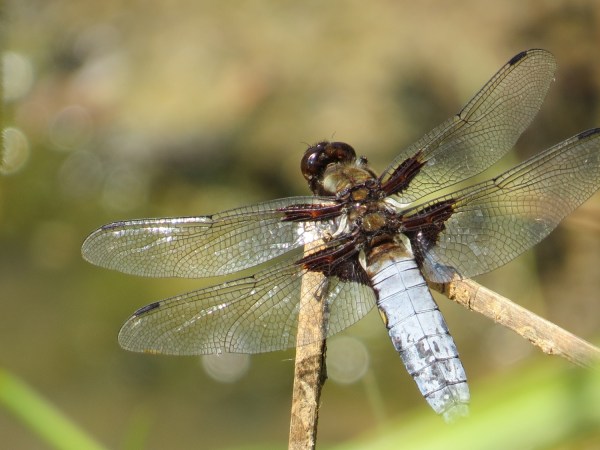
These few warm days have brought the reserve to life.
Continue reading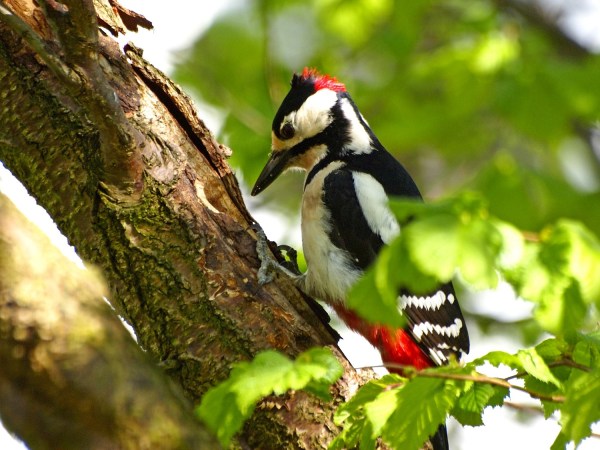
Ian reports that the bee swarm from the old ash tree at Fiveways seems to have settled into a hole in the tree we call the Owl Box Oak; a second honey bee colony in the reserve is very exciting news.
Read on for even more exciting news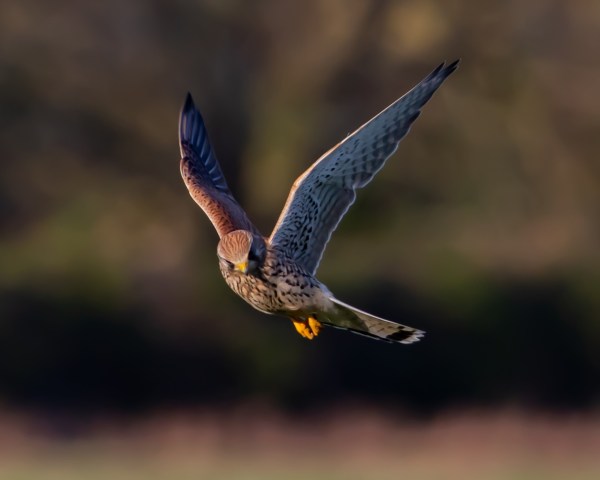
There have been several reports this week of kestrels hunting over Kestrel Field.
Continue reading
We now know the painted lady (Vanessa cardui), seen in the reserve in the summers of 2019 and 2020, makes the longest migration of any butterfly: 9,000 miles from tropical Africa to the Arctic Circle, almost double the journey made by the previous record holder, the famed monarch butterfly.
Continue reading “World record butterfly”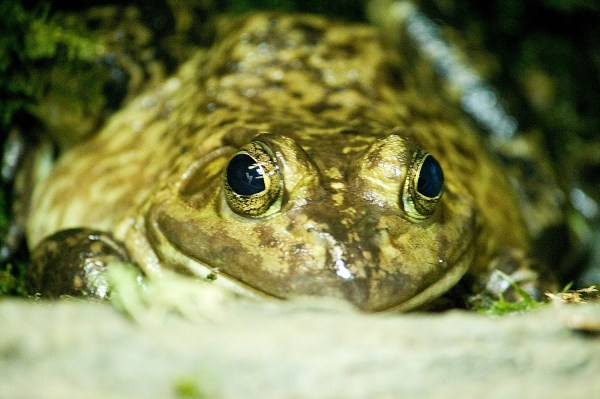
Invasive non-native species are one of the top five causes of biodiversity loss worldwide. Here in the UK they harm the environment, threaten some of our rarest species and cost our economy over £1.8 billion a year.
Read on to find out how you can help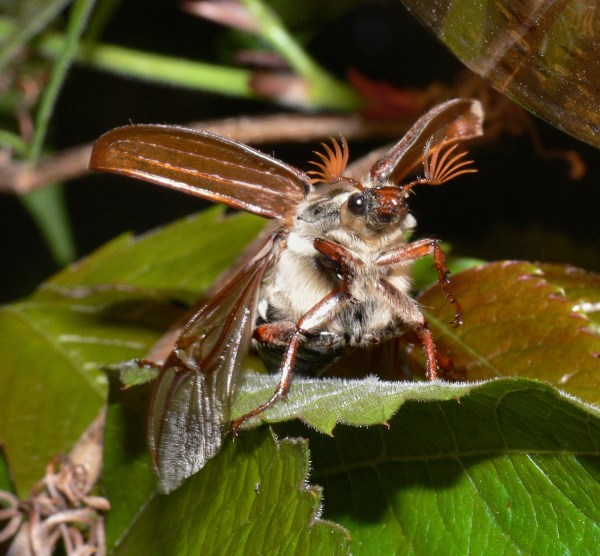
Cockchafers, more familiarly known as May bugs, are one of those things that go bang in the night.
Continue reading “Cockchafer”
by Simon Knight
The park is really coming to life now, with the grasses growing, trees in leaf and the fields dotted with yellow as buttercups start to bloom. My visits haven’t been as frequent as I would have liked, which makes me value the time I have spent in the park even more.
Continue reading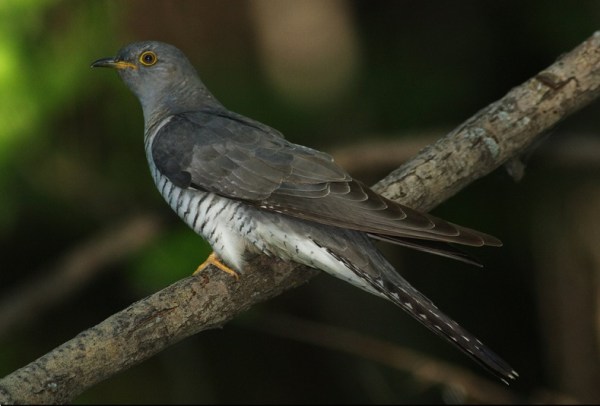
The year’s first cuckoo was heard in the reserve this week.
Here are five facts about the pair of greater spotted woodpeckers that has been seen hanging around the Lone Oak this week
Continue reading
This year, there seems to be a robin singing from every tree in the reserve.
Read on: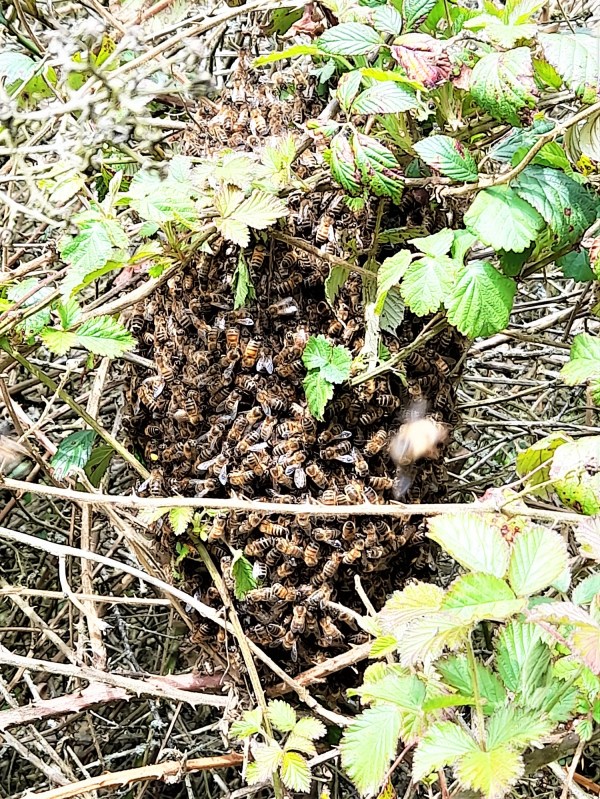
There is a honey bee colony high in the old ash tree at Fiveways. Last week the colony swarmed and Julie Newblé, a regular contributor, was lucky enough to be there with her camera.
Continue reading “Swarm”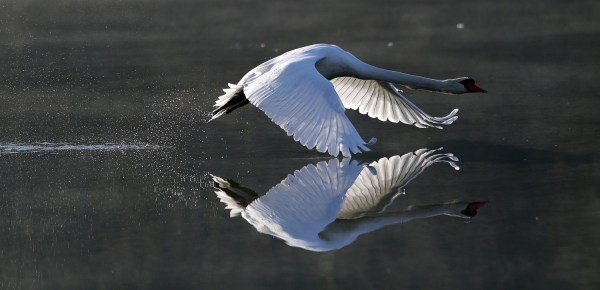
Last weekend brought reports of a mute swan and mallards flying over the reserve.
Continue reading “Water birds”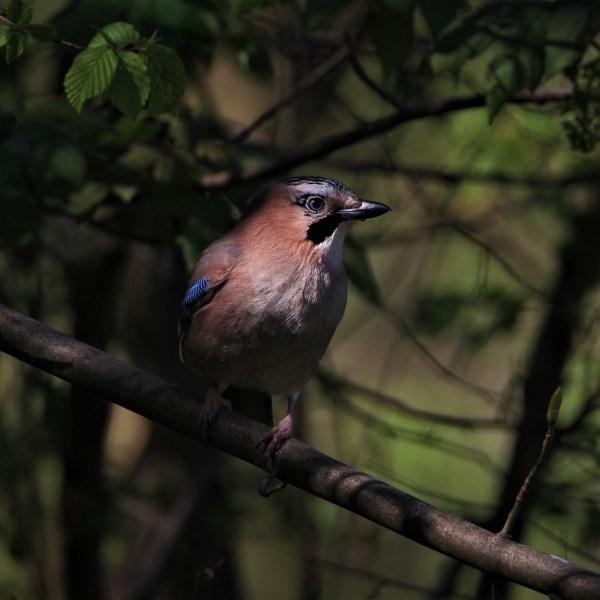
A jay has been seen on several early-morning occasions, hopping about just inside the reserve’s main entrance.
Continue reading “Jay”
An adult white-letter hairstreak was identified in the reserve in 2017 by an expert observer. This is a real rarity, a UK Biodiversity Action Plan priority species, a feather in our caps and the impetus behind our drive to plant disease resistant elms.
Continue reading “White letter hairstreak”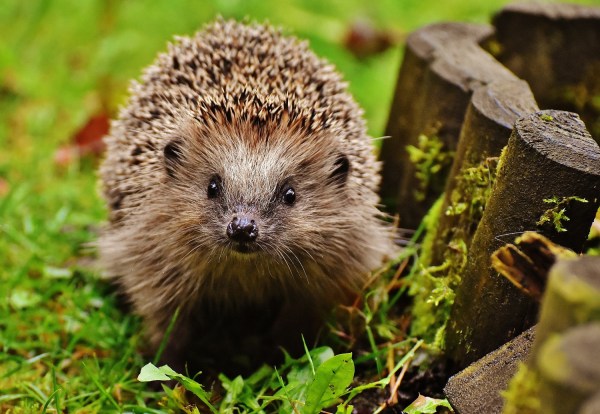
During this year’s Hedgehog Awareness Week, the British Hedgehog Preservation Society is asking people to turn their gardens into safe havens for hedgehogs. Our gardens are a stronghold for hedgehogs, perhaps the key to their survival as a species, and we can make their lives so much easier with just a little effort.

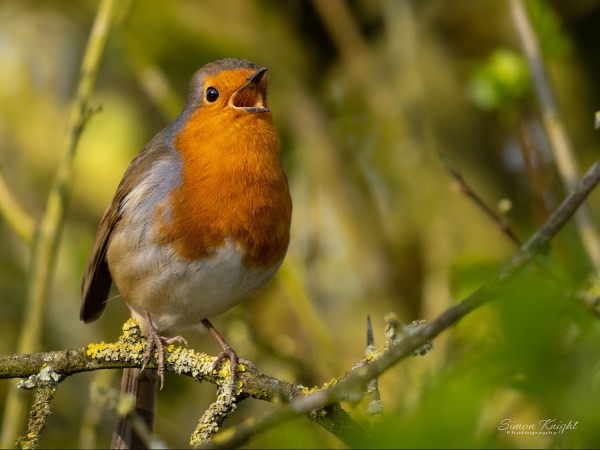
by Simon Knight
One of the special features about the park – or any wild place – is that if you go there at the correct time and have the patience to stay still, be quiet and just really look and listen, you will find that there is life all around you.
Continue reading
May is when the broad bodied chaser nymphs hatch into adult dragonflies.
Continue reading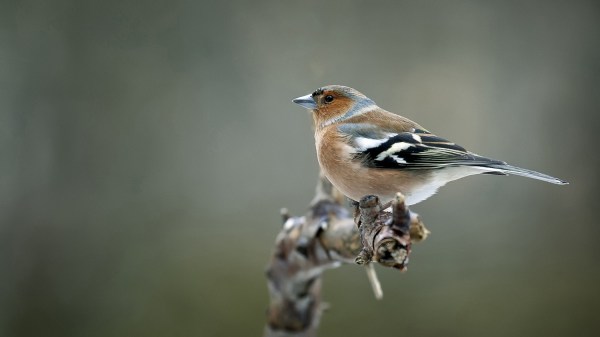
The header picture is a male chaffinch (CC0).
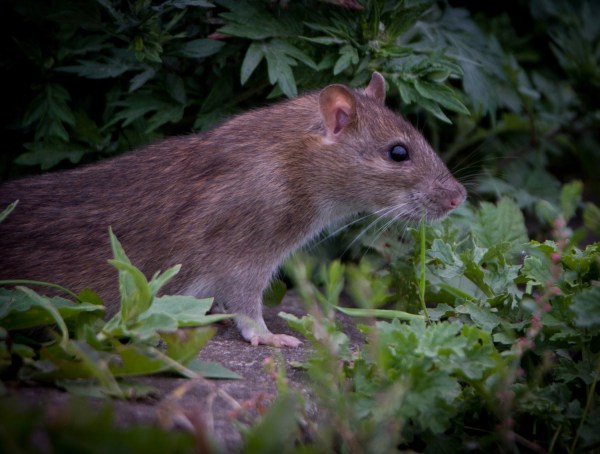
The brown rat (Rattus norvegicus) is an incredibly adaptable animal; it can be found almost anywhere in the UK, including our nature reserve. All it needs is shelter and food.
Continue reading “The brown rat”
In the spring of 2013, some 500 slow worms were translocated from a development site in Holbrook Lane, Trowbridge, to three sites in Southwick Country Park. Leo Wirtz, the then-leader of the Countryside Team, and his deputy Ali Rasey, set up the move with Windrush Ecology, who were the environmental consultants at the Holbrook Lane site.
Continue reading “Slow worm”
ONE: There are about 5,000 different species of ladybirds in the world but only 47 of them can be found in the British Isles and the seven spot ladybird is the most common of them and one of the biggest.
Continue reading