It’s June and we are nearly half way through 2020. Here is the round dozen of species that have been identified in the park for the first time this year.
Continue reading “Half time score”Half time score

It’s June and we are nearly half way through 2020. Here is the round dozen of species that have been identified in the park for the first time this year.
Continue reading “Half time score”
A message and pictures from Julie, regular park-user:
Saw these little mini molehill type structures on the path next to the pond. Under the ones already disturbed there is a little hole. It’s possibly ants or something but thought I’d send them in anyway. Do you know what made them?
Read on to solve the mystery
The peacock caterpillars in the nettles in Simpson’s Field are growing fast.
Continue reading “Peacock”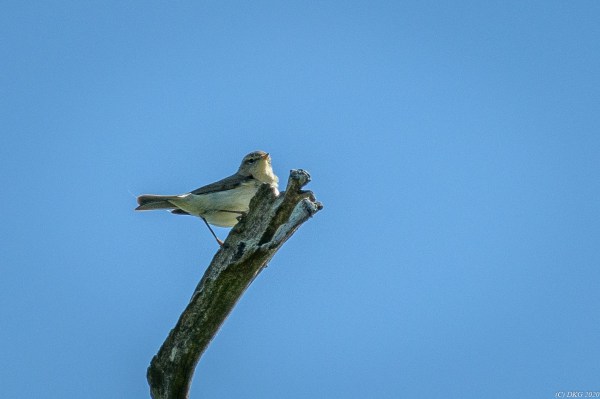
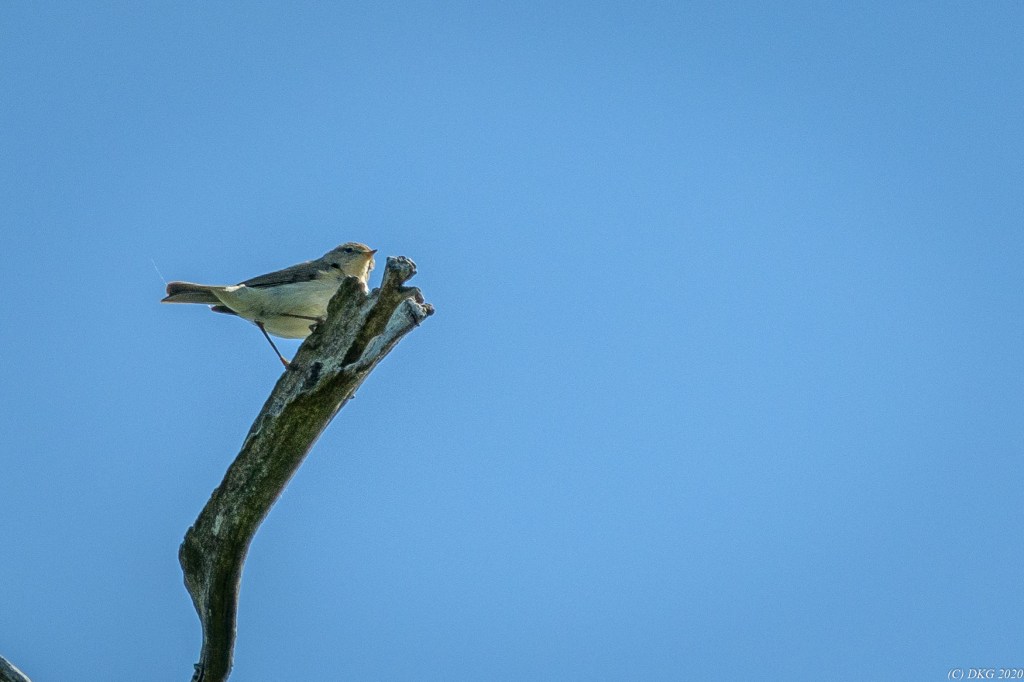
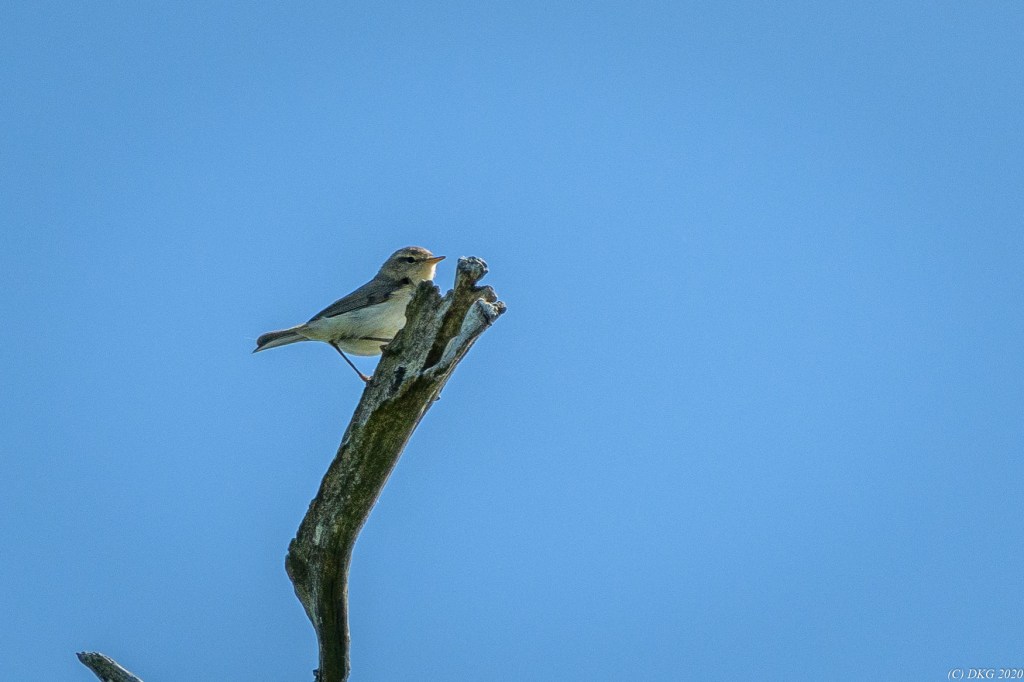
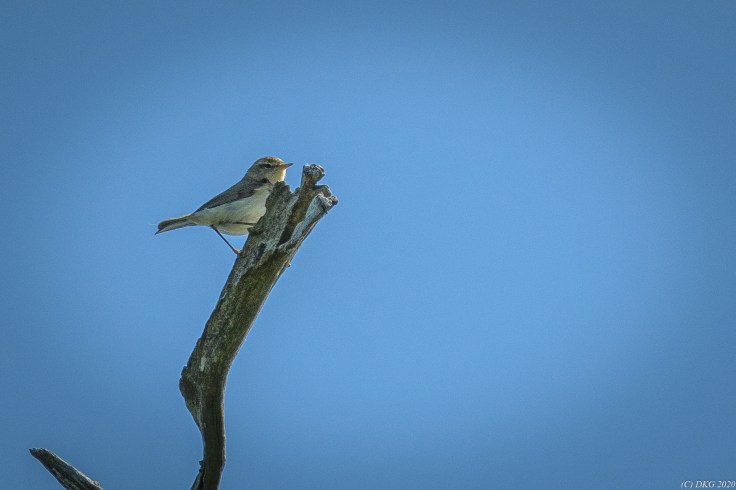

DKG has sent in beautiful pictures of a tiny green-brown warbler; does anybody know if it is a chaffchaff or a willow warbler? Neither is a rarity and both are known to nest in the park but we really have trouble telling them apart.
Continue reading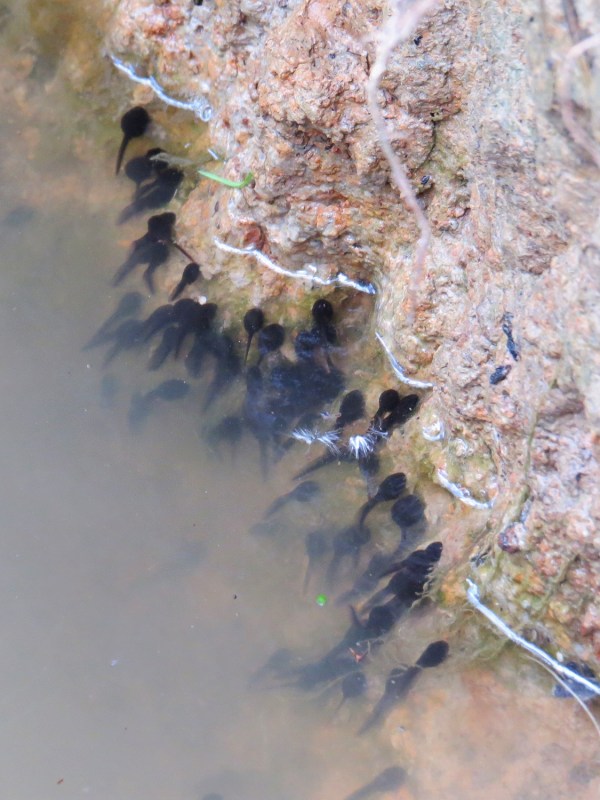
Common frog tadpoles (Rana temporaria) in the little pond under the Decorated Bridge.
Continue reading “Tadpoles”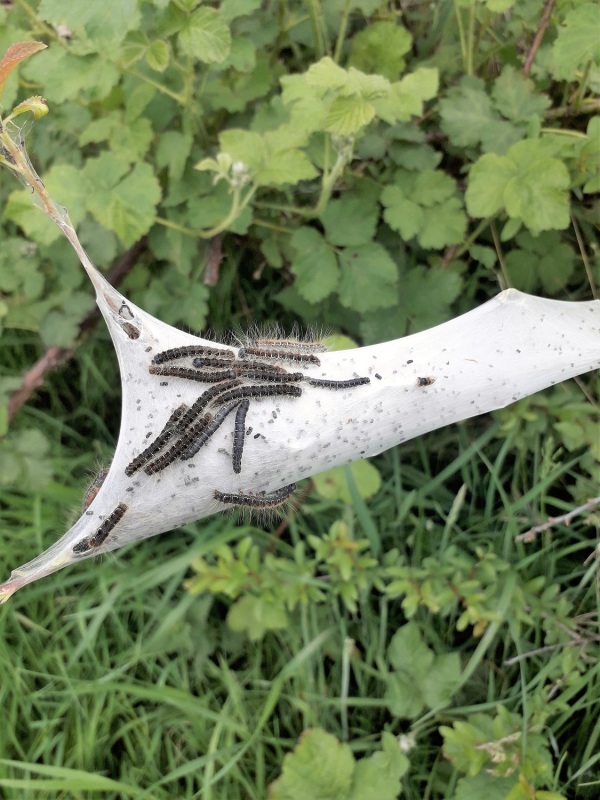
Please do send us pictures of the flora and fauna you come across in the park, particularly if you don’t know what it is. We are happy to help with identification. To encourage you, here is our Messenger conversation with Julie about the caterpillars she found and photographed.
Continue reading “Messages about moths”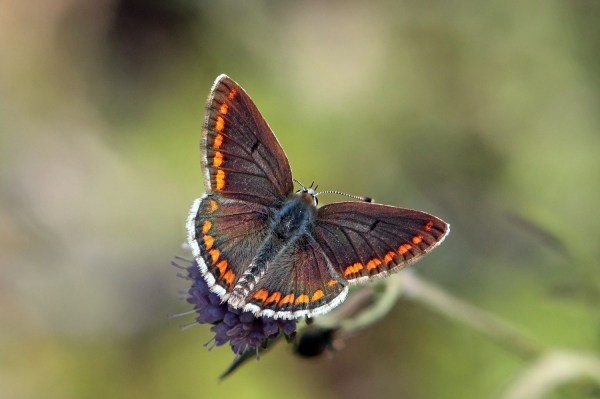
In the last ten days, three new species of invertebrates have been discovered in the park, photographed and identified by experts: an azure damselfly, a tent web of small eggar moth caterpillars and a brown argus butterfly.
Continue reading “A third new species”
On Sunday, Julie Newblé sent us pictures of caterpillars in a tent-web she found strung between blackthorn twigs in the hedge at the top of the Arboretum.
Continue reading
ONE: Though their typical nest site is a hole in a tree, blue tits have been recorded nesting in all sorts of places: letterboxes and street lamps, inside a crack in a wall or a drainpipe, under a cast iron drain cover and, of course, in garden nest boxes.
Continue reading “Five facts about blue tits”
An azure damselfly (Coenagrion puella) photographed in the park by DKG last week.
Continue reading “Azure damselfly”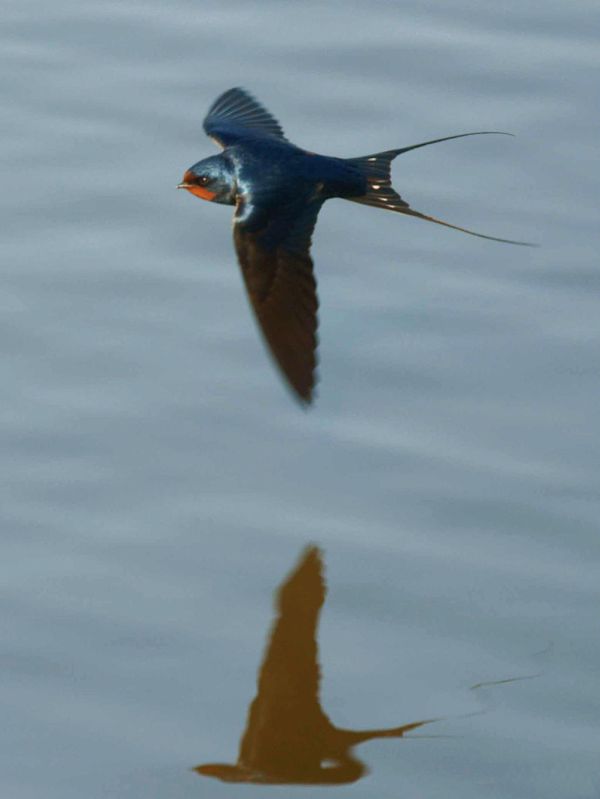
Common swallows (Hirundo rustica), returned from their long migrations, come hawking over our fields and ponds in search of insects at this time of year.
Continue reading
This week has brought a report of the first of the summer’s meadow browns.
Continue reading “Meadow brown”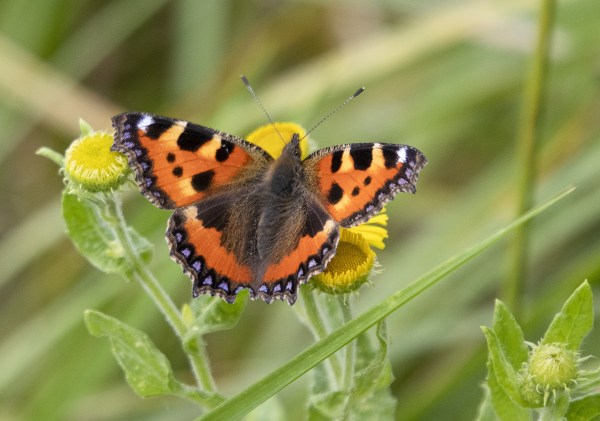
with Ian Bushell
Ian, our expert on invertebrates, has sent us pictures from the park…
Continue reading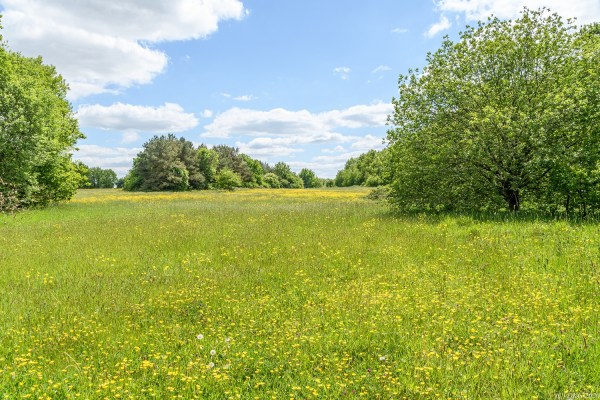
Our brilliant resident photographer is back. Here is a gallery of pictures he took this week down among the park’s lush greenery.

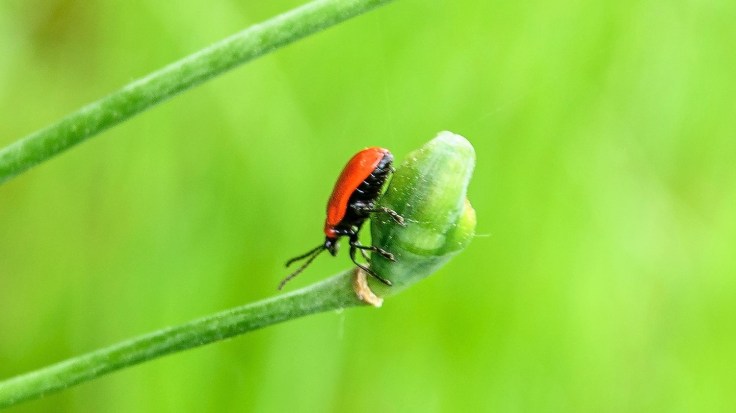

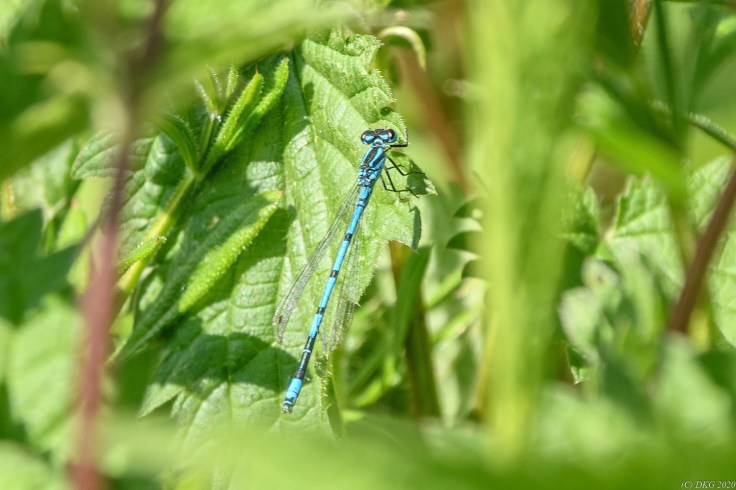
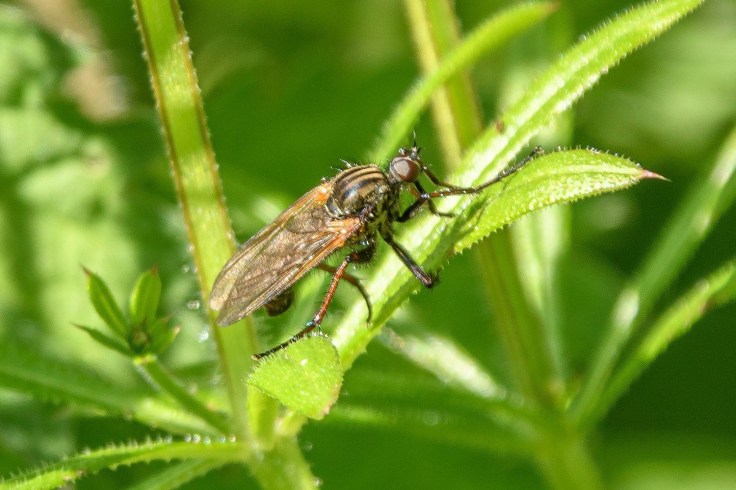

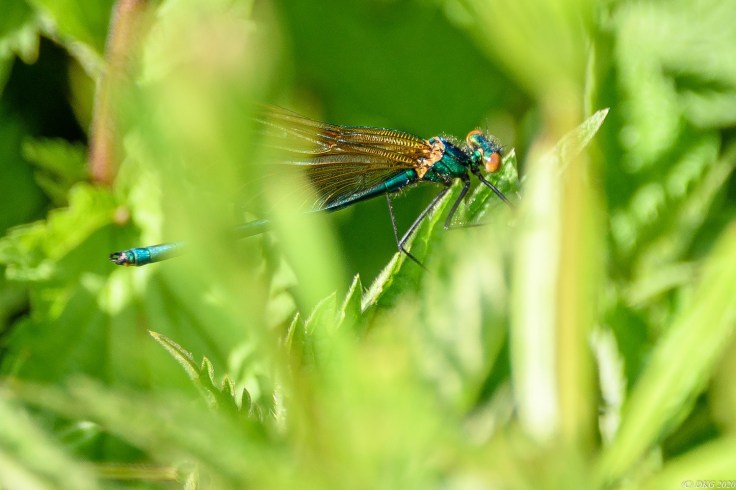
Header picture: Buttercups in the Race and Sheep Field, by DKG.
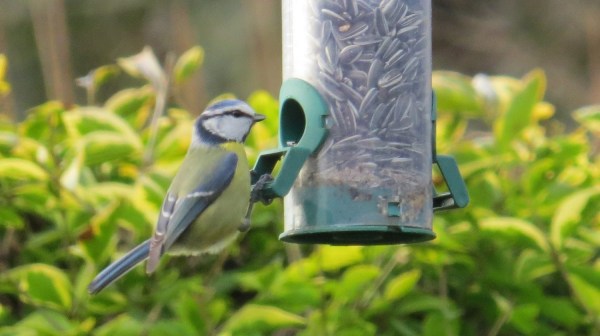
Birds time their breeding period to coincide with the maximum availability of their natural foods: for example, winter moth caterpillars in the case of blue tits and earthworms for blackbirds and song thrushes. But cold or wet weather during the spring can cause severe shortages of insect food, and if the weather is exceptionally dry and the soil hardened, as it was last year, earthworms will be unavailable to ground feeding birds.
Continue reading “Bird table”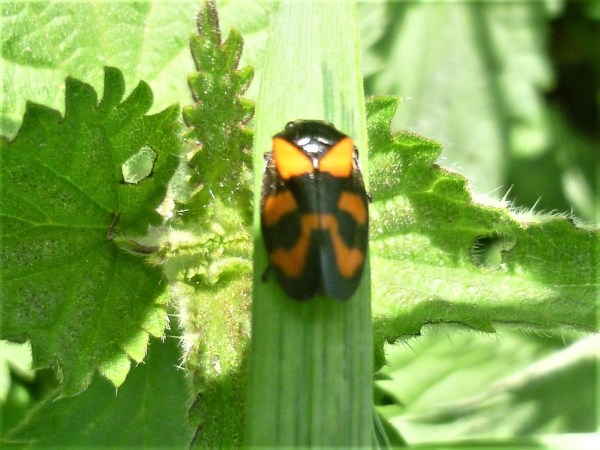
This is a red-and-black froghopper (Cercopis vulnerata) photographed in the park yesterday by Ian Bushell. There are ten different species of froghopper in the UK and while the red-and-black froghopper is not the most common, it is widespread.
Continue reading “Froghopper”
We now know the painted lady (Vanessa cardui) makes the longest migration of any butterfly: 9,000 miles from tropical Africa to the Arctic Circle, almost double the journey made by the previous record holder, the famed monarch butterfly.
It can take six successive generations of painted ladies to complete this epic journey, flying up to 1,500ft high and reaching speeds of 30mph. The butterflies that return to Africa at the end of the year are several generations removed from those that set out.
This astonishing and beautiful butterfly, spotted in the park for the first time last year, will begin arriving in Britain this month. Keep a look out for it.

Pictures (CC0) from pixabay.com
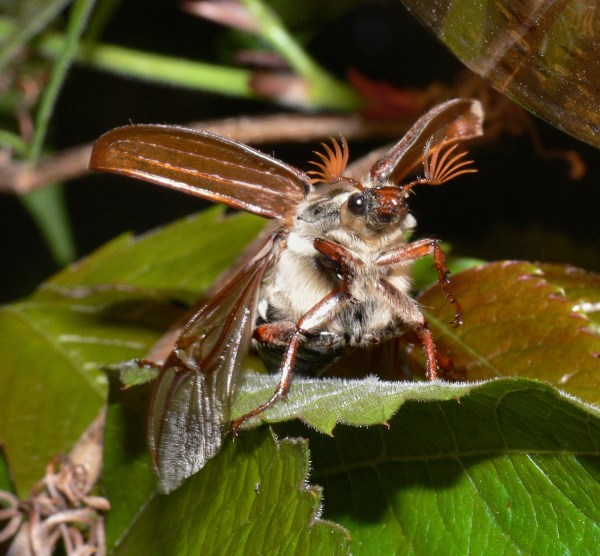
Cockchafers, more familiarly known as May bugs, are one of those things that go bang in the night.
Continue reading “Cockchafer”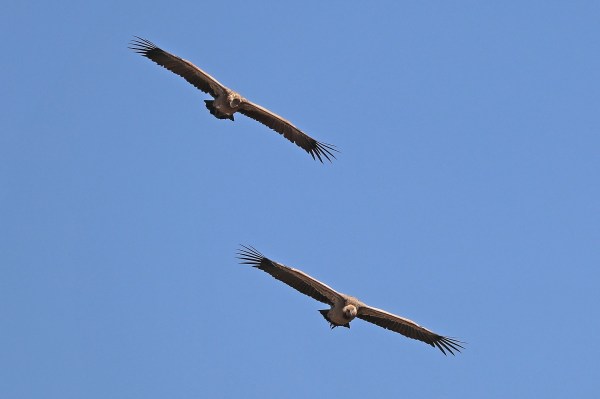
No, of course we haven’t seen vultures circling over the park; that would be silly. But…..
Continue reading
The record breaking swifts are back from their winter feeding grounds.
Continue reading “Record holders”
Since 1995 the British Trust for Ornithology has collected important research data from citizen scientists via their Garden Birdwatch survey.
Continue reading “Garden Birdwatch”
The ladybirds are leaving hibernation.
Continue reading “Sixteen spot ladybird”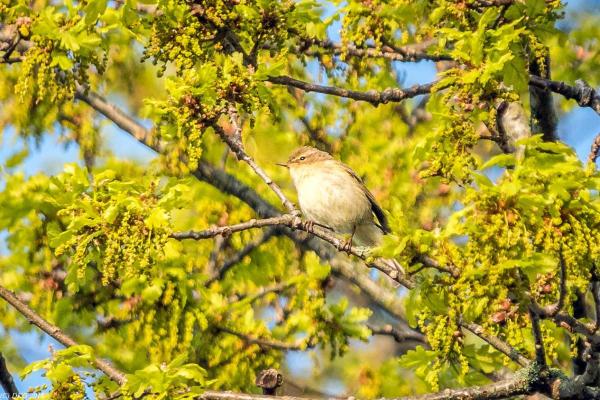
DKG photographed a small grey green bird with a pale eyestripe and cream underparts. This is either a chiffchaff or a willow warbler and it’s very hard to tell the difference.
Continue reading “Chiffchaff or willow warbler”

iRecord Butterflies is a free app for your smartphone that will help you identify and record any butterfly that you see in your garden while you are in lockdown. Your sighting will be logged by Butterfly Conservation and added to their records.
Continue reading