There is a badger sett in the park, hidden away in the boundary hedges.
Continue reading “Badger”Badger

There is a badger sett in the park, hidden away in the boundary hedges.
Continue reading “Badger”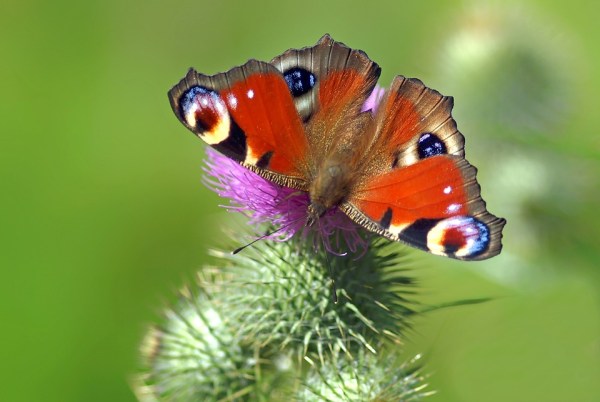
Peacock (Aglais io).
This spell of warm weather will have brought all the peacock butterflies out of hibernation.
by Suzanne Humphries
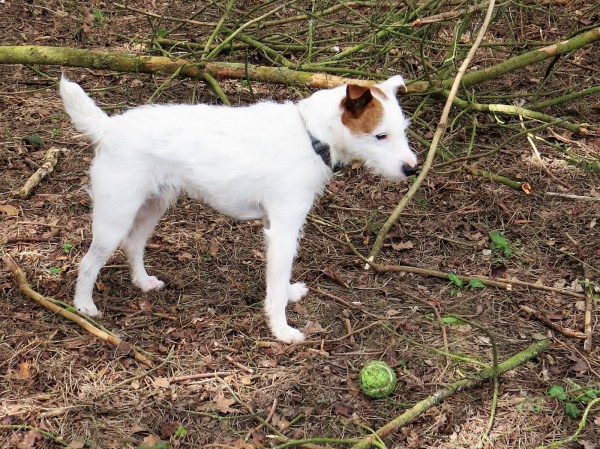
Under the present lockdown rules, walking the dog is a permitted activity so Dog and I, armed with a camera, set off to check on the park.
Continue reading “Walking the dog”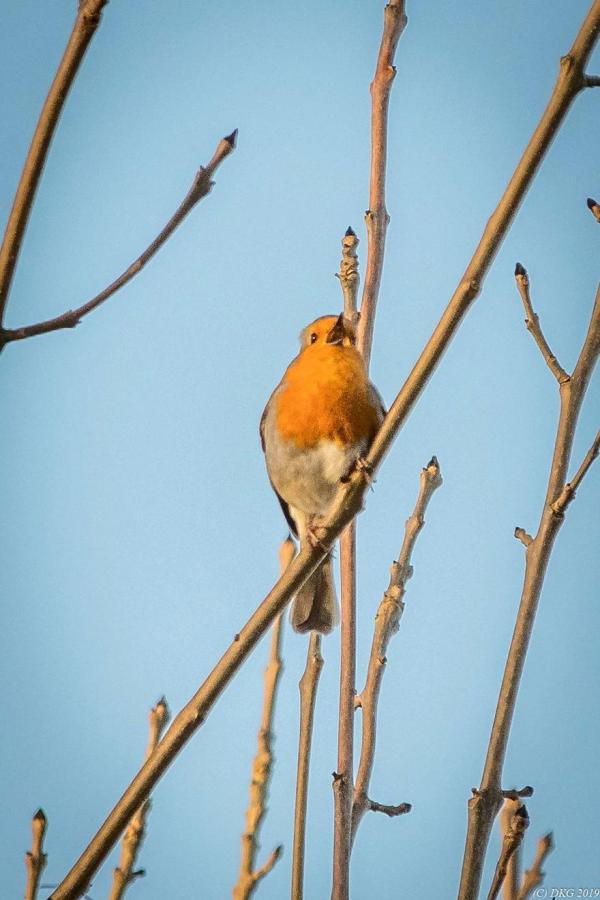
Trowbridge and Southwick, all locked down and emptied of traffic, are full of birdsong. Here are some interesting facts about birdsong.
Continue reading “Birdsong”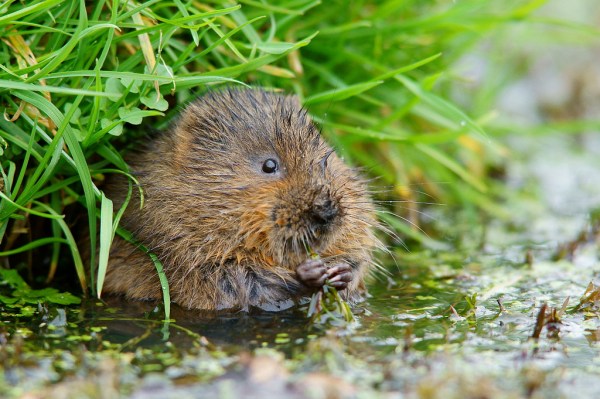
The third, and last, of the short videos about the mammals that live underneath the park’s green fields:

Last week there was a report of a pair of goldcrests in the conifers by the path at the top of Simpson’s Field. Goldcrests are Britain’s smallest bird; a tiny flash of yellow against the dark green of a pine tree.
Continue reading “Goldcrest”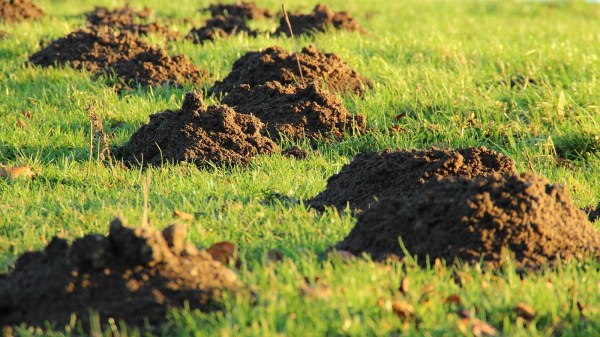
Another video about the park’s burrowers.

The Covid-19 lockdown has interrupted our plans for the five disease resistant elms donated to the park by Butterfly Conservation as part of their rescue plan for the white letter hairstreak butterfly.
Continue reading
There are two rabbit warrens in the park: one at the far end of Sleepers and one in the thick bramble hedge that runs alongside the central path from Fiveways to Puddle Corner.
Here is a fascinating video, narrated by Chris Packham, about a rabbit warren.
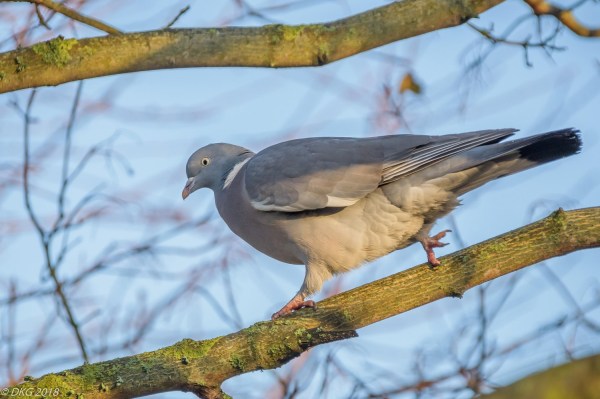
The park’s wood pigeons (Columba palumbus) are pairing up for their long breeding season.
Continue reading “Wood pigeon”
A dandelion crammed with tiny bronze-black beetles. Our favourite entomologist emailed us:
They’re pollen beetles. Getting a positive ID is going to be impossible without sending me a specimen (and they’re too small!) but this time of year the most common species is the Common Pollen Beetle Meligethes aeneus.
Continue reading “Common pollen beetle”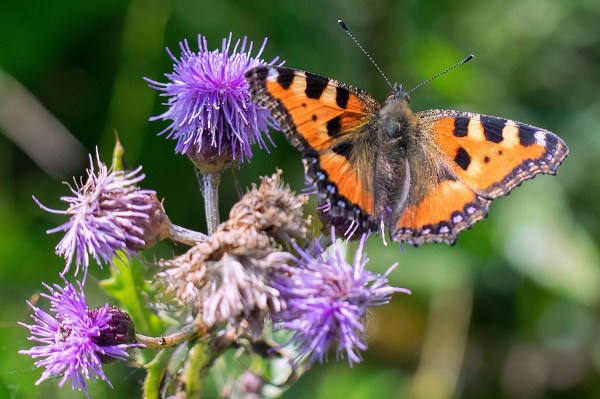
Last year’s record breaking summer was an excellent year for butterflies, with more than half of Britain’s species increasing their numbers.
Continue reading “Butterfly numbers”
by Ian Bushell
I took my permitted exercise at the park over lunchtime. There were just eight cars when I arrived at noon and only fifteen when I left an hour later. People were well spaced all around the park; everybody seems to be taking the new regulations seriously.
Continue reading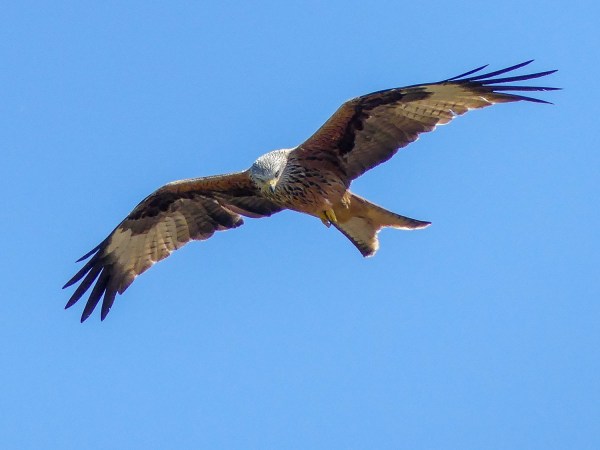
A red kite (Milvus milvus) was seen over the park on Sunday.
Continue reading “Red kite”
A blue tit feeding in an oak tree, photographed last March by DKG


Throstle is the Old English name for a song thrush. We have several breeding pairs in the park; if you visit early in the morning, wherever you go, you can hear a throstle singing about his territory and challenging competitors.
Read on for conservation status and a recording of its song
There are bees out and about: tiny solitary ones like this one photographed in the park last week, as well as big fat buff-tailed bumblebee queens.
Read on for a fascinating fact about bees
Chiffchaffs are tiny birds, no bigger than a blue tit. Most are migrants, overwintering in southern Europe or northern Africa and returning here in the spring to breed.
Continue reading “Our chiffchaffs are back”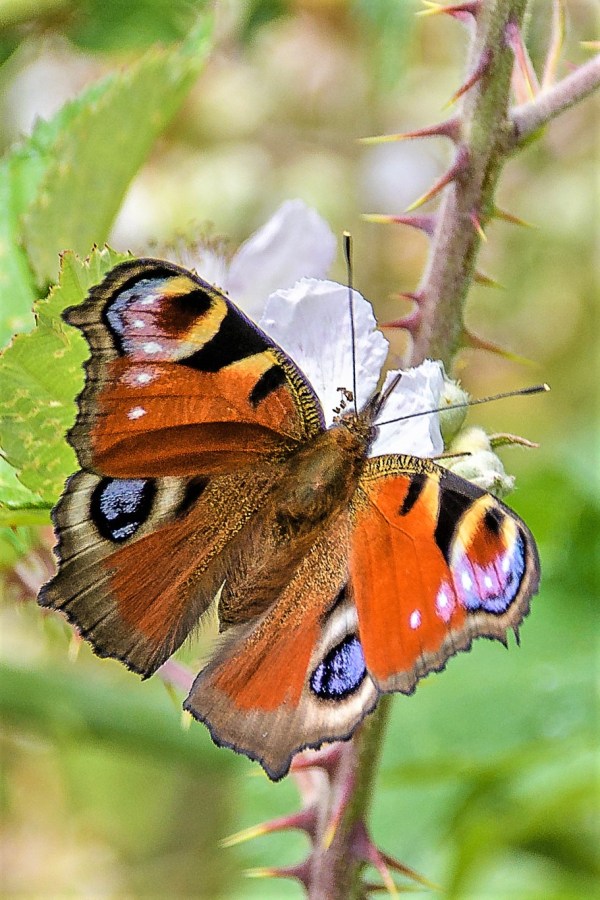
Report from a park user yesterday:
I saw two butterflies in Sleepers Field this morning – a brimstone and a peacock.
Continue reading
A short video while we wait for the next sighting of the barn owls in the park:

Message from Julie Newblé yesterday:
Spotted a barn owl at 05:56 this morning. Flew from green area by bridge in Lambrok Close along the stream towards their tree.
Thank you, Julie, for keeping us informed.
Continue reading
If you are planting your flower beds and hanging baskets, keep our dwindling population of pollinators in mind and please don’t plant double flowers.
Continue reading “Double flowers”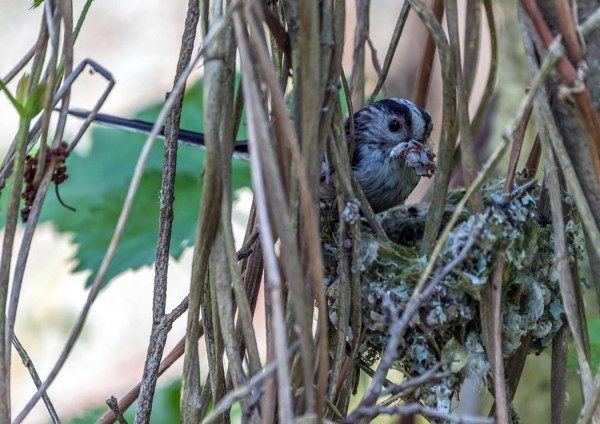
Long tailed tits nest early.
Continue reading
Mail from Ian Bushell:
Continue reading “A Stroll in the Park”