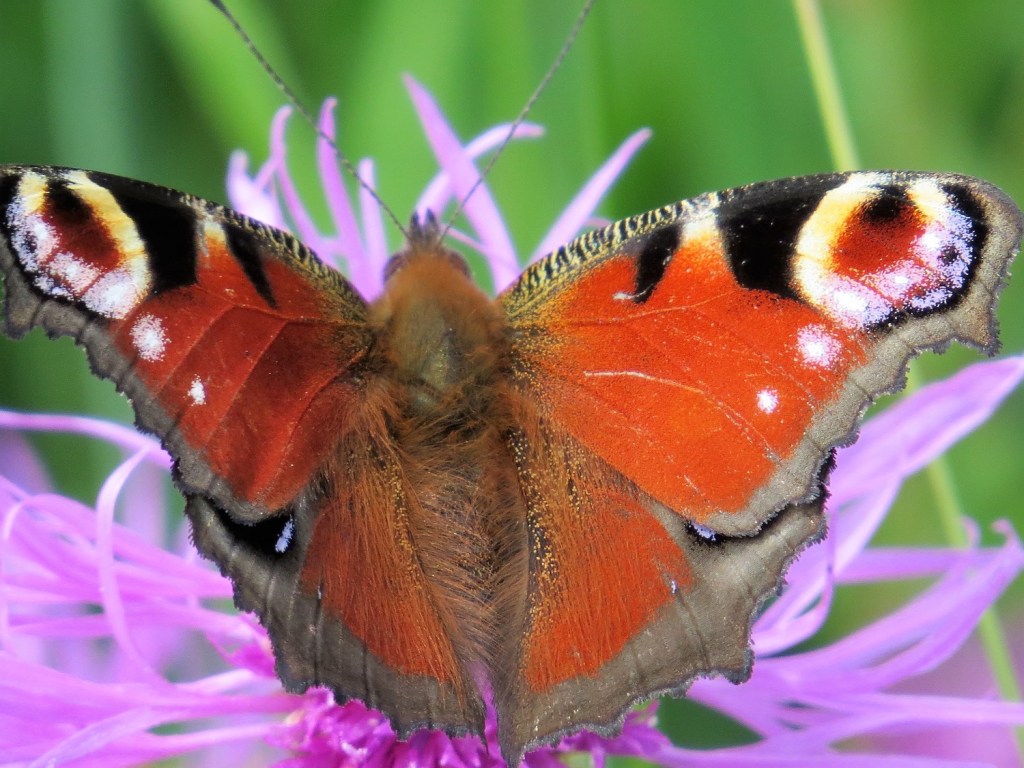
Peacock
Remember all those peacock caterpillar netsts? They have metamorphosed into a shiny new generation of adult peacock butterflies.

Remember all those peacock caterpillar netsts? They have metamorphosed into a shiny new generation of adult peacock butterflies.



A marmalade hoverfly (Episyrphus balteatus) feeding on the nectar of a bramble flower. This is a new species for our lists, despite its ubiquity.
The marmalade fly gets its name from its colour, and its thin cut/thick cut dark stripes, just like marmalade.


A marbled white (Melanargia galathea) on creeping thistle flowers, photographed in the park yesterday by Julie Newblé. If you look carefully, there are at least three common red soldier beetles hidden in the picture.
Thanks Julie.
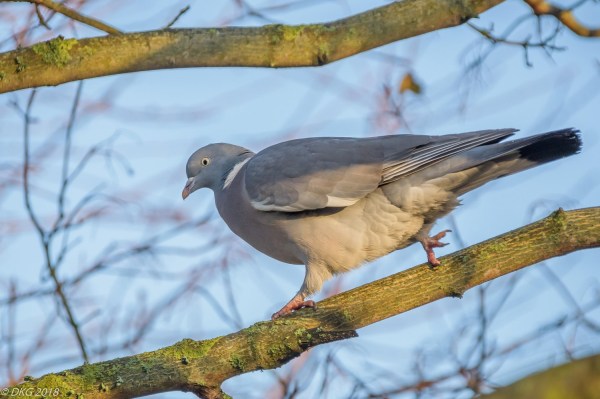
Pigeons feed their babies on milk.
Continue reading “A fascinating fact about pigeons”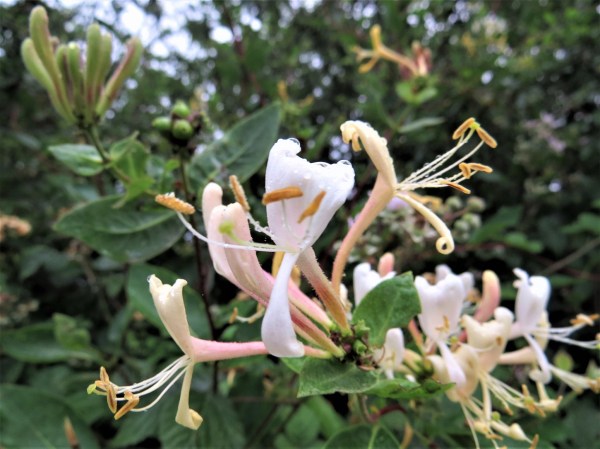
The honeysuckle is in flower.
Continue reading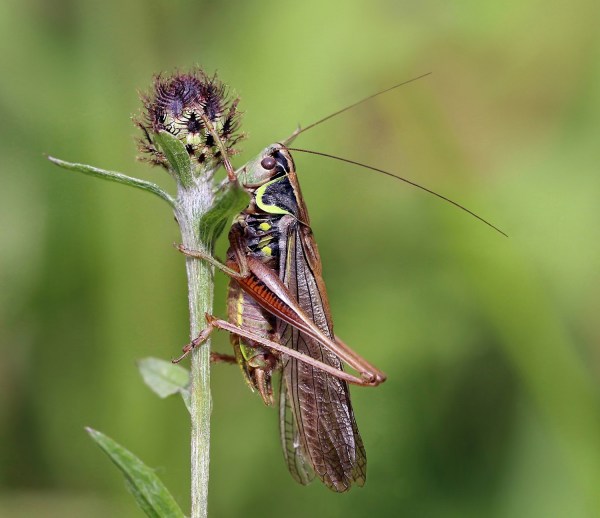
Simon Knight has sent us video taken in the park, of a Roesel’s bush cricket.
Continue reading “Roesel’s bush cricket”
The gatekeeper (Pyronia tithonus) reported in last week’s butterfly transect has turned out to be a winner.
Continue reading “Another win!”
Several broad bodied chaser males (Libellula depressa) have established territories over the big pond.
Continue reading “National Insect Week – Day 7”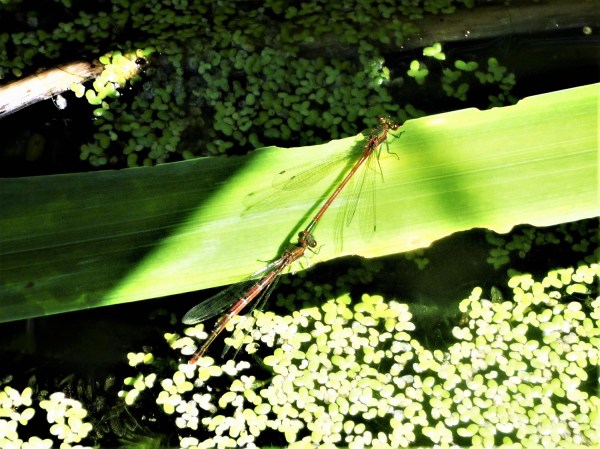
Ian Bushell has sent in a picture of a pair of large red damselflies photographed in the park today, the penultimate day of National Insect Week.
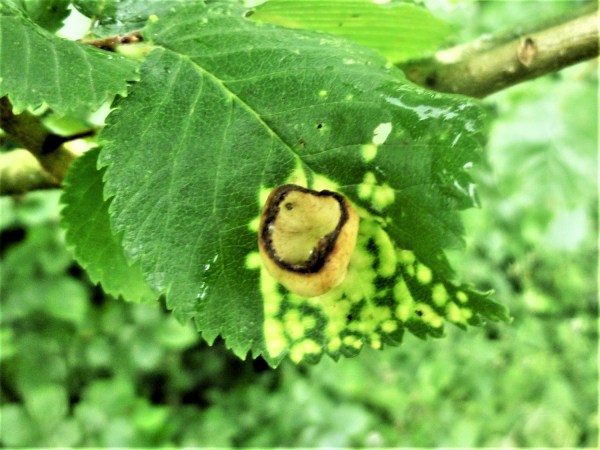
This is a fig gall, found on an elm leaf in the hedge between Sleepers and Cornfield. It is caused by Tetraneura ulmi, an elm-grass root aphid with a very complicated life cycle.
Continue reading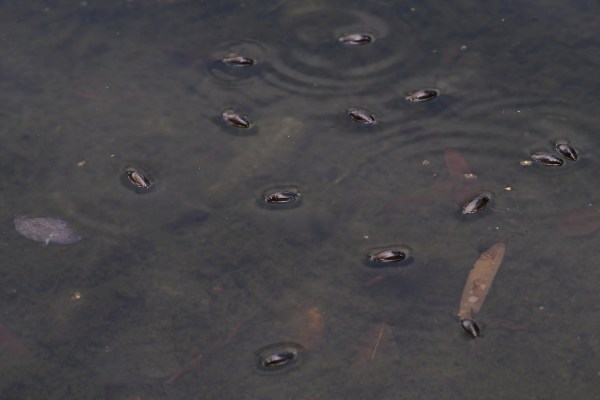
Whirligig beetles are actually a whole family (Gyrinidae) of water beetles: almost 700 different species globally, most of them very much alike and extremely difficult to tell apart. We have no idea what particular species live in the pond above the wooden bridge but all the Gyridinae share some fascinating features.
Read on for details and a short video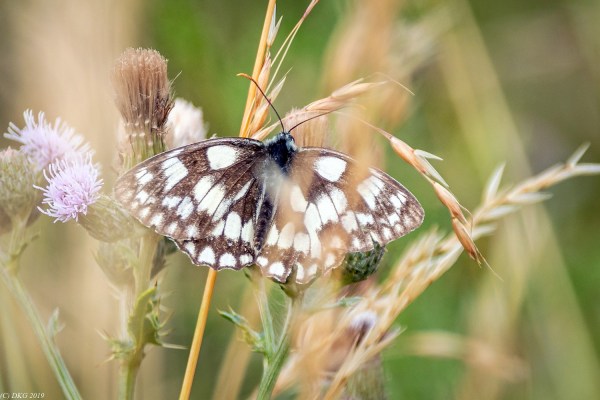
Mon 22/06/2020 13:05
Mail to Mike Fuller, County Butterfly Recorder, from Ian Bushell
Mike,
Attached is the latest transect at Southwick Country Park – the Meadow Brown numbers are if anything an underestimate. The warm May, lower footfall in the park, plus the fact that the hay/silage crop had not been taken could well have contributed to the general increased numbers.
Cheers
Ian

by Ian Bushell
This is a Scorpion Fly (Panorpa sp.), a strange-looking insect found all over the park particularly along the field and woodland margins among the Stinging Nettles and Brambles. This photo of a male shows the long beak-like projection from its head that it uses to feed, mostly scavenging dead insects and small invertebrates.
Continue reading “National Insect Week – Day 3”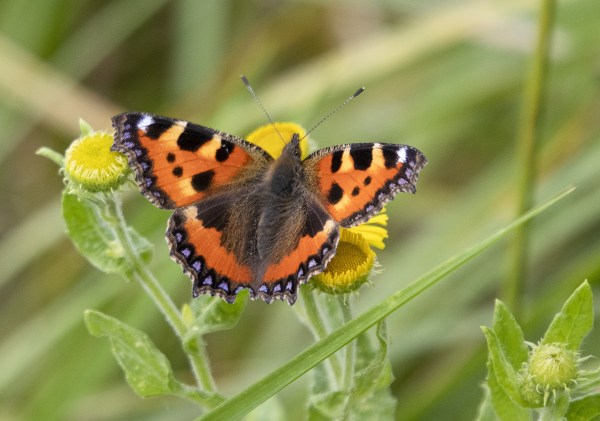
ONE
Butterflies taste with their feet. They have receptors on their legs and feet very similar to the taste buds we have in our mouths; these receptors are used to taste whether the plant they are standing on will be alright for their caterpillars to eat.
HOW TO RESCUE A BUMBLEBEE
by Jonah Powers (aged 9½)
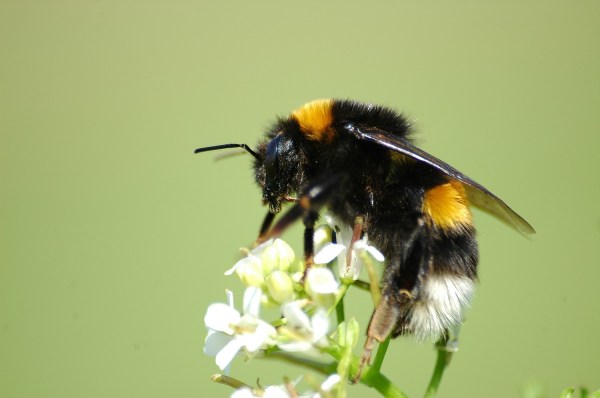
When you come across a discouraged exhausted Bombus terrestris (buff tailed bumblebee) here is what you should do.
(1 Mix water and sugar together.
(2 Place some on a flat surface with the bee.

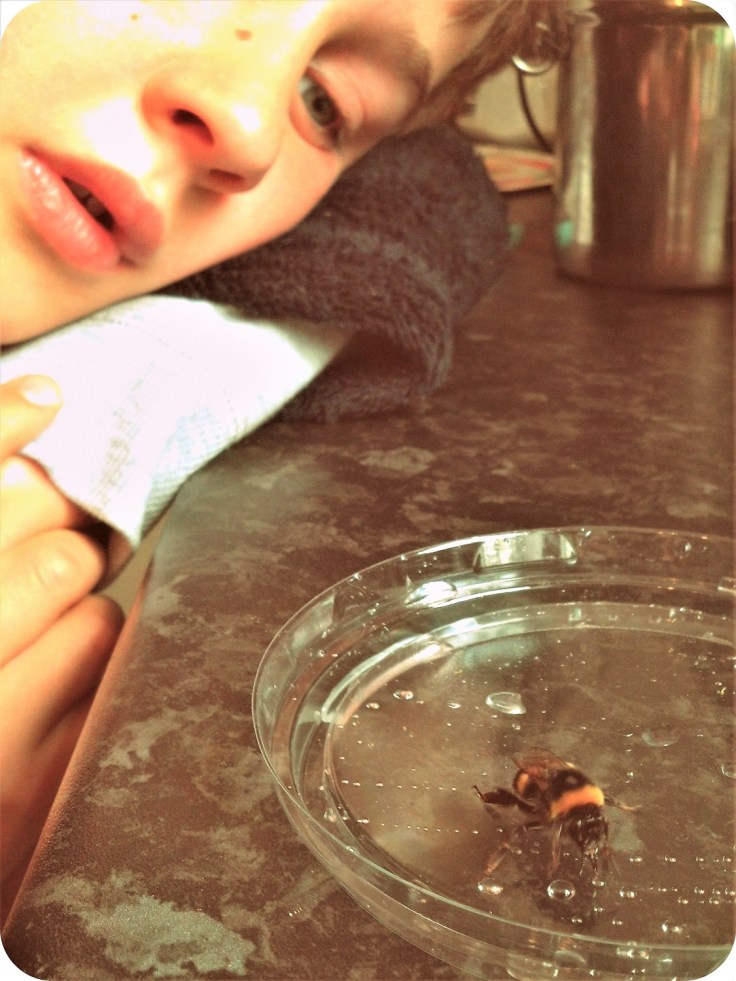
(3 You will notice your bee unfurling her proboscis to consume the liquid
(4 After some time you will discover your bee is becoming more energetic
(5 Now your bee is ready to say “toodle -oo!”
Thank you for contributing to National Insect Week, Jonah.


The park’s first ringlet butterfly (Aphantopus hyperantus) of the year was seen and photographed in Sleepers Field on June 10th. This newly hatched adult was a smooth, velvety dark brown fringed with white, its underwings clearly marked with the rings that give the species its common name.
Continue reading “National Insect Week – Day 2”
Let’s begin with a definition.
Continue reading “It’s National Insect Week”
A nursery web spider (Pisaura mirabilis) photographed in the park by DKG on a dewy morning.
Continue reading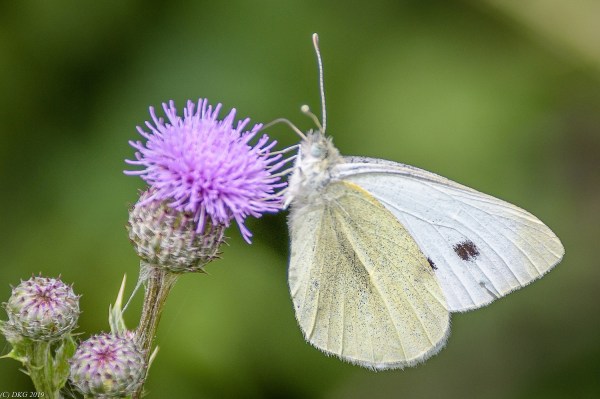
A question from a reader:
If I want large white butterfly caterpillars in my garden AND I want my kale, is that like trying to have my cake and eat it? I suppose they don’t eat anything else, do they? I have sent you a photograph.
Liz
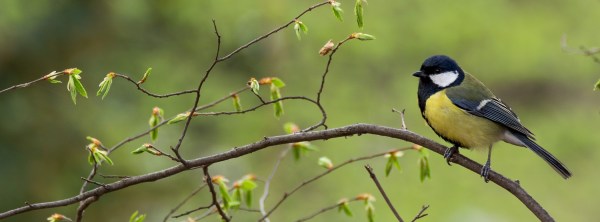

A honey bee foraging for nectar and pollen among the flowers of hogweed.
Continue reading “Honey bee”
Email from friendsofscp@outlook.com to Rich Murphy, Tree and Woodland Officer.
Hello Rich,
Is it vandals or deer that have damaged this tree so badly? We suspect deer but it would be unusual at this time of year when there is so much new grass around. We defer to your expertise.
FoSCP

A nest of peacock butterfly caterpillars found in the park by Isabelle Newblé, aged 9, and photographed by her mother, Julie. Well done both of you!