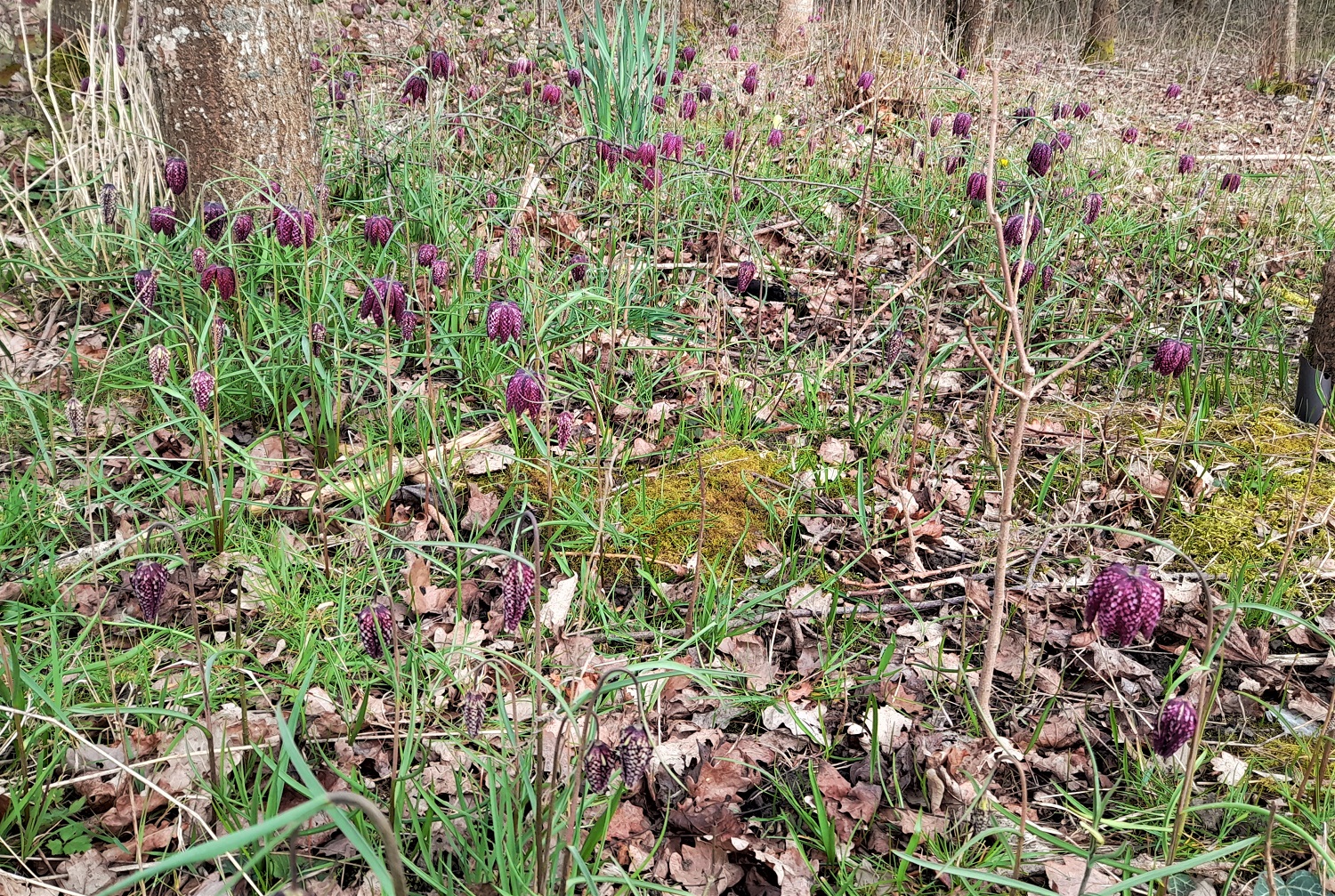
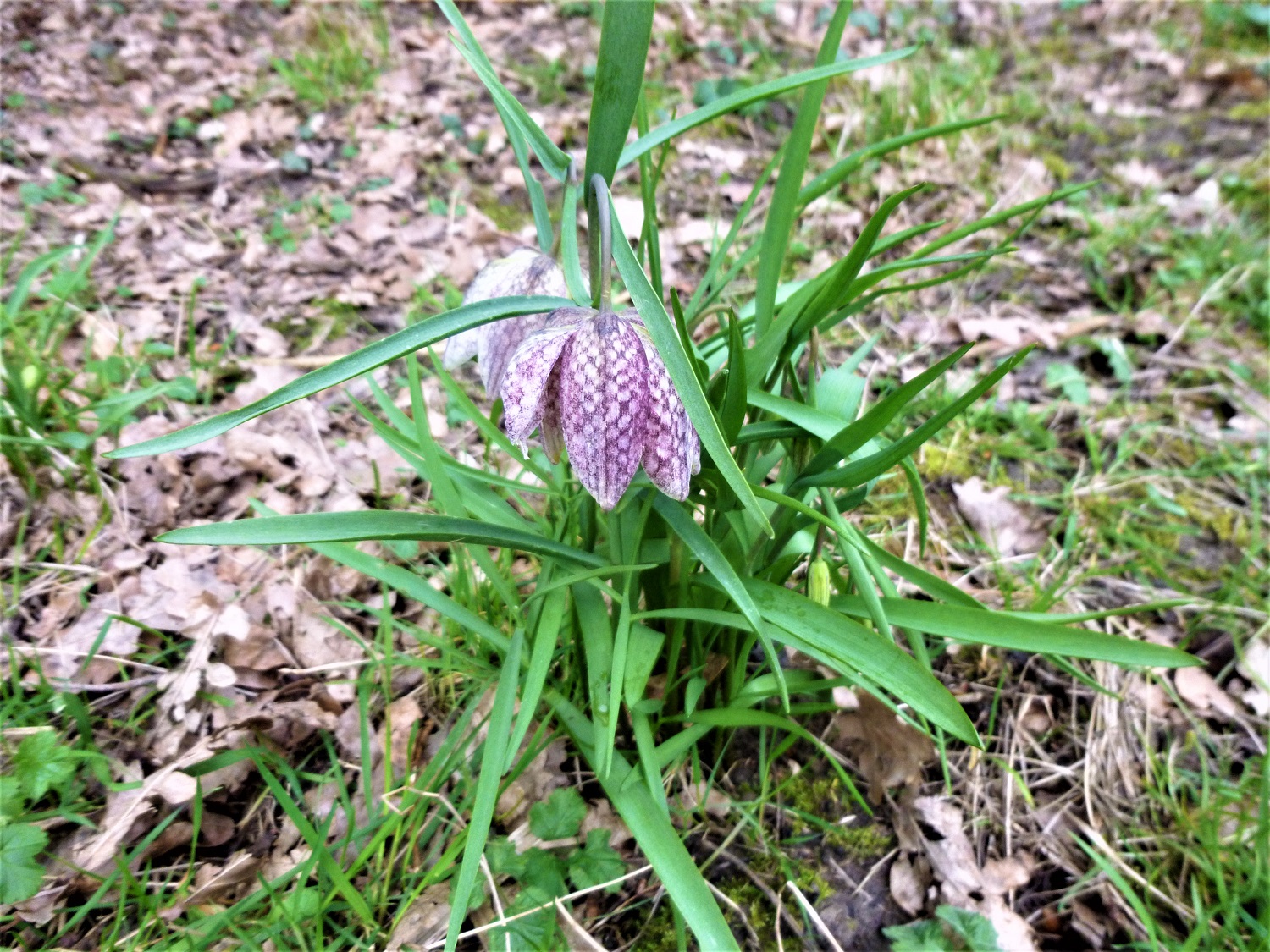
Snake’s head fritillaries photographed in the park last week.
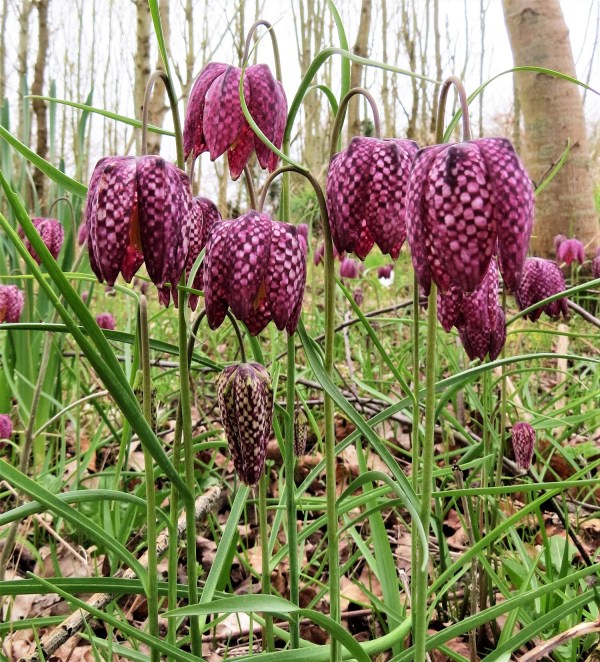
Snake’s head fritillaries photographed in the park last week.




On Friday we posted a gallery of grey squirrels, an invasive alien species that has almost completely replaced our native squirrel population. Unfortunately, our native bluebell (Hyacinthoides non-scripta) is also being threatened by the spread of an invasive alien: Spanish squill (Hyacinthoides hispanica), a similar bluebell species imported into our gardens from southern Europe during the 17th and 18th centuries.
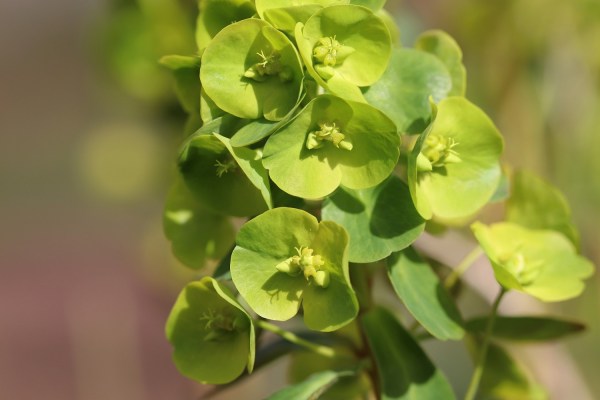
The extraordinary flowers of wood spurge (Euphorbia amygdaloides) growing in the Arboretum.

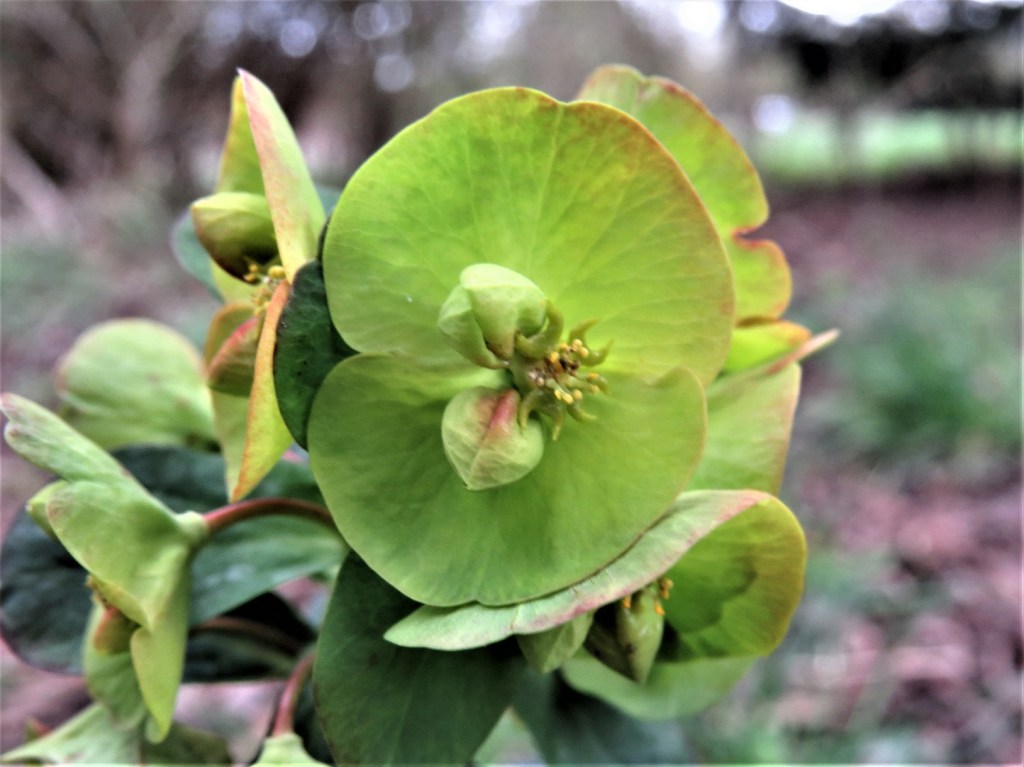
Conservation status: common
Pictures by Suzanne Humphries
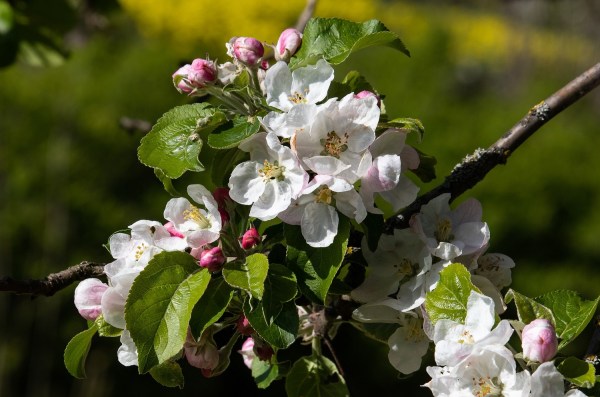
You will know that the Park has an orchard that was planted a few years ago. Some of you might have helped to plant it. It was created as a Community Garden and to maintain expertise we keep in contact with the Orchard Project, a national organisation for such orchard managers. This article is from their latest newsletter, which I feel will interest many park users.
Continue reading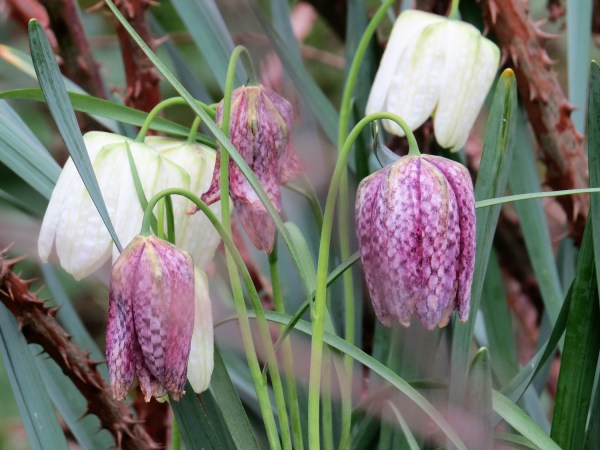
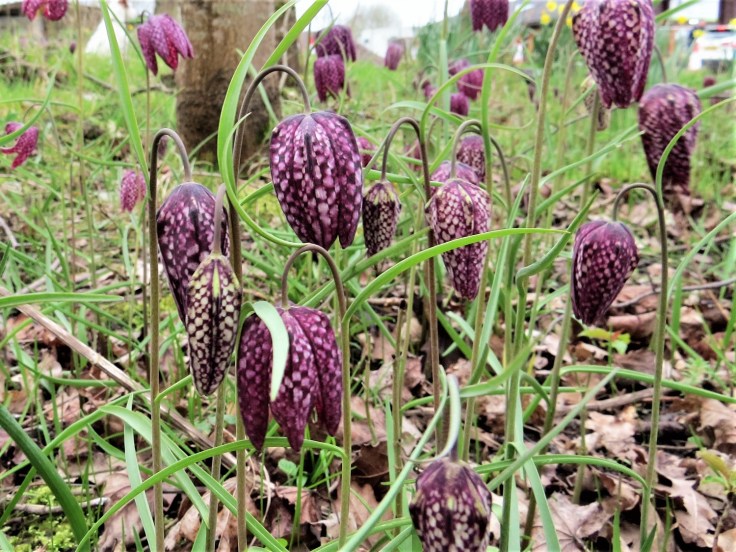
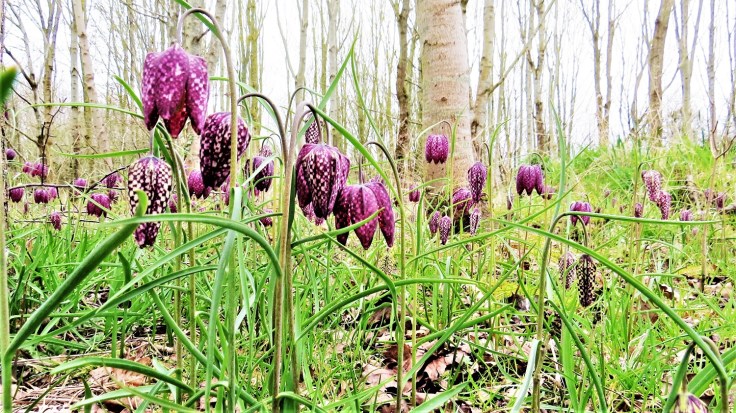
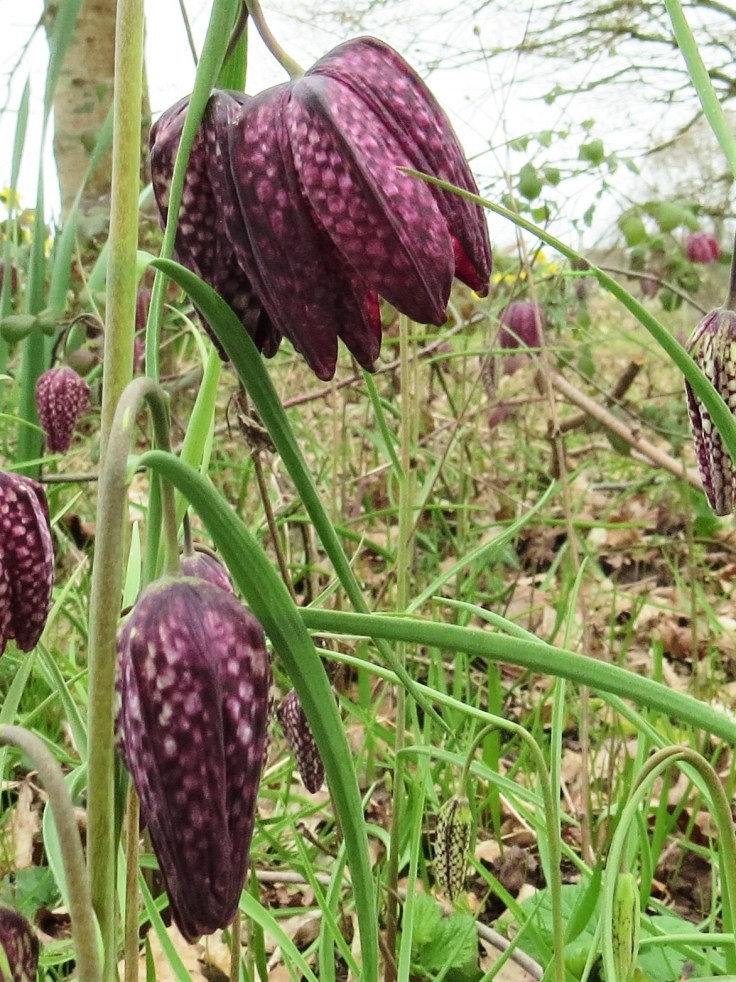
Julie Newblé and Ian Bushell have sent us pictures of the first of the year’s beautiful snake’s head fritillaries (fritillaria meleagris), which are classified as vulnerable on the Vascular Plant Red Data List for Great Britain.



The stinging nettles (Urtica dioica) are coming up: wonderful habitat for invertebrates, itchy feet for our dogs and free food for us. Try nettle soup, easy to make, nutritious and very tasty.
Continue reading
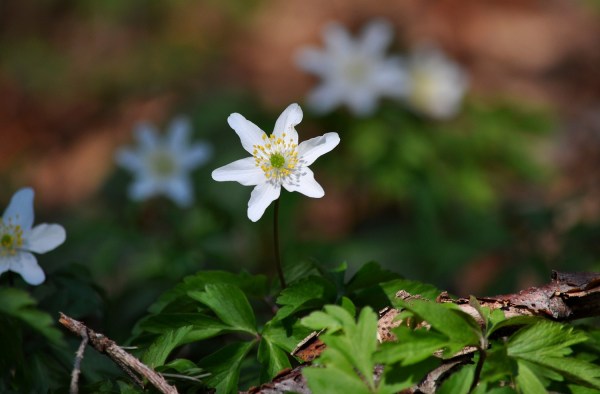
The wood anemone (Anemone nemorosa) is a member of the Ranunculaceae family, a close cousin to all the buttercups.
Continue reading “Wood anemones”
Our blackthorn blossom has been beautiful this year.
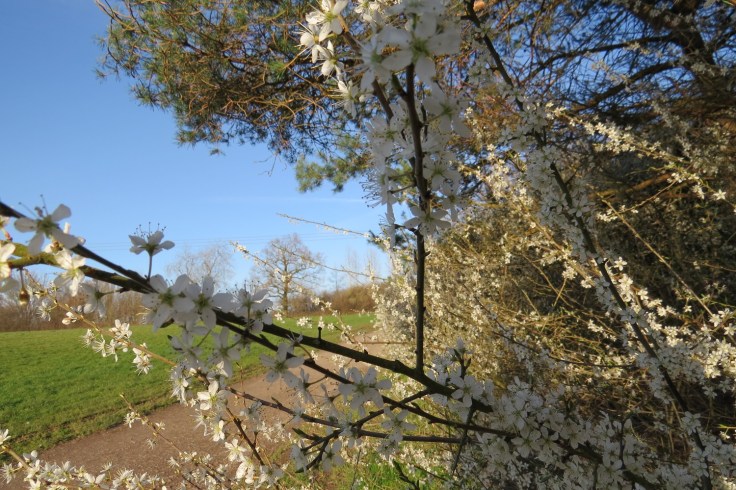
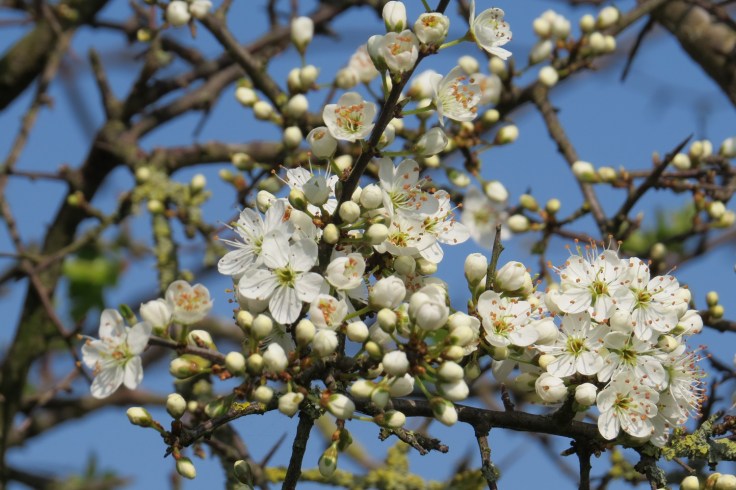
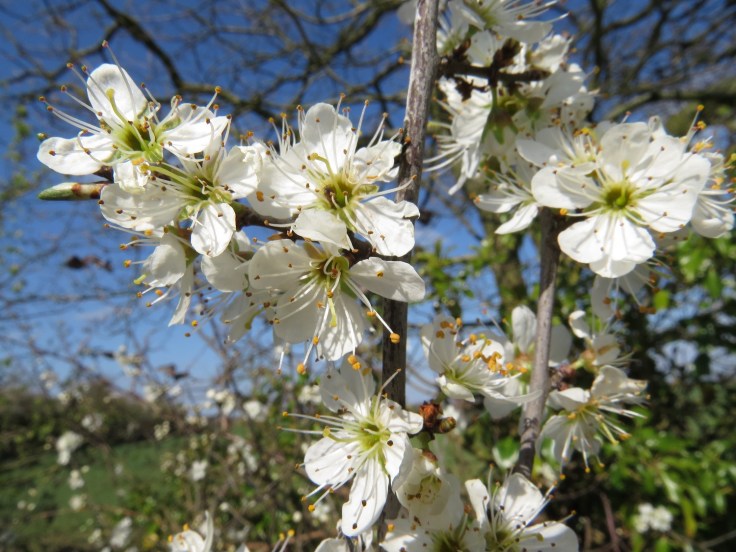
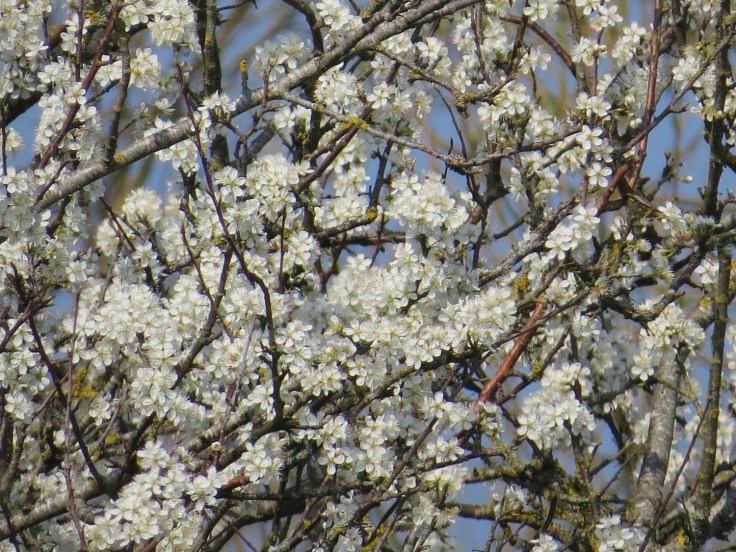
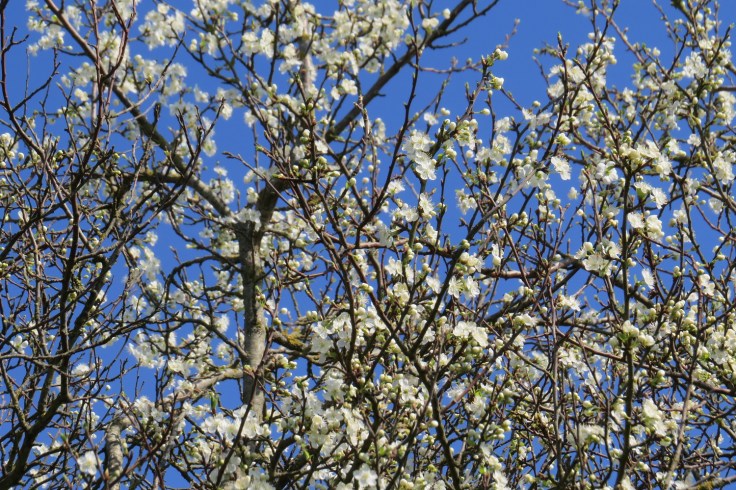

pictures by Suzanne Humphries
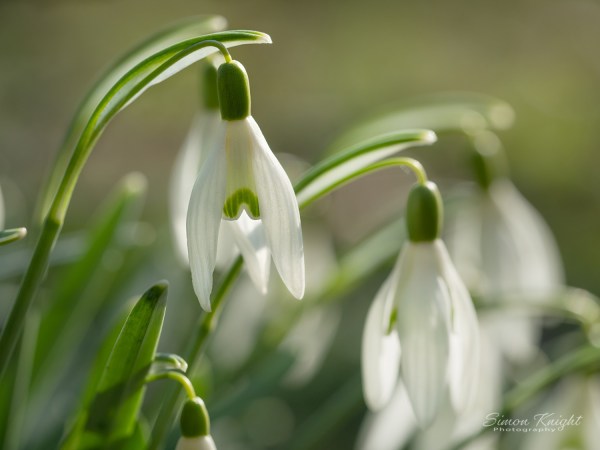
by Simon Knight
It is lovely to finally see flowers and colour arriving in the park, signalling that spring will soon be upon us.
Continue reading
The lesser celandines (Ficaria verna) are in flower. Celandines are the floral equivalent of the swallow, they appear around the same time and mark the coming of spring. In fact the word celandine comes from the Greek name for swallow: chelidon. One of its local names is spring messenger; others are brighteye, butter and cheese, frog’s foot, golden guineas and, less romantically, pilewort because it was once used to treat haemorrhoids.
Continue reading “Lesser Celandine”
Blackthorn (Prunus spinosa) is the earliest of our native flowering trees.
Continue reading “Blackthorn”
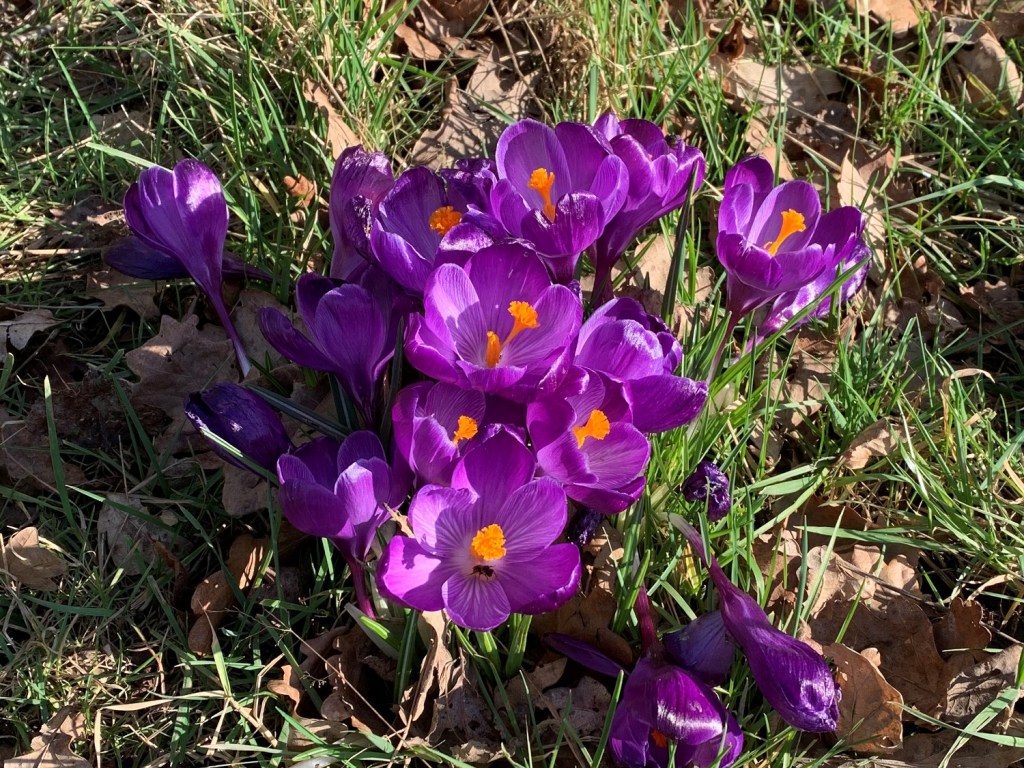
Crocus vernus photographed in the park by Clive Knight. Crocuses are not native to Britain; they were brought here from central and southern Europe, North Africa, the Middle East and China, in the 15th century.
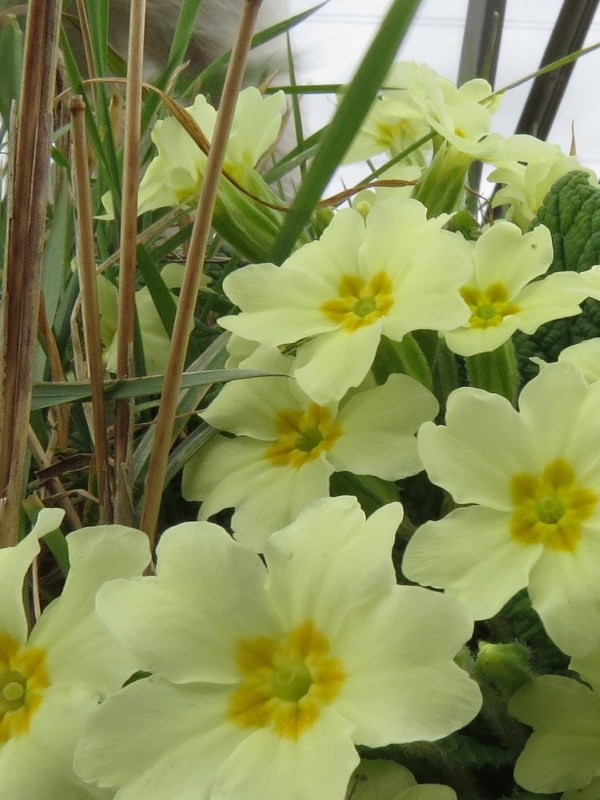
Primroses have an interestingly complicated reproduction system.
Continue reading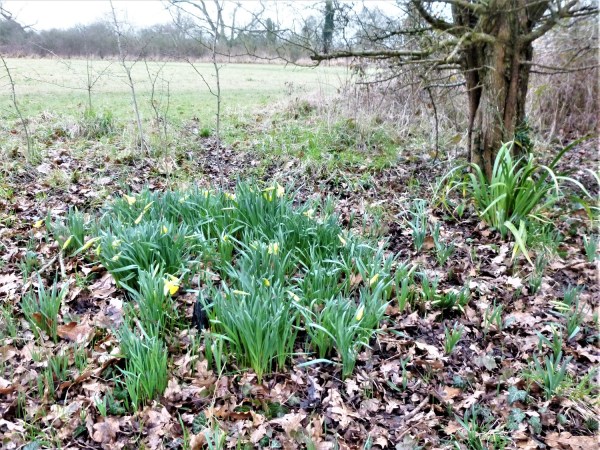
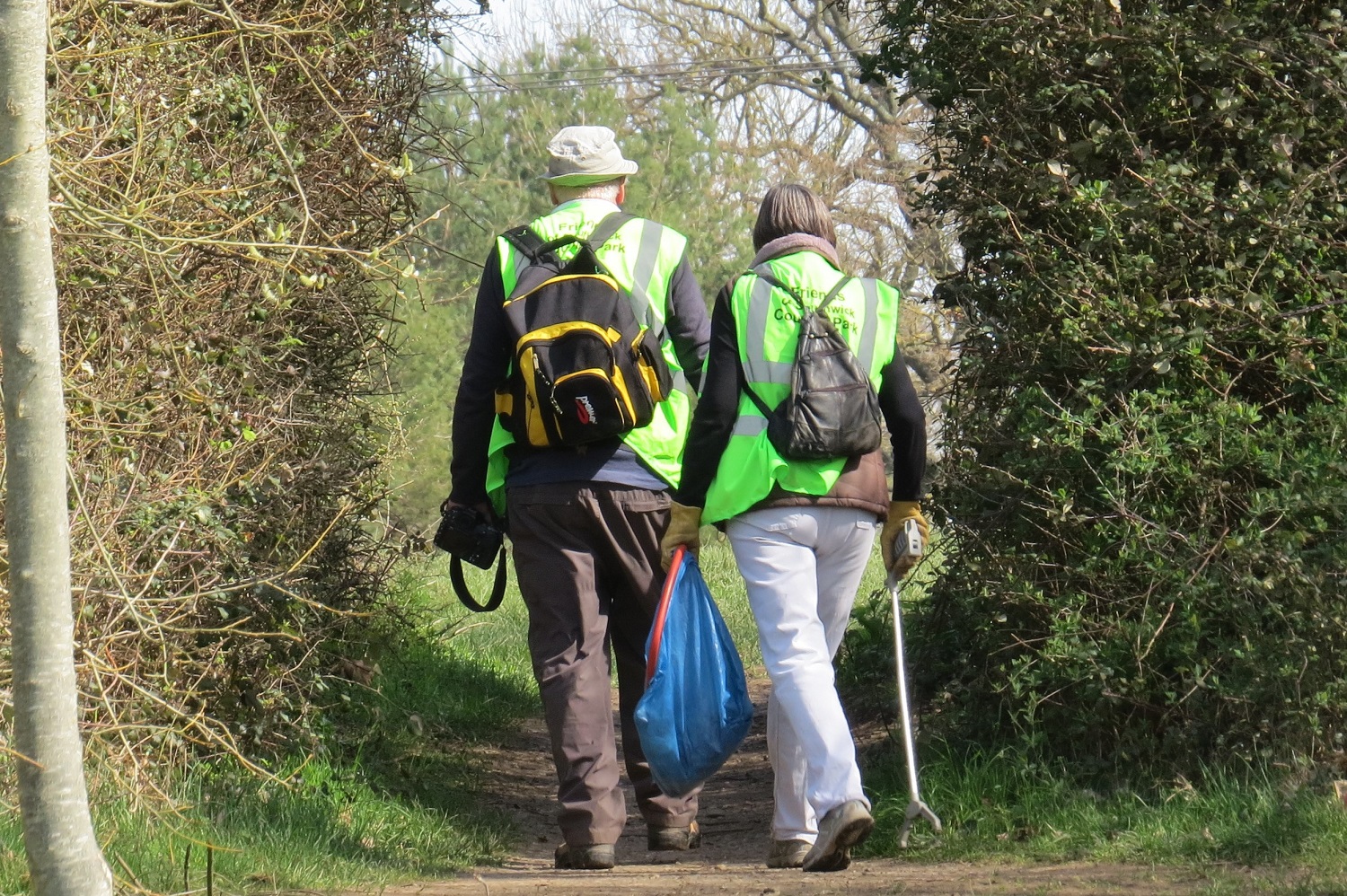
FoSCP members, Ian and Pat, walk in the park with Pat’s dogs early on Sunday mornings. Pat, our champion litter picker, picks up the rubbish other park-goers have left behind, while Ian surveys the fields and woods for first flowerings, new species and the occasional damage, and reports back to HQ. Here is last Sunday’s bag:
“…Bullfinch in the hedge near Stoat Oak, native Daffodils in flower and Stinking Iris leaves at bottom of Kestrel Field near to the pond…”


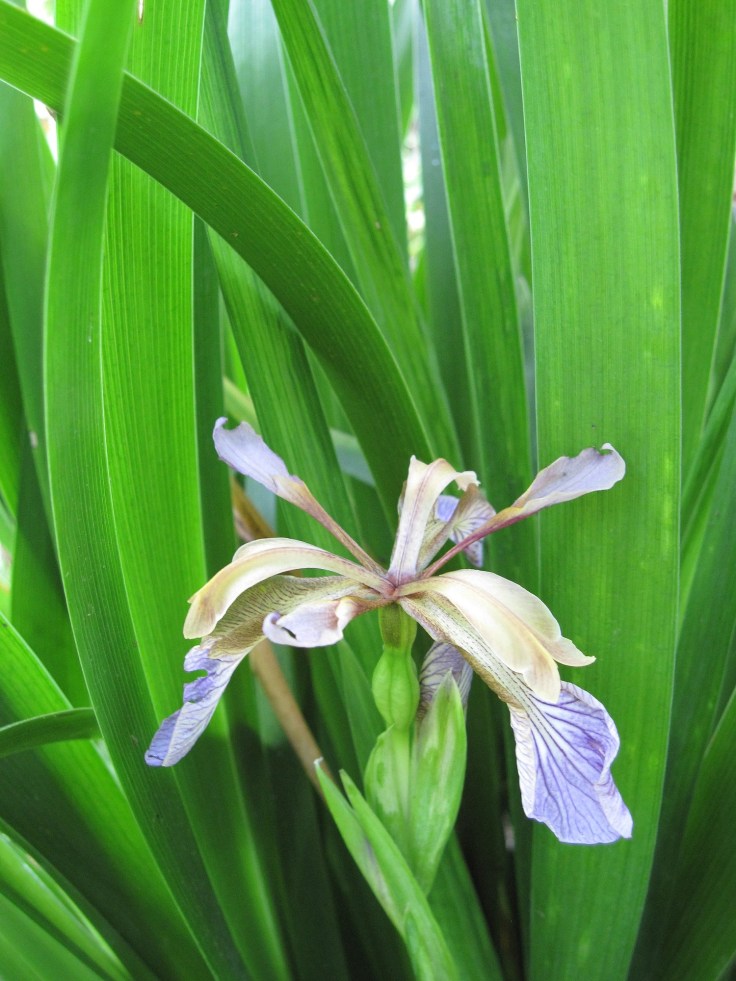

[1[ Bullfinch (Pyrrhula pyrrhula); [2] Native daffodil (Narcissus pseudonarcissus); the flowers [3], seeds [4] and strap-like leaves of Stinking Iris (Iris foetidissima)
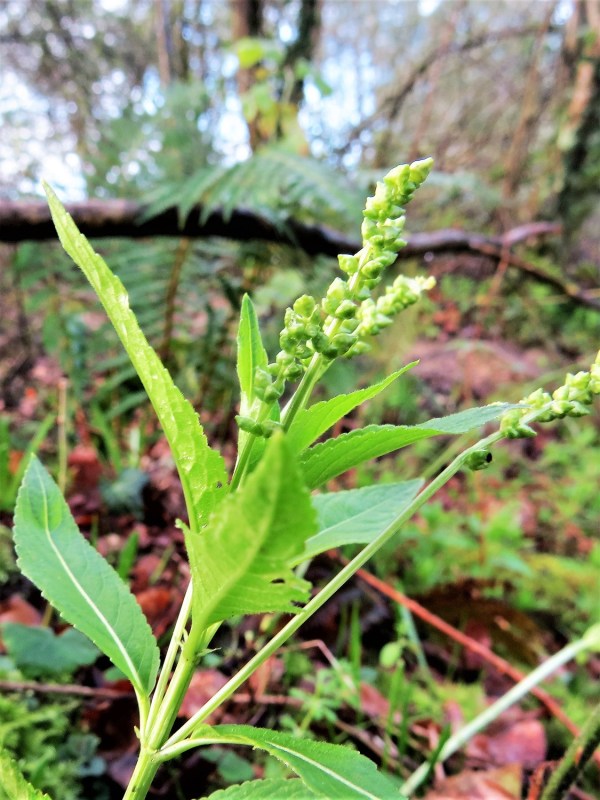
Dog’s mercury (Mercurialis perennis) is one of those mysterious, usually nameless, plants that is hardly ever noticed. It forms dense carpets on the woodland floor and beneath old hedgerows but appears to most passers-by as just background for the bluebells and primroses.
Continue reading “Dog’s mercury”
A goat willow’s flowers, or catkins, known as pussy willow because they look like furry grey kittens’ paws, appear in February, one of the earliest signs of spring in the park.
Continue reading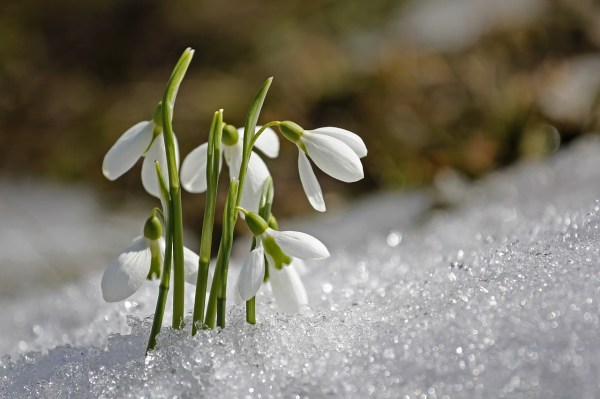

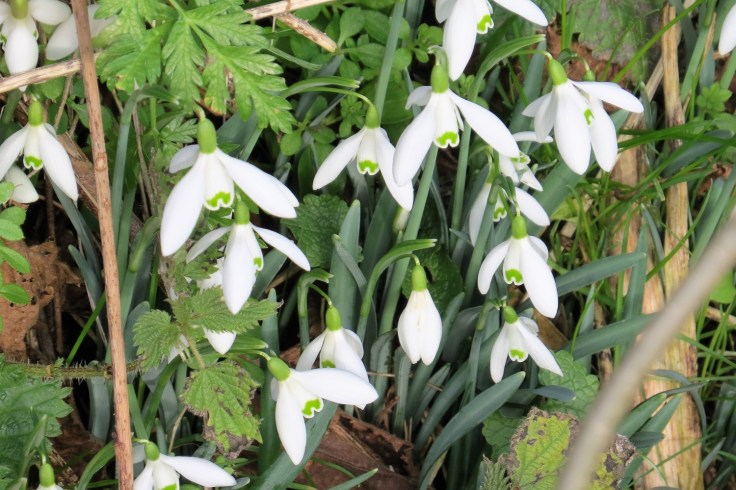


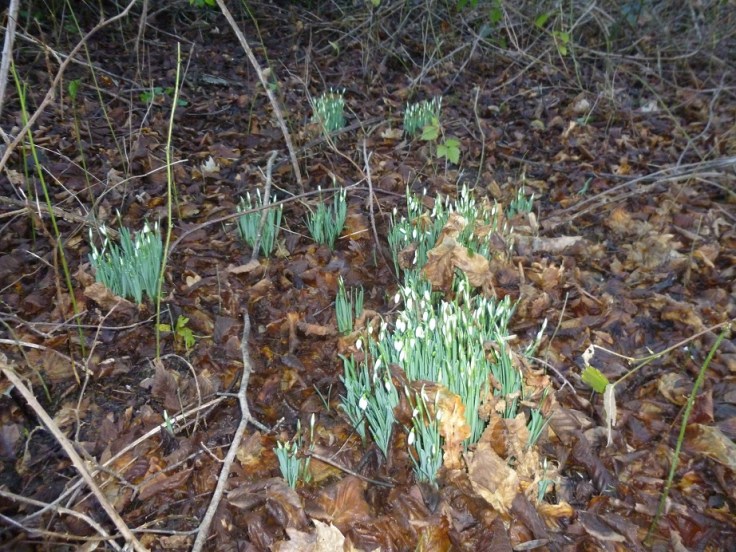
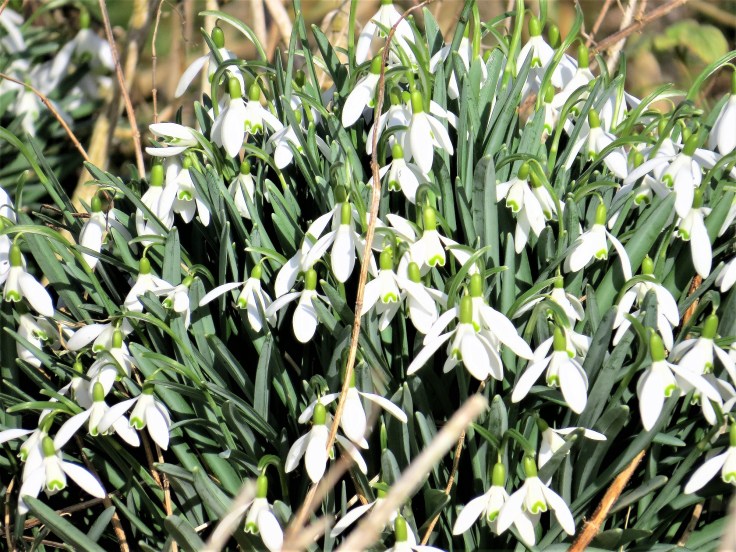


Header picture by DKG

The park is full of water; there are deep puddles everywhere. Everything is wet and muddy and the paths are flooded.
Continue reading “Rain!”
As always, the first flowers of the year are the hazel catkins: a familiar and friendly sign that spring is on its way.
Continue reading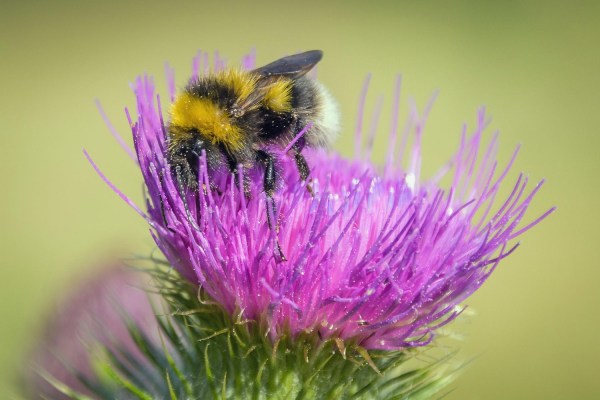
The Government has decided to allow the emergency use of the neonicotinoid thiamethoxam on sugar beet in England in 2021, despite objections from conservationists. The decision, in response to pressure from England’s farmers, will permit the treatment of sugar beet seed to combat beet yellows virus, which is spread by multiple species of aphids.
Continue reading “Neonicotinoids”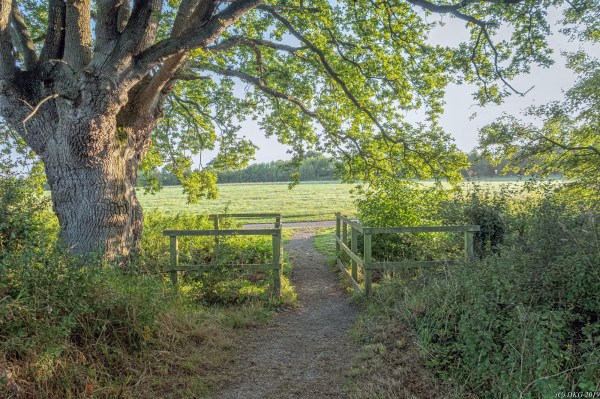
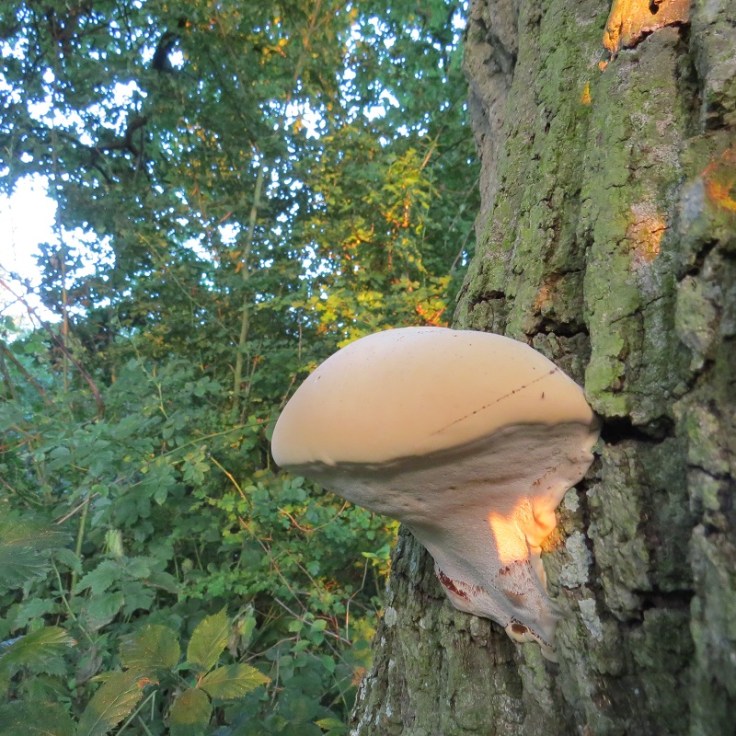
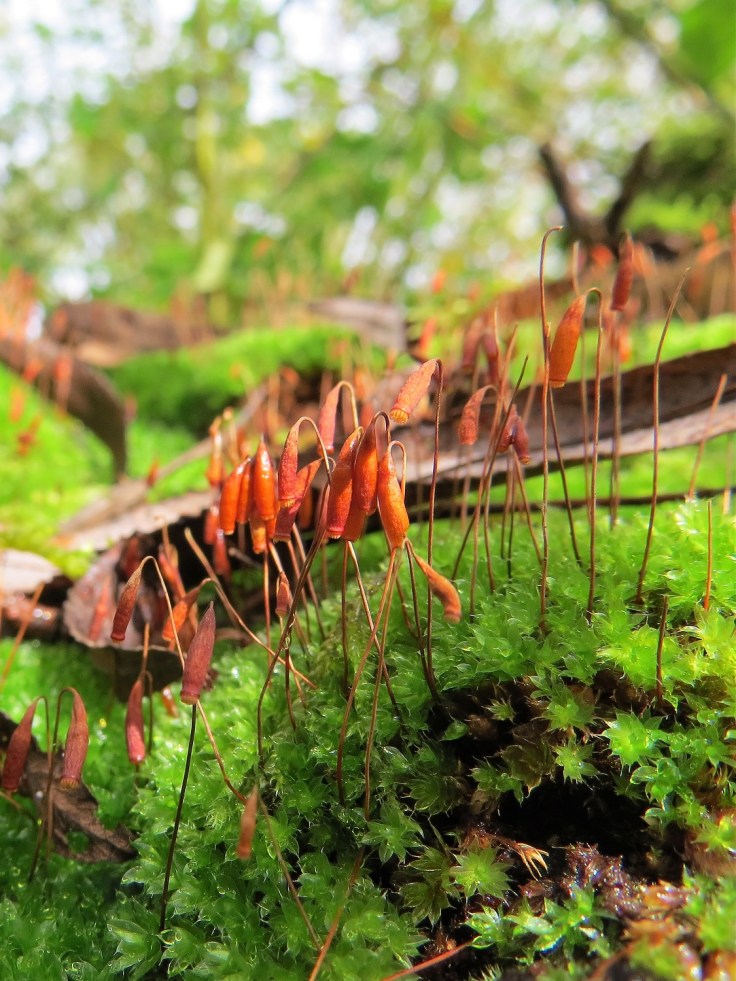
There are 2,300 species associated with oak, 320 of which are found only on oaks. Here is a gallery of wildlife photographed in the park’s oaks.



Header picture: Oak Bridge by DKG
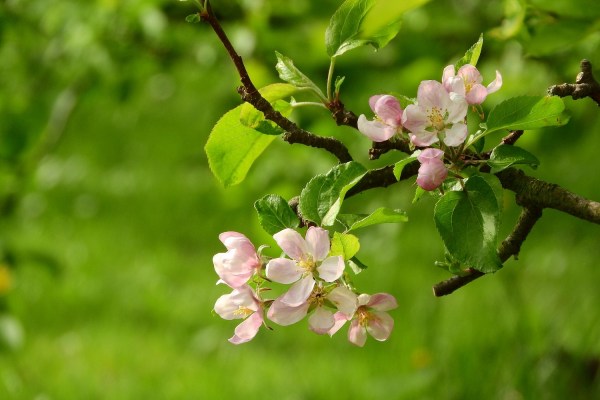
In February of 2014, the Friends of Southwick Country Park planted an orchard: thirty eight heritage apple trees of fourteen different varieties, in the southern end of the park. They have really beautiful names:
Continue reading “Heritage orchard”
On the tenth day of Christmas, here are the extraordinary flowers of lords-and-ladies, the wild arum (Arum maculatum), photographed in the park during April’s lockdown.

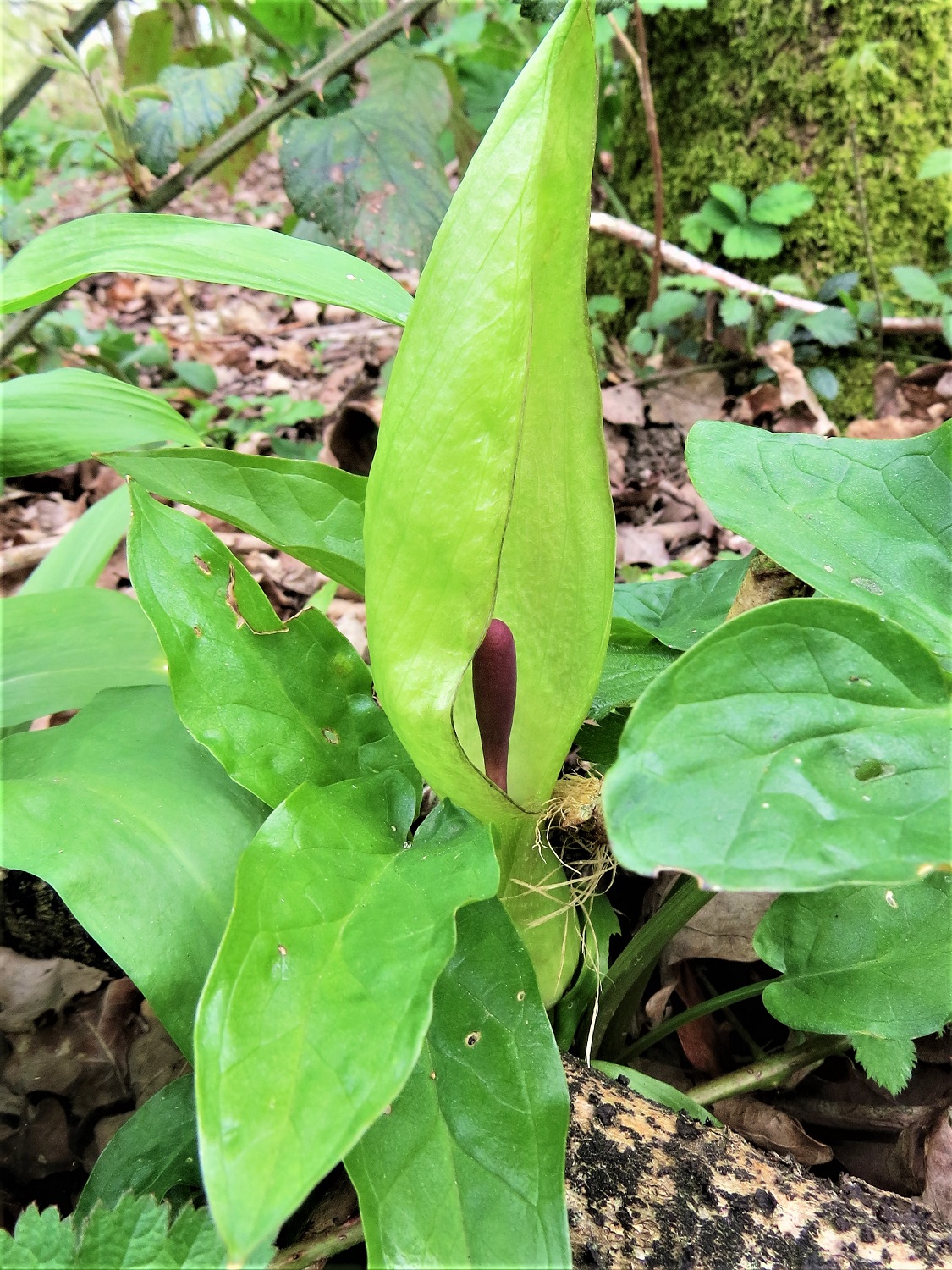


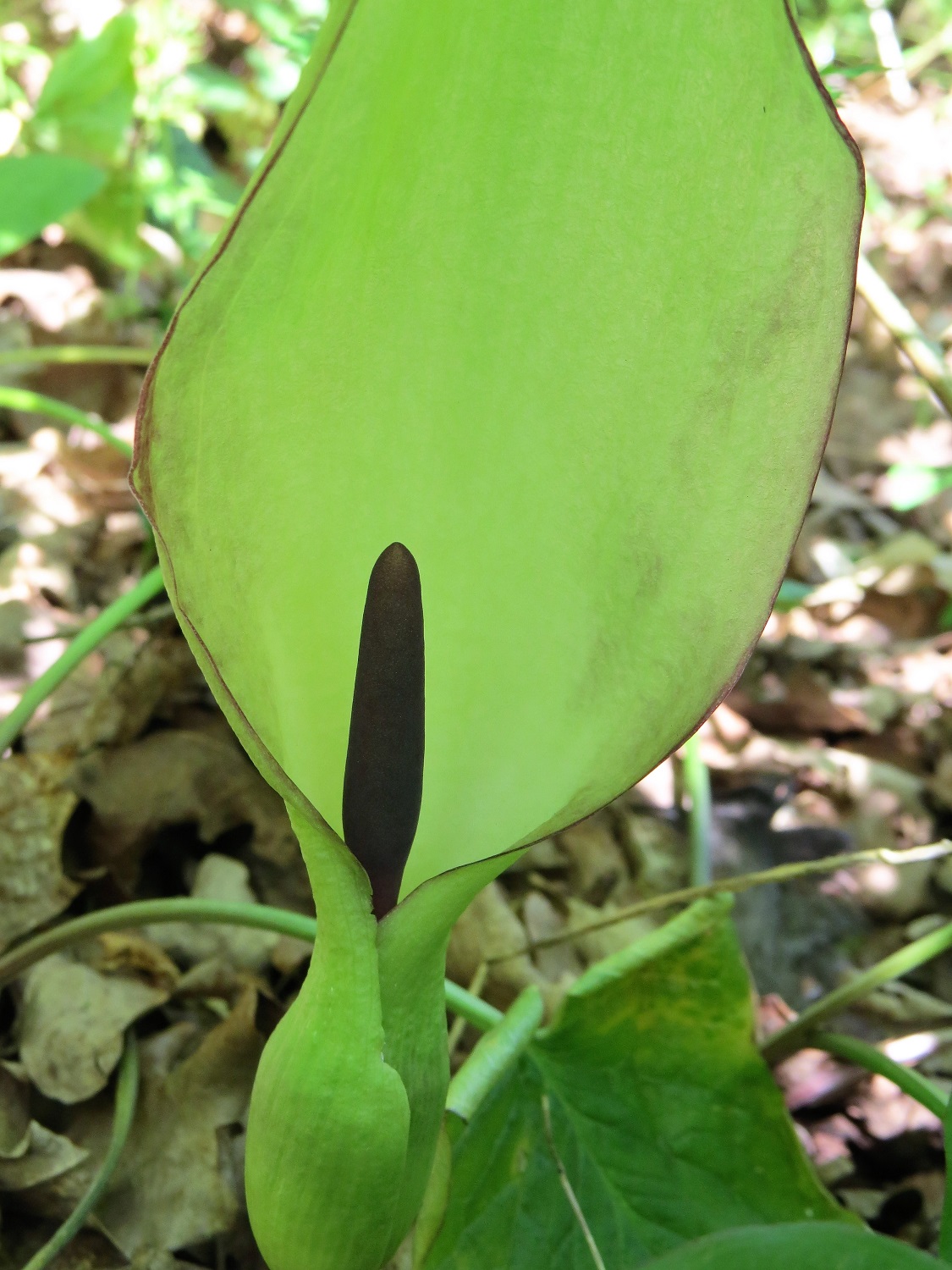
Pictures taken in the park by Suzanne Humphries


 Southwick Country Park Nature Reserve