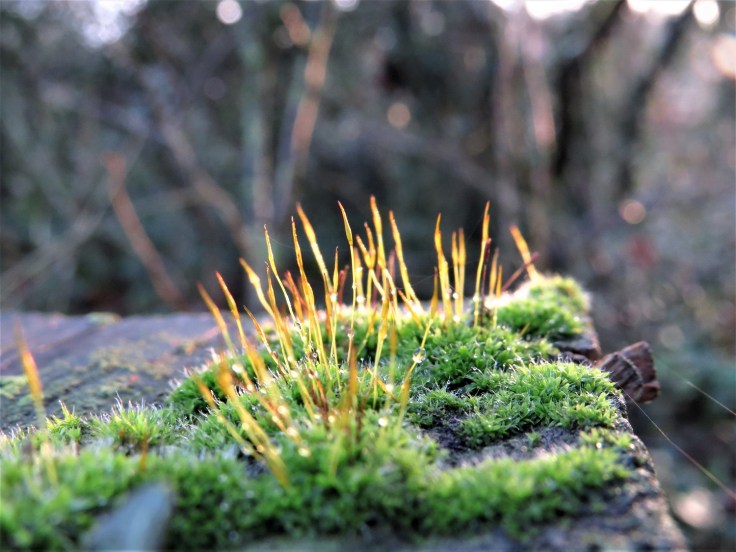
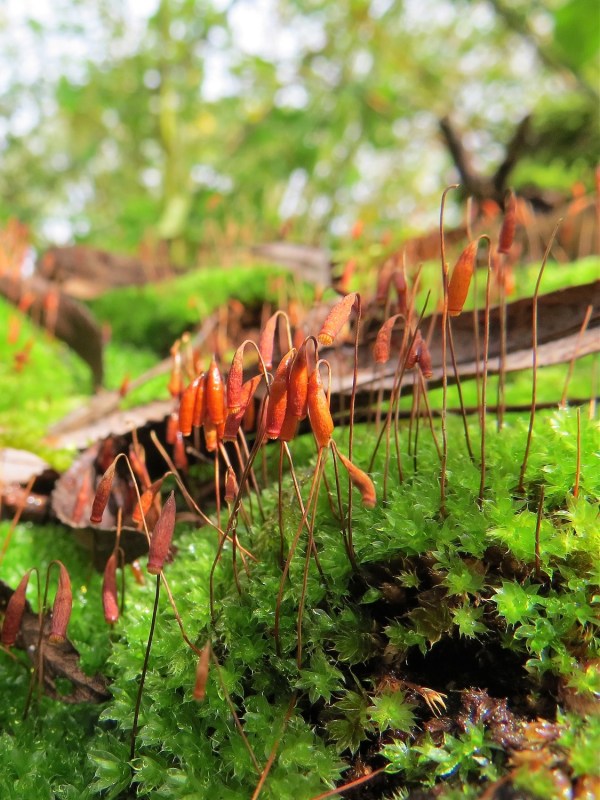
Here is a little cushion moss growing on the fence at the entrance to the park. Can anybody help us identify it please?
Mystified by moss

Here is a little cushion moss growing on the fence at the entrance to the park. Can anybody help us identify it please?


What would Christmas be without mistletoe? There is only one species of mistletoe native to Britain, Viscum album, but there is none growing in the park. We would love to see it established here but we are not sure how we would go about it.
Continue reading “Mistletoe”
Over the years the Friends of Southwick Country Park have planted many holly whips in the hedges around the park’s fields.
Continue reading “Holly”
Five things you may not have known about ivy.
Continue reading “Ivy”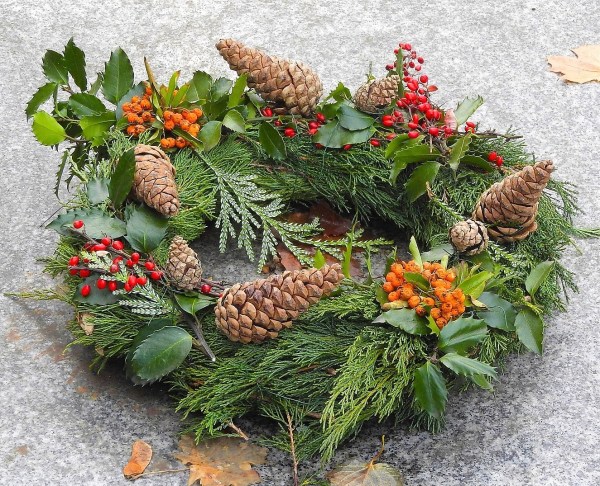
Many of the evergreen plants in the park have traditionally been used in the celebration of winter festivals.
Continue reading “Winter festivals”
In the park, we have lost many of our ash saplings to ash dieback and the disease is spreading rapidly.
Continue reading
Last week, we planted 100 snake’s head fritillary bulbs in Lambrok Meadow and Village Green.
Continue reading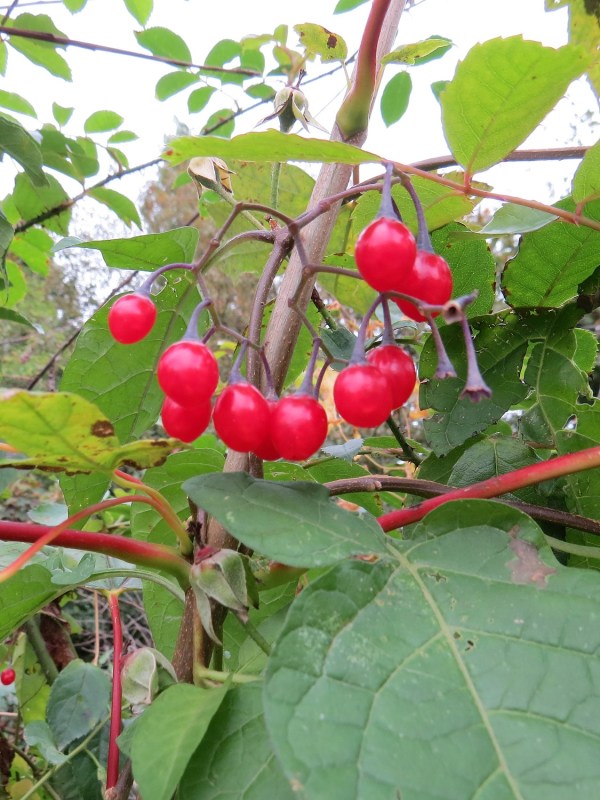
Woody nightshade (Solanum dulcamara) in the car park, heavy with berries, climbing through the roses.
Continue reading “Woody nightshade”
If you are visiting the garden centre this weekend, looking for flowers and shrubs to brighten your garden next year, consider planting for our pollinators and especially our dwindling bee populations.
Continue reading
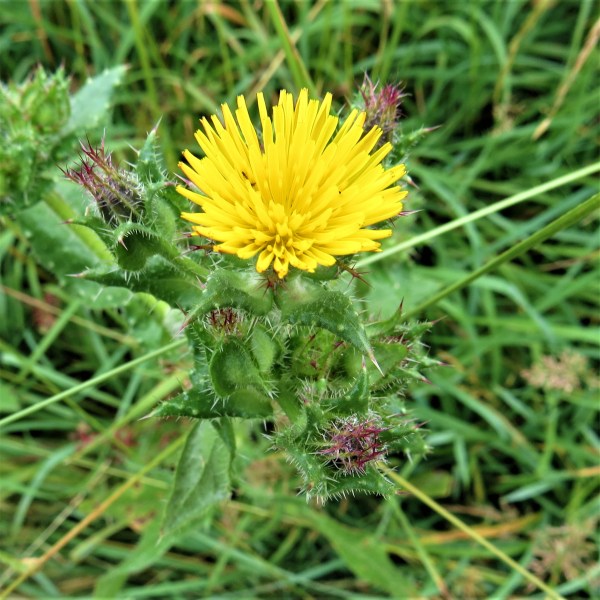
Bristly oxtongue (Picris echioides)
Continue reading
A new species for the park’s lists, found in the Blackthorn Tunnel last week. The plant was not in flower but the leaves are unmistakeable: Pulmonaria officinalis, lungwort.
Read on:
Equinox means equal night, and today, the 23rd of September, there will be equal amounts of darkness and daylight all over the World.
Continue reading
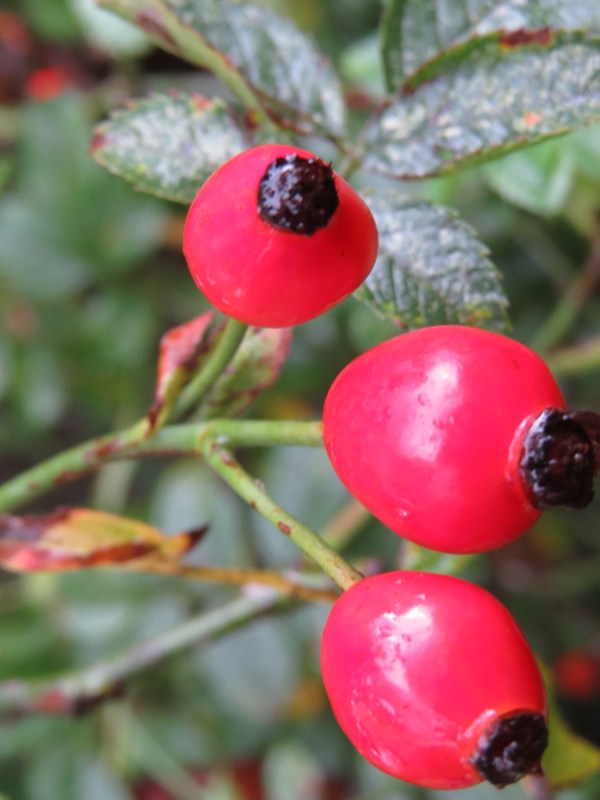
Hawthorn is an important winter food source for birds; they’re the favourite berry of blackbirds, redwings and fieldfares and are enjoyed by many other of the park’s species, including chaffinches, starlings and greenfinches.
Haws are edible though they are said to taste like overripe apples. Traditionally they were used to make jellies, wines and ketchup. They are such a prolific crop, so pretty and nearly always within reach; sometimes it seems a shame that we don’t make better use of them.
Let’s leave them to the birds: an autumnal bonanza.
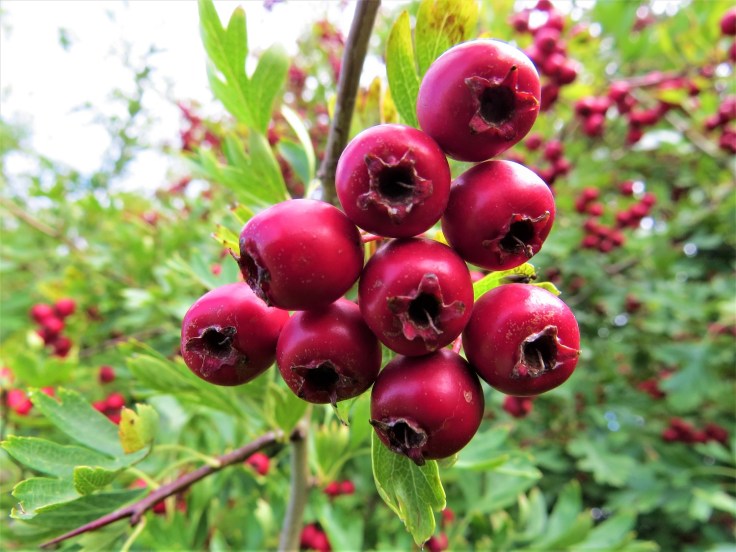
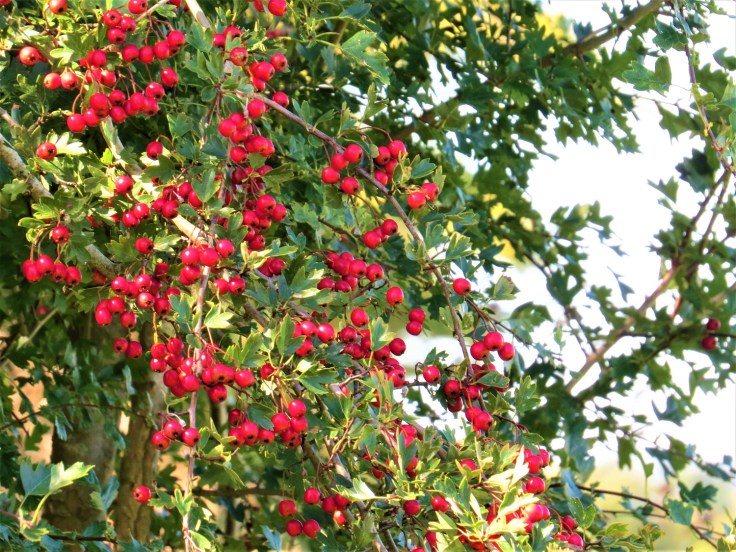
Another autumnal bonanza:
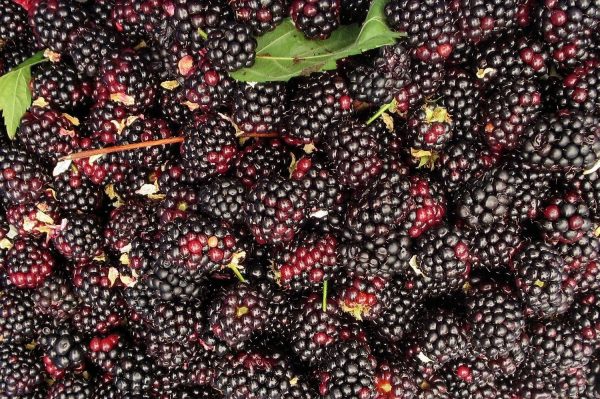
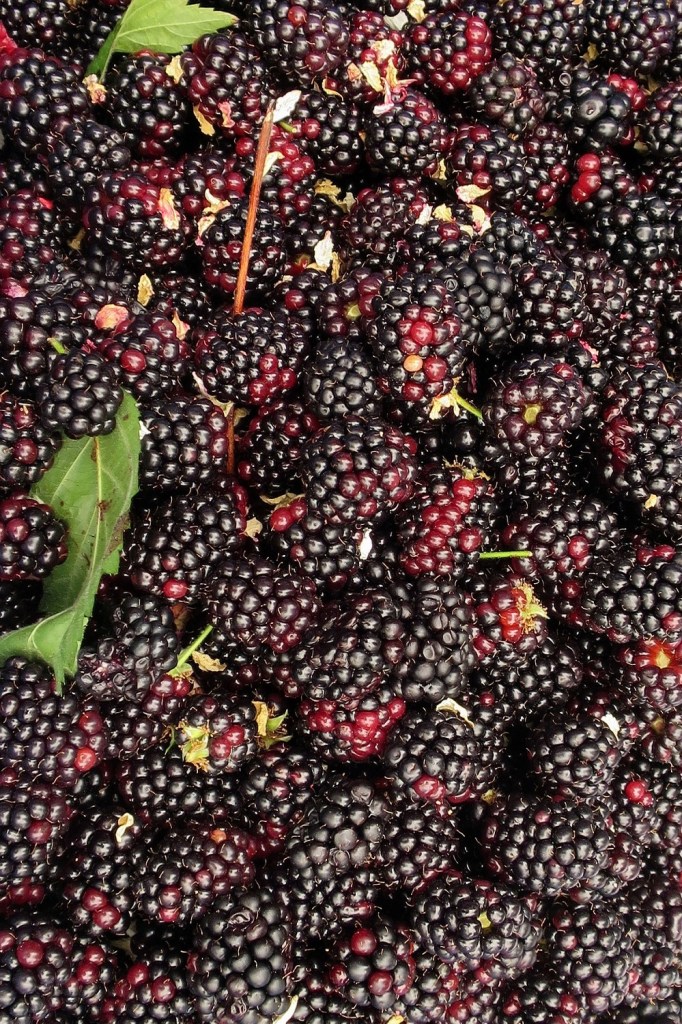
The park is full of ripening blackberries, all free from the contaminants of vehicle exhaust. Here is a recipe for blackberry and apple jam.
Continue reading “Blackberry and apple jam”
Yesterday’s picture of an artichoke gall among oak tree leaves produced questions and enquiries from our readers via Messenger, Facebook and our website’s below-the-line comments column. Here is more information about oak gall wasps.
Continue reading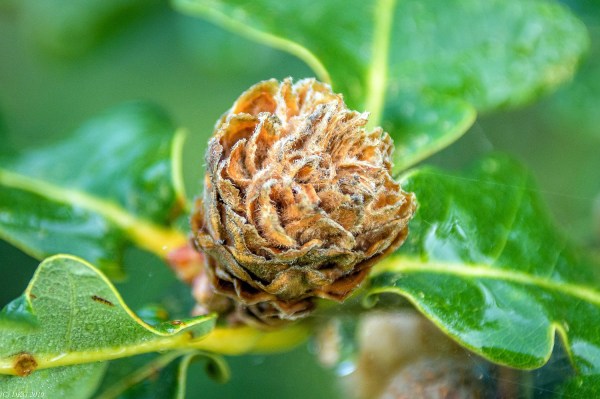
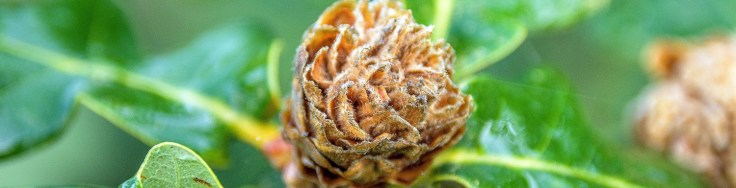
An artichoke gall on an oak tree photographed by DKG last week. The artichoke gall wasp (Andricus foecundatrix) lays its eggs in the leaf buds of an oak tree; the egg and the growing larva produce chemicals that force the tree’s extraordinary outgrowth.
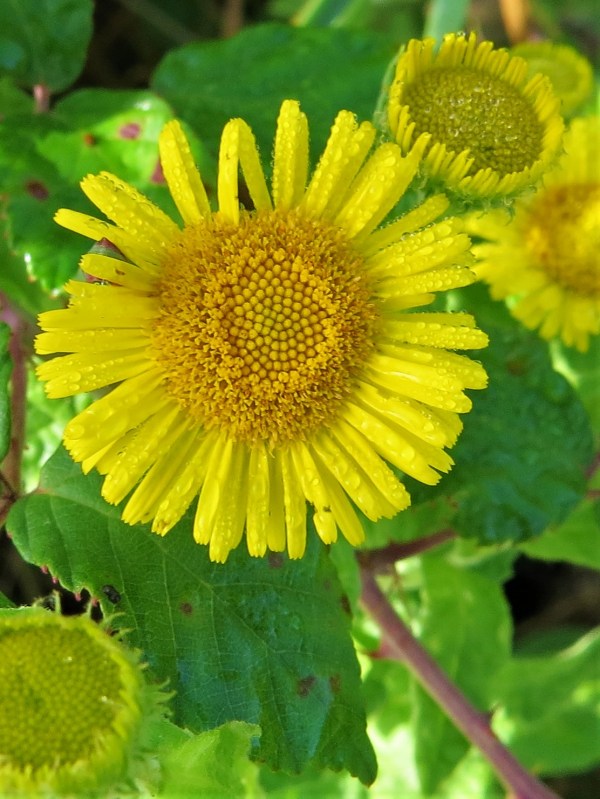
This is common fleabane (Pulicaria dysenterica); it is a plant that grows all over the place but nobody ever seems to know its name. As the park’s summer wildflowers go to seed, the fleabane is a welcome splash of colour beside the paths.
Continue reading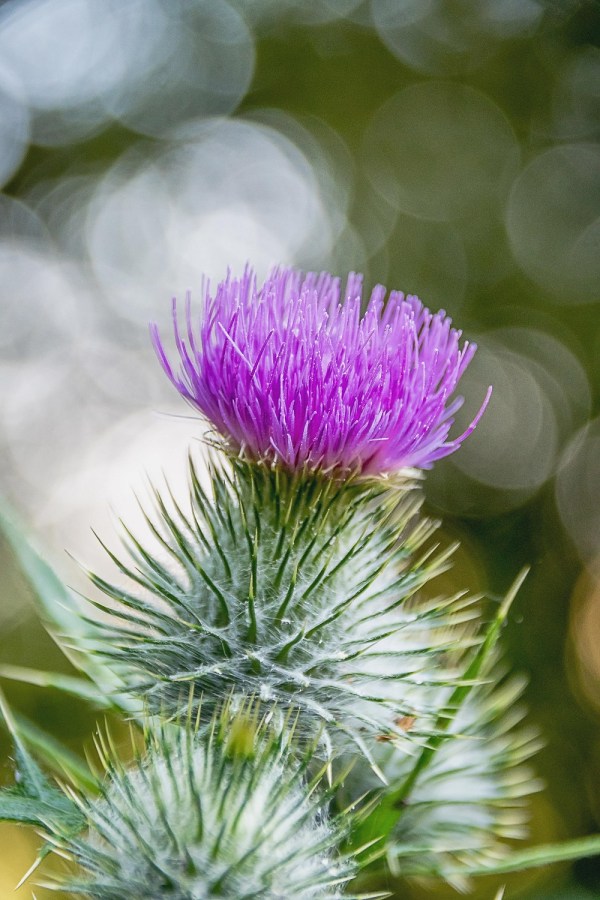
Another species named in the Injurious Weeds Act of 1959: the tall and beautiful spear thistle (Cirsium vulgare). Here is a gallery of pictures of spear thistles taken in the park by DKG.
Click here for a gallery of pctures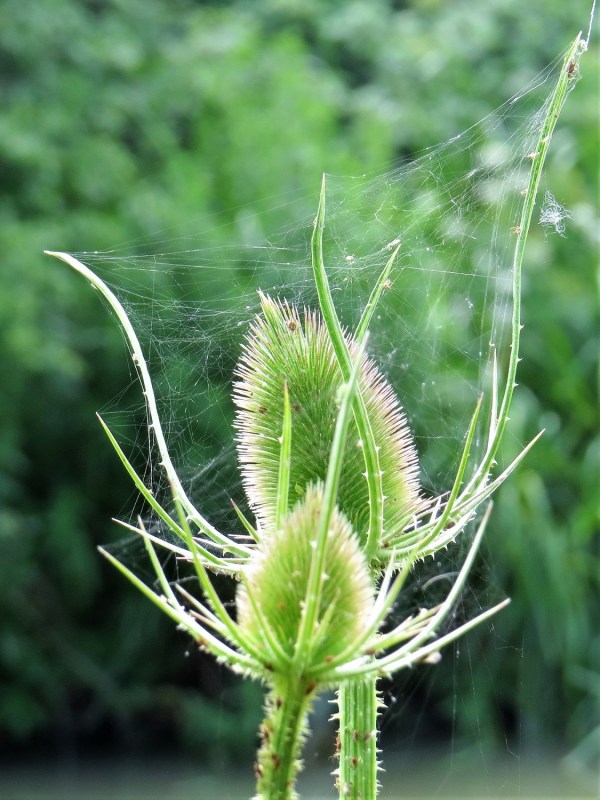
The lower leaves of a teasel grow opposite each other in pairs and each pair joins together around the stem, forming a cup. The cups fill with rainwater and insects fall into the little pools where they drown.
Continue reading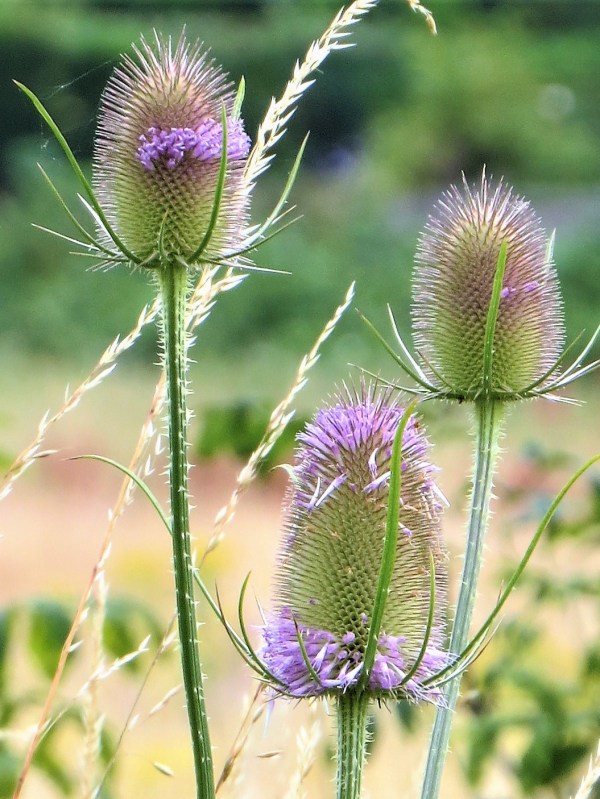
This is wild teasel (Dipsacus fullonum), sometimes called the common teasel, photographed in Lambrok Meadow next to Lambrok Stream.
Continue reading “Teasel”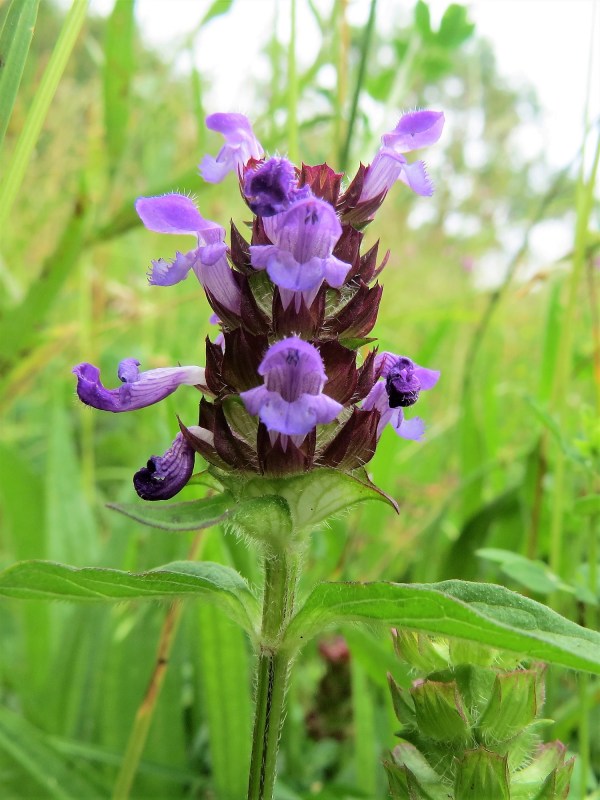
Here is another member of the Lamiaceae family: Prunella vulgaris, commonly known as selfheal or all-heal. Like the other Lamiaceae that we have looked at, red dead nettle and ground ivy, it has the characteristic two lipped zygomorphic flower and a square stem.
Continue reading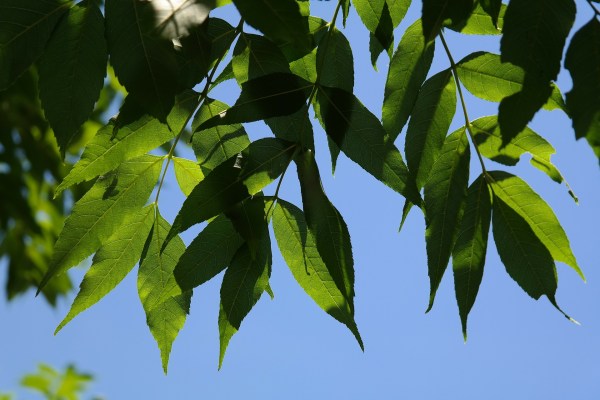
Ash dieback is a disease that is especially deadly to Britain’s native ash trees, Fraxinus excelsior.
Continue reading “Ash dieback”


 Southwick Country Park Nature Reserve