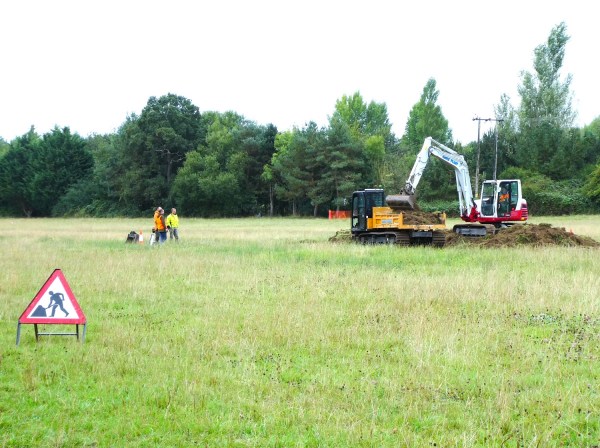
Wiltshire Wildlife Trust is undertaking a 5 year project of “practical action, innovative community and business engagement and high-level strategic planning across the River Biss and its tributaries”. The project is called ABBA: A Better Biss Approach.
Continue reading “ABBA”Recovery
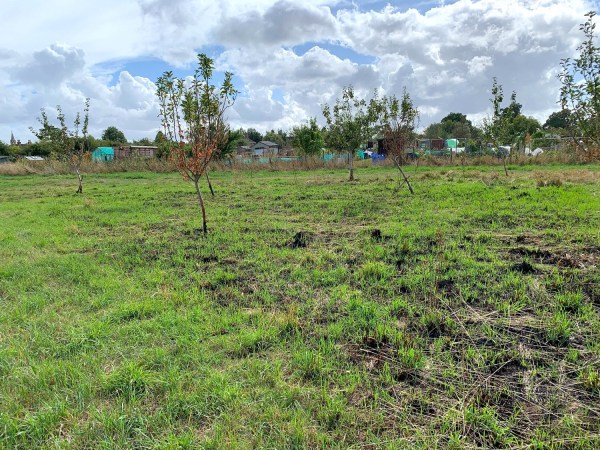
Clive Knight’s weekend picture of the heritage orchard shows how quickly it is recovering from the grass fire of August 20th.
Continue readingPlease note that the date of the RSPB visit has changed. It is no longer scheduled for Wednesday September 14th but for Thursday 15th.
RSPB Visit
Thursday September 15th, the RSPB will be visiting the reserve. There will be a stand next to the path, somewhere near the main car park, manned by an RSPB representative, there to answer questions, discuss the organisation’s work and recruit members.

The RSPB stand set up somewhere near the sea.
The RSPB is leading a nation-wide effort to monitor and protect our birds in the face of the present climate emergency. Drop in for a chat, consider joining them: our birdlife needs all the help it can get.
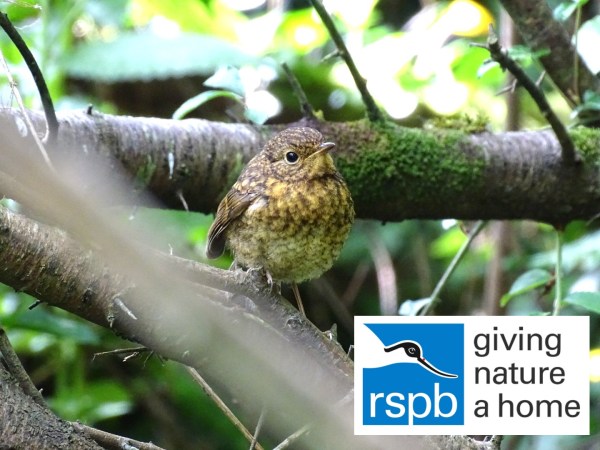
Header image: immature robin photographed in the reserve by Cheryl Cronnie
Nature reserve problems
We are not the only nature reserve struggling with increased visitor numbers. Here, David Attenborough presents a twenty minute documentary about Richmond Park, showing us a biodiversity not dissimilar to Southwick Country Park’s own, and wrestling with very similar difficulties.
Please comment below. The problems of sharing our few public green spaces with our threatened wildlife in a damaged biosphere grow as our population grows, and we all need to find solutions.

GCN
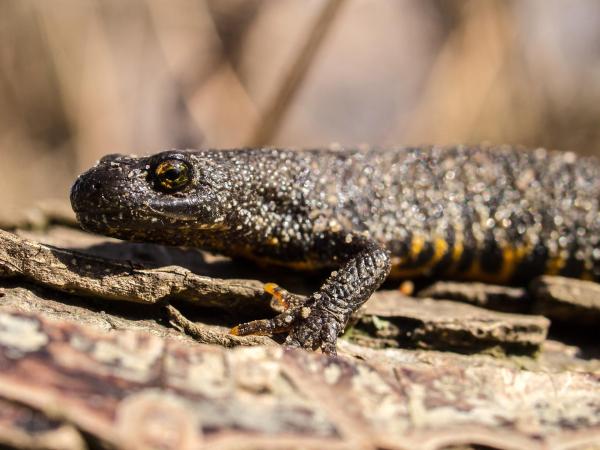
At the end of August, Ian checked the pond that we are developing with Wiltshire Wildlife Trust in the hope of attracting great crested newts to the reserve.
(Here are some links to previous posts about the pond’s development: ONE TWO THREE)
Read on for Ian’s reportPine marten
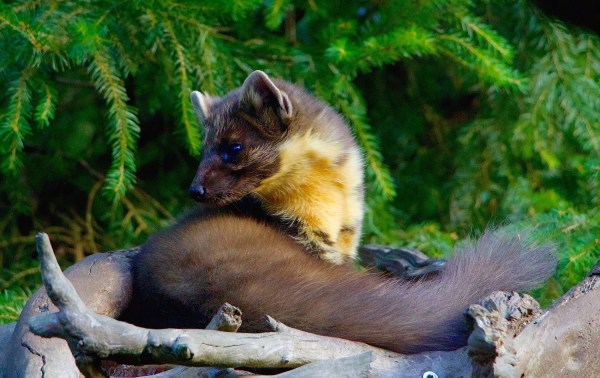
The Guardian reports that a European pine marten (Martes martes) has been spotted in London for the first time in more than a century.
Continue reading “Pine marten”BEWARE
There is an active wasps’ nest near the wooden footbridge into Village Green at the bottom of the blackthorn tunnel. Walking towards the big pond on the main path, it is about 4 or 5m along from the bridge, on the stream bank close to the hawthorn bush.
Southwick Show
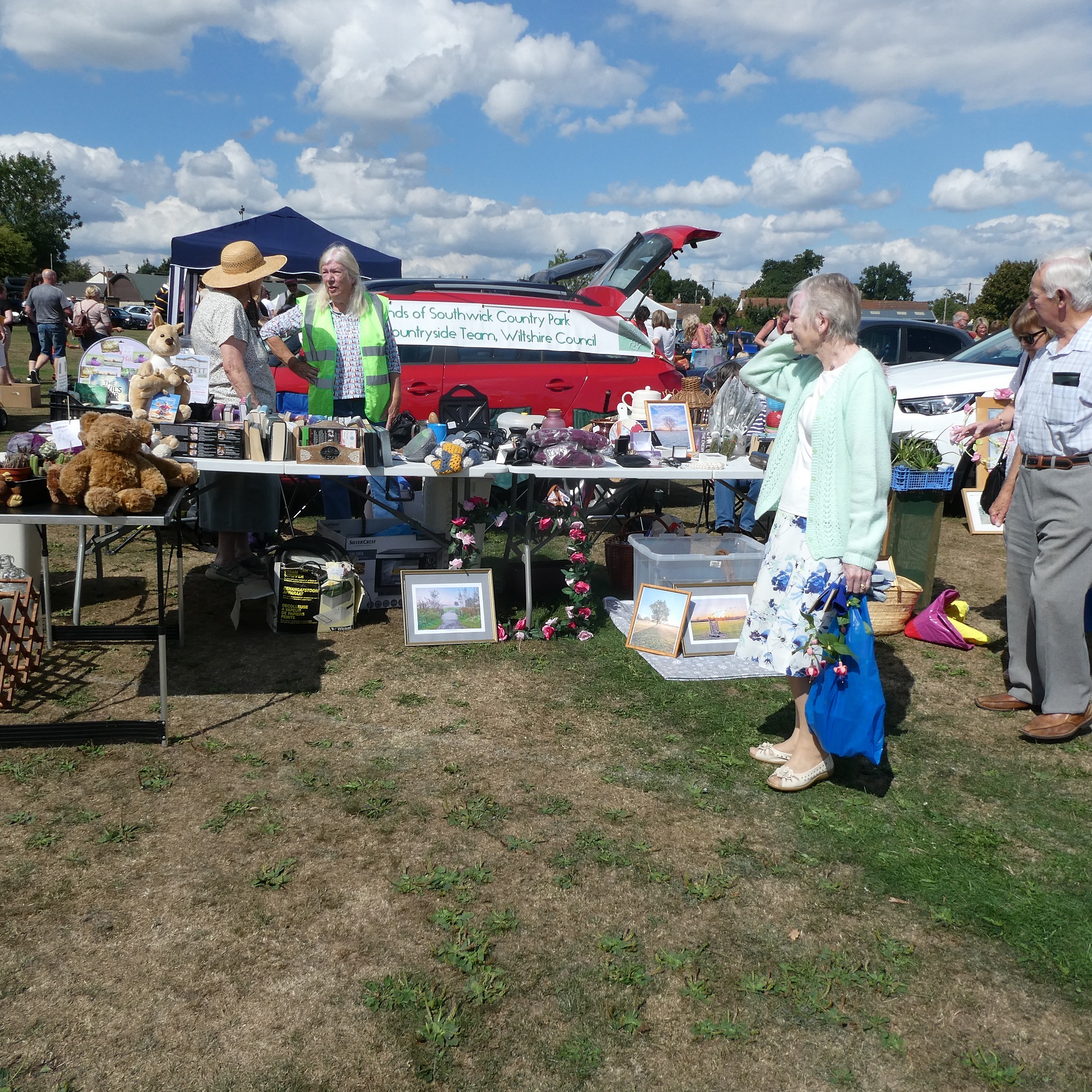
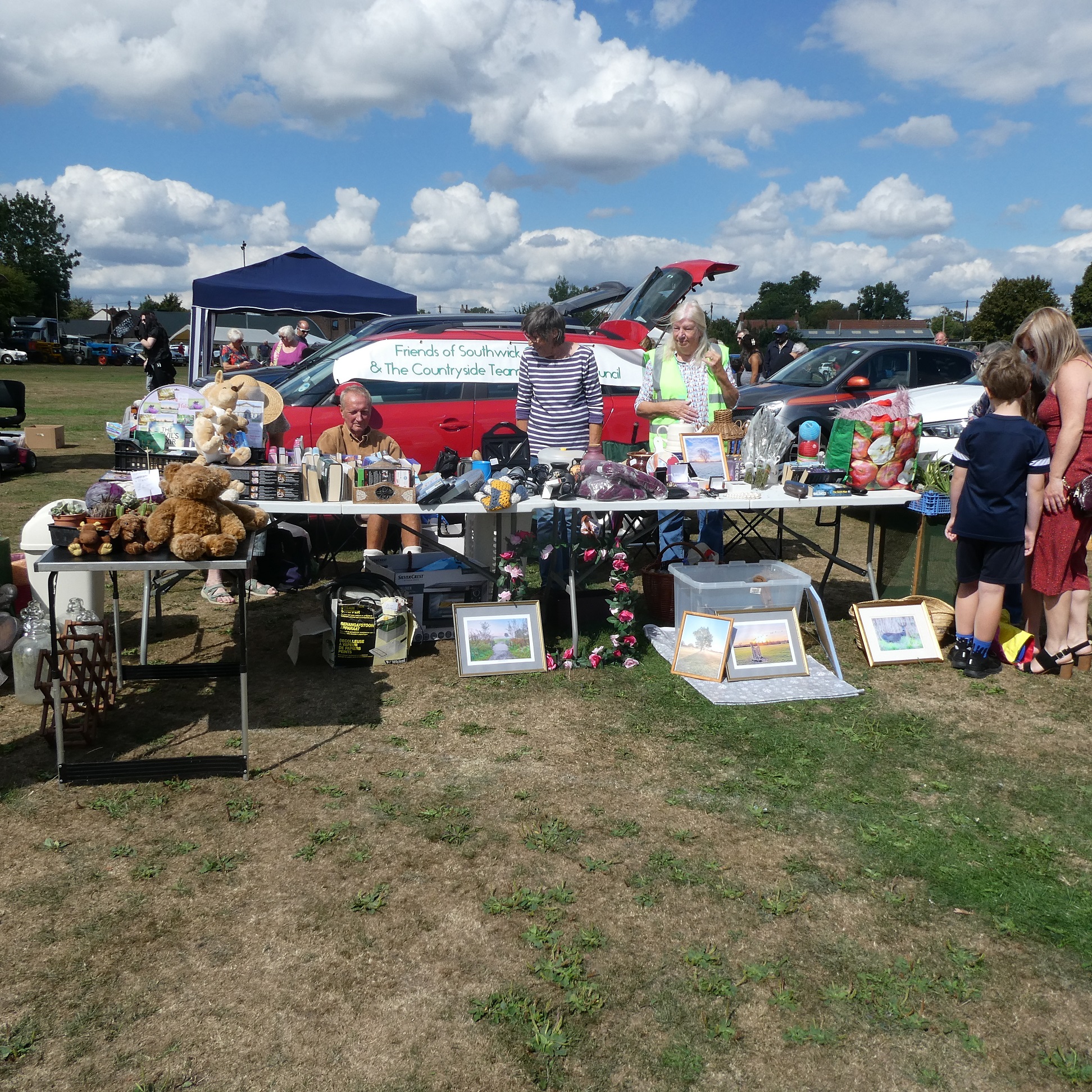
Volunteers from the team of conservationists who care for the upkeep of the Park had a stand at Southwick Show on Bank Holiday Monday August 29th. To the relief of the volunteers, the weather was lovely and the visitors were very supportive.


Thanks to all the contributors, we had an excellent selection of goods for people to buy – which they did and we raised ยฃ200 for the purchase of additional plants for the Park.
Joan Jones (Chairman FoSCP)

Some of our resident mammals


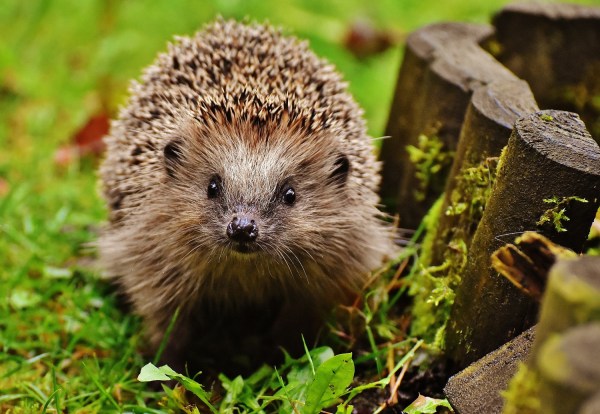
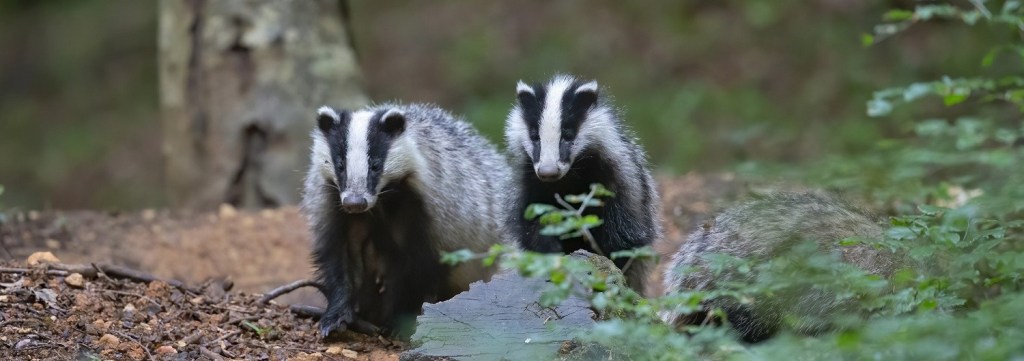
[1] Wood mouse [2] Water vole [3] Pigmy shrew [4] Grey squirrel [5] Rabbit [6] Stoat [7] Common mouse [8] Brown hare [9] Badger.
Header image: hedgehog (CC0)
Wasps
By the end of the summer, the workers in a wasp nest will have finished raising and feeding the new queen larvae. The larvae have spun caps over their cells and begun the process of pupation. This indicates a change for the nest.
Read on:Winter Garden: 1
It’s September: time to think about helping your garden’s wildlife through the rigours of the coming winter. This is the first in a series of posts that we hope might help.
Continue reading “Winter Garden: 1”Chainsaw
by Ian Bushell
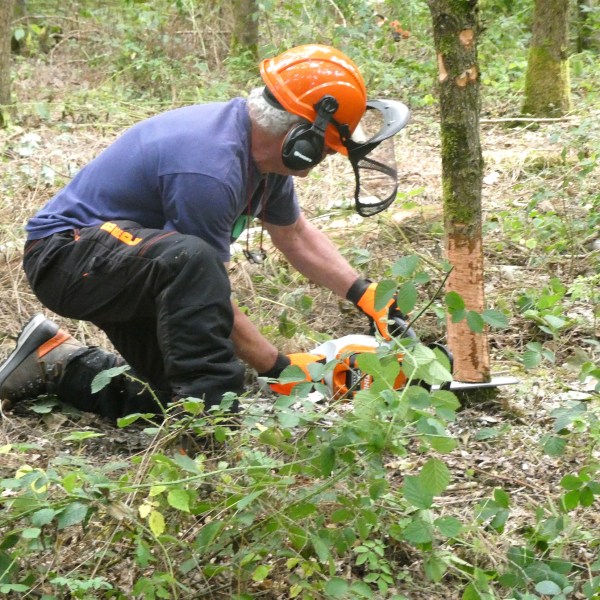
As promised, a report on the chainsaw course that ran for four days from Tuesday 30th August to Friday 2nd September at Roland Heming, Fox Ridge, Motcombe.ย Clive Knight, Phil Riddle and myself attended.ย
Continue reading “Chainsaw”Killers
Yesterday morning, two dogs described as brown greyhound types caught and killed a tabby and white cat in the ditch that runs along between Lambrok Meadow and the blackthorn tunnel. If your dog is a hunter with a highly developed prey drive, please, please don’t let it run off-lead in our nature reserve, to hunt and kill our wildlife and the neighbourhood’s cats.
Continue readingCantharidae
There are forty one species of Cantharidae in Britain and almost all go by the common names of soldier or sailor beetle.
Read on:Wood pigeon
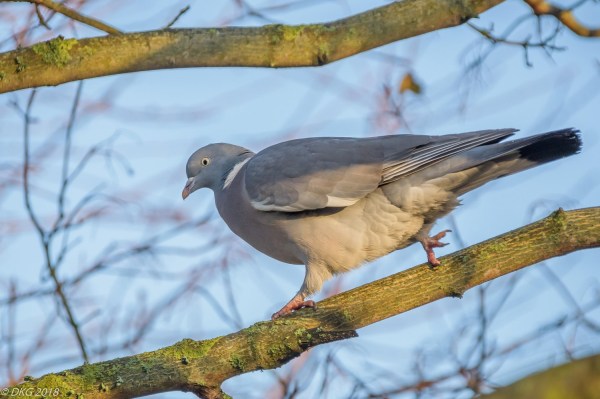
Wood pigeons (Columba palumbus) are our largest and most common pigeon. Gregarious, very adaptable and given to flocking in enormous numbers at this time of year, they are an everyday sight in British towns and countryside.
In towns they seem unafraid but in the park they are shy and wary. Often the first indication that they are there at all is the loud clattering and clapping of their wings as they take off and fly away. Their call is the lovely, familiar background noise of spring and summer.
Yarrow
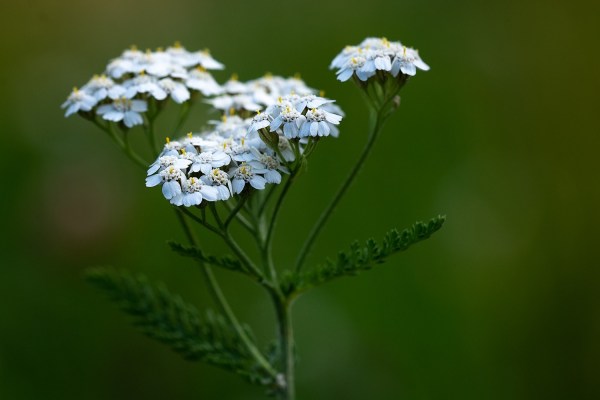
Yarrow, Achillea millefolium, a late-flowering perennial, photographed by Ian Bushell, in the little triangular field between Simpson’s Field and Fiveways.
Continue reading “Yarrow”Honey bees
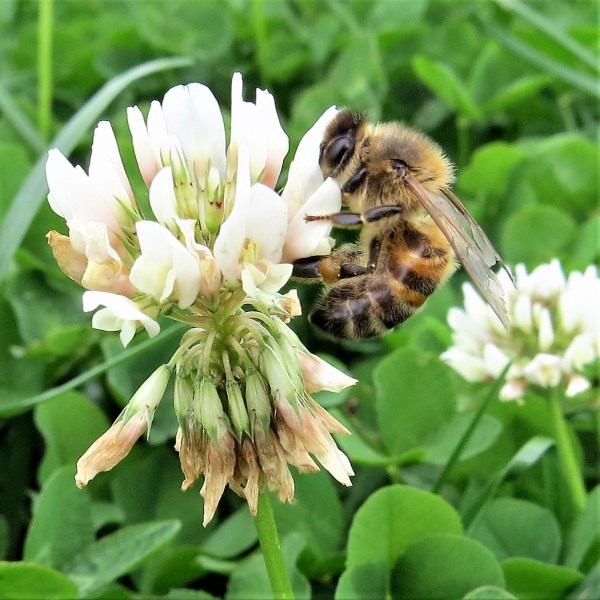
Unlike common wasps, honey bees (Apis mellifera) don’t die at the end of the summer. The hive stores enough food for the queen and the workers to survive through the winter.
Continue reading “Honey bees”Woody nightshade
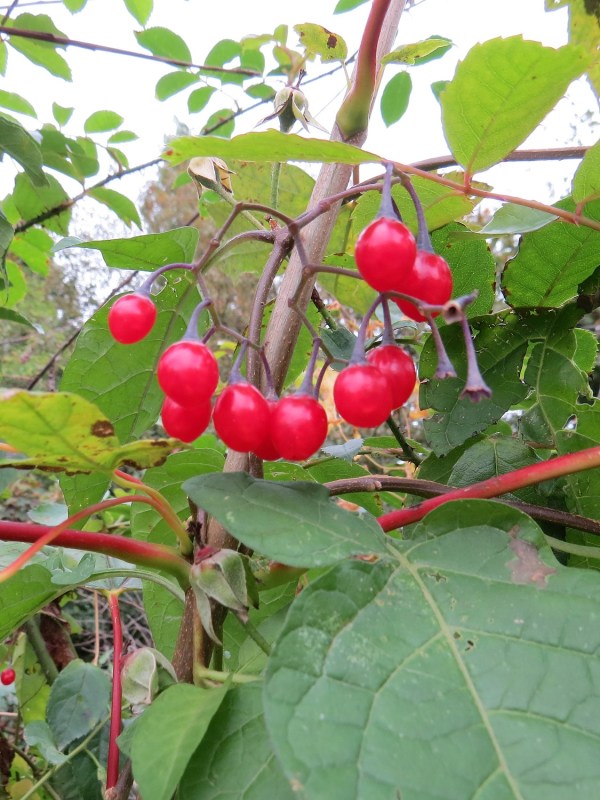
Woody nightshade (Solanum dulcamara) in the car park, heavy with berries, climbing through the roses.
Continue reading “Woody nightshade”There is a technical problem, the editorial laptop has chosen to spend the bank holiday weekend at the menders. We hope, with the help of public libraries, various borrowings and a recalcitrant phone, to keep the website up and running. If not, we apologise.
Blackberry and apple jam
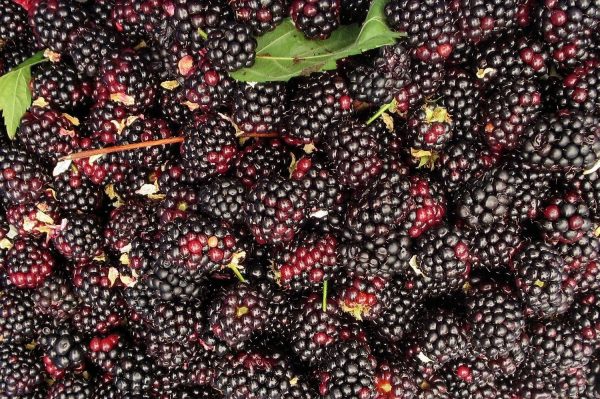
The reserve is full of ripening blackberries, all free from the contaminants of vehicle exhaust. Here is a recipe for blackberry and apple jam.
Continue reading “Blackberry and apple jam”Grey Heron
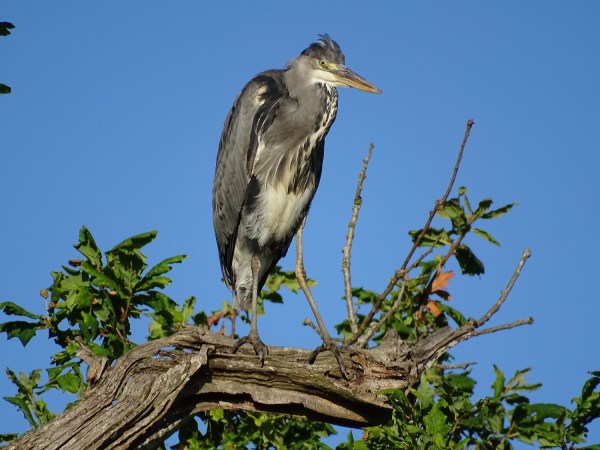
A juvenile grey heron (Ardea cinerea) photographed in the reserve at the weekend by Cheryl Cronnie.
Continue readingWe now know who set the grass fire in the Heritage Orchard. The matter had been reported to the police. Our thanks for everybody’s concern.
Grass fire
Email from Ian Bushell:
Phil R reported that there was a small fire that affected part of the heritage orchard late Saturday afternoon. The Fire Services attended. Some trees singed but they should be recover. The fire appeared to start near the bench and then spread into the orchard.
Continue reading “Grass fire”