While we are on the subject of protected species…
Continue reading “S41 mammals”S41 mammals
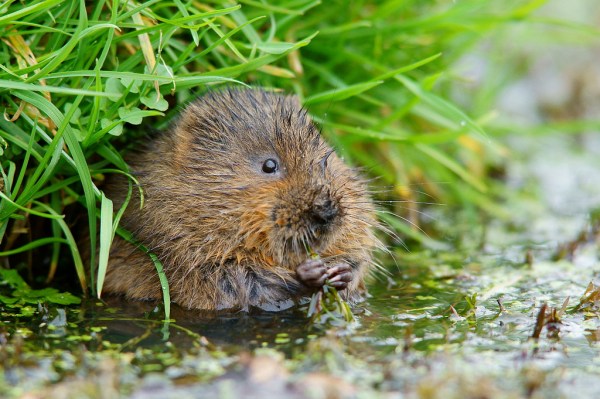
While we are on the subject of protected species…
Continue reading “S41 mammals”
Water voles are protected under the Wildlife and Countryside Act 1981. Are we doing enough to ensure the protection of the reserve’s water voles?
Continue reading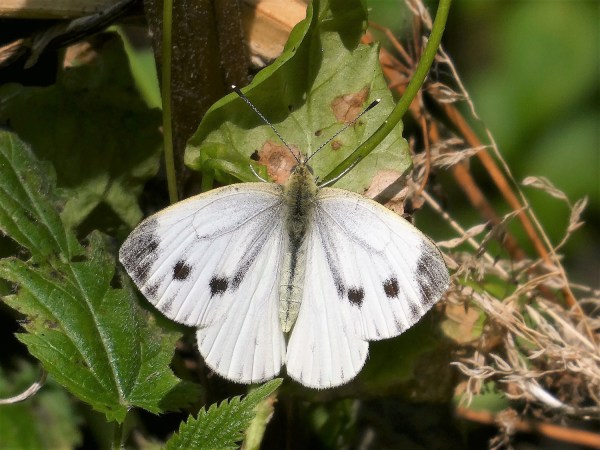
The record breaking painted lady is not the only British butterfly that migrates over long distances.
Continue reading “Large white”
This is tufted vetch (Vicia cracca), a species of vetch native to Europe and Asia.
Continue reading
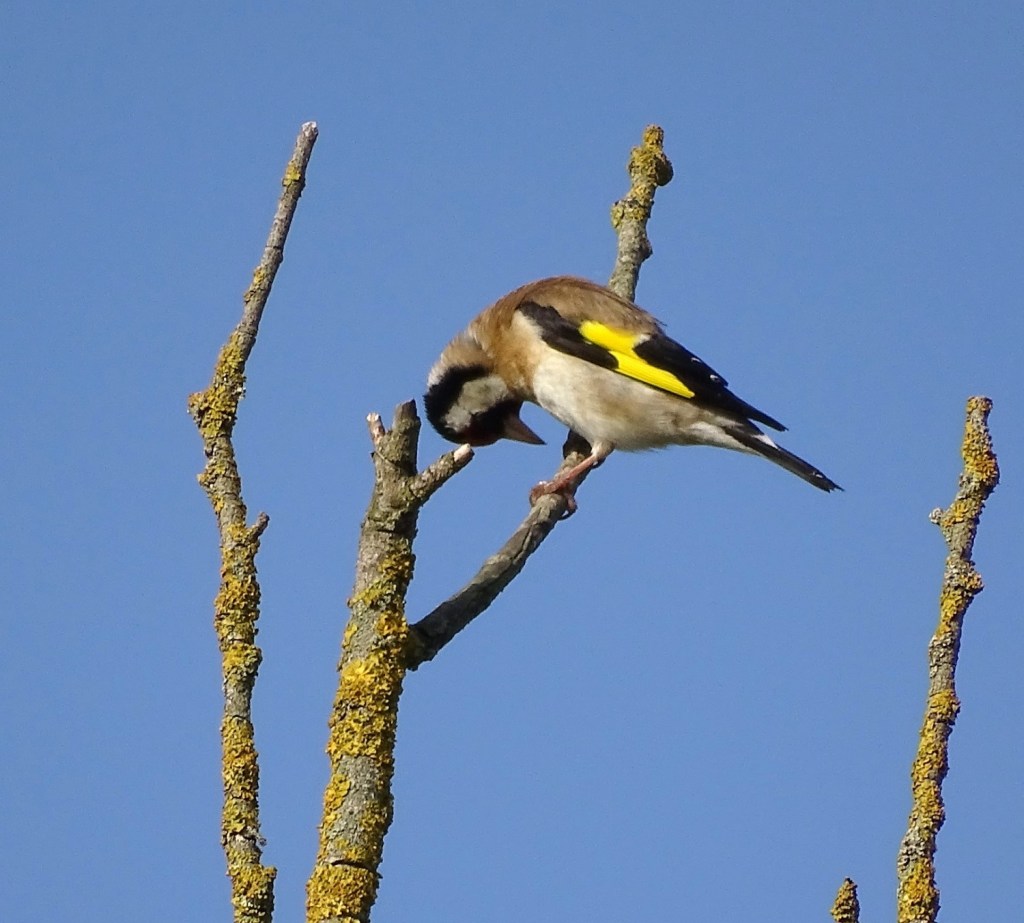
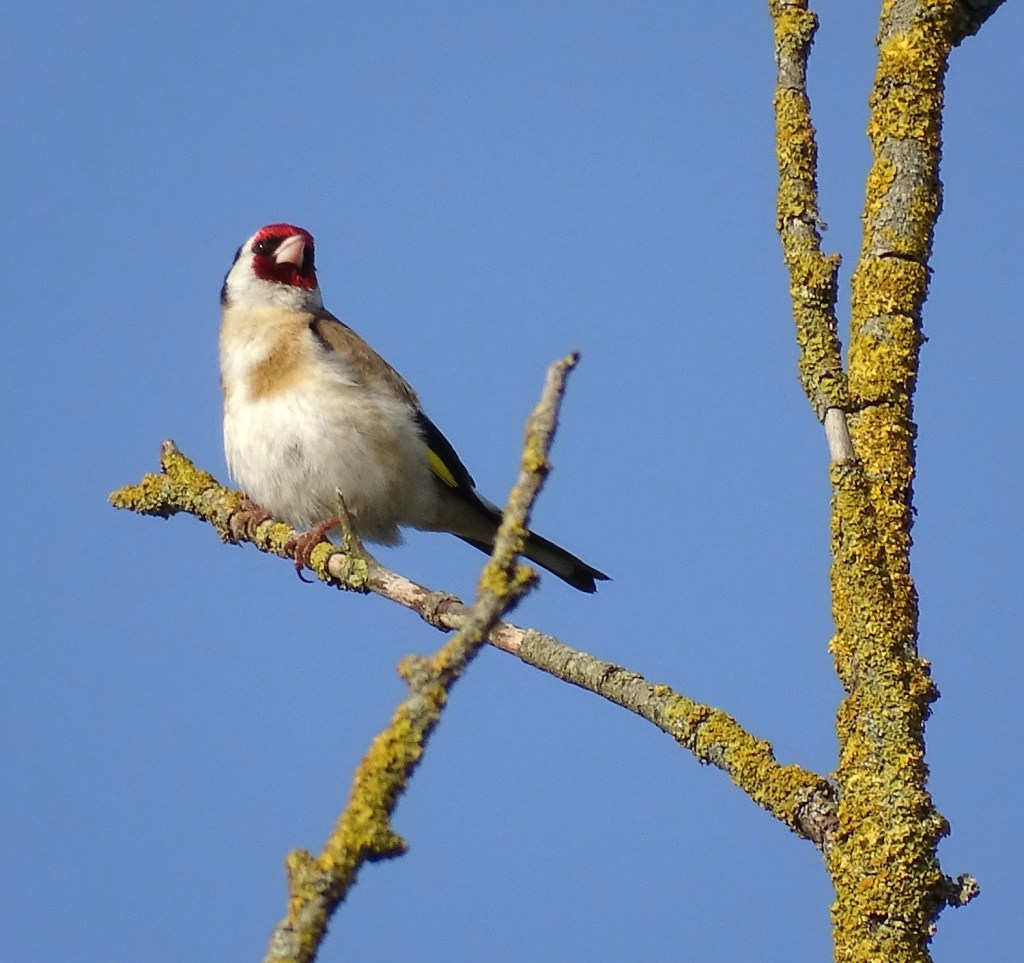
A goldfinch photographed last week in the reserve by Cheryl Cronnie.

Images: Cheryl Cronnie; recording: Jack Berteau via xeno-canto.com
Carduelis carduelis
UK breeding population:1.2 million pairs
UK conservation status: Green.
Protected by The Wildlife and Countryside Act 1981

A pristine painted lady, fresh from the chrysalis, feeding on bramble flowers in the reserve yesterday.
Continue reading
Moschatel (Adoxa moschatellina) is a new addition to our species lists, reported in May this year by County Recorder, Richard Aisbitt.
Continue reading
Occasionally, we delve into our species lists for a closer look at some of the reserve’s more unobtrusive and less fluffy residents. Today it’s the turn of the golden-bloomed longhorn beetle (Agapanthia villosoviridescens), first identified and photographed by our wildlife photographer, Simon Knight, in the summer of 2020.
Continue reading “Golden-bloomed longhorn beetle”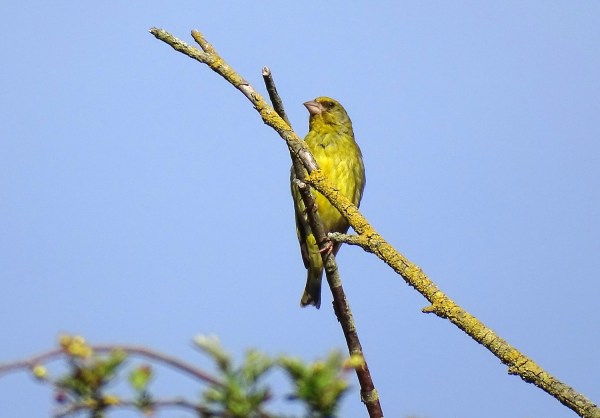
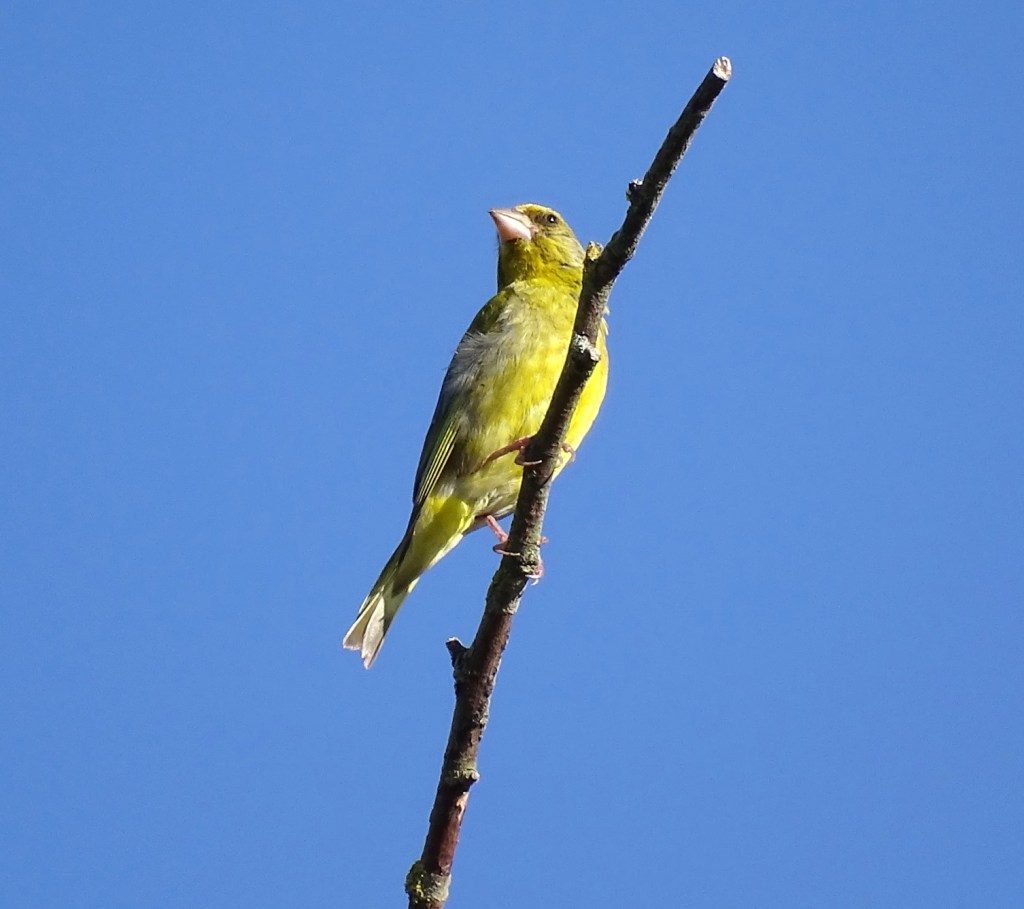
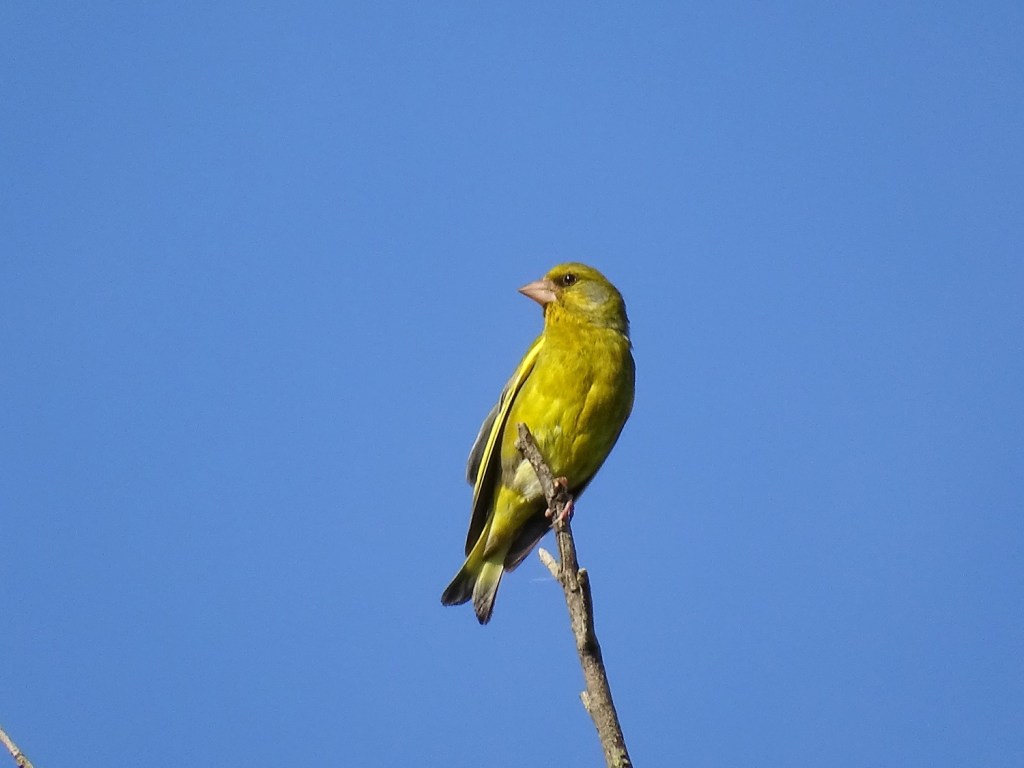
A greenfinch photographed in the reserve on Friday by Cheryl Cronnie.

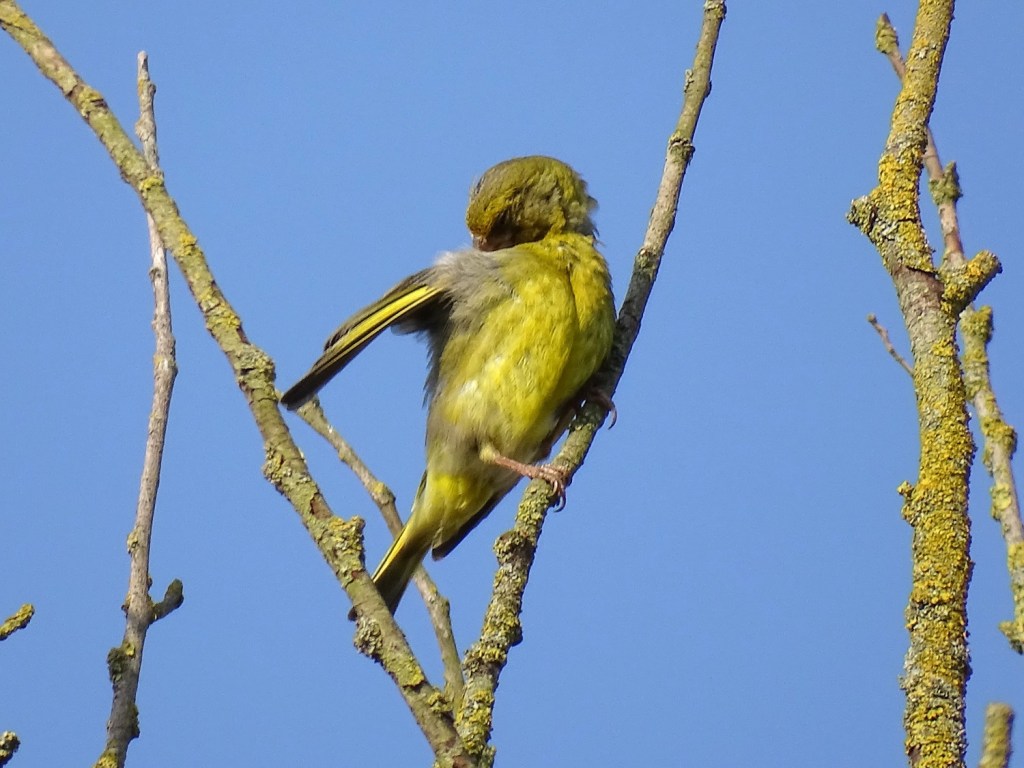

Here are some ways in which you can help your garden’s wildlife through the heatwave.
Continue reading “It’s hot!”
By Ian Bushell
As it was a lovely afternoon and I wanted pictures of the bags of ragwort we had pulled in Lambrok Meadow, I thought I would have a bimble round the reserve.
Continue reading
Have you joined the BIG BUTTERFLY COUNT yet?

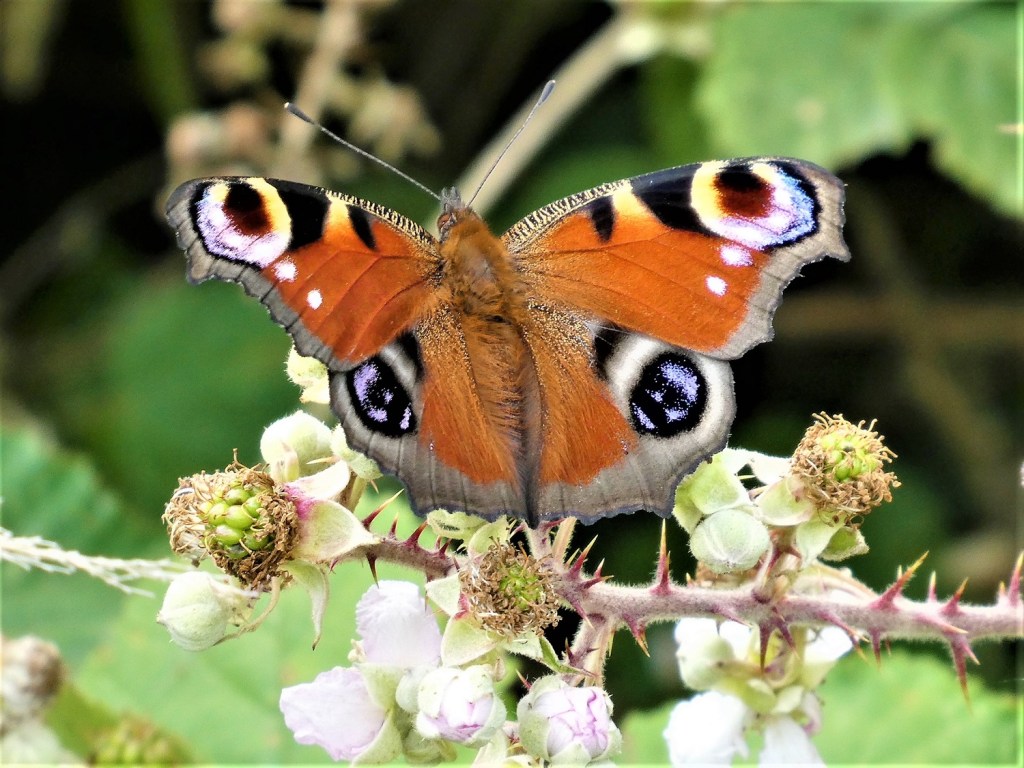

Marbled white, peacock and common blue, all photographed in the reserve
Continue reading “BIG BUTTERFLY COUNT”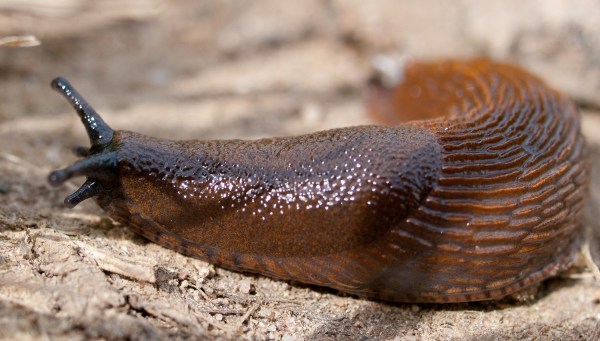
Slugs are no longer to be classed as garden pests by the Royal Horticultural Society.
Continue reading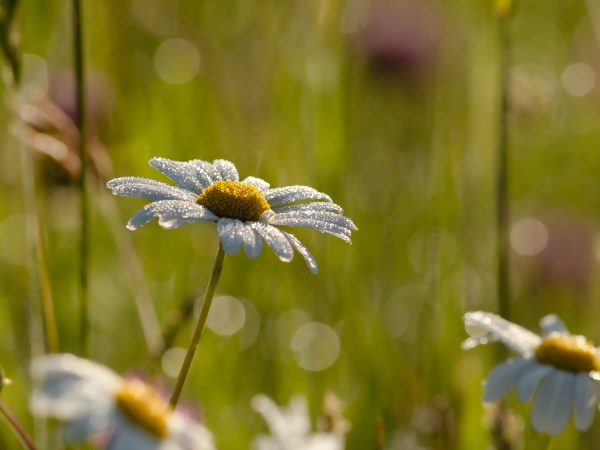
We would love to see drifts of summery oxeye daisies (Leucanthemum vulgare) in the reserve’s fields but there is a problem.
Read on to find out what the problem is
A grey squirrel (Sciurus carolinensis) photographed in the reserve by Cheryl Cronnie.
Continue reading “Squirrel”
Dragonflies and damselflies are closely related cousins in the Odonata family but it isn’t difficult to tell them apart.
Continue reading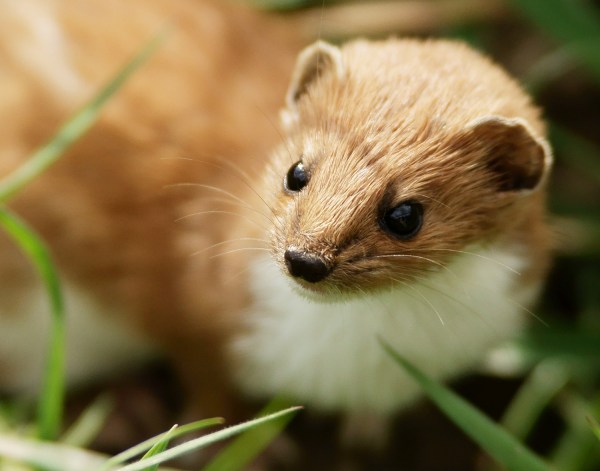
Did you know that the weasel (mustela nivalis) is the world’s smallest predatory carnivore? No, neither did we.
Click this link to read about Simon Knight’s 2021 encounter with a hunting weasel.
header image: weasel by Peter Trimming (CC BY 2.0) flickr.com
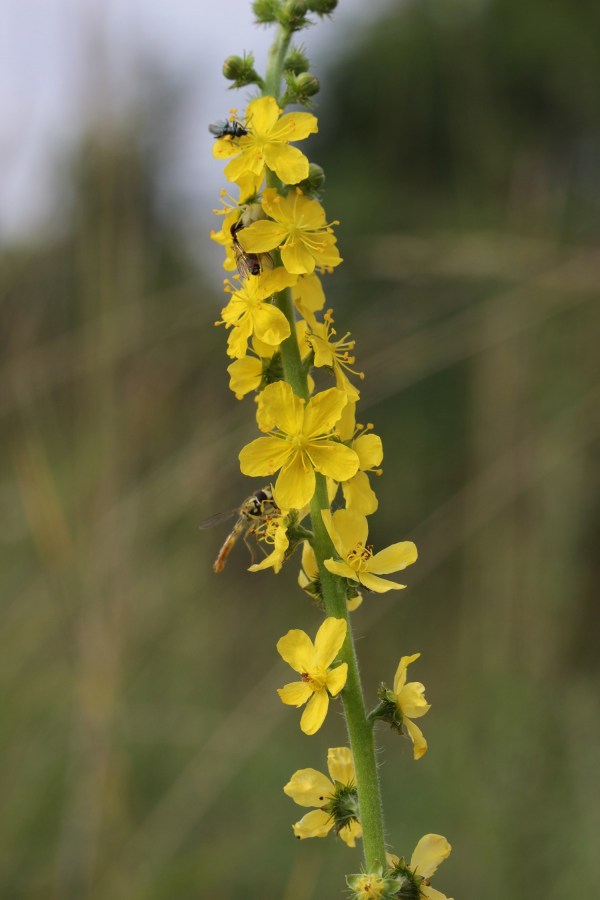
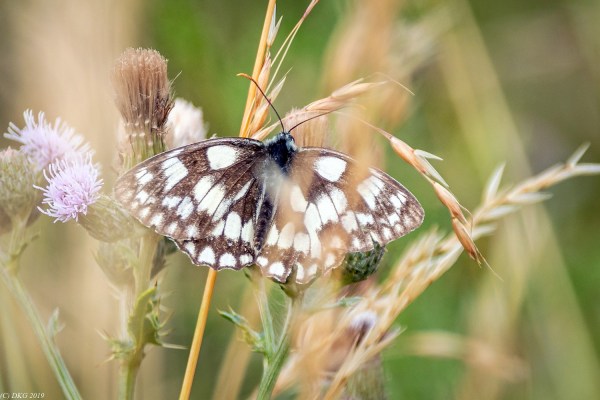
Ian Bushell conducted a butterfly transect in the reserve on Thursday. Butterfly transects are the way in which we measure changes in the population of the reserve’s butterflies from year to year.
Continue reading “Butterfly transect”
A beautiful little roe doe spotted in the reserve and photographed by Ian Bushell, who messaged:
A real bonus! At the top of Village Green set-aside, near the seat, I suddenly realised this young Roe deer doe was nestled down in the long grass. I had intended continuing on the butterfly transect but I did not want to disturb her so I just took these pics and retreated carefully away.
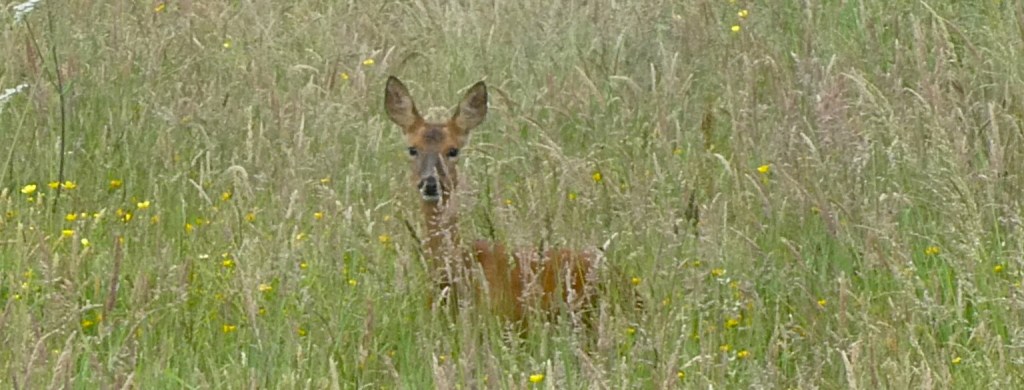
Roe deer are regular early-morning visitors to the the reserve.
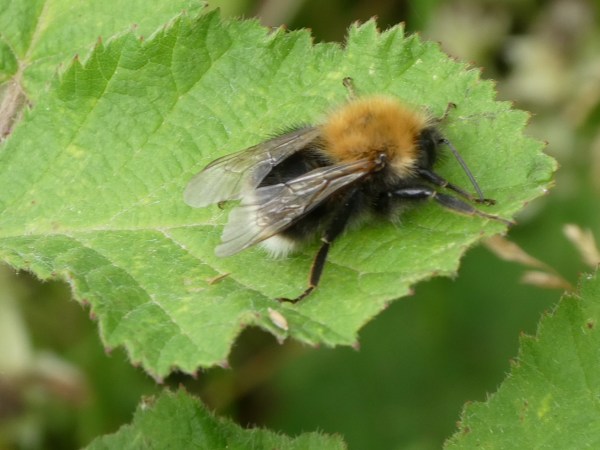
This fluffy bee is Bombas hypnorum, a tree bumblebee, photographed yesterday in the reserve by Clive Knight.
Continue reading
There are two species of thrush resident in the reserve: song thrush (Turdus philomelos) and mistle thrush (Turdus viscivorus). Here is how to tell them apart:

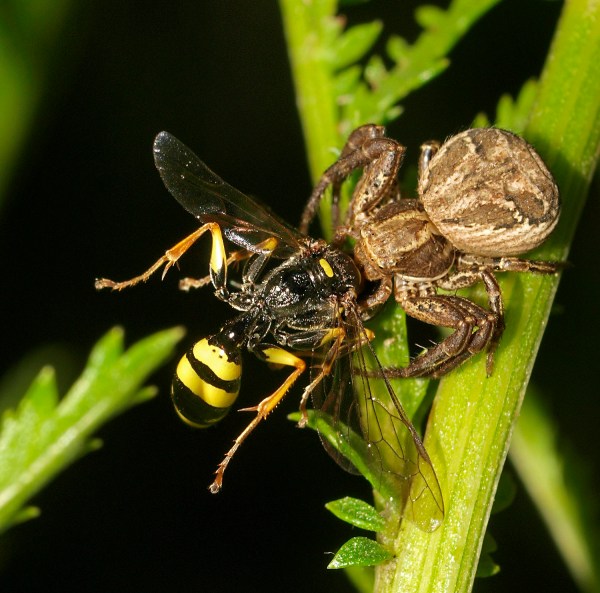
The whole of the reserve’s invertebrate population falls into one or more of four categories: predators, parasitoids, parasites or prey.
Continue reading “Red in tooth and claw”


 Southwick Country Park Nature Reserve