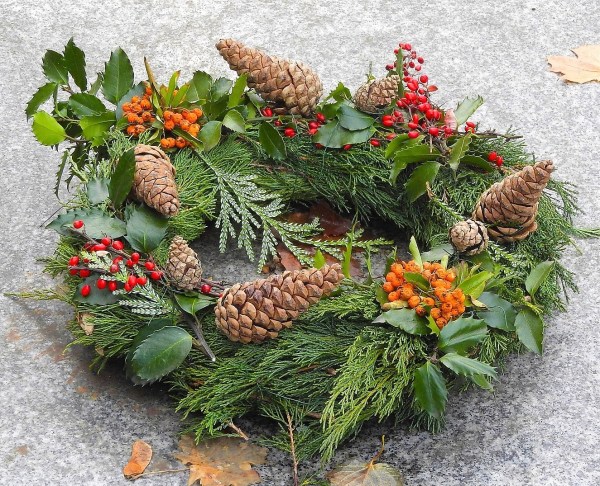
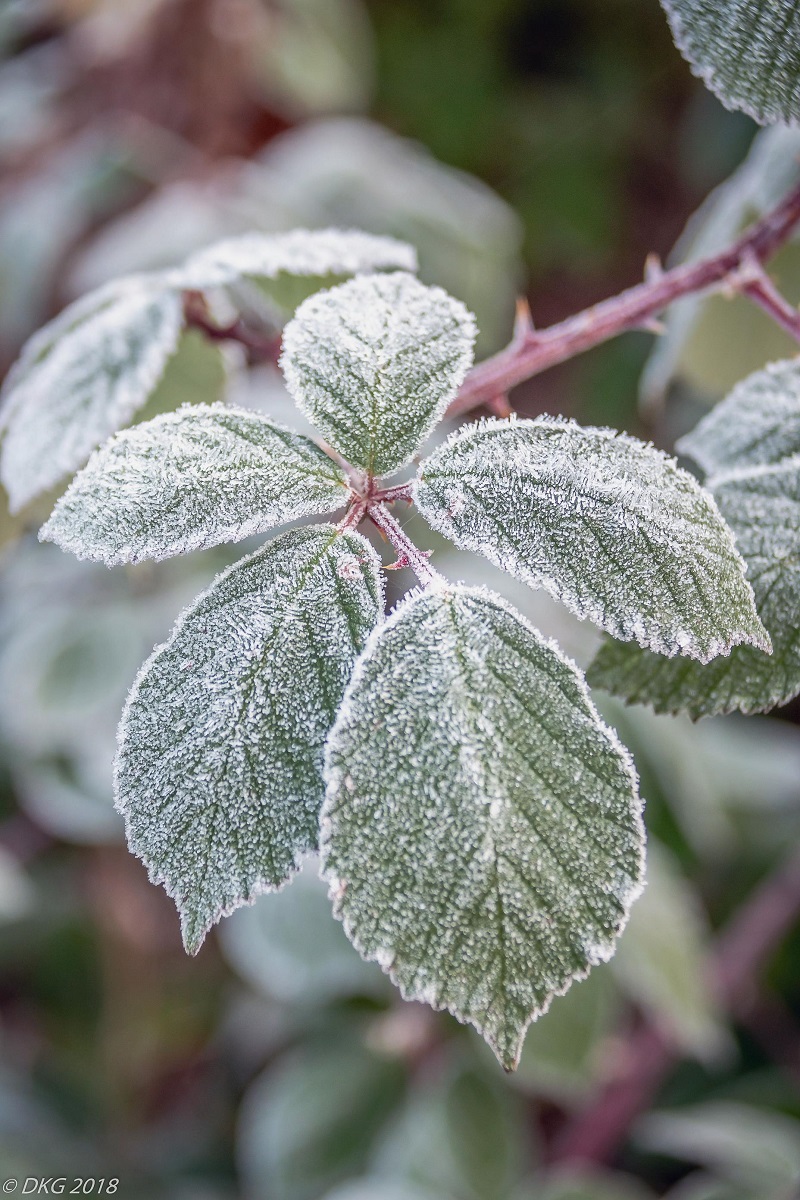
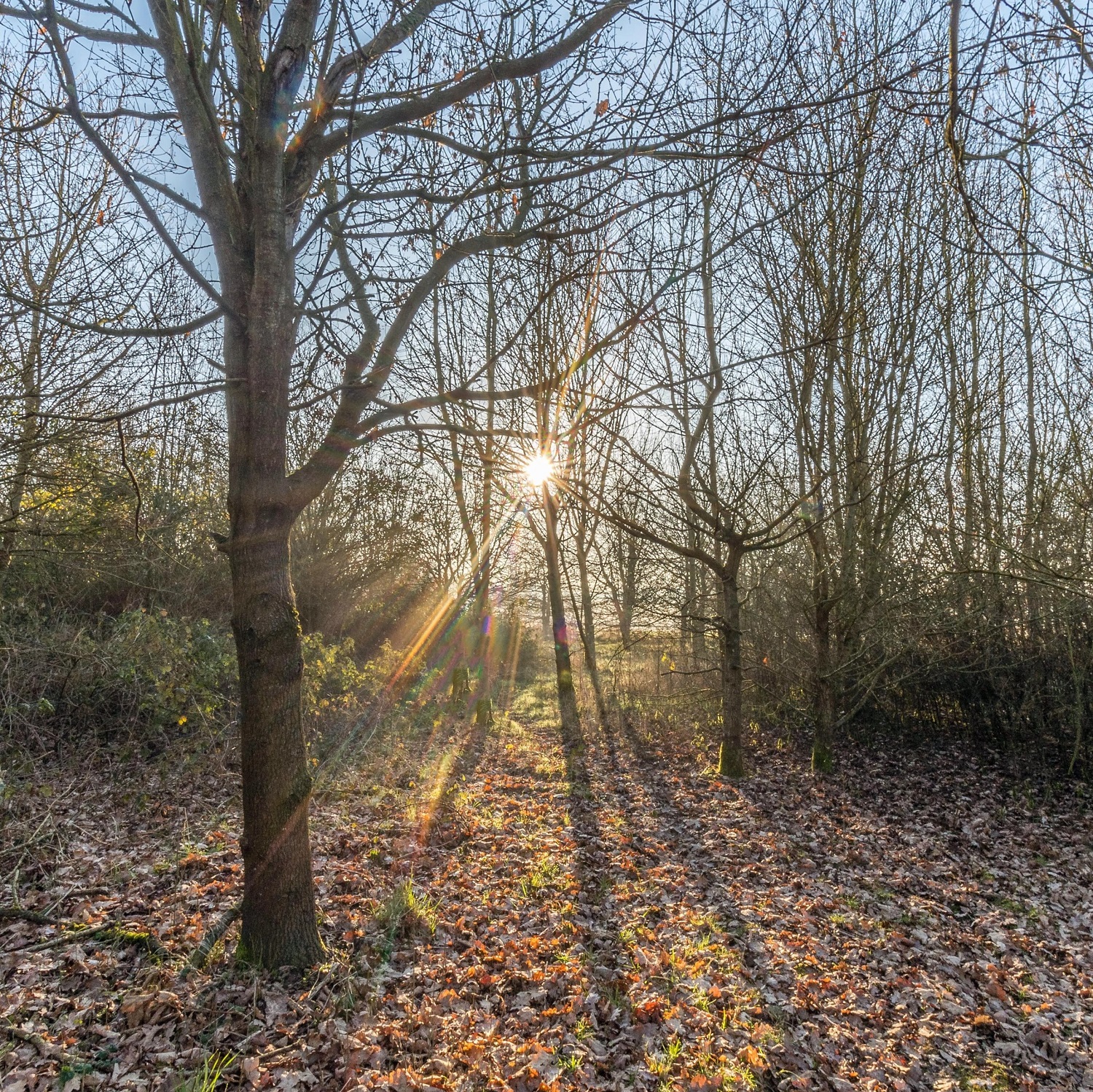
Many of the evergreen plants in the park have traditionally been used in the celebration of winter festivals. As the days grew ever shorter and colder, winter must have been a frightening and dangerous time for the early human cultures of northern Europe.
Continue reading “Winter festivals”Save the rabbit
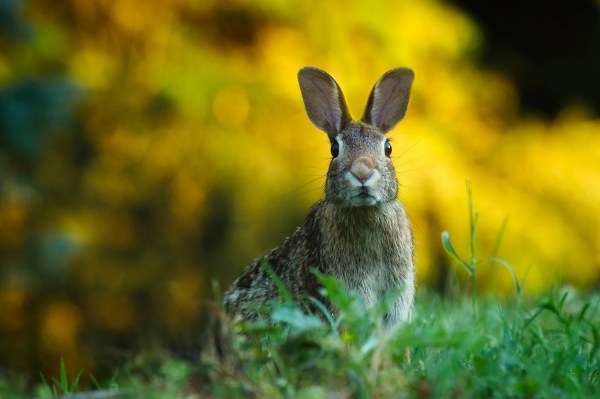
In the UK, rabbit numbers fell by 43% between 2008 and 2018, with the latest surveys showing no sign that the decline is slowing. The cause is RHDV2, rabbit haemorrhagic disease virus type 2.
Continue reading “Save the rabbit”What happened to Oak 5552?
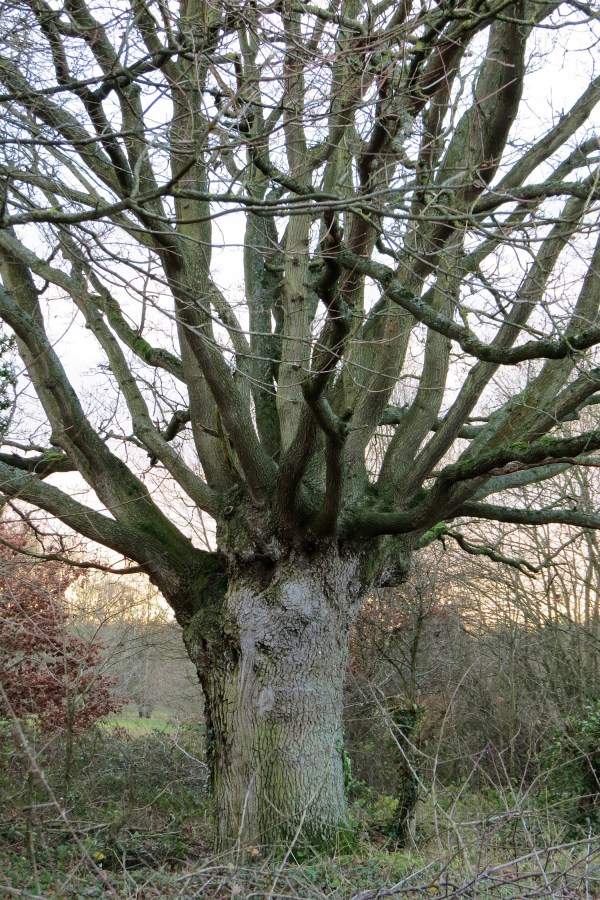
Sometimes, healthy and mature trees shed large branches during the summer for no apparent reason. This is what is known as Summer Branch Drop Syndrome and it is what happened to Oak 5552 in August of this year.
Continue readingCorrection
More about oak 5552
Ian Bushell writes:
Unfortunately, in late August oak 5552 suffered from Summer Branch Drop when at least two limbs fractured and fell.
Continue reading “Correction”Tree number 5552
This is tree number 5552: an old pollarded oak standing in the eastern-most corner of Sleeper Field.
Did you know…
by Suzanne Humphries
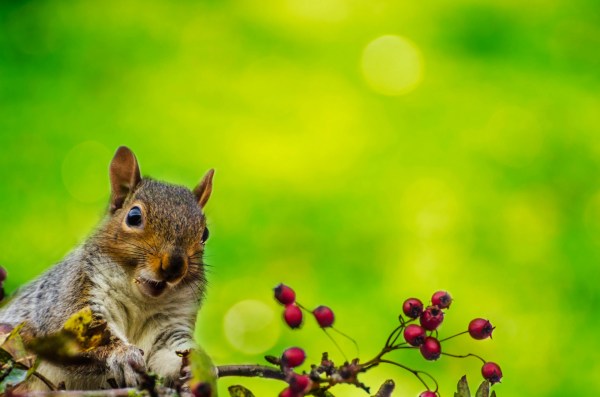
Did you know that grey squirrels eat hawthorn berries? No, neither did I.
Continue reading “Did you know…”Winter bees
There are at least two wild honey bee nests in the reserve, high up in hollow old trees. Here is a short video that shows how the bees are adapting their colony and their behaviour to the demands of winter.

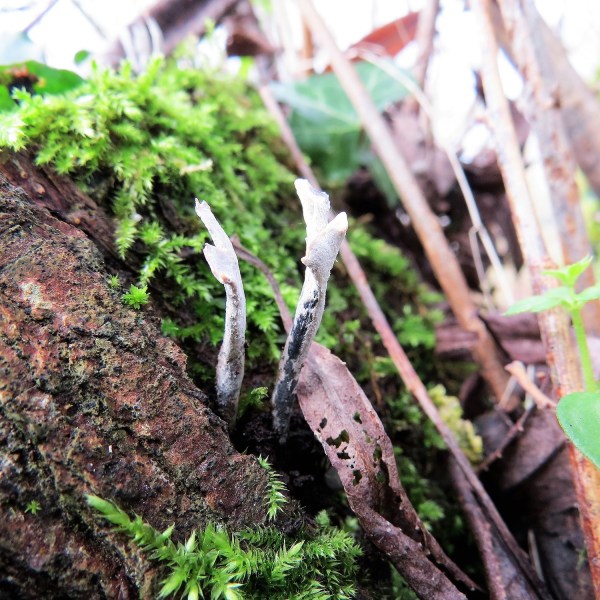
Candlesnuff fungus
A tiny candlesnuff fungus, Xylaria hypoxylon, growing in the rotting wood and moss of the old willow tree (number 5477 ) by the footpath alongside the Lambrok Tributary.
Continue reading “Candlesnuff fungus”What value is your walk?
by David Feather
Did you realise that by taking walks through our lovely semi-wild nature reserve, you were saving the Country money? I didnโt and I bet you didnโt, unless you read an article in the Guardian last week.
Continue readingReal or fake?
A lot of people buy artificial Christmas trees in the belief that it benefits the environment, but environmentalists and energy analysts disagree. We need only look at a single element of the hundreds of thousands of artificial trees that will be put up and decorated this Christmas: they are all made of plastic.
Continue reading “Real or fake?”Knot grass moth
Another lucky dip into remote corners of our species lists wins us the knot grass moth (Acronicta rumicis), a night flyer of open grassland and woodland edges.
Continue reading “Knot grass moth”The Wood Wide Web
by David Feather
I enjoy mushrooms, particularly as part of a full English breakfast. What I have never, till now, known, is that they and their other fungi relatives could save the planet.
Continue readingRed list
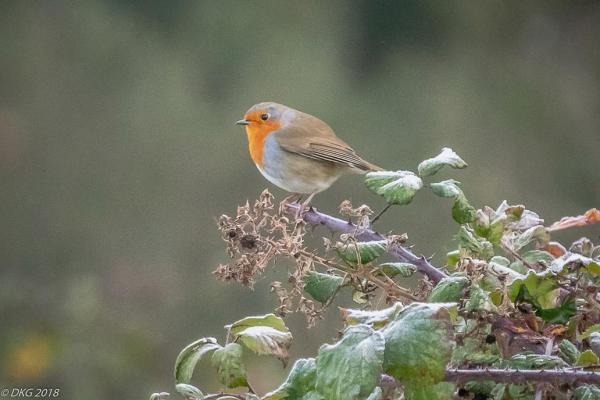
In its latest review, the RSPB has added four more names to its red list of Britain’s endangered bird species.
Continue reading “Red list”Wood mouse
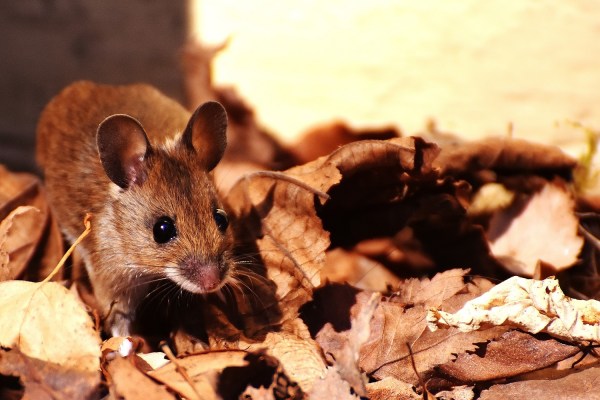
The wood mouse is Britain’s commonest and most widespread species of rodent. There must be hundreds, if not thousands, in our nature reserve but they are rarely seen. Here are some of their personal details.
Continue reading “Wood mouse”There is problem with our tech and there won’t be a post from the park today: we apologise.
Warming oceans
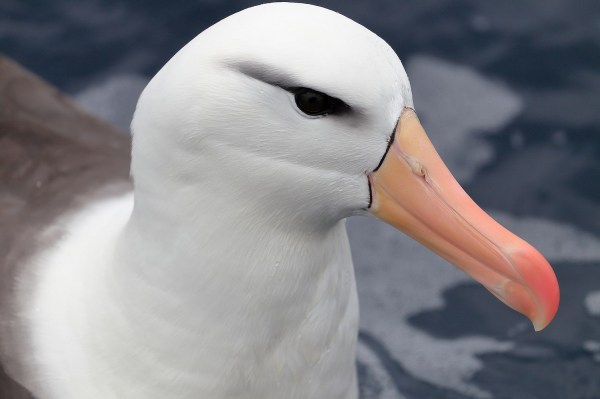
Albatross divorce rate rises
No, we haven’t seen an albatross flying over the reserve but occasionally a story from beyond our particular corner of Southwick catches our eye.
Continue reading “Warming oceans”Frosty mornings
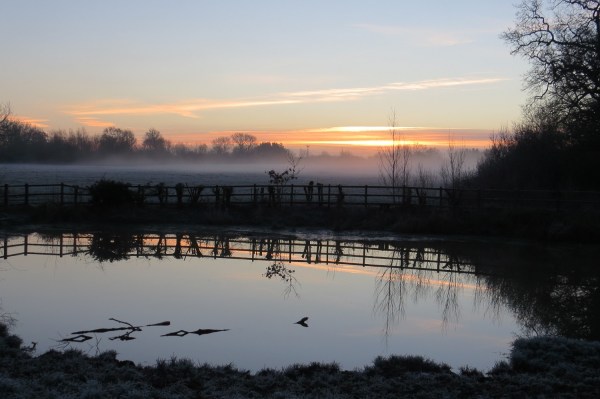
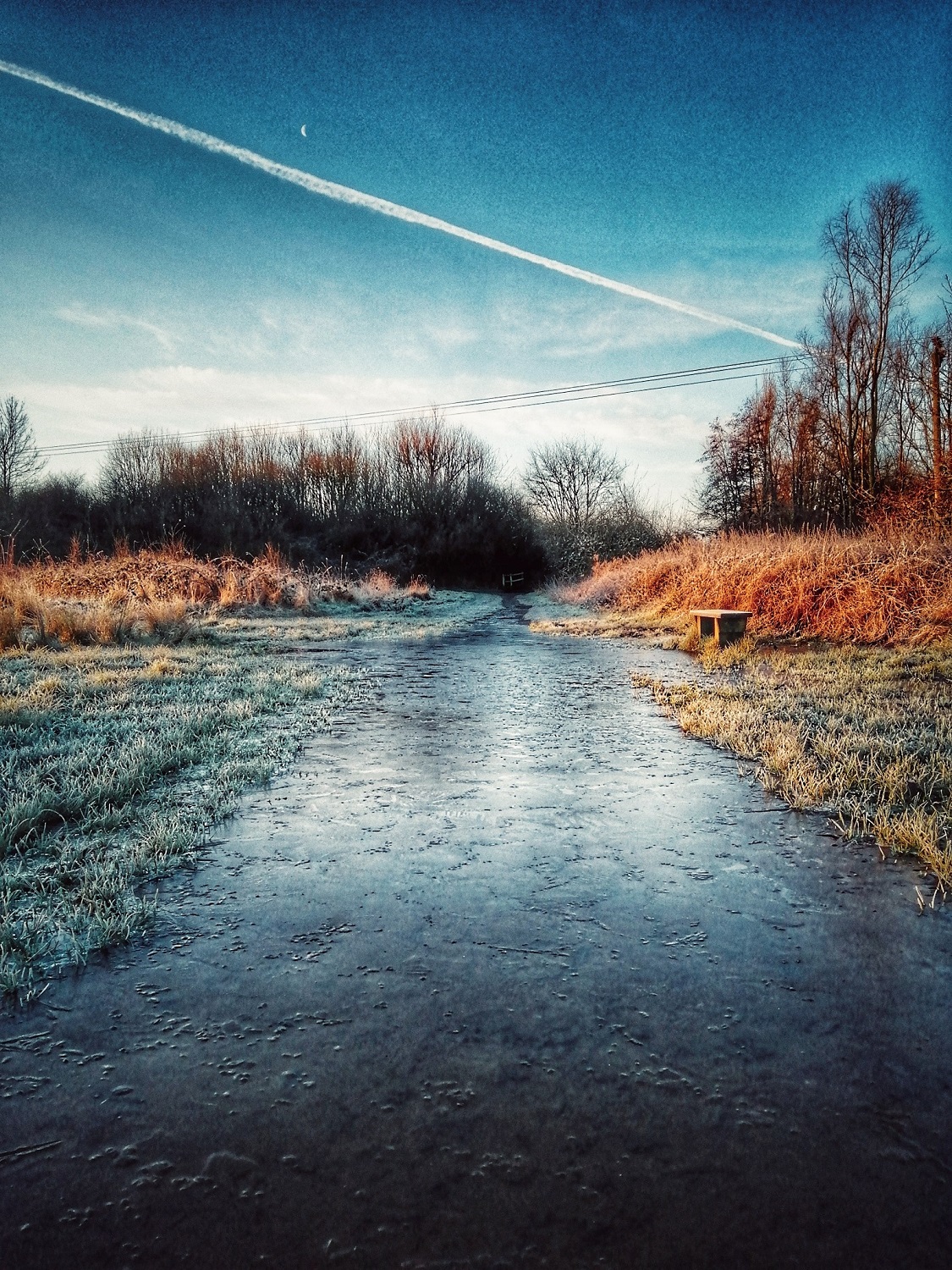
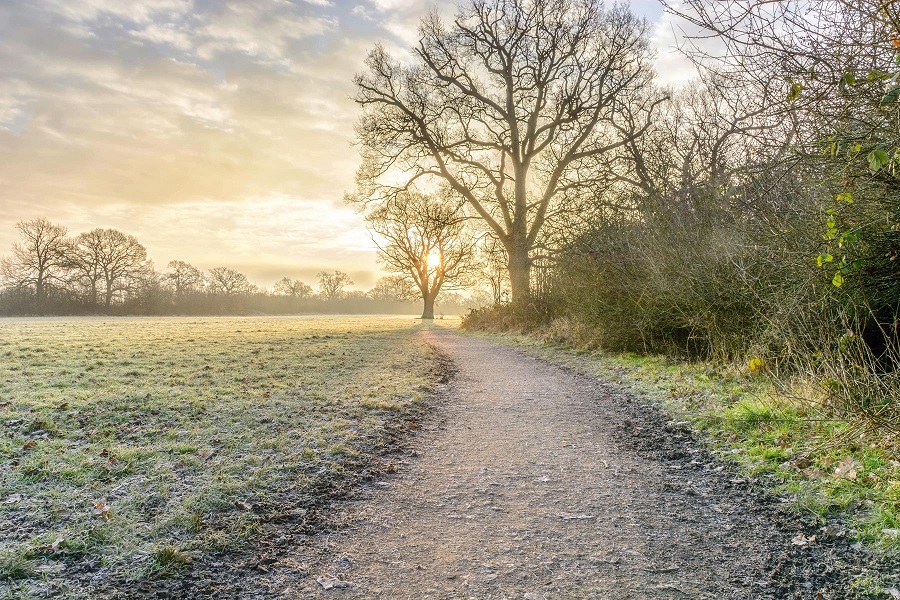
Over the years we have been sent many images of frosty mornings in the park. Here are a few of them.


Lambrok Stream by numbers
David Feather’s post yesterday highlighted the problems that planning application 20/00379/OUT will create for Lambrok Stream. The access road for the planned development will have to cross the stream and, no matter how many changes are made to the design of the bridge, we do not see how that can be done without damage to the Lambrok’s biodiversity.
Here are some relevant numbers:
Continue reading10 facts about foxes
[1] Our native red fox, a common visitor to the reserve, is the largest of the world’s true foxes and one of its most widely distributed. It is found across the entire Northern Hemisphere including most of North America, Europe and Asia, as well as in parts of North Africa.
Continue reading “10 facts about foxes”Pigeon post
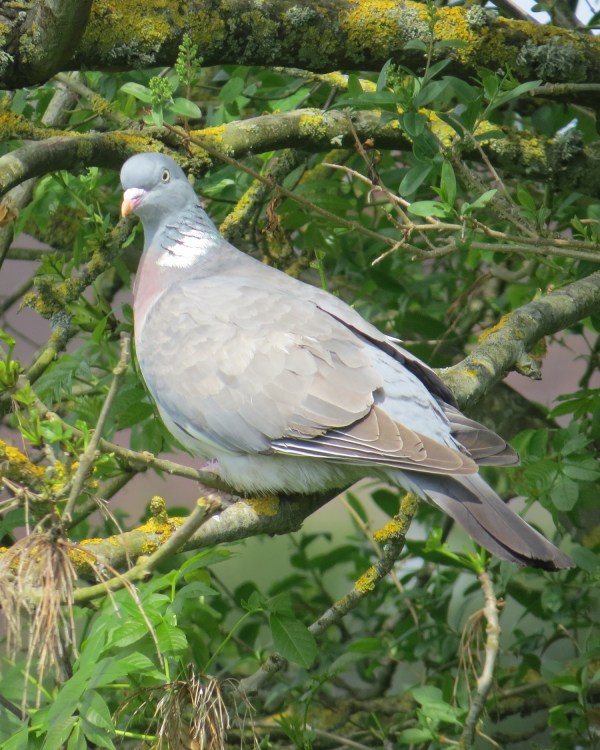
Pigeons are known to have been domesticated for more than 5,000 years. They are mentioned in cuneiform writing on clay tablets dug up in Mesopotamia and in hieroglyphics on the walls of ancient Egyptian tombs. There is a growing belief among archaeologists that pigeons were, in fact, the first birds to be domesticated, more than 10,000 years ago,
Continue reading “Pigeon post”Searching the Species Lists
Over the years, we have recorded hundreds of different species of flora, fauna and fungi in the reserve. Among the rare and beautiful things that attract everybody’s attention (the snake’s head fritillaries, the scarce chaser or the visiting roe deer) are many smaller, more commonplace creatures and plants that we pass by without noticing.
Continue reading “Searching the Species Lists”