Fly Agaric

by Clive Knight

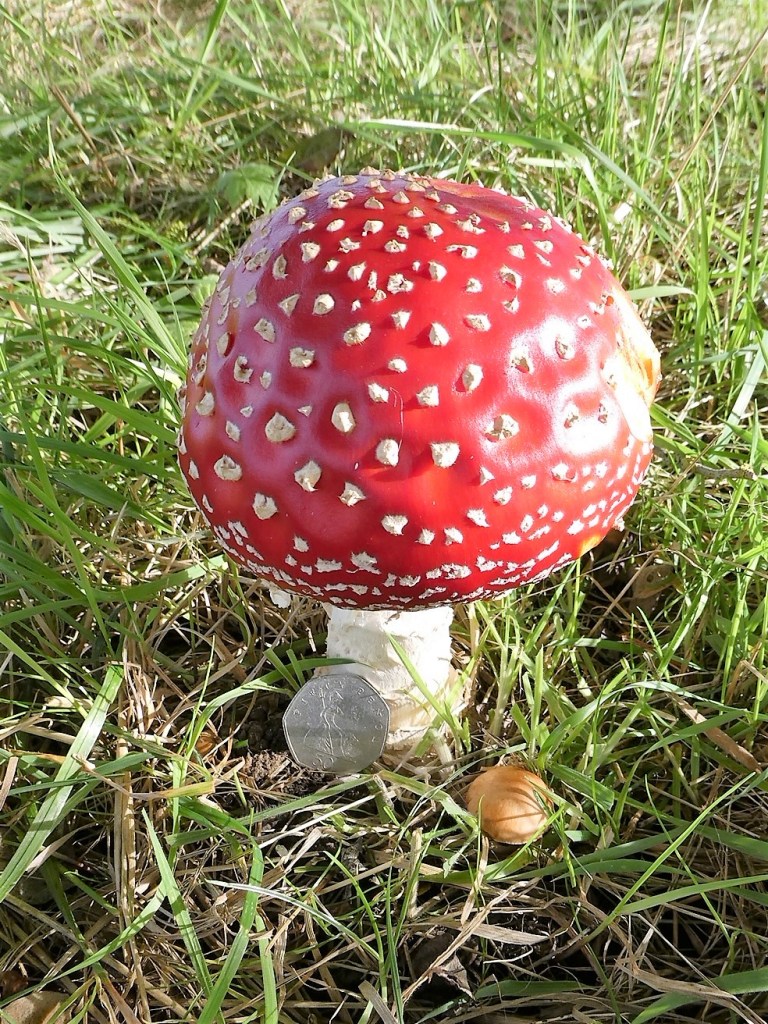
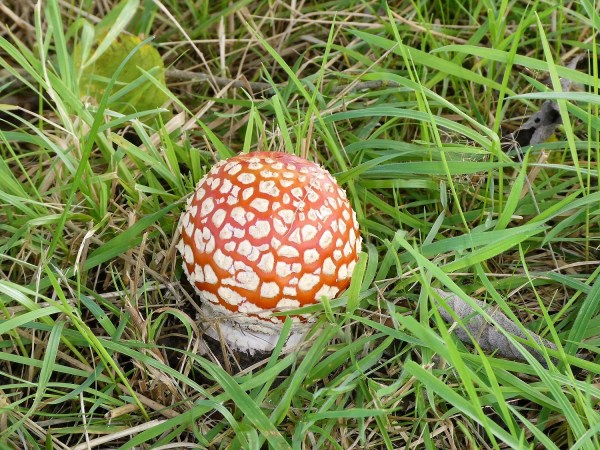
This is a sequence of pictures of a Fly Agaric (Amanita muscaria) taken every day from last Friday, the 22nd, up until today, Tuesday 26th. The last picture shows the fungus fully developed at approximately 17cm across, but collapsed. I have found that when they are fully open they do not last long so I am keeping my eye on some more in the reserve hopefully to take pictures of one fully open and still upright.
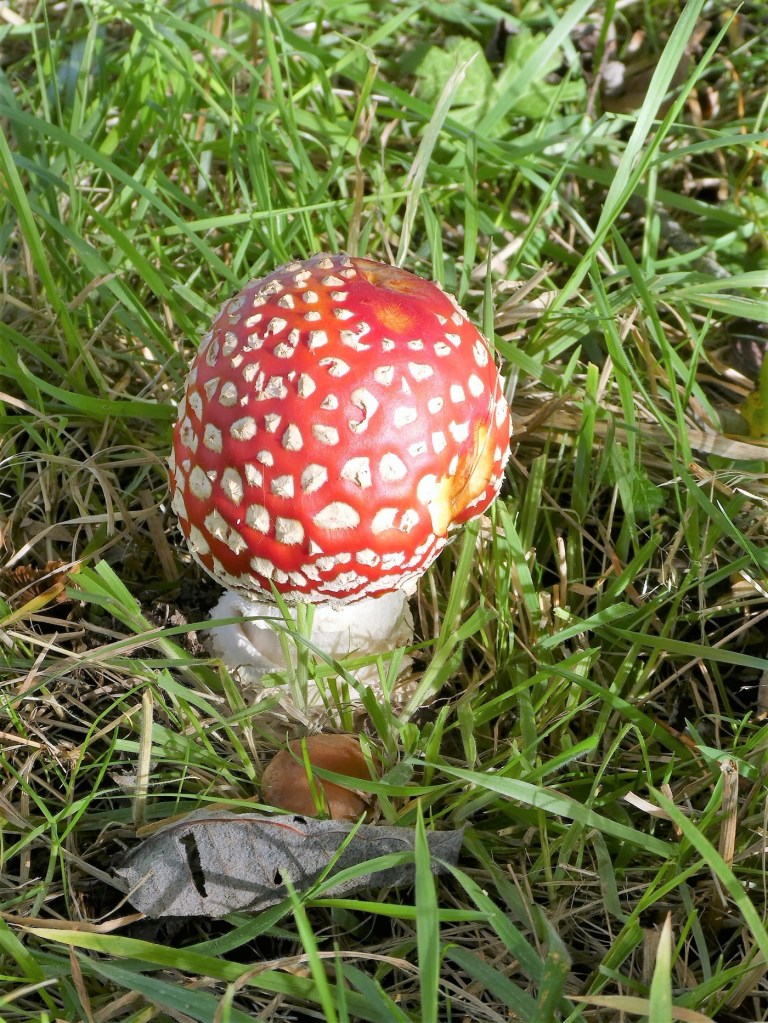
The header picture is the first in this series, taken by Clive Knight on Friday 22nd October.

Migration changes

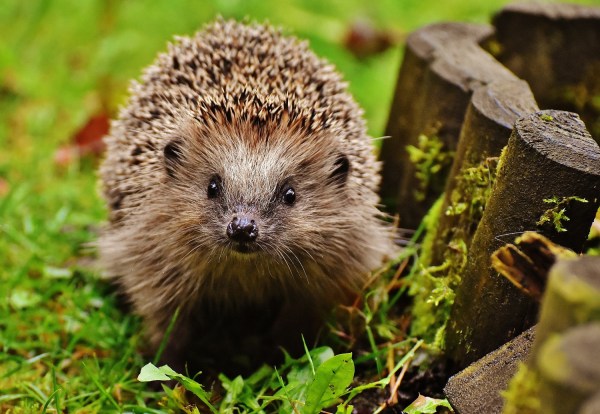
Analysis of records kept since 1964 has found that some species of European migratory birds are spending up to 60 days less each year in their sub-Saharan wintering grounds. Over the most recent 27-year period, migratory birds, including the whitethroats commonly seen in our reserve, were found to have increased their time in Europe by an average of 16 days. It has even been suggested that some species may stop flying south for the winter altogether.
Continue reading “Migration changes”

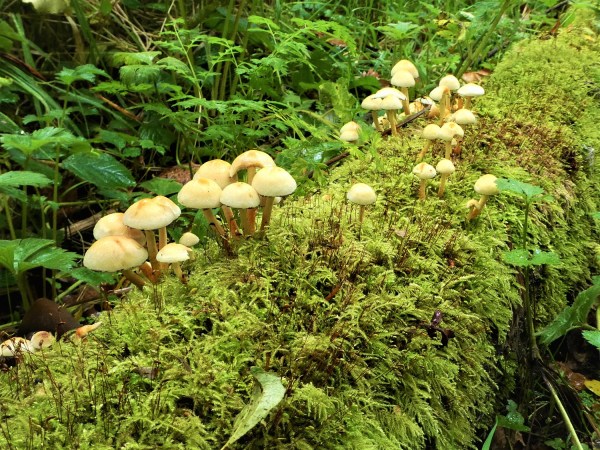
The fruiting bodies of a fungus living in a rotting log, found and photographed after yesterday’s rain by Clive Knight.
As usual, we are unable to identify this fungus and would really welcome the help of an expert.

Bioturbation

Wikipedia defines bioturbation as the reworking of soils and sediments by animals or plants. Here is a video of a system with and without soil fauna such as earthworms, mites and isopods over a 15 week period: this is what is happening to the fallen leaves all over the reserve.

Tardigrades

Tardigrades have been found everywhere in Earth’s biosphere, from the highest mountaintops to the deepest sea  and from tropical rainforests to the Antarctic. There are sure to be some, somewhere, in the reserve’s ponds, going quietly about their business.

Continue reading

Deforestation

The Environment Bill, still making it’s way through Parliament, is proposing deforestation-free supply chains. Here is a post from last year about the consequences of business -driven deforestation in the Amazon Basin.

Continue reading

More about the otters in Lambrok Stream

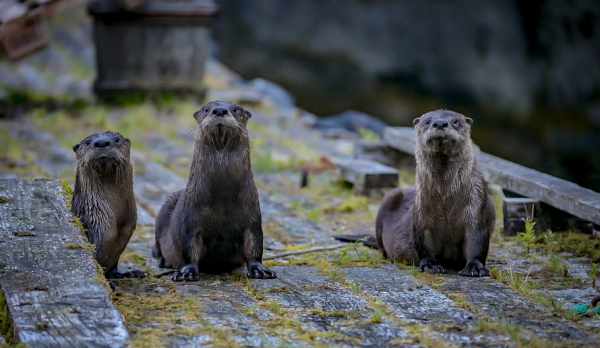
Simon Tesler’s video of an otter hunting in the moat at Southwick Court is powerful evidence not only of Lambrok Stream’s biodiversity, but its importance as a wildlife corridor that runs from the River Biss right up through and beyond Southwick village.

Continue reading

Eco-gardening

Challenges such as climate change, habitat destruction and invasive species are pushing our native ecosystems to the edge, making urban and suburban spaces into critical resources. There are 22 million private gardens in the UK, an astonishing potential that, used carefully, might just make the difference between success and failure for the Nature Recovery Networks proposed by the new Environment Bill.

Continue reading “Eco-gardening”

Jays

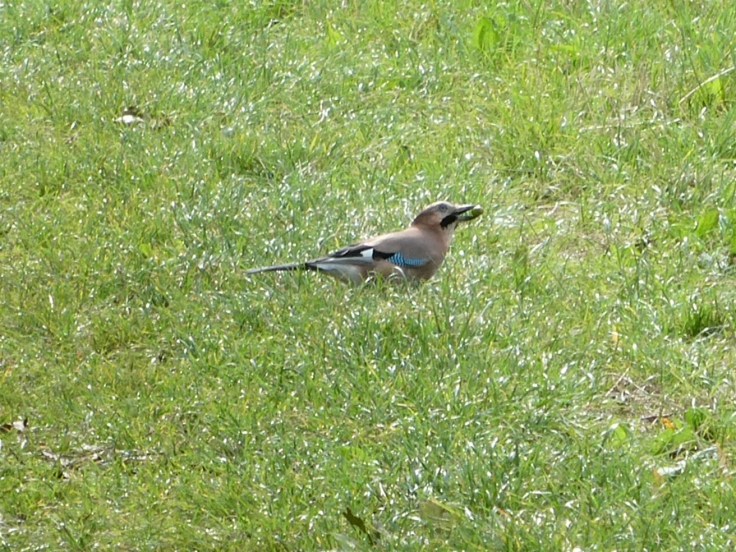
Live Knight has sent in pictures of the reserve’s jays busy this week caching acorns.

Create a website or blog at WordPress.com

Up ↑