Red bartsia in Lambrok Meadow by the stream near where there is a ford across into the Church Lane field.
Continue reading “A parasitic plant”A parasitic plant

Red bartsia in Lambrok Meadow by the stream near where there is a ford across into the Church Lane field.
Continue reading “A parasitic plant”
A beautiful small tortoiseshell (Aglais urticae) feeding on ragwort, photographed yesterday in the reserve by Clive Knight.

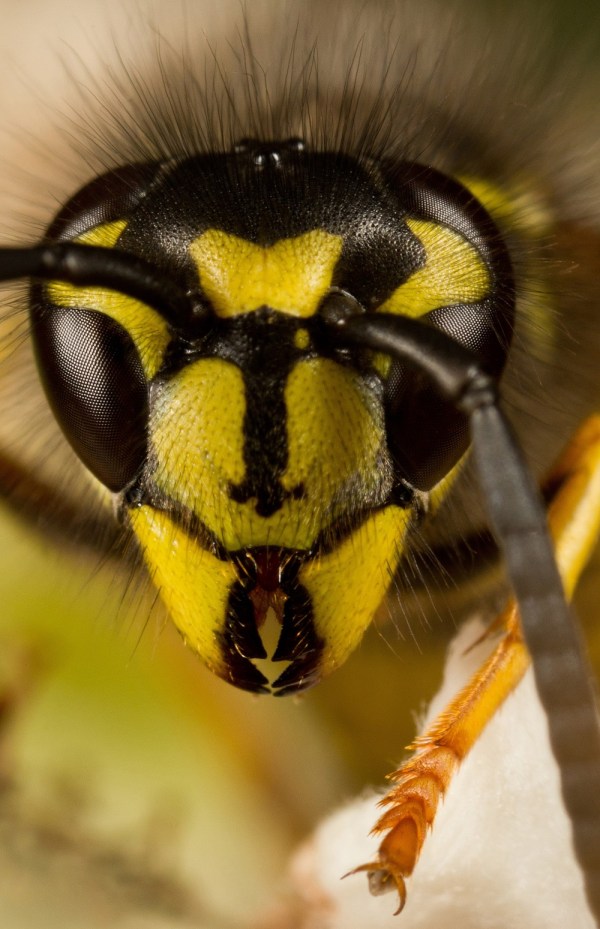
There are six species of social wasp that are native to Britain and this is a good time of year to identify them.
Continue reading “Wasp time”

by Ian Bushell
Another warm sunny morning and a good turn out by the Friends to continue their beneficial maintenance of the Reserve.
Continue reading “This week’s work party”
The past couple of weeks in the park have brought me some wonderful highs and unfortunately, some truly depressing lows. I will get the lows out of the way first, as I want to end on a positive note.
Continue reading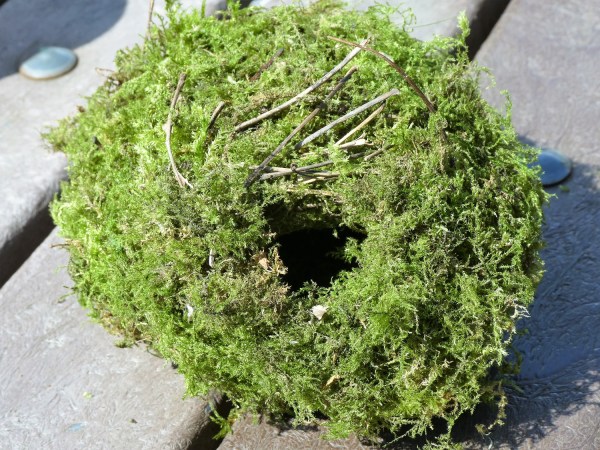
Sarah found a nest, just above ground level, among the blackthorn, close to all the hazel that runs downhill alongside the hedge between Kestrel Field and Cornfield. Does anybody know what makes a nest like this?
Continue reading “Who lives here?”
by David Feather
Planning Application PL/2021/03655
Squirrels are not the only things wanting to nibble away in Southwick Country Park Local Nature Reserve. Wiltshire Council want to do so, or at least the Education Department of the Council wants to.
Continue reading “Nibble, nibble!”
The changing climate rushes our flowering season on and the reserve is already full of seeds, fruits and berries, food for our wildlife but not always for its human occupants. Some berries are poisonous.
Continue for details and pictures
This morning, I found this floating just downstream of the footbridge into Village Green, obviously the origin of the fishing line used to make the trap in the copse. At 18lb breaking strain it would have been difficult to snap and would have caused a lot of damage to anything running into it.
Let’s look after our wildlife.

A newly hatched, pristine peacock butterfly photographed yesterday by Clive Knight.
Continue reading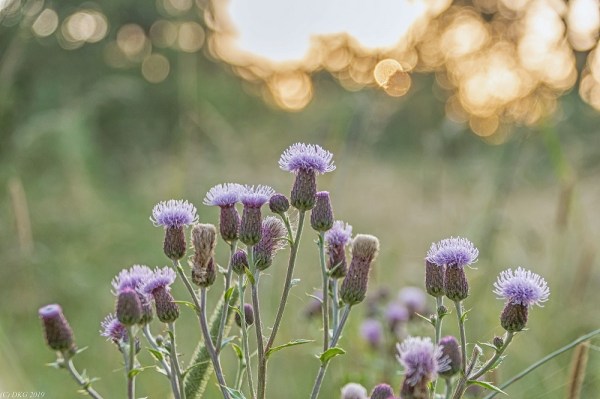
The 1959 Injurious Weeds Act does not just apply to ragwort. It names four more species as well: broad leaved dock, creeping thistle, curled dock, and the spear thistle. We have them all.
Continue reading “Creeping thistle”
Mail from FoSCP to Ian Bushell, Clive Knight, Simon Knight. Fri 30/07/2021 16:58
Subject: URGENT
Julie Newblé has sent a message: “Fishing line has been strung up in the trees in the far corner of village green. It could be very dangerous to people and wildlife. I have nothing to cut the line with and I won’t be able to come back. I have to meet the children.“
It’s in the clearing where the ash poles were burned last year. Can anybody respond?
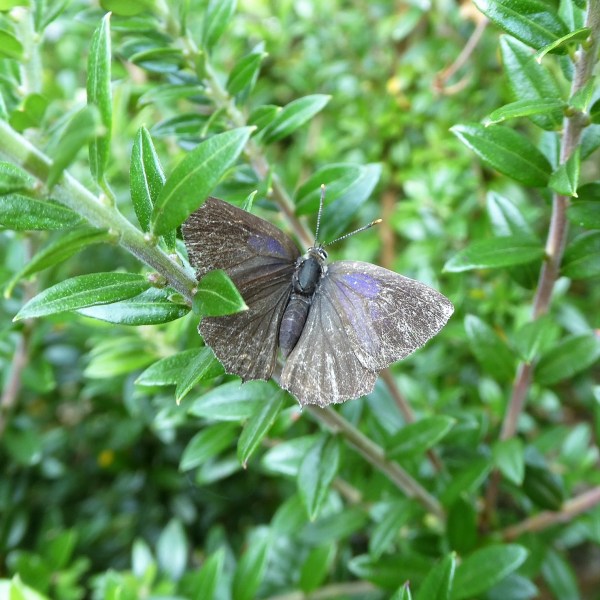
A purple hairstreak (Favonius quercus) seen on the edge of the reserve and photographed by Clive Knight.
Continue reading

There are 63 species of ant in Britain, 17 of which are introduced.
Continue reading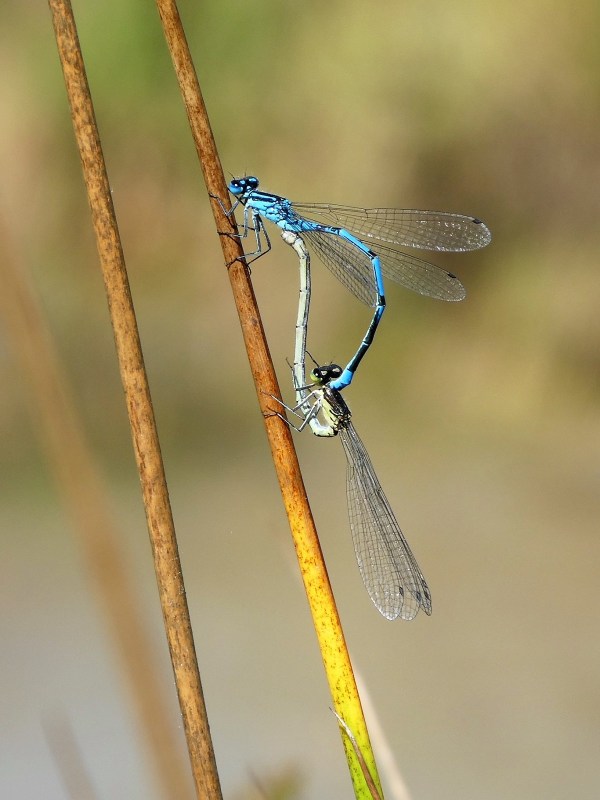
The life of an adult azure damselfly (Coenagrion puella) is actually quite short. The latest study suggests that few live little longer than a week but they spend that week having lots of sex.
Continue reading
Bees buzz in two different ways.
Continue reading “BUZZ!”
This is Anagallis arvensis or scarlet pimpernel discovered last week among the grass in the set-aside at the top of Kestrel Field and photographed by Ian Bushell. It is a tiny annual plant more usually found growing in bare ground under arable crops than among the reserve’s lush grasses and, like so many of our wildflowers species, it is now in serious decline due to modern intensive agricultural practices.
Continue reading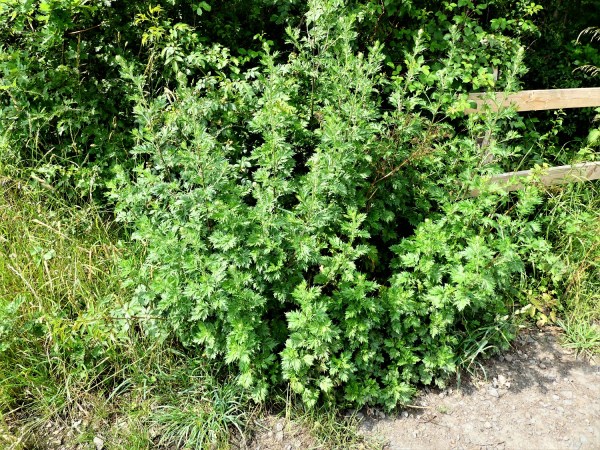
This is common mugwort (Artemisia vulgaris) growing vigorously in the gateway at Puddle Corner between Sleepers Field and Cornfield.
Continue reading “Mugwort”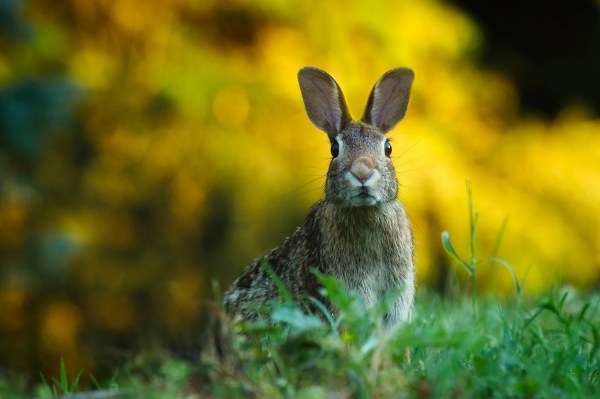
There is a well established rabbit warren in the hedge between Cornfield and Sleepers Field. But, despite their long-term place in our landscapes and myths, rabbits are not British natives; they are an introduced alien species.
Continue reading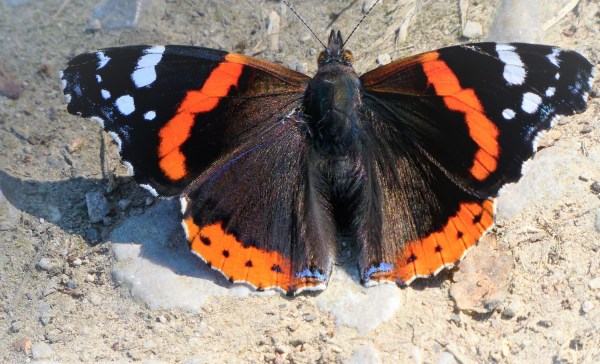
And a red admiral (Vanessa atalanta) from Ian Bushell.

Clive Knight has sent in beautiful photographs of two butterflies: a brimstone (Gonepteryx rhamni) and a large white (Pieris brassicae). Although both are members of the Pieridae family, they have significantly different life cycles.
Continue reading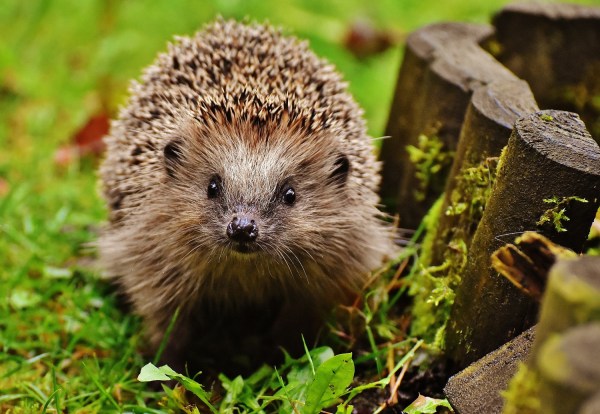
Almost exactly a year ago, the hedgehog was included in the Mammal Society’s Red List For British Mammals, listed as Vulnerable to Extinction.
Continue reading “Hedgehog Heroes”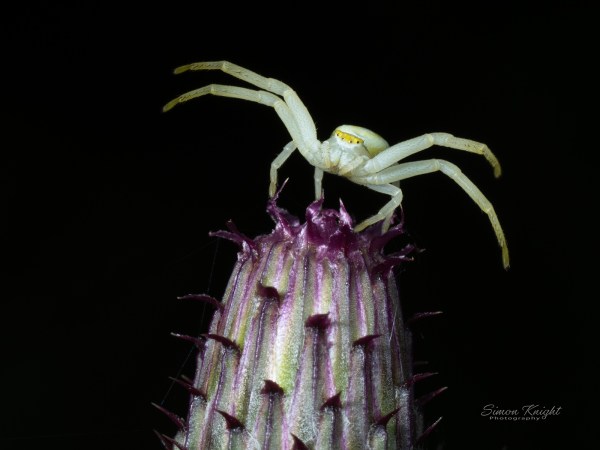
A flower crab spider, Misumena vatia.
Continue reading


 Southwick Country Park Nature Reserve