The park is full of ripening blackberries, all free from the contaminants of vehicle exhaust. Here is a recipe for blackberry and apple jam.
Continue reading “Blackberry and apple jam”Blackberry and apple jam
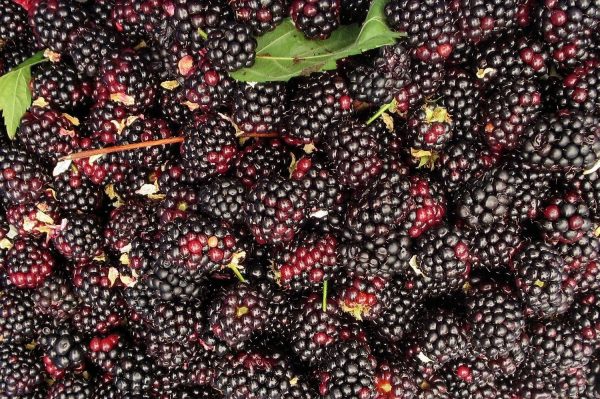
The park is full of ripening blackberries, all free from the contaminants of vehicle exhaust. Here is a recipe for blackberry and apple jam.
Continue reading “Blackberry and apple jam”
During lockdown, we noticed more families walking in the park: excited children and their parents, and sometimes grandparents, all eager to get out of the house and take their permitted exercise in our springtime park. As lockdown has eased, the families have stayed; all summer, there have been socially distanced picnickers under the trees and home-schooled children racing wildly through the fields and woods, sometimes with our downloadable activity sheets in their hands.
Continue reading “Feedback”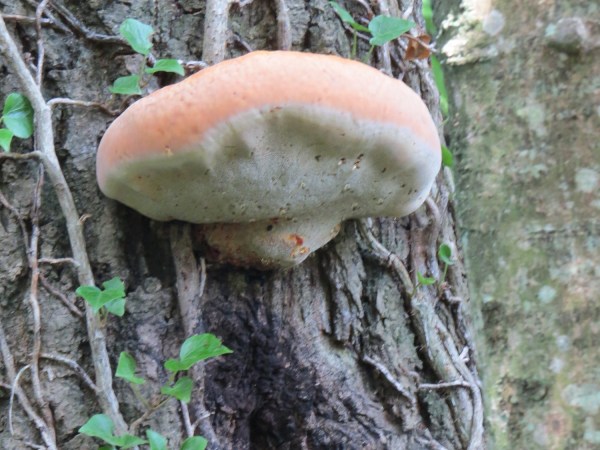
The fungus that Clive Knight photographed on the ash tree at Fiveways is Inonotus hispidus commonly known as shaggy bracket, shaggy polypore or velvet fungus. Our Tree Officer, Rich Murphy, identified it for us.
Continue reading “Identified!”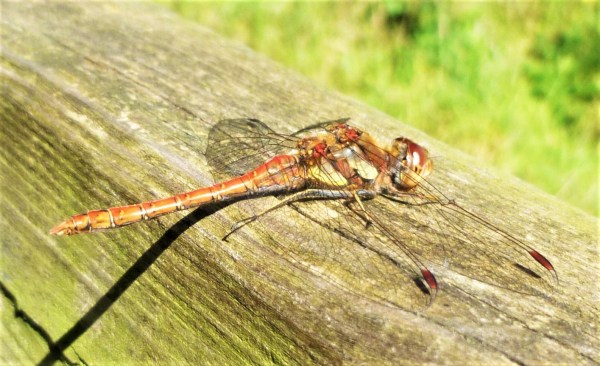
By Ian Bushell
A male Common Darter (Sympetrum striolatum) resting on the wooden footbridge over the Lambrok tributary. At the pond, there were six male Common Darters protecting their own patches and I was lucky enough to get a picture of this pair mating.
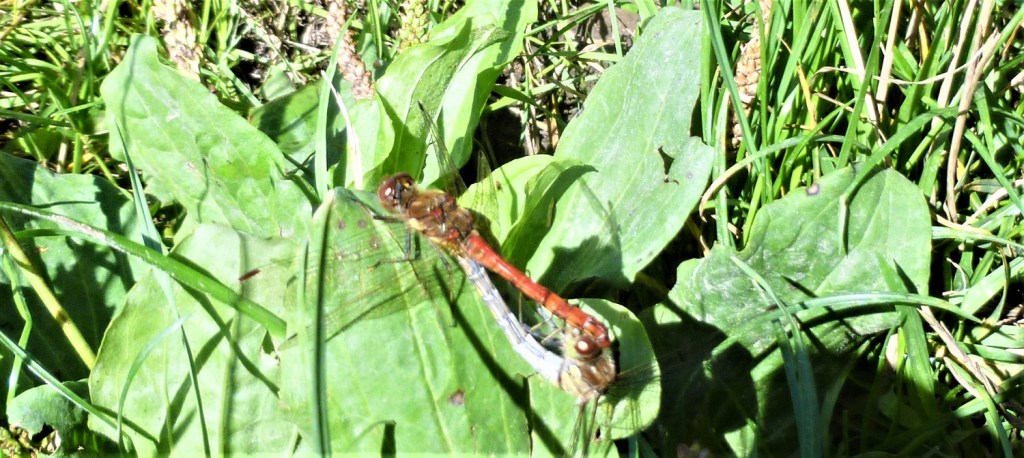
A mating pair of common darters photographed near the pond by Ian Bushell.
Header picture: common darter, by Ian Bushell.
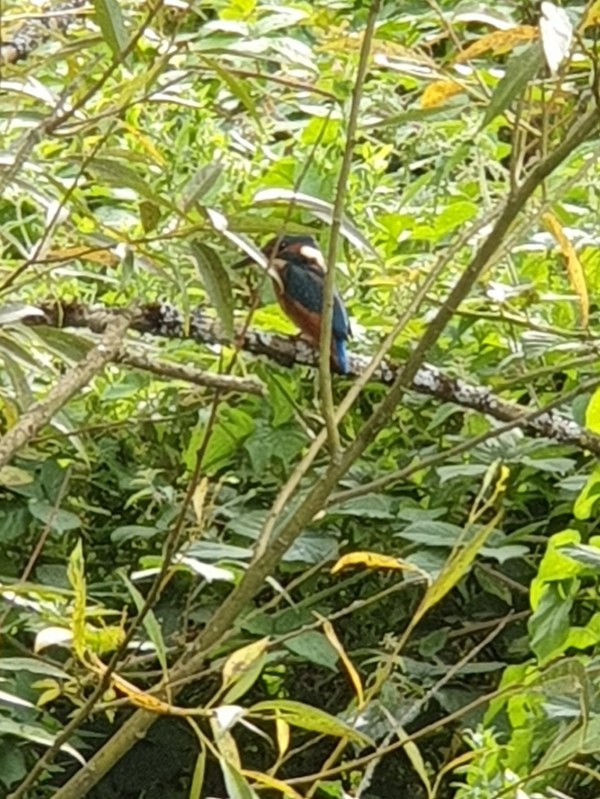
Jay Pickard has sent us a picture of a kingfisher that he took from the Decorated Bridge yesterday.
Thanks Jay.
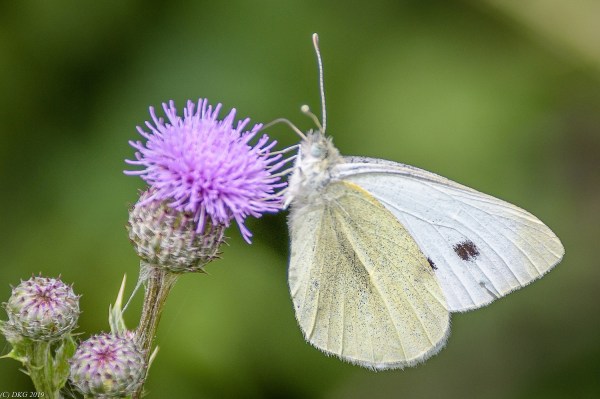
Transect for August
Numbers and variety are a bit disappointing; a cold late-summer day.
The old filled-in pond at the end of Lambrok Meadow is where I saw the Common Blue among the Ragwort, Willow-herb, Spindle, Thistle, Rose, Bramble, Red and White clover .
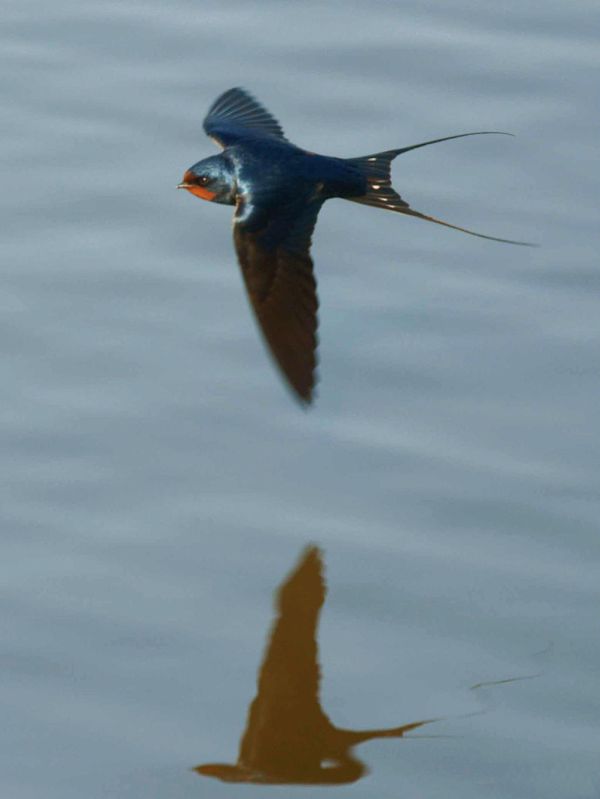
All summer long, swallows, house martins and swifts have hawked and hunted for winged insects over the park. The swifts have already begun their migration, the swallows will leave next and the house martins will go last of all.
Here is a short video to help you tell the three species apart.

Question from Tom Martin:
Found this on the pavement near my house. Do you know what it is?

There are forty one species of Cantharidae in Britain and almost all go by the common names of soldier or sailor beetle.
Read on:
Newspapers, online and off, have been bombarding us with headlines like this one from the Guardian:
Littering epidemic in England
We would just like to say: Not in our park, there isn’t; our park is pristine. Our park goers pick up their litter (and often other people’s litter as well) and put it in the bins.
Thank you.
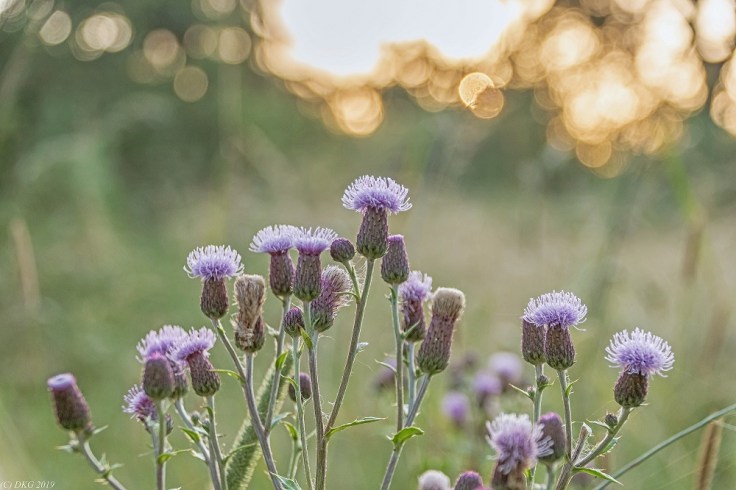
Pictures by DKG

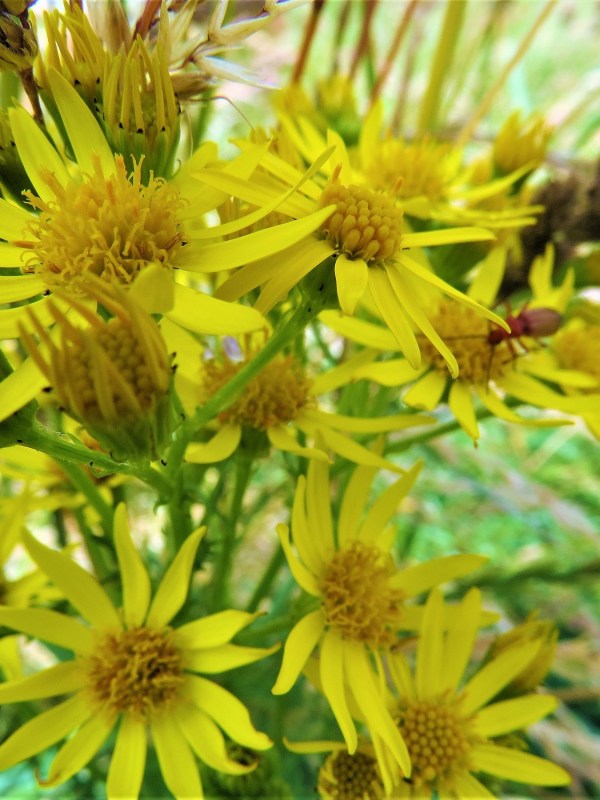
Ragwort is extraordinarily successful; all the “injurious weeds” named in the 1959 Weed Act are.
Continue reading “Ragwort”
by DKG


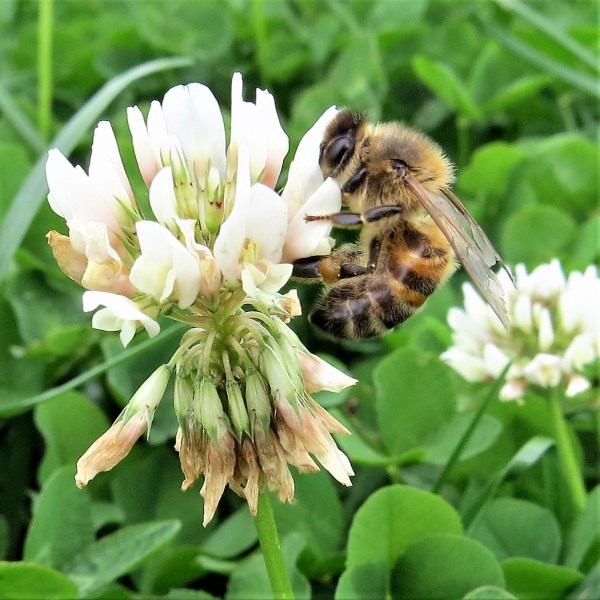
Unlike common wasps, honey bees (Apis mellifera) don’t die at the end of the summer. The hive stores enough food for the queen and the workers to survive through the winter.
Continue reading “Honey bees”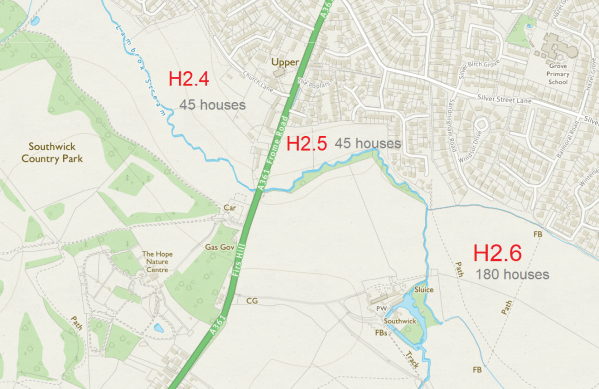
It’s time to review the progress of the planning applications to build houses on the three allocated sites next to Lambrok Stream.
Continue reading “WHSAP Recap”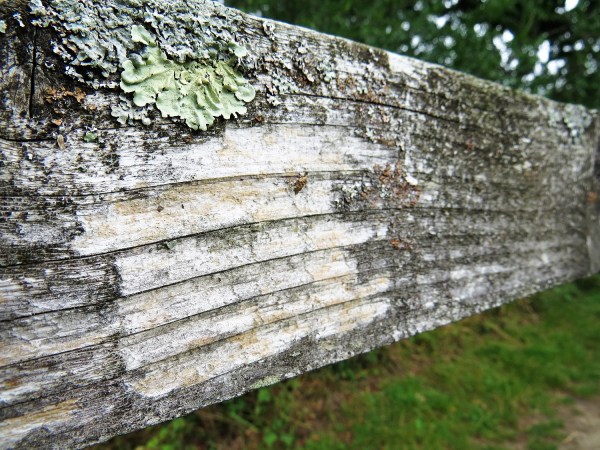
Wasps have stripped wood from the fence in the picnic area, leaving light-coloured lines on the weathered grey boards. All British social wasps make their nests out of paper and they make the paper out of wood fibres and saliva.
Continue reading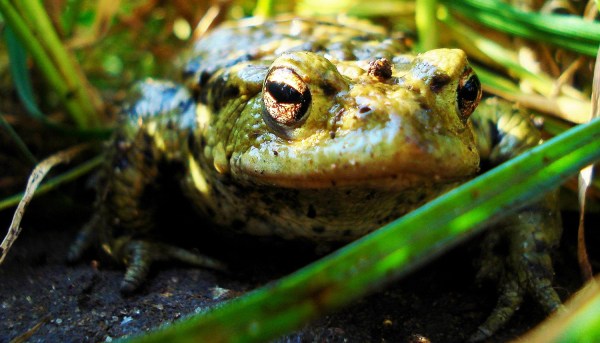
The common toad is no longer common: its population is in decline and it is listed as a Priority Species in the UK Post-2010 Biodiversity Framework. So, we are returning for a closer look at the toad we found and photographed in Village Green on Wednesday, the first toad-sighting for some years.
Continue reading “More about toads”
In Britain, the maximum recorded age of a blue tit is 10 years and 3 months but the world record is 11 years and 7 months.


All pictures taken in the park by DKG
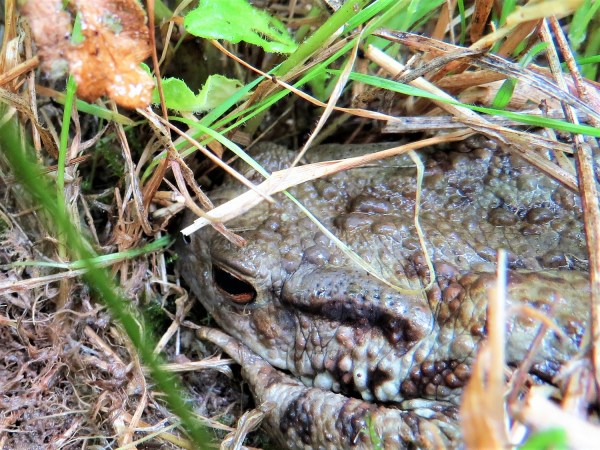
A common toad (Bufo bufo) found in a very wet Village Green this morning, living peaceably in a field vole tunnel under a ragwort plant. We pulled up the ragwort and the toad moved further down the tunnel.


Pictures taken in the park by Suzanne Humphries.

Message from a park goer:
I took this picture this morning out in the park. I have no idea what it is – it’s almost heather-like. It’s in Lambrok Meadow by the stream near where there is a ford across into the Church Lane field.
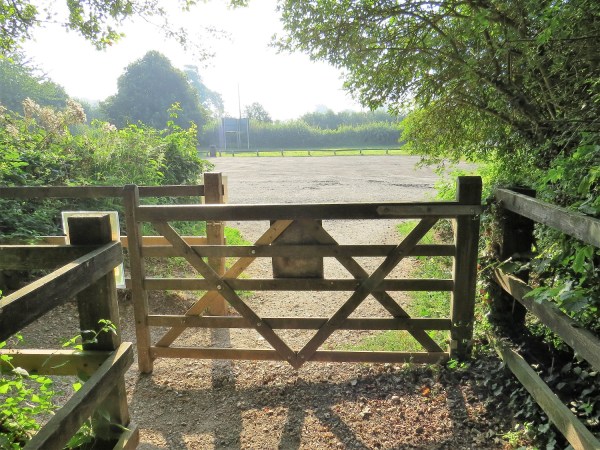
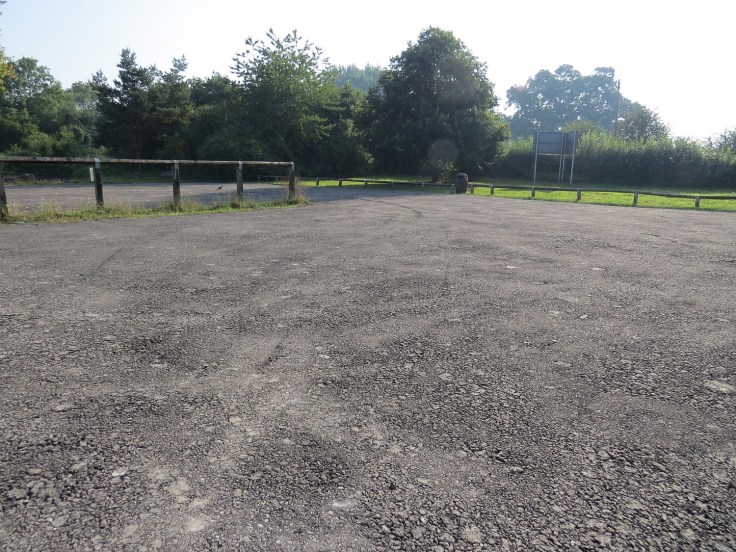
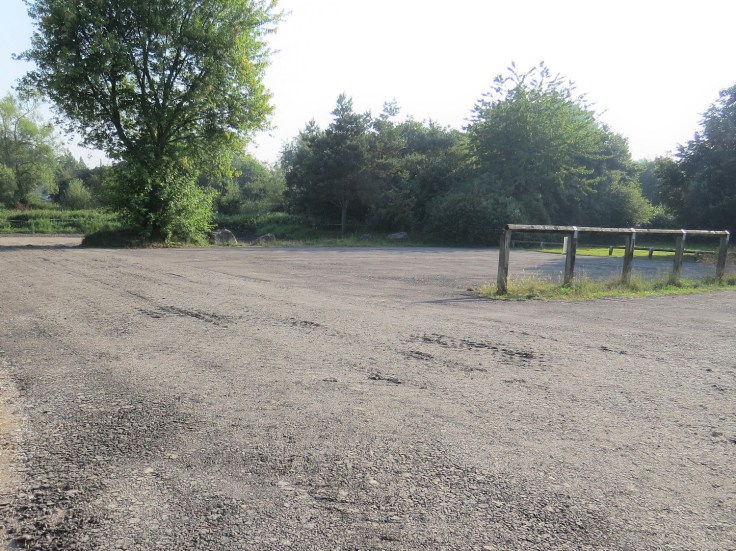
You may have noticed the enormous heap of road-planings that spent a while in the far corner of the car park taking up several parking spaces.
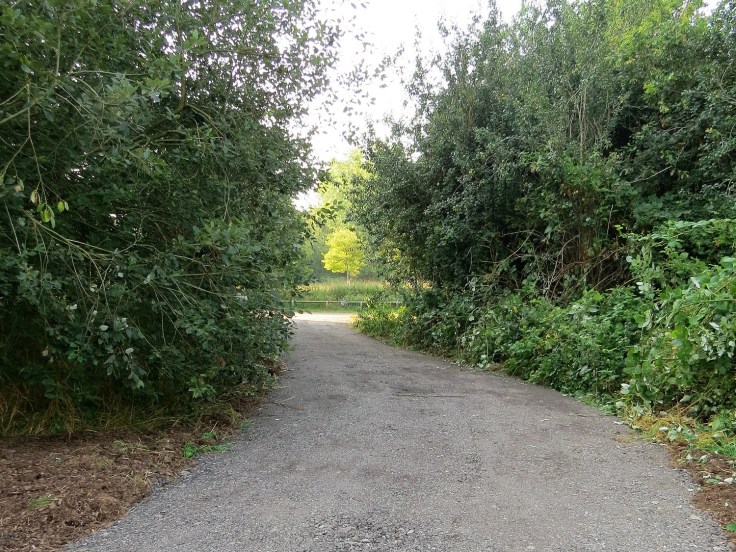
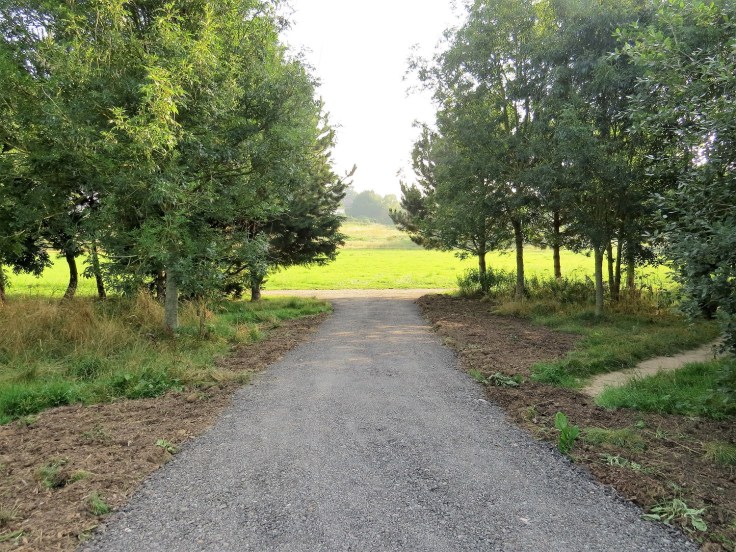
Last week they were used to resurface the main car park, to establish a paved track through the bottom of the Arboretum where the rubbish lorry turns, and to fill some of our muddiest patches.
The car park had to be closed for a few days because the weather was too hot for the planings to harden properly. Thank you for your patience.
Hopefully, the new surface will see us safely through the coming winter.

Lambrok Stream is home to rare and protected water voles.


That could have been the longest official heatwave, with temperatures over 35°C, that the UK has ever recorded. As it breaks and the thunder rolls around the hills, here, just for the fun of it, is a link to a website where you can watch the storms as they happen.
Message to Ian:
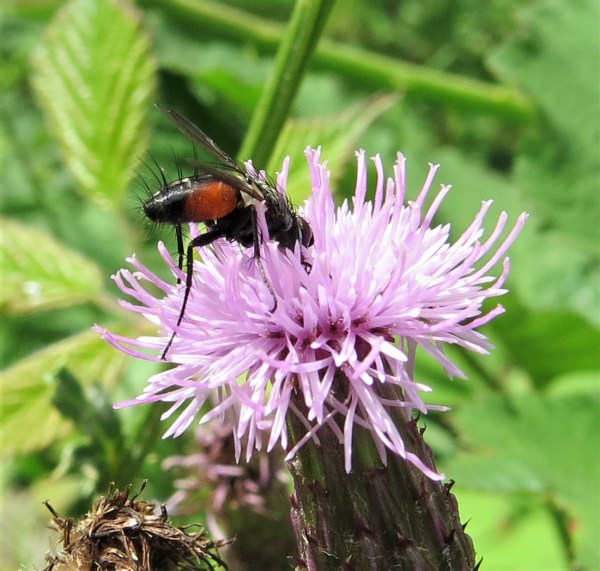
Another unidentified insect inadvertently included in a botanical picture. Any idea what it is?
A version of this post was first published in July of last year.
This year the park produced beautiful hay: a variety of grasses, dry, sweet smelling, full of wildflower and not a single shred of ragwort anywhere. Already, we have turned our attention to pulling and digging the ragwort that might spoil the farmer’s next crop,
Continue reading “Ragwort again”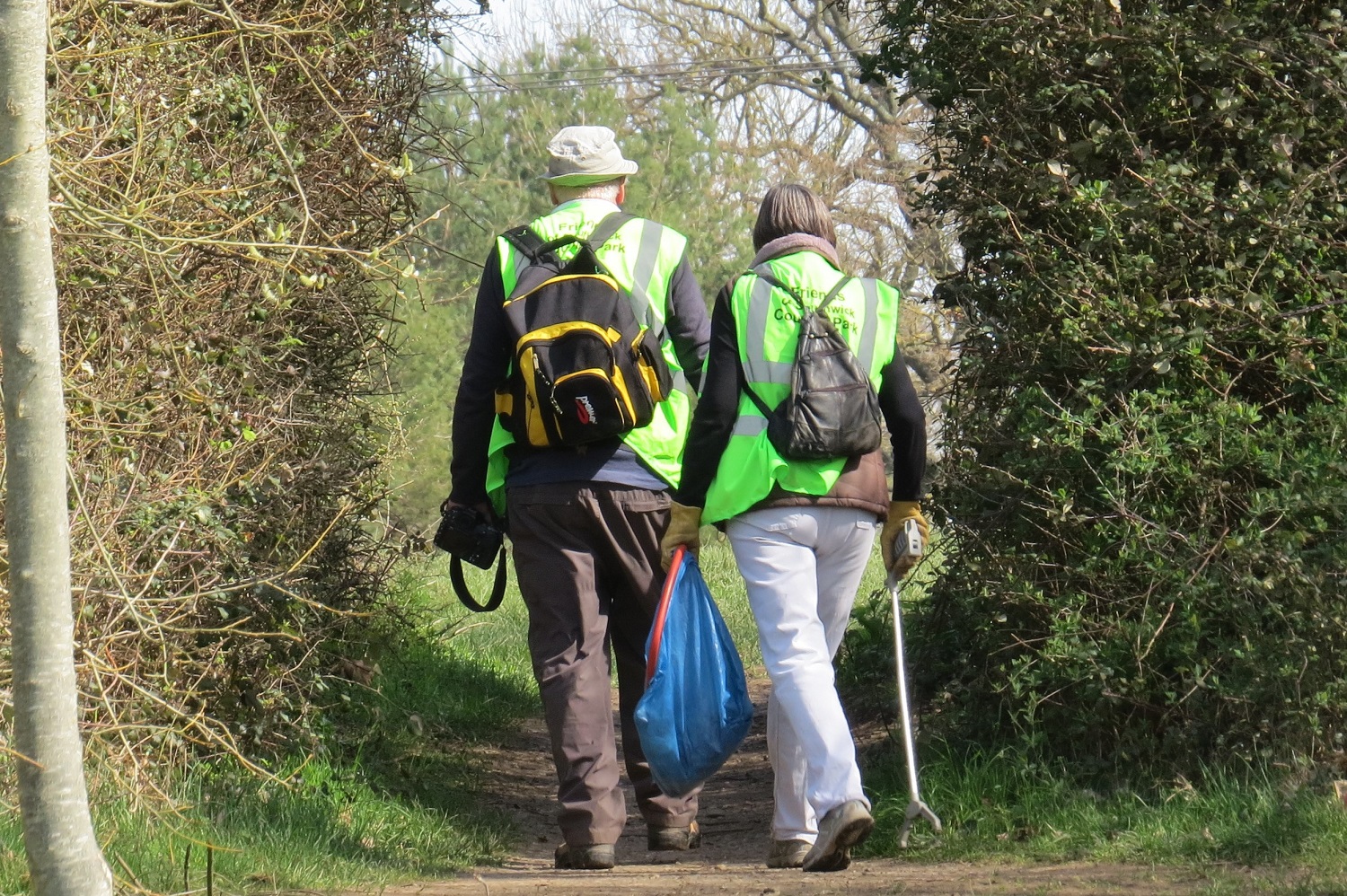


 Southwick Country Park Nature Reserve