Over the years the Friends of Southwick Country Park have planted many holly whips in the hedges around the park’s fields.
Continue reading “Holly”Holly

Over the years the Friends of Southwick Country Park have planted many holly whips in the hedges around the park’s fields.
Continue reading “Holly”
A lot of people are buying artificial Christmas trees in the belief that it benefits the environment, but environmentalists and energy analysts would beg to disagree. We need only look at a single element of the hundreds of thousands of artificial trees that will be put up and decorated this Christmas: they are all made of plastic.
Continue reading “Real or fake?”
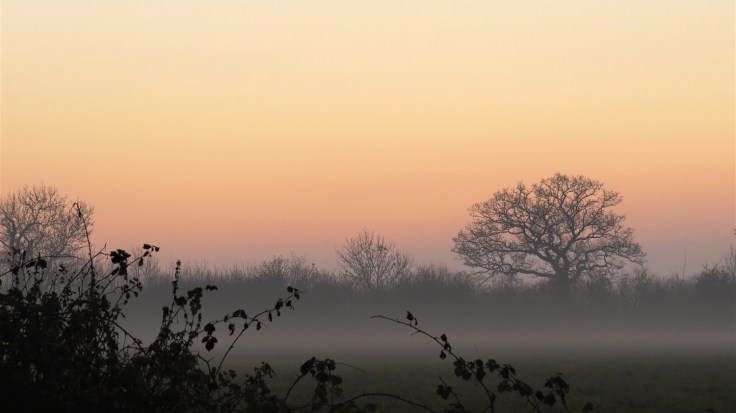
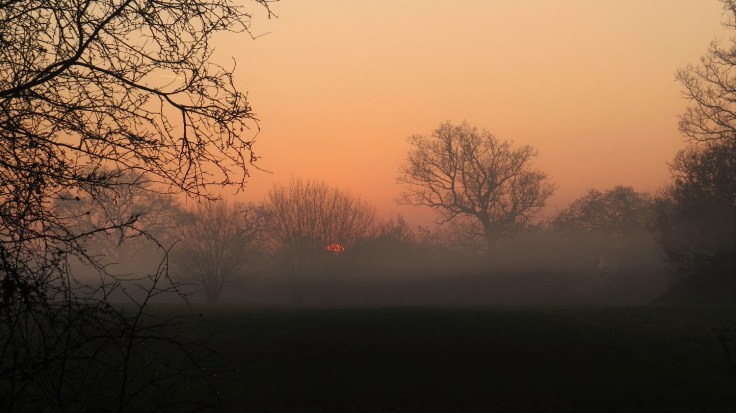
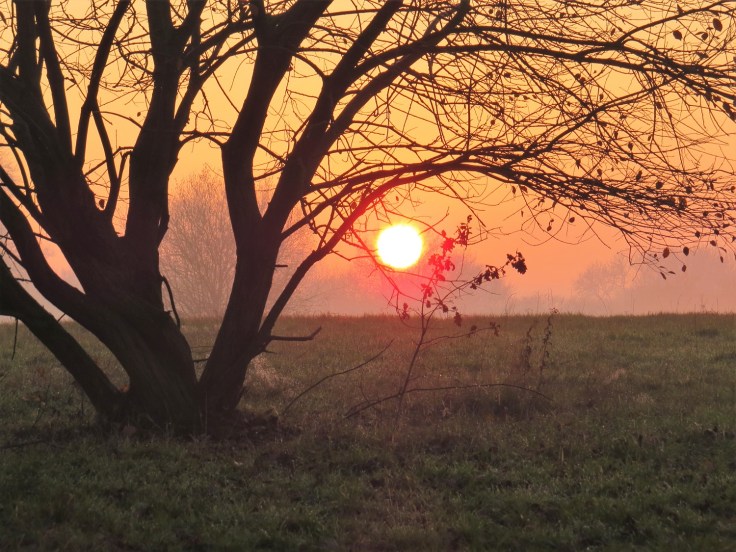
Yesterday the sun broke through the mist just in time for sunset.



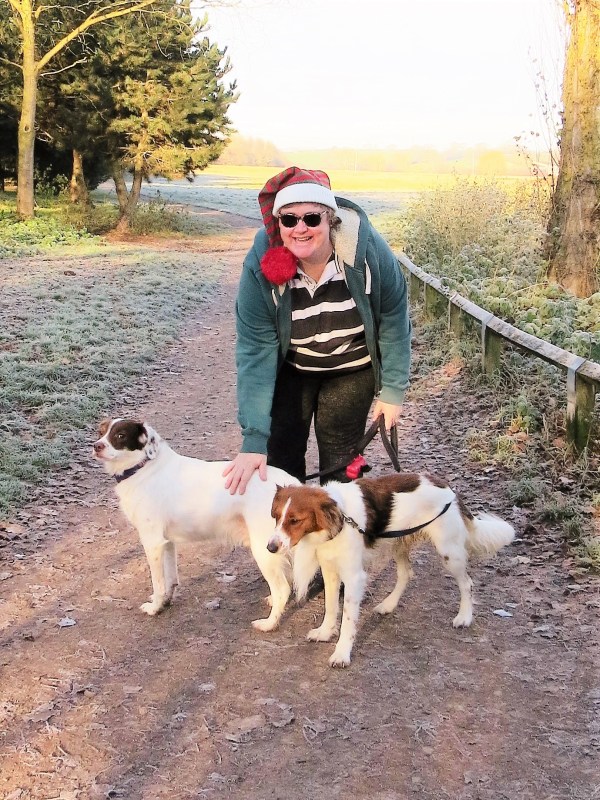
Bouncer and Bertie, Dogs of the Week, with Santa’s little helper, Kate. Happy Christmas!

Five things you may not have known about ivy.
Continue reading “Ivy”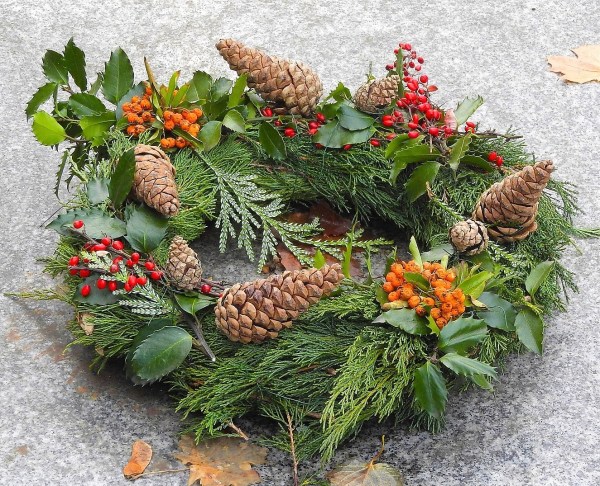
Many of the evergreen plants in the park have traditionally been used in the celebration of winter festivals.
Continue reading “Winter festivals”
CHRISTMAS FAIR
The Friends of Southwick Country Park will be running a stall at Hope Nature Centre’s Christmas Market today from 11am to 3pm.
Come and visit us; discover more about the park and the people who look after it.
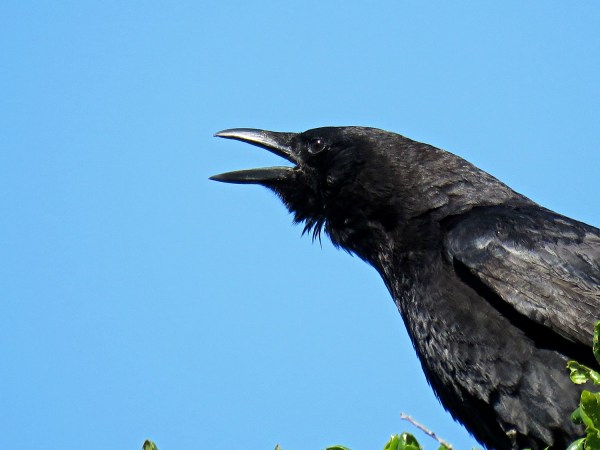
Yesterday’s post about jackdaws produced an email asking how to tell rooks from crows.
Continue reading “Rook or crow?”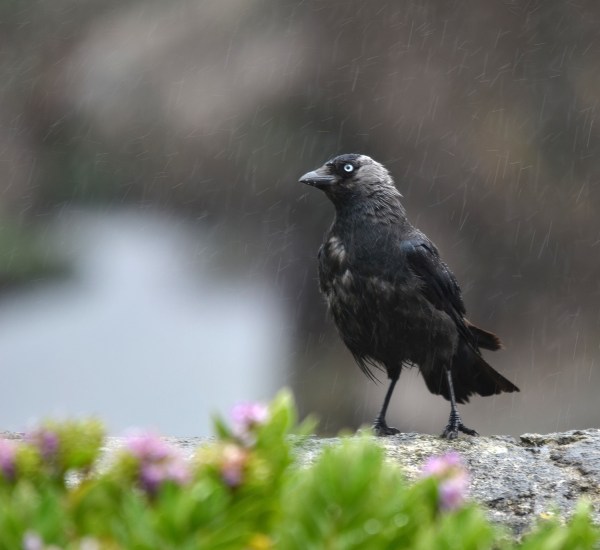
The park’s jackdaws are clever and successful opportunists, ready to step into almost any ecological niche.
Continue reading “Successful generalists”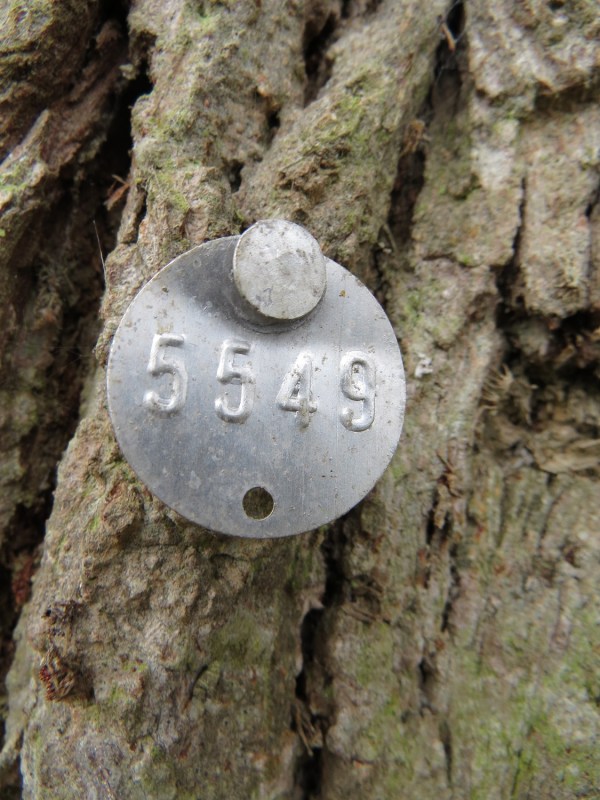
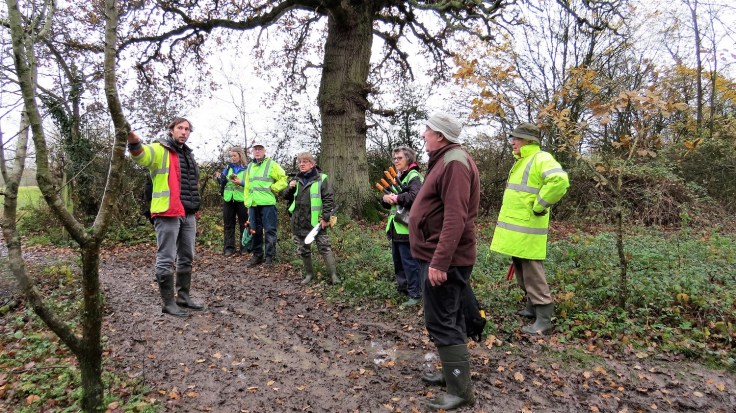
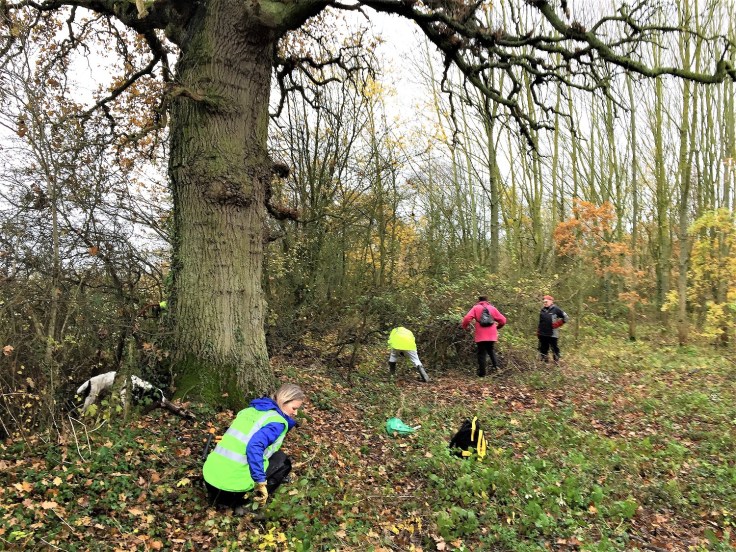
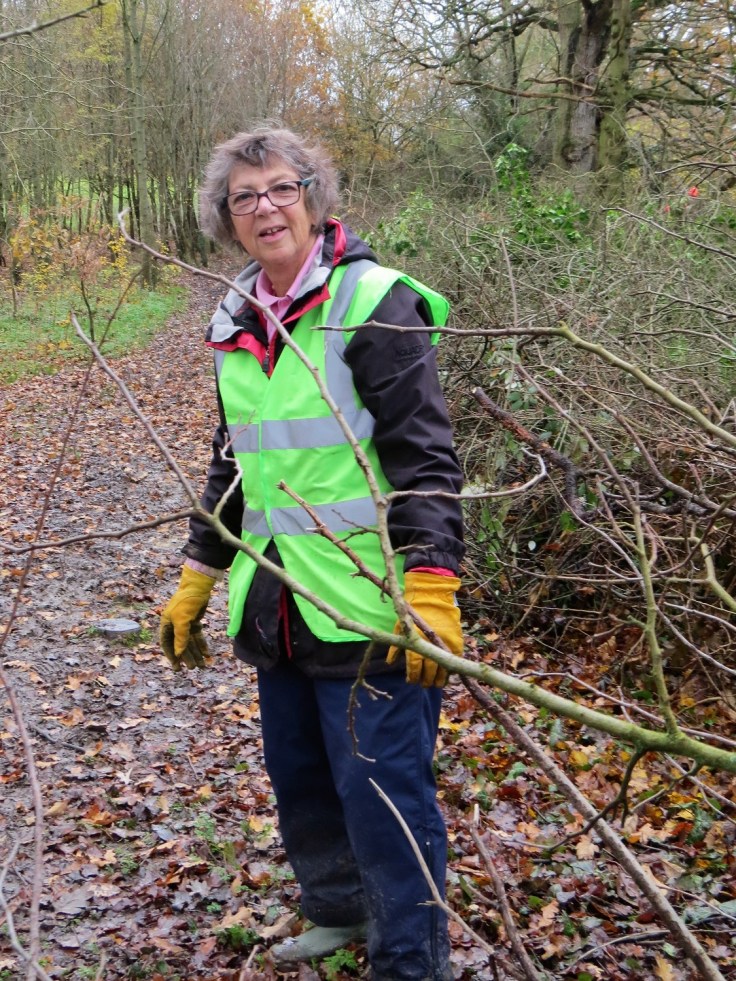
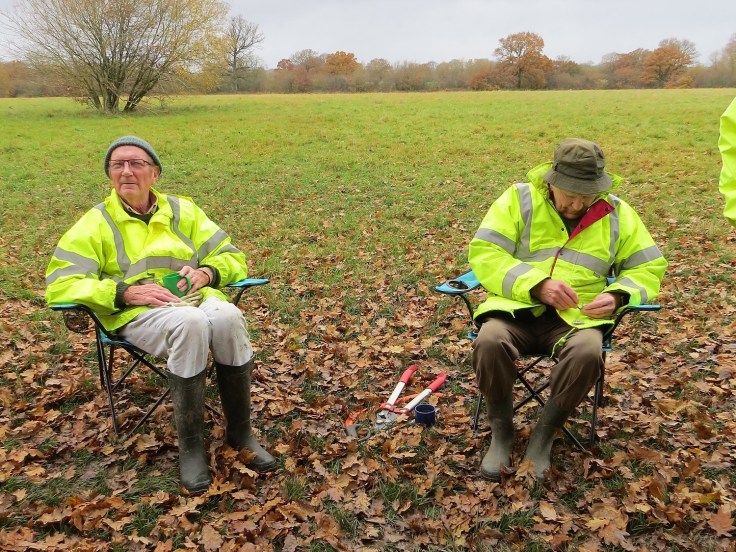
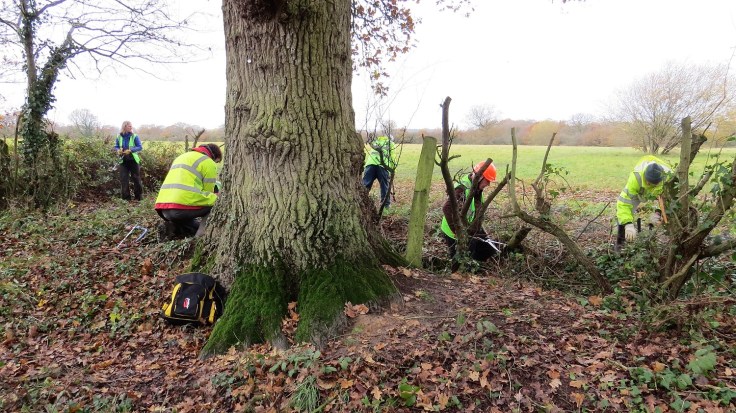
Tuesday’s work party was devoted to veteran oak tree 5549. We halo our old oaks; this means that we clear away the under-storey that competes for their light and nutrition and build barriers around them to reduce footfall over their roots. Hard work!







We have received reports of water voles in the Lambrok by the footbridge into Lambrok Close. This is very, very good news.
Here is a video to help you tell water voles from brown rats; please keep us informed of any more sightings.
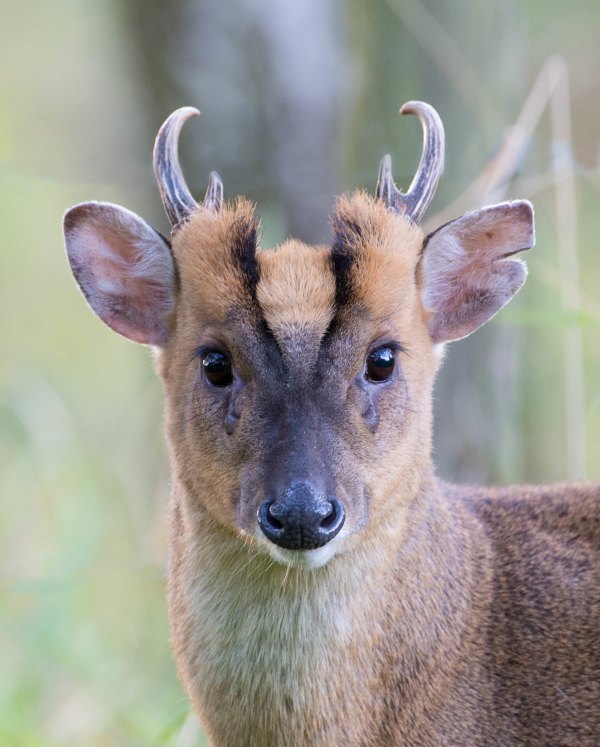
Reeves’s muntjac was introduced from China into Britain at Woburn Abbey in 1894. Escapes and releases saw it established in the wild by the 1930s and their population is now estimated at 40,000 individuals. They have been sighted in the park on several occasions.
Continue reading “Muntjac”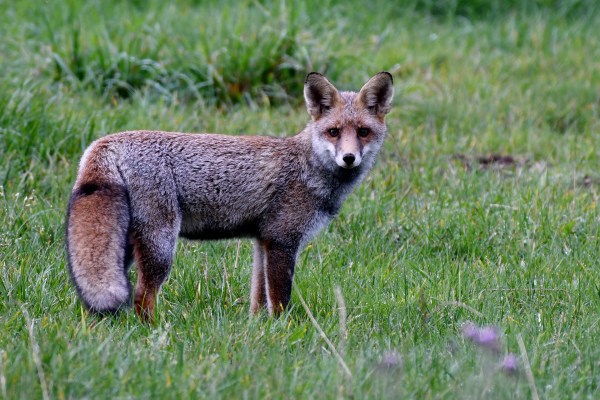
Vulpes vulpes, Britain’s only species of fox; in fact Britain’s only native member of the Canidae family.
Continue reading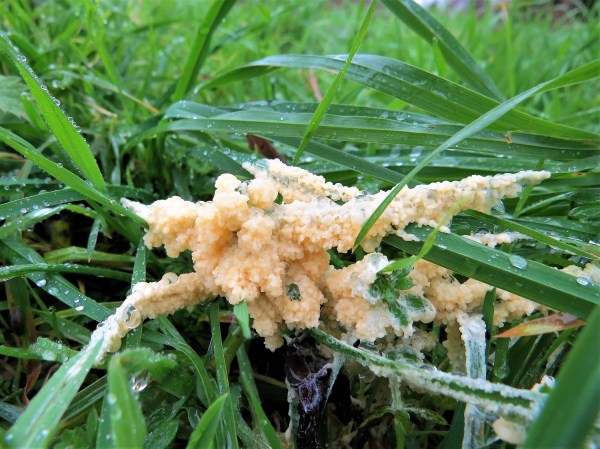
. . . . also known, for obvious reasons, as dog vomit slime mould; found in the long grass in Brunts Field.

Scientist are beginning to understand that light pollution is a very significant factor in the recent rapid decline of insect populations.
Continue reading “Light pollution”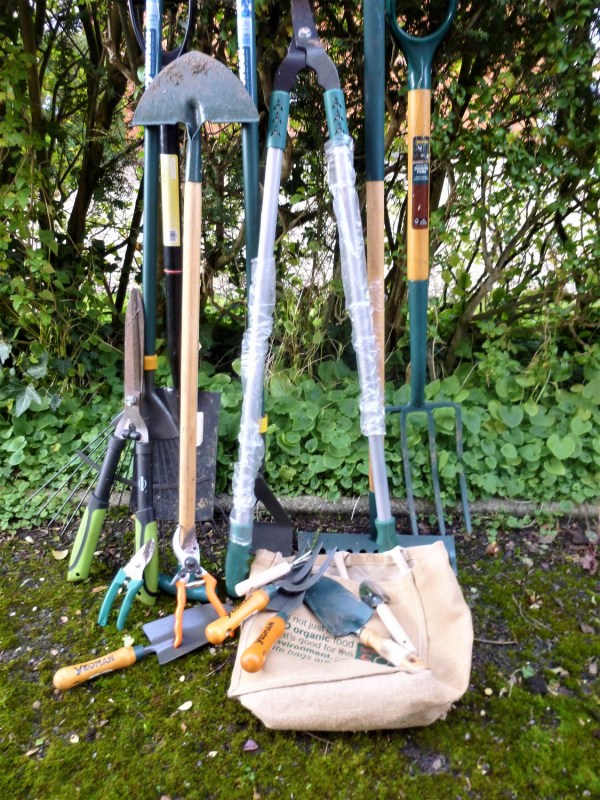
Email from Brian and Chris of Southwick, who are moving house.
Continue reading “Thank you Brian and Chris”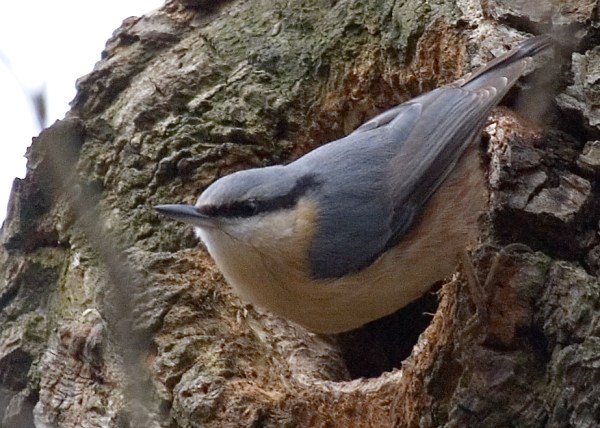
Now that the leaves are falling you might be lucky enough to spot a Nuthatch (Sitta europaea) hunting insects on a tree trunk. Here are five interesting things about nuthatches.
Continue reading “Five fun nuthatch facts”
In the park, we have lost many of our ash saplings to ash dieback and the disease is spreading rapidly.
Continue reading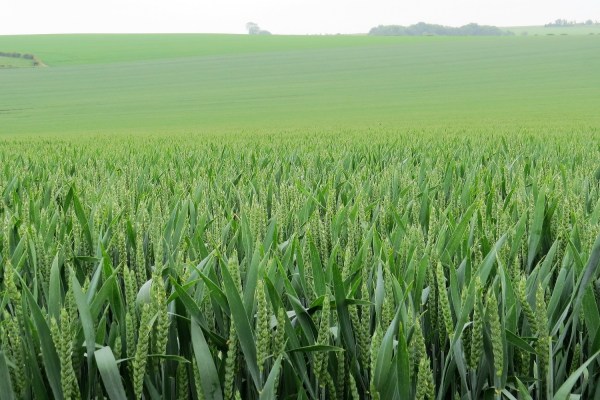
Scientists from across Europe have concluded that the EU’s Common Agricultural Policy should be urgently reviewed to stop the intensification of farming practices that are leading to a catastrophic decline in wildlife.
Continue reading “Intensive farming”
The Winter moth (Operophtera brumata) is one of the few moth species that can cope with winter’s freezing temperatures in its adult stage. They are endothermic which means that they can produce heat internally by biochemical processes, just as warm-blooded creatures do.
Continue reading “Winter moths”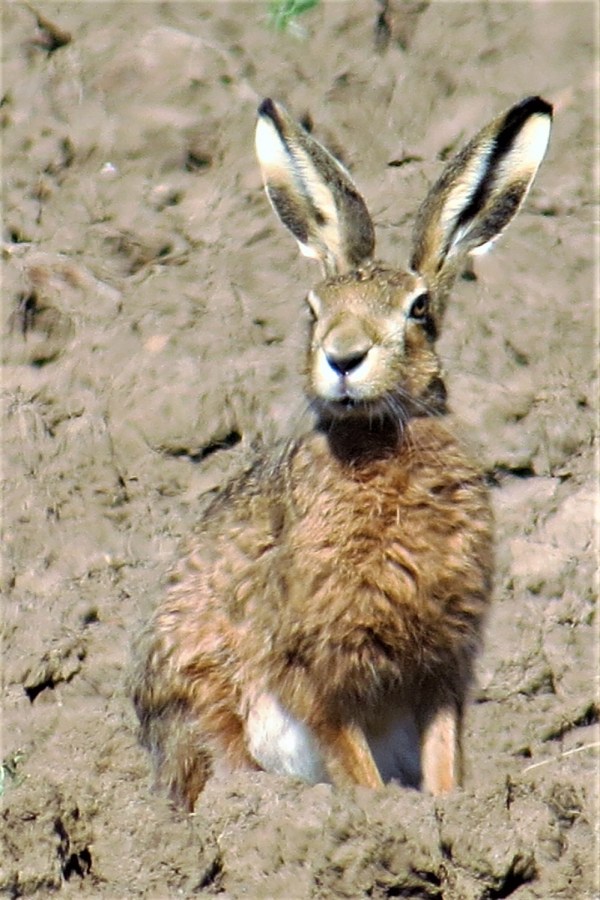
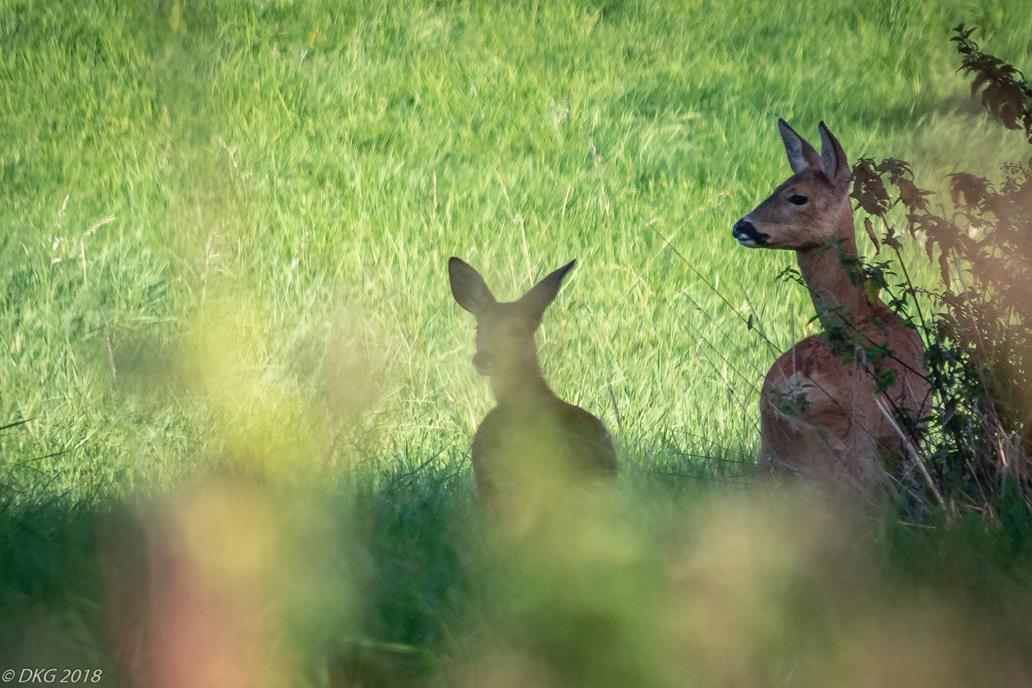
Some of the larger mammals on our species list are just passing through.




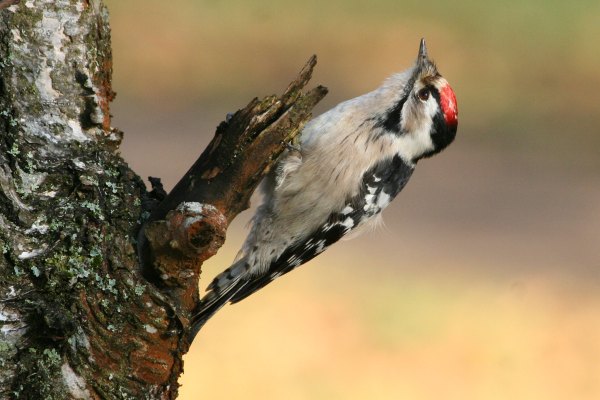
In Wednesday’s post about the short term population decline of some of the park’s bird species, we used a picture of an immature greater spotted woodpecker instead of a lesser spotted woodpecker; sorry. The picture above is definitely of a lesser spotted woodpecker ( Dryobates minor) and we will use it to replace the picture in Wednesday’s post as soon as possible.
Continue reading
DEFRA’s report on wild bird populations is not all bad news for the park; some of our birds populations have shown a strong increase in the last five years.
Continue reading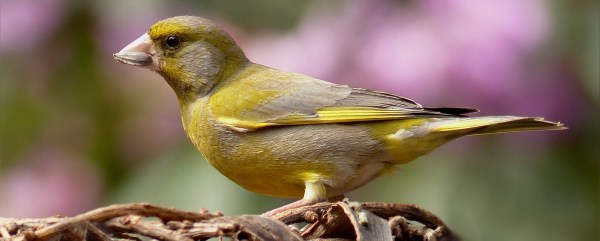
Defra’s recent report, Wild Bird Populations in England, 1970 to 2018, ends with a very disturbing Annex called Trends in bird species, by habitat group, in England.
Continue reading “Bird populations in the park”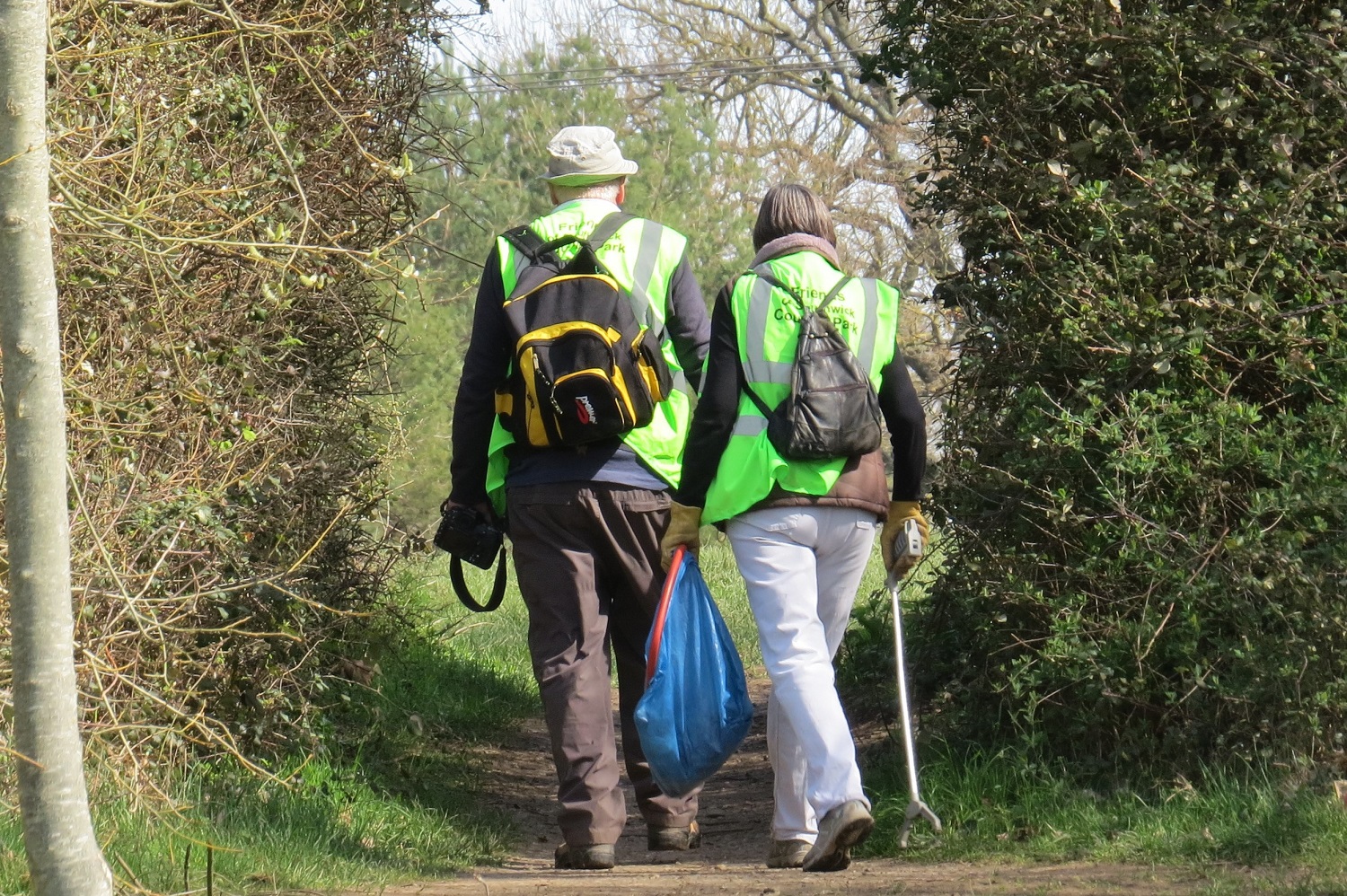


 Southwick Country Park Nature Reserve