Ash dieback is a disease that is especially deadly to Britain’s native ash trees, Fraxinus excelsior.
Continue reading “Ash dieback”Ash dieback
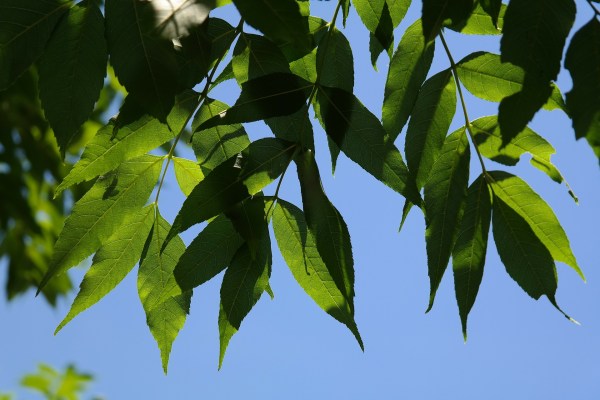
Ash dieback is a disease that is especially deadly to Britain’s native ash trees, Fraxinus excelsior.
Continue reading “Ash dieback”Yesterday was the first day of the Big Butterfly Count. Here are some of the park’s butterflies to encourage you to sign up.


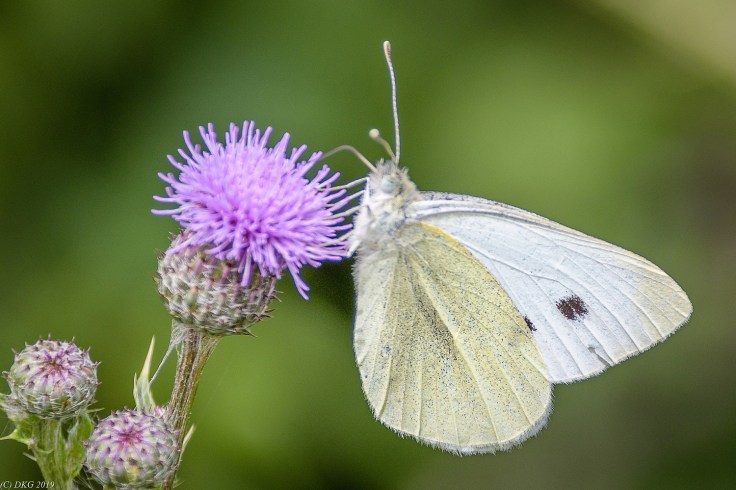


Southwick Country Park’s BUTTERFLIES 2019 list
by Ian Bushell
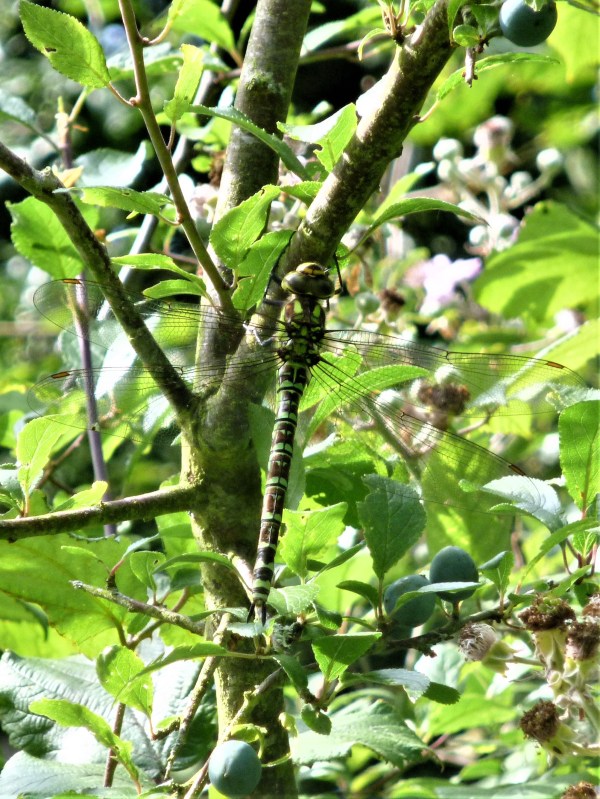
There was a Common Blue butterfly just emerged in the old pond at the end of Lambrok Meadow and, after a long chase, I got a picture of a female Southern Hawker (see above) near the carved Wheel close to the Picnic area.
Continue reading
We disapprove highly of anthropomorphism but have to admit that DKG has named this frequently photographed squirrel Cyril.
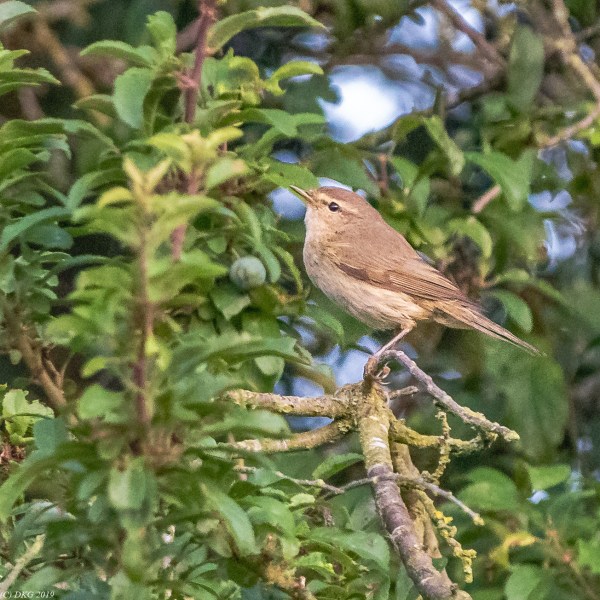
A willow warbler (Phylloscopus trochilus) seen and photographed by DKG yesterday morning.
Continue reading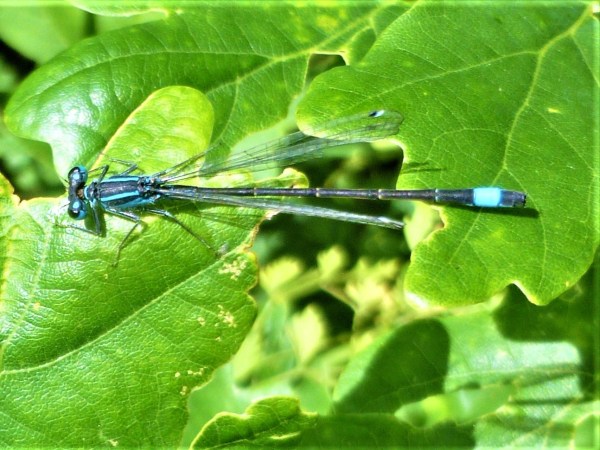
A new species of Odonata for our lists: a blue tailed damselfly (Ischnura elegans) spotted and photographed near the Dog Pond by Ian Bushell.
Continue reading “Blue tailed damselfly”
Somebody has used the Carved Seat in Kestrel Field as a fire place!
Continue reading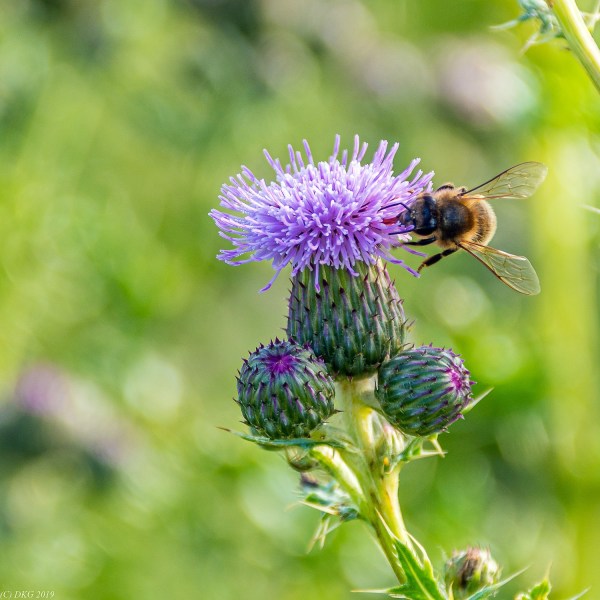
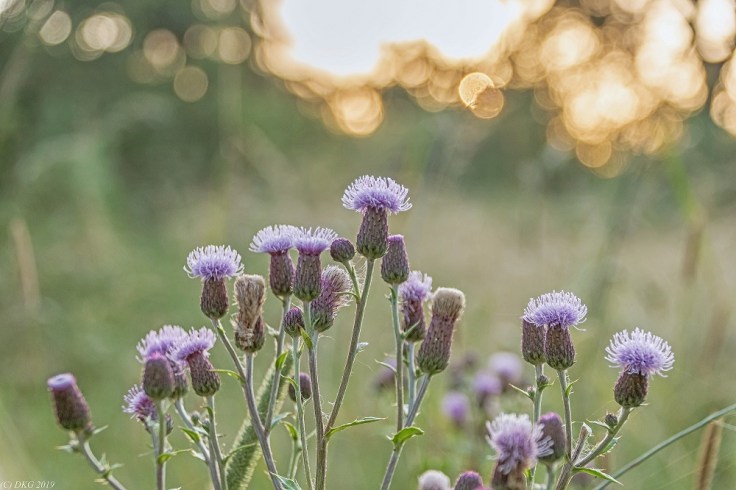
The 1959 Injurious Weeds Act does not just apply to ragwort. It names four more species as well: broad leaved dock, creeping thistle, curled dock, and the spear thistle . The park has all of them.
Continue reading “Creeping thistle”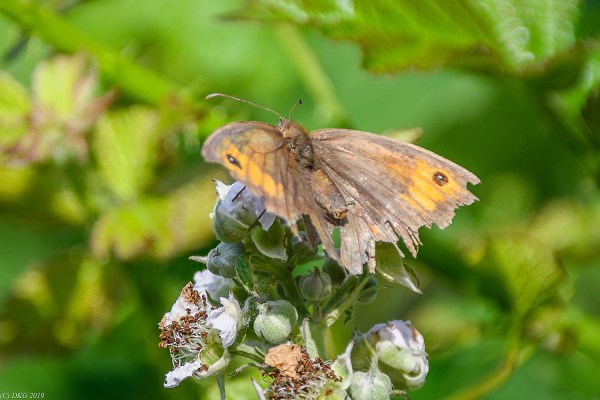
The first meadow brown butterflies hatch at the end of May and by now, the middle of July, some are beginning to look really tattered.
Continue reading
A new species of fish found in the Lambrok: a common roach (Rutilus rutilus).
Continue reading “Common roach”
Every year since 2010, Butterfly Conservation has conducted a survey of the country’s butterflies using thousands of volunteer citizen scientists. Last year over 100,000 volunteers took part.
Continue reading “big butterfly count”
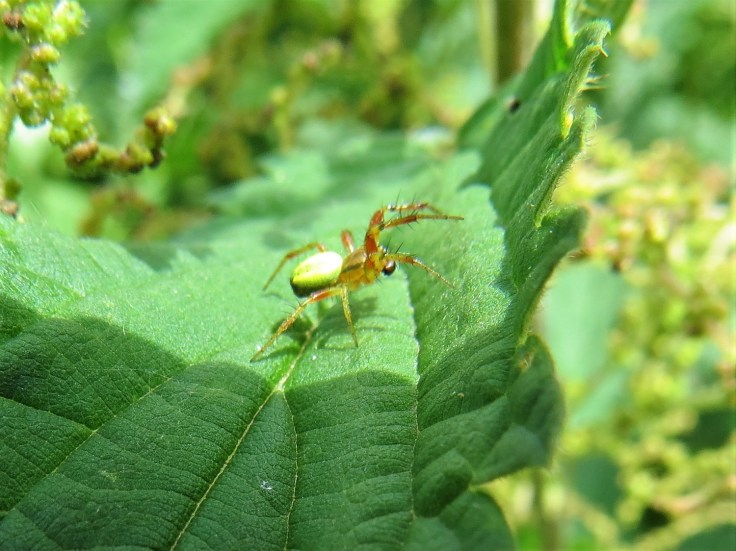
This extraordinary creature is the nymph of a speckled bush cricket (Leptophyes punctatissima). It is an inadvertent portrait: the photographer was focusing on the flowers of the common vetch and only found the bush cricket when the picture was enlarged for detail.
More tiny creatures here:
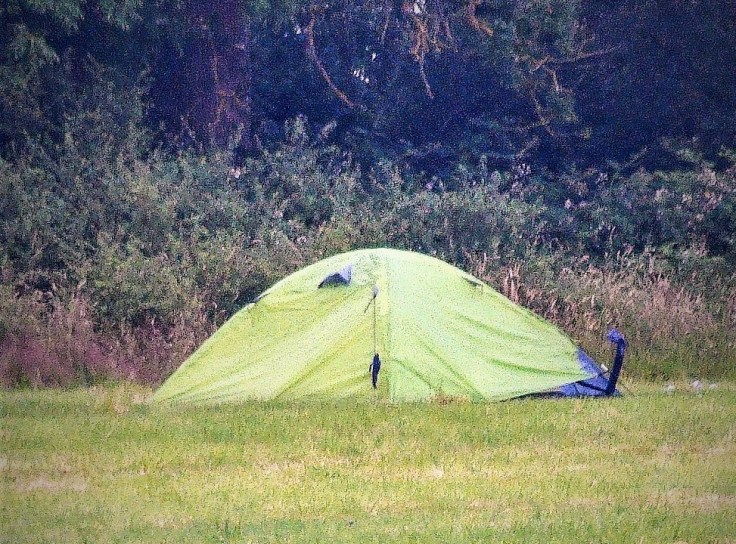
The small green tent in Sleepers Field had vanished by yesterday afternoon. Camping is NOT permitted in the park.

A common whitethroat (Sylvia communis), seen, identified and photographed by DKG near the Lambrok this week. This is probably either a female or a juvenile; the male is more distinctively coloured.
Continue reading “Whitethroat”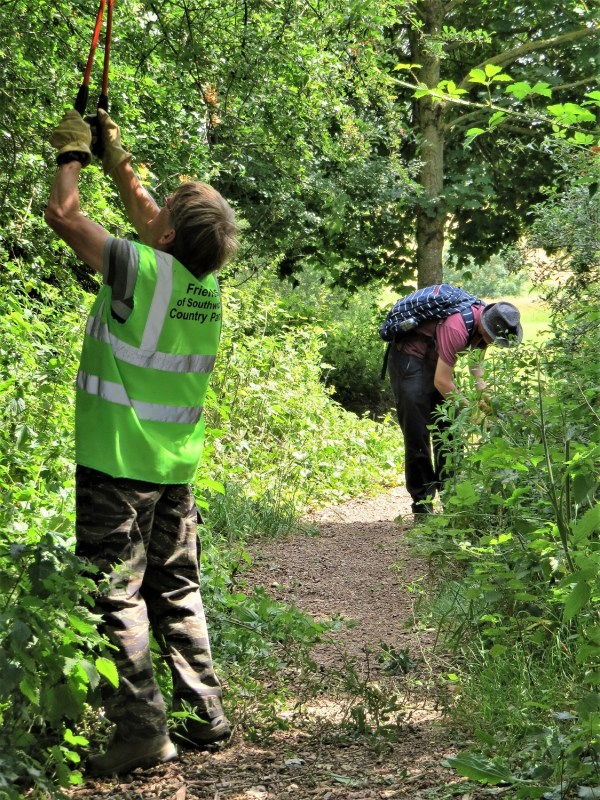
Work Report by DKG
A lovely warm day greeted the FoSCP, meeting up in the car park for our 9:30am start with Alison from the Countryside Team. A warm welcome was extended to Sasha, a new volunteer; we hope you enjoy your time with us Sasha.
Continue reading “Another Wednesday work party”
There is a small green tent in Sleepers Field. If you are passing and feel so inclined, a friendly word to the effect that camping is not allowed in the park might move the campers on before officialdom arrives.
We have passed the pictures to PCSO Till and to the Countryside Team.
Thank you
FoSCP
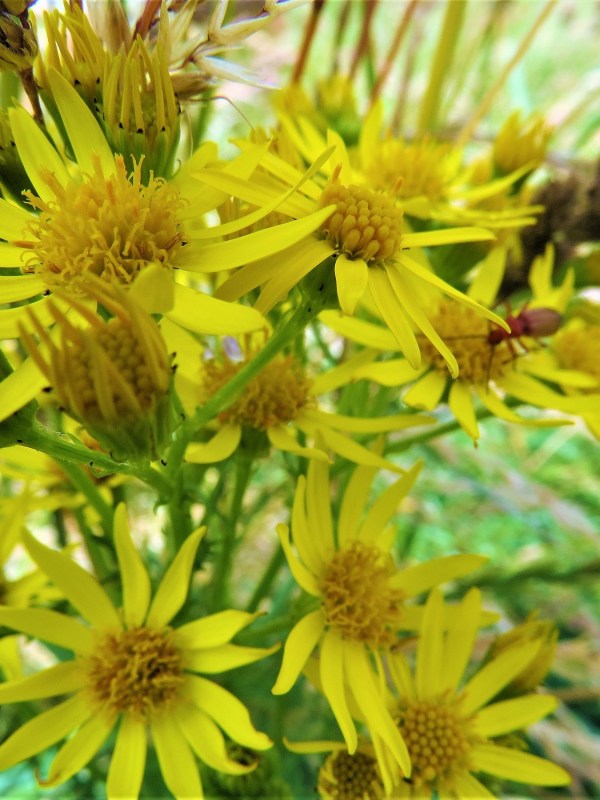
This year the park produced beautiful hay: a variety of grasses, dry, sweet smelling, full of wildflower and not a single shred of ragwort anywhere.
Continue reading “Ragwort again”
Caught in the act, a grey squirrel stripping bark from a willow tree near the footbridge into Village Green; spotted, photographed and chased away by Ian Bushell
Continue reading
Four nests of peacock caterpillars have been photographed in the park this year and we hope there are more. Those caterpillars will be pupating soon and we will begin to see the new adults this month.
Continue reading “Peacock butterflies”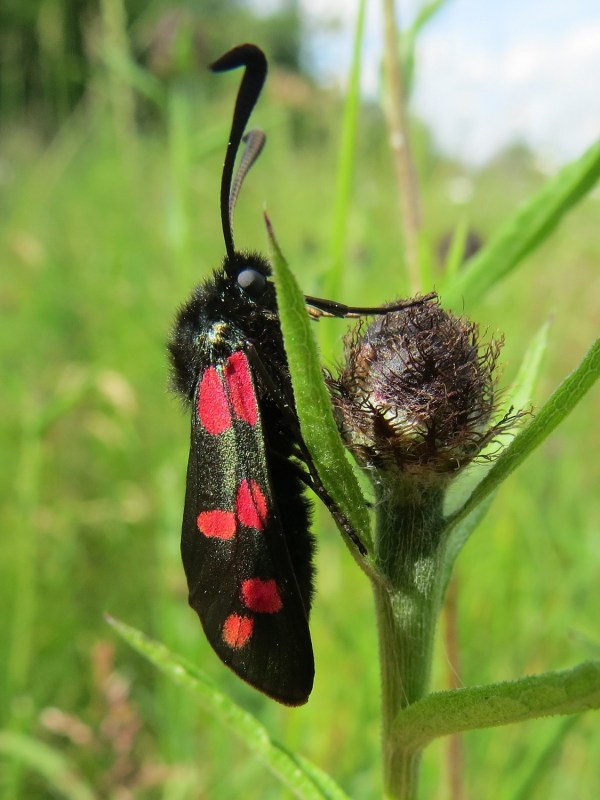
Six-spot burnet moth (Zygaena filipendulae) seen in Village Green. The adults feed on the nectar of the thistles and knapweed that grow there. They lay their eggs on the caterpillar’s food plant, birdsfoot trefoil, among the grass.

![birdsfoot trefoil by Horia Varlen [CC BY 2.0]](https://southwickcountrypark.com/wp-content/uploads/2019/07/birdsfoot-trefoil-by-horia-varlen-cc-by-2.0.jpg?w=736)

The climate scientists are finally persuaded that Southwick Country Park’s solution to global warming is the right way to go. They should have asked us sooner.
Continue reading “Growing trees”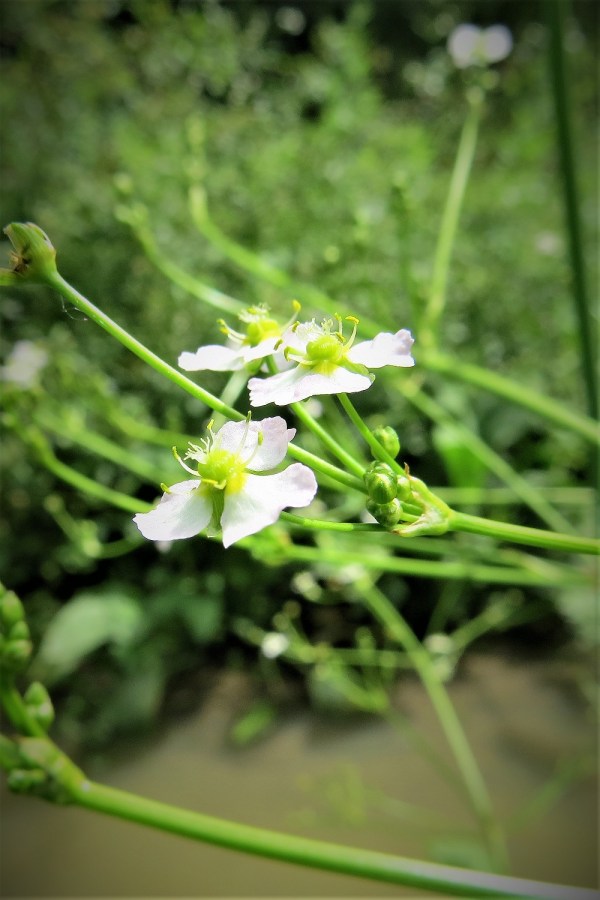
Water plantain ( Alisma plantago-aquatica) thriving in the Lambrok Tributary
Continue reading “Water plantain”
This is tufted vetch (Vicia cracca), a species of vetch native to Europe and Asia.
Continue reading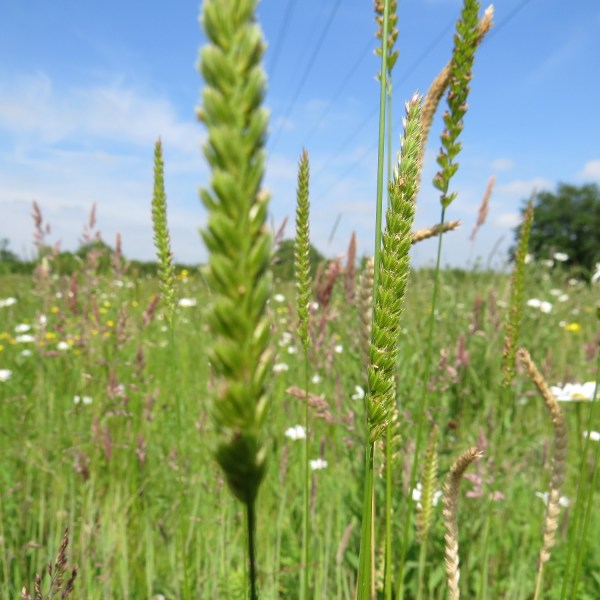
It’s National Meadows Day today, an annual celebration of wildflower meadows across the UK. The event takes place on the first Saturday of July each year.
Continue reading “National Meadows Day”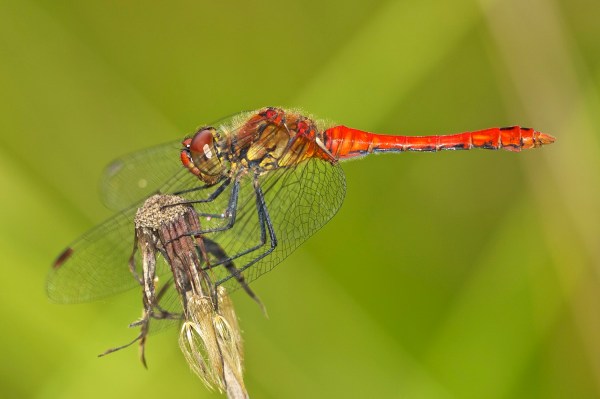
This is, without doubt, a picture of a ruddy darter (Sympetrum sanguineum). We rarely use as a headline any pictures that have not been taken in the park but this one was taken in Chemnitz, Germany by Jörg Hempel and has been downloaded from Wikimedia Creative Commons
Click here to find out why


 Southwick Country Park Nature Reserve