Nesting

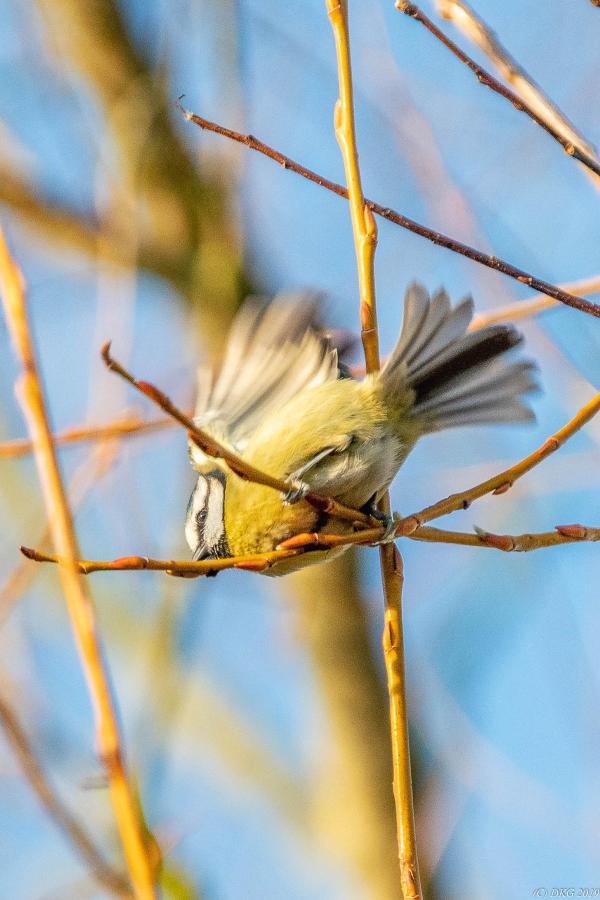
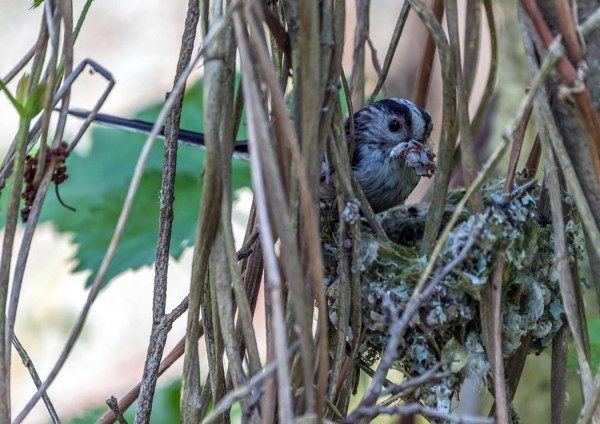
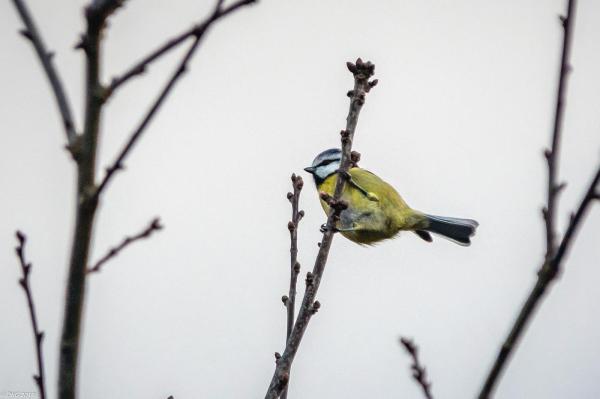
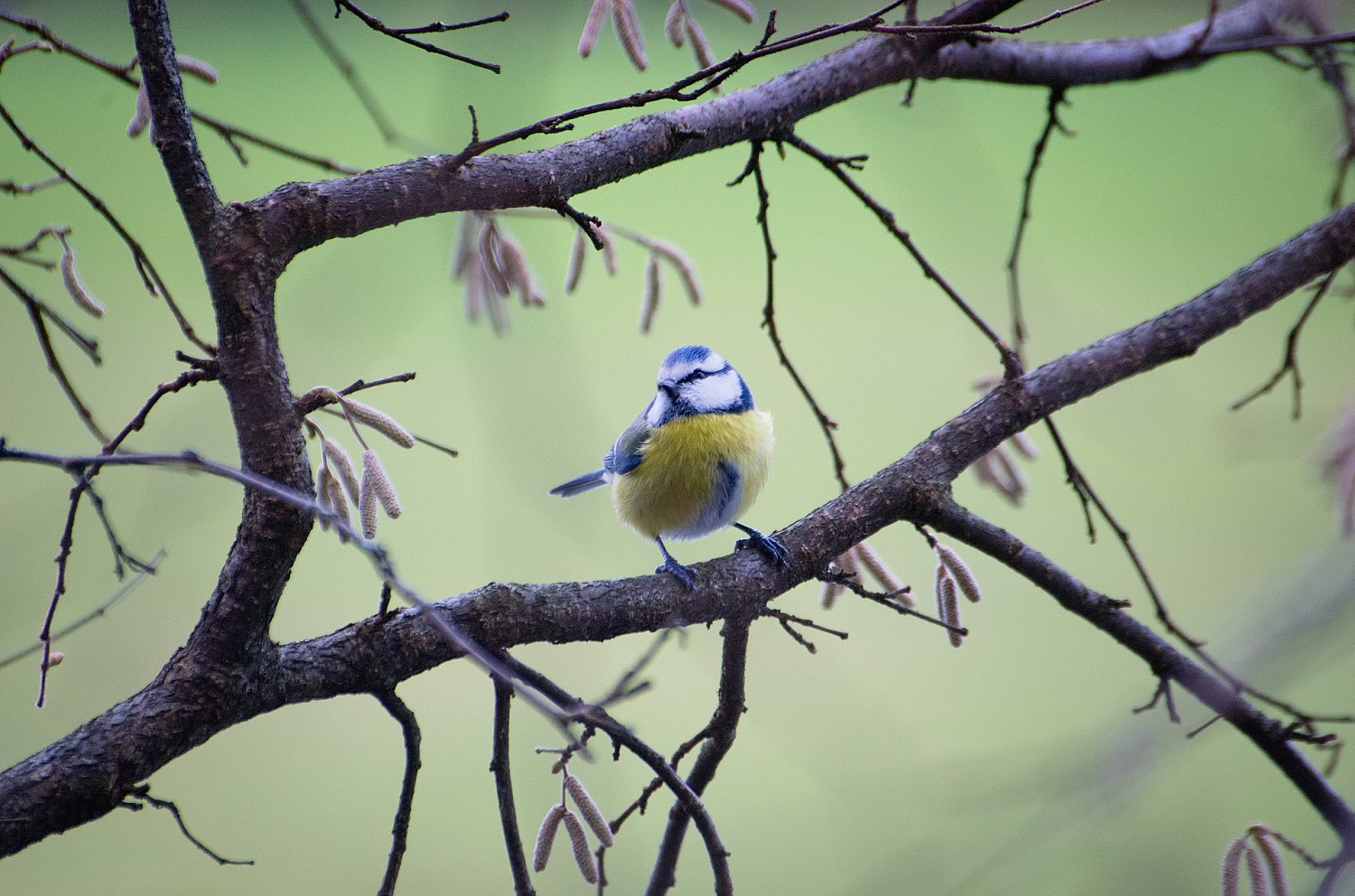
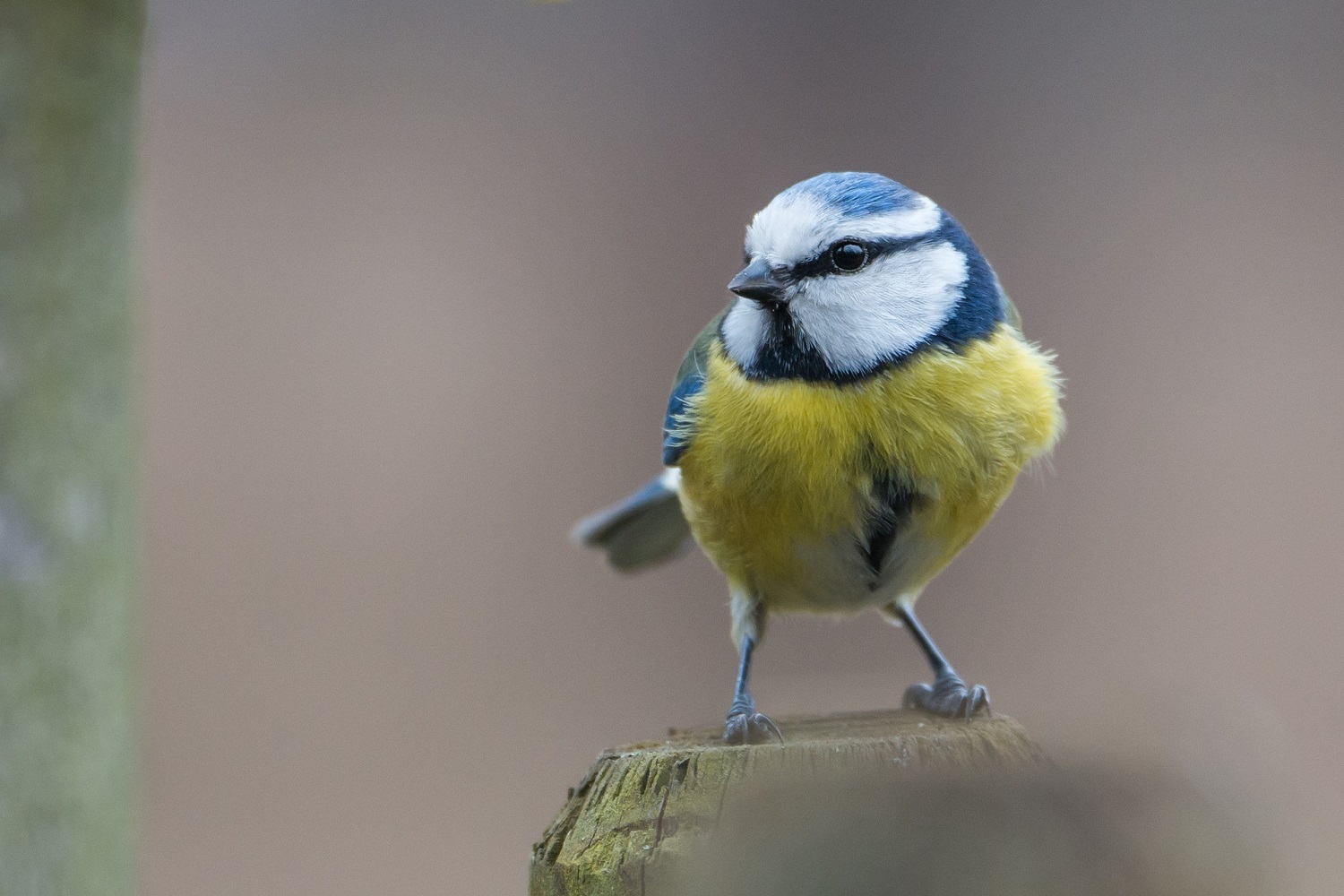
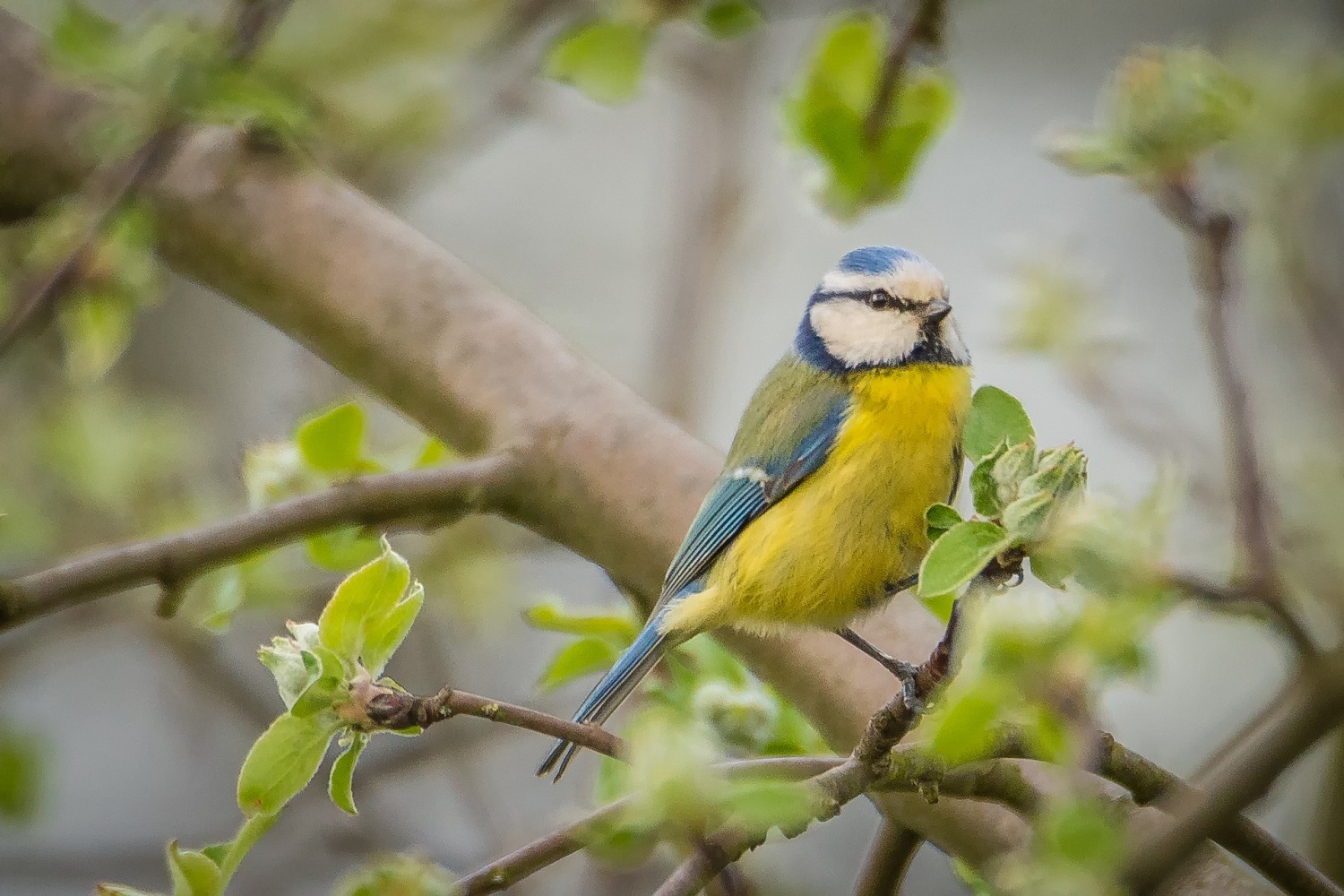
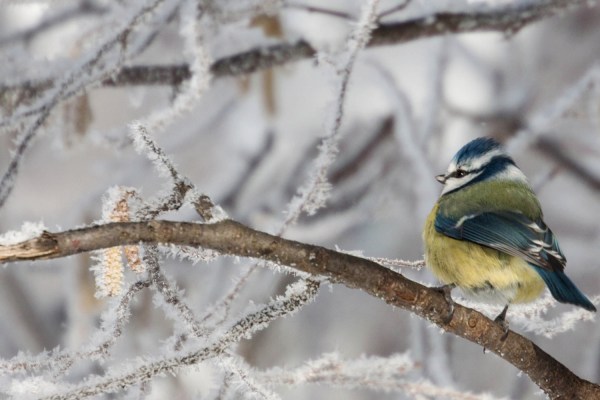
At this time of year, the reserve’s blue tits are building nests in holes in our old trees. The ash tree at Fiveways harbours a nest every year and the fenced oak near the bottom of the Arboretum seems to have attracted more than one pair already.

Here is a video of a female blue tit building a nest while, outside, the male guards the site from marauders and thieves.

Video from The Nest Box
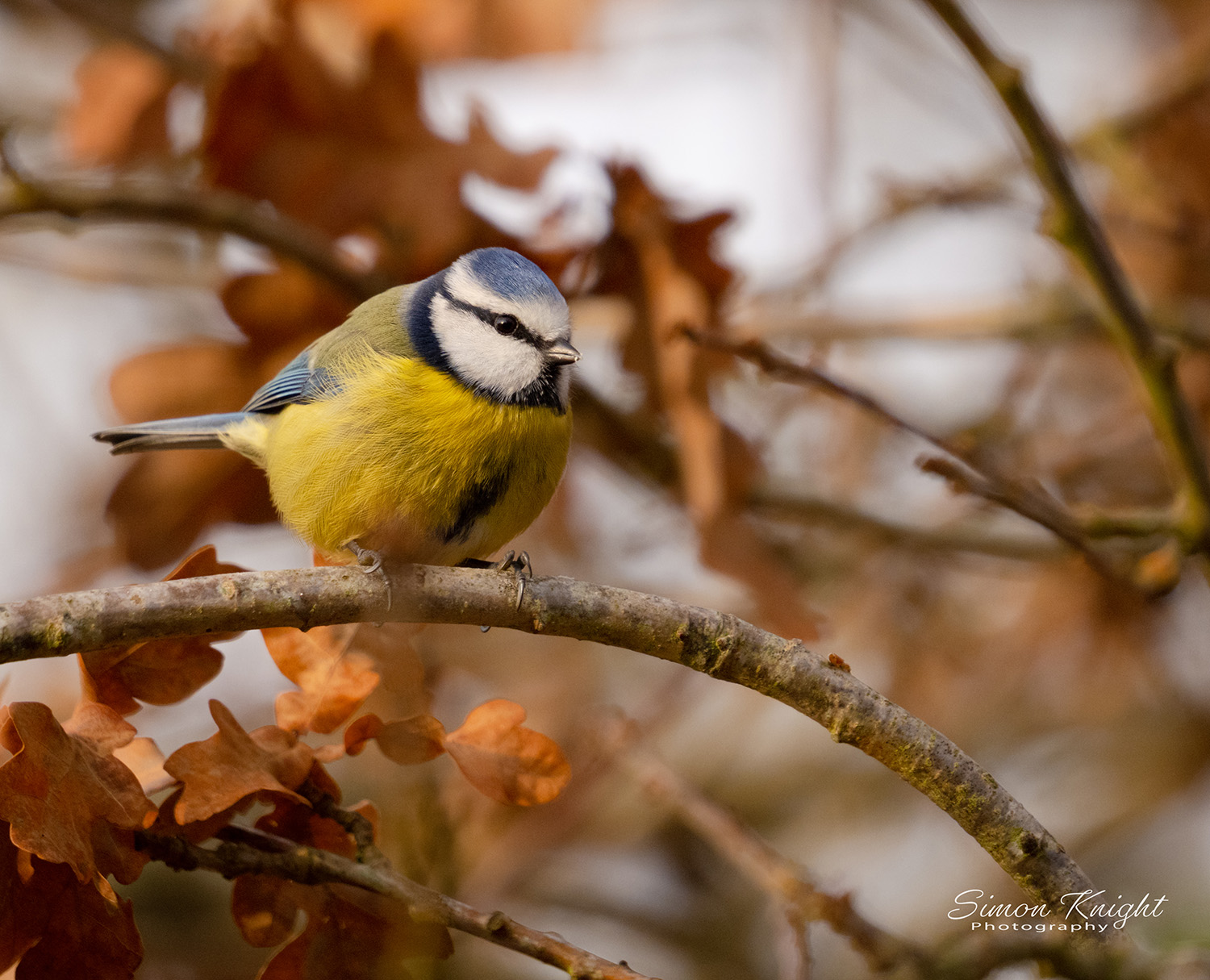
Header picture by Simon Knight

Winter blue tits

During the winter, in natural woodlands, blue tits spend most of their time in oaks, searching for insect food in the treesโ€™ rich ecosystems. But at this time of year they turn their attention to the midges, mites and wasps that come to lay eggs in the new leaf buds.

Read more

The Eurasian collared dove, Streptopelia decaocto, seems ubiquitous: one of the park’s noisiest and most common species. But it wasn’t always so.

How come?

Jay

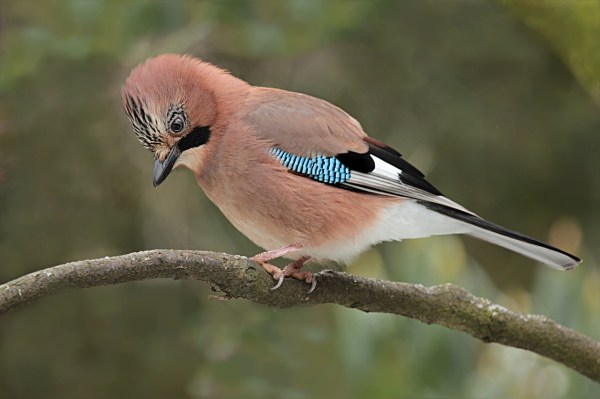
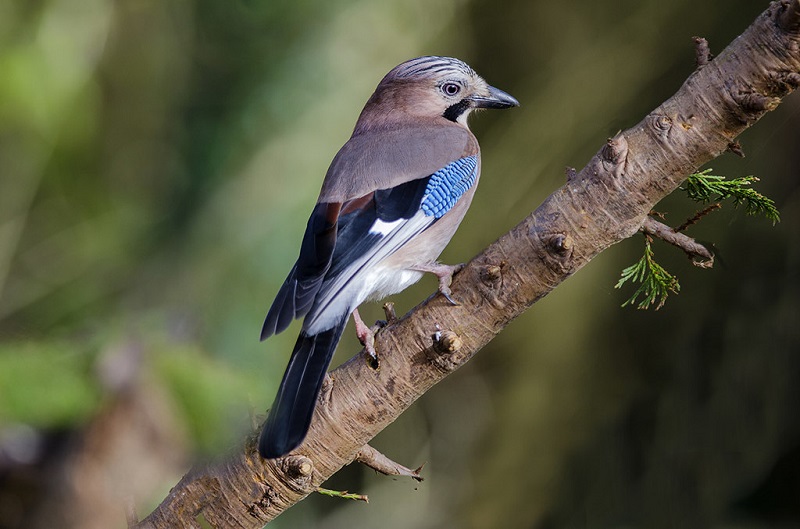
Ian Bushell photographed this young jay in the reserve on Sunday morning. He said:

It is last year’s chick, a one year old bird that has raised its crest; adults have black and white bands on their heads. Its call, which was what attracted my attention, was more like the mew of a buzzard rather than the harsh call of the Jay.

Blue tit colours

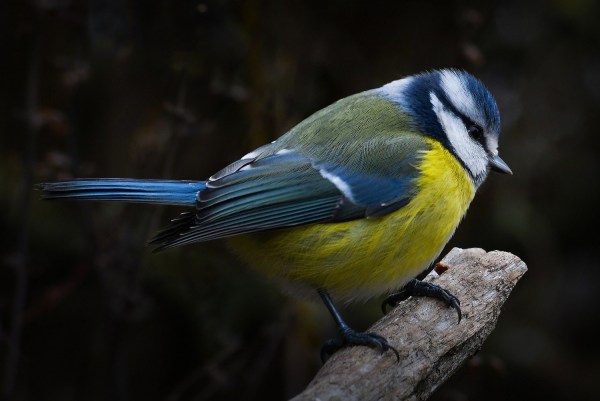
The blue tit (Parus caeruleus) has been classified as sexually monochromatic, which means that male and female are the same colour. This classification is based, though, on human colour perception, not on blue tit colour perception.

Continue reading

Nuthatch

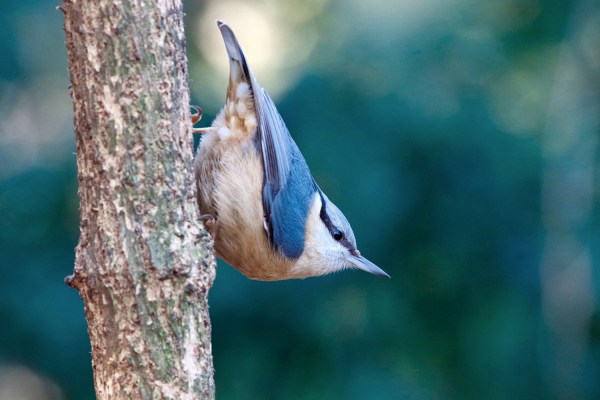
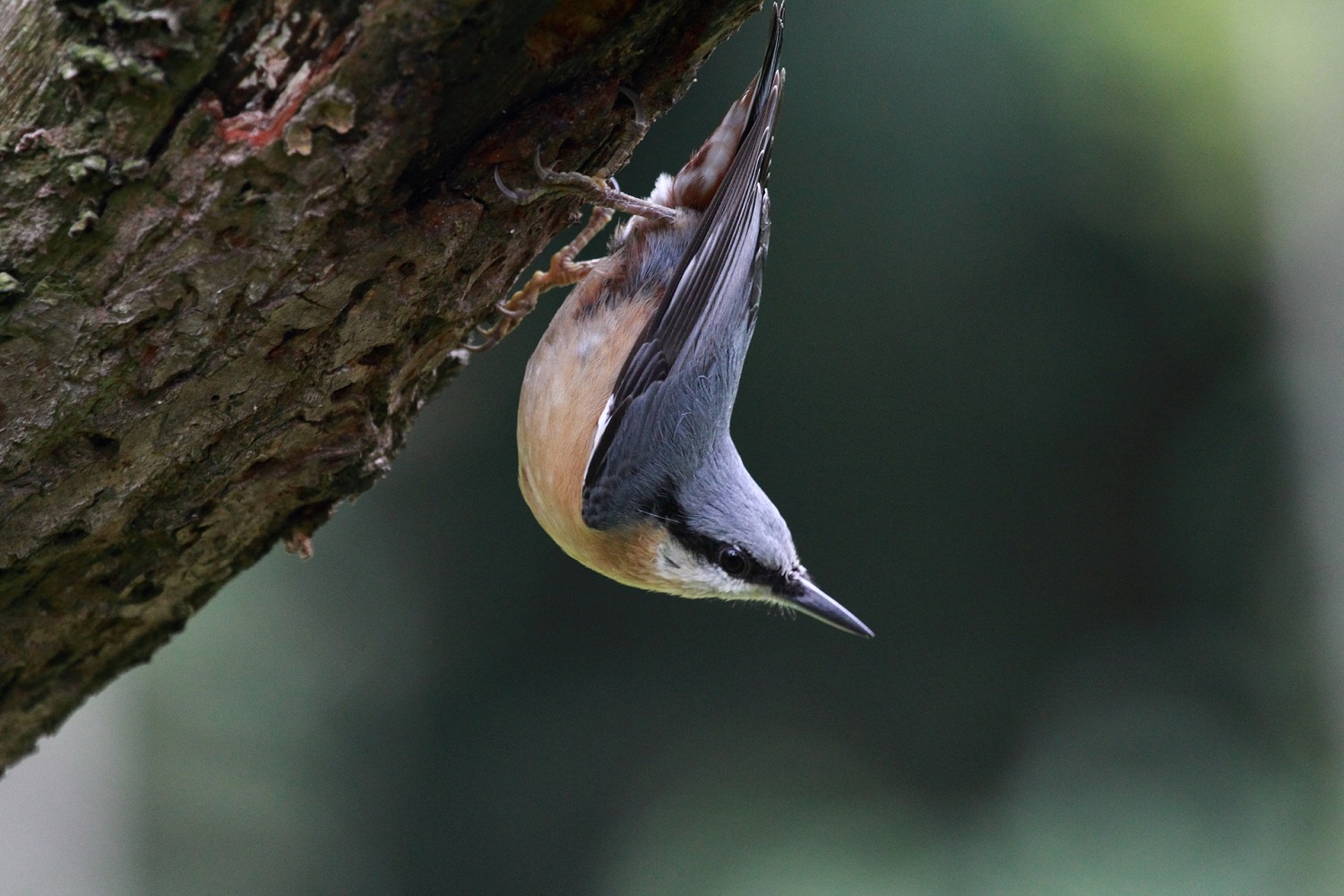
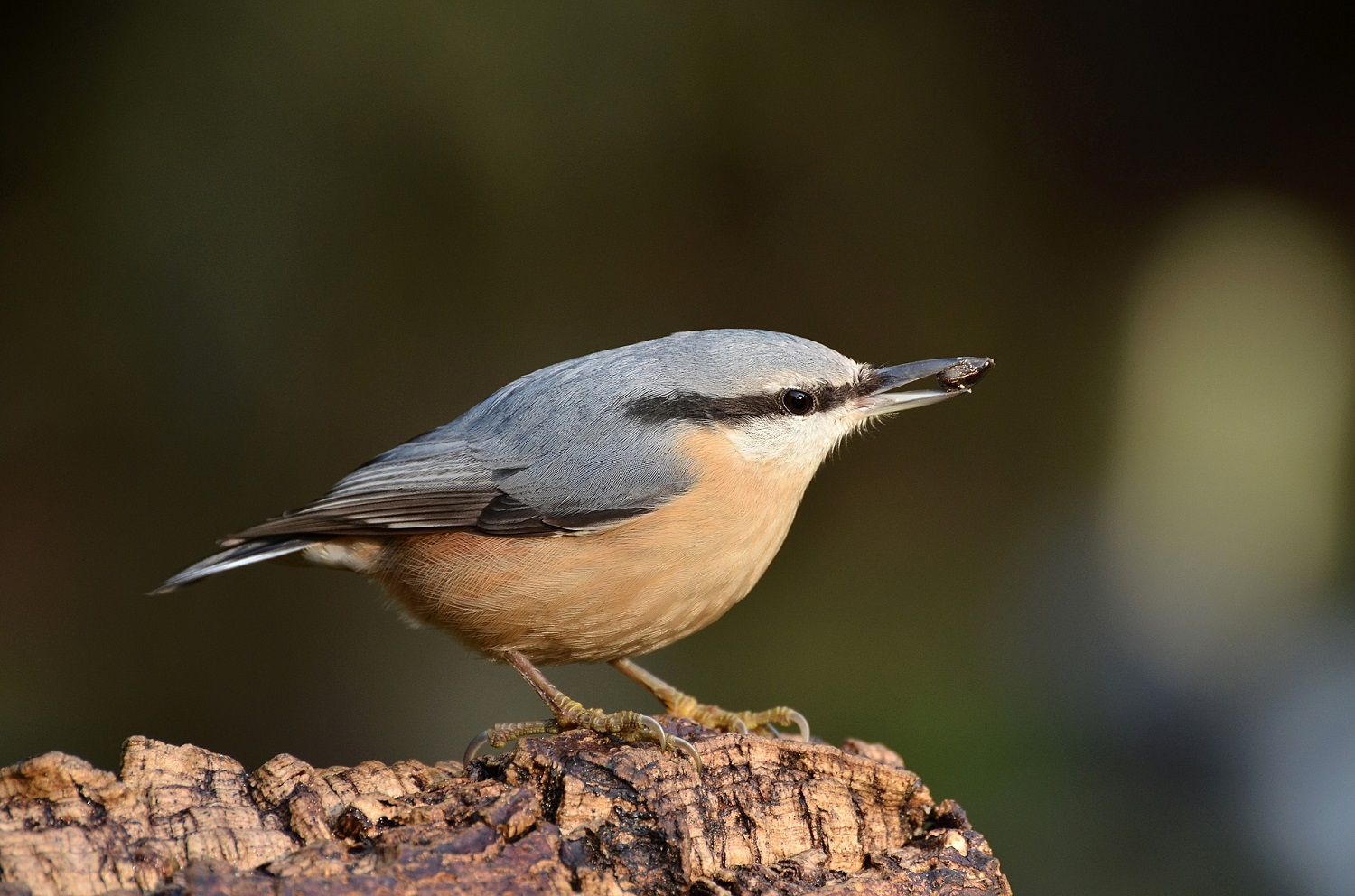
Ian spotted a nuthatch at the weekend; the first he had seen in the reserve for about seven years. Let’s hope it’s one of a pair that are building their nest in a hole up in an old tree.

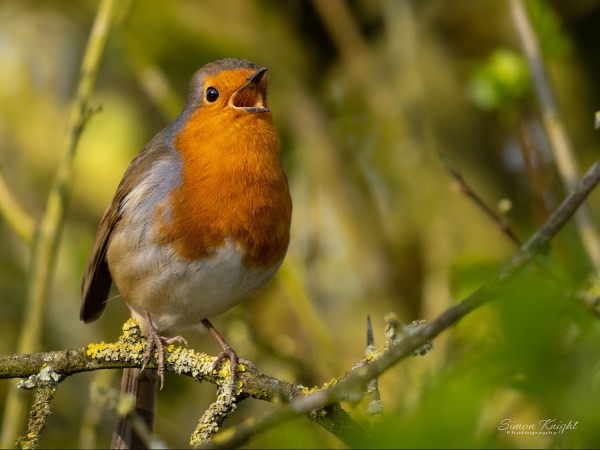
Robins, male and female, sing all year round but the male’s spring song is louder and more confident as he prepares to do battle for territory and a mate.

Header image by Simon Knight
Audio: European Robin from xeno-canto by david m.

Little egret

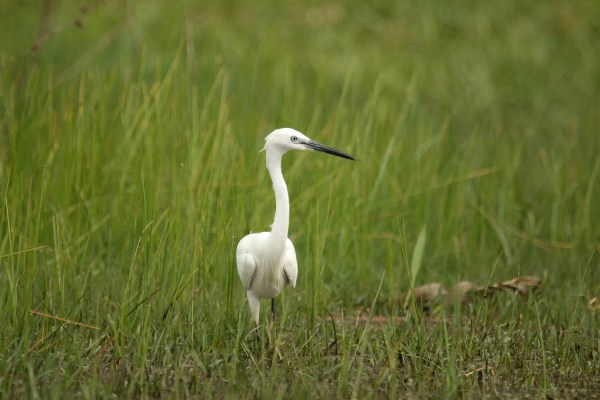
Clive Knight has sent us pictures of the little egret (Egretta garzetta) that has been visiting the reserve for the past couple of weeks.

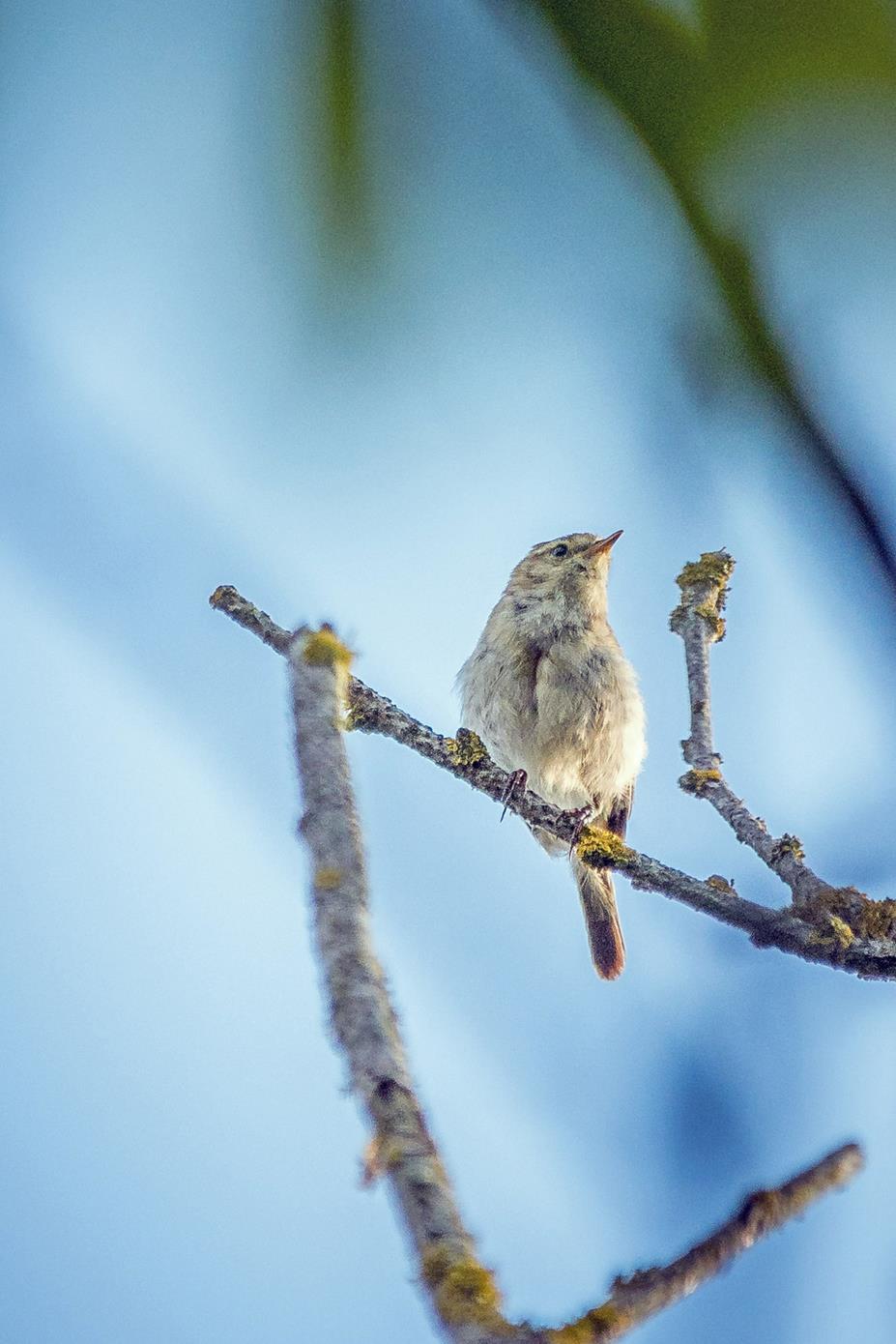
Chiffchaff

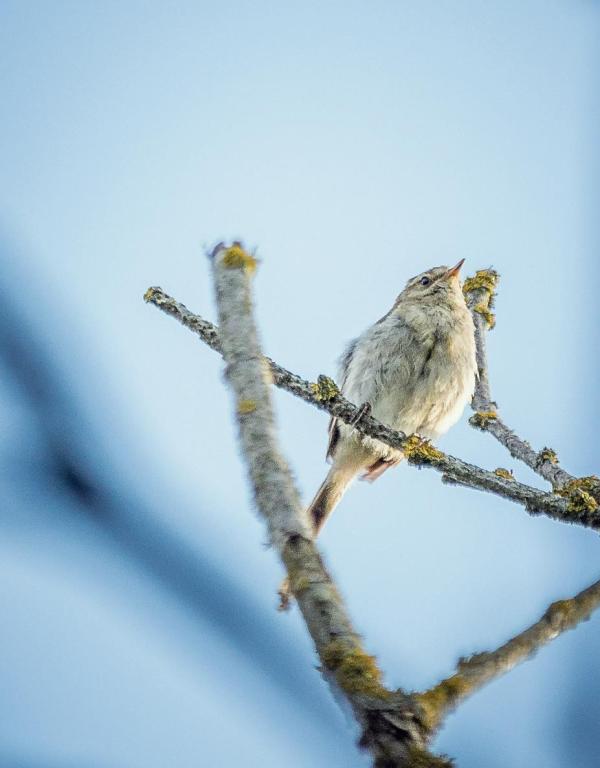
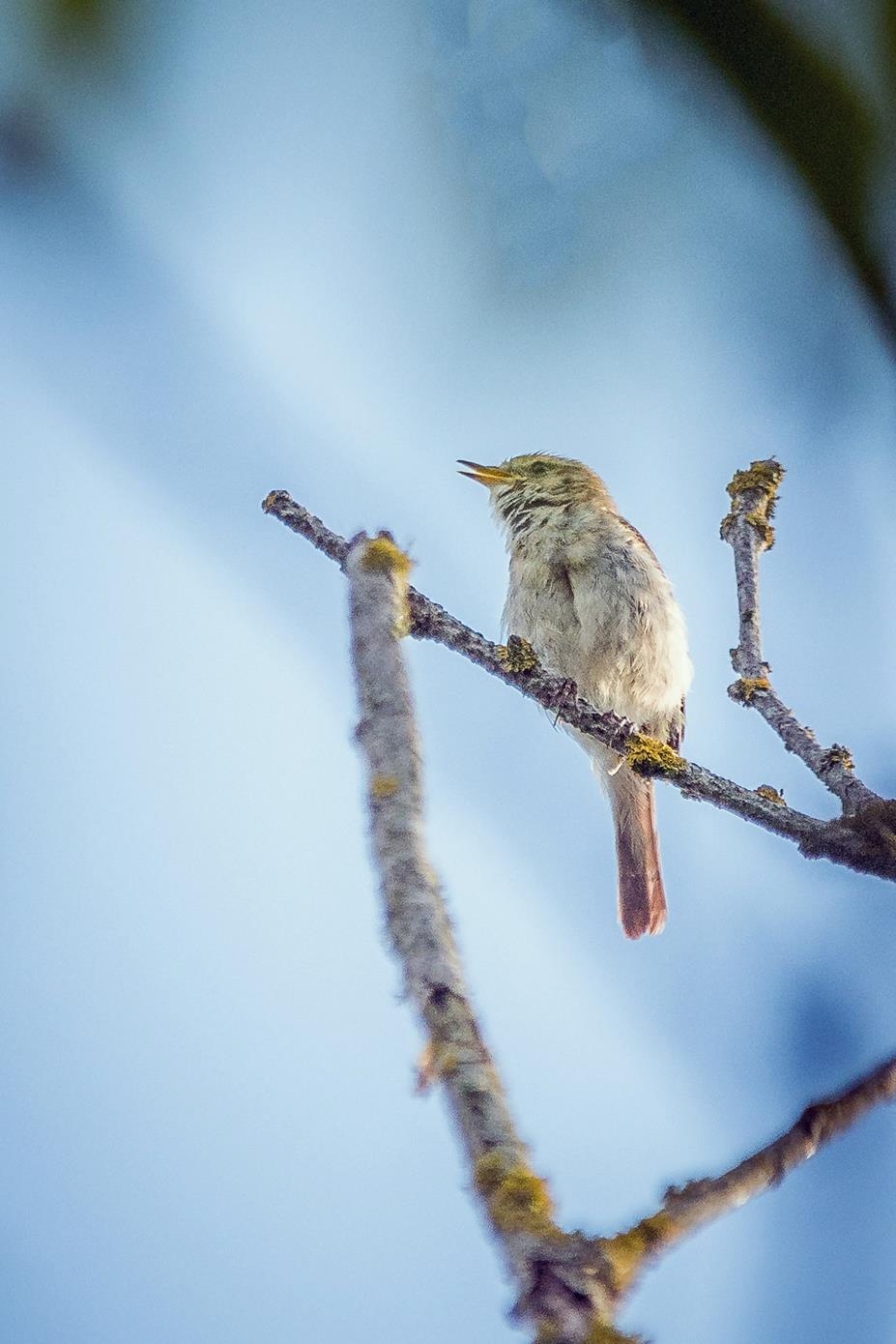
Our chiffchaffs will already have started the long journey back to their breeding sites in the reserve. They have overwintered in the warmth of southern Europe or northern Africa and are making their way home in a leisurely way with lots of stops for fuel. The males are the frontrunners and they need to arrive fit enough to find and fight for a territory.

They will begin arriving in March; their song (chiff-chaff, chiff-chaff) is one of the first signs of spring.
Pictures take in the reserve by DKG

Blue tit factoid

Most birds canโ€™t create pigments, other than melanin, on their own. This bluetit, high in the park’s canopy, can’t produce the pigment, carotene, that makes his tummy yellow; it comes from pigments in the green caterpillars he eats. The more caterpillars he eats and the brighter his tummy, the more likely he is to attract a mate.

Header picture by DKG; others CC0 from pixabay


Cold snap!

We seem to be in for a cold snap. Time to winterproof your bird table with fatballs, high protein treats and a regular supply of ice-free water. Let’s look after our wildlife!

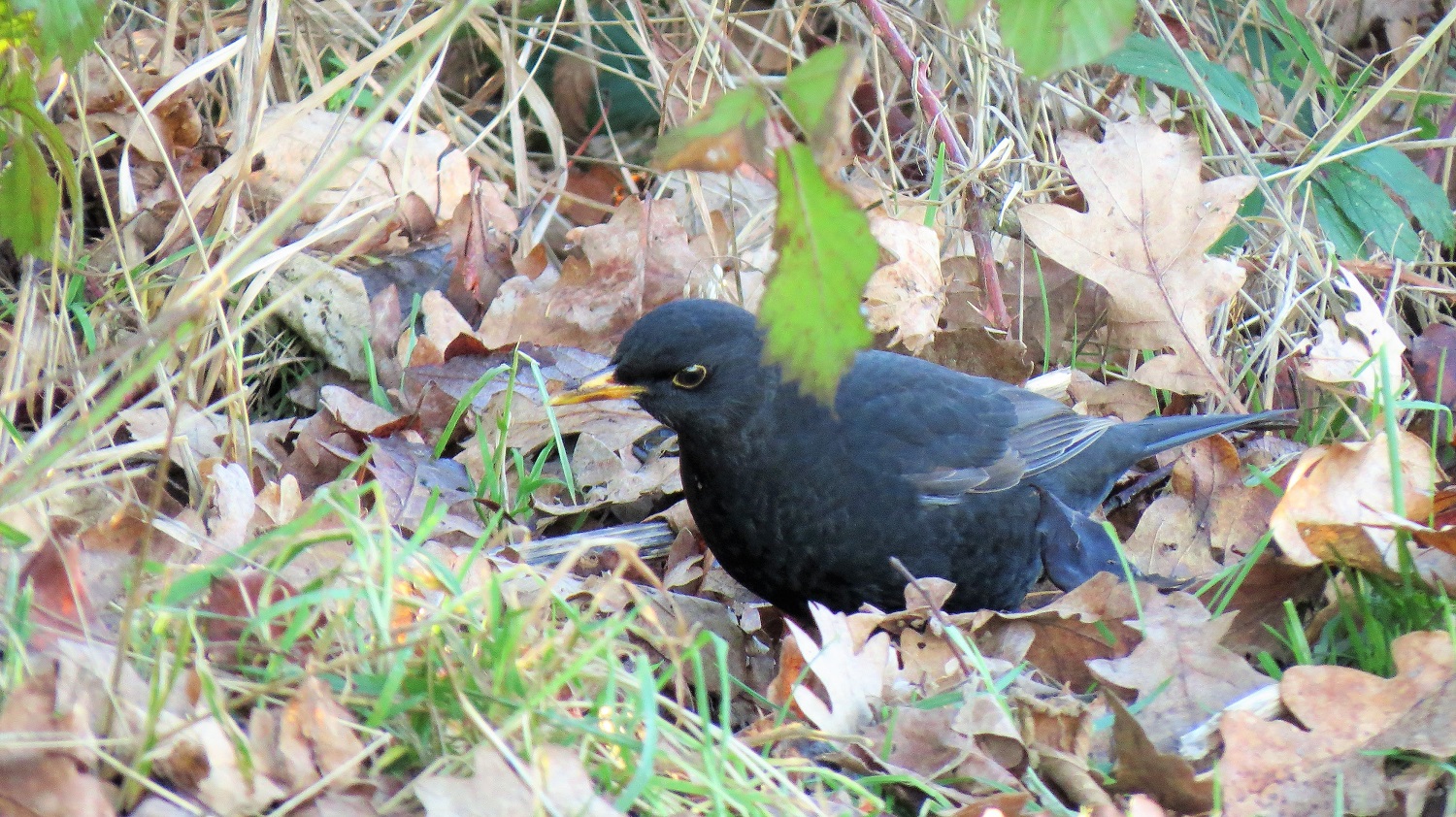
Have the blackbirds started singing yet?

Young males will begin to sing this early in order to establish and defend the territory they hope hold for the rest of their lives. Older and more experienced birds will wait until February or March.

On the twelfth day of Christmas

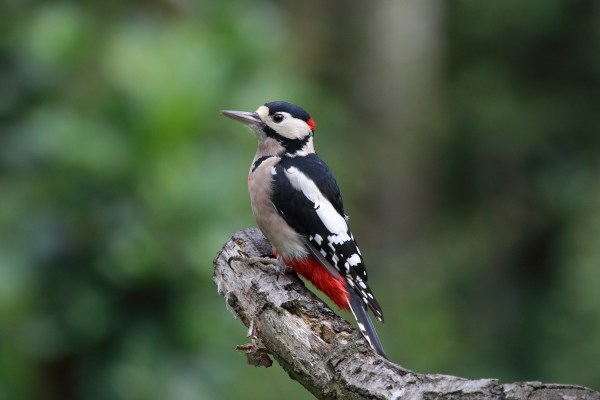
The park’s twelve drummers drumming are great spotted woodpeckers. They begin drumming at the end of winter as part of a courtship ritual in which the male marks out his territory and advertises his presence. He drums his beak against hollow wood 10 to 20 times in just 2 seconds, and the females replies briefly as she enters his territory.

Here is a video:

Video recorded in March 2019 by George Ewart

Seven swans a-swimming.

On the seventh day of Christmas my true love sent to me seven swans a-swimming.

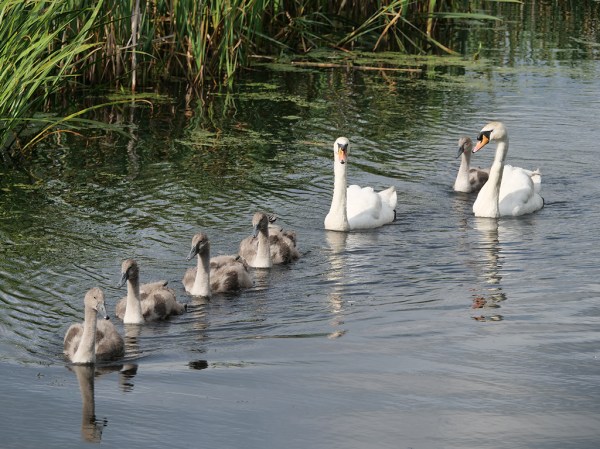
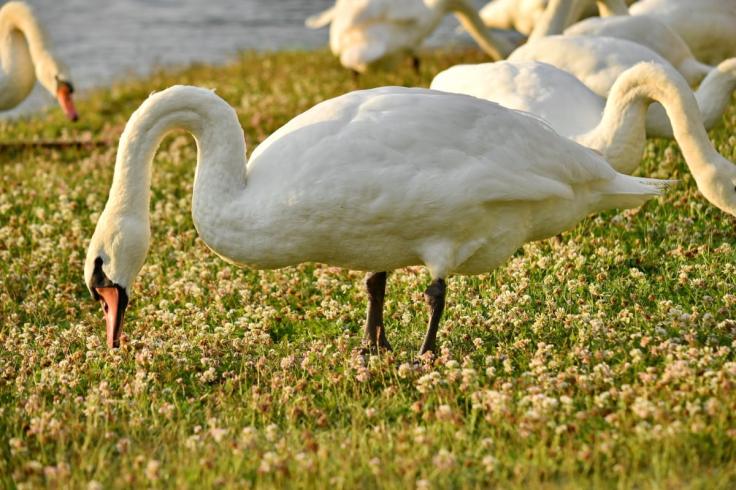
Mute swans (Cygnus olor) come to the park to graze, not to swim or raise chicks. They break their long journey to some faraway lake or river, to rest and eat in the park’s green fields. We are a swan service station.

Six geese a-laying…

…or not.
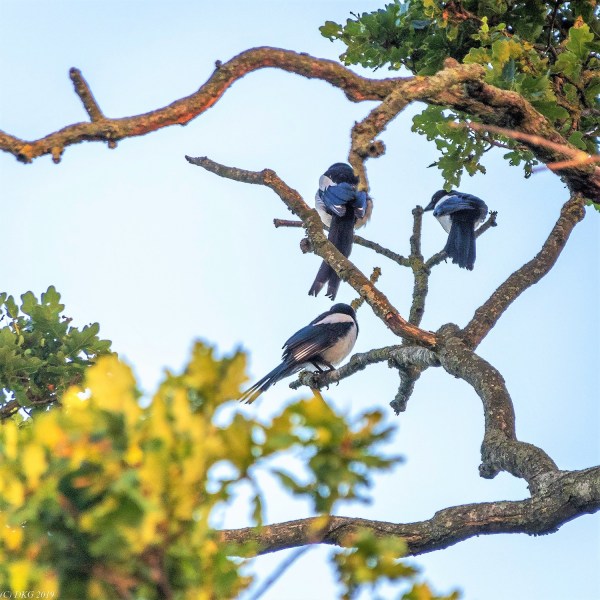
There are no geese anywhere on our species lists but we can offer you six species of corvid instead.

[1] Crow [2] Jay [3] Rook [4] Jackdaw [5] Magpie [6] Raven

Create a website or blog at WordPress.com

Up ↑