Goldfinches of course.
On the fifth day of Christmas my true love sent to me five goldfinches. . .


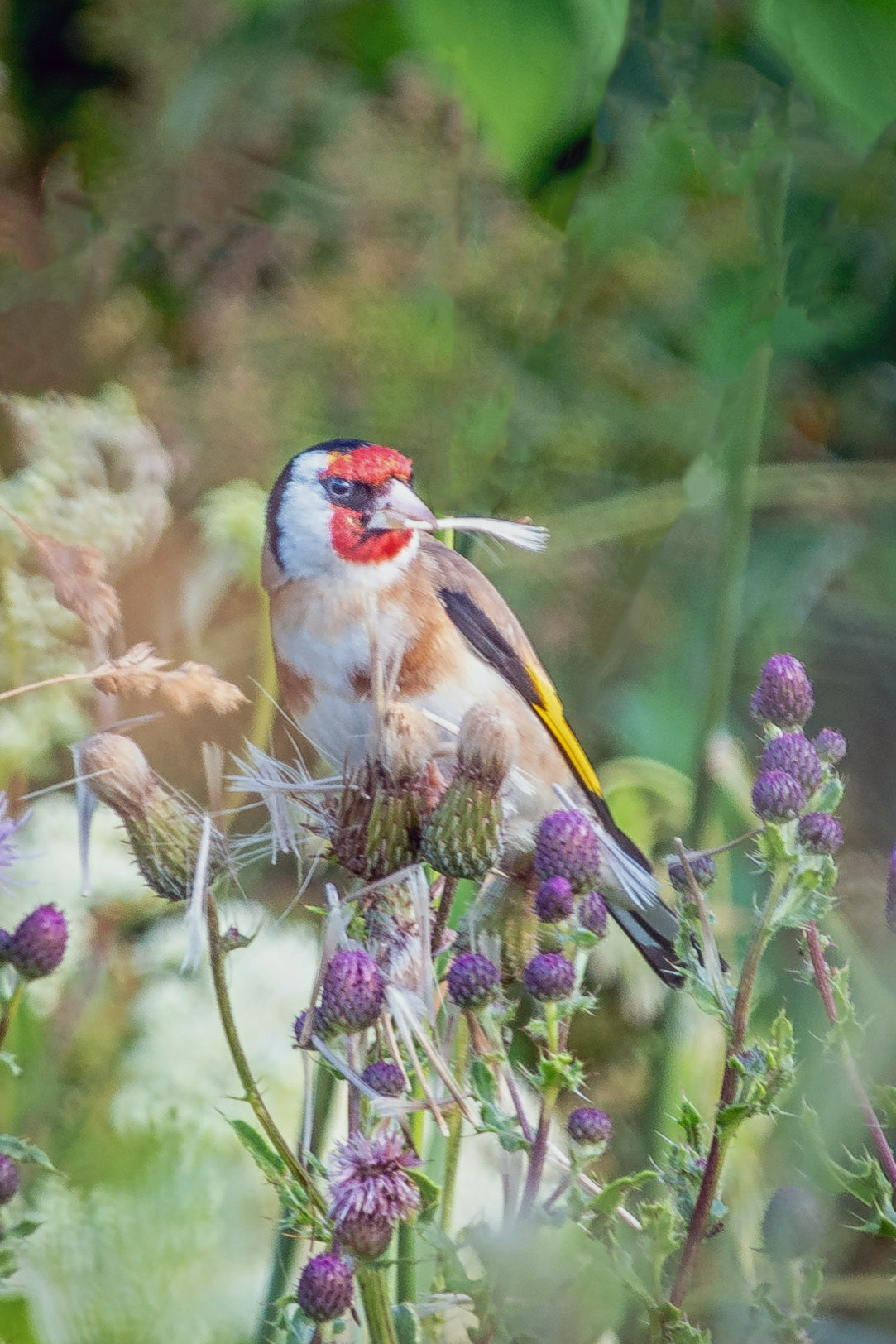


Pictures taken in the reserve by DKG.

Goldfinches of course.
On the fifth day of Christmas my true love sent to me five goldfinches. . .
Pictures taken in the reserve by DKG.

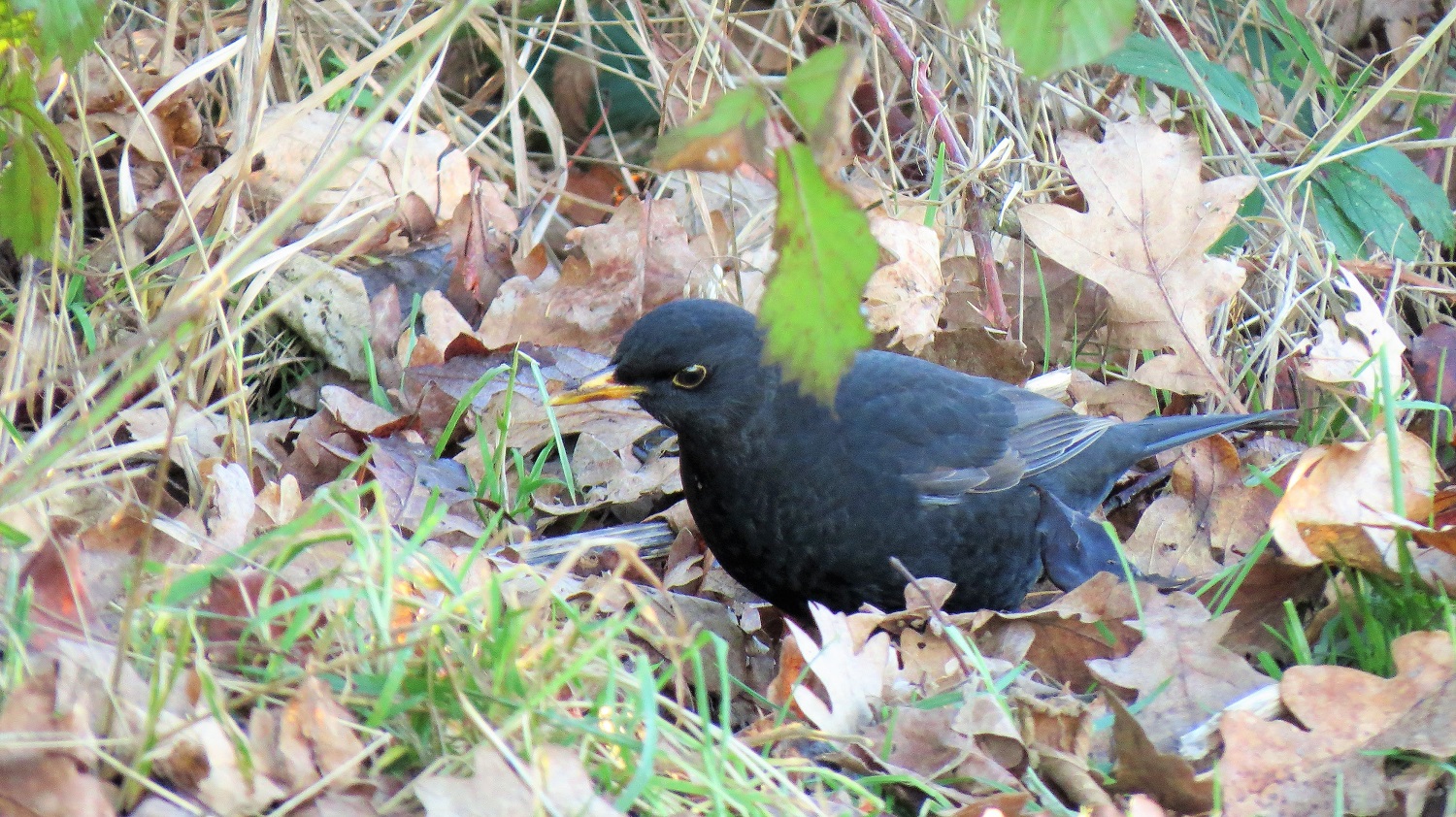
Not calling birds, according to the experts, but colly birds. Colly is an old word for soot or coal dust and a colly bird is a blackbird. We have tuneful blackbirds by the dozen in the park.
Audio by Beatrix Saadi-Varchmin (CC BY-NC-SA 4.0) xeno-canto.org

…unfortunately, we have no French hens. In fact we don’t even know what French hens are and, try as we might, we can’t find out. The top two theories suggest that they were either fashionable domestic poultry in 1780, when the song was first published, or an allegorical representation of the Holy Trinity.
Continue reading “On the third day of Christmas”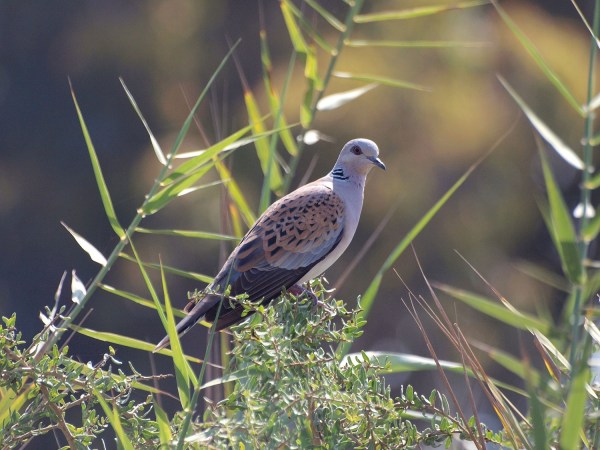
…two turtle doves. We have collared doves and woodpigeons by the dozen but no turtle doves. Sorry.
Continue reading “On the second day of Christmas”
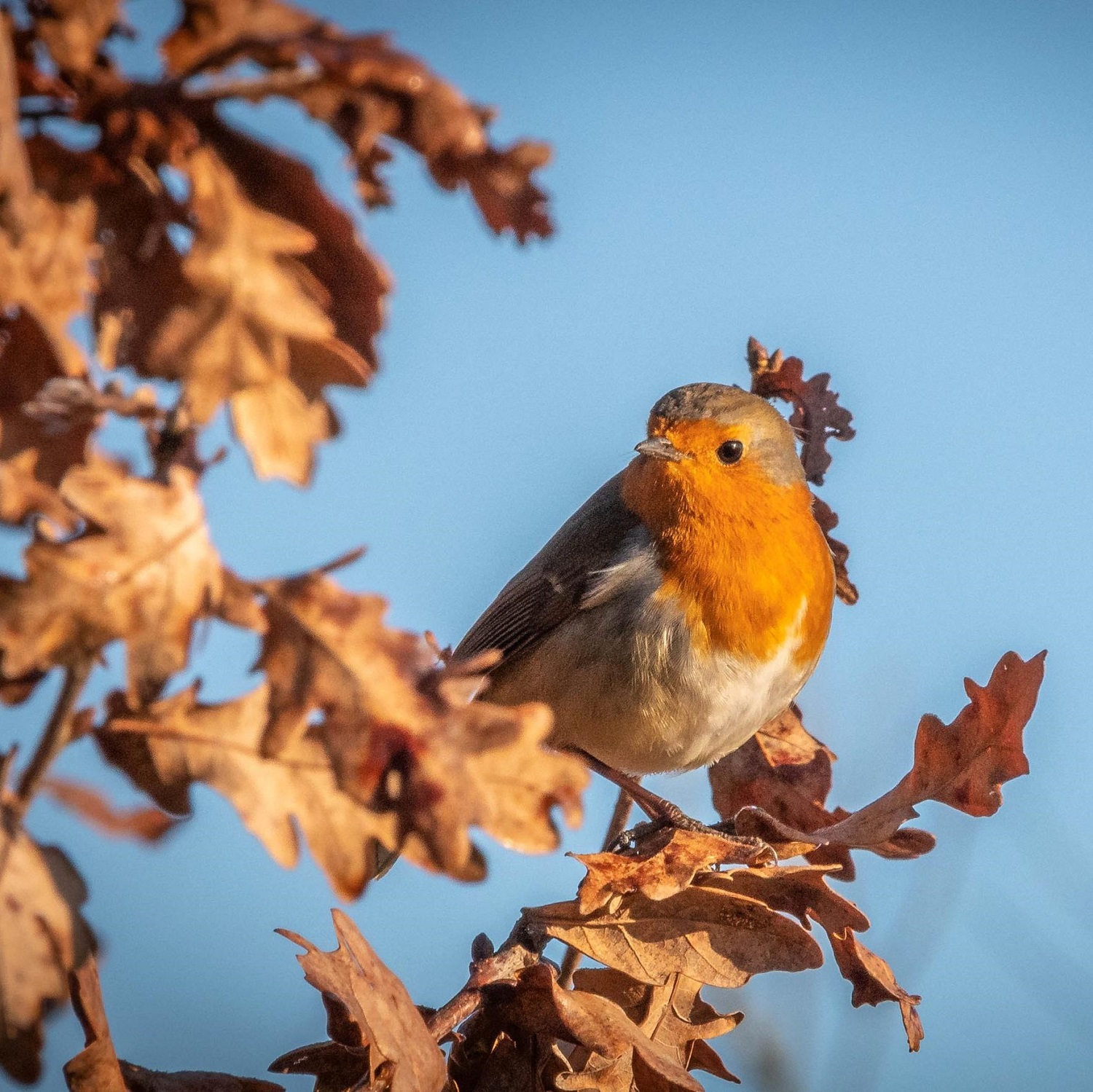
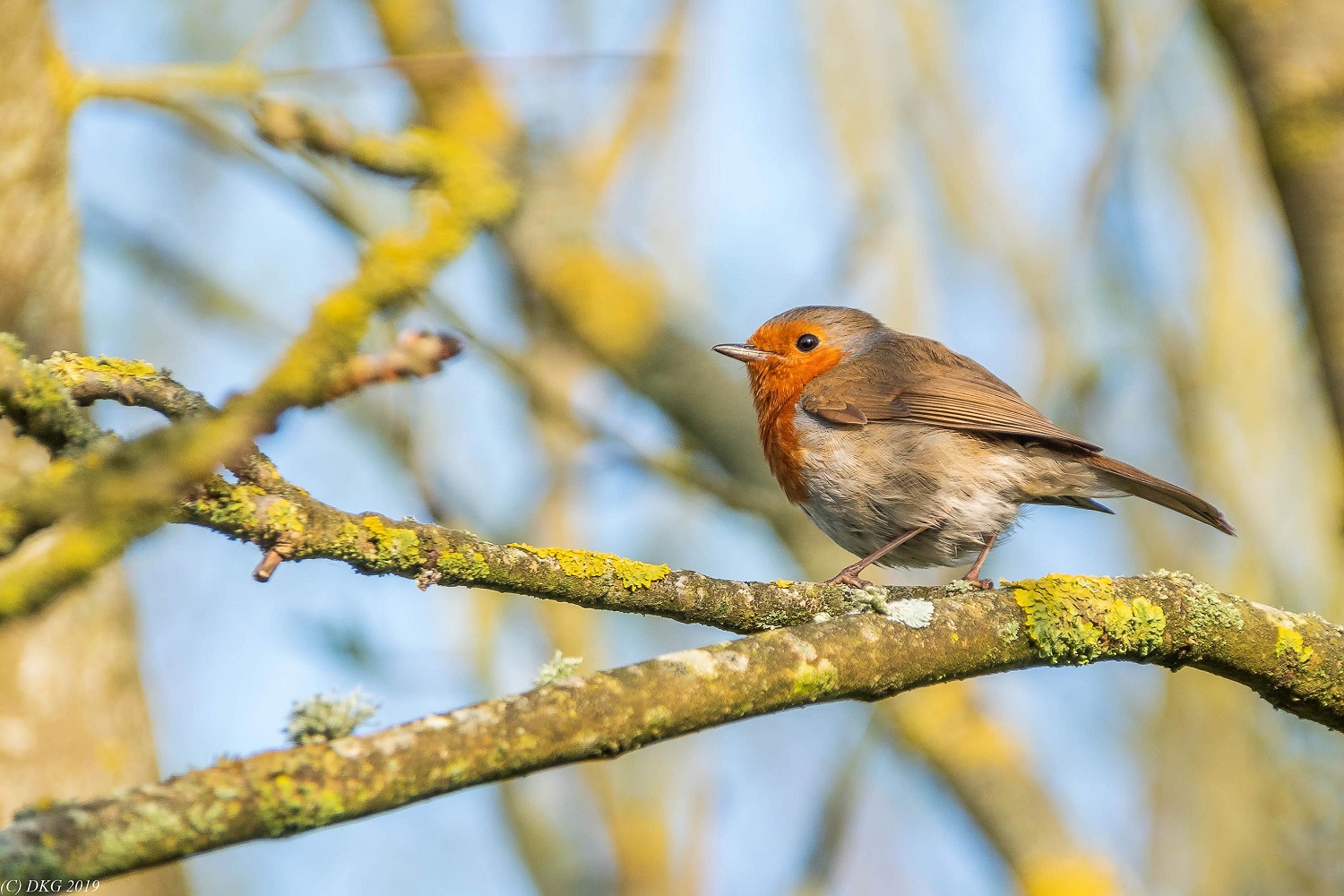
A Christmas Eve gallery of the park’s robins, photographed by DKG.




In its latest review, the RSPB has added four more names to its red list of Britain’s endangered bird species.
Continue reading “Red list”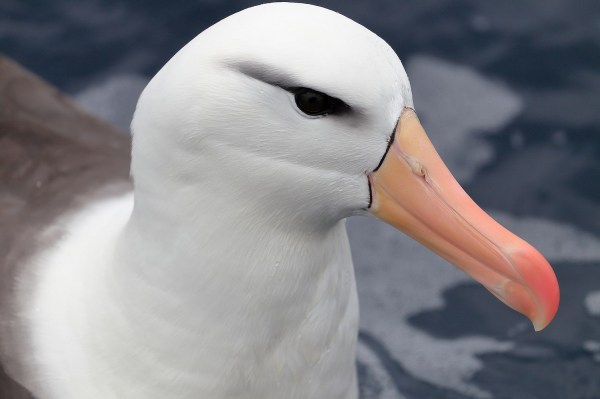
No, we haven’t seen an albatross flying over the reserve but occasionally a story from beyond our particular corner of Southwick catches our eye.
Continue reading “Warming oceans”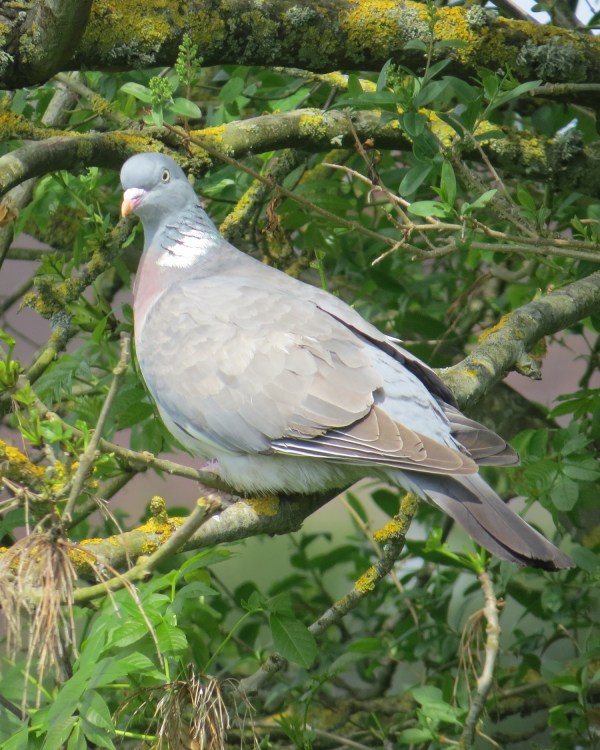
Pigeons are known to have been domesticated for more than 5,000 years. They are mentioned in cuneiform writing on clay tablets dug up in Mesopotamia and in hieroglyphics on the walls of ancient Egyptian tombs. There is a growing belief among archaeologists that pigeons were, in fact, the first birds to be domesticated, more than 10,000 years ago,
Continue reading “Pigeon post”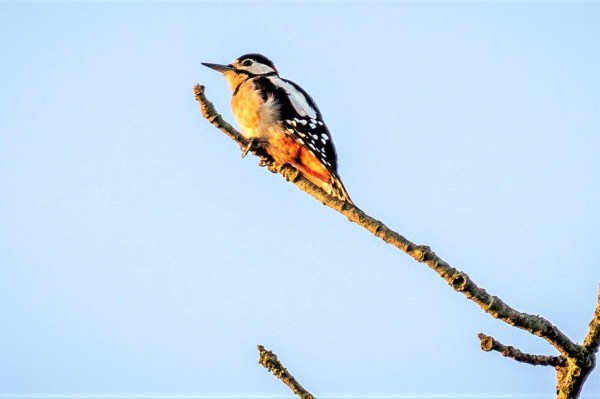
We have both greater and lesser spotted woodpeckers on our species lists but it is many years since the single sighting of a lesser spotted woodpecker in the park. Here is a video from the BTO to help you tell the difference between the two.
Header picture: greater spotted woodpecker in the reserve photographed by DKG

Since the 1960s, the number of Eurasian blackcaps that overwinter in the UK has got bigger and bigger. It’s no longer a rare sight to see them in the reserve in the middle of winter. The blackcap (Sylvia atricapilla) is one of the rare species that sings all year round. Listen out for them:
Recording: Blackcap by Alexander Henderson (CC BY-NC-ND 4.0) xeno-canto.org
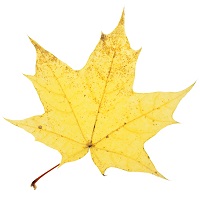

The Winter moth (Operophtera brumata) is one of the few moth species that can cope with winter’s freezing temperatures in its adult stage. They are endothermic which means that they can produce heat internally by biochemical processes, just as warm-blooded creatures do.
Continue reading “Winter moths”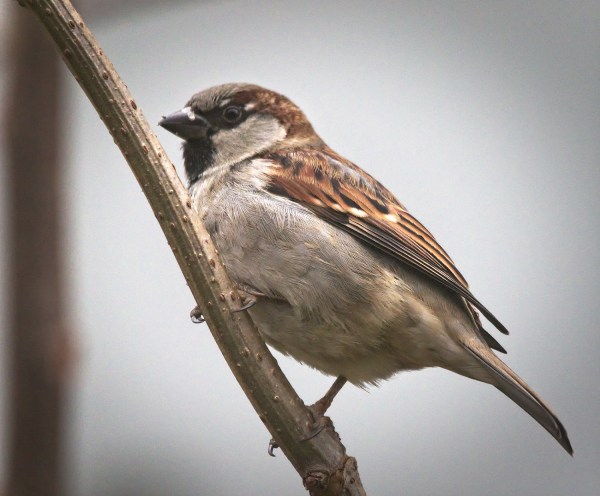
A study by scientists from the RSPB, BirdLife International and the Czech Society for Ornithology has found that there are 247million fewer house sparrows in Europe than there were in 1980. This is a loss of almost half the house sparrow’s European population.
Continue reading “House sparrow”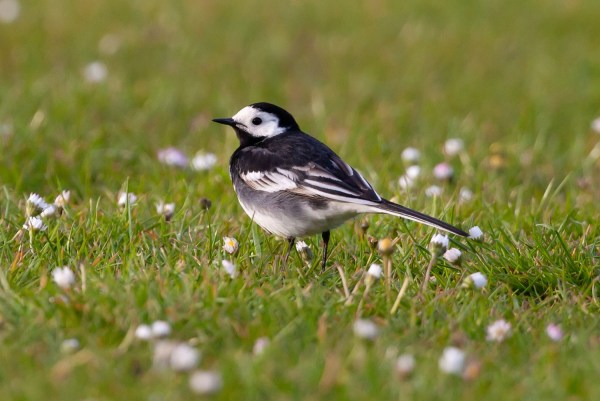
The car park wagtails are a pair of grey wagtails but we have pied wagtails too.
Continue reading
Analysis of records kept since 1964 has found that some species of European migratory birds are spending up to 60 days less each year in their sub-Saharan wintering grounds. Over the most recent 27-year period, migratory birds, including the whitethroats commonly seen in our reserve, were found to have increased their time in Europe by an average of 16 days. It has even been suggested that some species may stop flying south for the winter altogether.
Continue reading “Migration changes”
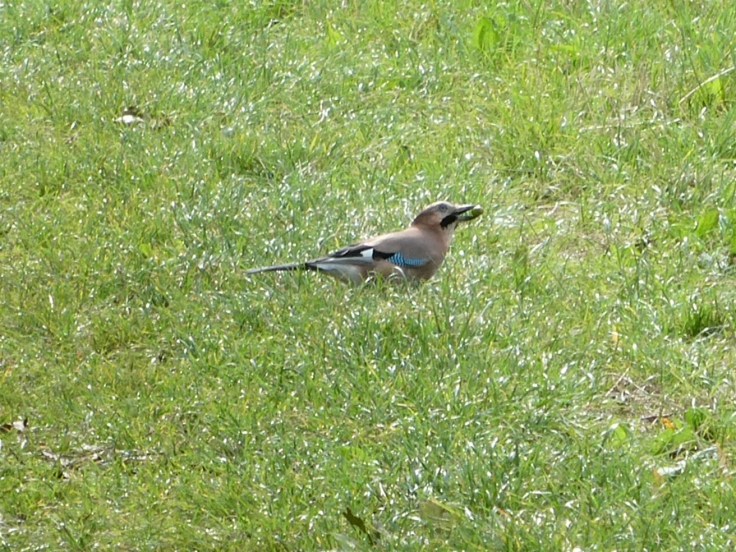
Live Knight has sent in pictures of the reserve’s jays busy this week caching acorns.



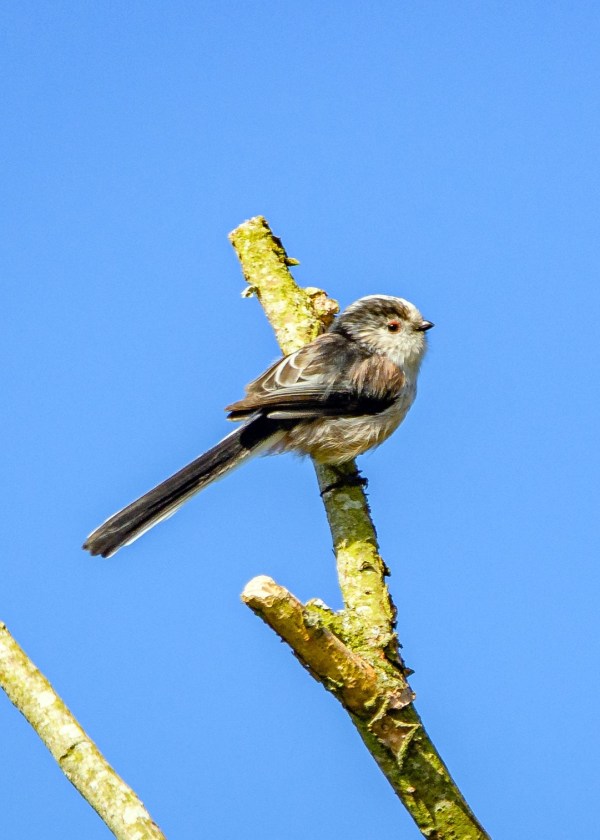
A look back to 2019: a long tailed tit photographed in the reserve by DKG.
Continue reading
Mail from Cheryl Cronnie with pictures of a kingfisher:
Hi there, I’d just like to share with you the kingfisher I spotted today at Southwick Country Park by the pond. I was over the moon as I had never seen one before.

Lovely! Thank you, Cheryl.
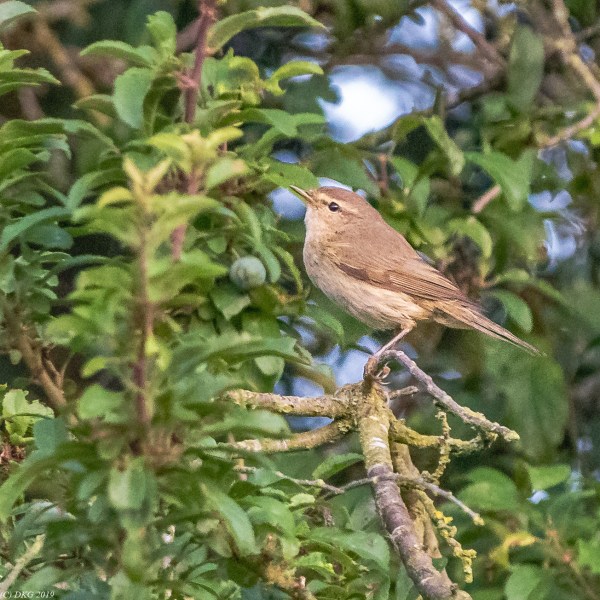
Most of our willow warblers will have left by now; they will be on their way to sub-Saharan Africa where they will spend their winter. Theirs is the longest journey undertaken by any of the park’s migratory birds. Why do such tiny birds fly so far and take such risks to do it?
Continue reading “Willow warbler migration”
There are several families of magpies in the reserve. This year’s crop are, as yet, short-tailed, loud- mouthed and clumsy, hanging out in gangs and still learning to fly properly. But, despite their dramatic black and white beauty, their reputation is poor.
Read on:
Collared doves (Streptopelia decaocto) bred in Britain for the first time in 1955, in Norfolk. Within 20 years they had colonised every county in the British Isles, and had even reached Shetland and the Outer Hebrides.
Continue reading
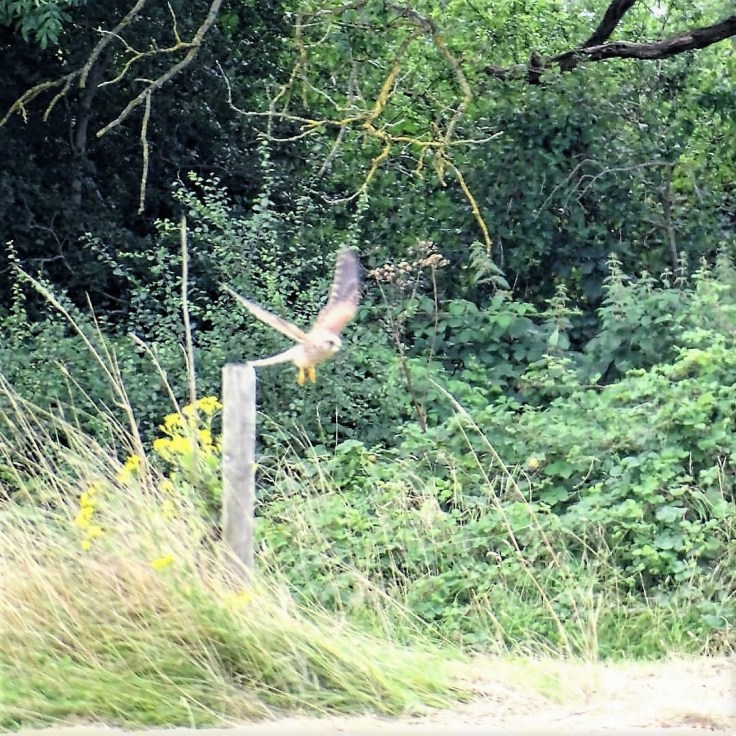
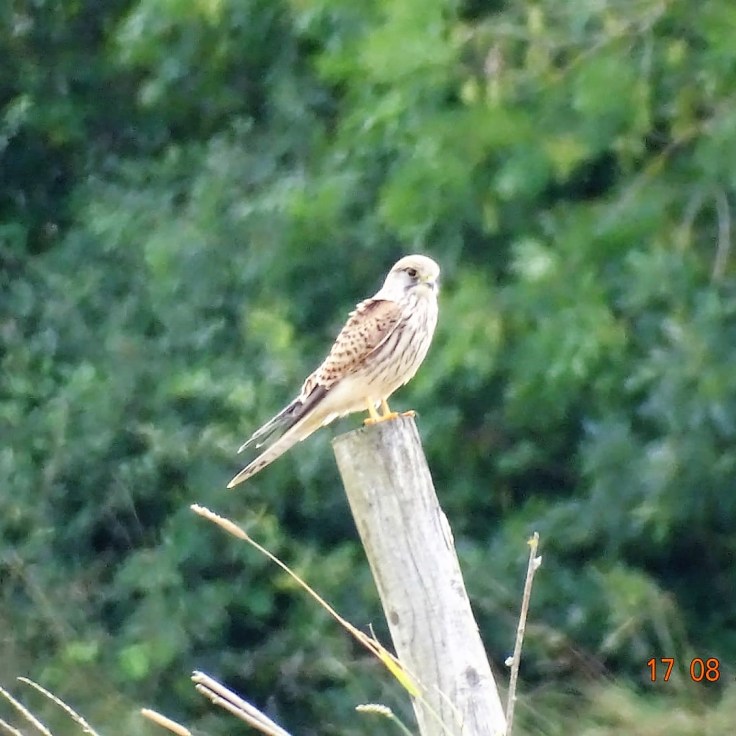
Debbie Cronnie has sent pictures of the young kestrel family that is learning to hunt in our fields at the reserve.
Thank you Debbie.



Header image by Clive Knight

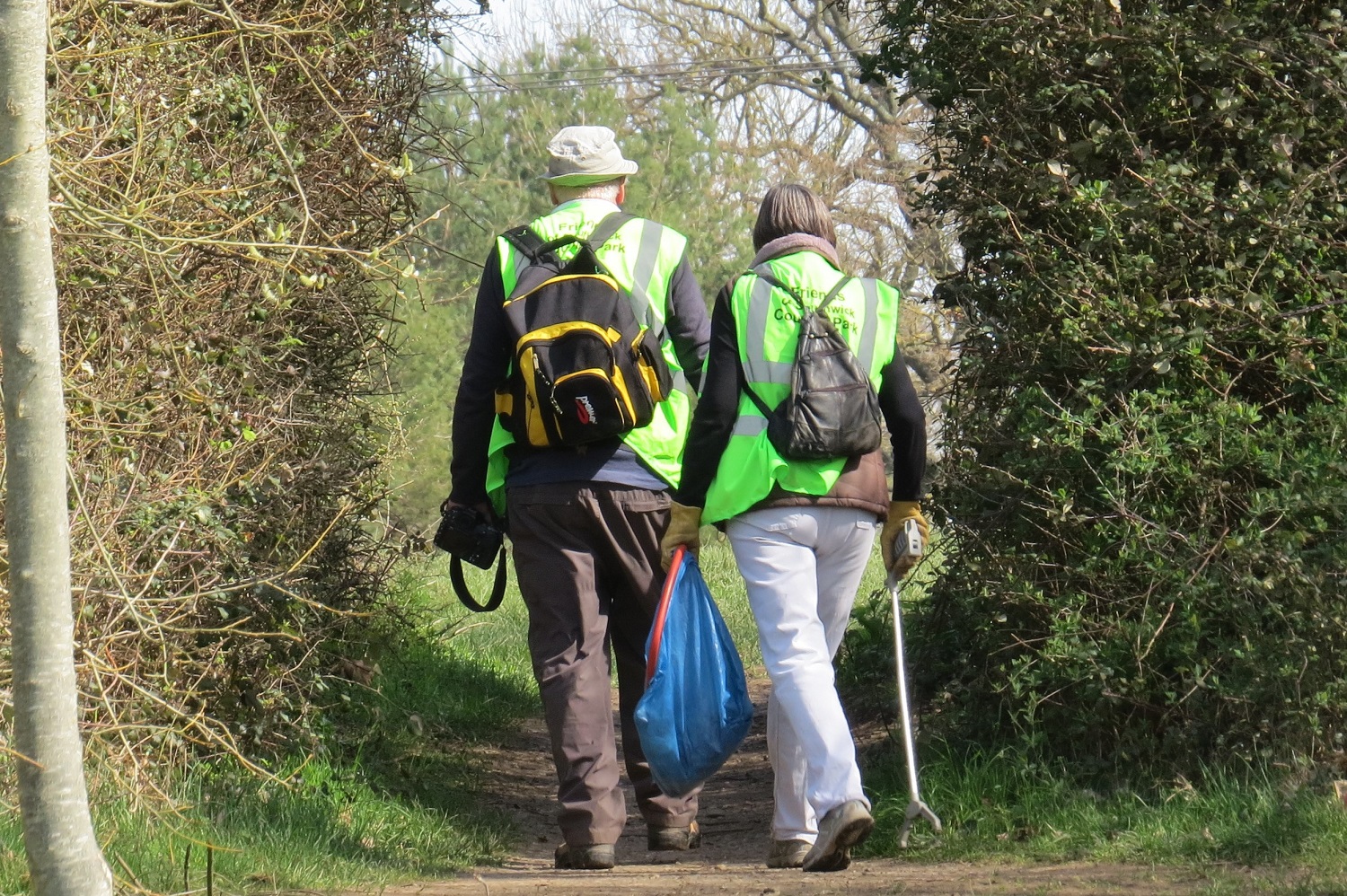




 Southwick Country Park Nature Reserve