Pigeons feed their babies on milk.
Continue reading “A fascinating fact about pigeons”A fascinating fact about pigeons
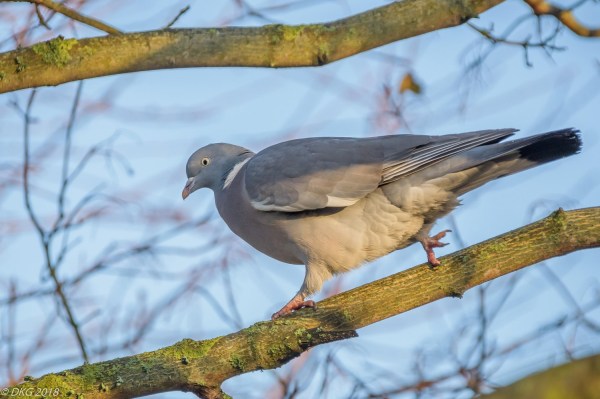
Pigeons feed their babies on milk.
Continue reading “A fascinating fact about pigeons”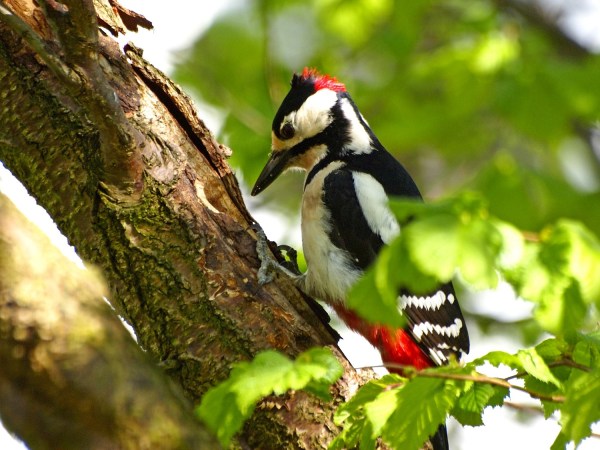
Ian reports that the bee swarm from the old ash tree at Fiveways seems to have settled into a hole in the tree we call the Owl Box Oak; a second honey bee colony in the reserve is very exciting news.
Read on for even more exciting news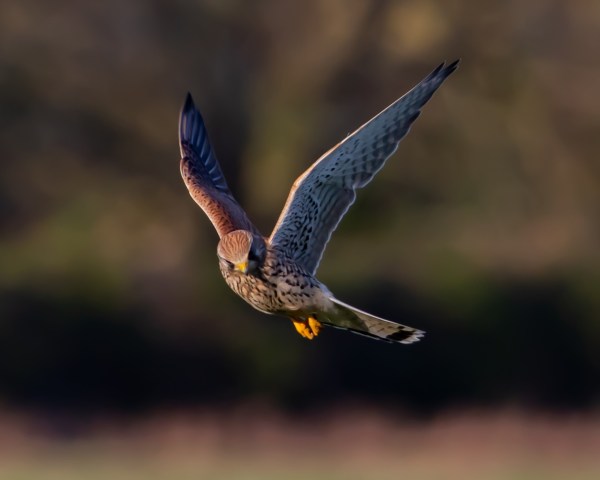
There have been several reports this week of kestrels hunting over Kestrel Field.
Continue reading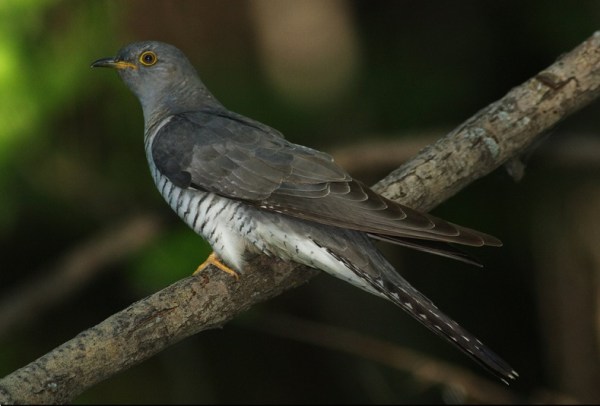
The year’s first cuckoo was heard in the reserve this week.
Here are five facts about the pair of greater spotted woodpeckers that has been seen hanging around the Lone Oak this week
Continue reading
This year, there seems to be a robin singing from every tree in the reserve.
Read on: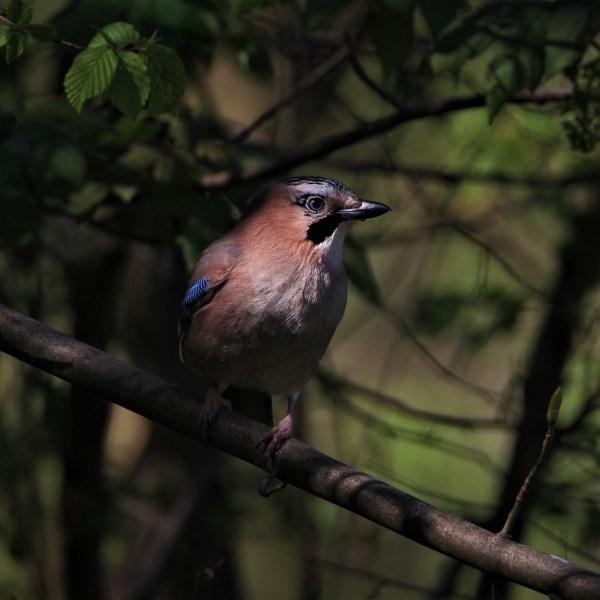
A jay has been seen on several early-morning occasions, hopping about just inside the reserve’s main entrance.
Continue reading “Jay”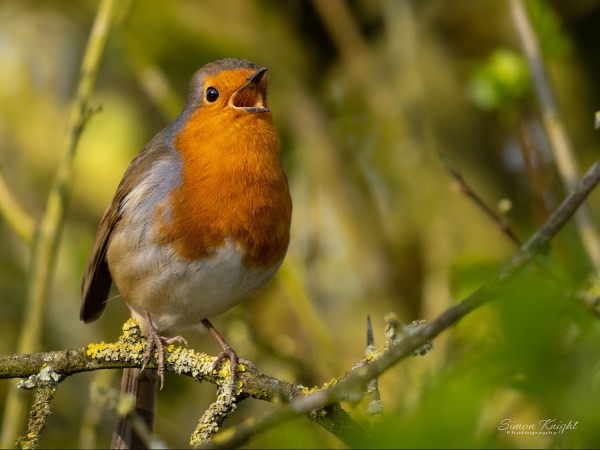
by Simon Knight
One of the special features about the park – or any wild place – is that if you go there at the correct time and have the patience to stay still, be quiet and just really look and listen, you will find that there is life all around you.
Continue reading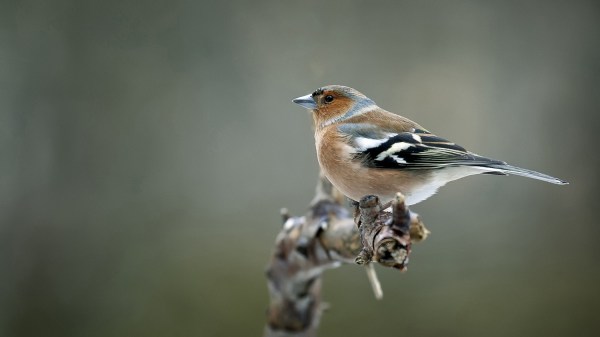
The header picture is a male chaffinch (CC0).

Bullfinches are regular visitors to the park. Despite the male’s glorious colouring, they are quiet, retiring types, rarely seen; this picture was taken early one Saturday morning when the park was pretty much empty of visitors.
Continue reading
There is a pair of spotted flycatchers hunting from the hollow oak tree in the corner of the little triangular field between Simpsons and Fiveways. Keep an eye out for them; they are an increasingly rare sight.
Spotted flycatchers are on the RSPB’s Red List of Birds of Conservation Concern

The British Trust for Ornithology has been collecting data about the migratory behaviour of blackcaps.
Continue reading “Blackcap”
Message from Ian, Sunday April 18th:
A Red Kite appeared over Sleepers Field and settled briefly on top of the Oak in the hedge between Sleepers and Cornfield before continuing towards Lambrok Meadow. I spoke with a nearby walker who said it joined up with another over Kestrel Field; we seem to have a pair that have included the park in their territory!
Continue reading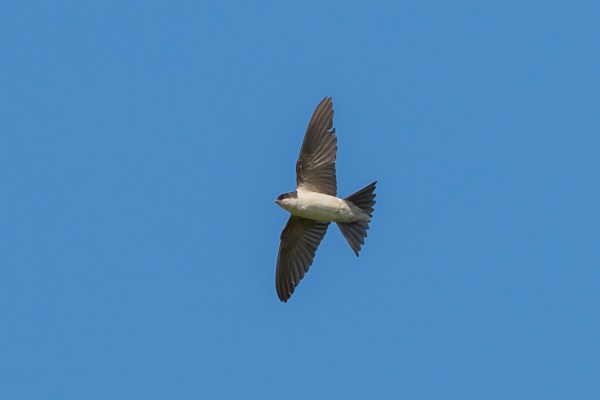
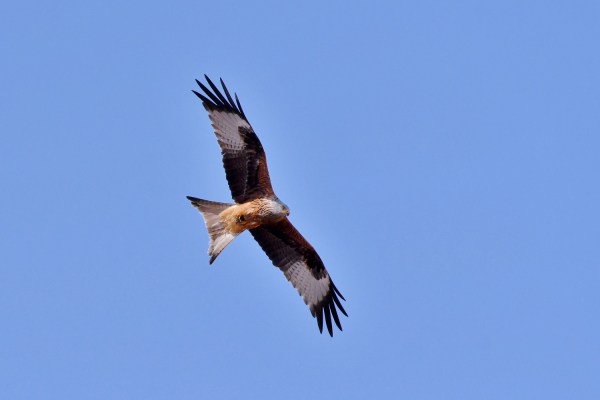
Message from Julie Newblé:
I haven’t managed to get a photo but I’m sure I’ve seen a red kite in the country park the last few weeks.
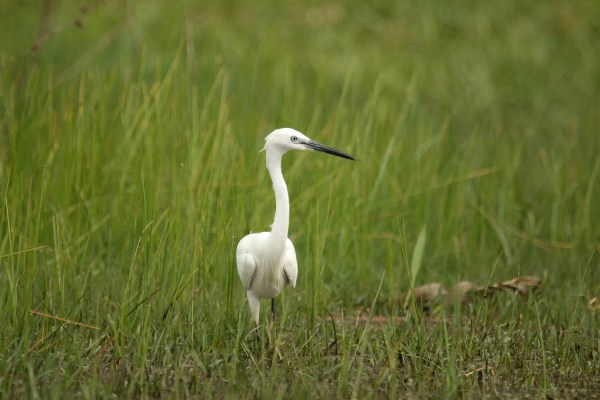
Clive Knight has reported several recent sightings of a little egret in Lambrok Meadow.
Continue reading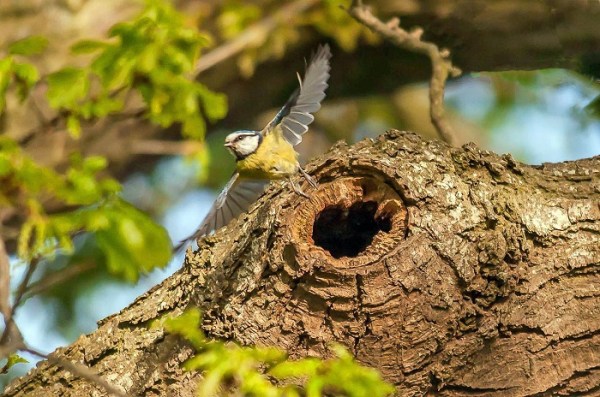
We have been watching pairs of blue tits house hunting in our oak trees since February and we predicted an early nesting season for the species. But this period of cold weather with frosty nights may have slowed things up.
Read on to find out why. . .
by Simon Knight
After my amazing weasel encounter, which showed the daily fight for survival that happens within the park, and to which many people are oblivious; I was fortunate to witness the opposite of the weasel encounter – this time life being created.
Continue reading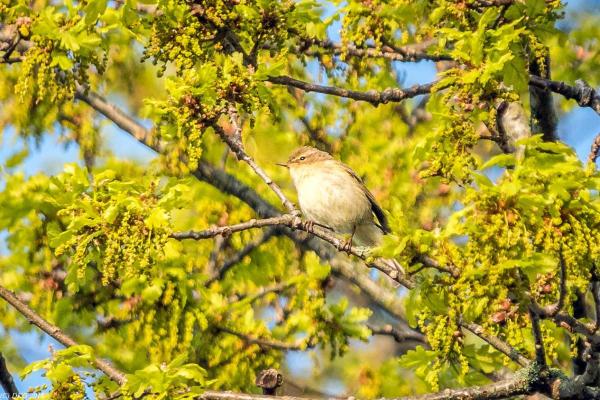
Every spring our readers report the arrival in the park of a small grey green bird with a pale eyestripe and cream underparts. This is either a chiffchaff or a willow warbler and it’s very hard to tell the difference.
Continue reading “Chiffchaff or willow warbler”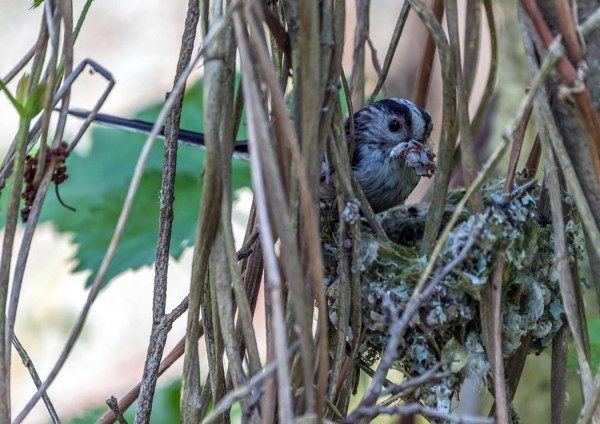
Long tailed tits are early nesters.
Continue reading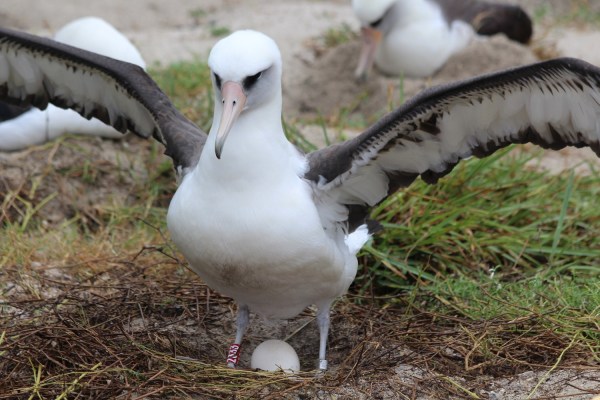
At more than 70 years of age, Wisdom the Laysan albatross has hatched another chick. While we admit that the chances of seeing an albatross in our park run from highly unlikely to nil, some facts are just too astonishing and irresistible to be ignored.
Continue reading
Has anybody heard our chiffchaffs yet? This is the time of year when they come back from the Mediterranean and Africa to nest in the park and their unmistakeable call is a welcome sign that spring is here. Message or email us if you have heard them .
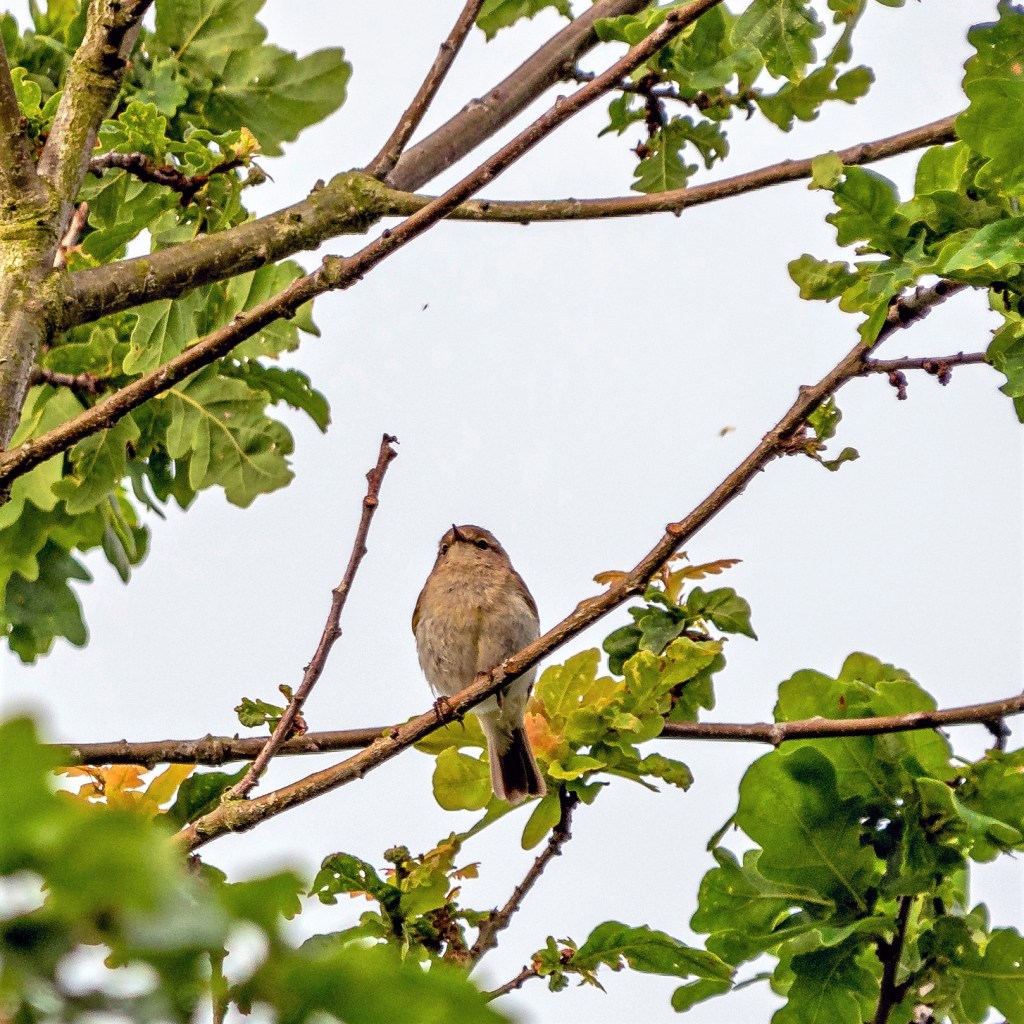

All these pictures were taken in the park by DKG.

The Eurasian collared dove, Streptopelia decaocto, seems ubiquitous: one of the park’s noisiest and most common species. But it wasn’t always so.
How come?
At this time of year, the reserve’s blue tits are looking for nest holes in our old trees. The ash tree at Fiveways harbours a nest every year and the newly fenced oak near at the bottom of the Arboretum seems to have attracted more than one pair already.
Here is a video of a female blue tit building a nest while, outside, the male guards the site from marauders and thieves.
Video from The Nest Box
Header picture by Simon Knight
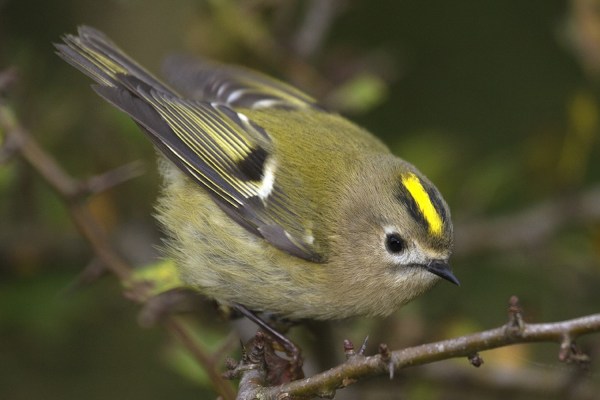
By Ian Bushell
I nipped up to the park this morning to see how the contractor was getting on with the chestnut fencing around the Oak we have been clearing in the Arboretum, near the entrance. Spring is just around the corner and some of the lives that the old Oak supports were evident.
Continue reading


 Southwick Country Park Nature Reserve