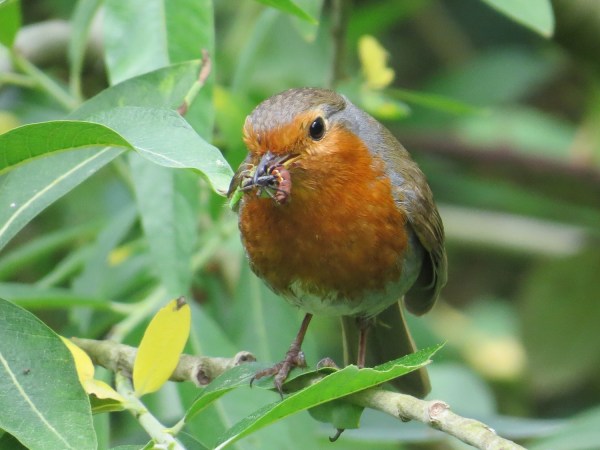
A robin in the willows by Fiveways; it has a mouthful of invertebrates for a nearby nest of hatchlings. It doesn’t want to reveal its nest site so is waiting quietly for the photographer to go away but in waiting, is providing an excellent view of its catch.
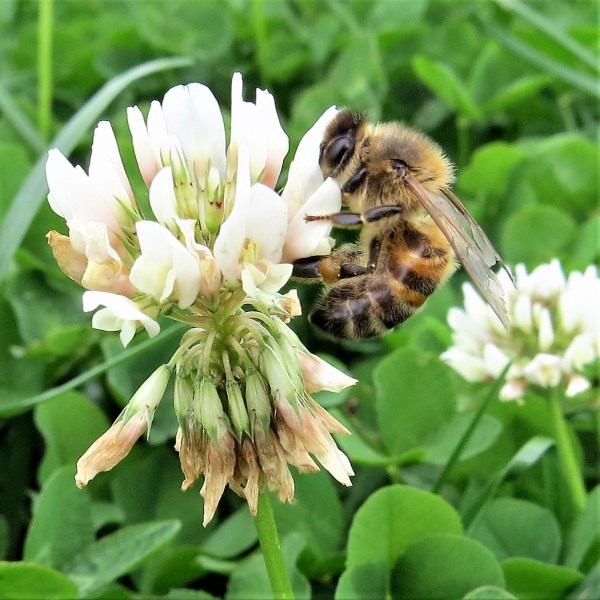
Read on for the gory detailsA bee on a bramble leaf, photographed by DKG on a hot May morning.
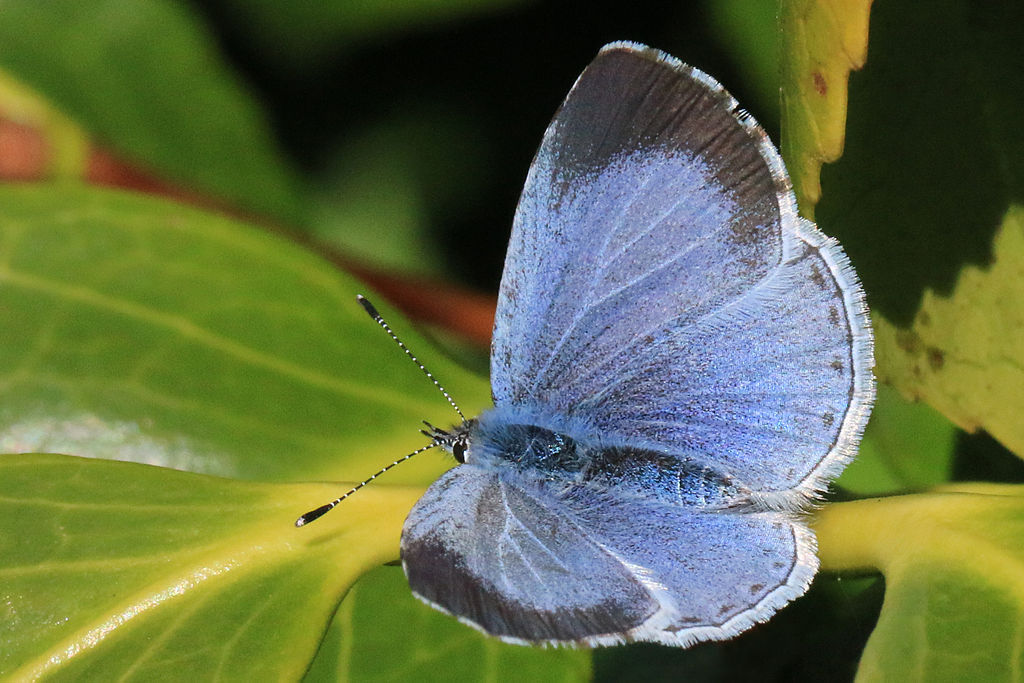
Continue readingholly blue, large white and orange tip
Butterfly count
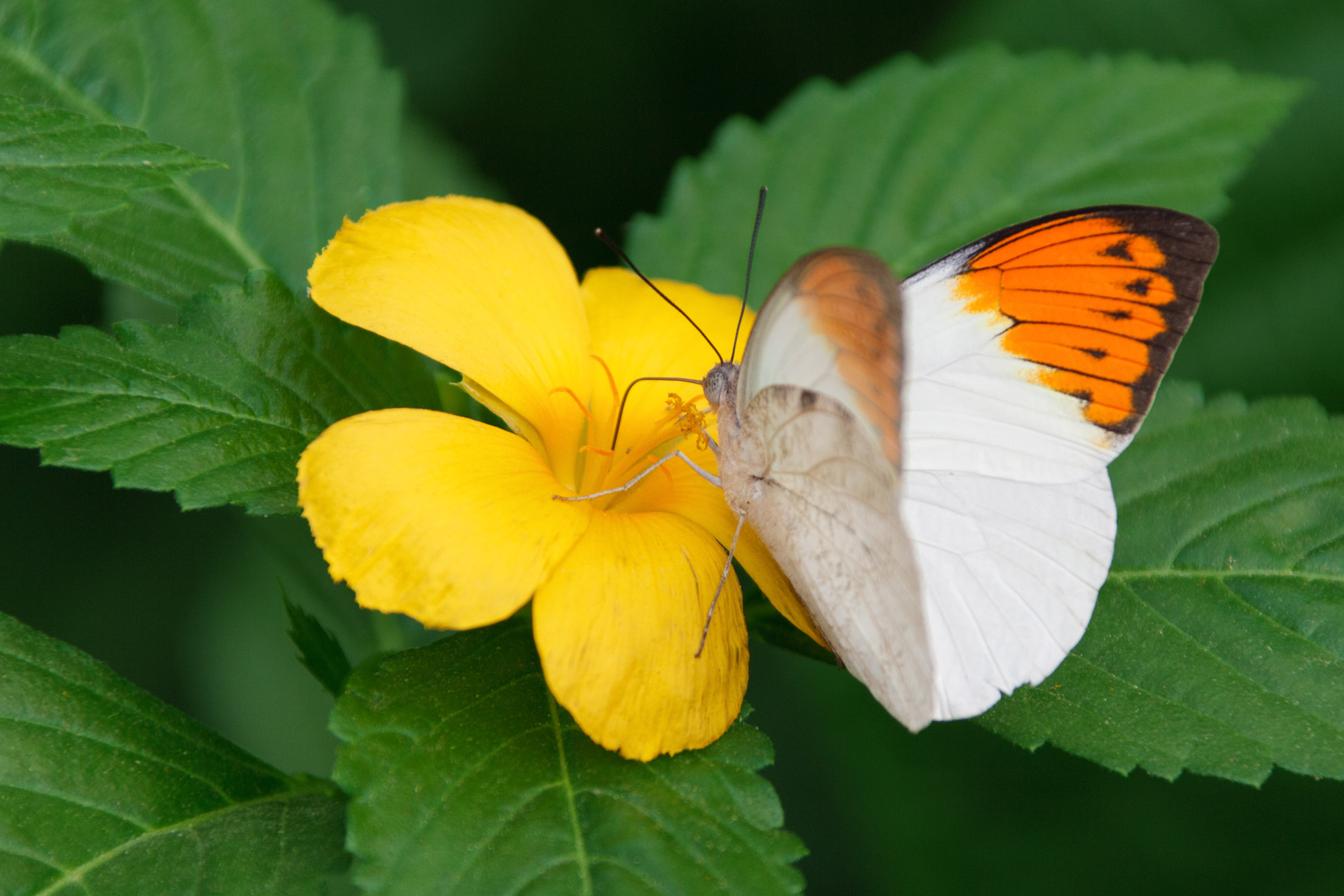
Ian Bushell walking round the park with our Countryside Officer, Ali Rasey, spotted a large white, a male brimstone, two male orange tips, a speckled wood, a small tortoiseshell and a holly blue. That is four more species for our spotter’s list
small tortoiseshell. speckled wood, brimstone
Ivy flowers
The park’s ivy flowers between September and November; each plant’s flowering season is quite short but a succession of plants flowers all through the autumn. The flowers are small, green and yellow, and so insignificant-looking that many people don’t realise that that they are flowers at all.
Black and yellow
In the world of invertebrates, black and yellow signals danger. It says to predators: I am poisonous or I will bite you. Read on to discover more:
Jerusalem artichoke
A message from Ian:
May be of interest to you: Jerusalem Artichoke, Helianthus tuberosus, identified by Lindsay Moore [County Recorder Flora]. Ali and I found it along the stream near the bridge at the bottom of the Blackthorn Tunnel. I’ve added it to the Census. Unusual, probably from some bird dropping seed.
Honey bees
Unlike common wasps, honey bees (Apis mellifera) don’t die at the end of the summer. The hive stores enough food for the queen and the workers to survive through the winter.
.o.
Wasps
By this end of the summer, the workers in a wasp nest will probably have finished raising and feeding the new queen larvae. The larvae have spun caps over their cells and begun the process of pupation. This indicates a change for the nest.
Weeds
The Weed Act of 1959 requires landowners and occupiers to control the spread of five species of injurious weeds: ragwort, creeping thistle, spear thistle, common dock and curled dock. The Weed Act’s purpose was to increase the productivity of arable land and to protect livestock at a time, post WWII, when self sufficiency seemed at lot more important than ecology.
…
Creeping thistle
Like ragwort, creeping thistle (Cirsium arvense) is classed as an injurious weed by the Weed Act of 1959. Our hedges and edges are full of it: beautiful, pollen-rich, heavily scented flowers, buzzing with invertebrates, followed by seed heads elevated on stems sturdy enough to support seed-eating birds. Gorgeous.
Photographs by DKG
Garden Bumblebee
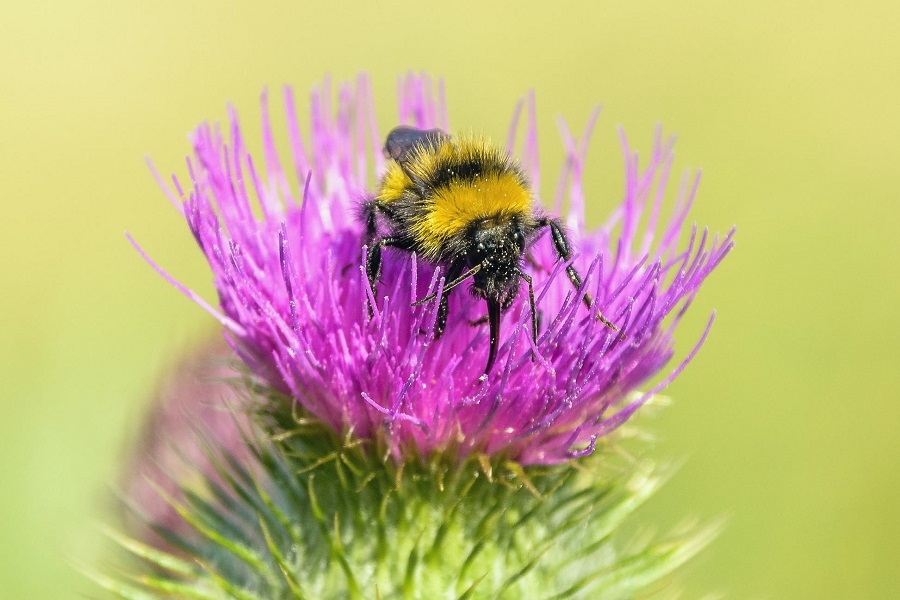
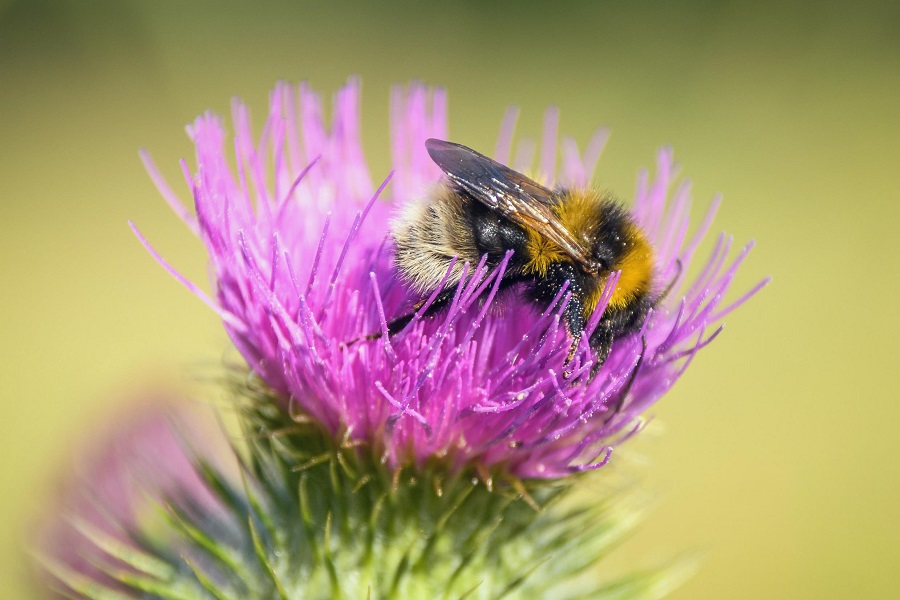
The header picture is of a garden bumble bee (Bombus hortorum) in a spear thistle flower at the edge of the large pond.


A closer look at insects
On Wednesday, DKG and his macro lens took a close look at some of the park’s invertebrate inhabitants.
Click on any picture to enlarge it.
Hogweed
This is hogweed (Heracleum sphondylium), first cousin to the giant hogweed (Heracleum mantegazzianum) which the Daily Mail tells us has invaded Virginia, USA, and will blind us all.
Continue reading “Hogweed”
Butterfly count 21.6.18
On 21st of June, Hugh, Ian and Sarah G walked a regular transect through the park in order to survey the butterfly numbers.
Beautiful demoiselle
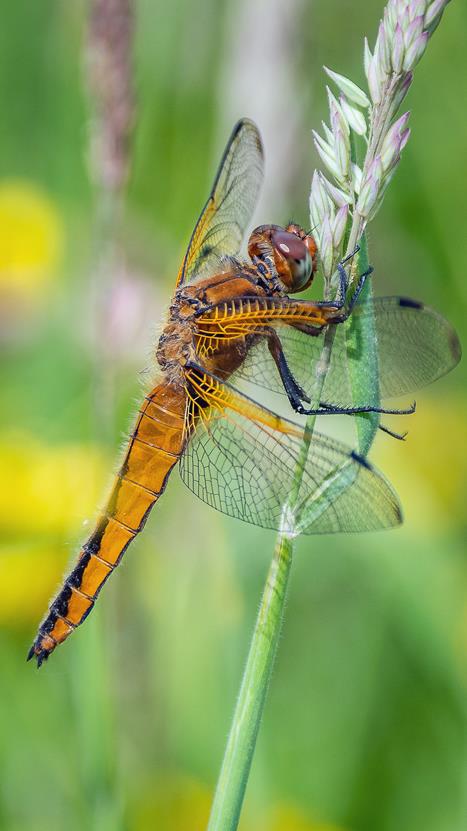
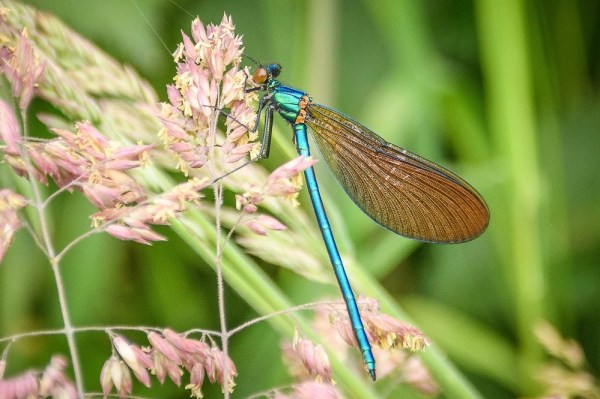
This is a damsel fly: a beautiful demoiselle (Calopteryx virgo), another species indicating the unpolluted quality of the water courses in Southwick Country Park .
Meadow browns
A message from Ian B on Tuesday of last week:
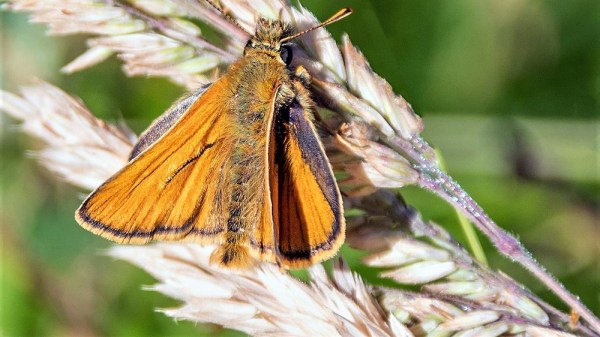
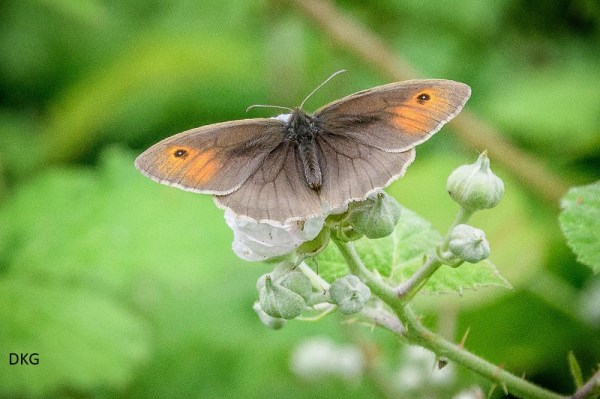
“Had a walk around the park this afternoon and did a bit of a butterfly transect. The park is looking good. I saw 3 speckled woods, 7 small skippers and 43 meadow browns – the latter were in perfect condition as though they had just hatched – the majority of the meadow browns were in Village Green.”
An evening stroll with DKG
by DKG. . .
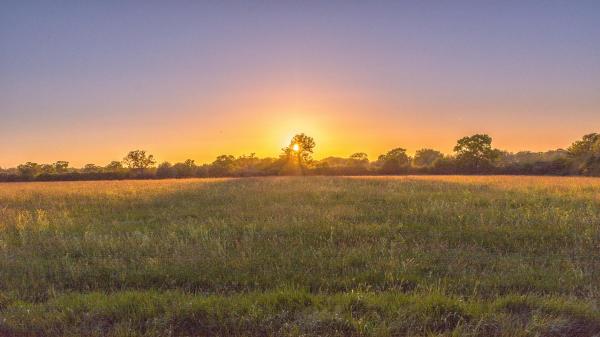
A few photos of an evening stroll in the park on Wednesday (23rd May).
Drinker moth caterpillar
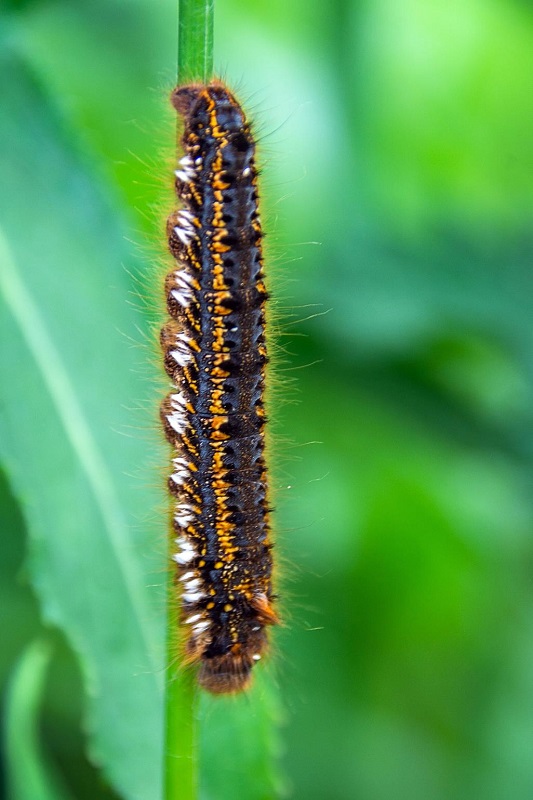
This is the caterpillar of the drinker moth (Euthrix potatoria) so called because the caterpillar is believed to drink drops of dew on grass stems.
Continue reading “Drinker moth caterpillar”Small Tortoiseshell Caterpillars
From Ian B:
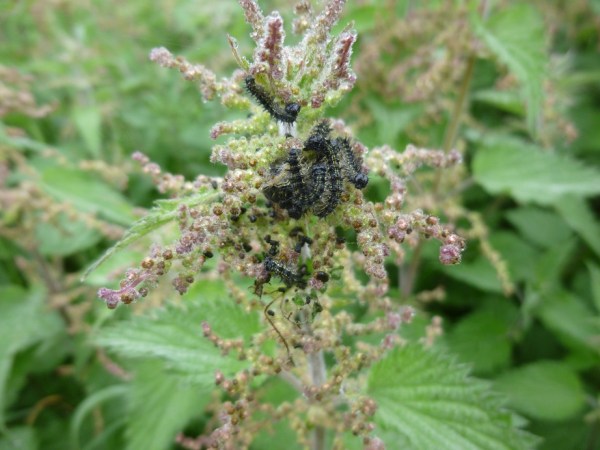
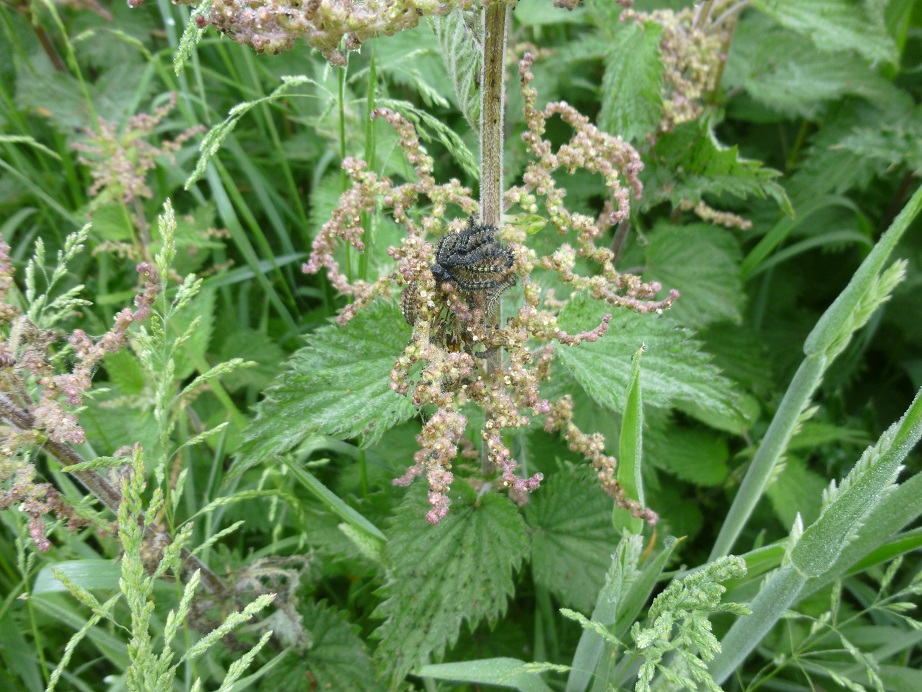
“I photographed this small tortoiseshell nest this morning in Simpsons Field; there is a nettle bed on the right, about half way up the hard path from the entrance.”
Ichneumon wasp
This is an ichneumon wasp feeding on clog weed near Lambrok Stream.
Ring barking
Ring barking or girdling can kill a tree. It happens when the tree’s bark is removed right the way round its trunk. Accidental girdling may be the result of a carelessly used strimmer, or over-tight wires and ties; it might be mammals gnawing on the bark or, in the case of deer, rubbing their antlers against it.
Stinking Willie and Marefart
Ragwort has many common names; in fact some, like stinking willie and marefart, are downright vulgar. Both refer to the plant’s unpleasant smell. Another set of names, staggerwort, stammerwort and sleepy-dose, are about to its toxicity. Then there is felon weed, swine grass and our personal favourites: scrog and weeby. Continue reading “Stinking Willie and Marefart”
Bloody nosed beetle
I found a bloody nosed beetle (Timarcha tenebricosa) in the short grass where the rabbits graze at the end of Sleepers Field.
Continue reading “Bloody nosed beetle”