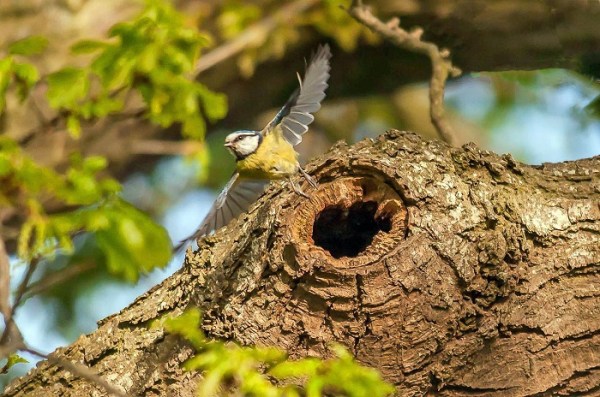
We have been watching pairs of blue tits house hunting in our oak trees since February and we predicted an early nesting season for the species. But this period of cold weather with frosty nights may have slowed things up.
In 2017 a White-letter Hairstreak butterfly was recorded in the park. These beautiful butterflies are the emblem of Wiltshire Butterfly Conservation group. They feed on English or Wych Elms, which unfortunately over the past few years have been ravaged by Dutch Elm disease, leaving dead gaunt trees within some hedge lines.
A goat willow’s flowers, or catkins, known as pussy willow because they look like furry grey kittens’ paws, appear in February, one of the earliest signs of spring in the park.
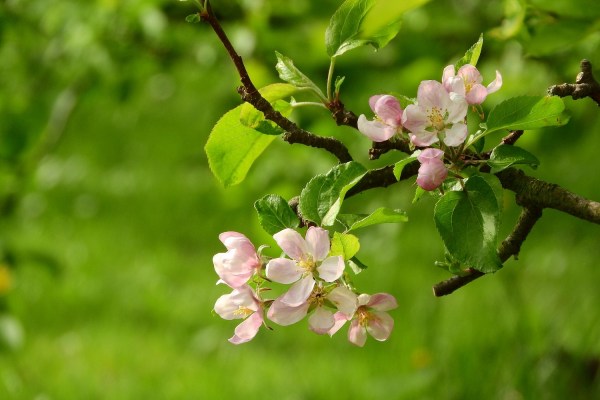
In February of 2014, the Friends of Southwick Country Park planted an orchard: thirty eight heritage apple trees of fourteen different varieties, in the southern end of the park. They have really beautiful names:
It had been assumed that a warming climate would lead to a longer growing season for our deciduous trees, followed by a later autumnal leaf-fall. However, research has indicated that this might not be so.
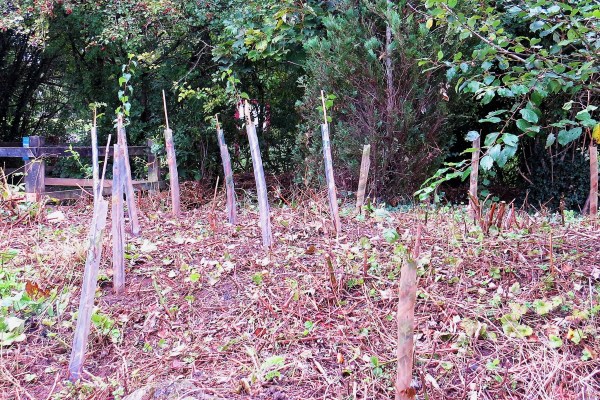
A whip is a slender, unbranched shoot or plant. This term is used in forestry to refer to unbranched young tree seedlings of approximately 0.5-1.0 m (1 ft 7 in-3 ft 3 in) in height and 2–3 years old, that have been grown for planting out.
There are three kinds of pigment in a usually green leaf: carotenes which are yellow, red and pink anthocyanins, and chlorophyll, which is the green that masks the other colours until autumn.
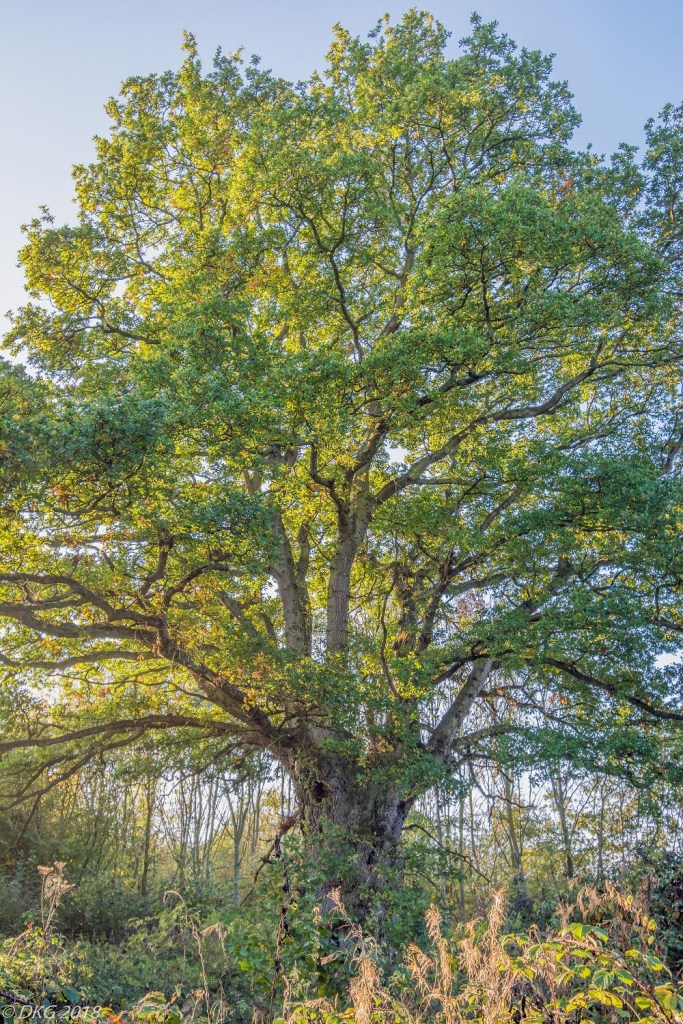
Oak trees produce thousands of acorns every year. Somebody has worked out that an oak tree can produce ten million acorns over its lifetime. In a good year, they carpet the ground under the tree.
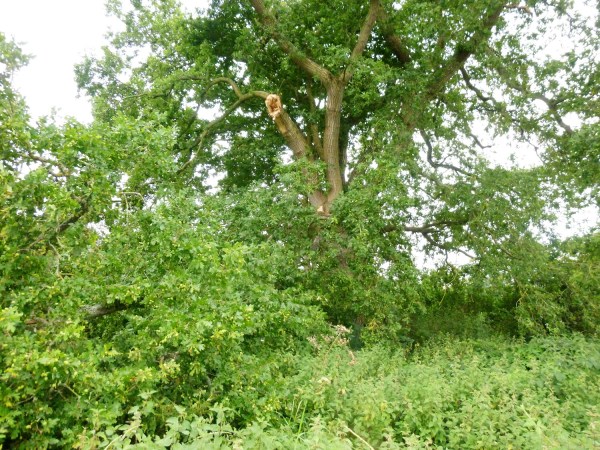
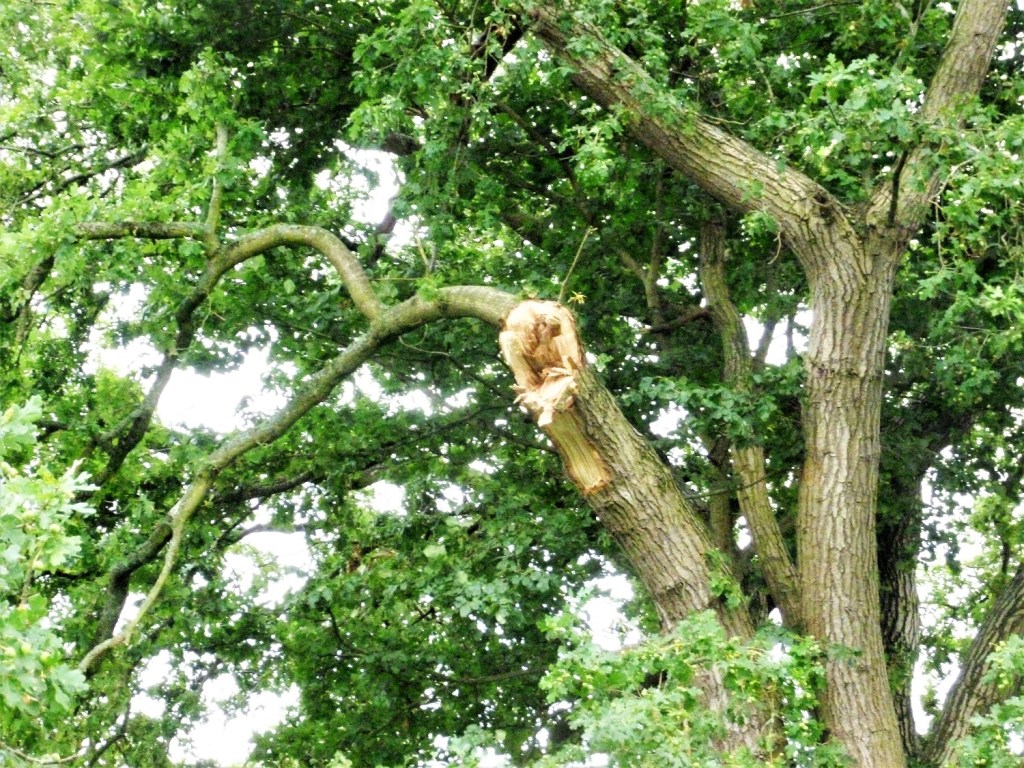
Sad to report that Oak number 5526, dubbed Stoat Oak, in the hedge line between Corn and Sleeper Fields has suffered a two limb loss – the large upper branch taking out the lower one on its descent. The fallen branch is safe and not impinging on the hard path.
No idea why; admitted it is in full leaf and thus heavy but there has been no wind or rain in the last couple of days. This tree lost a limb about the same place about 10 years ago. Don’t think there have been any other losses in the park this summer.
Email from friendsofscp@outlook.com to Rich Murphy, Tree and Woodland Officer.
Hello Rich, Is it vandals or deer that have damaged this tree so badly? We suspect deer but it would be unusual at this time of year when there is so much new grass around. We defer to your expertise. FoSCP
It’s not an instruction to keep your coat on until June; it’s telling you that you can take your cardigan off once the may is in blossom, which has been known to happen as early as April.















 Southwick Country Park Nature Reserve