Symbiotic fungi explained by David Attenborough.
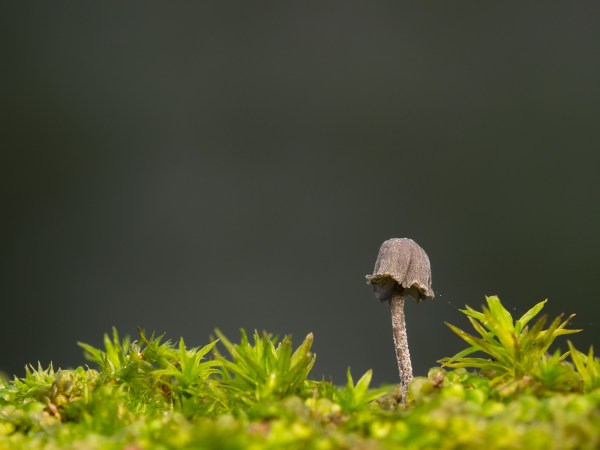
Header image: Mycena pseudocorticola © Simon Knight
Symbiotic fungi explained by David Attenborough.
Header image: Mycena pseudocorticola © Simon Knight
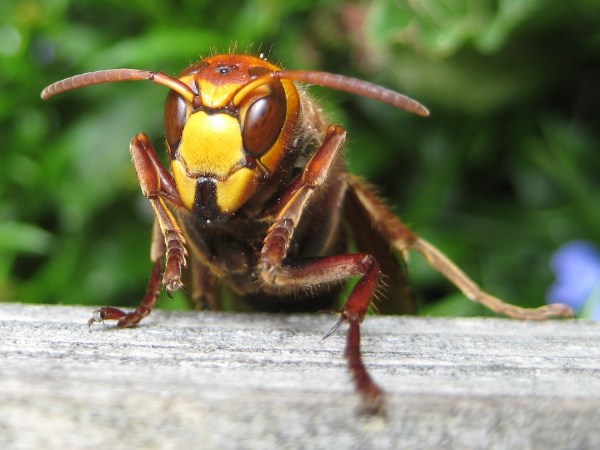
We have European hornets (Vespa crabro), common wasps (Vespa vulgaris) and German wasps (Vespa Germanica), all resident in the reserve. Here is a fascinating video of European hornets preying on wasps.

For a long time, bumblebee flight was considered to be aerodynamically impossible. We know better now and are beginning to understand how such fat furry creatures can take to the air. Here is a video about their surprising flying skills:

Here is a livestream from a piece of English broadleaved woodland, just like ours.
Header image: Tawny owl © Keith Morgan (CC BY 2.0)
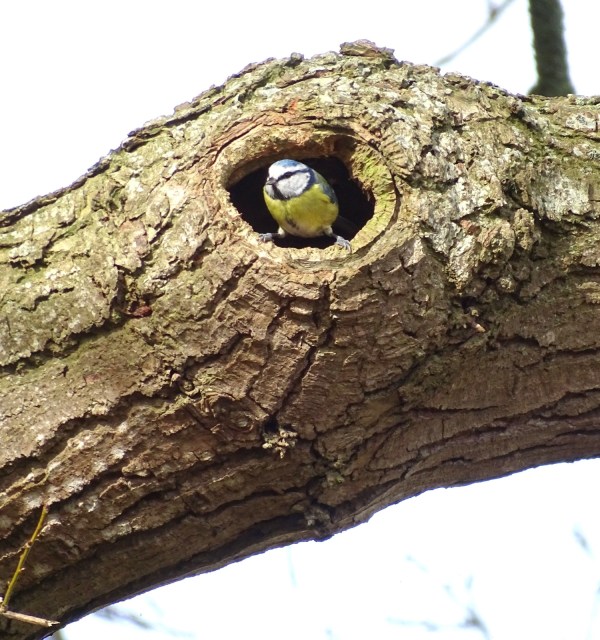
Anybody want to guess how many blue tits are building nests in the reserve today? Here’s how it’s done.
Header image taken in the reserve by Cheryl Cronnie


Common name: Roe deer; the male is called a roebuck, the female a doe and their young are kids or fawns.
Continue reading
A long tailed tit all fluffed up against the cold.

Header image taken in the reserve by Simon Knight
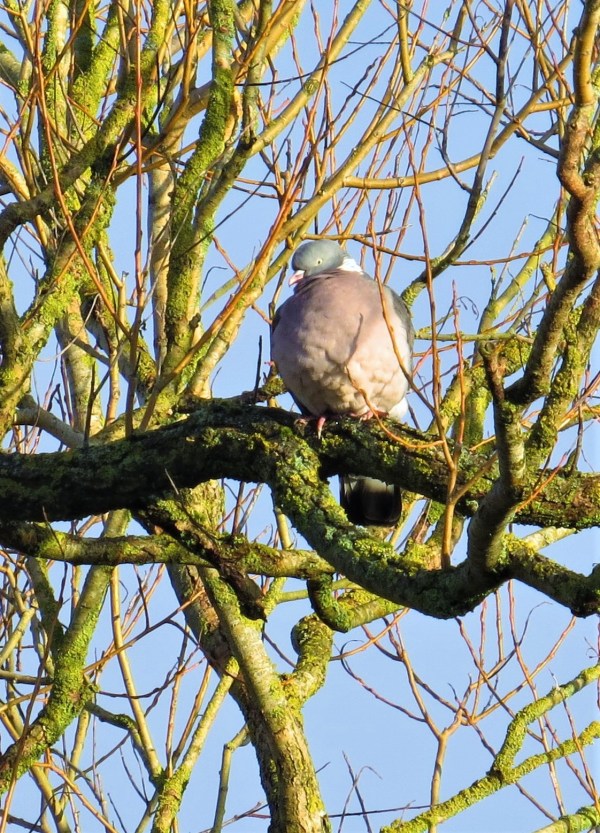
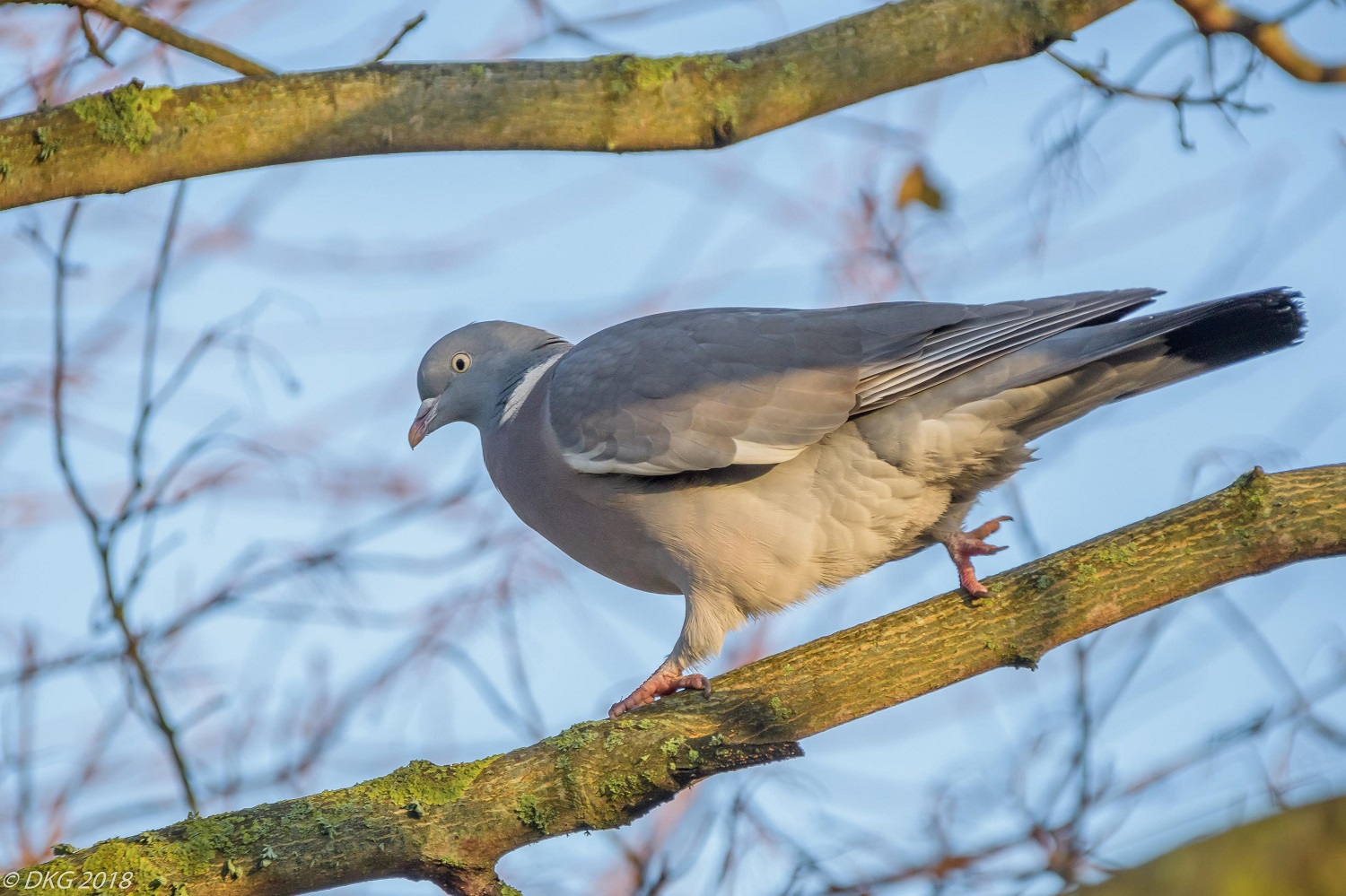
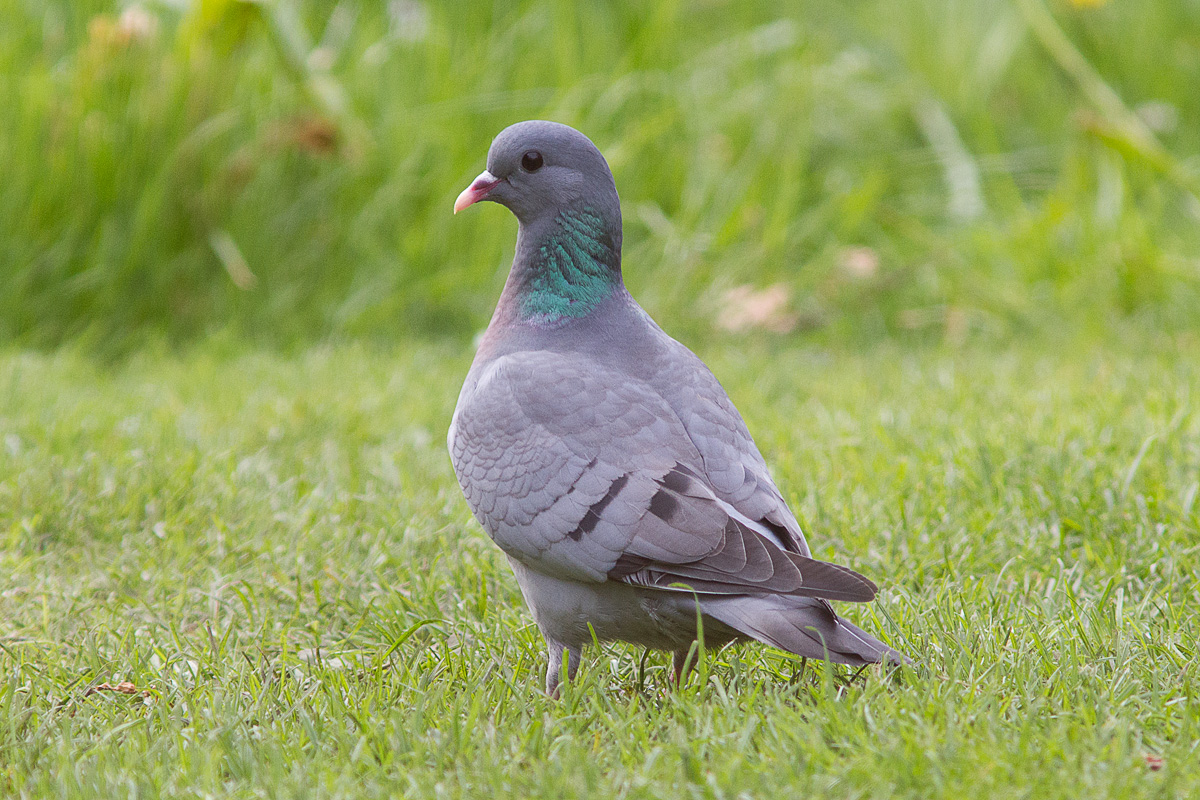
Here’s a video from the British Trust for Ornithology to help us all sort out our native pigeons:


A frosty night
The forecast is for a frosty night. The reserve is stunning in an early morning frost so if you are one of our early morning walkers, please don’t forget your camera – and send us your pictures.


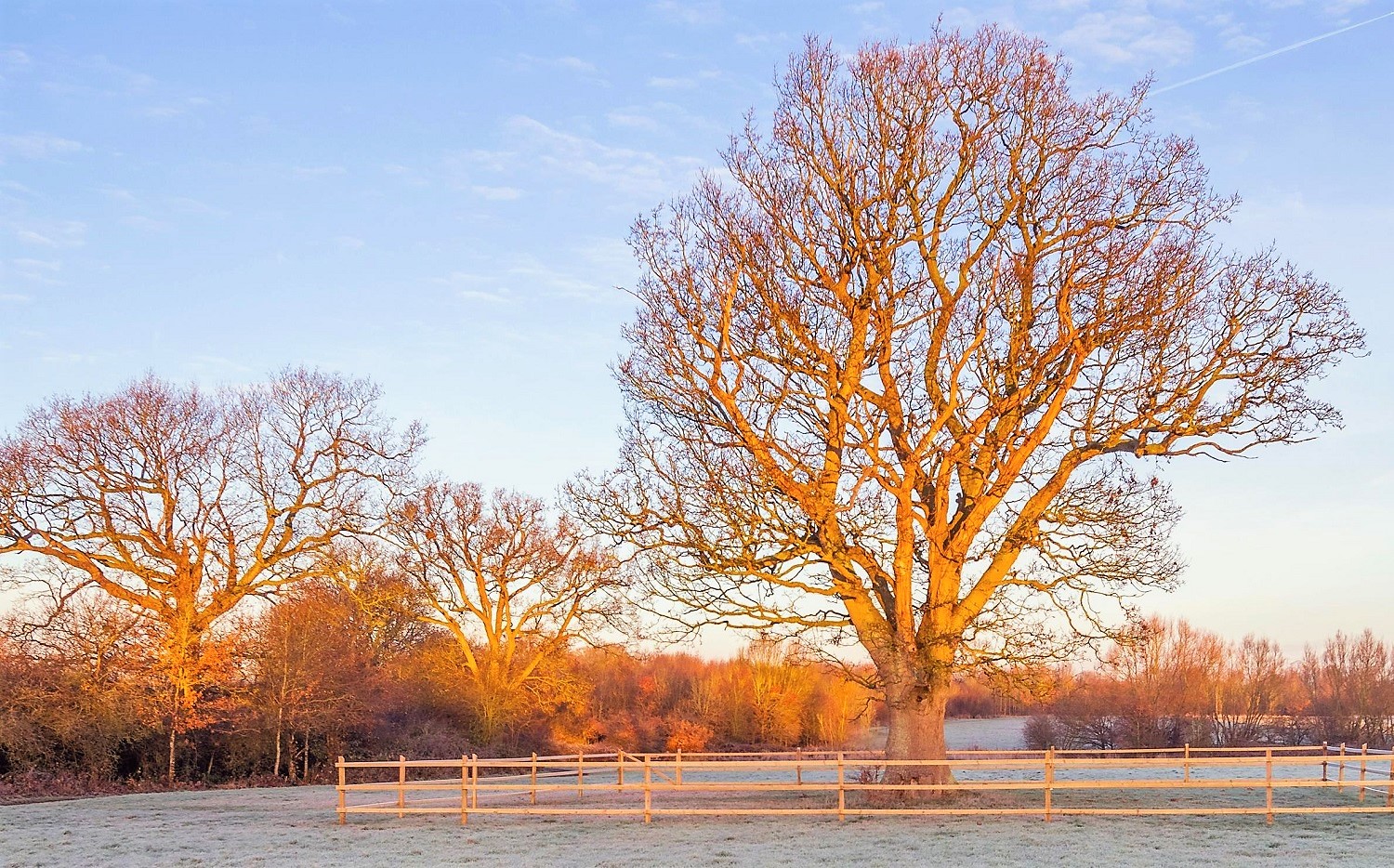
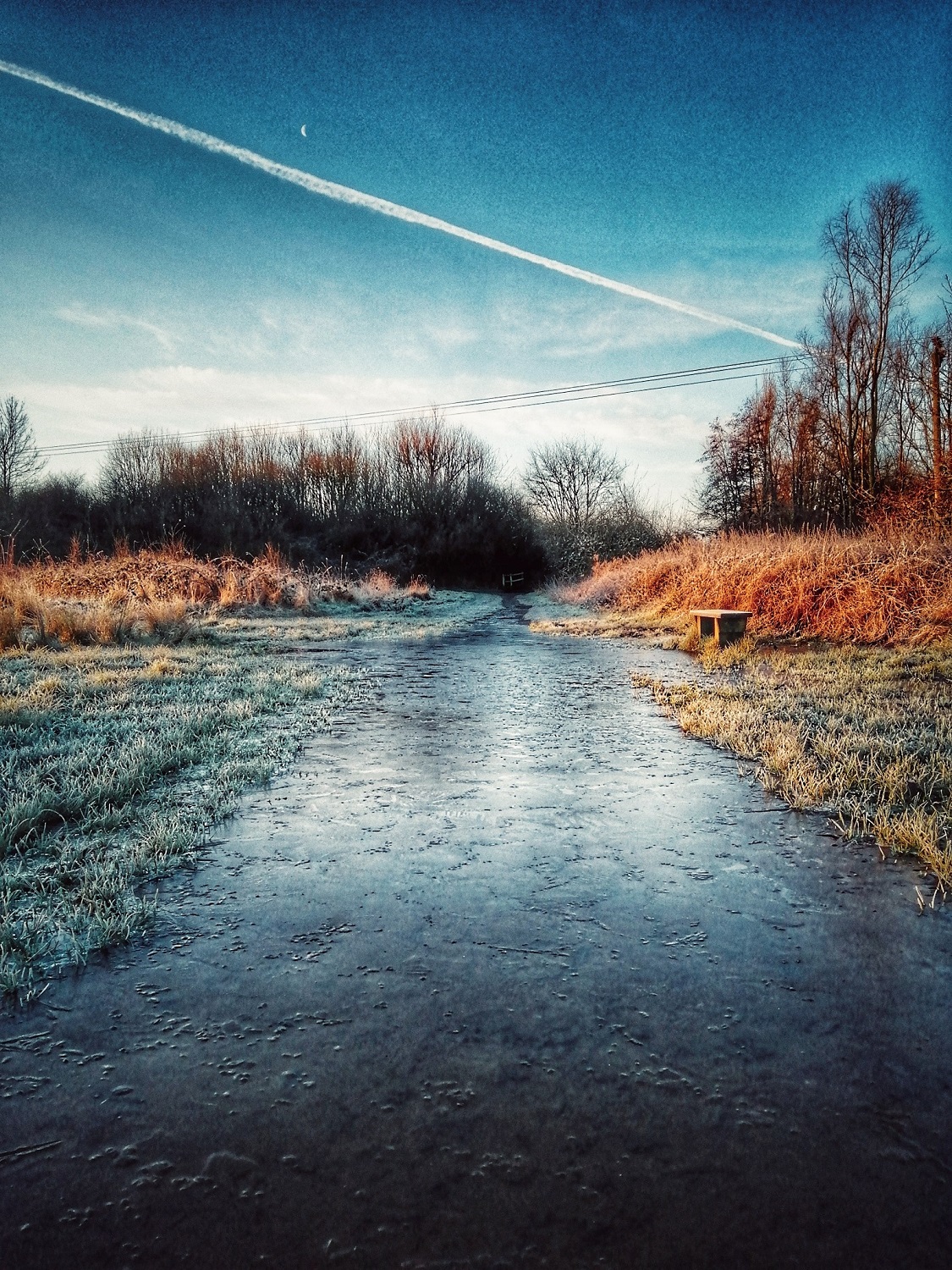
Please send full sized pictures to friendsofscp@outlook.com. Sadly, it is no longer possible to send high res pictures via Facebook messenger.
Header Image: drone shot of a frosty reserve by Simon Knight
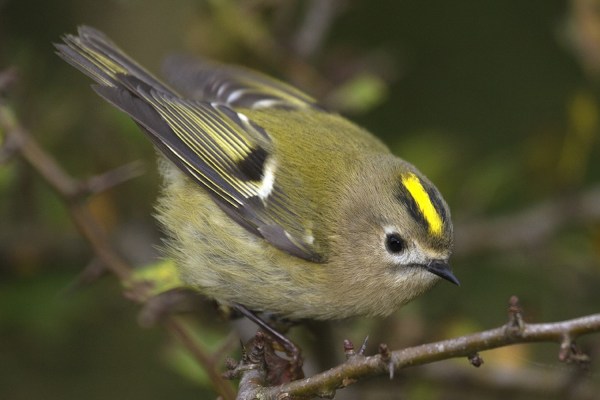
From one of the UK’s biggest birds to two of its smallest. Goldcrests are resident in the reserve but we have not identified a firecrest here yet. Their UK numbers are rising so we live in hope. Here is a video from the excellent BTO Bird ID series to help you identify these two tiny birds.

Fieldfare (Turdus pilarus) and redwing (Turdus musicus), migratory thrushes from mainland Europe, are common winter visitors to the park. They are easily confused; here is a video to help you distinguish the two species.
Header picture: Fieldfare (Turdus pilaris) by Teresa Reynolds (CC BY-SA 3.0)
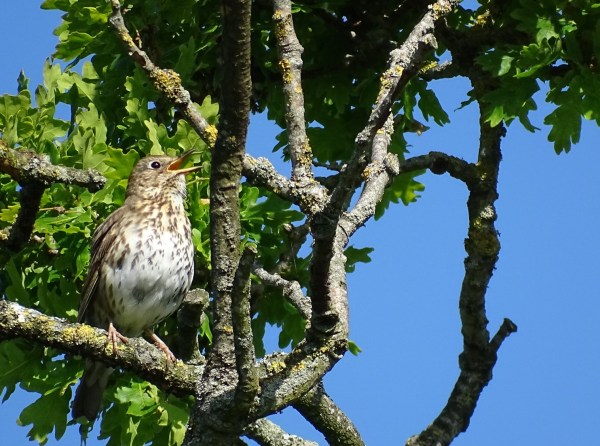
We have both song thrushes (Turdus philomelos) and mistle thrushes (Turdus viscivorus) in the reserve. Here is a video from the British Trust for Ornithology that will help you tell the two species apart.
Header image: Song thrush by Cheryl Cronnie (SCPLNR 06/2023)

There are always European hornets working somewhere in the reserve and we know of at least one nest high in a tree. Here is an astonishing video of hornets at an invertebrate water hole.
Video by nature photographer, Lothar Lenz, published by Caters Clips.
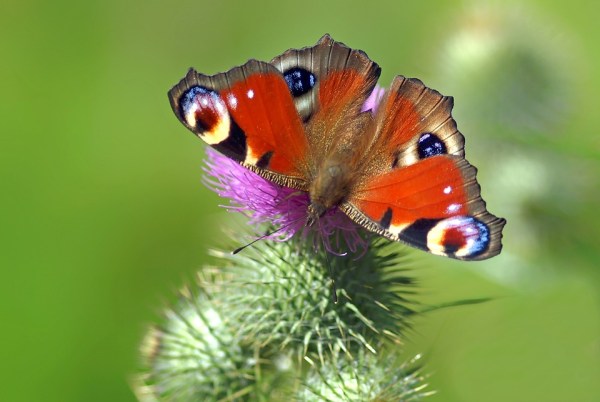
Here is a fascinating little video of a peacock butterfly emerging from its chrysalis. Every year there are nests of peacock caterpillar among the nettles by the path in Simpson’s Field so, by the end of July, we should see this year’s beautiful adults in flight.
For a long time, bumblebee flight was considered to be aerodynamically impossible. We know better now and are beginning to understand how such fat furry creatures can take to the air. Here is a video about their surprising flying skills:
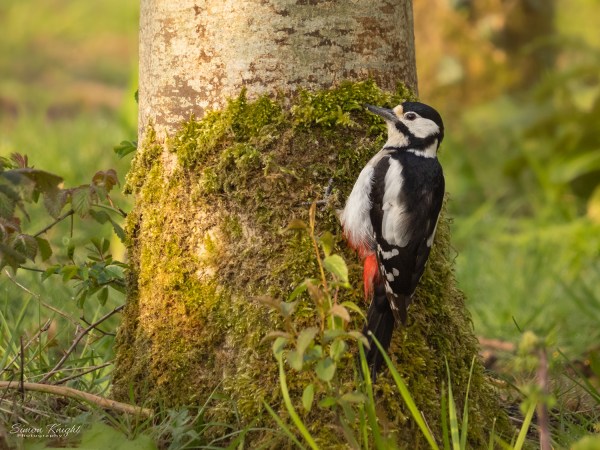
There are three species of woodpecker native to the UK. Two of them, the green woodpecker and the greater spotted woodpecker, nest in our reserve. Here is a short video to help you tell them apart.
Header image: greater spotted woodpecker photographed in the reserve by Simon Knight.


This is the time of year when badgers bring their cubs out of the sett for the first time. The weather is warmer and the cubs are now three or four months. This pair (male and female) entice their cubs out to be groomed and to play.

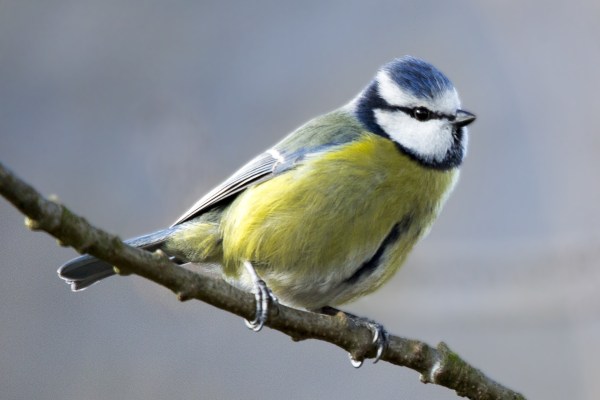
From house hunting to the first egg.
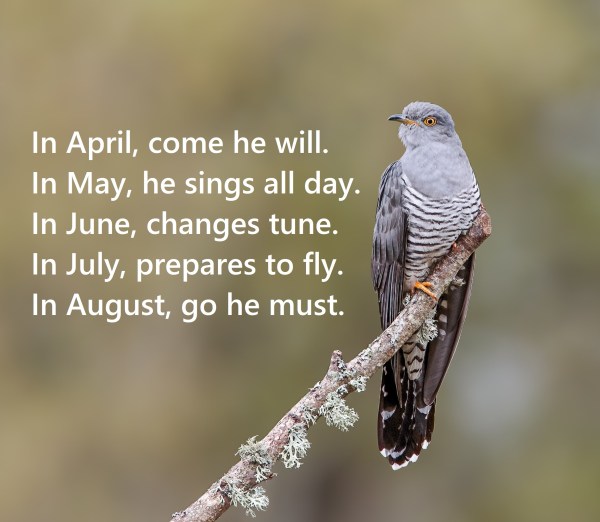
Has any body heard a cuckoo yet?
The rhyme is a traditional nursery rhyme
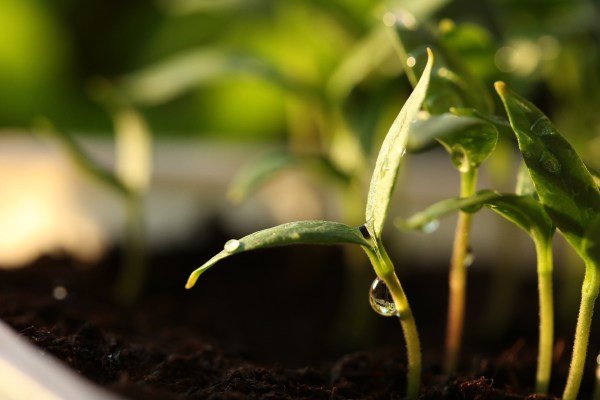
All over the reserve, all sorts of seeds are germinating.
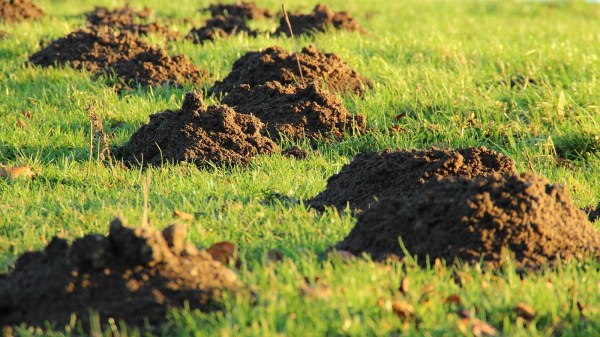
More about the park’s burrowers.
Continue reading “Moles”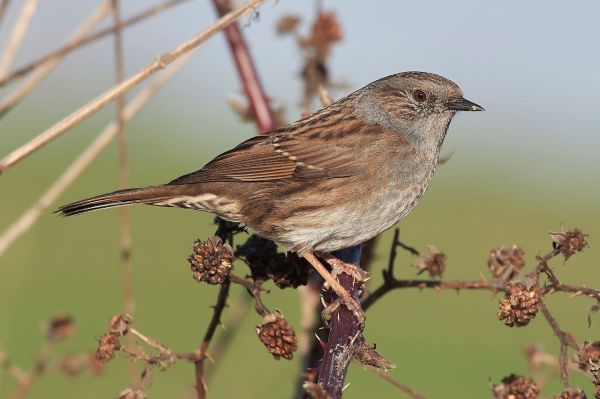

There is a rabbit warren under the hedge where Corn Field, Sheep Field and Sleepers meet. Its many entrances and exits are hidden under the brambles but you may well have walked atop the warren itself.



 Southwick Country Park Nature Reserve