
Here is a gallery of pictures DKG took in July

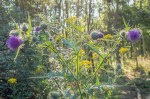


Like ragwort, creeping thistle (Cirsium arvense) is classed as an injurious weed by the Weed Act of 1959. Our hedges and edges are full of it: beautiful, pollen-rich, heavily scented flowers, buzzing with invertebrates, followed by seed heads elevated on stems sturdy enough to support seed-eating birds. Gorgeous.


Photographs by DKG
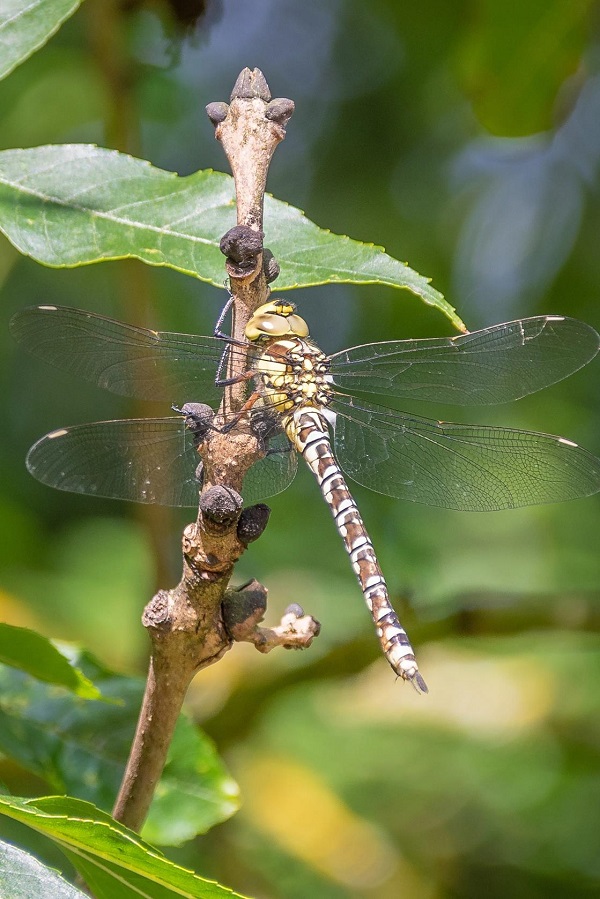
This is the third species of dragonfly that has been photographed in the park and identified this summer: a southern hawker (Aeshna cyanea). The other two are the scarce chaser (Libellula fulva) we reported on 14th June, and a broad-bodied chaser (Libellula depressa) photographed and identified by Ian on 29th June.
…


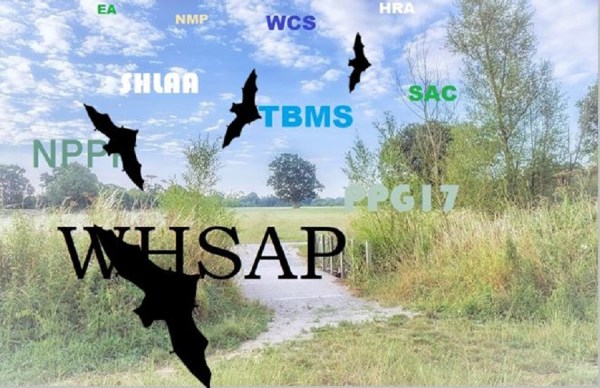
We have been exploring the trackless wastes of the Wiltshire Council’s website, hacking through dense thickets of acronyms, all the while under attack from syntactical monsters such as:
Sustainability Appraisal (SA) is iterative and integrated into the plan-making process, influencing the selection of site options and policies through the assessment of likely significant effects….
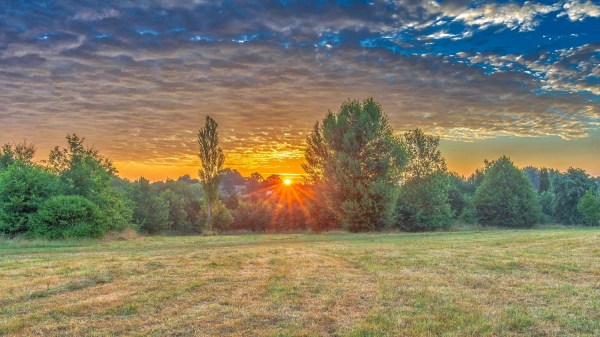
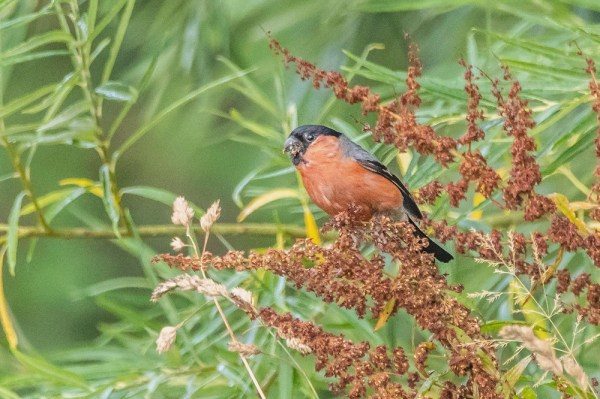
Words and pictures by DKG:
“A few photos of a Heron, Bullfinch and a Robin.”


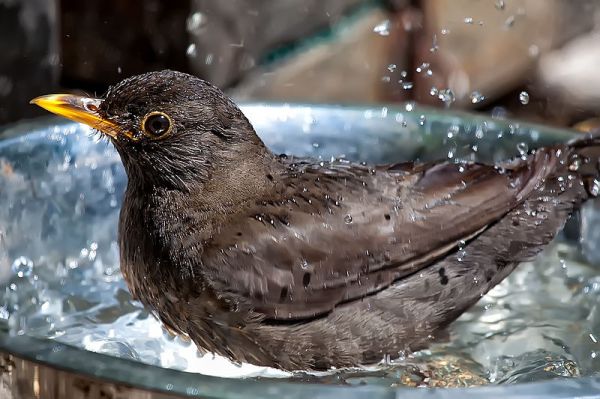
This is now the longest continuous period of drought since 1976. The park’s paths are dusty, the grass is brown and crunchy underfoot, some of the trees are shedding leaves in an attempt to stop water-loss and the streams are shrinking.
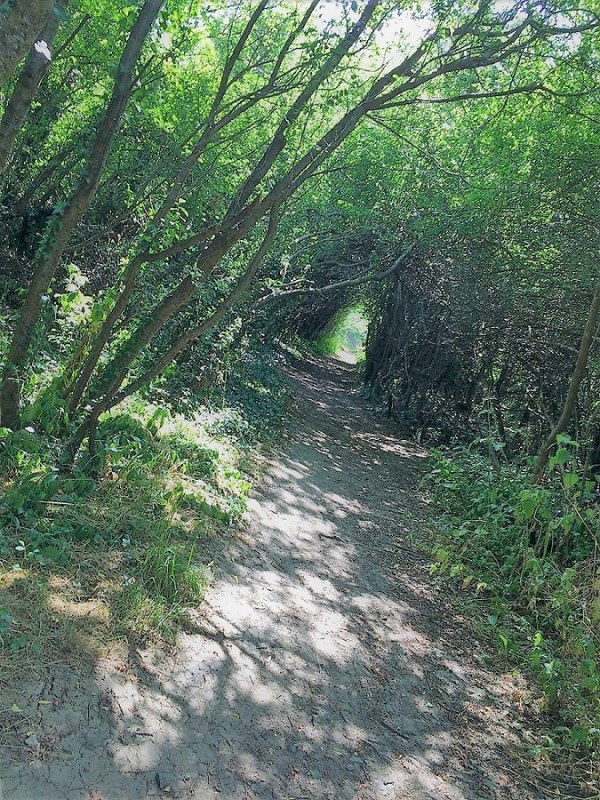
‘Path’ by Neave Duggan (aged 12)


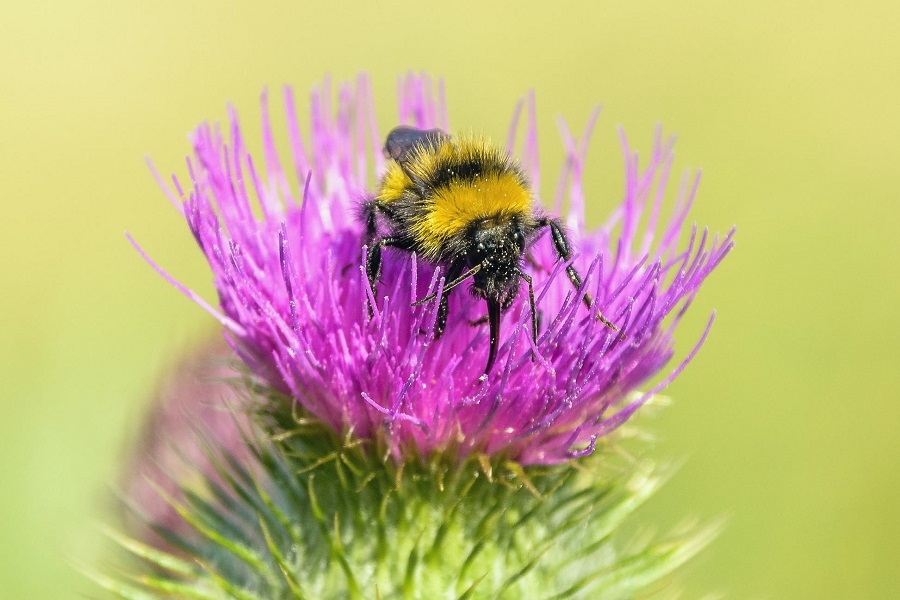
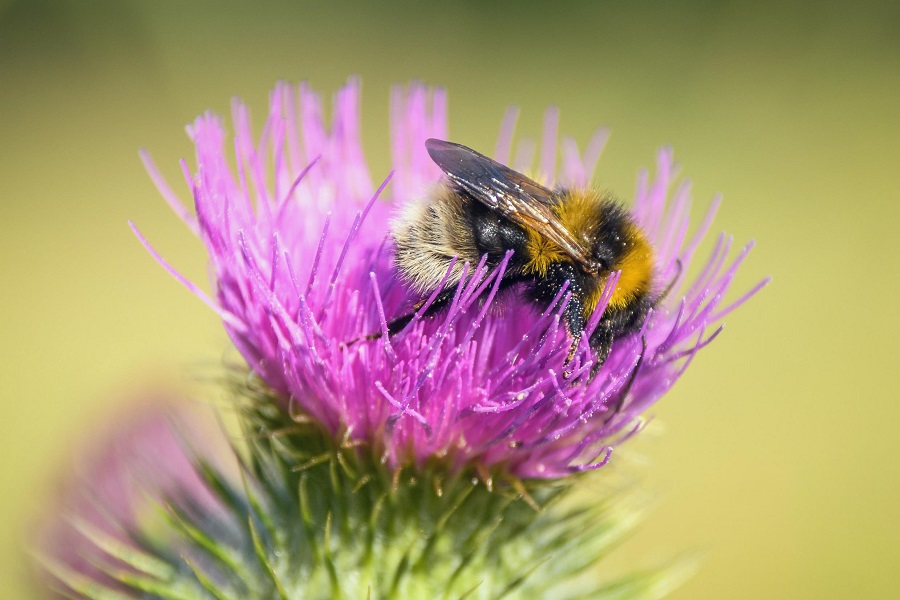
The header picture is of a garden bumble bee (Bombus hortorum) in a spear thistle flower at the edge of the large pond.



A lot of people have asked who they can contact either to ask questions about the Wiltshire Housing Site Allocation Plan (henceforth known as WHSAP) or to register their objection to it.
Continue reading “Who to write to about Trowbridge housing plan”
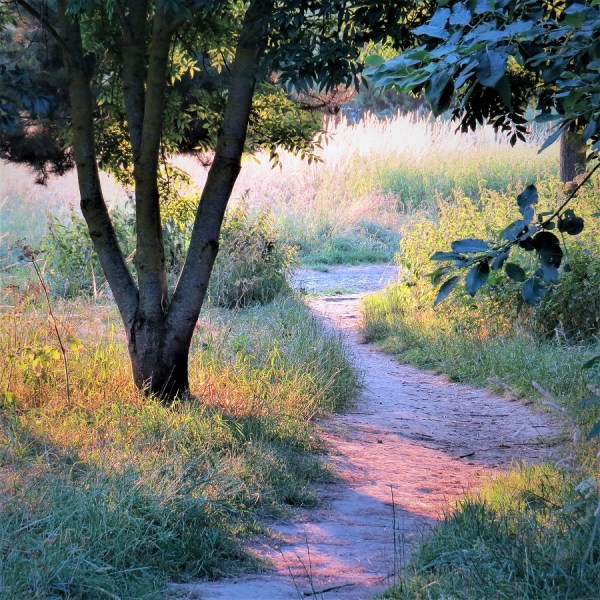
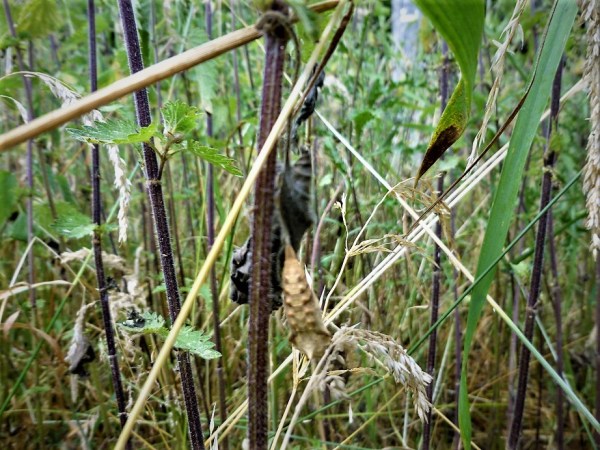
Remember the peacock caterpillars that Ian found in the nettle beds between Simpson’s Field and the Arboretum?
Read on for an update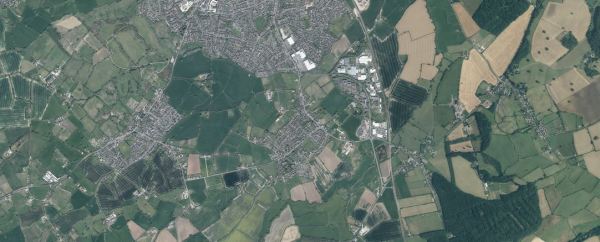
Above is an aerial photograph of the wildlife corridor between Trowbridge and the villages of Southwick and North Bradley. It connects the woods and open farmland east of the railway line to Southwick Country Park, Sleight Wood and Vaggs Hill in the west. Rare Bechstein’s bats from Green Lane Wood use the corridor to reach SCP where they feed.
Continue reading “Wildlife corridor”
On Wednesday, DKG and his macro lens took a close look at some of the park’s invertebrate inhabitants.
Click on any picture to enlarge it.


The heatwave has brought the ragwort into flower early. There isn’t a lot of it, but it’s blooming beautifully; threatened by drought, it will seed rapidly and each plant can produce as many as 150,000 seeds. So….. it’s time for all those who complained about the spraying in the spring to turn out to pull ragwort.

Our grateful thanks go to the park’s tenant farmer. He has done us proud.

We have made a few changes. Working our way eastward along the main menu, we have embedded a calendar, have added the beginnings of a package of printable activity sheets aimed at children (and their adults), polished up Contacts, and opened a new gallery to showcase DKG’s pictures. Please feel free to comment, positively or negatively, below or by email.
Tomorrow we will return to normal. Thank you for your patience.
FoSCP

This is hogweed (Heracleum sphondylium), first cousin to the giant hogweed (Heracleum mantegazzianum) which the Daily Mail tells us has invaded Virginia, USA, and will blind us all.
Continue reading “Hogweed”
Listen to the song thrush:

Lambrok Stream is the heart of the park’s ecosystem; the residential development proposed for Church Lane threatens its well-being.
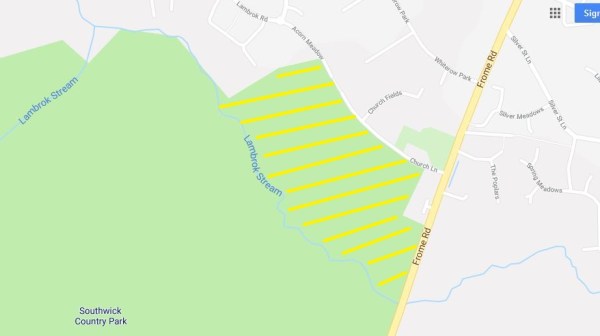
RPS is preparing a planning application for a residential development in the field between the park and Church Lane; the field is shaded yellow in the map above.




 Southwick Country Park Nature Reserve