Wiltshire Wildlife Trust is trying to buy habitat for the critically endangered marsh fritillary butterfly. Please, read their appeal and consider donating.
Continue reading “Marsh fritillary”Marsh fritillary
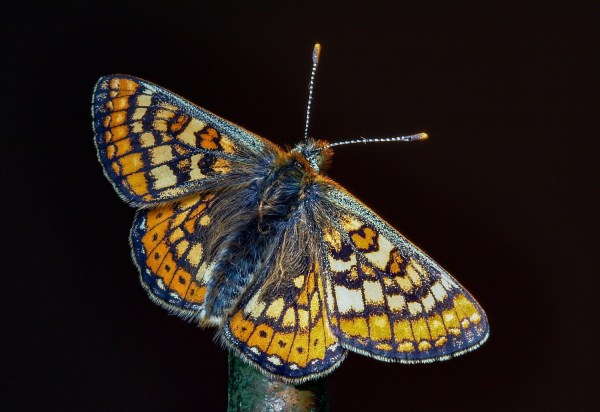
Wiltshire Wildlife Trust is trying to buy habitat for the critically endangered marsh fritillary butterfly. Please, read their appeal and consider donating.
Continue reading “Marsh fritillary”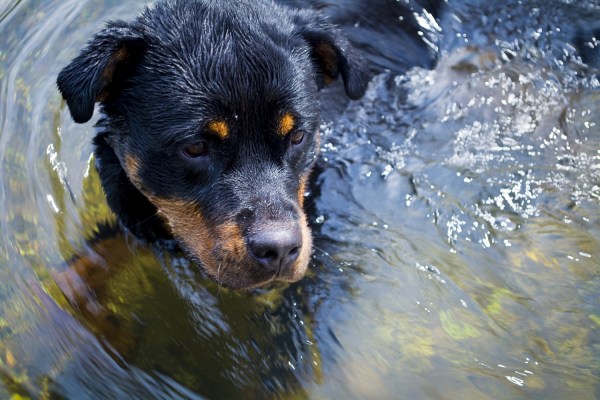
by Barbara Johnson
After reading how chemicals used in flea treatment can damage and pollute our waterways, I asked a vet for information and asked if he could suggest an alternative flea treatment.
Continue reading “Flea circus part 3”
The Winter moth (Operophtera brumata) is one of the few moth species that can cope with winter’s freezing temperatures in its adult stage. They are endothermic which means that they can produce heat internally by biochemical processes, just as warm-blooded creatures do.
Continue reading “Winter moths”
Data published in September by the Environment Agency revealed that all English rivers have failed to meet the new chemical pollution standards set in 2017. The levels of sewerage discharge, and agricultural and industrial chemicals entering our water system is still too high. Lambrok Stream is classed as a main river by the EA and must be included in these findings.
Continue reading
Last year the Department for Environment Food and Rural Affairs (DEFRA) published a report called Wild Bird Populations in the UK, 1970 to 2018. We published this post at the time but feel it bears repeating: the coronavirus crisis may be at the top of our list of concerns but the environmental crisis has not gone away.
Continue reading “Bird populations in crisis”
An important message from Sir David Attenborough.
Header picture by DKG
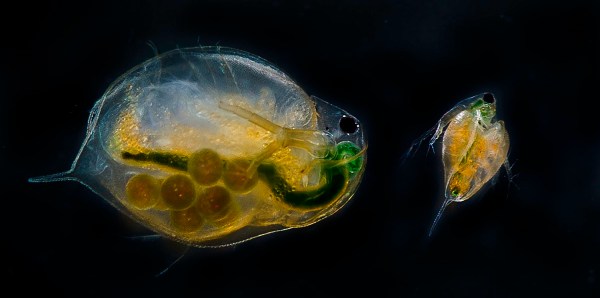
This is a water flea (Daphnia magna), not even a distant cousin to the fleas on your dog, but very close to the bottom of the freshwater food chain that is being disrupted by your dog’s flea treatment.
Continue reading “Flea circus part 2”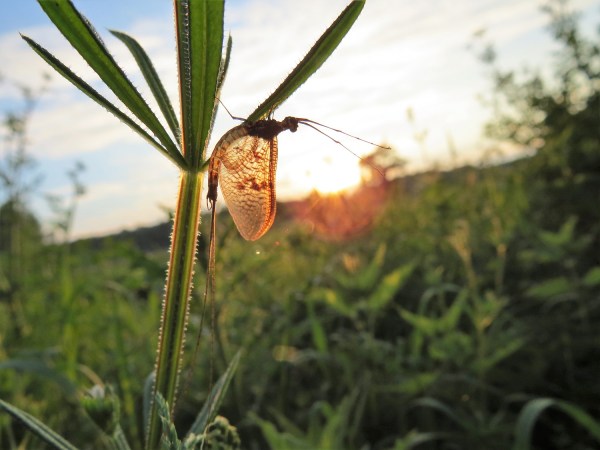
Research has recently found that the highly toxic insecticides used on cats and dogs to kill fleas are poisoning England’s rivers. Scientists believe that significant environmental damage is being done to important water insect populations, down at the bottom of the freshwater food chain.
Continue reading “Flea circus”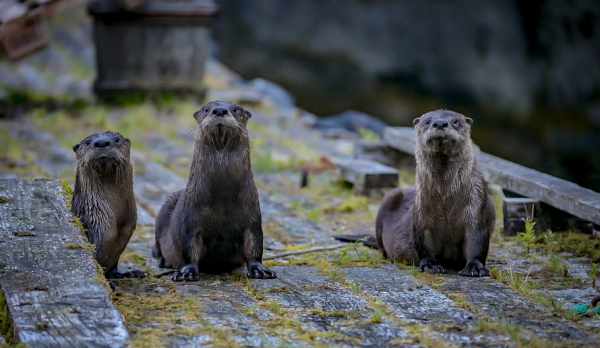
Simon Tesler’s video of an otter hunting in the moat at Southwick Court is powerful evidence not only of Lambrok Stream’s biodiversity, but its importance as a wildlife corridor that runs from the River Biss right up through and beyond Southwick village.
Continue reading
We have been sent video of an otter hunting in Southwick Court moat yesterday.
Continue reading “Otter in Lambrok Stream”
At the end of 2020, the protection afforded to the UK’s wildlife by the UK Post 2010 Biodiversity Framework will end. The Environment Bill 2020 does not make clear exactly what will replace it.
Continue reading “Protecting the park”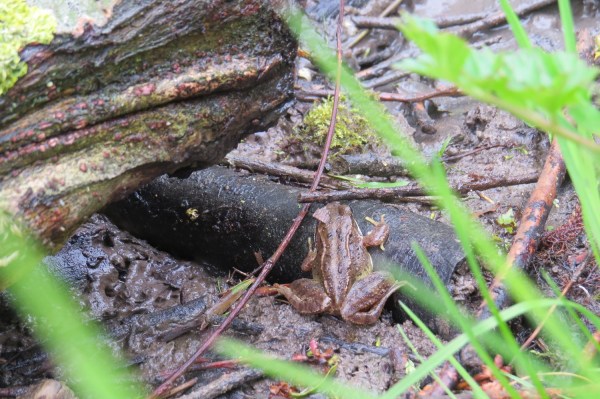


Build a hibernaculum to help the amphibians and reptiles in your garden through the winter.
The Wildlife Trusts has stepped into the controversy surrounding the government’s proposed changes to planning regulations; they have concluded that the changes will damage nature, increase air pollution and leave local people with no say on protecting urban wildlife corridors.
Continue reading “Wild belt land”
Wiltshire Council must not miss this opportunity to lead the way in developing a local Nature Recovery Network around Trowbridge.
Continue reading “A missed opportunity?”
Above is the Parameter Plan submitted by RPS with planning application 18/10035/OUT. If you look carefully, there are two grey dotted lines that run from the red site boundary, over the Lambrok Stream, and into the park. Right at the bottom of the key, they are labelled potential foot/cycle links and we assume that a foot/cycle link that crosses the Lambrok will do so on a bridge.
Continue reading “No bridges, please.”
We have been struggling to make sense of planning application 18/10035/OUT, RPS’s proposal to build 55 houses on the fields between the park and Church Lane, and therefore we have not yet submitted our response. This is the problem.
Continue reading “Planning Application 18/10035/OUT”
Here’s a thing worth thinking about over your coffee of a Sunday morning.
The header picture is of the path through the copse between Sleeper Field and Sheep Field.

The shaggy bracket fungus on the ash tree at Fiveways, first reported by Clive Knight and identified for us by our Tree Officer Rich Murphy, has grown HUGE.
Continue reading “Inonotus hispidus”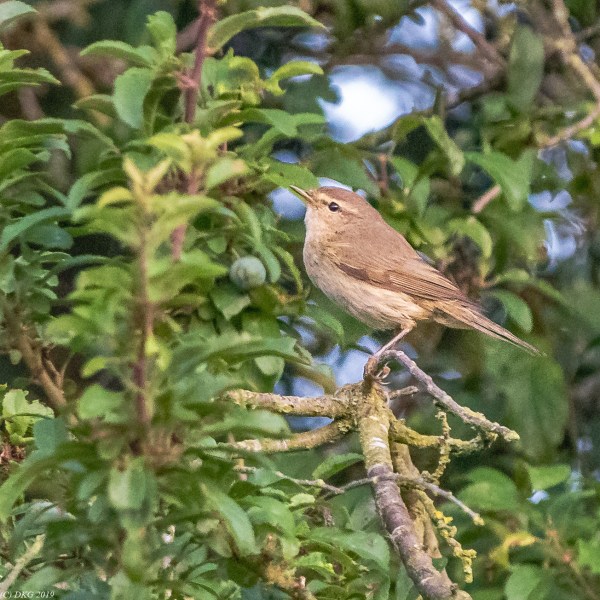
Most of our willow warblers will have left by now; they will be on their way to sub-Saharan Africa where they will spend their winter. Theirs is the longest journey undertaken by any of the park’s migratory birds. Why do such tiny birds fly so far and take such risks to do it?
Continue reading “Willow warbler migration”
The latest research has found that microplastic in the soil is damaging populations of the tiny creatures that maintain its fertility.
Continue reading “Microplastics”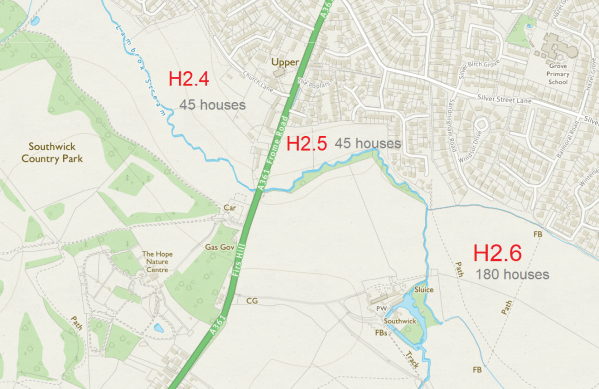
It’s time to review the progress of the planning applications to build houses on the three allocated sites next to Lambrok Stream.
Continue reading “WHSAP Recap”
The Environment Bill was submitted to Parliament in January, with the intention that it be enacted before the year is out; at the moment, it is somewhere in a post-lockdown legislative logjam while Parliament works out how to do its job safely in its famously loud and crowded chamber.
Continue reading “The Environment Bill 2020”
Newland Homes has published a concept plan for the building of up to 45 houses on the land at Upper Studley (WHSAP site H2.5) just diagonally across the road from the park. They have distributed a leaflet to 170 local addresses as their first step in the process of public consultation.
Continue reading “Development at H2.5”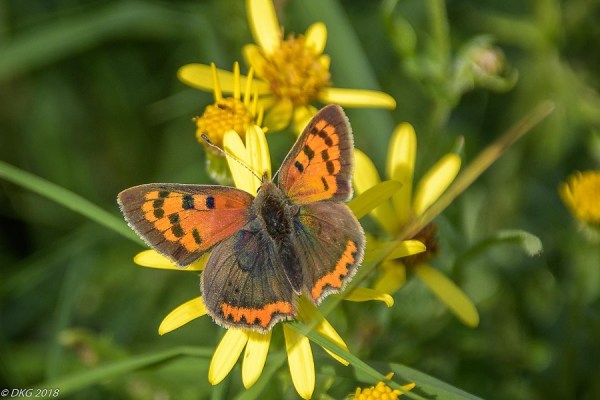
The Big Butterfly Count began yesterday and will run until Sunday August 9th. Join in and help Butterfly Conservation monitor the health of Britain’s Lepidoptera. Spend just 15 minutes in the park, your garden, a field or wood, counting the common butterflies you see.
Continue reading “The Big Butterfly Count”


 Southwick Country Park Nature Reserve