Otter

Here’s an interesting thing:

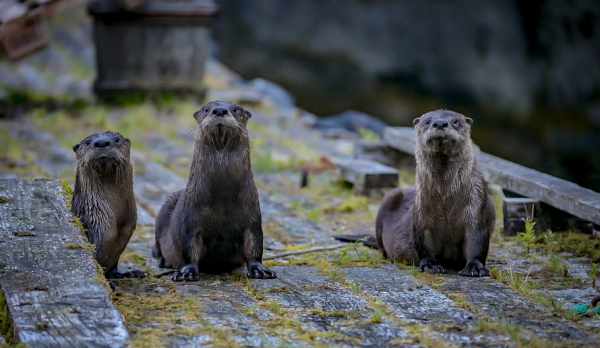
among mammals, otters have the thickest fur. In every square inch of a Eurasian otterโ€™s skin, there are around half a million hairs. For comparison: the average dog has 15,000 hairs per square inch and the average human, only 1,000.

Tu-whit tu-whoo

Thanks to Sarah Gould for reminding us that the tawny owl’s classic tu-whit tu-whoo noise is, in fact, made by two birds in conversation.
Click for audio

Fact of the week

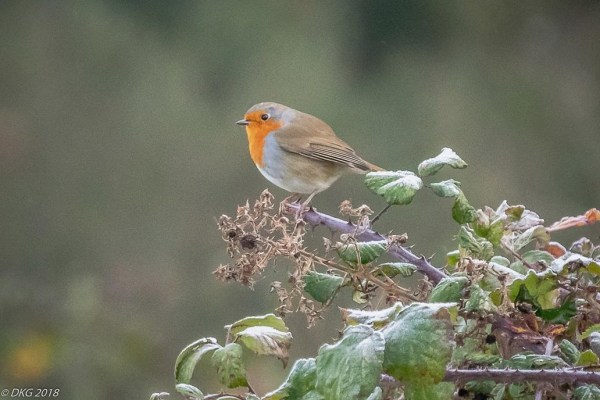
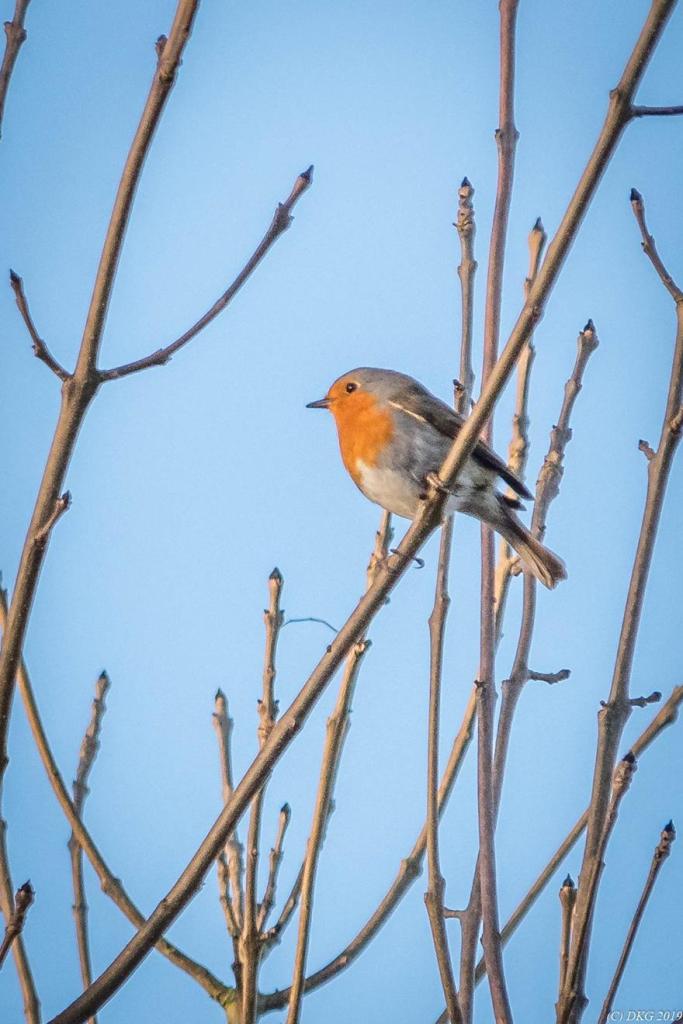
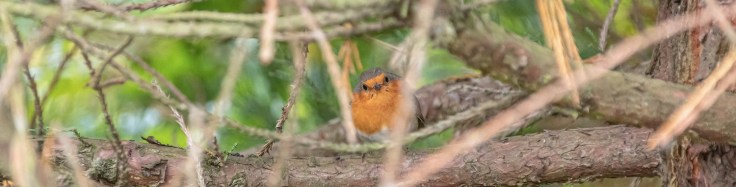
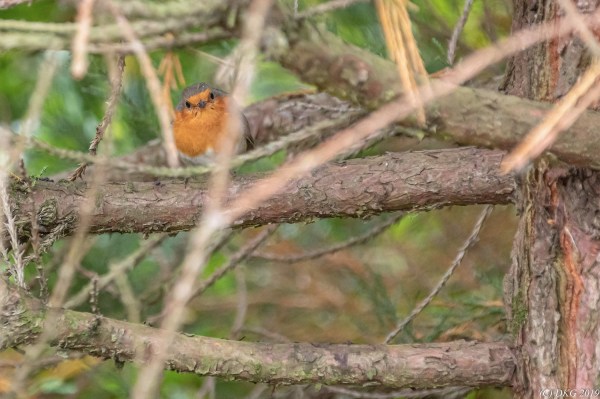
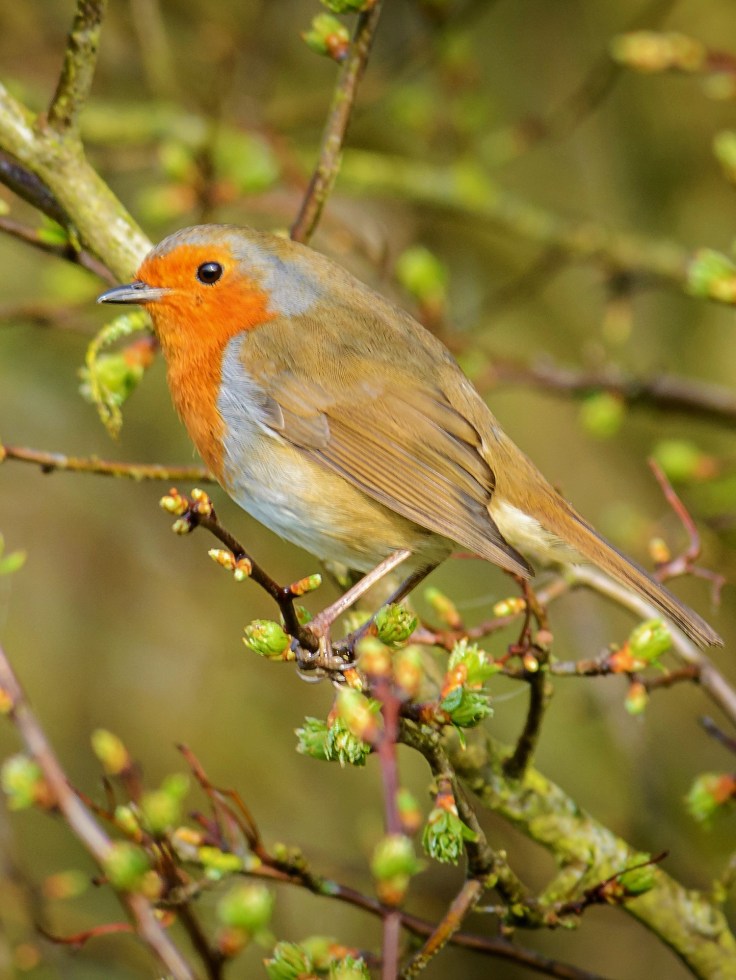
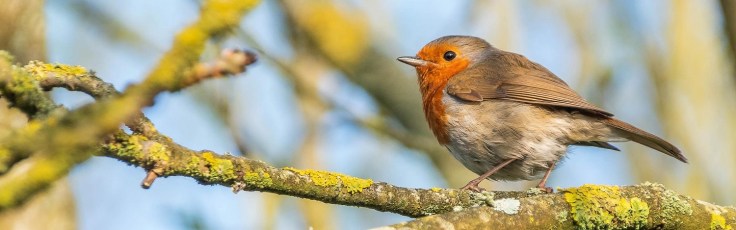
A robinโ€™s lifespan is just 13 months on average due to high mortality among robins in their first year. However, once theyโ€™ve passed that first year barrier, they stand a much better chance of surviving for quite a while โ€“ the record currently stands at 19 years!

All pictures taken in the park by DKG

Woodpeckers

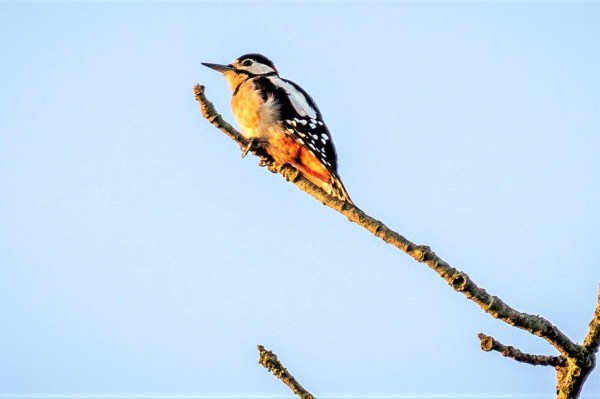
We have both greater and lesser spotted woodpeckers on our species lists but it is many years since the single sighting of a lesser spotted woodpecker in the park. Here is a video from the BTO to help you tell the difference between the two.

More about the otters in Lambrok Stream

Simon Tesler’s video of an otter hunting in the moat at Southwick Court is powerful evidence not only of Lambrok Stream’s biodiversity, but its importance as a wildlife corridor that runs from the River Biss right up through and beyond Southwick village.

Continue reading →

It’s garden-tidy-up time.

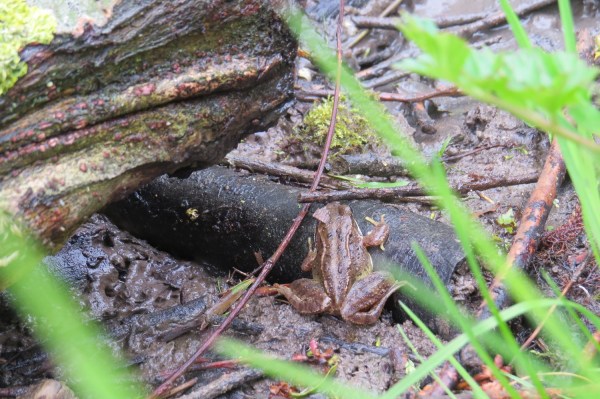
Keep a look out for hibernating amphibians as you tidy up your garden ready for winter. Frogs, toads and newts will find sheltered places to hibernate in hedge bottoms, compost heaps, under stones and in log piles and are best not disturbed. Take particular care if you are planning to clear out a pond: frogs and newts will sometimes overwinter in the mud at the bottom.

Continue reading →

Hibernacula

Build a hibernaculum to help the amphibians and reptiles in your garden through the winter.

Create a website or blog at WordPress.com

Up ↑