“This was the scene I was greeted with in Sleepers this morning, they kindly left their carrier bag so I was able to clear up and get to a bin.” DKG
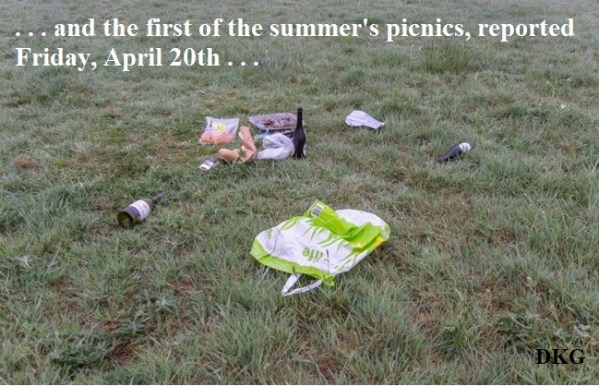
“This was the scene I was greeted with in Sleepers this morning, they kindly left their carrier bag so I was able to clear up and get to a bin.” DKG
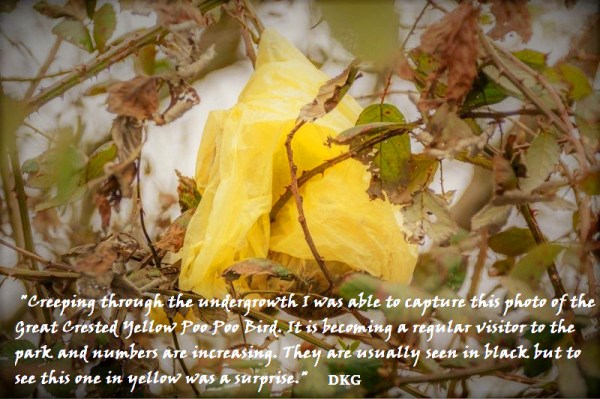
This is the second in our series of posts about scooping dog poop in the park; the pun in the title is intentional.
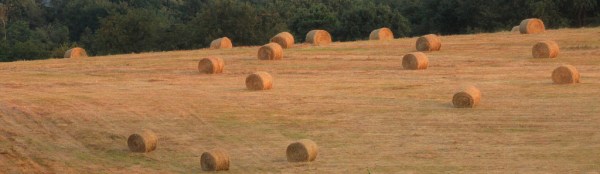
Most of the park’s fields are let to a local farmer who takes two cuts of grass from them each year. That crop is sold on, as hay or silage, mostly to feed horses and farm animals. Some of it, though, will end up in your gardens in rabbit and guinea pig cages. If the hayfields are contaminated with dog faeces, so is the hay.


Dogs are part of the life cycle of two parasitic organisms that cause diseases, neosporosis and sarcocystosis, in farm animals. In dogs, they rarely cause symptoms, are hard to diagnose and almost impossible to treat, but the parasites’ eggs will be present in the dogs’ faeces. In cattle or sheep who become infected by eating feed contaminated by faeces, these parasites can induce abortion, cause neurological problems, and even result in the death of the animal.
Sarcocystosis and neosporosis are caused by the same organisms that, in horses, can cause equine protozoal meningitis.


The prevalence of neosporosis and sarcocystosis in dogs and farm animals is unknown in the UK, but it is thought to be common and very much under-reported. As there is no effective vaccination or treatment for either, vets recommend avoidance: don’t feed your pet raw meat and don’t leave dog faeces on agricultural land.
Most of the park is agricultural land, producing animal feed; please clean up after your dog.
This is the second post of a spring campaign; let’s keep our park poop-free.
Pictures: Google Images
Related posts:


Children get toxocariasis when they are infected with the eggs of roundworms (Toxocara canis) from the faeces of dogs. The infection happens when the child gets soil or sand contaminated with faeces into its mouth. Once the eggs are inside the child’s digestive tract, they move into the bowel where they hatch into larvae.

The larvae burrow through the wall of the intestine and through the soft tissues to, most commonly, the lungs, liver, eyes, and brain, where they can cause symptoms that range from a mild fever to blindness (don’t click this link if you are squeamish).
It’s hard to tell how many of these infections cause illness, but research in the USA, at the turn of the century, found that 13.9% of children aged upwards of 6 years had Toxocara canis antibodies in their blood, which showed that they had been infected at some time in their lives. Similar research in Sri Lanka found a 50% incidence.
In the park we have a combination of children and dogs that makes it particularly important that we are vigilant. Almost every dog will get roundworms at some time in its life and, at any one time, about 20% of dogs are infected.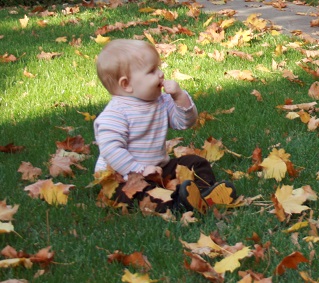 This means that one in every five dogs that comes into the park will bring with it mature roundworms, each one of which can lay 200,000 eggs every day, for a rolling, tumbling, thumb-sucking toddler to put in his mouth.
People are very careful about picking up on the central path and we are grateful, but some are less conscientious when their dogs poop in the grass, which is, of course, where our children play. Please clean up after your dog. Toxocara eggs are not infectious for the first 10–12 days so you are in no danger as you poop-scoop, but they can live in the soil and be infectious for many, many years afterwards if you don’t scoop.

This is the first post of a spring campaign; let’s keep our park poop-free.
Pictures: Google Images
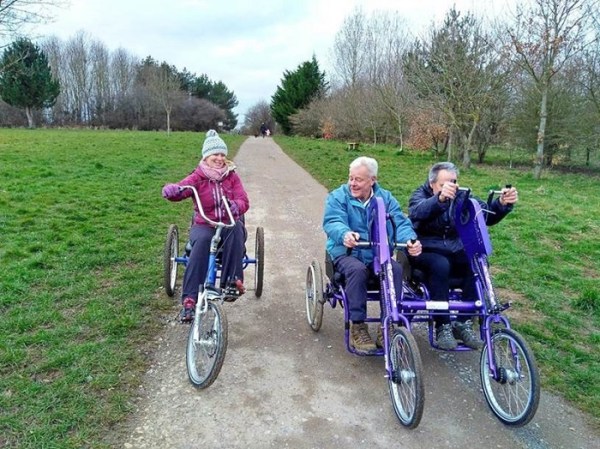
On Thursday, Rob Paget, Disability Sports Development Officer for Wiltshire Council, and Chris Revill, from Wheels For All in Bath, came to Southwick Country Park to carry out a trial run on disability bikes to see if the park would be a suitable venue to hold events. Rob and Chris recently developed an adapted cycling programme in Salisbury for people of all ages with disabilities to take part in cycling on adapted bikes in a safe environment.
Rob is working in partnership with Bath Wheels for All to develop an adapted cycling session in West Wiltshire and has highlighted Southwick Country Park as a potential location. The Friends came along to help; they loved it!


by Vicky
Pictures: DKG on his phone.

Wiltshire Council has agreed with us that parking fees at Southwick Country Park are unworkable; the proposal has been withdrawn.
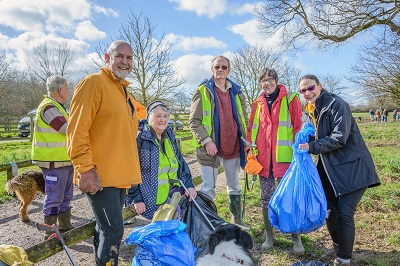
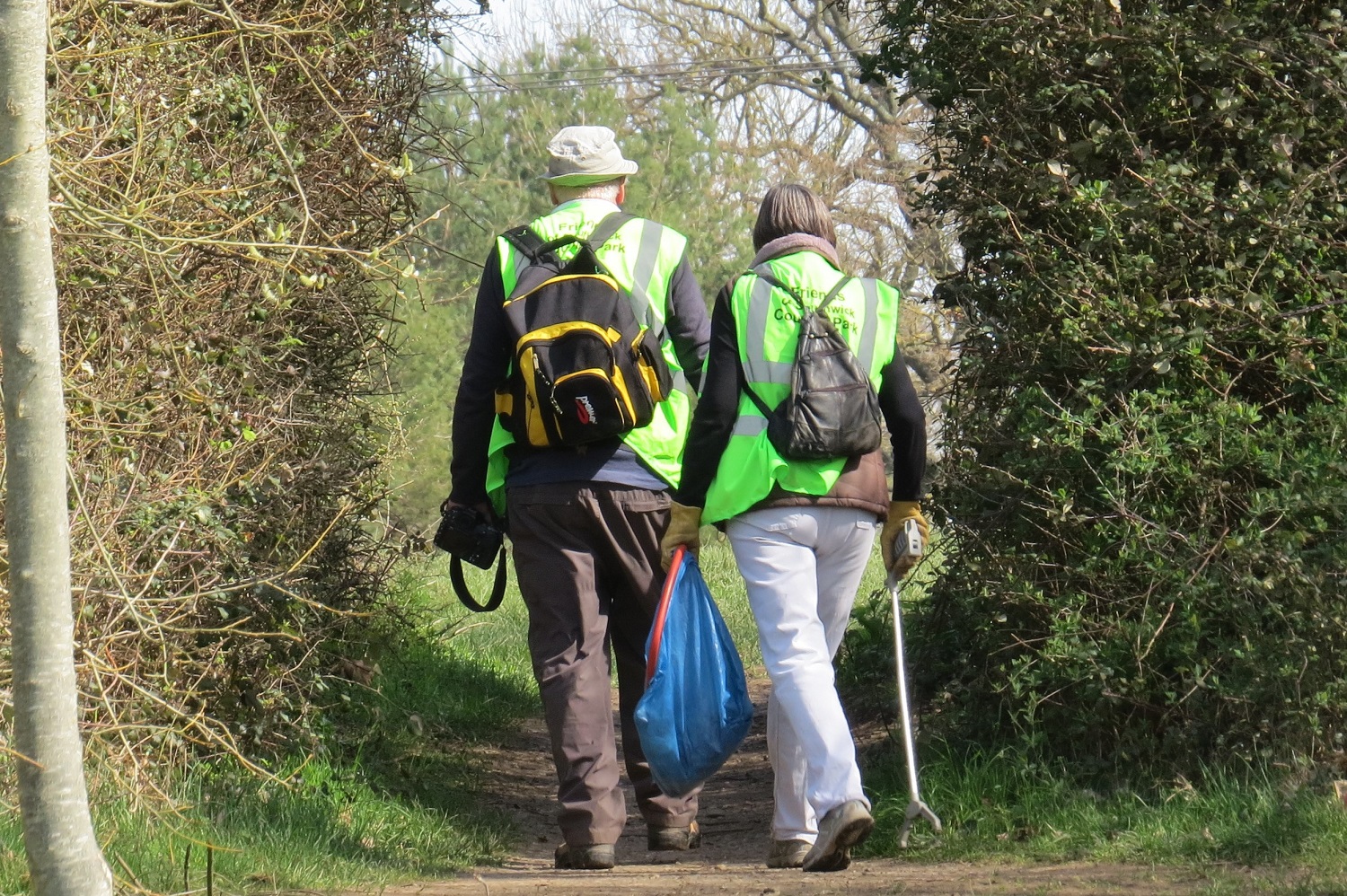
One of the perennial jobs around the Park is collecting litter. Most weeks sees one of the Friends with litter picker and rubbish sack in hand. All sorts of rubbish is found especially during the winter months when the foliage dies back and it is easier to spot.
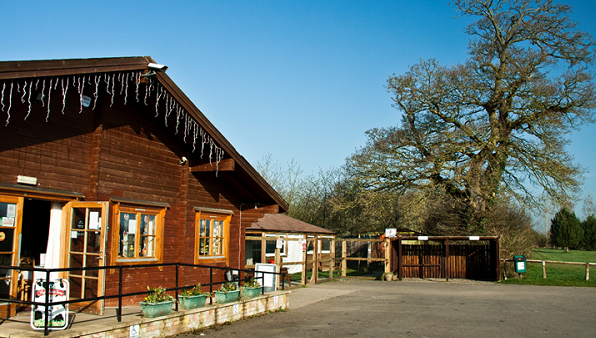


Our tearooms, are open from 8.30am until 4.30pm with delicious hot food served from 8.30 until 3.30pm
We have a busy, fun volunteer/events schedule, to help run our charity; which includes Work Wednesdays, where volunteers can turn up and help out with a variety of tasks around the animal park.
Our May Fete is on 20th May and is always lots of fun. If you would like to help run one of our stalls or run your own stall please contact the centre. We also have Mother’s Day Lunch and Afternoon Teas and Easter Egg Hunts to look forward to. Lots going on and lots to get involved with. We look forward to meeting you soon, from all of us at Hope Nature Centre.
Call Anya 01225 759075 for more info.”


FROM DAVID FEATHER: –
A big thank you to all of you who signed the petition last weekend against charging for car parking in the Country Park. We presented it to the Council on Monday.
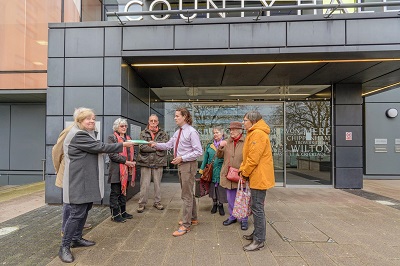
In December, we posted an item about Wiltshire’s plans to extend car-parking charges to Southwick Country Park. Last week the Environment Select Committee produced a report making its recommendations to Wiltshire Council’s Cabinet, which will meet on 30th January 2018.
Continue reading “Parking Fees Recommended”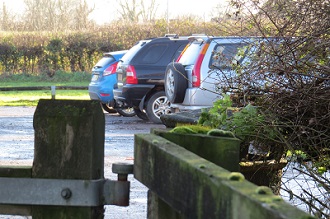
Wiltshire Council has consulted on charges for car parks across the county, including the car park at Southwick Country Park. The proposed rate at Southwick is: £0.80 for an hour, £1.30 for two and £2.70 for three.


 Southwick Country Park Nature Reserve