Hawthorn blossom
The reserve’s hawthorns are in bloom and well worth a visit.
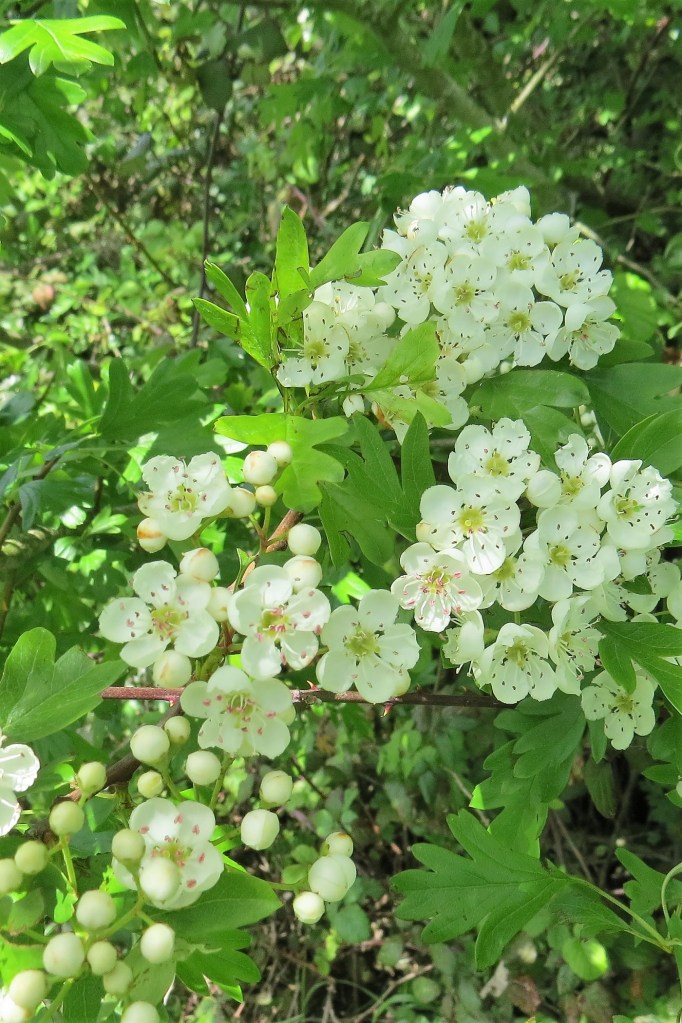
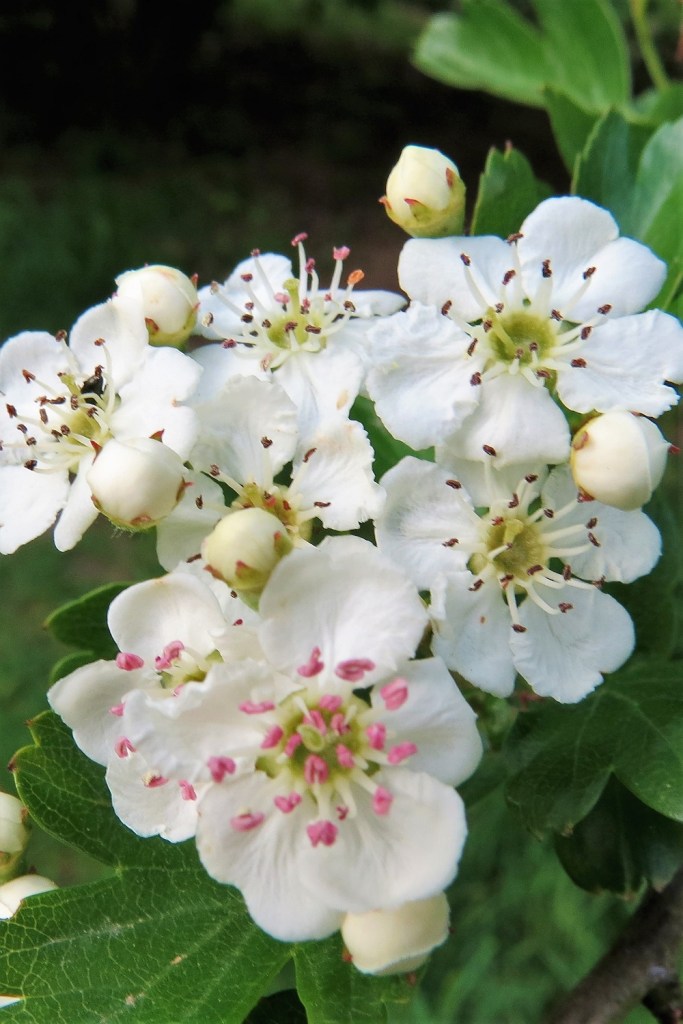
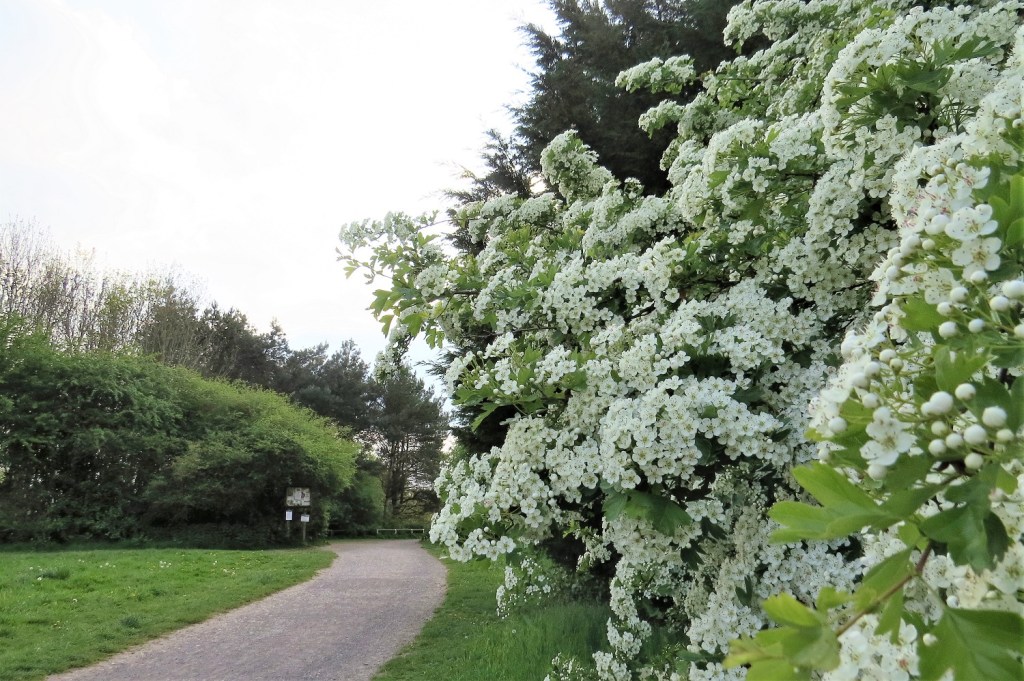
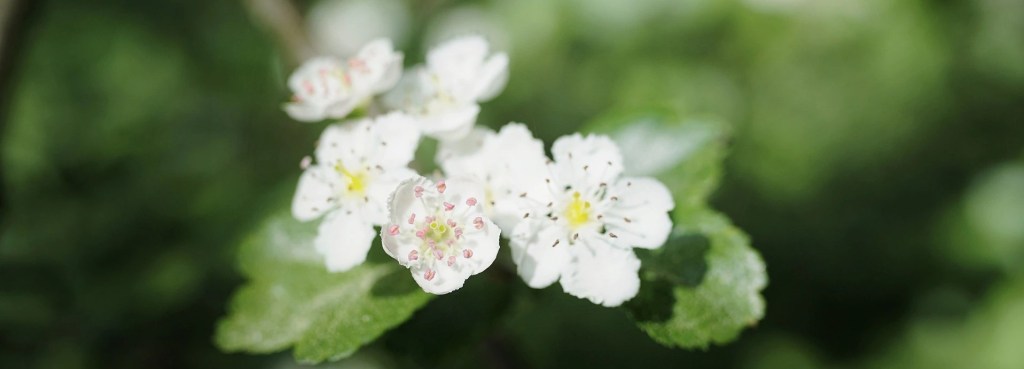
Header image taken in the reserve by Ian Bushell


The reserve’s hawthorns are in bloom and well worth a visit.
Header image taken in the reserve by Ian Bushell
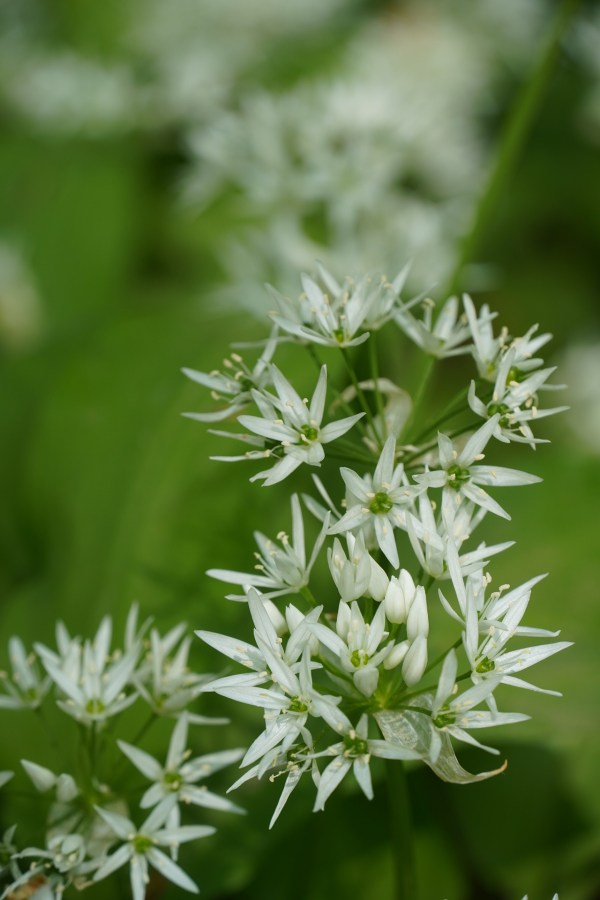
Wild garlic goes by many different names: ramsons, cowleek or cowlick, buckrams, broad-leaved garlic, wood garlic, bear leek and bear’s garlic are just a few of them.
Continue reading “Wild Garlic”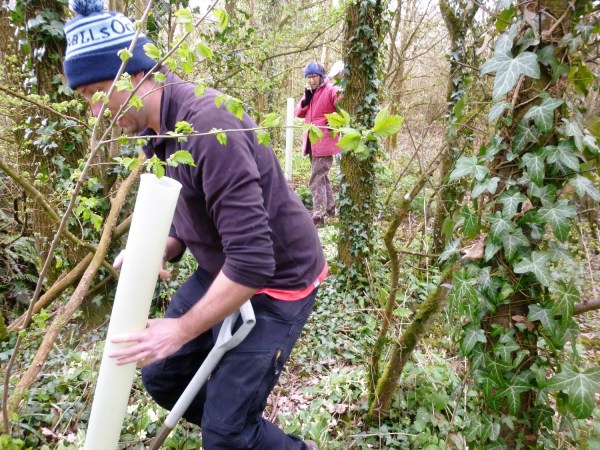
We have been making what might seem to our followers like a great fuss about the planting of just a very few disease resistant elm trees. Here are parts of a post from March 2020, which explain what disease our precious saplings are resistant to, and why we are so eager to get them established in the hedge between Cornfield and Sleepers.
Continue reading “Tree planting”
Most UK butterflies spend the winter as caterpillars or pupae but there are five species that overwinter in their adult form: brimstone, comma, peacock, small tortoiseshell and red admiral, all of them present in the reserve.


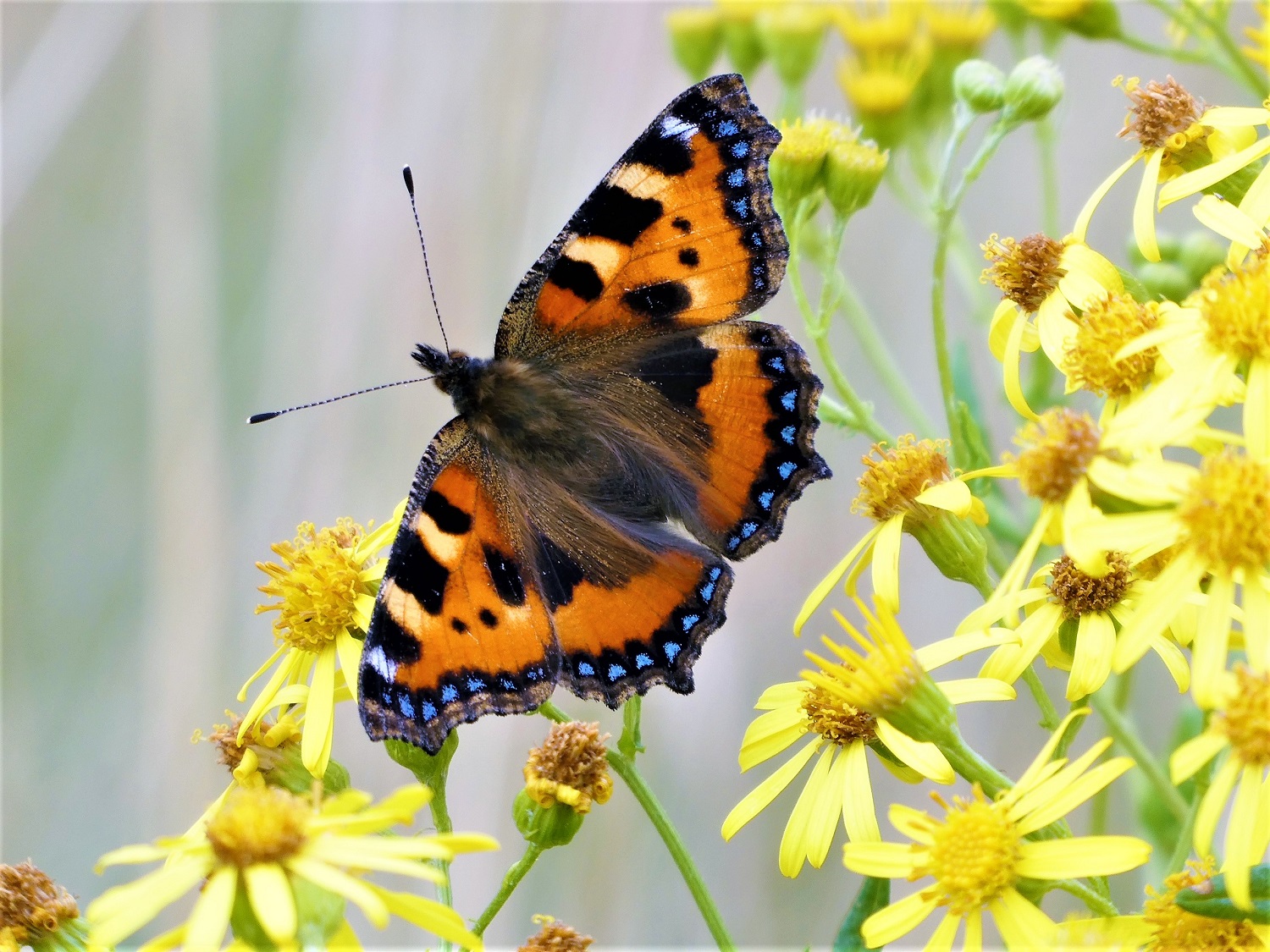
All these photographs were taken in the reserve.

Bird flu, like any other flu, comes in different strains, most of which cause few or no symptoms in infected birds. But since October 2021 a very virulent strain of H5N1 has swept around the world causing serious disease and many, many fatalities among both farmed and wild bird populations.
Continue reading “Bird flu”
This is the time of year when badgers bring their cubs out of the sett for the first time. The weather is warmer and the cubs are now three or four months. This pair (male and female) entice their cubs out to be groomed and to play.


This is wild arum (Arum maculatum) growing in the copse at the top of Brunt’s Field.
Continue reading “Wild arum”
Yesterday morning, Clive Knight, walking in the reserve, found and photographed this beautiful comma butterfly.
Continue reading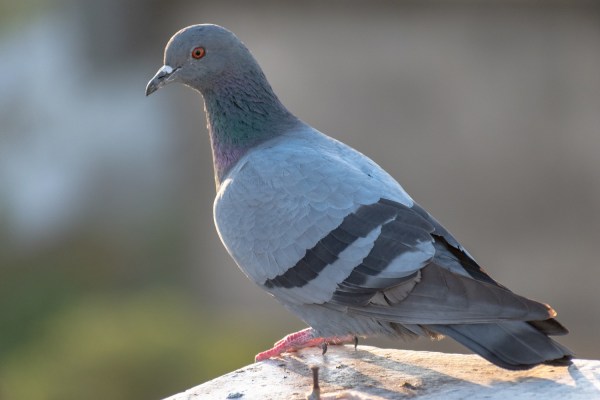
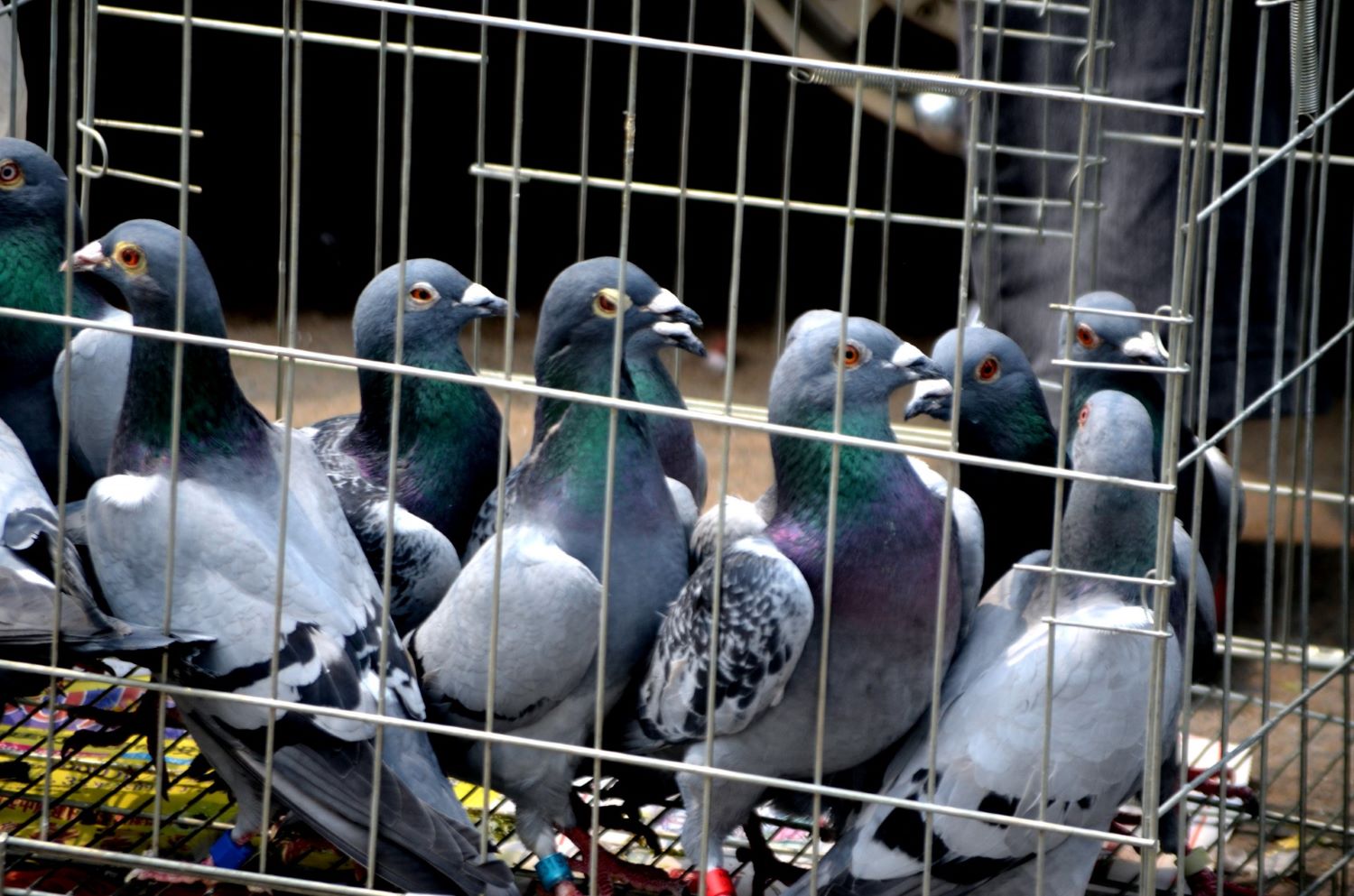
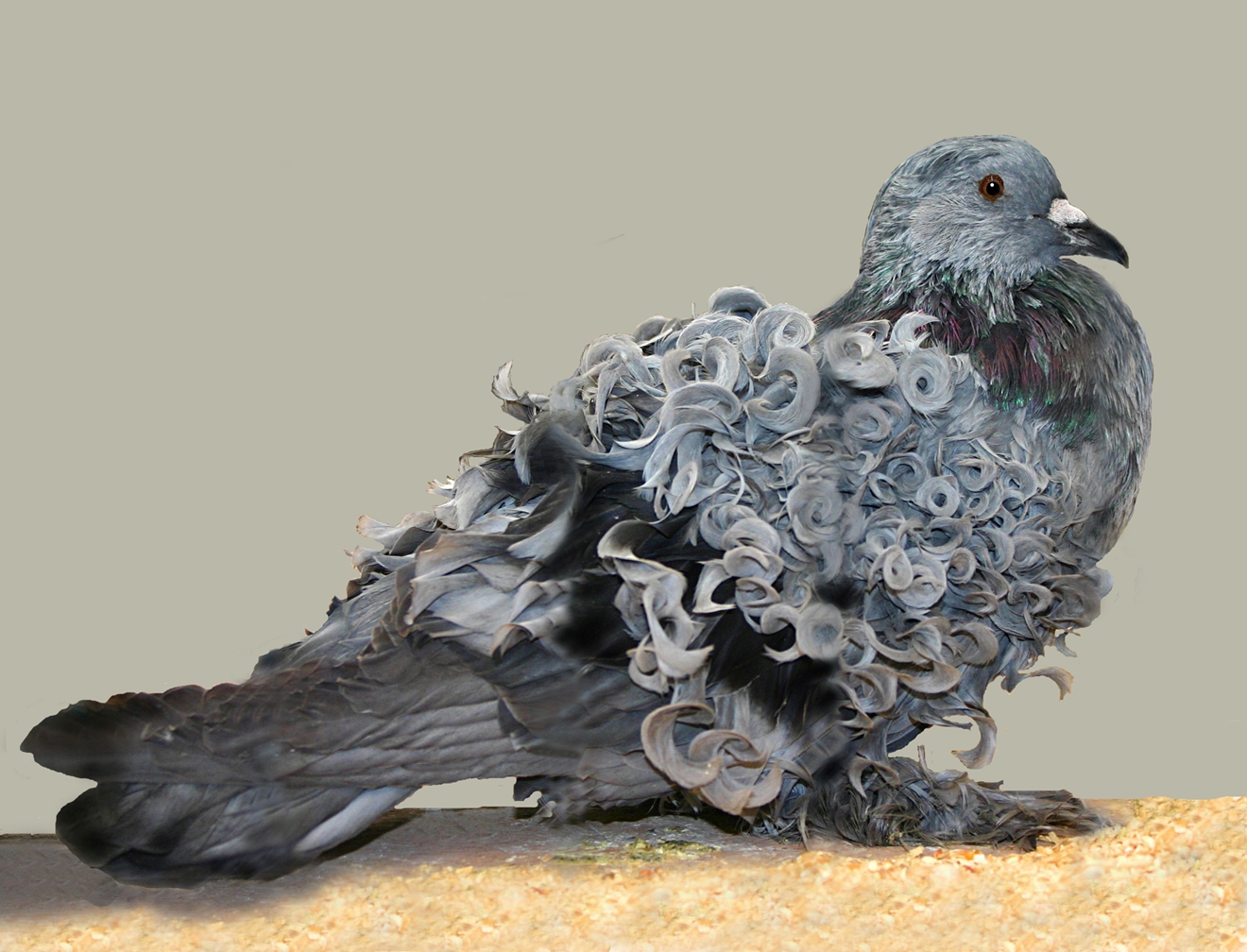
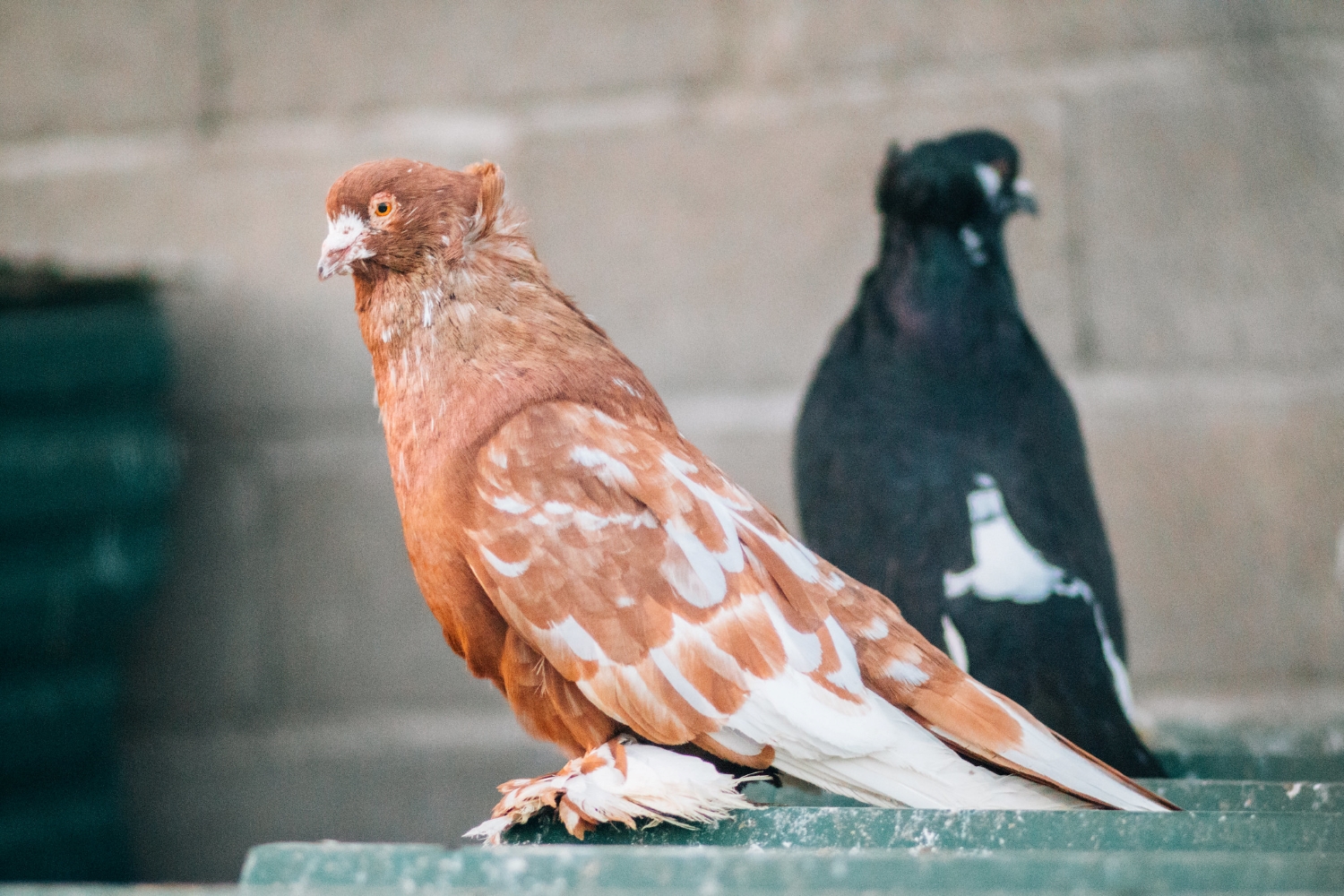
Did you know that all domesticated pigeons and doves are descended from a single species: Columba livia, the rock dove?
No? Neither did we. But all those rollers, racers and dovecote occupants with fluffy feet. curly feathers and fan-tails are domesticated versions of the one species. And, apparently, the process of domestication began more than 10,000 years ago.


Header Image: rock dove (CC0) pixabay.com

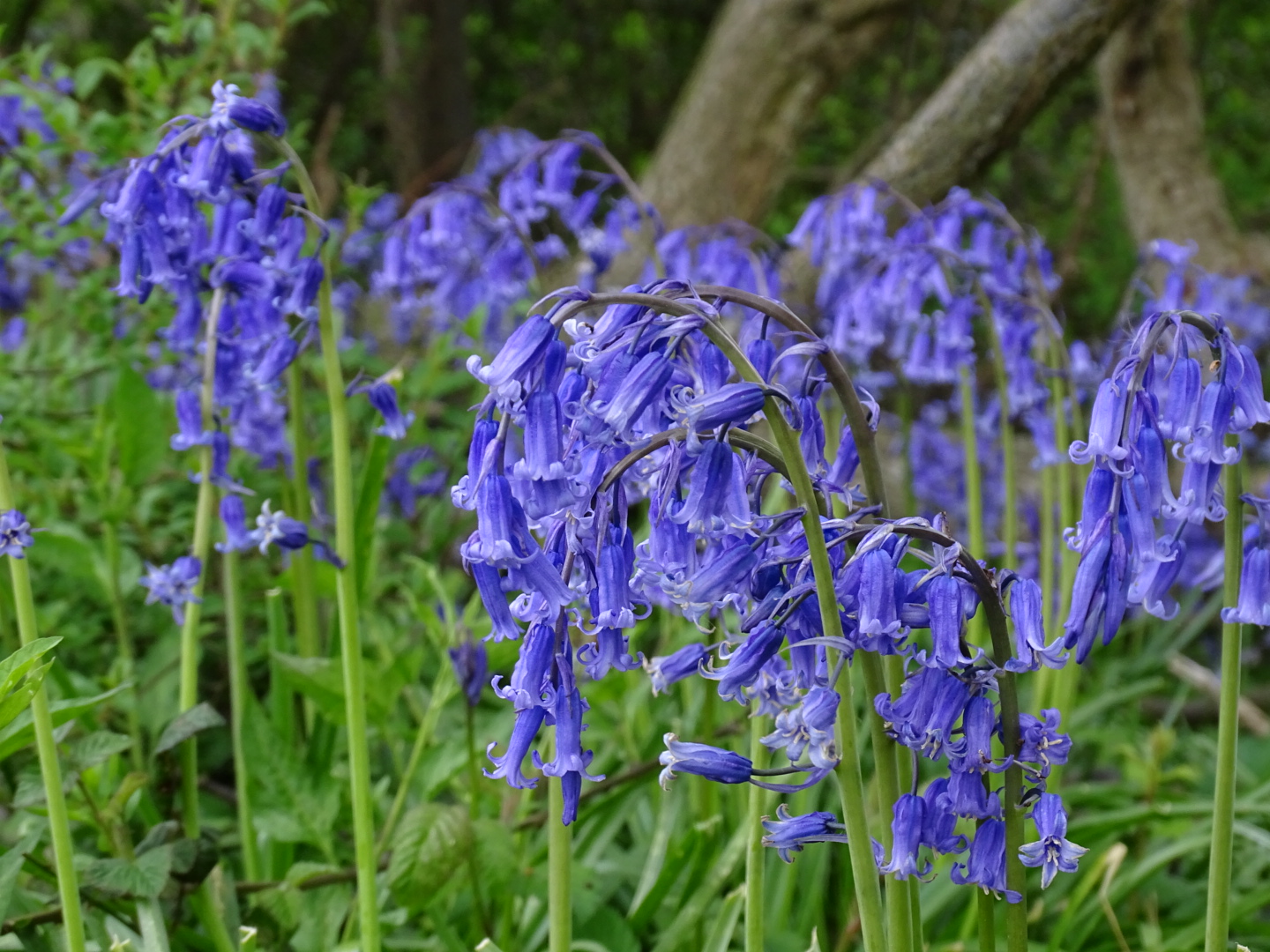
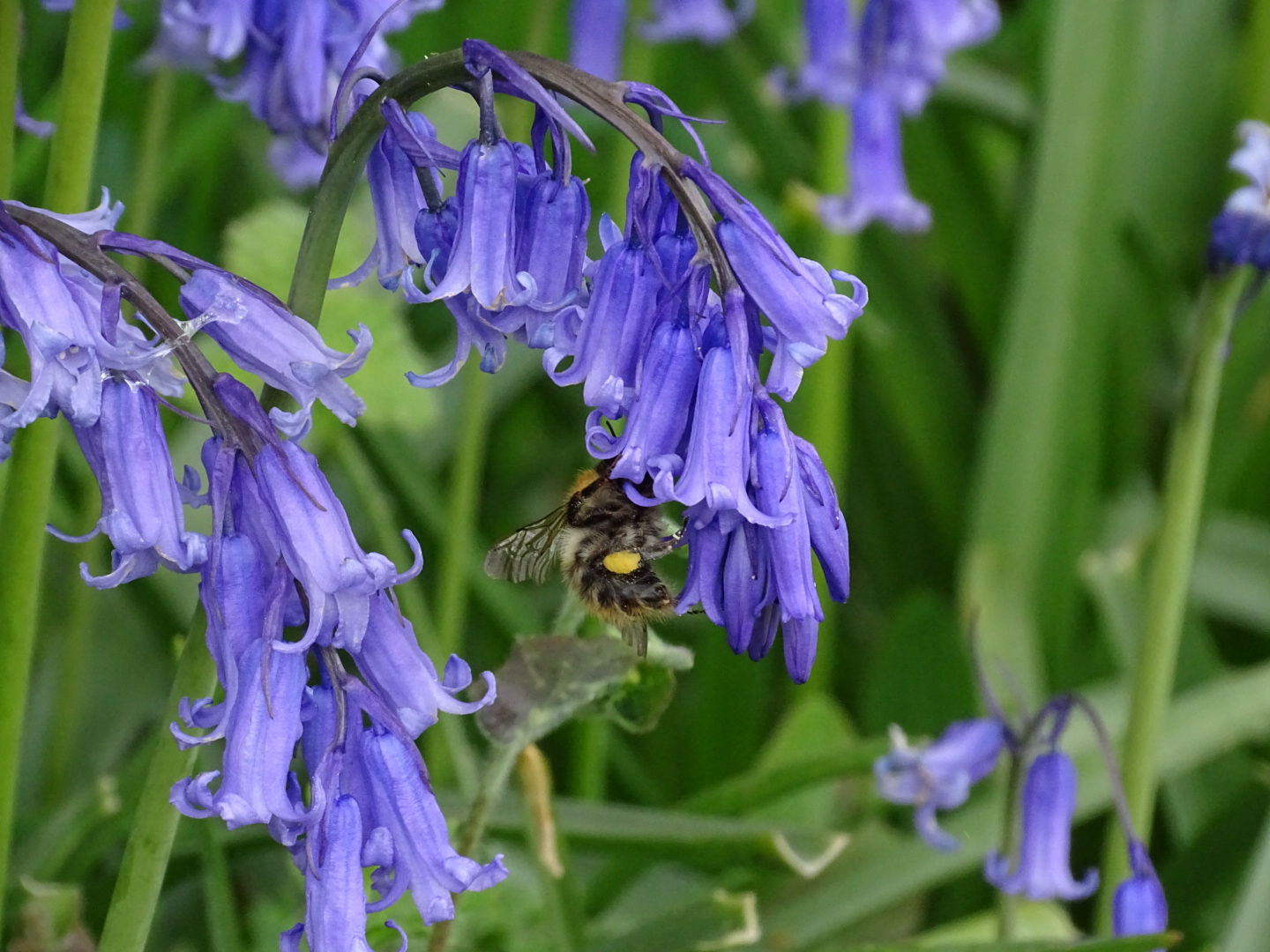


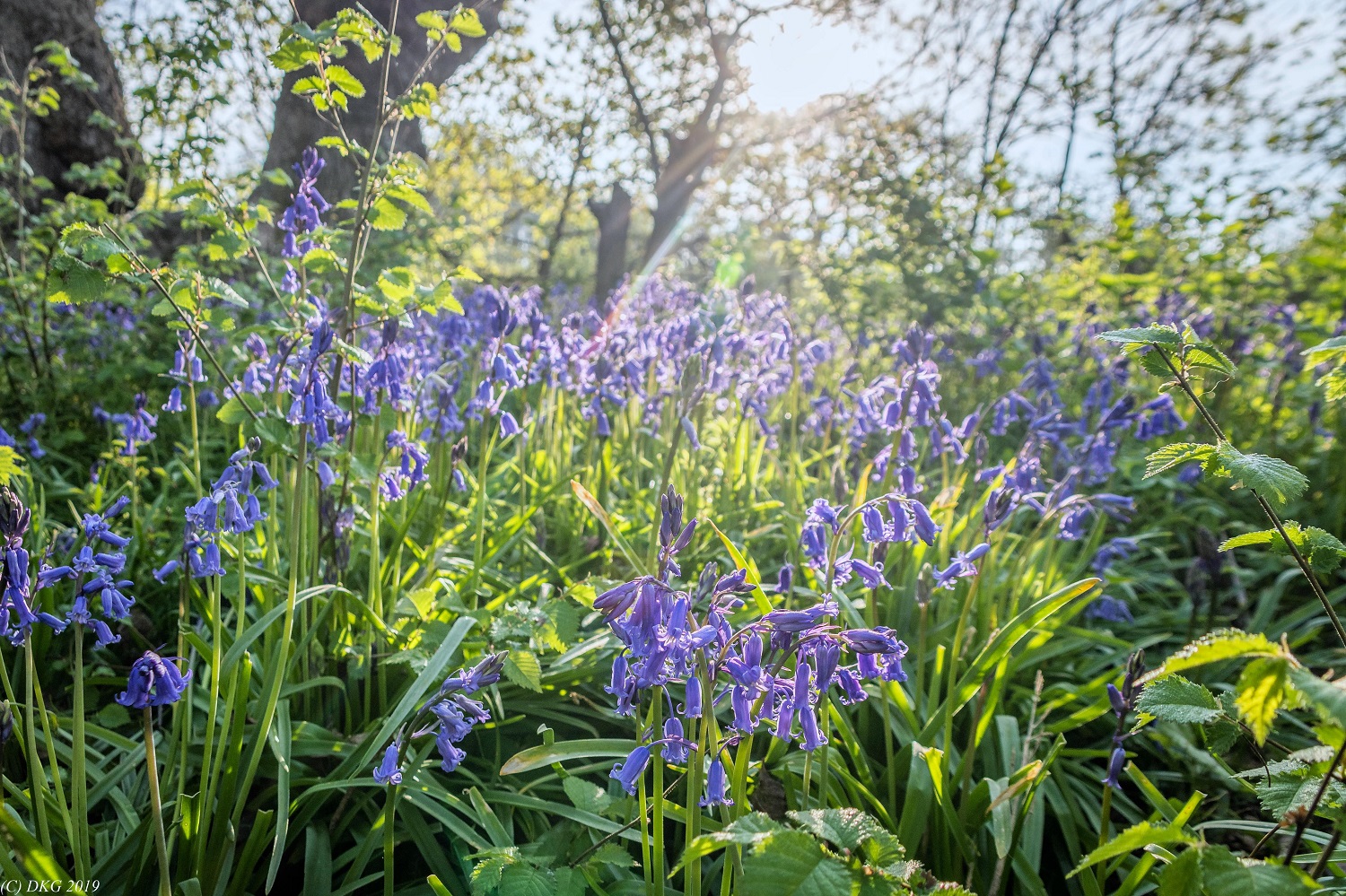
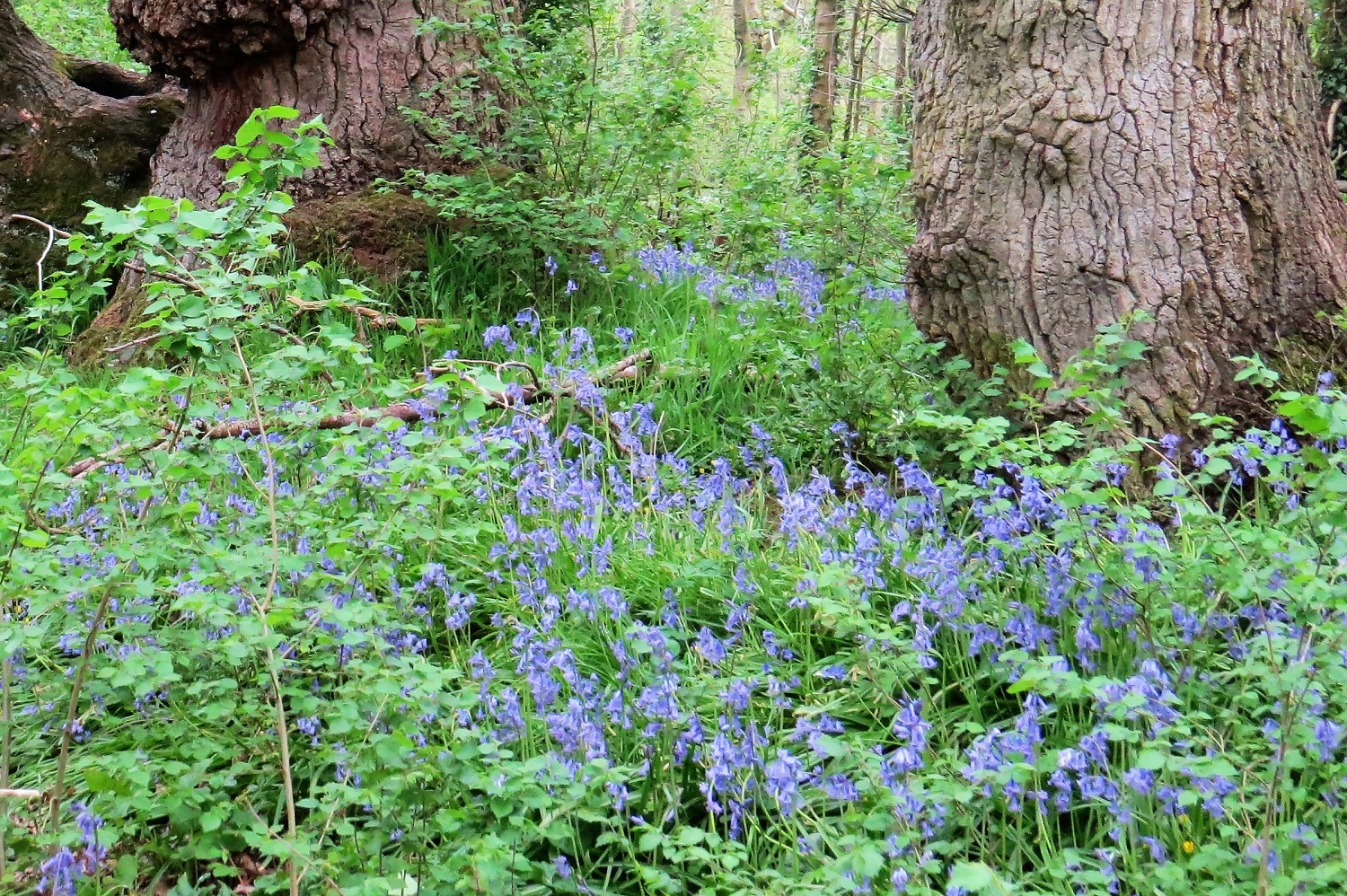
Header image by DKG; all the photographs were taken in the reserve

Have you joined Plantlife’s No Mow May Movement yet?
Continue reading “No Mow May”
by Ian Bushell
On April 10th we checked the fifteen Dutch Elm Disease Resistant trees, donated by Peter Shallcross and Frank Crosier, that we had planted in April 2021.
Continue reading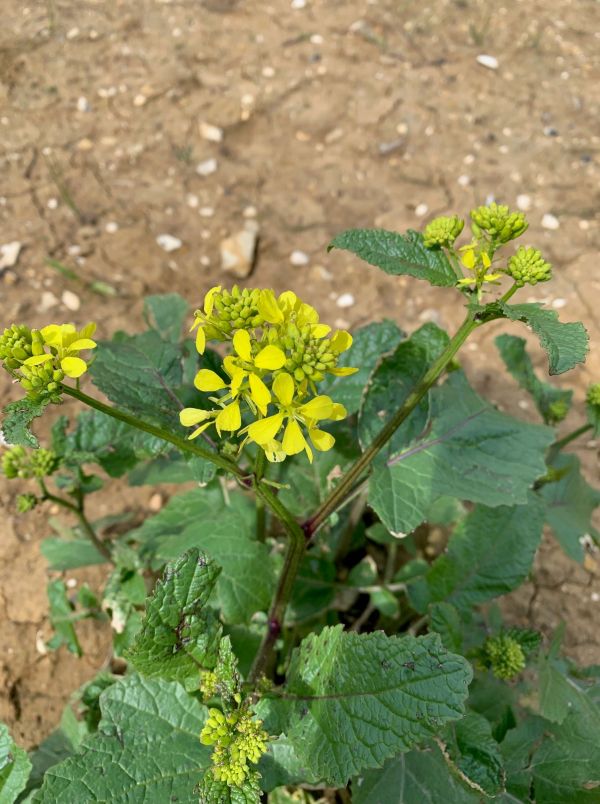
This is charlock (Sinapis arvensis) photographed in the reserve this week by Clive Knight. It likes disturbed ground and Clive found this specimen growing in the spoil from the wetland scrapes in Lambrok Meadow.
Continue reading “Charlock”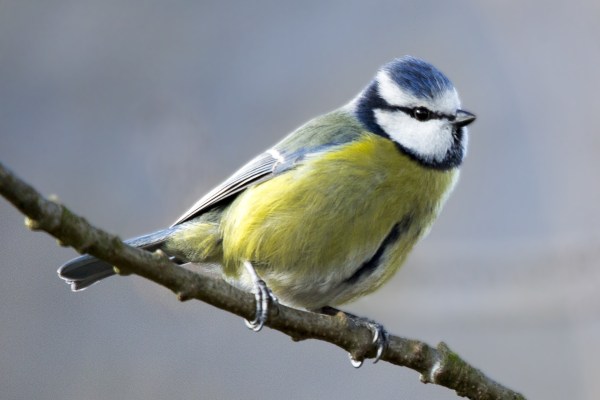
From house hunting to the first egg.
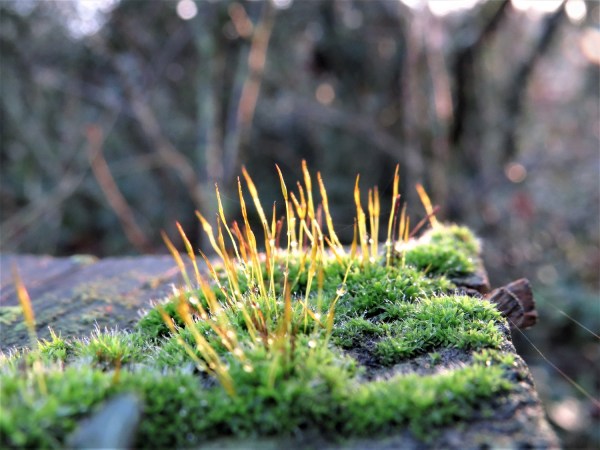
Before you drag the pressure washer out of its winter hibernation, let’s talk about the ecological importance of the moss growing between your patio pavers.
Continue reading
iRecord Butterflies is a free app for your smartphone that will help you identify and record any butterfly that you see in your garden. Your sighting will be logged by Butterfly Conservation and added to their records.
Continue reading “iRecord”
by Clive Knight
Phil, Frank, Peter White and I have started to clear the grass that has overgrown the edges of the path that cuts out the flooded bit by Puddle Corner. We were surprised to see how far the grass has encroached onto the path. We estimated that clearing both sides has opened up the path by around 80-90cm. We haven’t reached half way but hope to finish next week.
Continue reading
Every year, as the reserve’s bluebells come into flower, the Friends do battle against a dreaded invasive alien: Spanish squill. This week Sarah, Alan, Jim and Ian set to in the copse next to the Heritage Orchard, where the squill are threatening our native bluebells.
Continue reading “The battle with Spanish squill”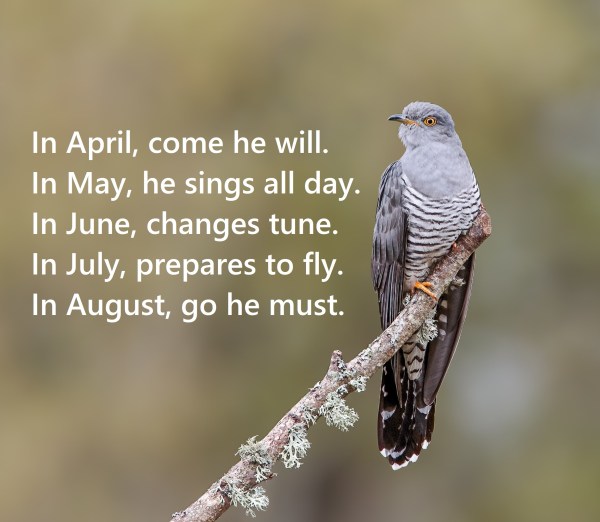
Has any body heard a cuckoo yet?
The rhyme is a traditional nursery rhyme
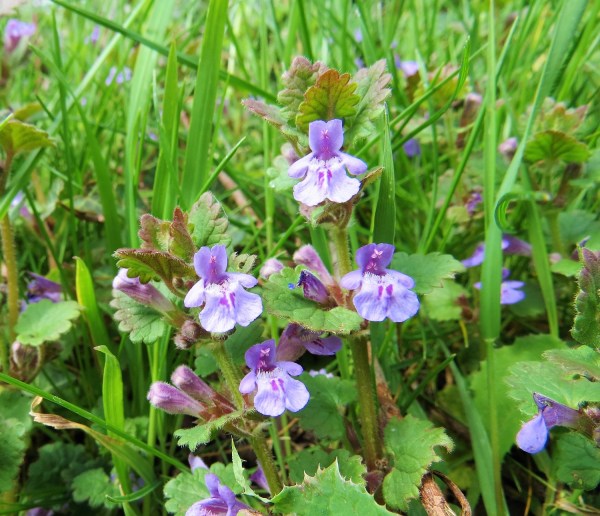
This is ground ivy (Glechoma hederacea), a little blue flower so common as to be almost invisible. It grows all over the reserve and flowers at any time of the year.
Continue reading “Ground Ivy”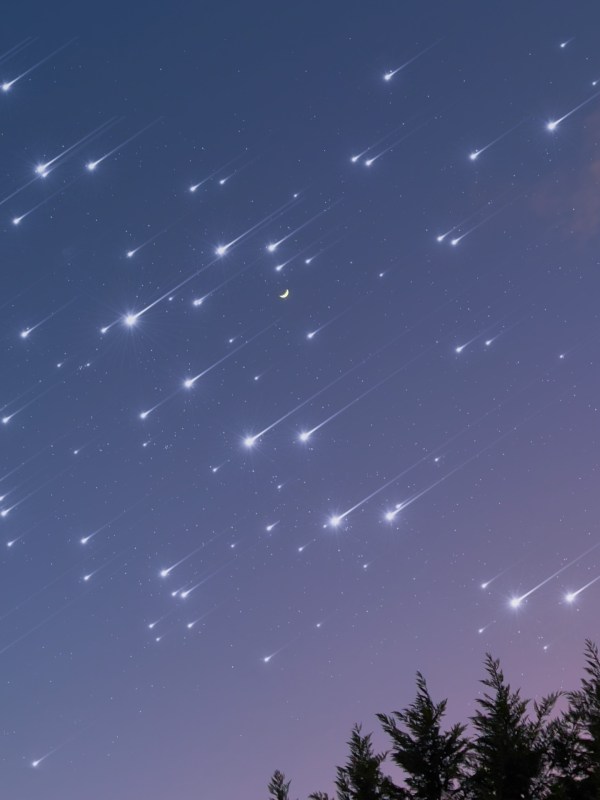
You should be able to see the Lyrids meteor shower between now and Saturday April 29th. It will reach its peak at the weekend on April 22nd and 23rd, and your chance of seeing shooting stars then will be high if there are no clouds because the new moon falls on April 20th and the sky will be at its darkest.
Take a nighttime walk in the reserve and go hunting shooting stars.


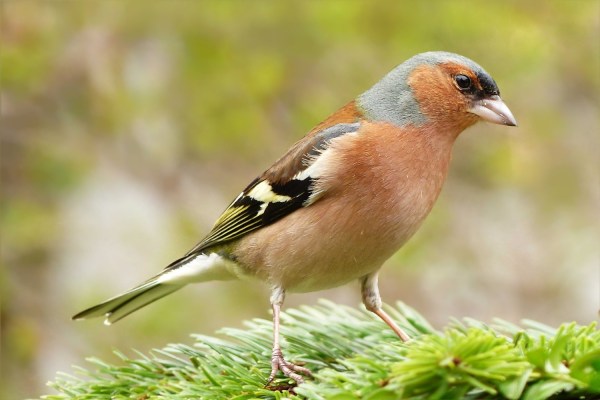
Recently, one of our readers messaged to ask us where all the chaffinches have gone. We have been making enquiries.
Continue reading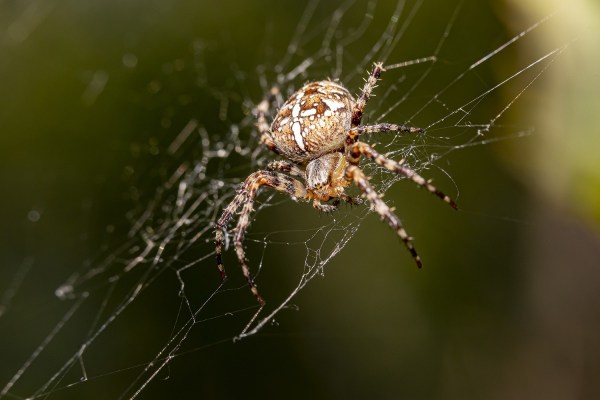
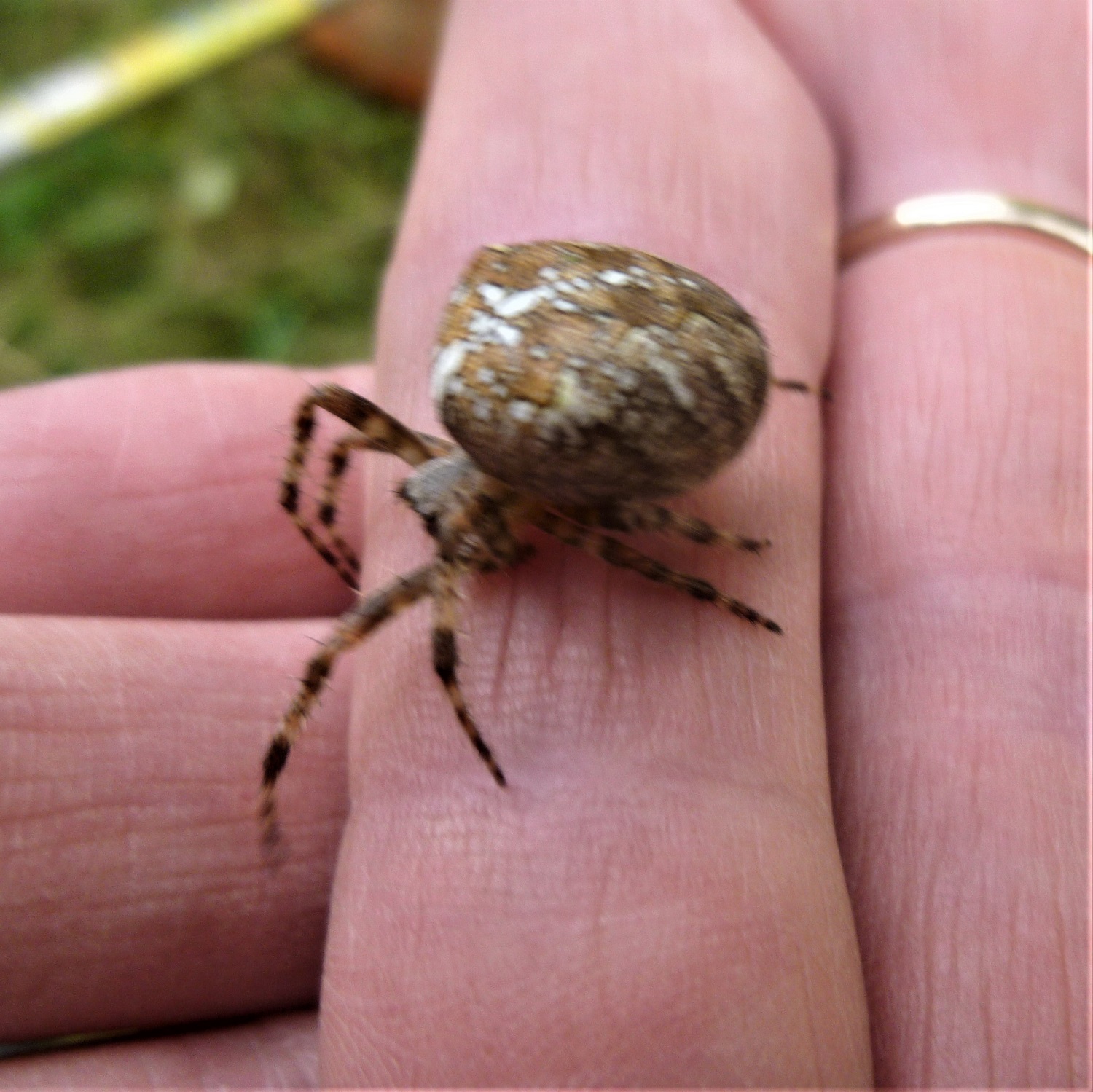
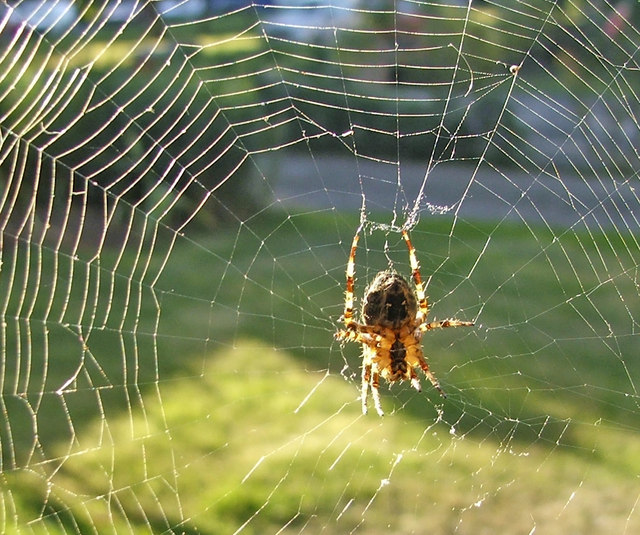
European Garden Spider
This far south, it’s already garden spider time.


Mail from Ian Bushell to @bbc.co.uk: April 12 2023
Continue reading “We’re on the BBC!”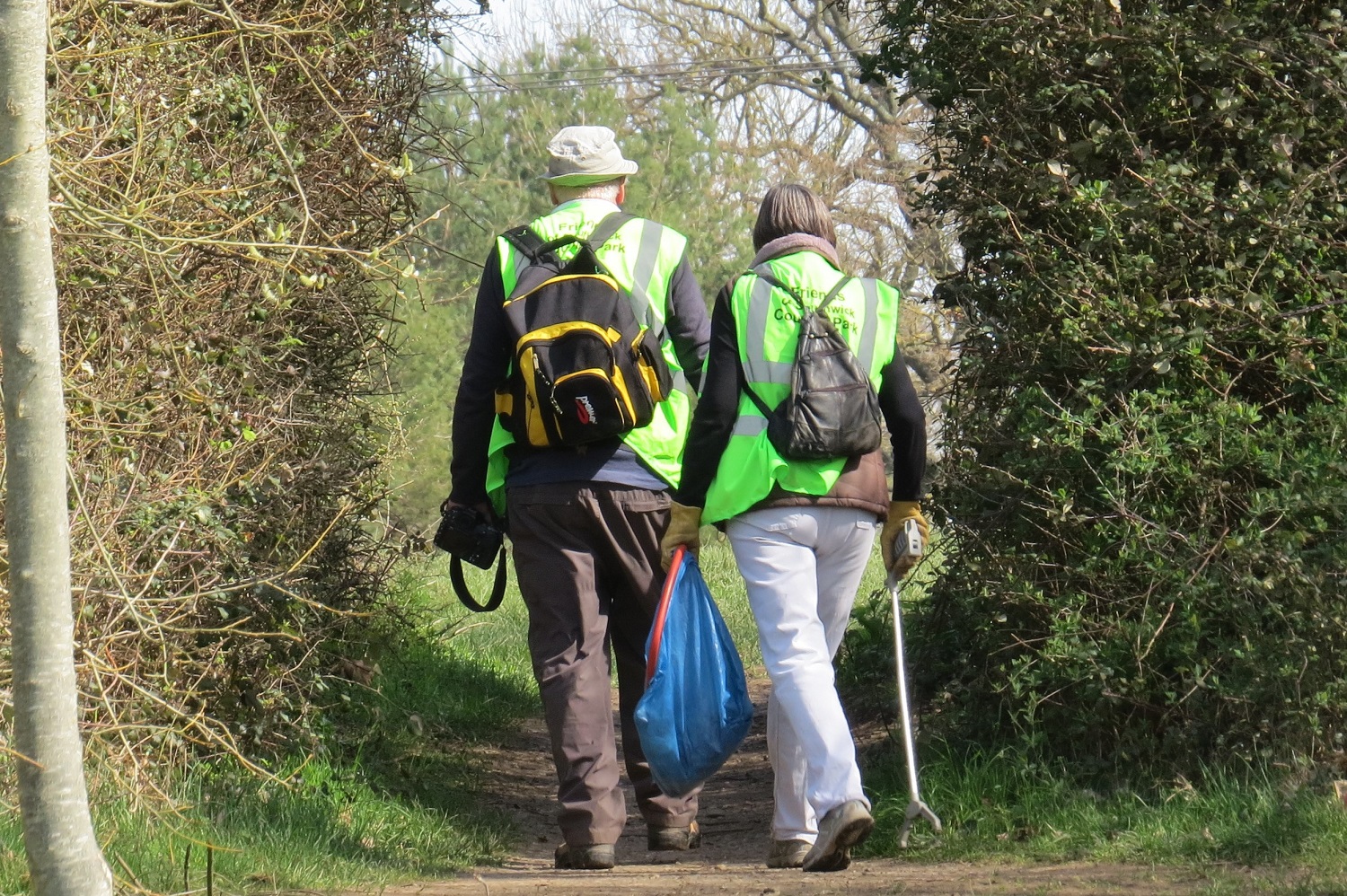



 Southwick Country Park Nature Reserve