At this time of year, the reserve is full of pollinators carrying pollen from tree to tree in a kind of reproductive frenzy.
Continue reading “Arboreal sex”Arboreal sex
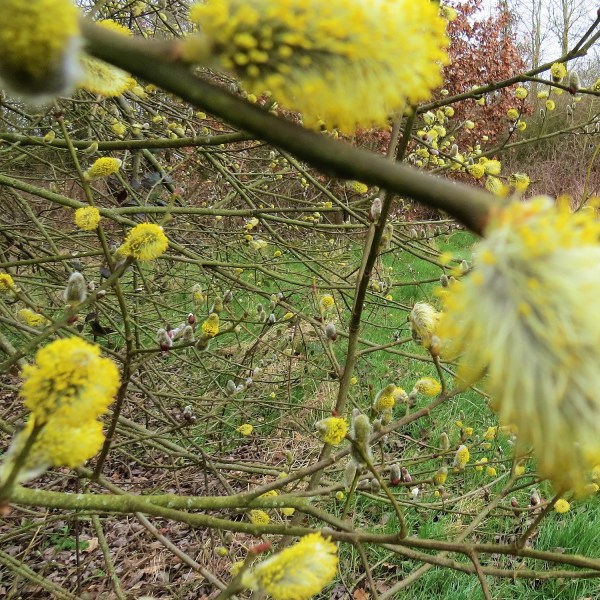
At this time of year, the reserve is full of pollinators carrying pollen from tree to tree in a kind of reproductive frenzy.
Continue reading “Arboreal sex”
Eurasian blackcap migratory patterns are changing: before 1970 very few blackcaps spent the winter in the UK but they are now common winter visitors.
Continue reading “Blackcap”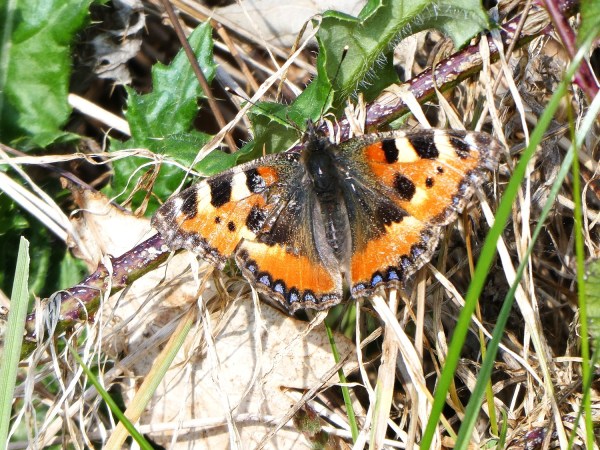
A small tortoiseshell (Aglais urticae), fresh out of hibernation and looking rather worse for wear.
Continue reading
Here is a fact file to go with yesterday’s newly planted English oak:
Continue reading
by Ian Bushell
It was a bit of a miserable drippy morning but eventually we sorted things out. The Trefoil Guild and the two metre English oak tree [Quercus robur] they have gifted to the reserve to commemorate Queen Elizabeth’s Diamond Jubilee arrived at the top of Simpsons Field at 10:30am, as planned.
Continue reading “The Trefoil Oak”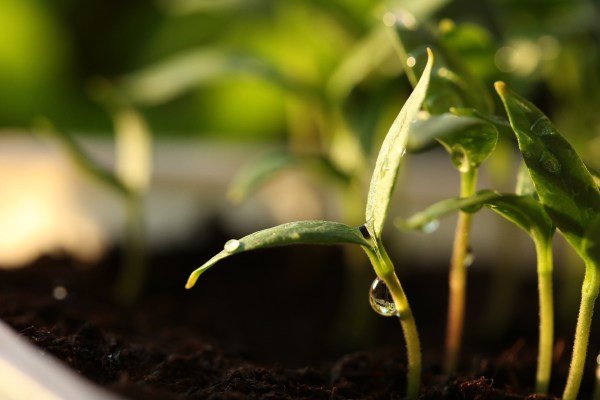
All over the reserve, all sorts of seeds are germinating.

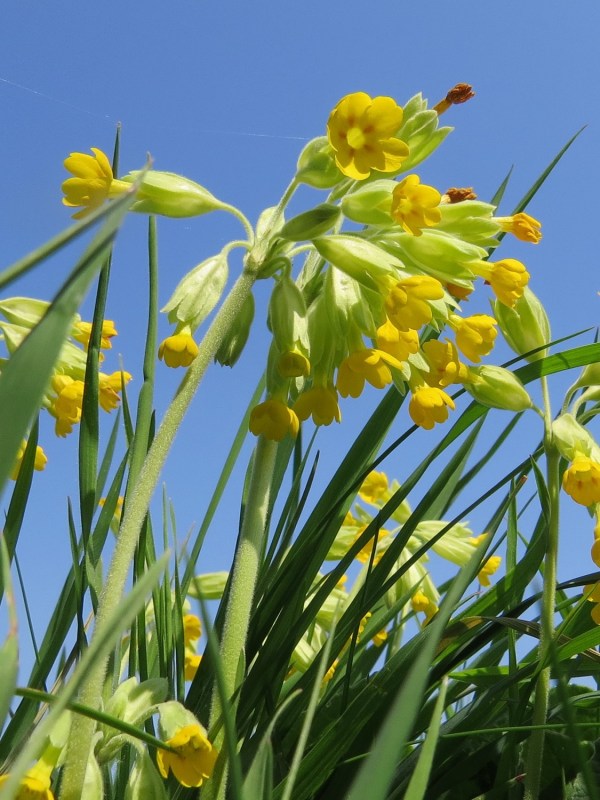
For several years, we have been trying to establish cowslips (Primula veris) in the reserve’s fields but with less success than we would like. The problem is timing.
Read on to find out more
We don’t often see ducks on our big pond. These are male mallards perhaps pausing in the reserve on their way to wider waters on either the Avon or the Biss.


Pictures by Cheryl Cronnie

Cheryl Cronnie, who has been monitoring a blue tit nest hole in one of the the reserve’s veteran oaks, has discovered and photographed an interloper, a possible nest thief: a great tit.
Continue reading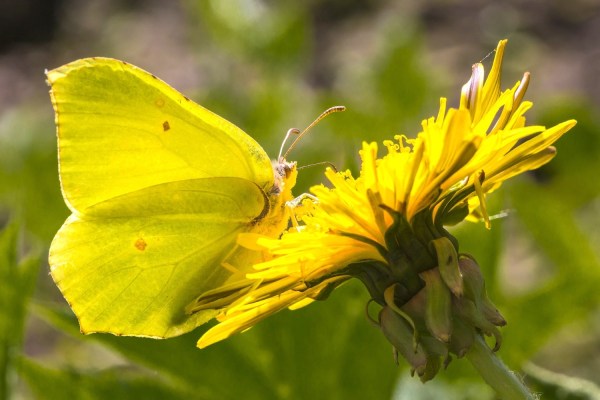
Yesterday’s sunshine brought out bright yellow brimstone butterflies, fluttering along the reserve’s hedges.
Continue reading “Brimstone”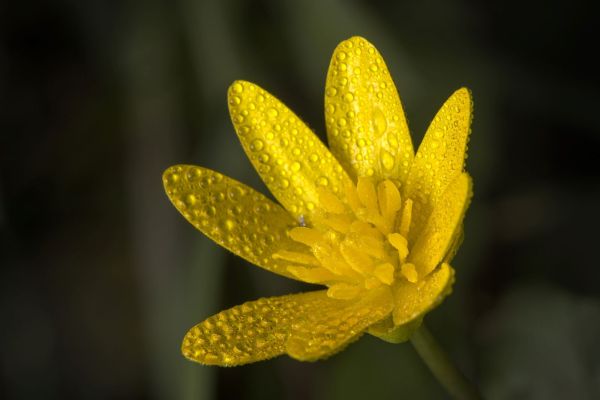
The lesser celandines (Ficaria verna) are in flower.
Continue reading “Lesser Celandine”
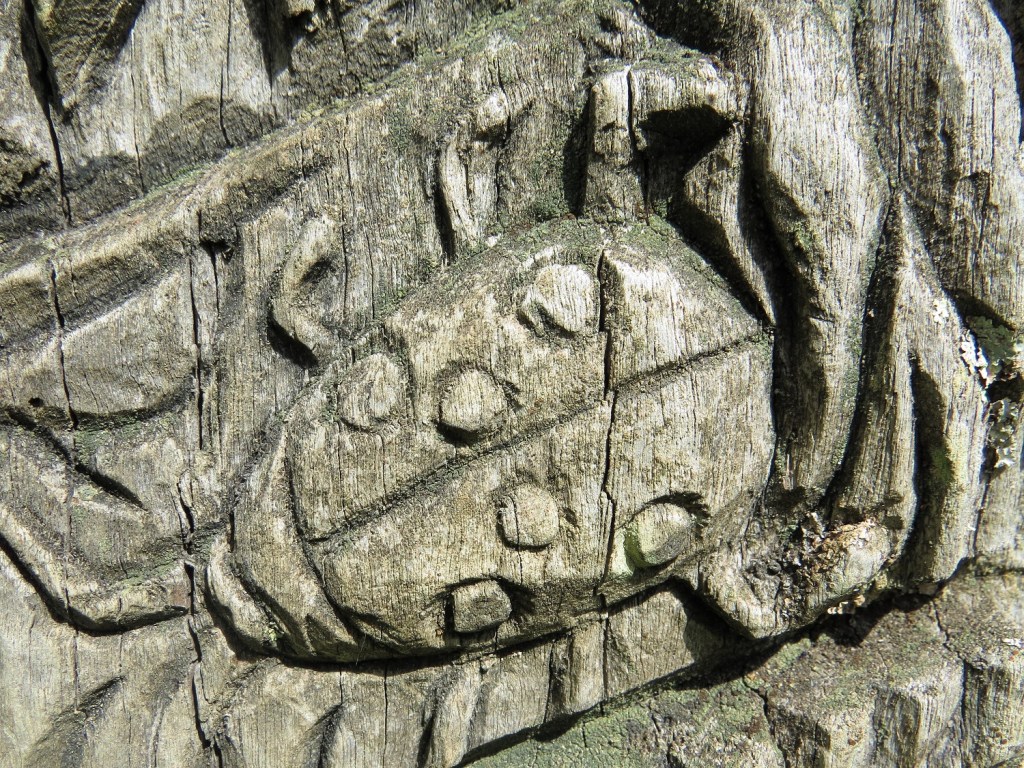
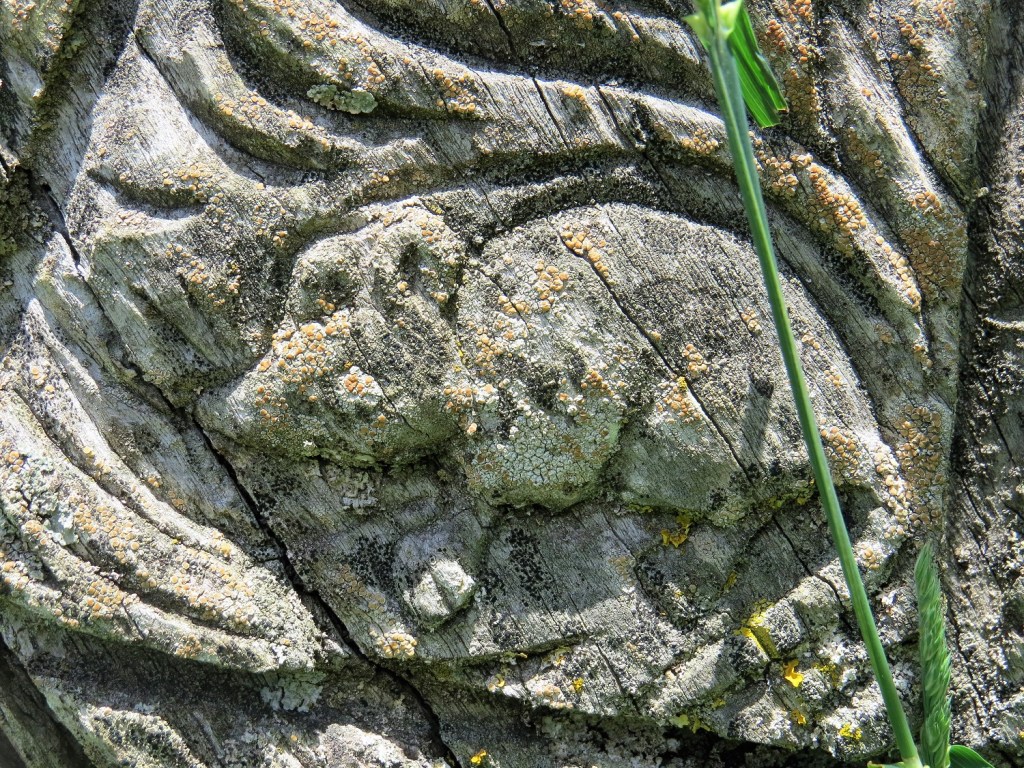
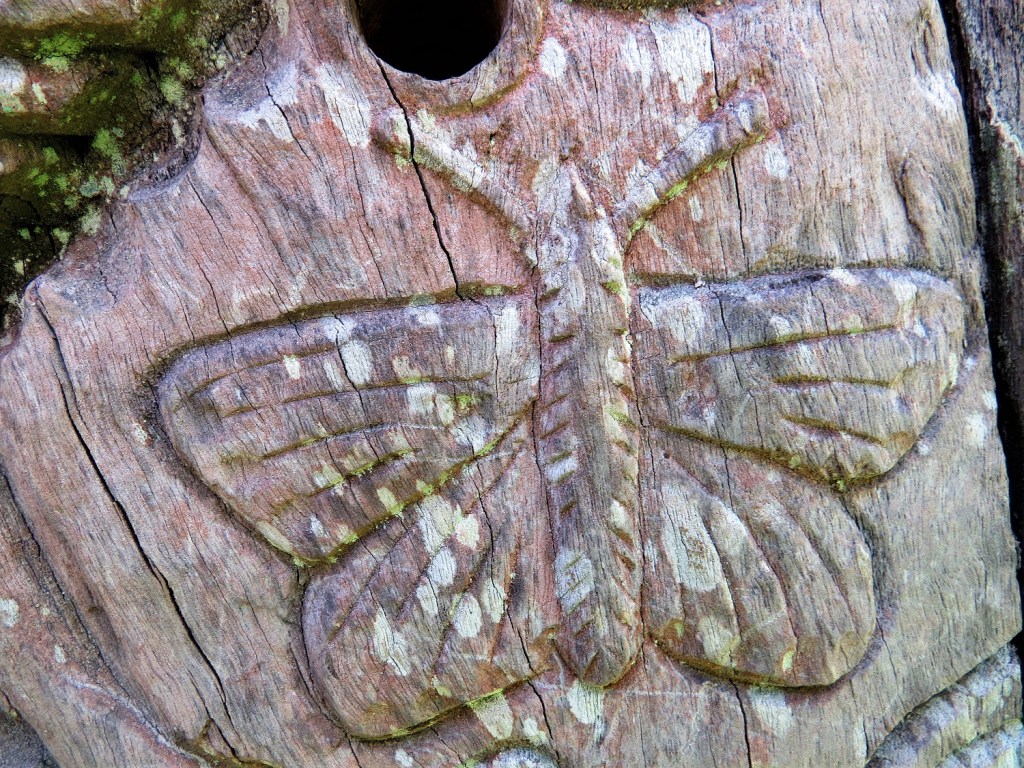
The Wildlife Wheel is getting old. The weathered and cracked wood is supporting a whole landscape of lichens that are colouring in the carvings.
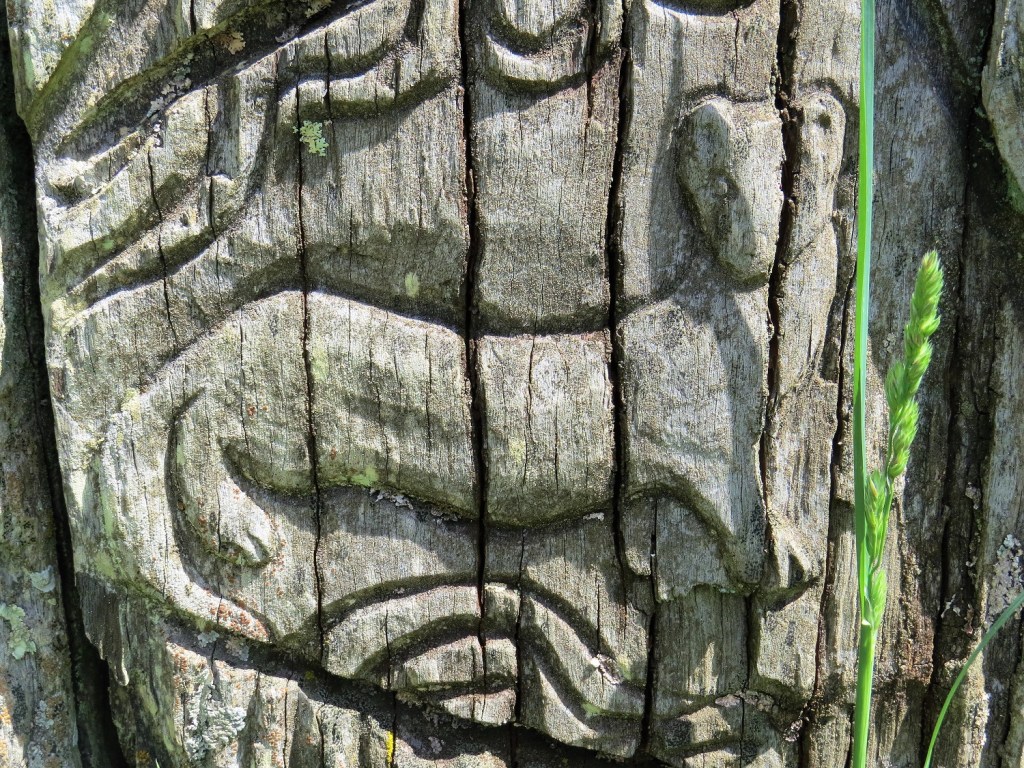
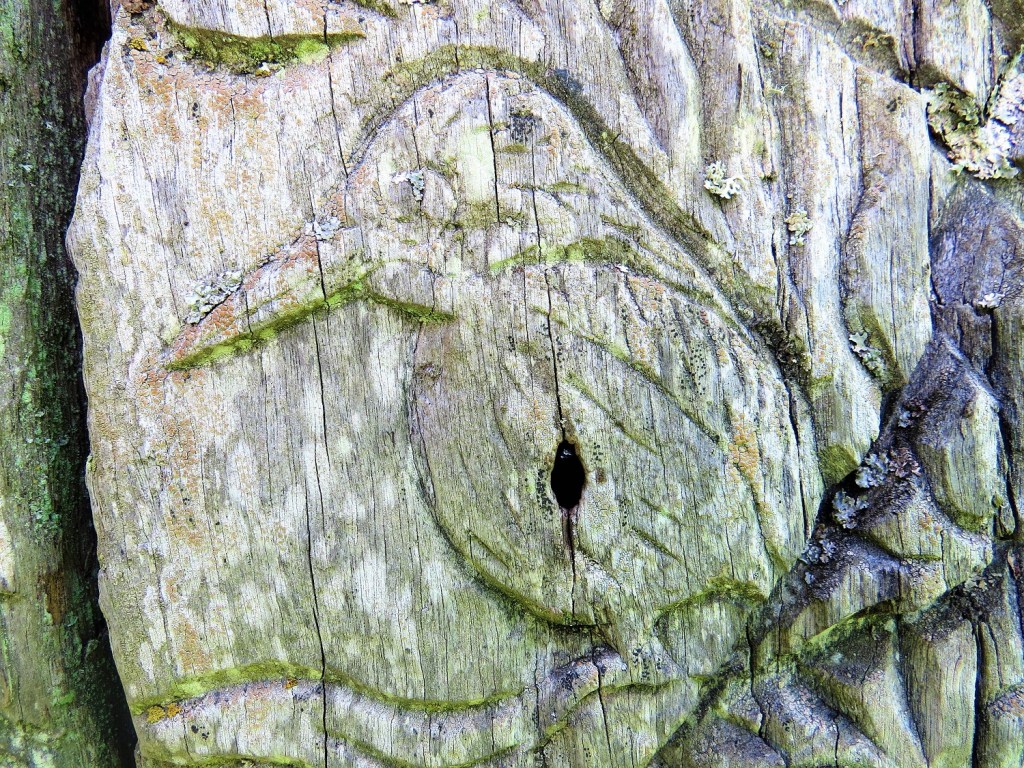

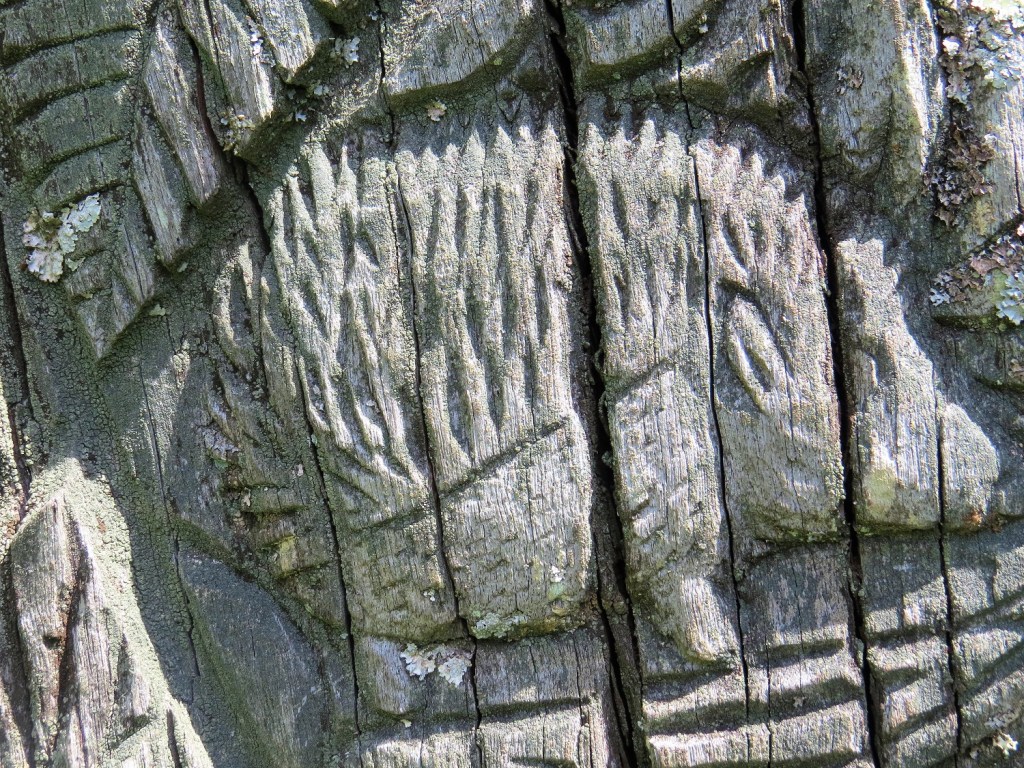
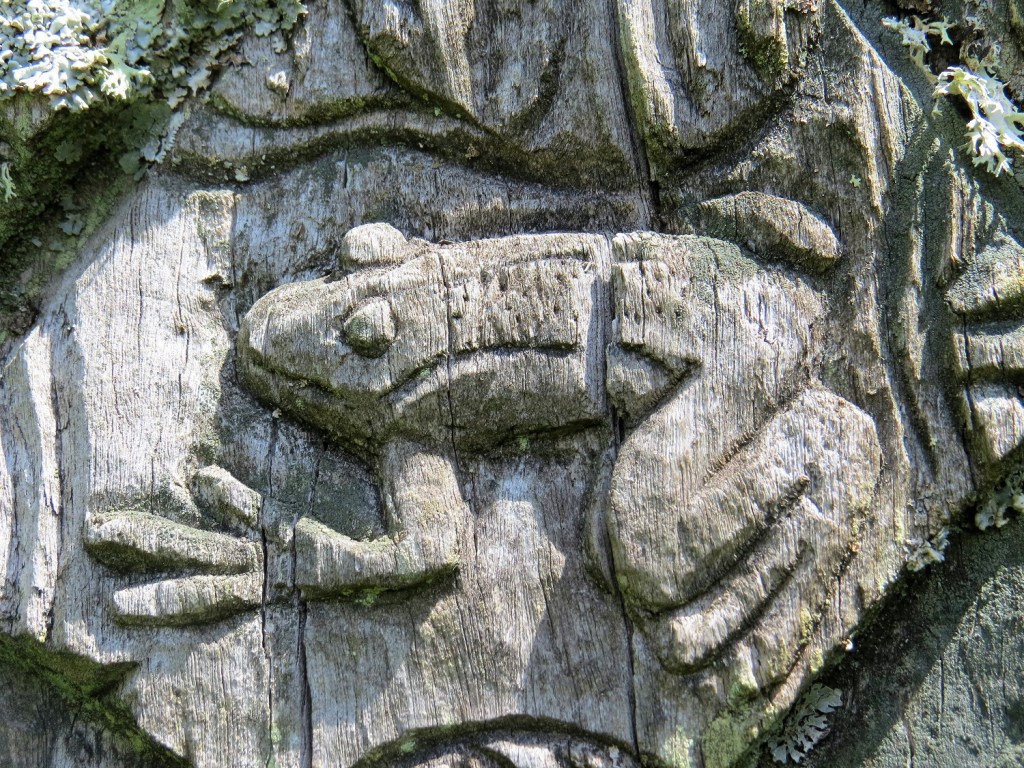


Last week, Cheryl Cronnie photographed this jay (Garrulus glandarius) foraging in the long grass for the acorns it buried there before the winter arrived.
Continue reading “Jay”
When we planted up the wetland scrapes in Lambrok Meadow, a reader asked why we try to persuade people to keep their dogs out of the scrapes and how dogs can damage biodiversity.
Continue reading
Cheryl Cronnie, a regular contributor, has spotted and photographed one of our many grey squirrels in an oak tree.
Continue reading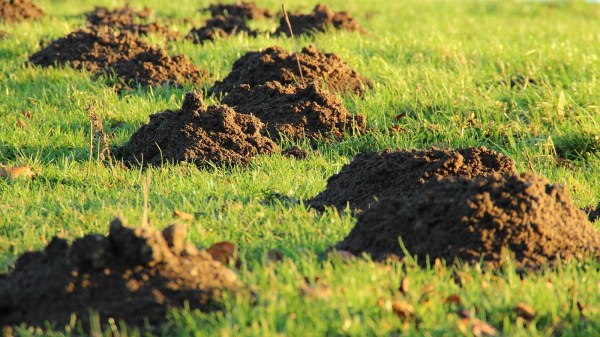
More about the park’s burrowers.
Continue reading “Moles”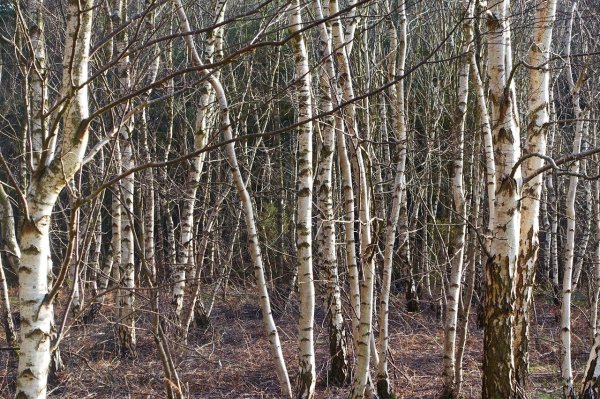


These are densely packed crustose lichens, on the bark of a young birch tree in Sheepfield Copse. Groups of lichen species are often consistently associated together, forming recognisable communities. It is probable this is a community, containing several species of Arthonia, that grows on smooth barked trees.
Next time you walk through the copse, pause for a closer look at the trunks of the birch trees there.
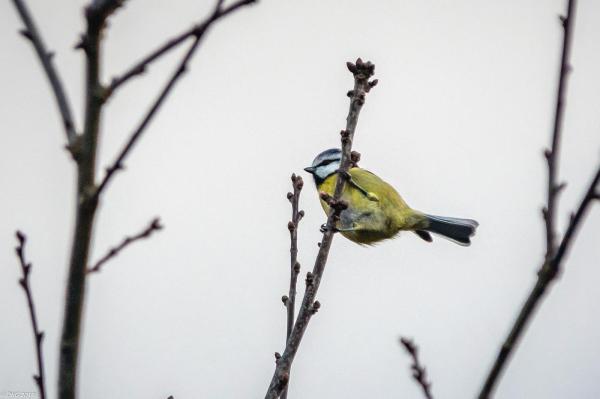
Bluetit factoid
Most birds can’t create pigments, other than melanin, on their own. This bluetit, high in the park’s canopy, can’t produce the pigment, carotene, that makes his tummy yellow; it comes from pigments in the green caterpillars he eats. The more caterpillars he eats and the brighter his tummy, the more likely he is to attract a mate.
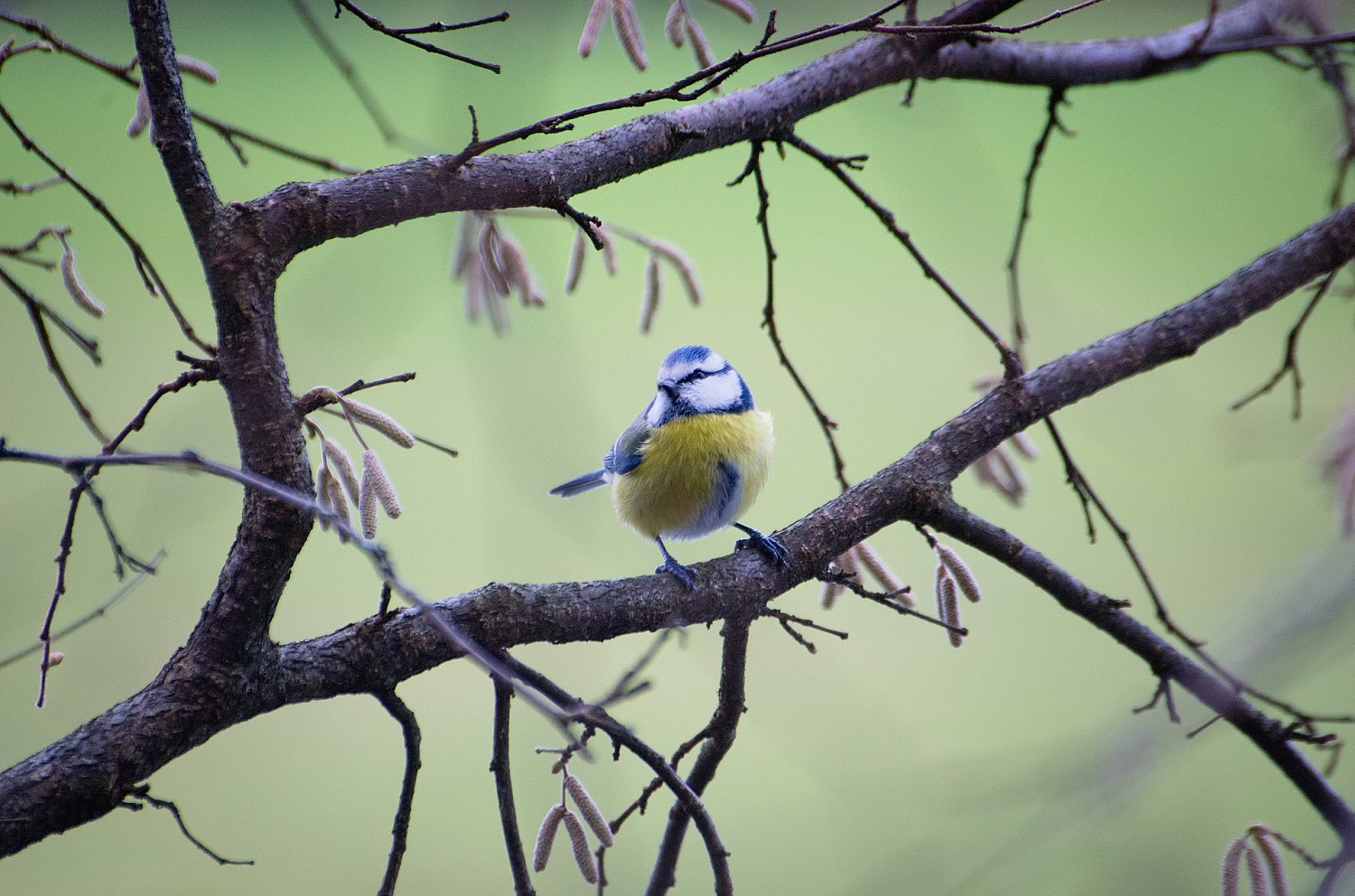
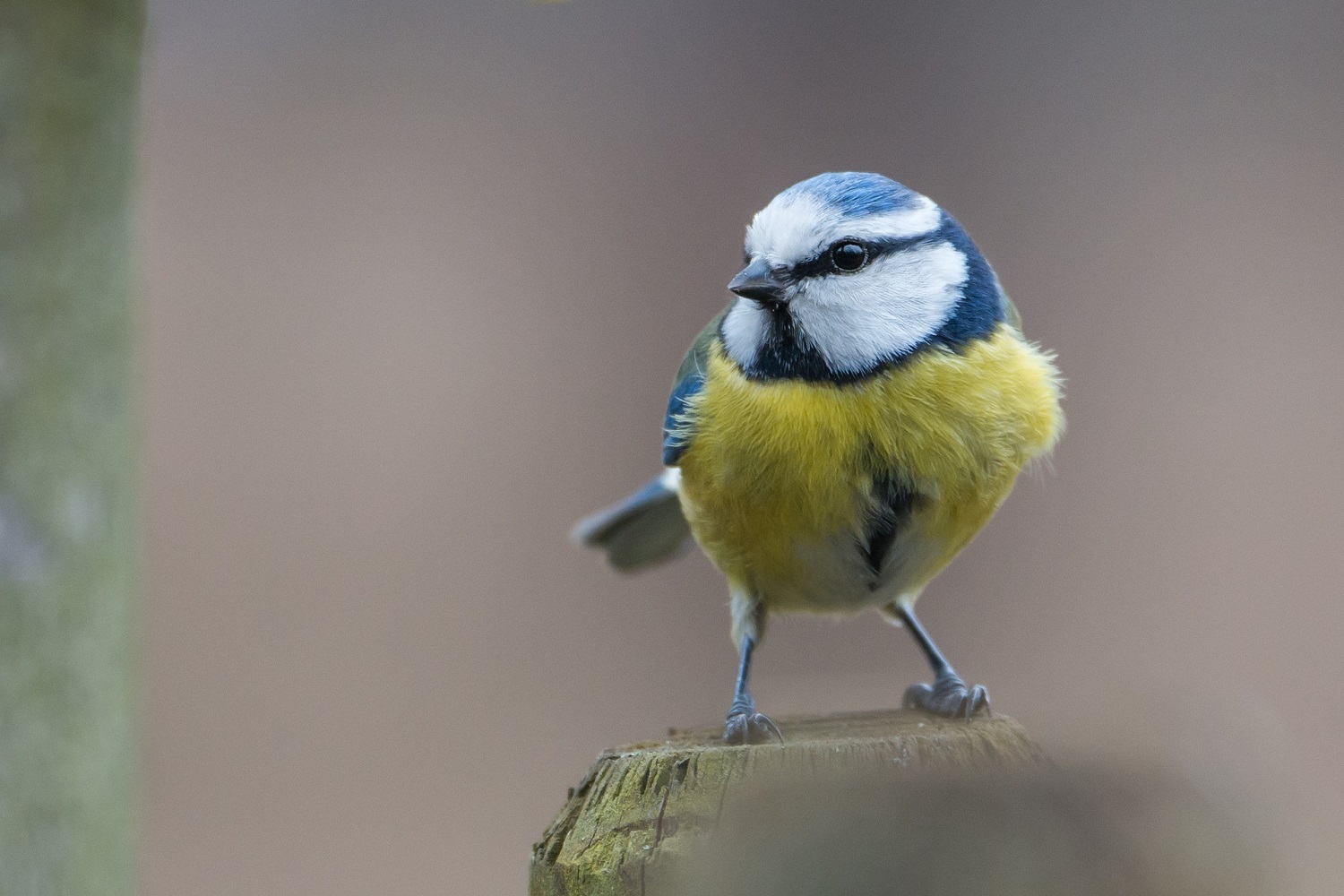

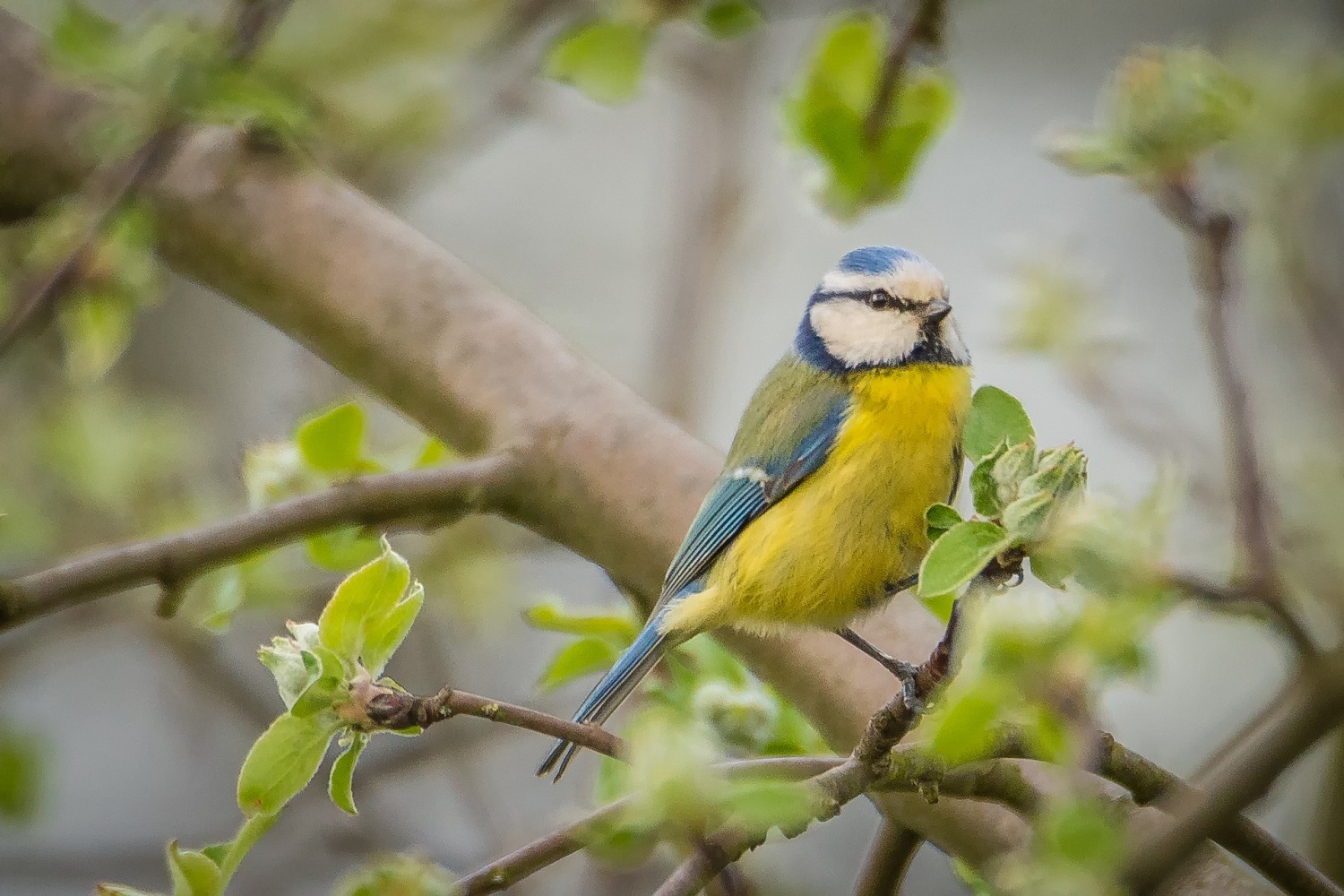
Header picture by DKG; others CC0 from pixabay
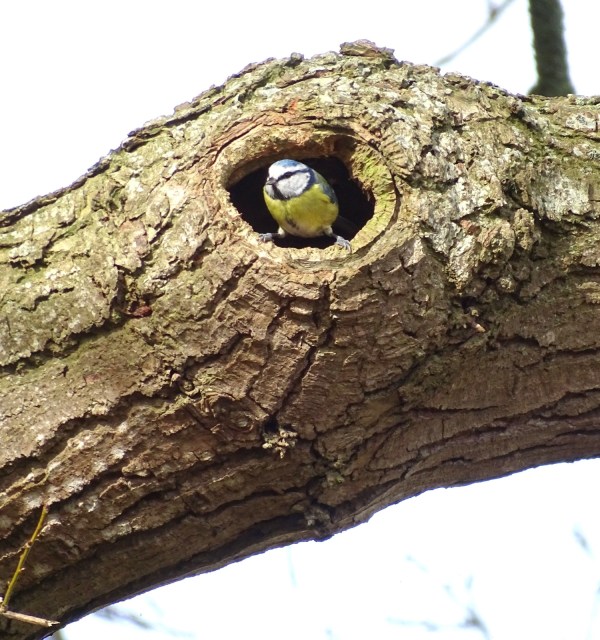
Regular contributor Cheryl Cronnie sent in two lovely pictures of a pair of house hunting blue tits looking around a nest hole in one of our veteran oak trees.
Continue reading “Des res”

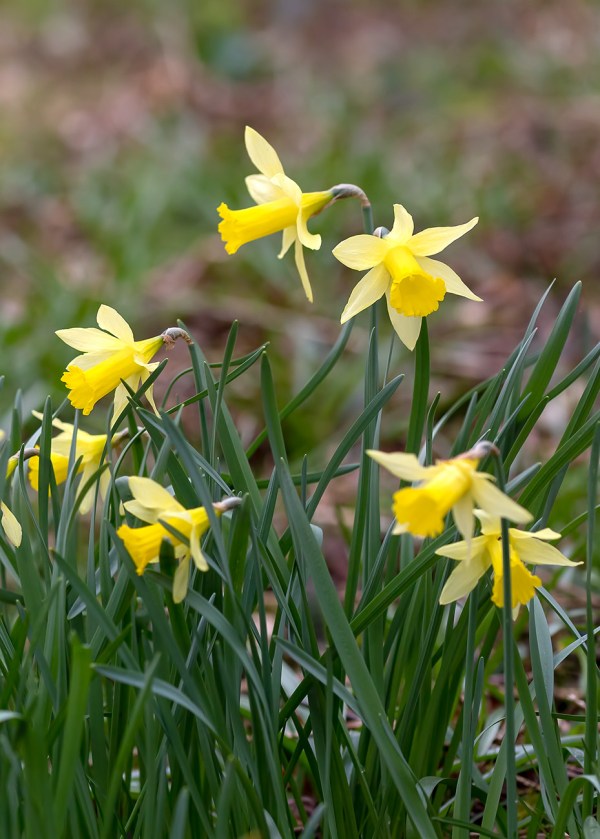
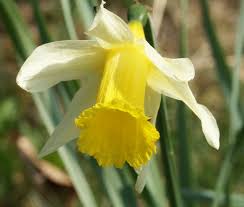
Rather than adding to the environmental cost of the cut flower industry, take your mother for a walk in the park to look at our native daffodils.


by Ian Bushell
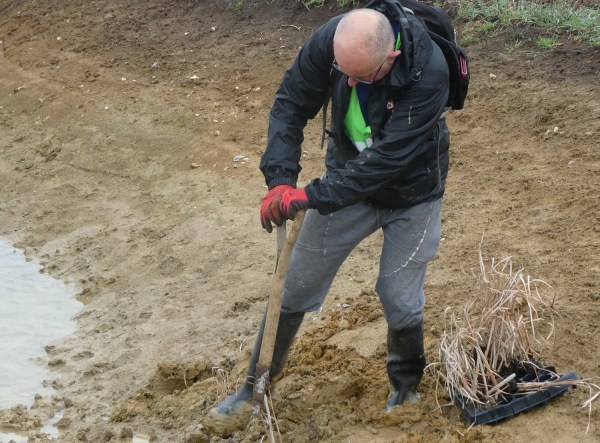
Today’s work party [the 15th] was all out planting in the mud.
Continue reading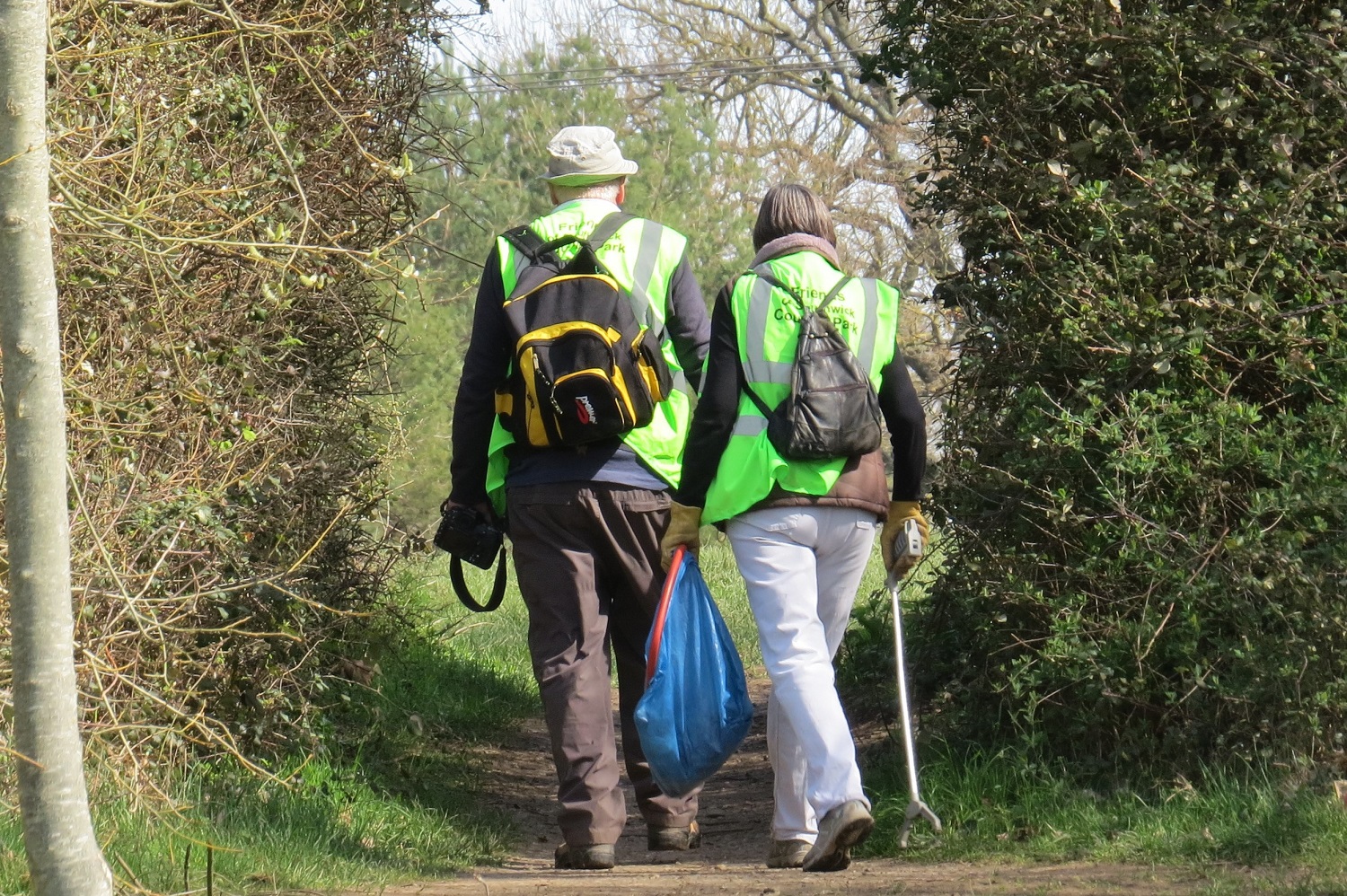



 Southwick Country Park Nature Reserve