A gorgeous picture of late snowdrops from FoSCP member Peter White.
Continue reading
A gorgeous picture of late snowdrops from FoSCP member Peter White.
Continue reading
The sound of spring.

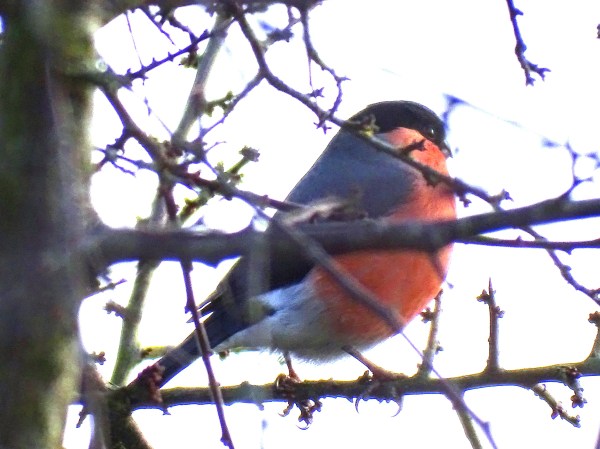
Regular contributor Cheryl Cronnie has sent a beautiful picture of a bullfinch.
Continue reading “Bullfinch”
If both have survived the winter, there are two feral honey bee colonies in the reserve. Feral bees are an important backwater in the Apis mellifera gene pool, busy adapting to the changing environment rather than to the needs of the beekeeping industry.
In March, our honey bees will be clearing out their nest cavities and working to replenish their depleted honey stocks. Here is a video about the way in which individual bees fit into a workforce of tens of thousands.
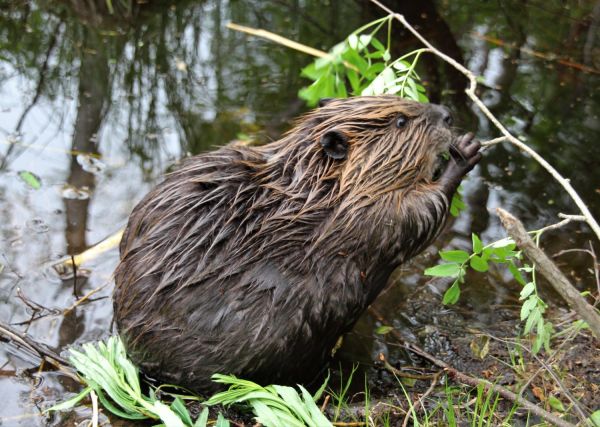
Last year, between January and March, Natural England surveyed the Avon catchment, including Lambrok Stream, for signs of wild beaver. Their report was published last week.
Continue reading “The beavers are back”
Send in your snow pictures, please.


© Ian Bushell
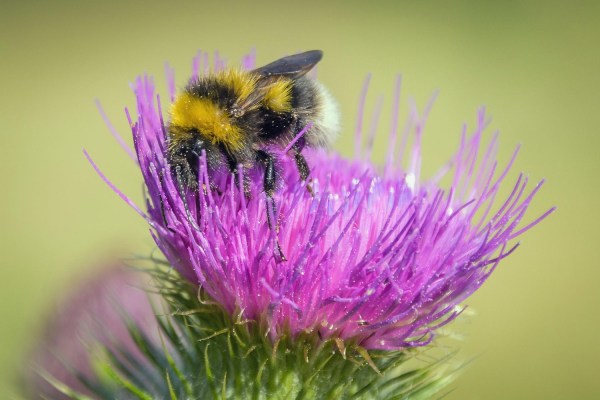
Buff tailed bumble bees can teach each other to open a puzzle box.
Continue reading “Bumble bee school”
There are wood anemones (Anemone nemorosa) in the copse between Sheep Field and Sleepers, and under oak 5552 in the corner by the central path..
Continue reading
Tonight’s full moon will be the last of the winter season, the last full moon before the spring equinox. It is called the Worm Moon because it marks the beginning of spring, when the soil warms enough for growth to begin and the earthworms come back to the surface.


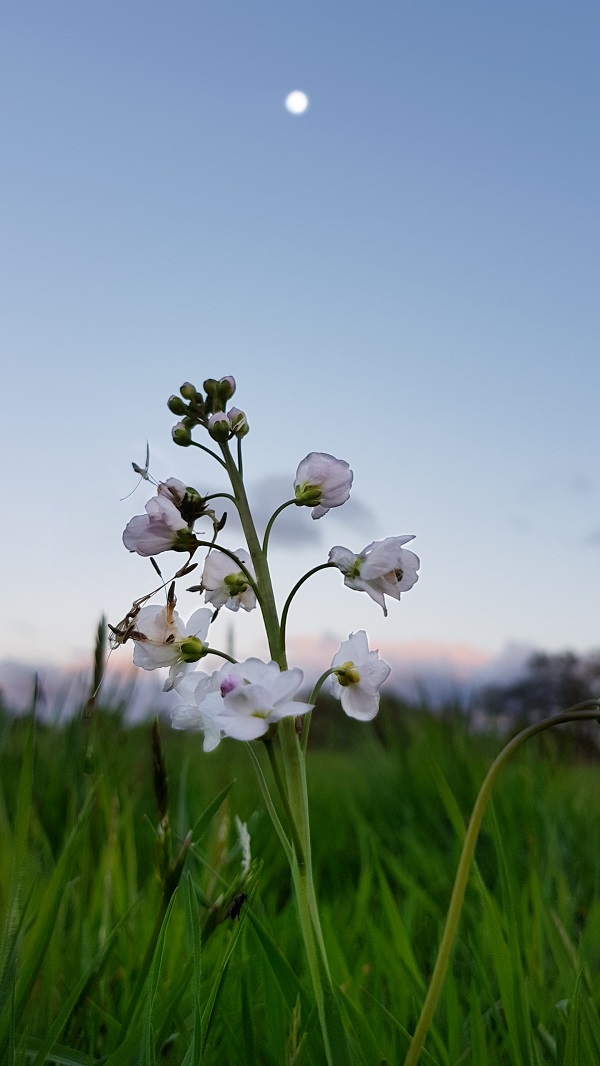
Searching for moon in our picture gallery…

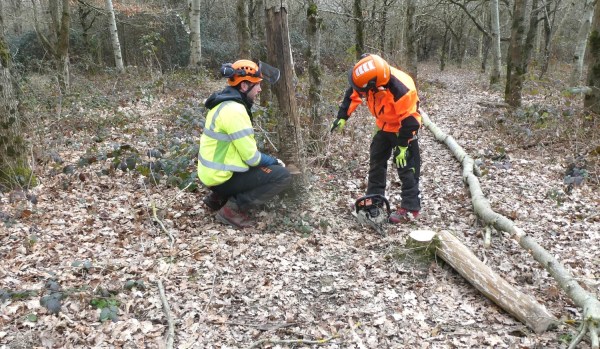
Pictures and a message from the Friends at work on Wednesday:
Continue reading “Chain Saw Gang”
Prunus spinosa
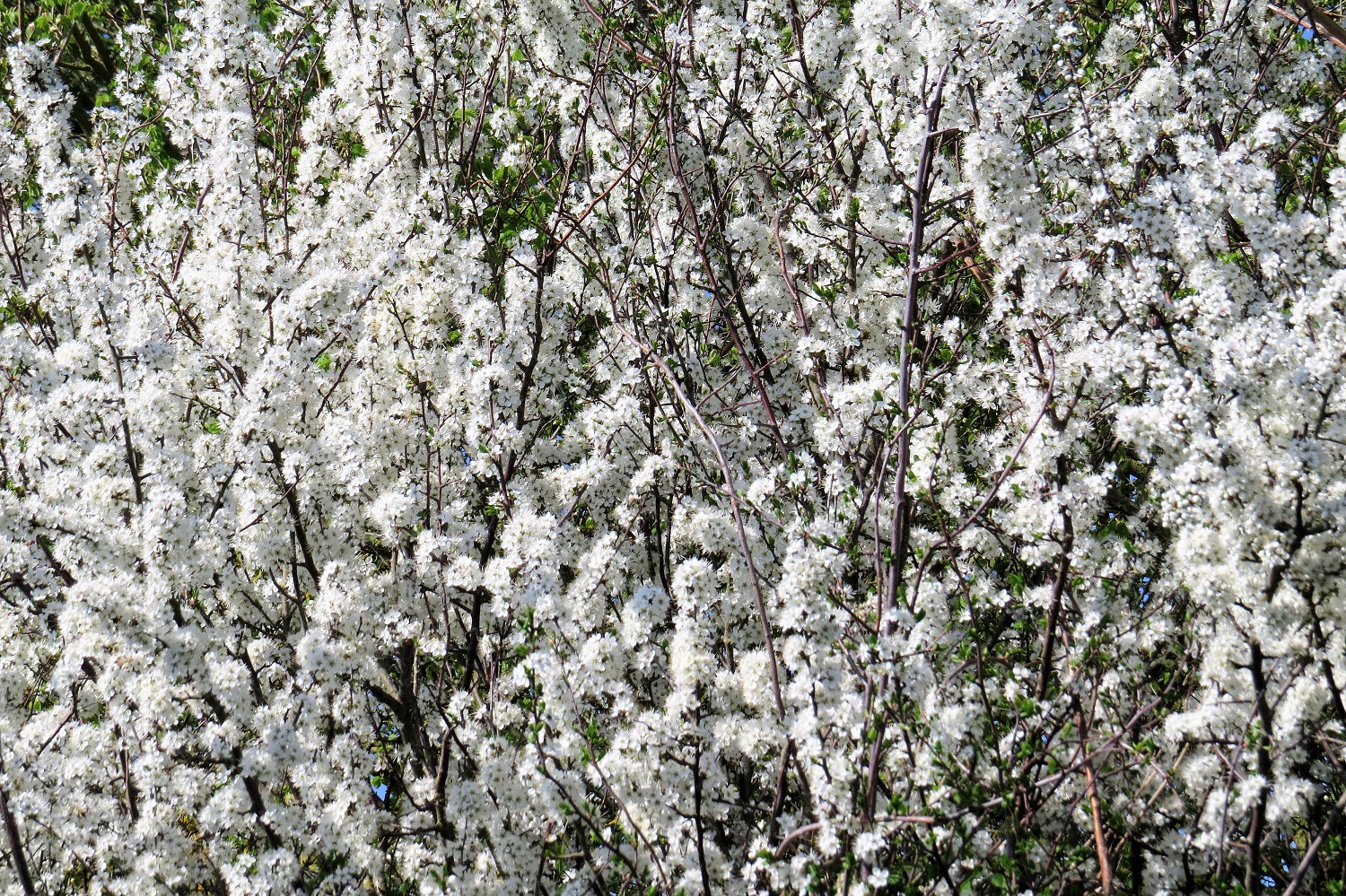
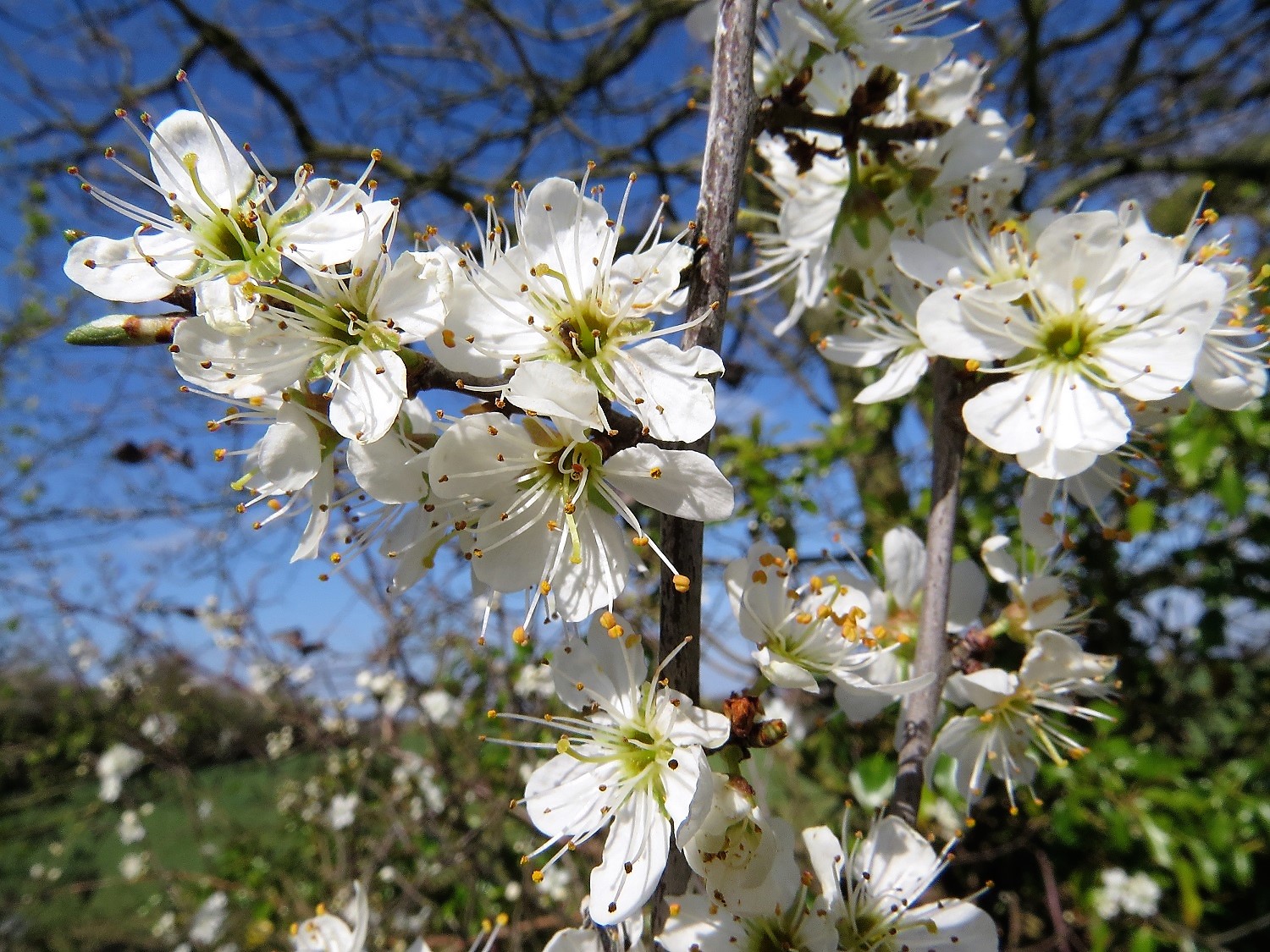

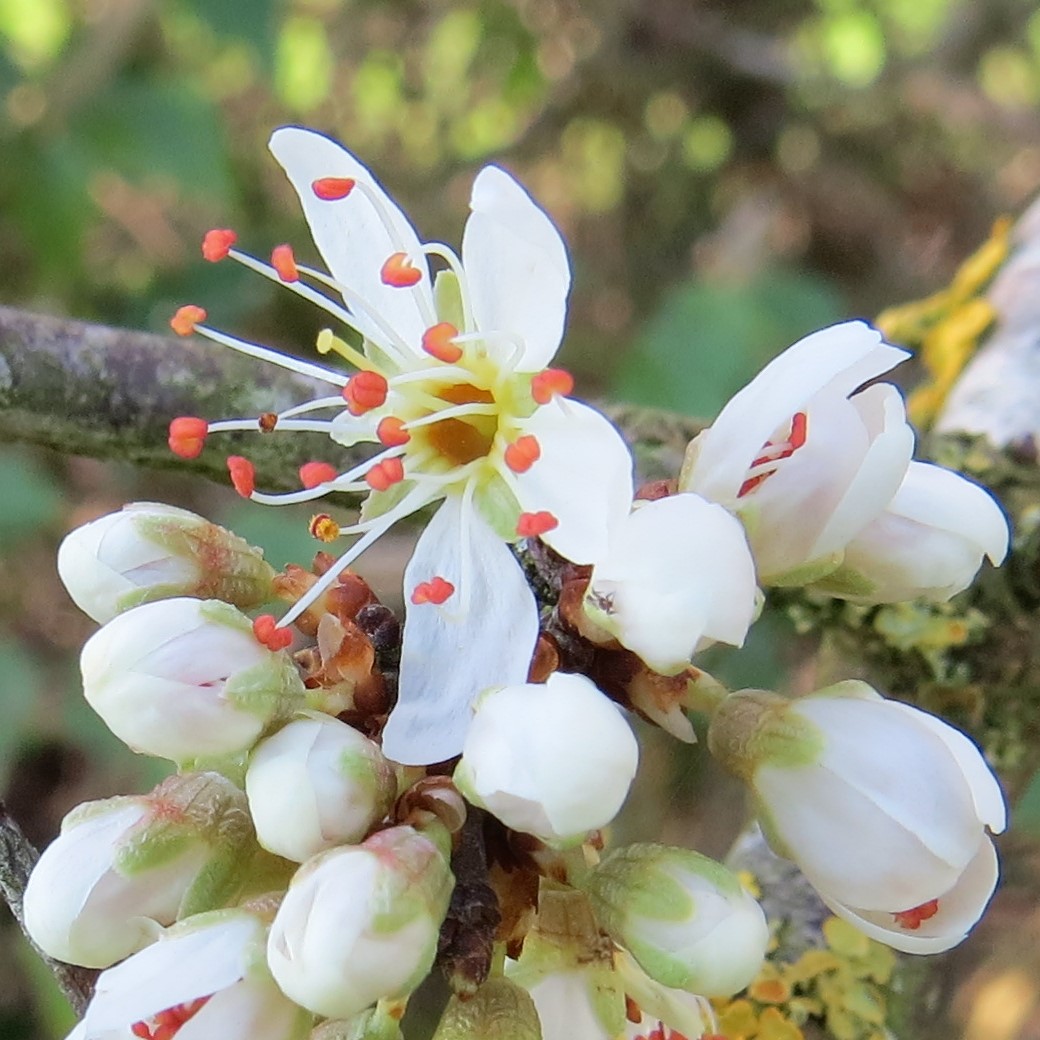
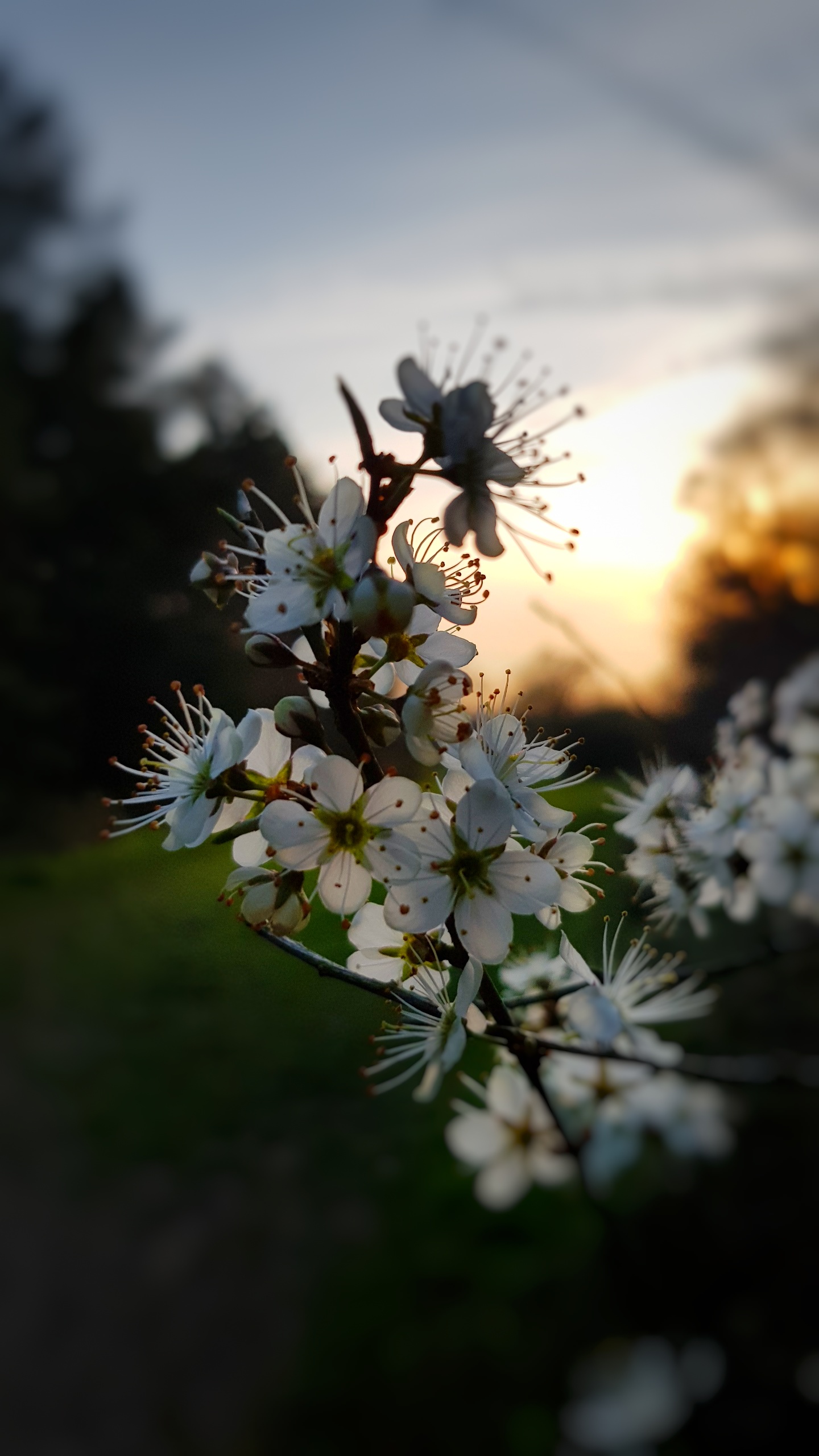
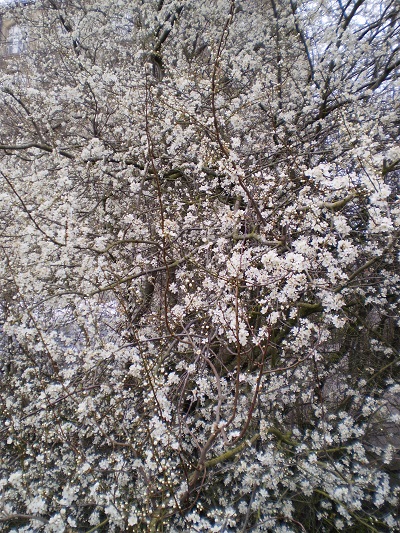
Header image by C.J.Seymour
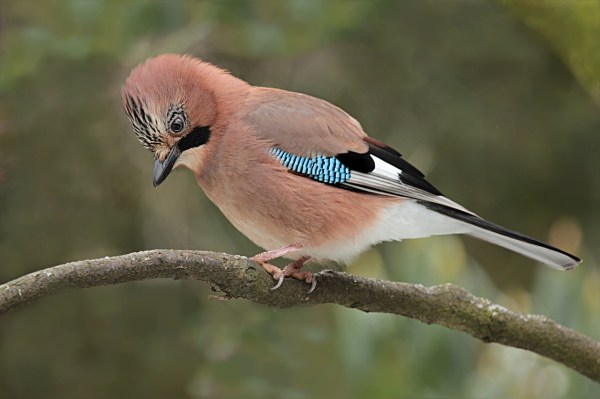
There are all sorts of things that shriek in our woods and the Eurasian Jay (Garrulus glandarius) is just one of them.
Jay (Garrulus glandarius) audio by Bodo Sonnenburg ( CC -BY-SA) xeno-canto.org


There is always a gang of children, sometimes junior schoolers, sometimes older, playing somewhere in Village Green woods. The personnel changes as one by one gang members lose interest in sitting round a damp campfire, drinking mix-up or smoking what somebody sold them as top quality weed. But new arrivals come to fill the empty places and the gang continues.
What have they been up to?
Battered by the winter, the one thousand native daffodils we planted around Village Green in 2017 are bravely flying the flag.
Click here for a gallery of pictures
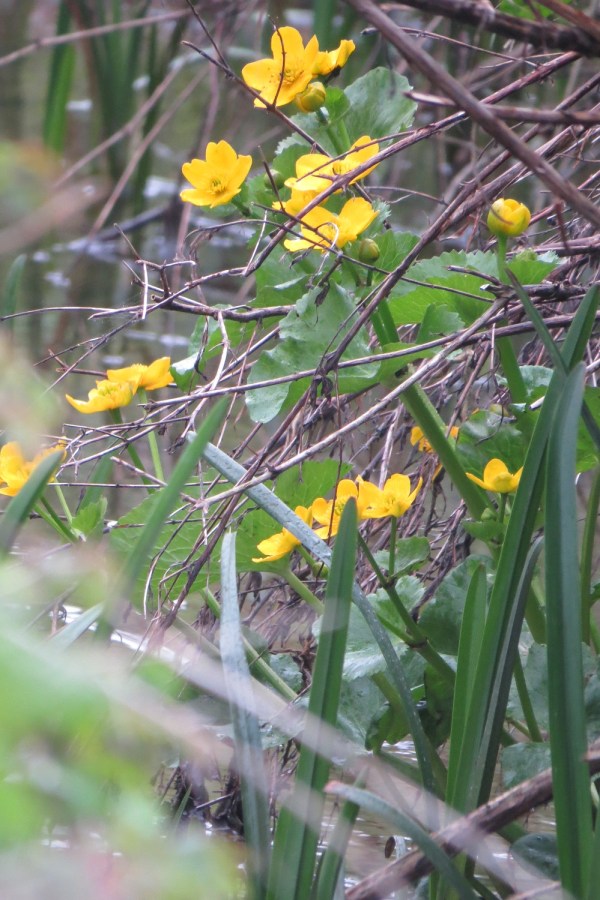
Above is a picture is of Caltha palustris flowering in Lambrok Stream, a plant I have always called marsh marigold but that Ian calls kingcup. Who is right?
Read on to see who is right
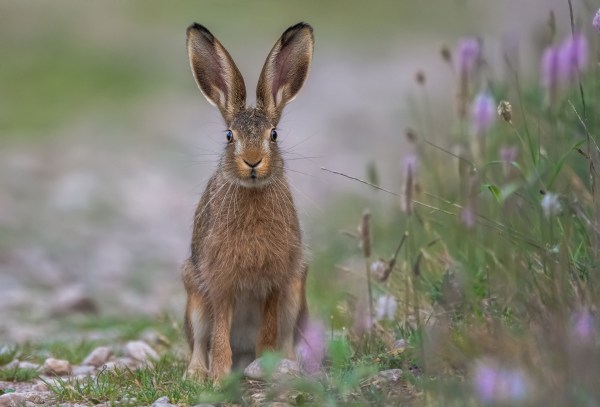
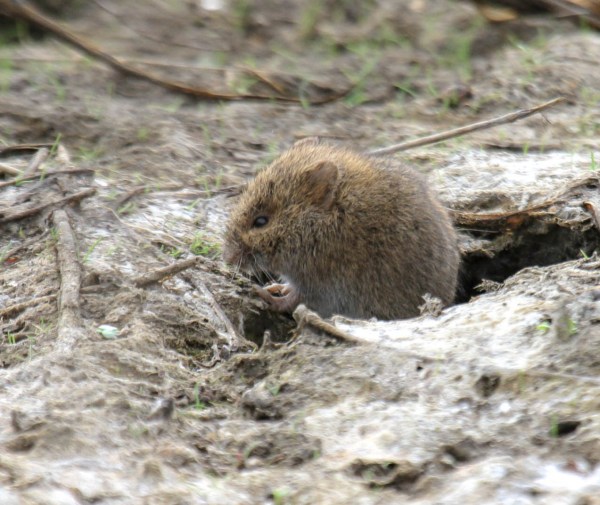
Here is a link to the spring 2023 edition of the Wiltshire Mammal Group newsletter, where you will find, on page14, a contribution from wildlife photographer Simon Knight about the reserve’s water voles and water shrews.
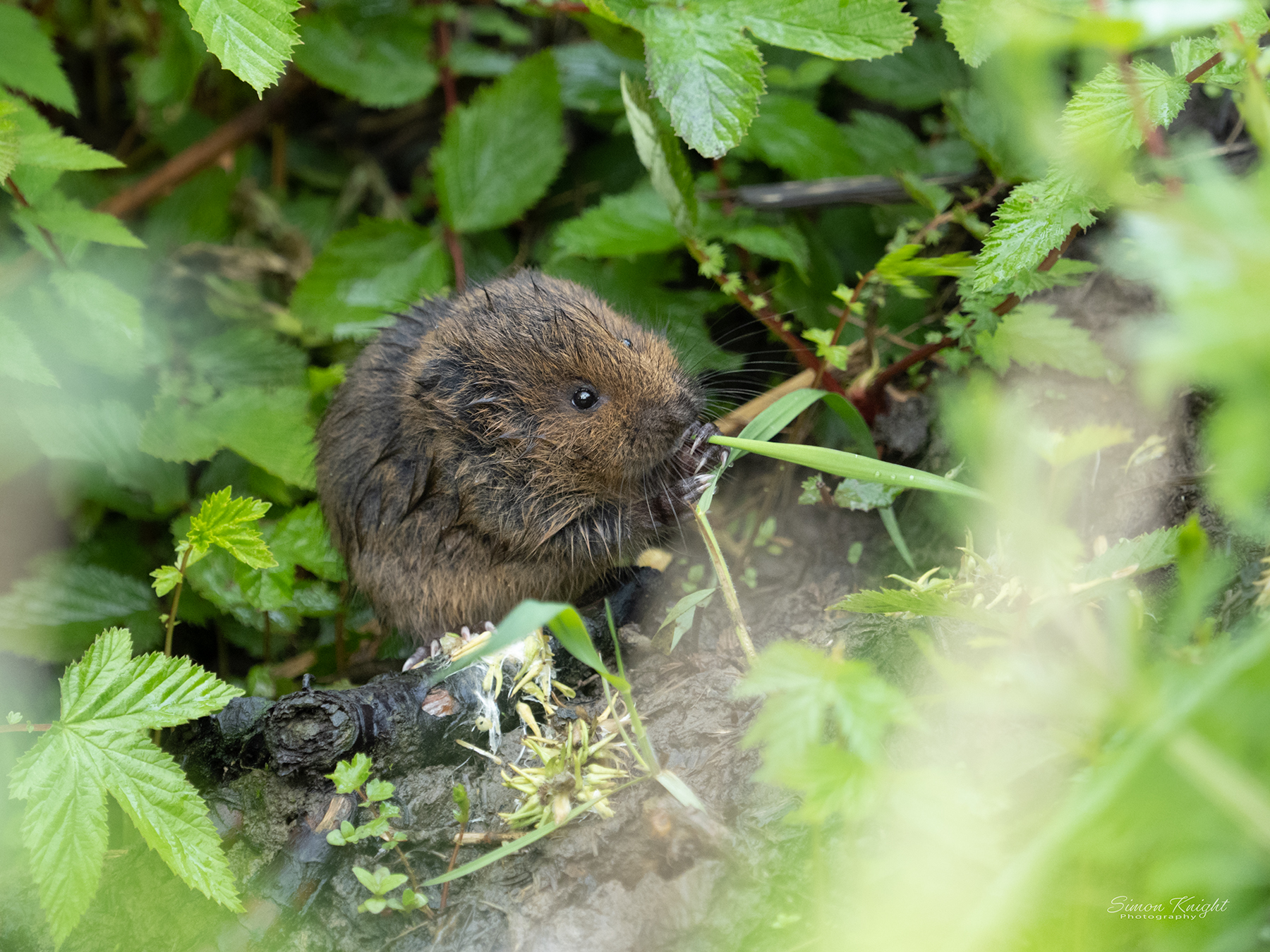
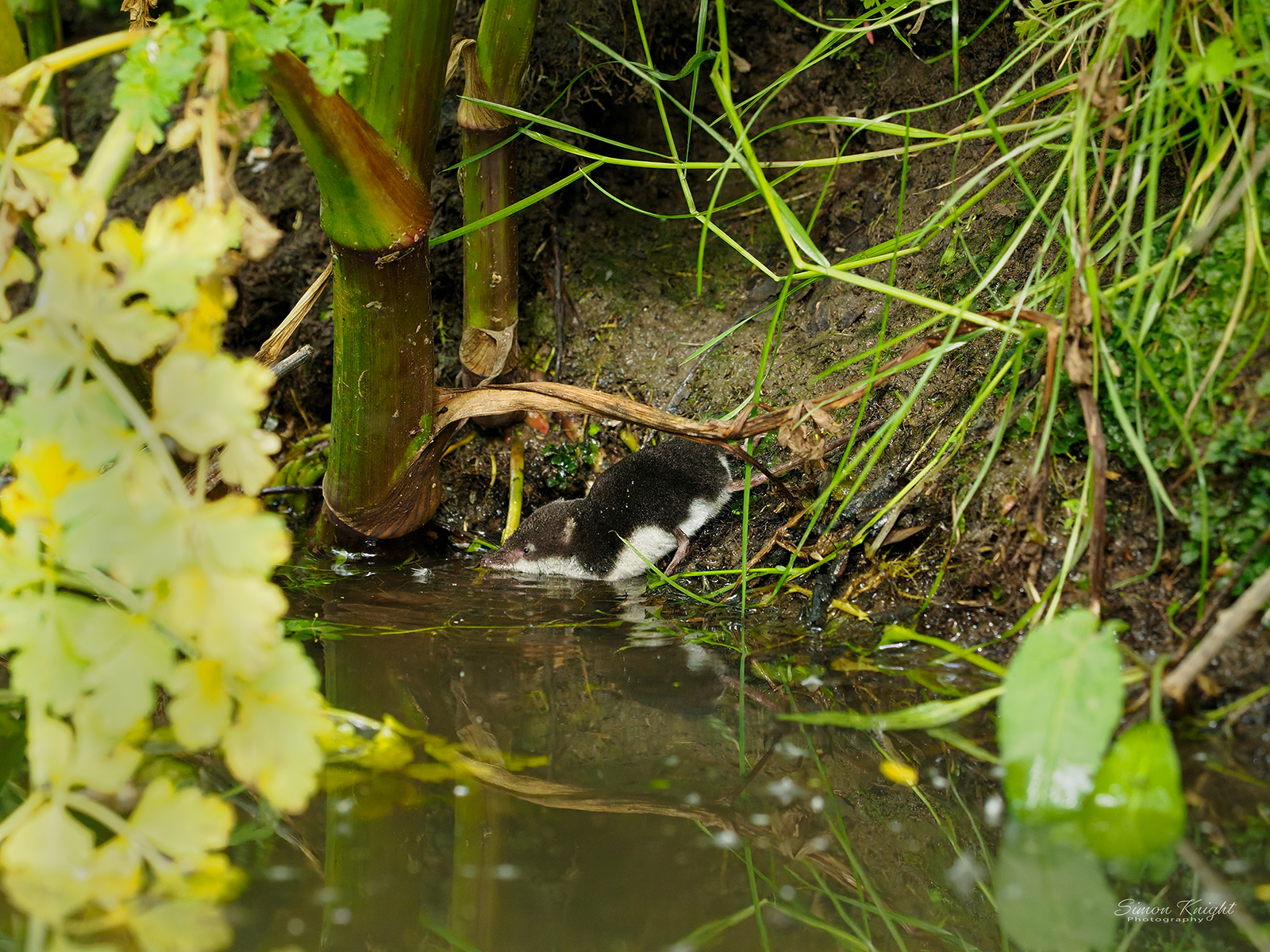
When you have read Simon’s piece, browse the rest of the newsletter; it’s full of interesting details about local efforts to conserve Wiltshire’s mammals.
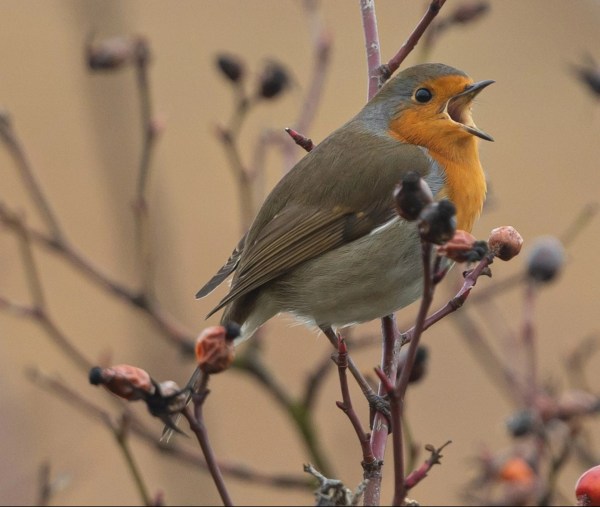
Our songbirds are tuning up for the spring. Here are ten things you may not have known about birdsong.
The reserve’s song bird are tuning up for spring
Continue reading “Birdsong”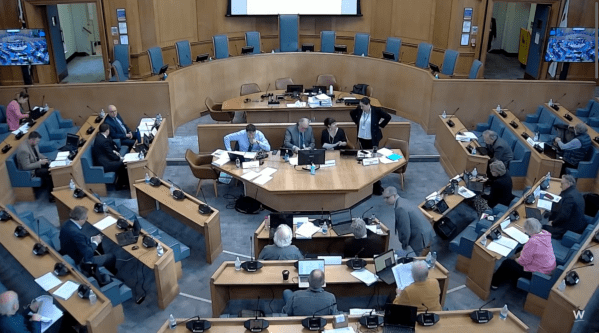
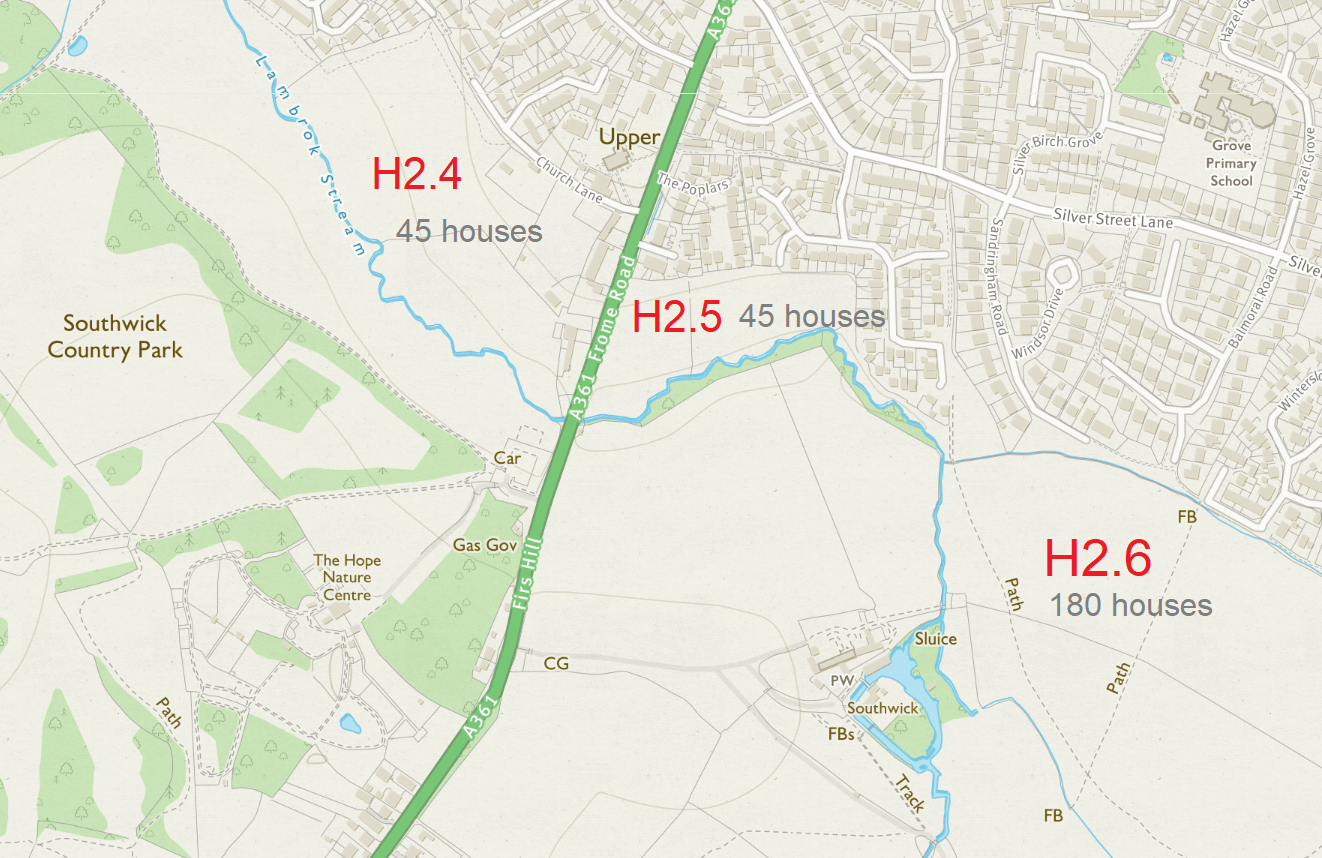
Planning applications 18/10035/OUT for site H2.4, and 20/09659/FUL for site H2.5 have been accepted, while application 20/00379/OUT for site H2.6 has been rejected. The livestream is still available on Wiltshire Council’s website.
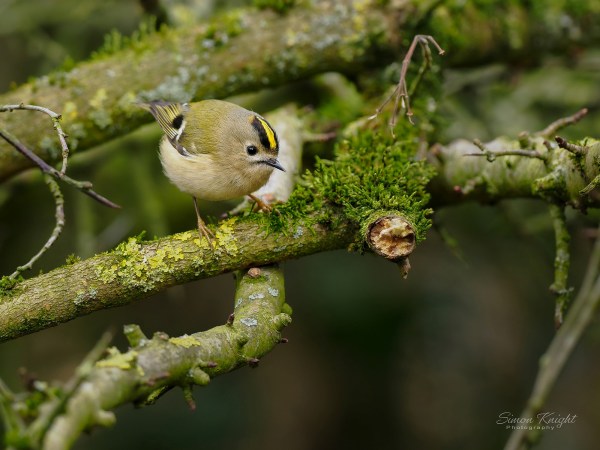
Simon Knight, our in-house wildlife photographer has sent a picture of a goldcrest, of which he says:
Continue reading
There is a rabbit warren under the hedge where Corn Field, Sheep Field and Sleepers meet. Its many entrances and exits are hidden under the brambles but you may well have walked atop the warren itself.

Do badgers eat hedgehogs? Yes, they do.
Continue reading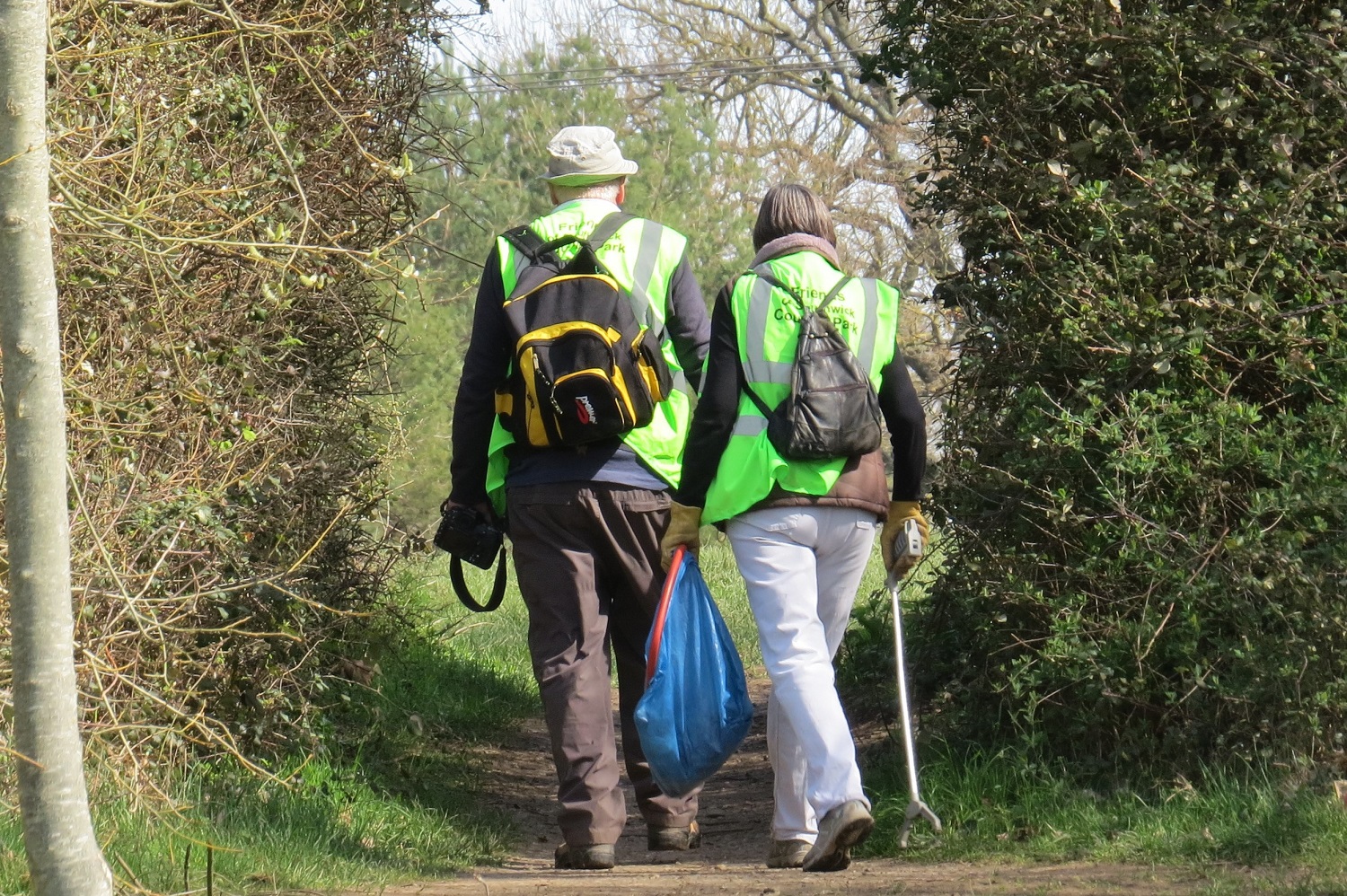


 Southwick Country Park Nature Reserve