The Wildlife Wheel has been there, at the end of The Race, for more than twenty years. It has aged in those years, changed colour, split and grown a fascinating crop of lichens.
Lichen on the Wildlife Wheel

The Wildlife Wheel has been there, at the end of The Race, for more than twenty years. It has aged in those years, changed colour, split and grown a fascinating crop of lichens.


by Clive Knight
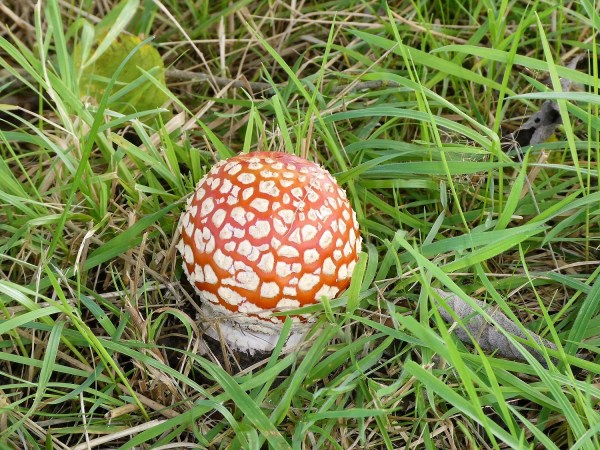
by Clive Knight
This is a sequence of pictures of a Fly Agaric (Amanita muscaria) taken every day from last Friday, the 22nd, up until today, Tuesday 26th. The last picture shows the fungus fully developed at approximately 17cm across, but collapsed. I have found that when they are fully open they do not last long so I am keeping my eye on some more in the reserve hopefully to take pictures of one fully open and still upright.
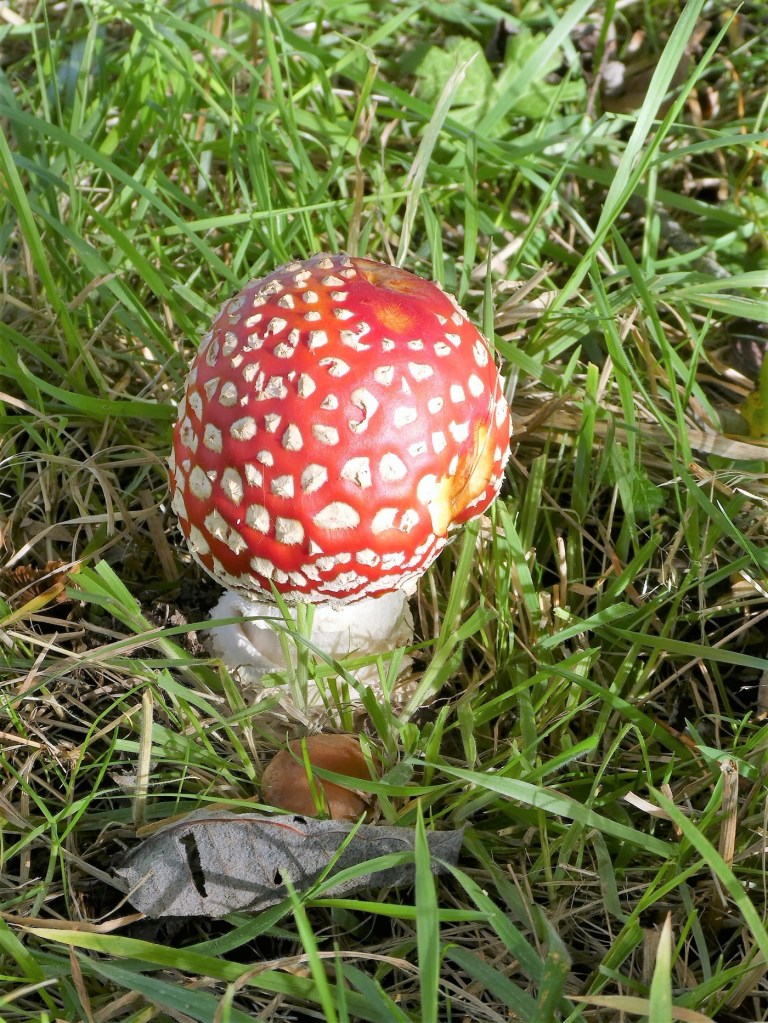

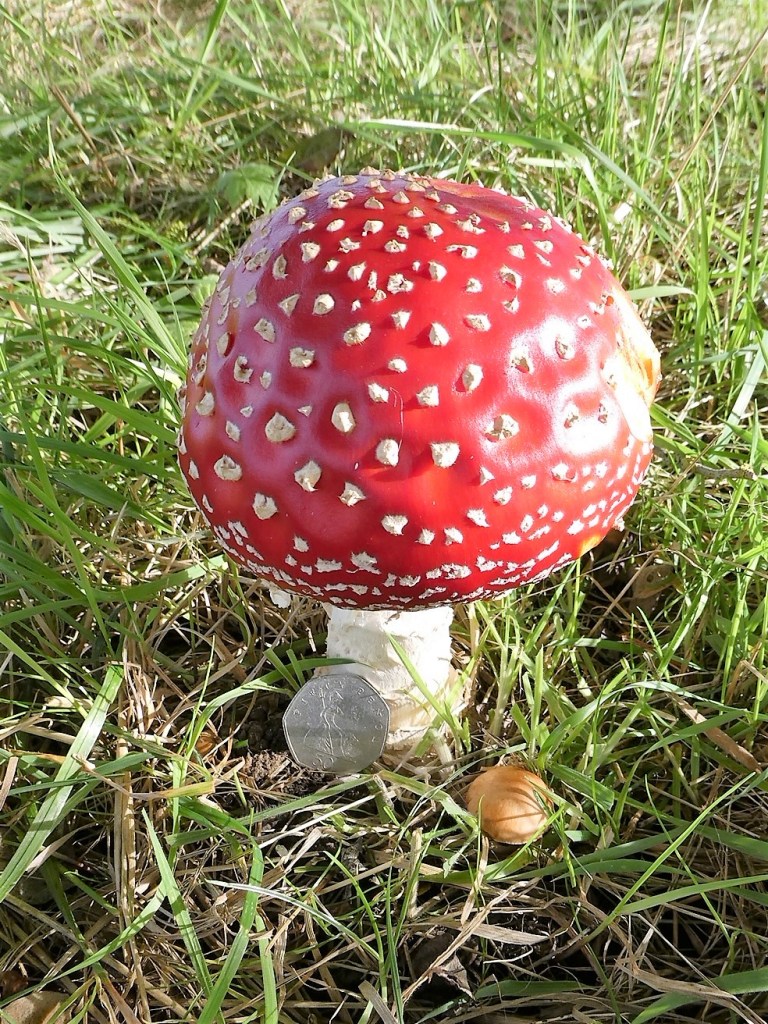

The header picture is the first in this series, taken by Clive Knight on Friday 22nd October.

Analysis of records kept since 1964 has found that some species of European migratory birds are spending up to 60 days less each year in their sub-Saharan wintering grounds. Over the most recent 27-year period, migratory birds, including the whitethroats commonly seen in our reserve, were found to have increased their time in Europe by an average of 16 days. It has even been suggested that some species may stop flying south for the winter altogether.
Continue reading “Migration changes”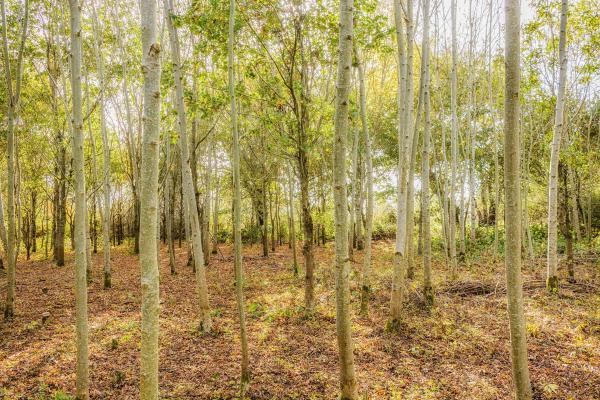
by David Feather
I think that we accept that a walk in the park is very good for our mental health. What is not so clear is that it is also good for our physical health.
Continue reading “A walk in the woods”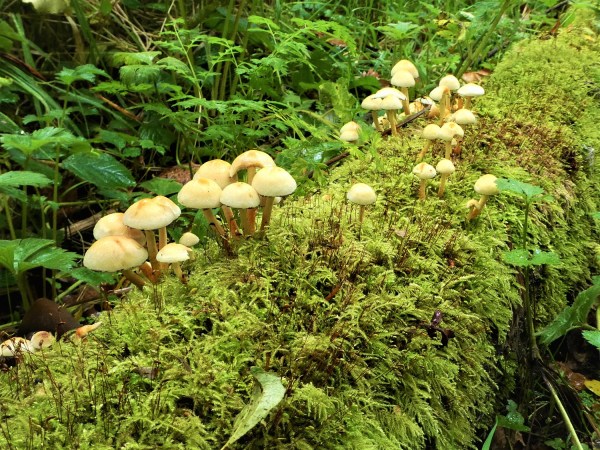
The fruiting bodies of a fungus living in a rotting log, found and photographed after yesterday’s rain by Clive Knight.

As usual, we are unable to identify this fungus and would really welcome the help of an expert.
by Ian Bushell
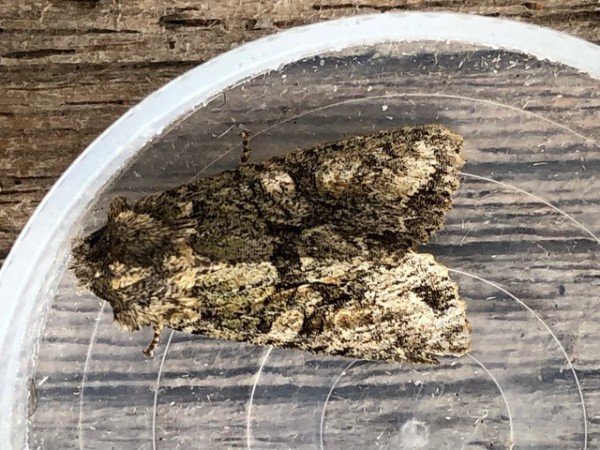
Last Sunday we were invited by Simon and Carey, the owners of Southwick Court, to carry out a moth trapping in their garden. In the evening Hugo and I set up the moth trap in the old orchard and we returned on Monday morning to see what had flown into the trap and to identify them. Carey brought us hot tea and took many photographs.
Continue reading “Moth trapping at Southwick Court “
There are two badger setts in the park, hidden away in its quiet places; here are some interesting badger facts.
Continue reading “Badger facts”

Wikipedia defines bioturbation as the reworking of soils and sediments by animals or plants. Here is a video of a system with and without soil fauna such as earthworms, mites and isopods over a 15 week period: this is what is happening to the fallen leaves all over the reserve.

An email and attachments from Clive Knight:
“Too late for yesterday’s yellow and black article, I know, but here are a few pics of the wasp spiders I have seen on the reserve this year.”
Continue reading
In the world of invertebrates, black and yellow signals danger. It says to predators: I am poisonous or I will bite you.
Read on to discover more: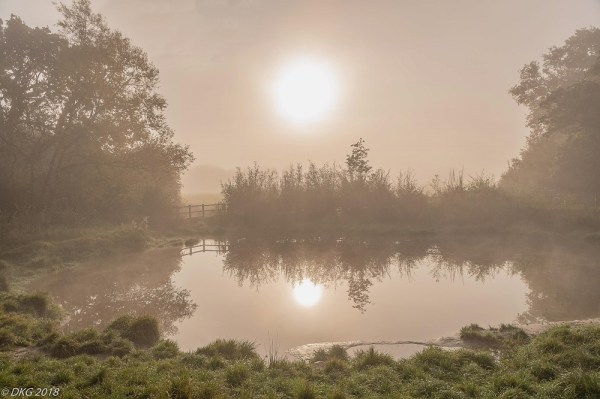
Here are some of DKG’s many pictures of the park in autumn.


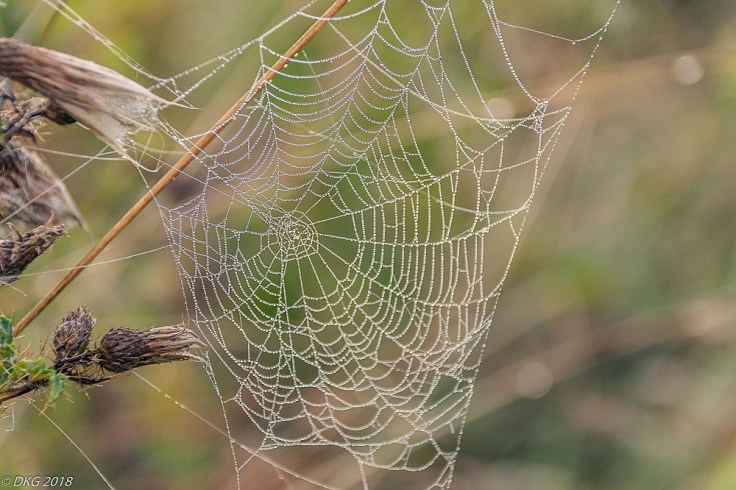

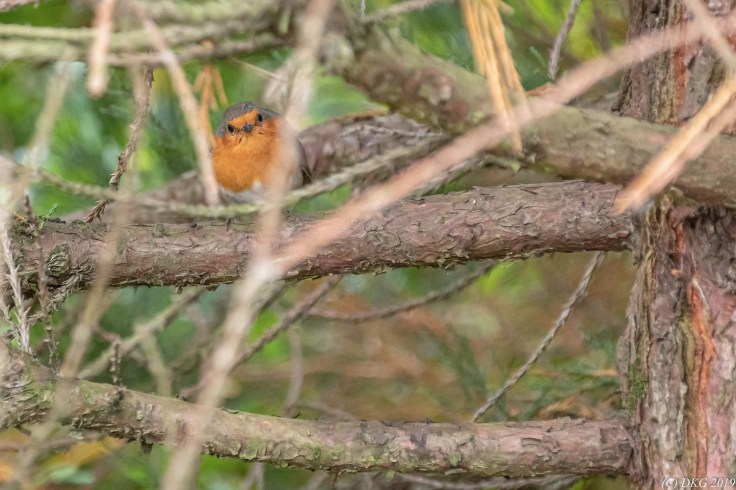
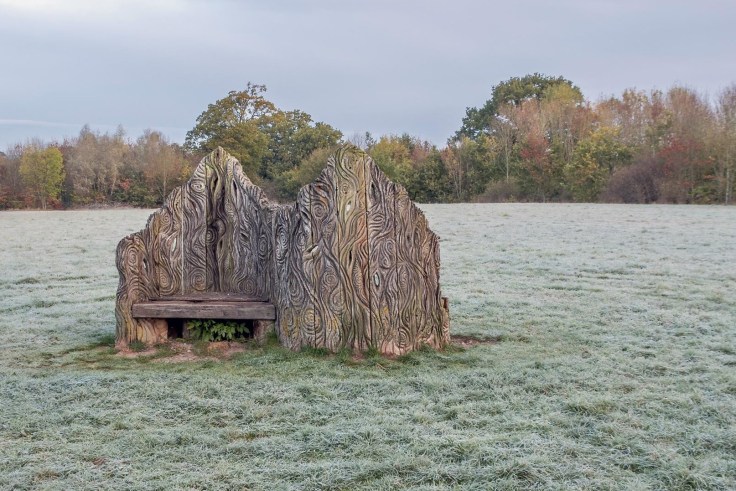

There are thousands of species of invertebrates that overwinter in the leaf litter below our gardens’ trees and shrubs.
Continue reading “Let the leaves lie”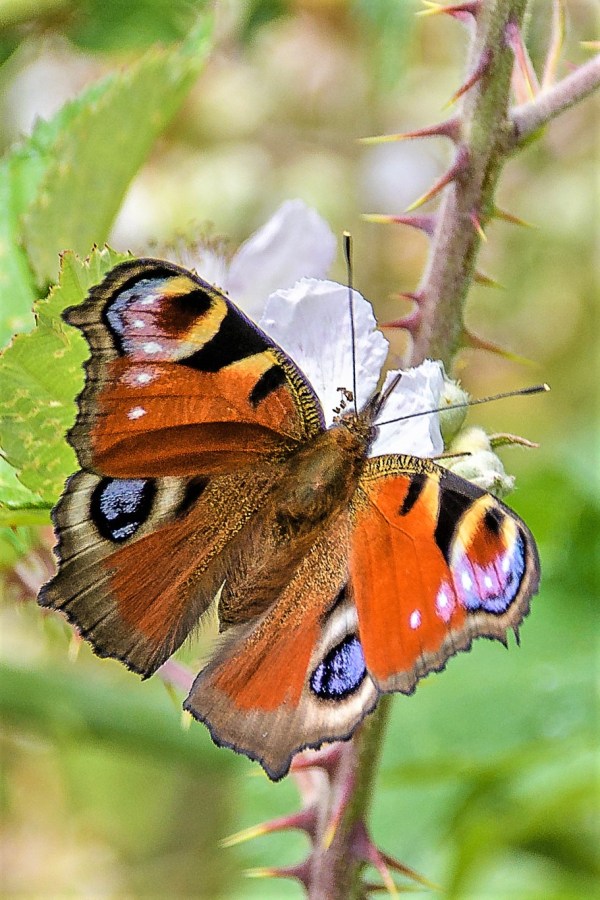
The temperature is dropping and we have already seen the first frosts. The reserve’s invertebrates are preparing for hibernation.
Continue reading
Tardigrades have been found everywhere in Earth’s biosphere, from the highest mountaintops to the deepest sea and from tropical rainforests to the Antarctic. There are sure to be some, somewhere, in the reserve’s ponds, going quietly about their business.
Continue reading
The Woodland Trust is the largest woodland conservation charity in the United Kingdom. It has planted over 43 million trees since 1972, owns over 1,000 sites covering over 26,000 hectares and guarantees public access to its woods.
Continue reading “Become a citizen scientist”
Ecosystem engineers are organisms that modify their environment. They increase biodiversity by creating habitat for species other than themselves. The oak apple, caused by a tiny wasp called Biorhiza pallida, is just such an engineered environment.
Continue reading “Ecosystem engineers”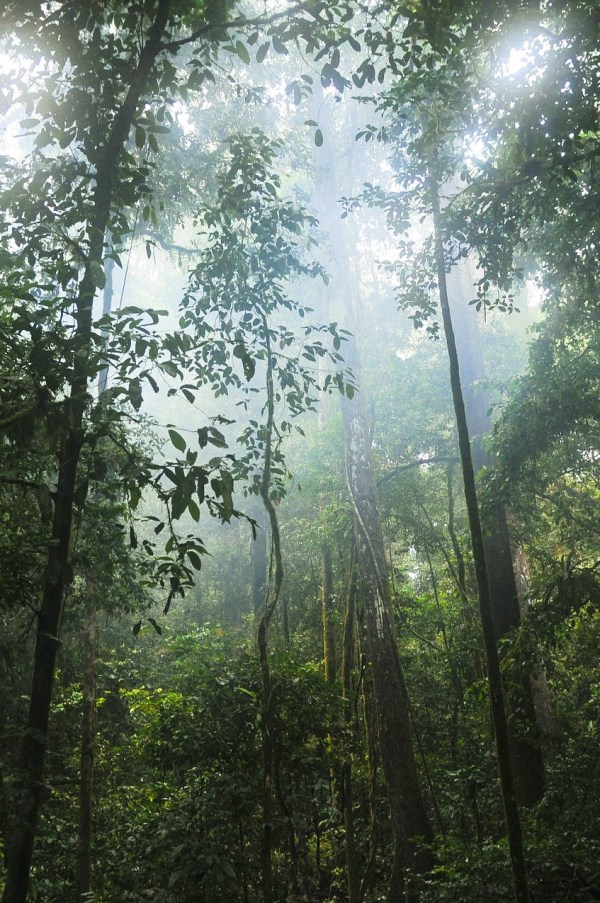
The Environment Bill, still making it’s way through Parliament, is proposing deforestation-free supply chains. Here is a post from last year about the consequences of business -driven deforestation in the Amazon Basin.
Continue reading
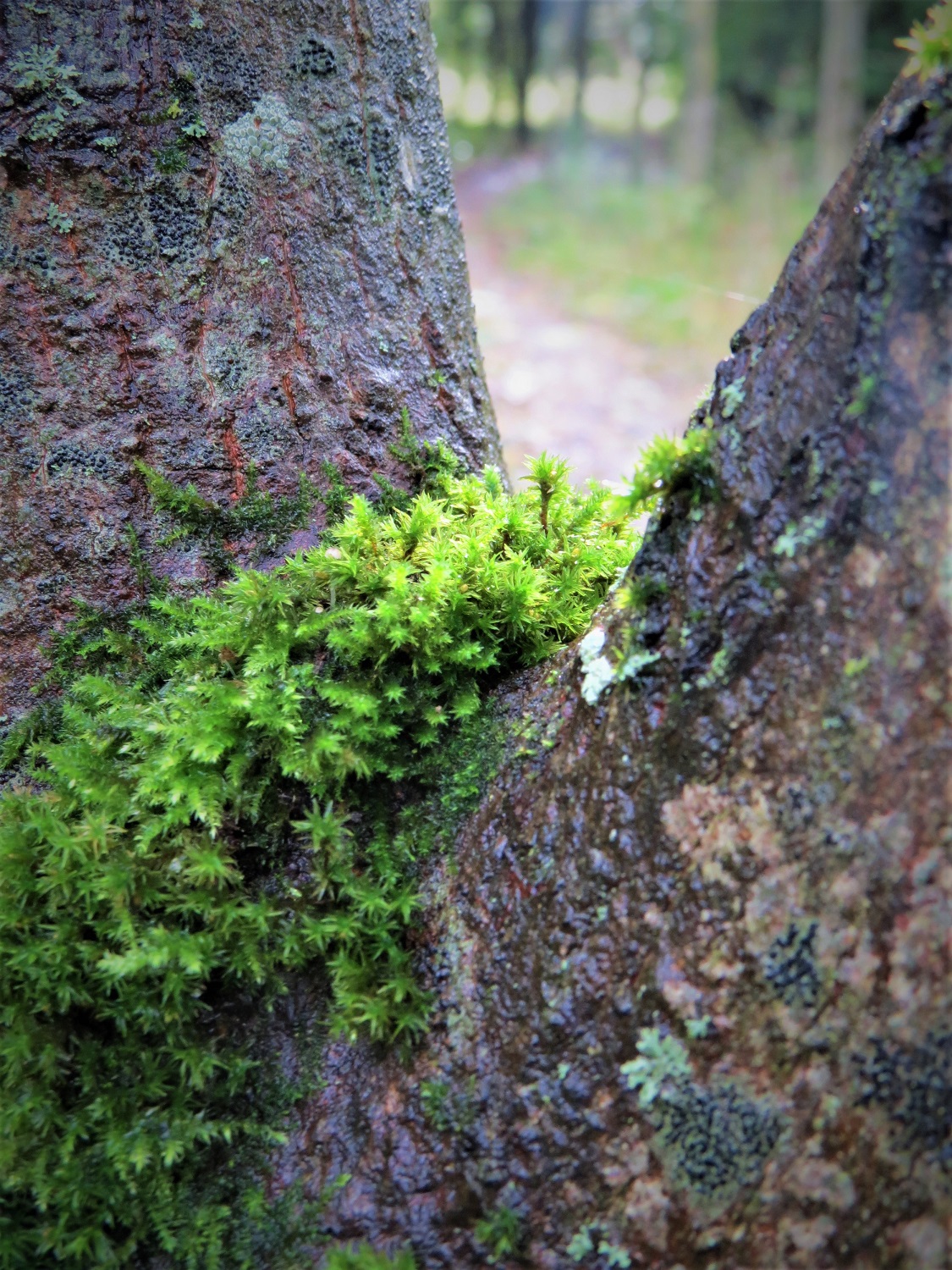
A gallery of pictures taken in a wet autumnal reserve.


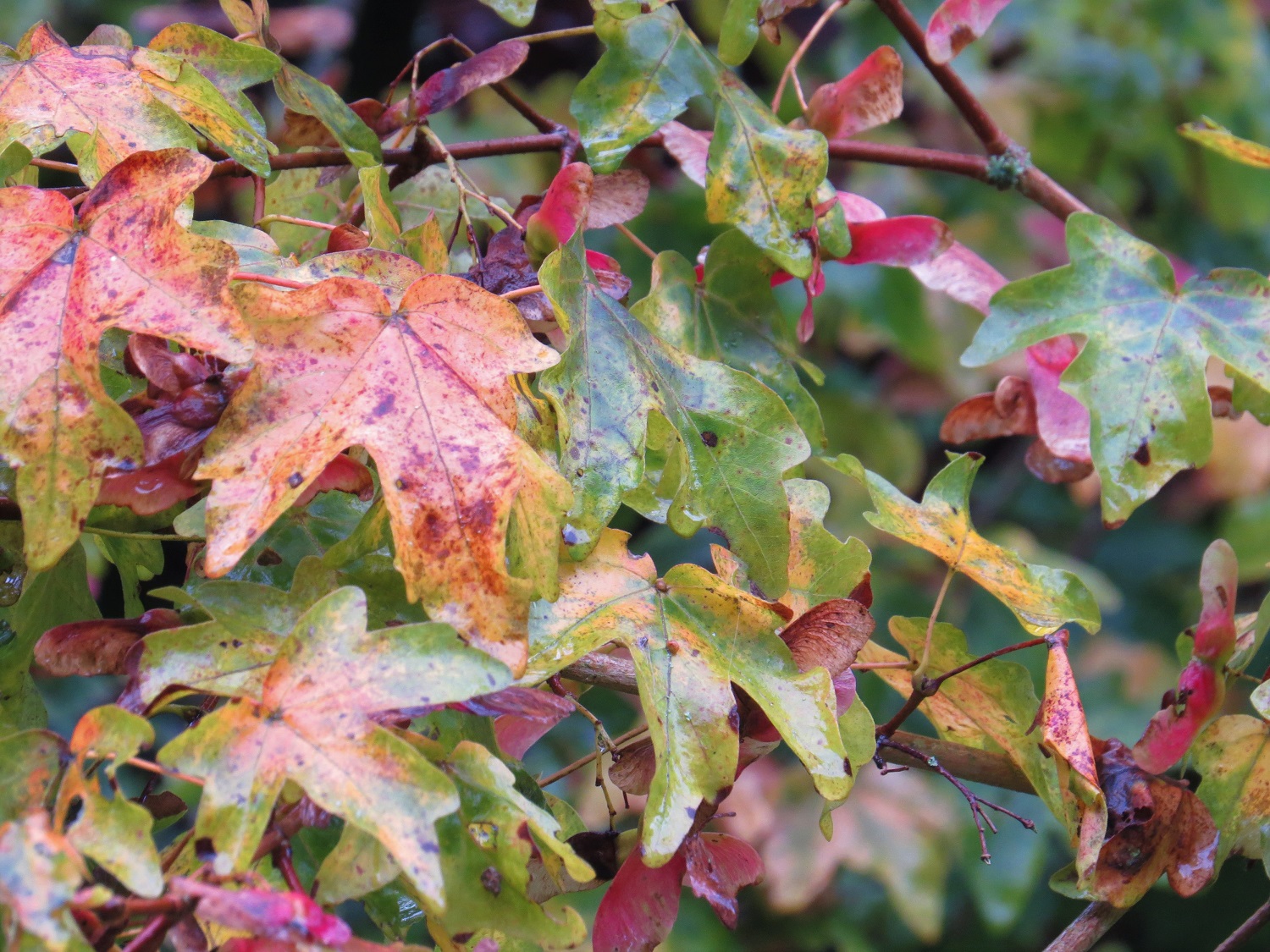



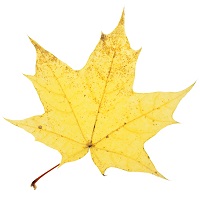
There are three kinds of pigment in a usually green leaf: carotenes which are yellow, red and pink anthocyanins, and chlorophyll, which is the green that masks the other colours until autumn.
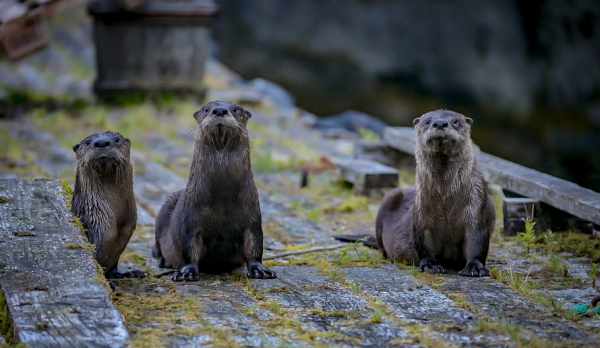
Simon Tesler’s video of an otter hunting in the moat at Southwick Court is powerful evidence not only of Lambrok Stream’s biodiversity, but its importance as a wildlife corridor that runs from the River Biss right up through and beyond Southwick village.
Continue reading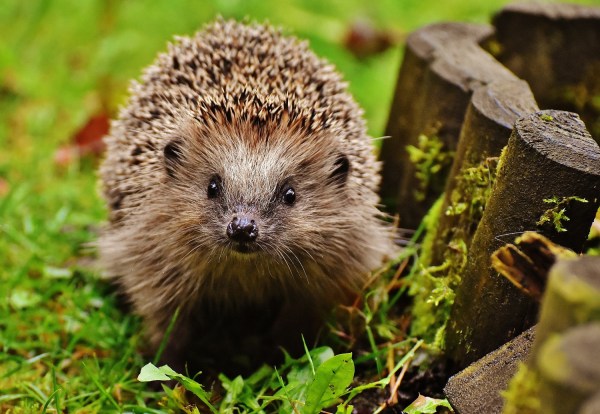
Challenges such as climate change, habitat destruction and invasive species are pushing our native ecosystems to the edge, making urban and suburban spaces into critical resources. There are 22 million private gardens in the UK, an astonishing potential that, used carefully, might just make the difference between success and failure for the Nature Recovery Networks proposed by the new Environment Bill.
Continue reading “Eco-gardening”
Sulphur tuft (Hypholoma fasciculare) growing on dead wood in the copse between Sleepers and Sheep Field.
Continue reading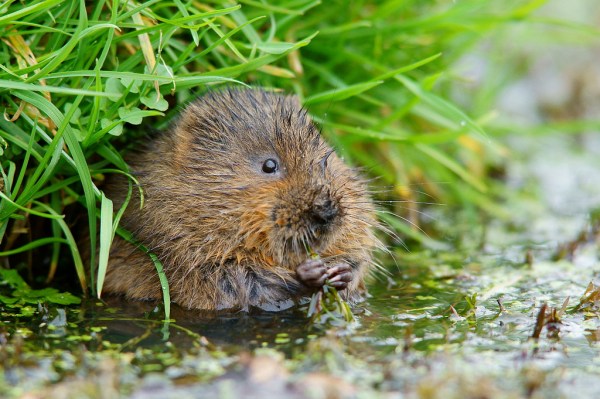
Here are some fascinating facts about water voles:
Continue reading “Ten water vole facts”


 Southwick Country Park Nature Reserve