King Alfred’s cakes
Daldinia concentrica: known as King Alfred’s cakes or coal fungus grows on the park’s trees, in this case on a dead ash tree.
Read more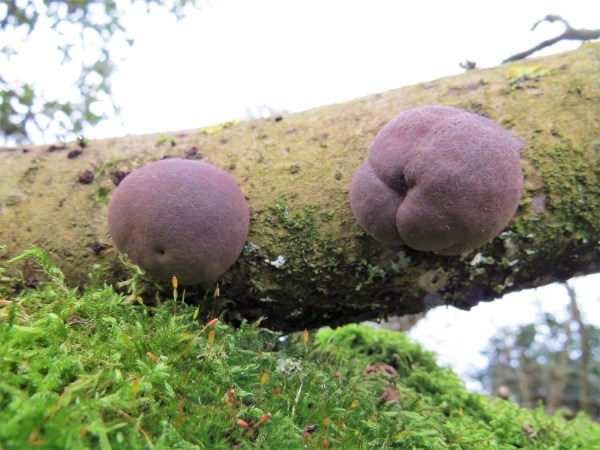
Daldinia concentrica: known as King Alfred’s cakes or coal fungus grows on the park’s trees, in this case on a dead ash tree.
Read more
Mail from Cheryl Cronnie with pictures of a kingfisher:
Hi there, I’d just like to share with you the kingfisher I spotted today at Southwick Country Park by the pond. I was over the moon as I had never seen one before.

Lovely! Thank you, Cheryl.
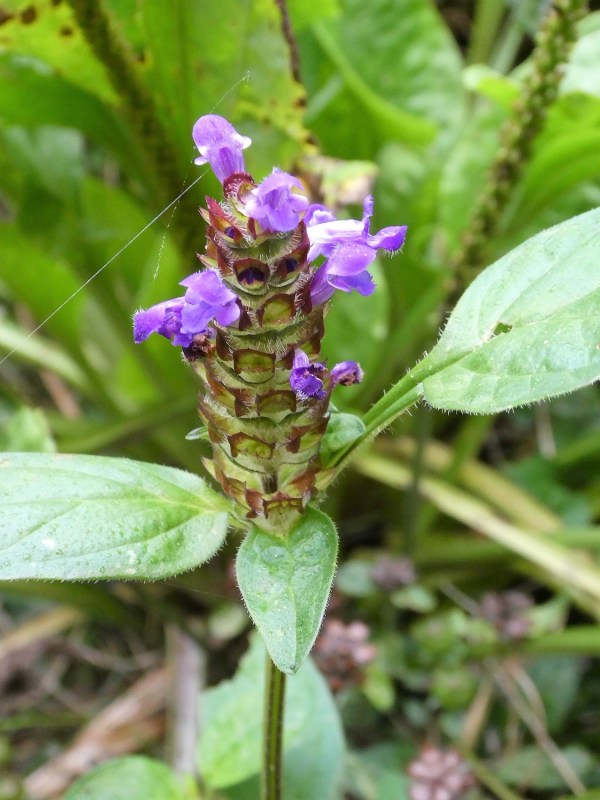
Prunella vulgaris goes by many common names – heal-all, woundwort, heart-of-the-earth, carpenter’s herb, brownwort or blue curls – but in these parts it’s best known as selfheal.
Continue reading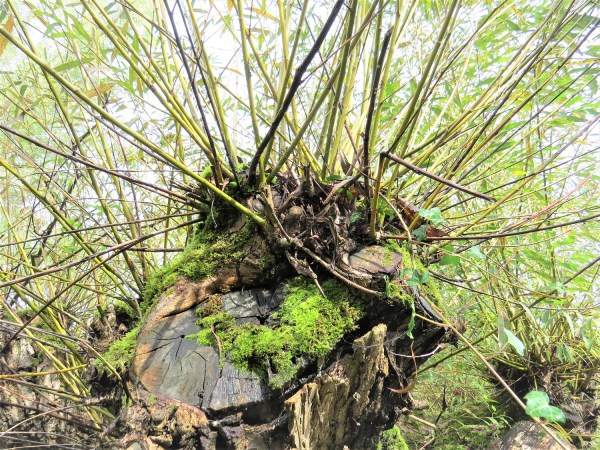
Salix is the genus name of willow, trees known and cultivated for millennia for their medicinal properties.
Continue reading “Salix”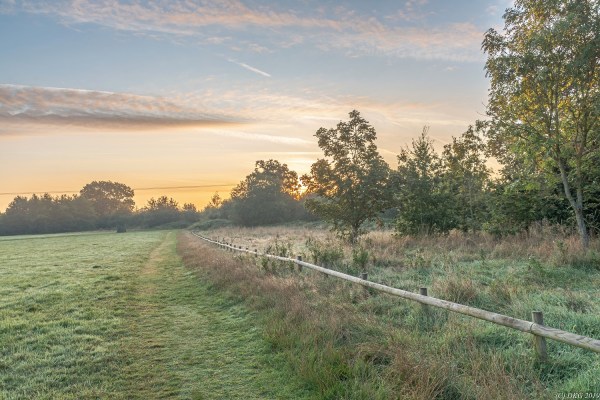
At the beginning of the year the UK Treasury commissioned and published for the very first time a full assessment of the economic importance of nature. Professor Dasgupta, the Cambridge University economist who carried out the assessment, concluded that our prosperity has come at “devastating cost” to the ecosystems that support us. “Nature is our home,” he said, “good economics demands we manage it better.”
Continue reading ““Nature is our home””
A common frog photographed by Liz yesterday in the woods alongside the Lambrok.
Continue reading
“It is that range of biodiversity that we must care for – the whole thing – rather than just one or two stars.” David Attenborough
Our park doesn’t have snow leopards or white rhinos. Our rarities are small and fragile: water voles, pondweeds, dragonflies zipping past so suddenly they make you jump, a visiting marsh tit, a linnet singing in the trees, little bottom-feeding fish. Then there are the hundreds of flowering plants, thousands of invertebrates and probably tens of thousands of species of fungi hidden away where we can’t see them.
Continue reading “The whole thing”
by Ian Bushell
The weather was again kind to the working party: dry but not too hot. Another good turn out, just missing Sarah and Alan who are on holiday.
Continue reading
There are silk button galls on the underside of oak leaves all over the park.
Continue reading “Silk button galls”
There are hundreds of species of crane fly in this country and almost all of them go by the name of daddy long legs. The differences between species can be microscopically small but we think this specimen photographed in the reserve is either a common European crane fly (Tipula paludosa) or a marsh crane fly, (T. oleracea).
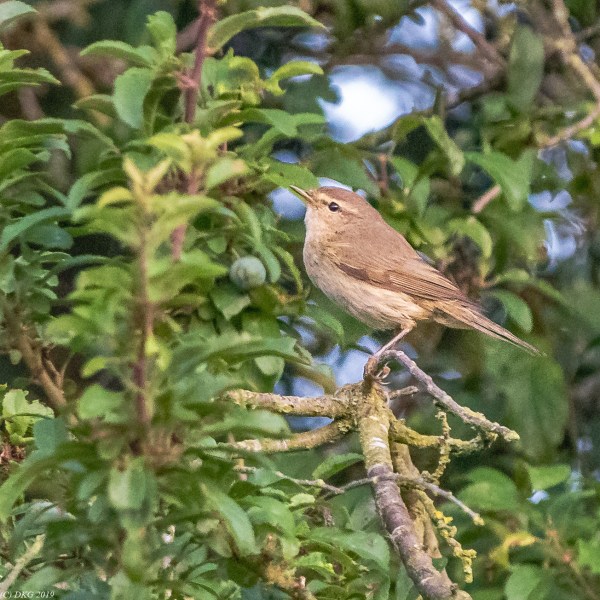
Most of our willow warblers will have left by now; they will be on their way to sub-Saharan Africa where they will spend their winter. Theirs is the longest journey undertaken by any of the park’s migratory birds. Why do such tiny birds fly so far and take such risks to do it?
Continue reading “Willow warbler migration”
There are several families of magpies in the reserve. This year’s crop are, as yet, short-tailed, loud- mouthed and clumsy, hanging out in gangs and still learning to fly properly. But, despite their dramatic black and white beauty, their reputation is poor.
Read on: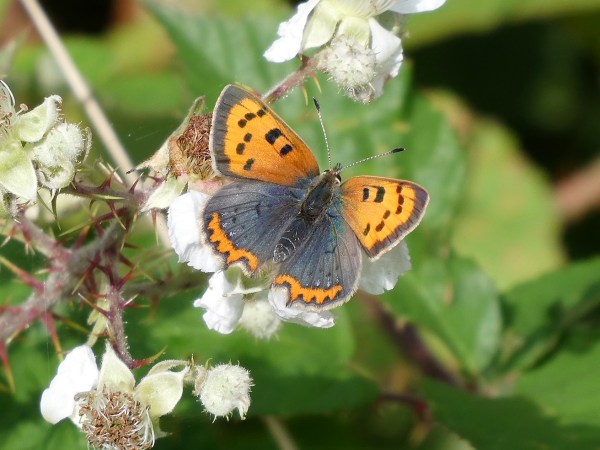
One of the delights of September is a pristine, newly hatched, late brood small copper butterfly. This one was was photographed last week in the reserve by Clive Knight.
Continue reading “Small copper”
Collared doves (Streptopelia decaocto) bred in Britain for the first time in 1955, in Norfolk. Within 20 years they had colonised every county in the British Isles, and had even reached Shetland and the Outer Hebrides.
Continue reading
Keep a look out for hibernating amphibians as you tidy up your garden ready for winter. Frogs, toads and newts will find sheltered places to hibernate in hedge bottoms, compost heaps, under stones and in log piles and are best not disturbed. Take particular care if you are planning to clear out a pond: frogs and newts will sometimes overwinter in the mud at the bottom.
Continue reading
This post was first published last year, an introduction to some of the reserve’s beautiful fungi.
A message with beautiful pictures from photographer Simon Knight:
Continue reading “Amethyst deceiver”
Cryptic colouration, is another name for camouflage, a defence strategy that creatures use to disguise their appearance, or to mask their location, their identity, or movement. It both allows prey to avoid predators, and predators to sneak up on prey.
Continue reading “Cryptic colouration”
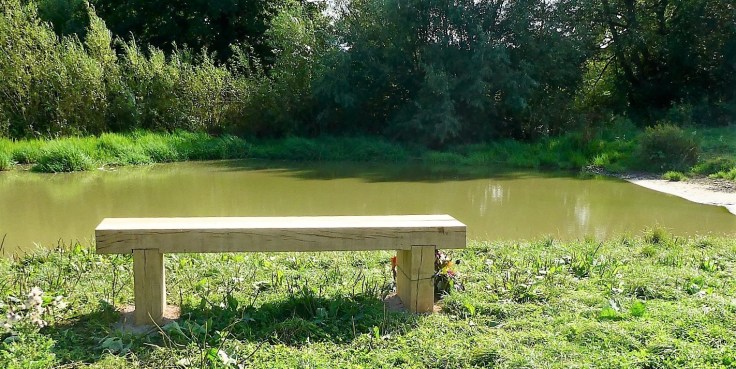
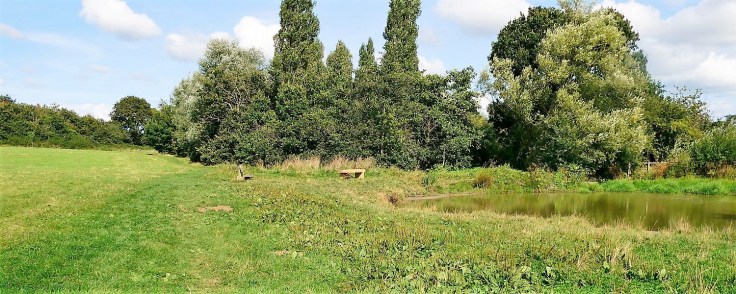
There is a new bench by the pond, dedicated to the memory of Christopher Kinsey, the son of Rich and Rosie Kinsey. The bench of seasoned English oak was designed, made and carved by Christopher’s brother, Steve; he and Rich installed it themselves last week.
Our condolences go to the Kinsey family with our thanks for this beautiful new seat and its simple message in these troubled times: Hope.

Inkcaps are a group of fungi with gills that liquefy as they mature and drip an inky black liquid that, in the past, was frequently used to make ink.
Read on for more about inkcaps: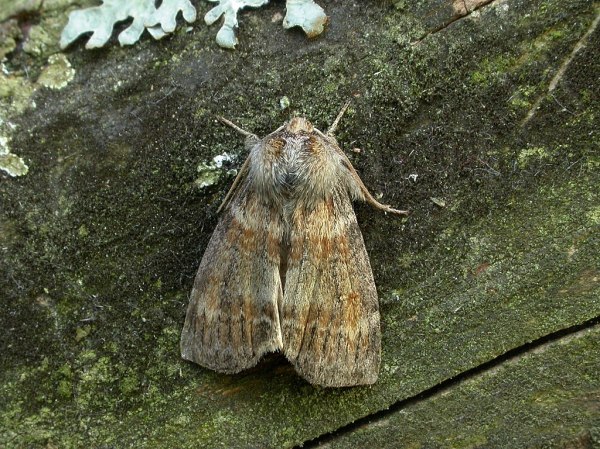
During last week’s moth trapping in Village Green, Ian and Hugo identified an oak lutestring (Cymatophorima diluta), a UK Biodiversity Action Plan Priority Species, classified as scarce and local. This is the thirteenth BAP priority species of Lepidoptera identified in the reserve: the hard work we put into our woodland habitat is paying off!
Continue reading
Here is a video, taken from BBC Earth’s Spy In The Wild series, about squirrels caching acorns.
The header picture was taken in the park by DKG
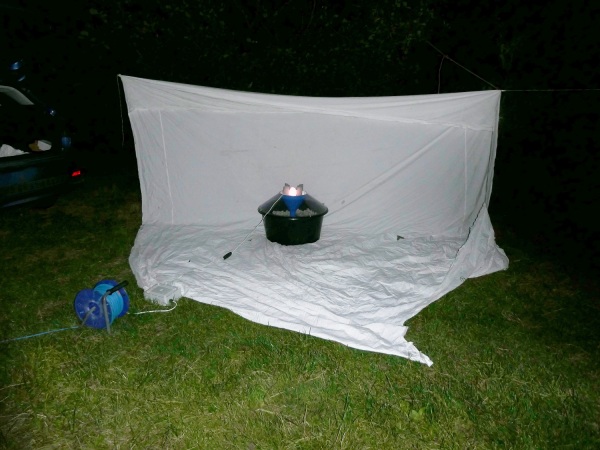
by Ian Bushell
These are the results from Tuesday (03.09.21) evening’s moth trapping with lepidopterist Hugo Brooke.
Continue reading “Moth trap”
Wiltshire Council has published a draft Climate Strategy which will help them to shape the next five years of their action on climate change. You are invited to contribute by taking an online survey.
At the same time they are consulting on a document called the Green and Blue Infrastructure Strategy for Wiltshire. You are invited to contribute to this consultation by taking another online survey here.
Continue reading
The breeding season of the reserve’s nursery web spiders (Pisaura mirabilis) can extend well into September.
Continue reading



 Southwick Country Park Nature Reserve