A hunter in the trees
by Simon Knight
My walk in the park was short and definitely sweet last Sunday morning. My first sighting was of a sparrow hawk.
Continue reading
by Simon Knight
My walk in the park was short and definitely sweet last Sunday morning. My first sighting was of a sparrow hawk.
Continue reading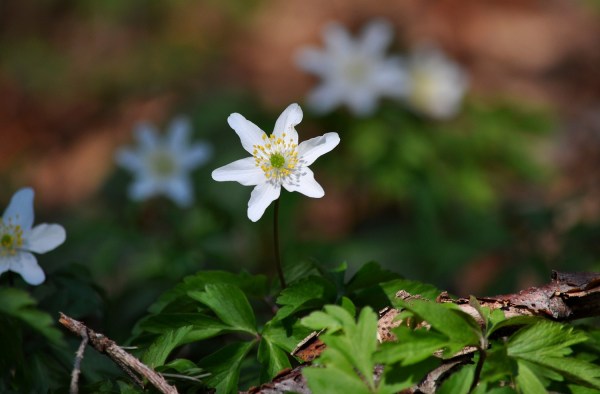
The wood anemone (Anemone nemorosa) is a member of the Ranunculaceae family, a close cousin to all the buttercups.
Continue reading “Wood anemones”
Here is the second part of our comment on planning application 20/00379/OUT.
Continue reading
The aerodynamically unlikely buff tailed bumble bee queens are out of hibernation and, buzzing around between the park’s spring flowers. Here is a video about their surprising flying skills:

Today we are publishing the introduction and section 1 of our objection to planning application 20/00379/OUT to build 180 houses in the meadows at Southwick Court, between Trowbridge and Southwick Village. It is both a summary of the park’s biodiversity and a reminder that we need to protect our green spaces and wildlife whenever and however we can.
Continue reading
Our blackthorn blossom has been beautiful this year.
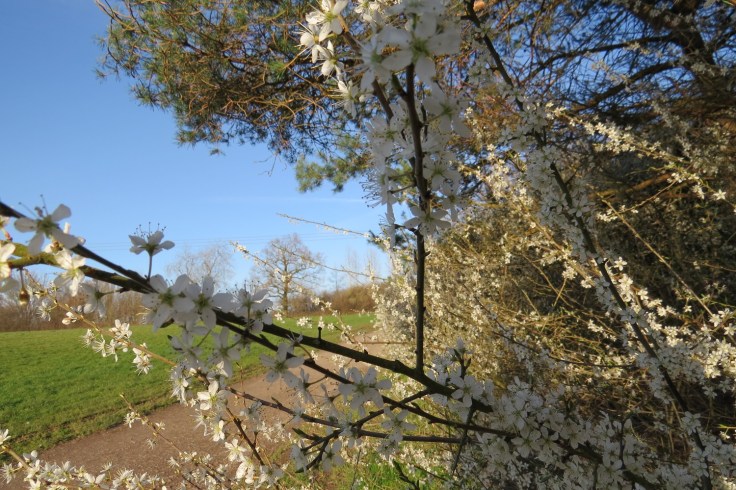
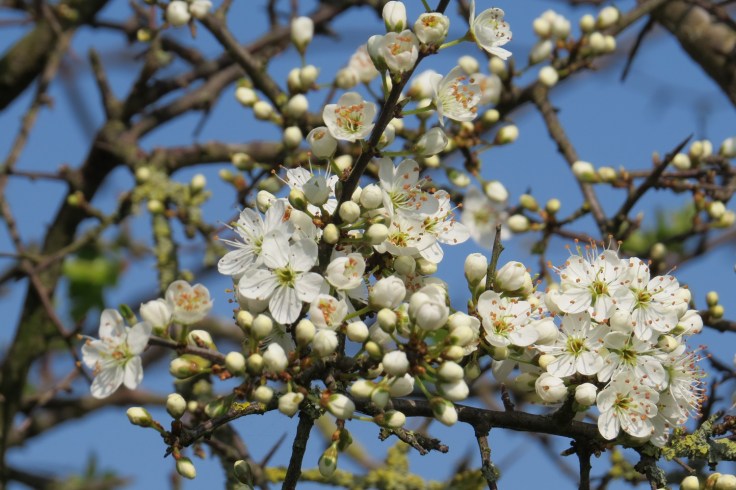
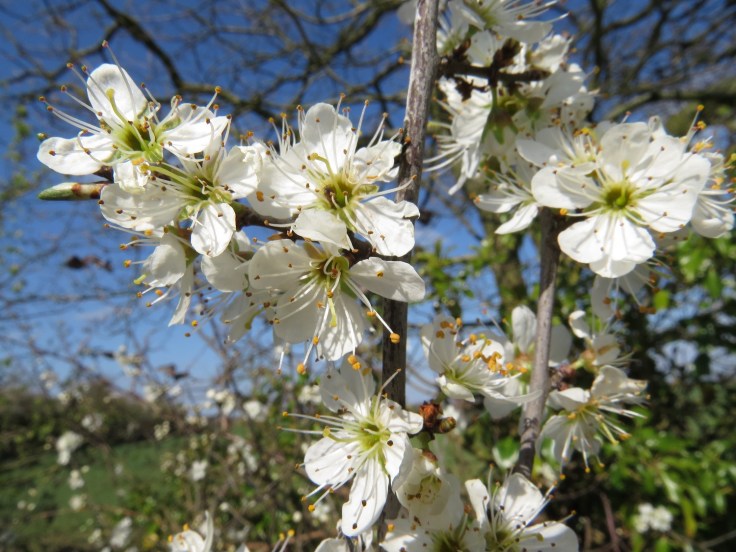
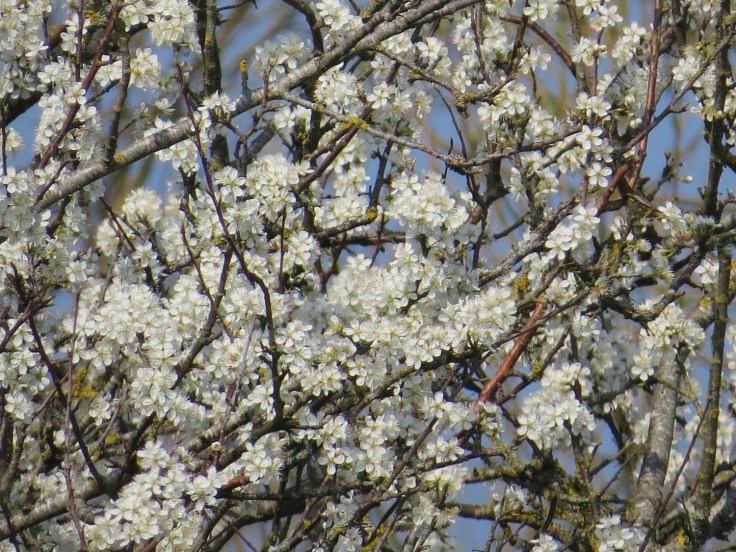
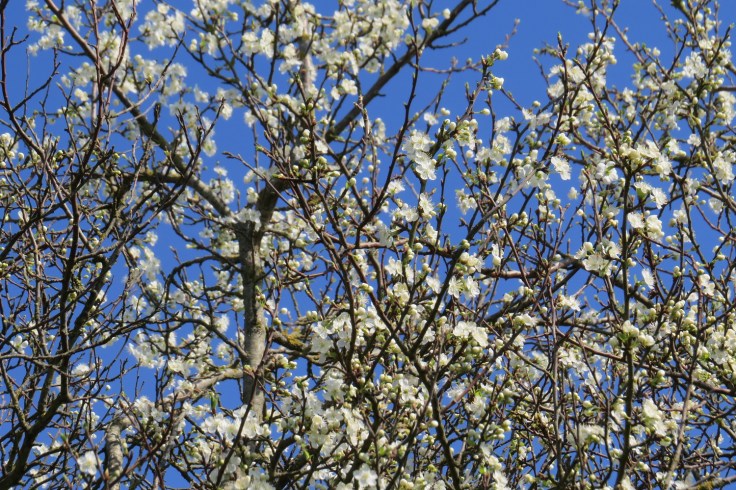

pictures by Suzanne Humphries

The blunt-tailed snake millipede (Cylindroiulus punctatus) is tiny: it grows up to 25 mm. It is pale brown and its segments are coloured in a way that makes it look striped; it often has darker spots along each side. Its native habitat is the rotting wood and leaf litter of deciduous woodlands but it is just as happy to live in the untidier places in your garden. All millipedes feed on dead plant material, they are essential nutrient recyclers.

Both photographs are by Christophe Quintin.
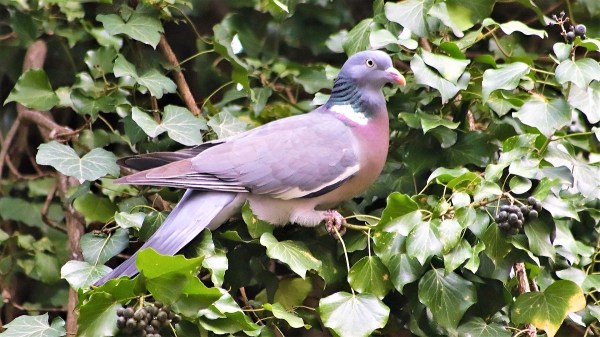
January marked the beginning of the United Nations Decade on Ecosystem Restoration. The science says that these next ten years are humanity’s last chance to prevent catastrophic climate change, to prevent the destruction of the complex ecosystems we all depend on.
Continue reading “Ecosystem restoration”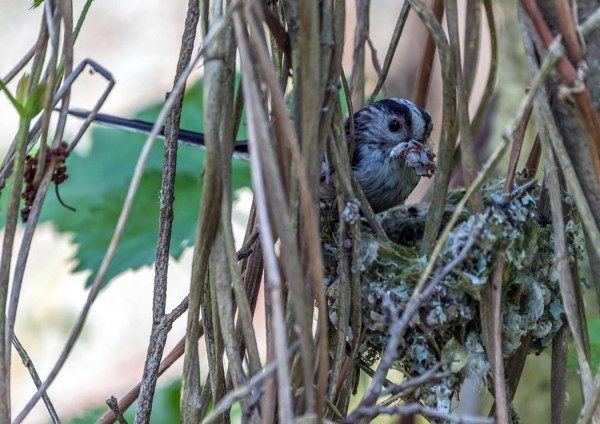
Long tailed tits are early nesters.
Continue reading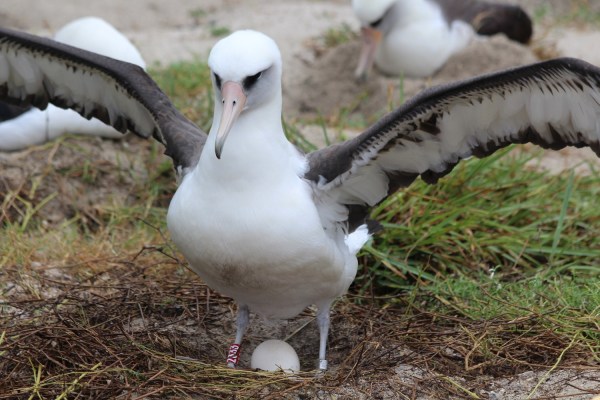
At more than 70 years of age, Wisdom the Laysan albatross has hatched another chick. While we admit that the chances of seeing an albatross in our park run from highly unlikely to nil, some facts are just too astonishing and irresistible to be ignored.
Continue reading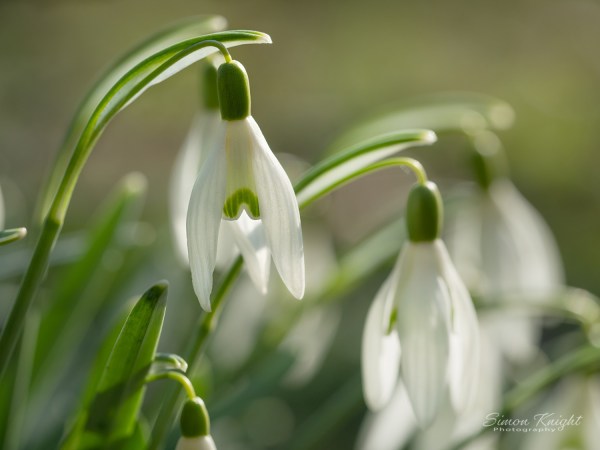
by Simon Knight
It is lovely to finally see flowers and colour arriving in the park, signalling that spring will soon be upon us.
Continue reading
There are three species of vole in Britain: the short-tailed or field vole, the bank vole and the water vole, which is the largest of the three and by far the rarest. Water voles (Arvicola amphibius) have experienced one of the most rapid and serious declines of any British wild mammal ever…
Continue reading “Water Voles”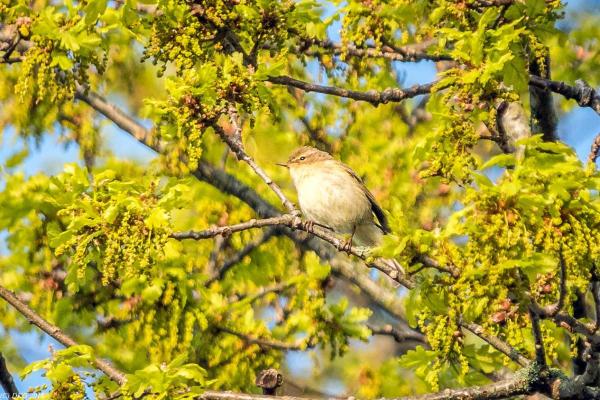
Has anybody heard our chiffchaffs yet? This is the time of year when they come back from the Mediterranean and Africa to nest in the park and their unmistakeable call is a welcome sign that spring is here. Message or email us if you have heard them .
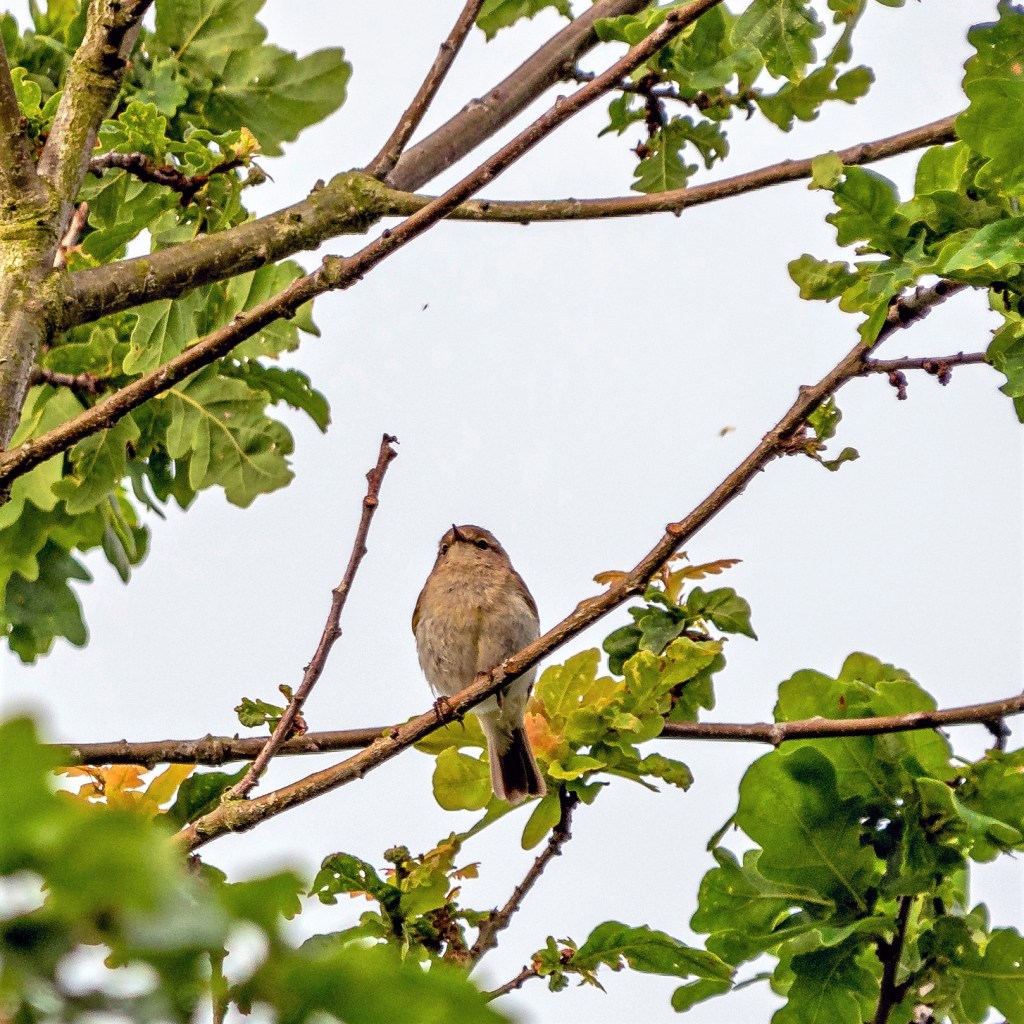

All these pictures were taken in the park by DKG.

Research has concluded that 42% of people are scared of spiders.
Read on for a little reassurance
The lesser celandines (Ficaria verna) are in flower. Celandines are the floral equivalent of the swallow, they appear around the same time and mark the coming of spring. In fact the word celandine comes from the Greek name for swallow: chelidon. One of its local names is spring messenger; others are brighteye, butter and cheese, frog’s foot, golden guineas and, less romantically, pilewort because it was once used to treat haemorrhoids.
Continue reading “Lesser Celandine”
The Eurasian collared dove, Streptopelia decaocto, seems ubiquitous: one of the park’s noisiest and most common species. But it wasn’t always so.
How come?
Blackthorn (Prunus spinosa) is the earliest of our native flowering trees.
Continue reading “Blackthorn”
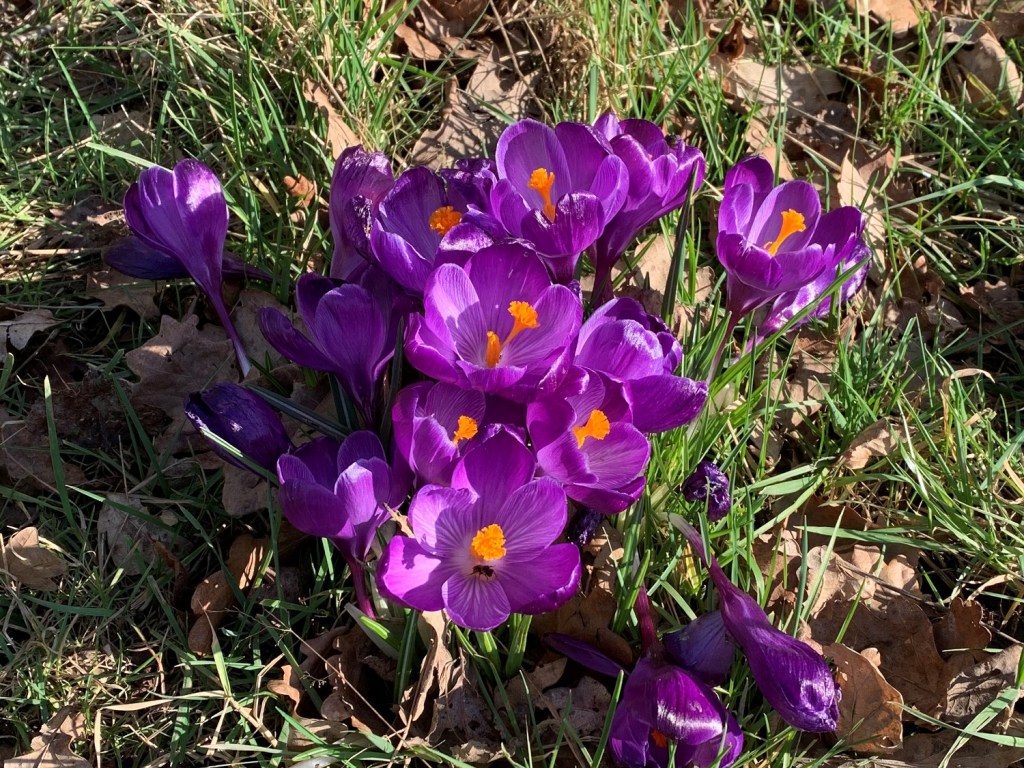
Crocus vernus photographed in the park by Clive Knight. Crocuses are not native to Britain; they were brought here from central and southern Europe, North Africa, the Middle East and China, in the 15th century.

Planning application 20/00379/OUT
by Graham Hill
Things are still rumbling on for all three of the H2 sites between Trowbridge and Southwick.
Continue reading “Make your voice heard”
Of the 18 species of bats native to Britain, 13 have been identified in Southwick Country Park, in Southwick Court, and in the green fields between Trowbridge and Southwick. The thirteen includes the rare and endangered lesser horseshoe bat, a Priority Species in the UK Biodiversity Action Plan, and the internationally protected Bechstein’s bat, one of the rarest mammals in the UK.
Read on to see how proposed development will harm the bats’ habitat
At this time of year, the reserve’s blue tits are looking for nest holes in our old trees. The ash tree at Fiveways harbours a nest every year and the newly fenced oak near at the bottom of the Arboretum seems to have attracted more than one pair already.
Here is a video of a female blue tit building a nest while, outside, the male guards the site from marauders and thieves.
Video from The Nest Box
Header picture by Simon Knight
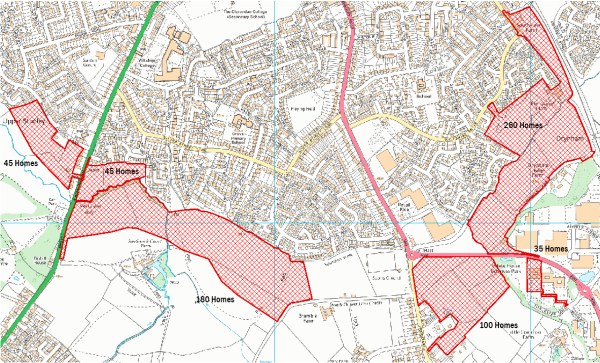
Mail from Simon Tesler, on the full extent of the H2 sites.
Continue reading “H2 development sites”
A full moon in February is known as a Snow Moon; this year’s Snow Moon will occur at the weekend, on February 27th.
Continue reading “Snow moon”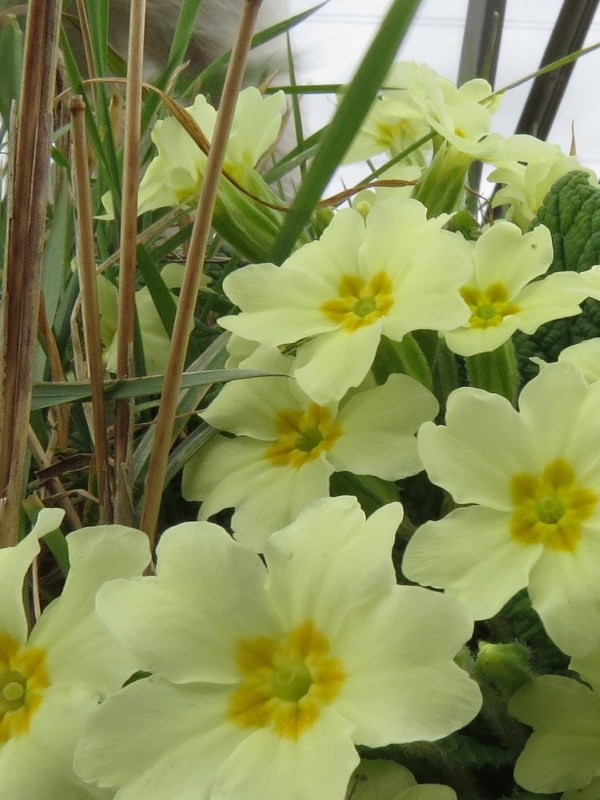
Primroses have an interestingly complicated reproduction system.
Continue reading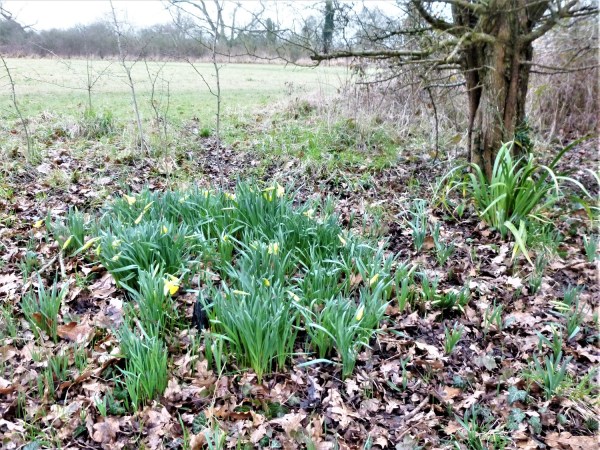
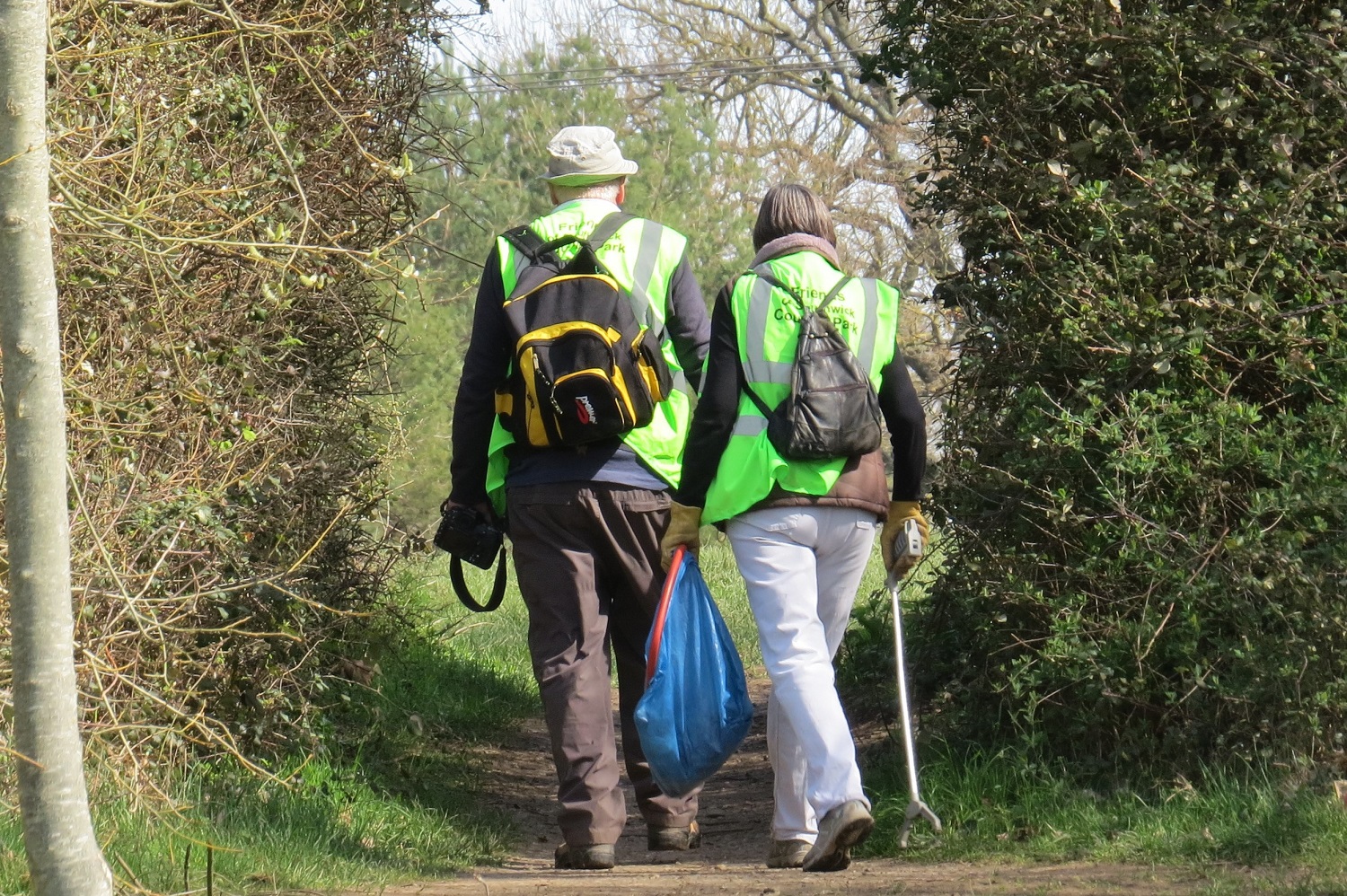
FoSCP members, Ian and Pat, walk in the park with Pat’s dogs early on Sunday mornings. Pat, our champion litter picker, picks up the rubbish other park-goers have left behind, while Ian surveys the fields and woods for first flowerings, new species and the occasional damage, and reports back to HQ. Here is last Sunday’s bag:
“…Bullfinch in the hedge near Stoat Oak, native Daffodils in flower and Stinking Iris leaves at bottom of Kestrel Field near to the pond…”


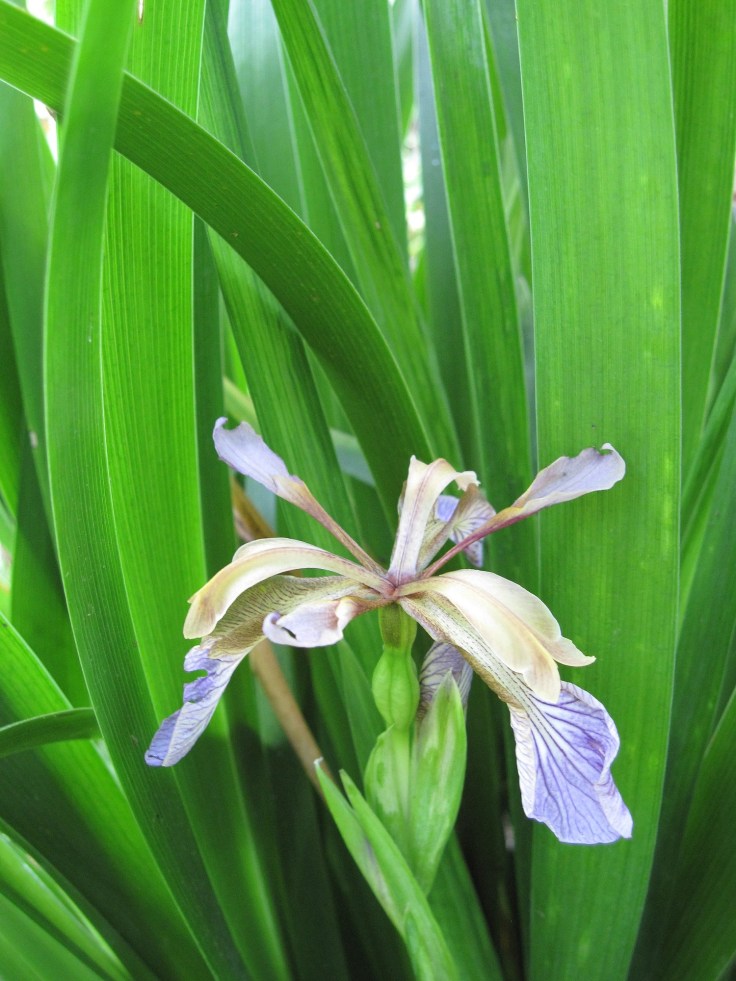

[1[ Bullfinch (Pyrrhula pyrrhula); [2] Native daffodil (Narcissus pseudonarcissus); the flowers [3], seeds [4] and strap-like leaves of Stinking Iris (Iris foetidissima)


 Southwick Country Park Nature Reserve