Part Two
This is a water flea (Daphnia magna), not even a distant cousin to the fleas on your dog, but very close to the bottom of the freshwater food chain that is being disrupted by your dog’s flea treatment.
Continue reading “Flea circus part 2”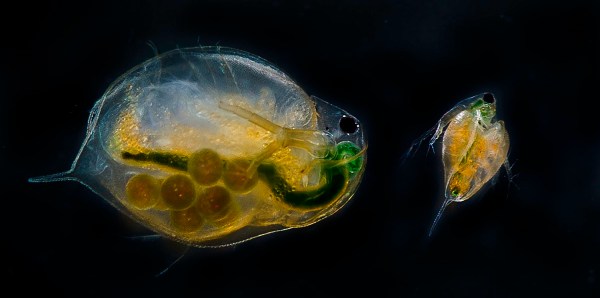
This is a water flea (Daphnia magna), not even a distant cousin to the fleas on your dog, but very close to the bottom of the freshwater food chain that is being disrupted by your dog’s flea treatment.
Continue reading “Flea circus part 2”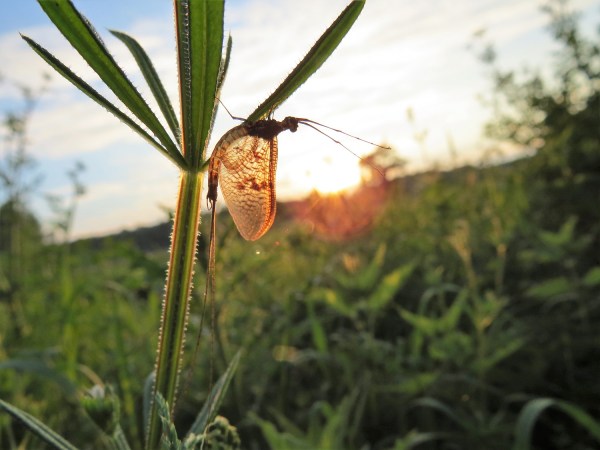
Research has recently found that the highly toxic insecticides used on cats and dogs to kill fleas are poisoning England’s rivers. Scientists believe that significant environmental damage is being done to important water insect populations, down at the bottom of the freshwater food chain.
Continue reading “Flea circus”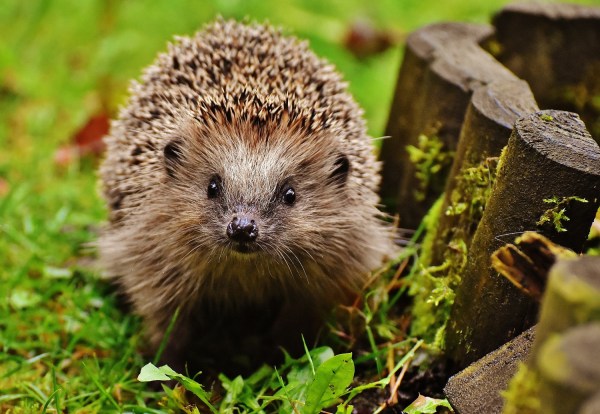
The name hedgehog came into use during the fifteenth century.
Continue reading “Naming hedgehogs”
Sulphur tuft (Hypholoma fasciculare) growing on dead wood in the copse between Sleepers and Sheep Field.
Continue reading
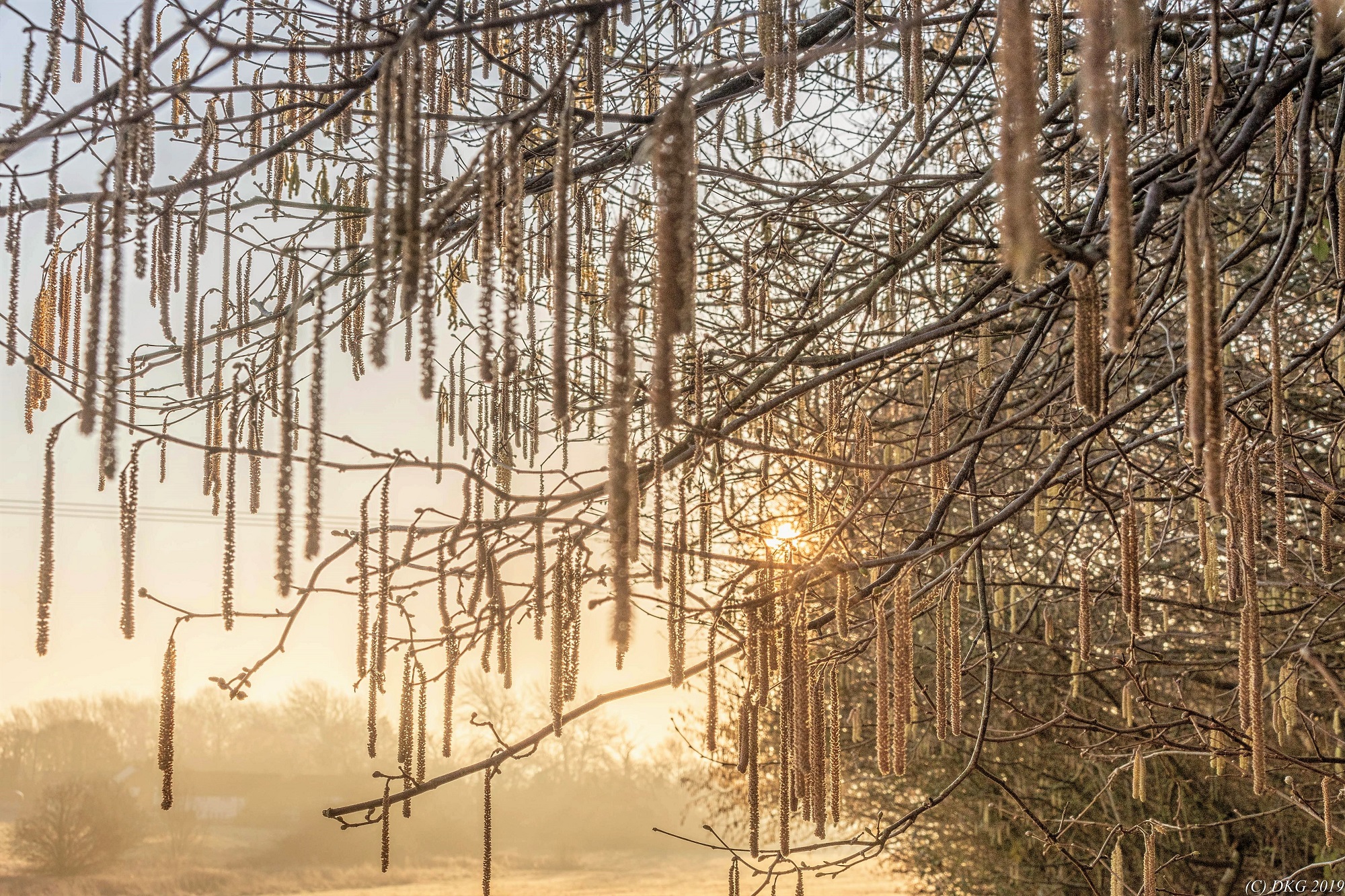
We are saddened to announce the loss of DKG, our gifted in-house photographer; David Keith Galliers died peacefully at home after a short illness.
We will miss his dry sense of humour, his kindness and his hard-working enthusiasm for the park, which he recorded for us in all its seasons and moods. His obsession with early morning light has left us some truly unforgettable images.
Our heartfelt condolences go to his family.

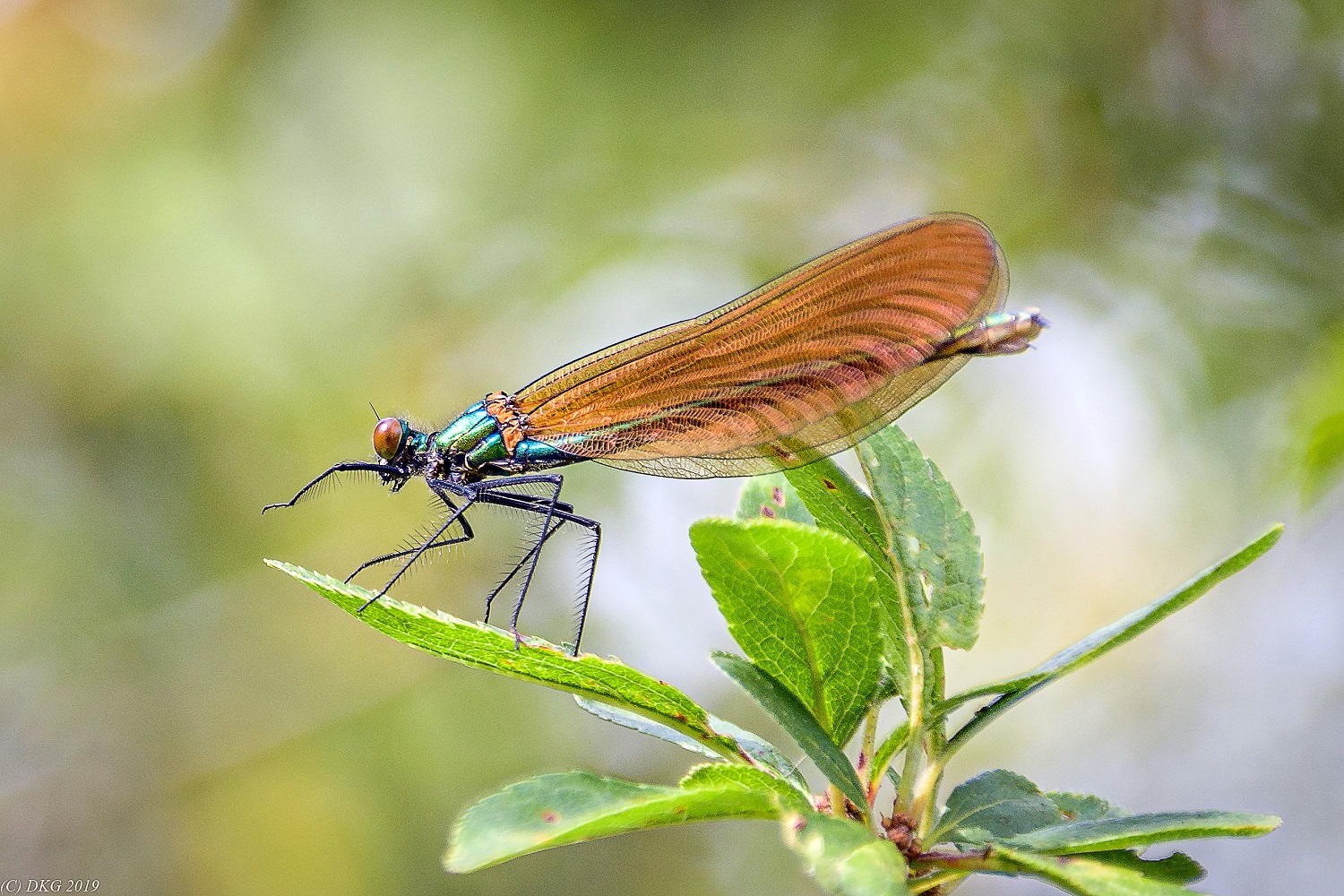
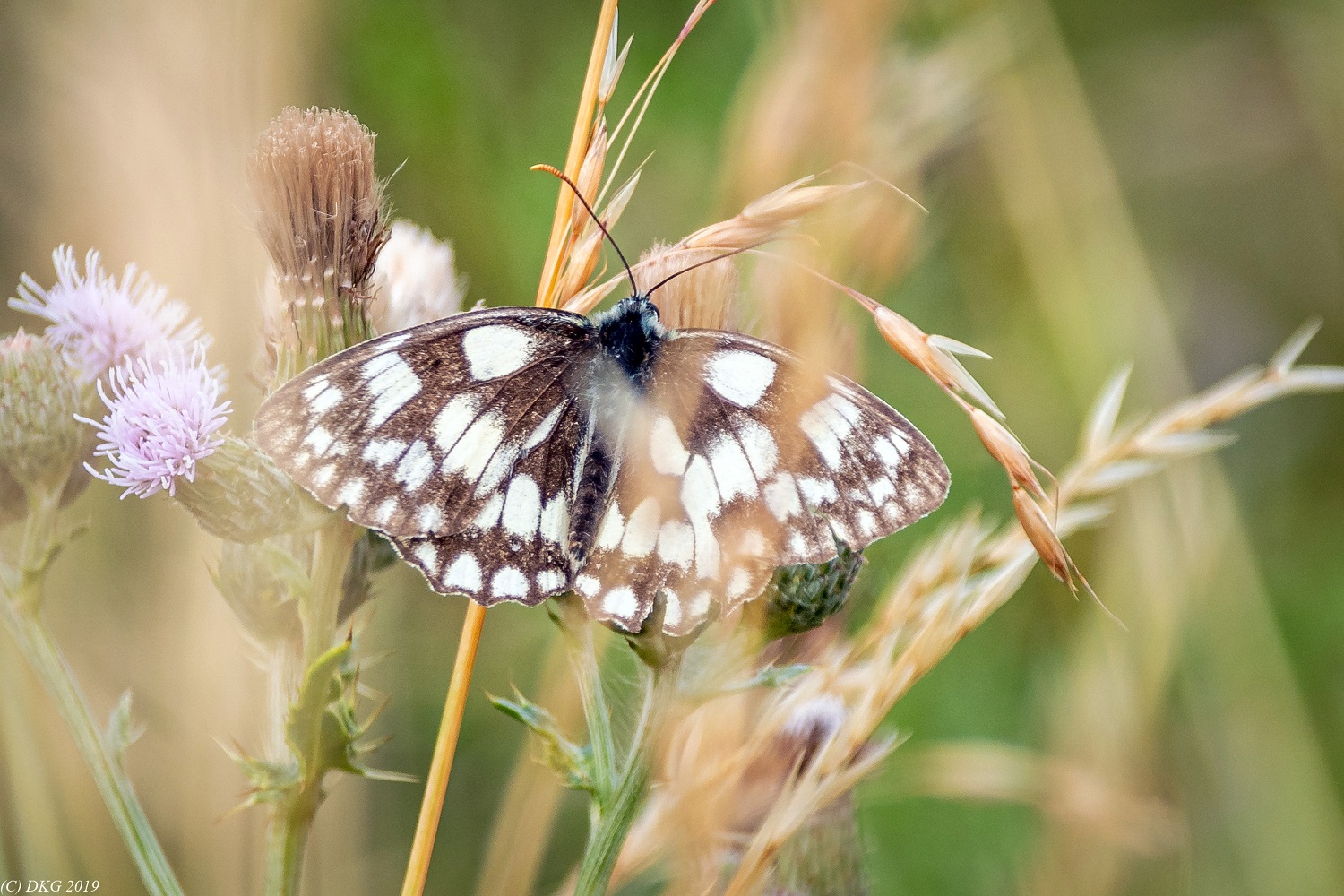
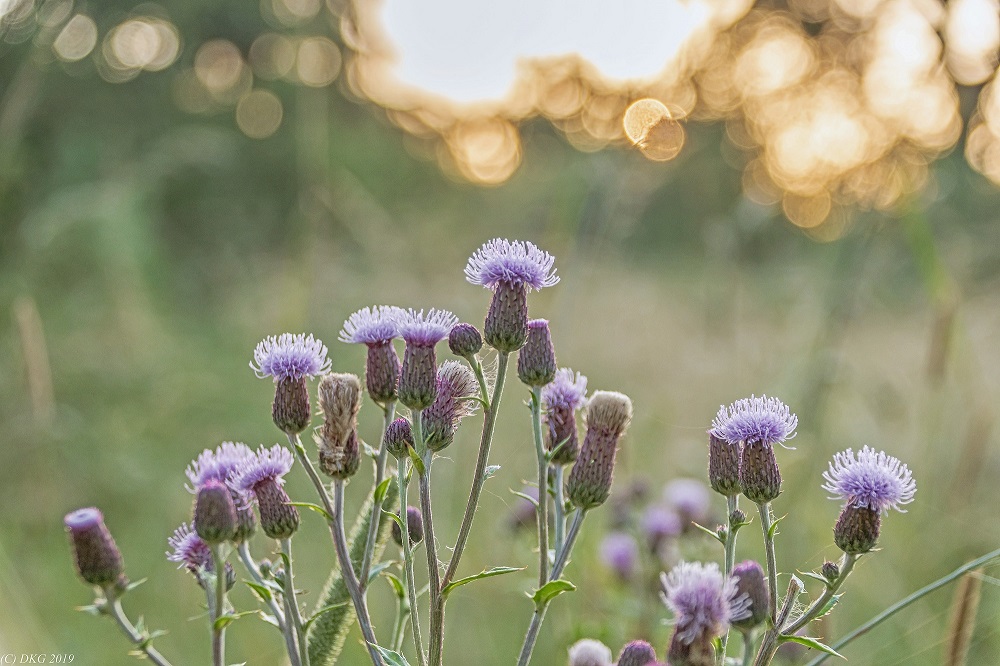


by Simon Knight
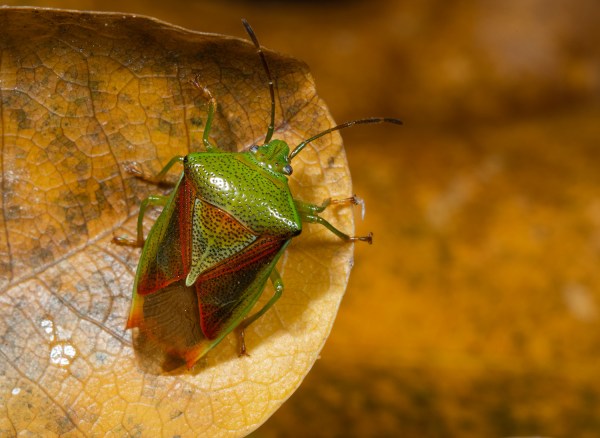
I was surprised to see these two critters, given that insect life in the park has gone quiet now compared to the summer.
Continue reading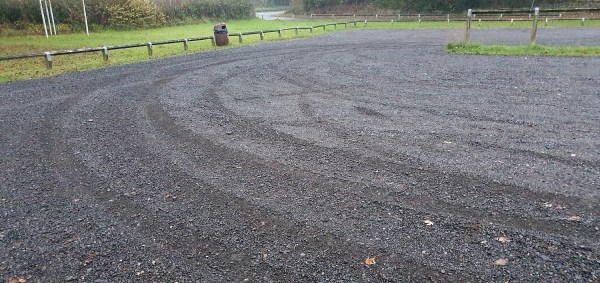
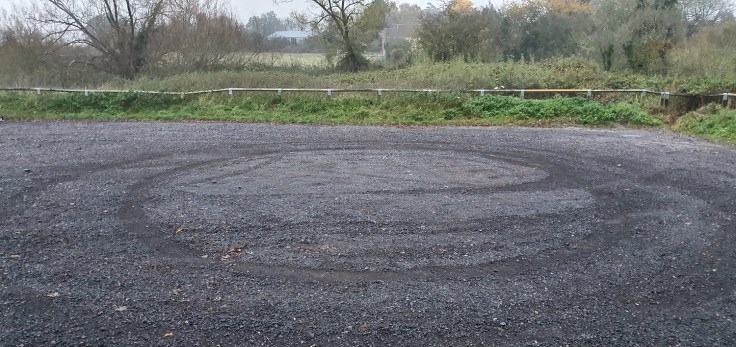
These are photographs taken last weekend, early on Sunday morning. Whoever it is who is churning up our car park does it on Saturday night; if you know him or her please ask them to stop. Please tell them that our poor car park’s surface is not tarmac, it is rolled planings, and will not last long under such treatment.
Thank you.

American mink have been in the news as a disease vector for COVID-19. Millions of animals on hundreds of Danish fur farms are to be destroyed.
Continue reading “Mink”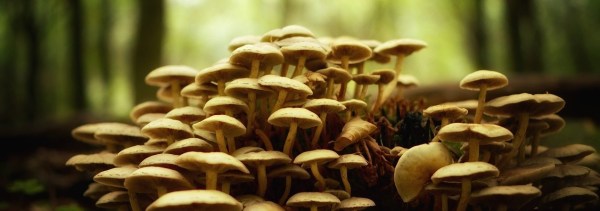
Our trees have internet!

The park’s oak trees have produced more acorns this year than any of us can ever remember. These periodic bumper harvests are called mast years.
Continue reading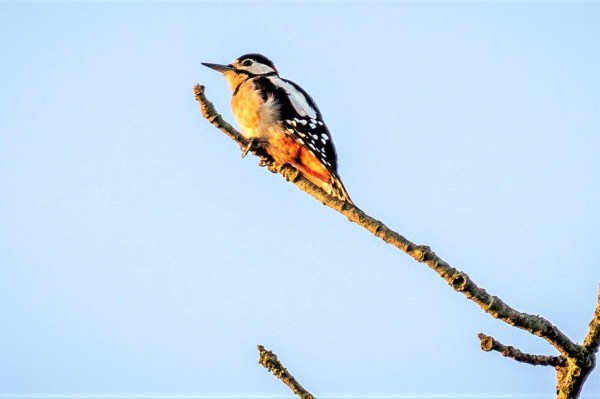
We have both greater and lesser spotted woodpeckers on our species lists but it is many years since the single sighting of a lesser spotted woodpecker in the park. Here is a video from the BTO to help you tell the difference between the two.

There is a Chinese wingnut tree (Pterocarya stenoptera) in the Arboretum.
Continue reading “Wingnut”
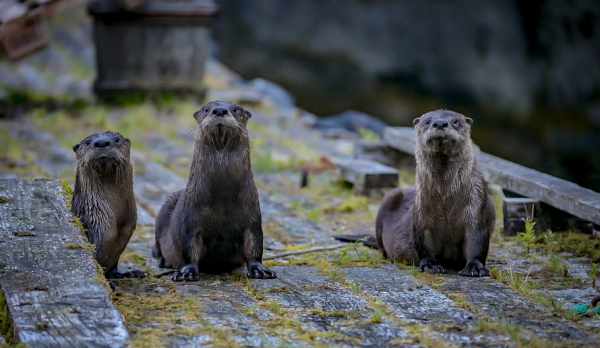
Simon Tesler’s video of an otter hunting in the moat at Southwick Court is powerful evidence not only of Lambrok Stream’s biodiversity, but its importance as a wildlife corridor that runs from the River Biss right up through and beyond Southwick village.
Continue reading
We have been sent video of an otter hunting in Southwick Court moat yesterday.
Continue reading “Otter in Lambrok Stream”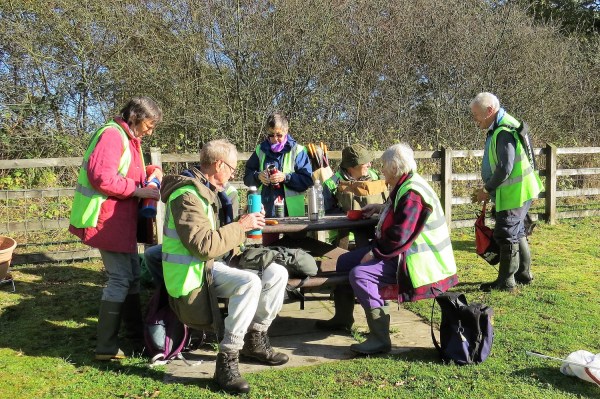
Yesterday was FoSCP’s last work party in the park until after this period of lockdown ends. If all goes well, we will next meet on Wednesday, 9th December.
Park users, if you see that there is something to be fixed or damage to be mended, please contact us and we will do our best.
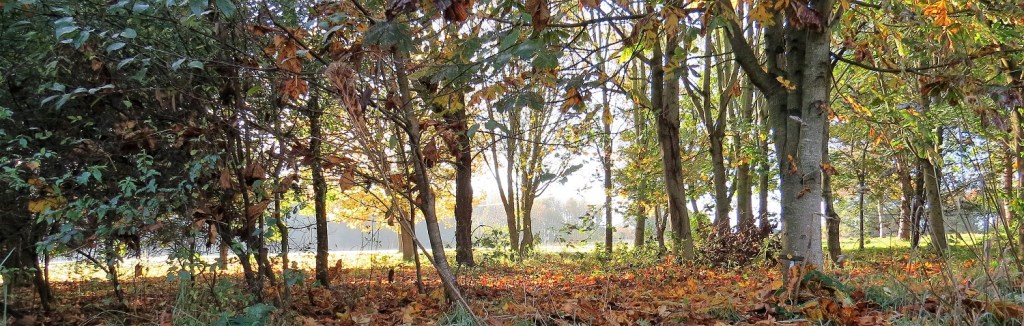

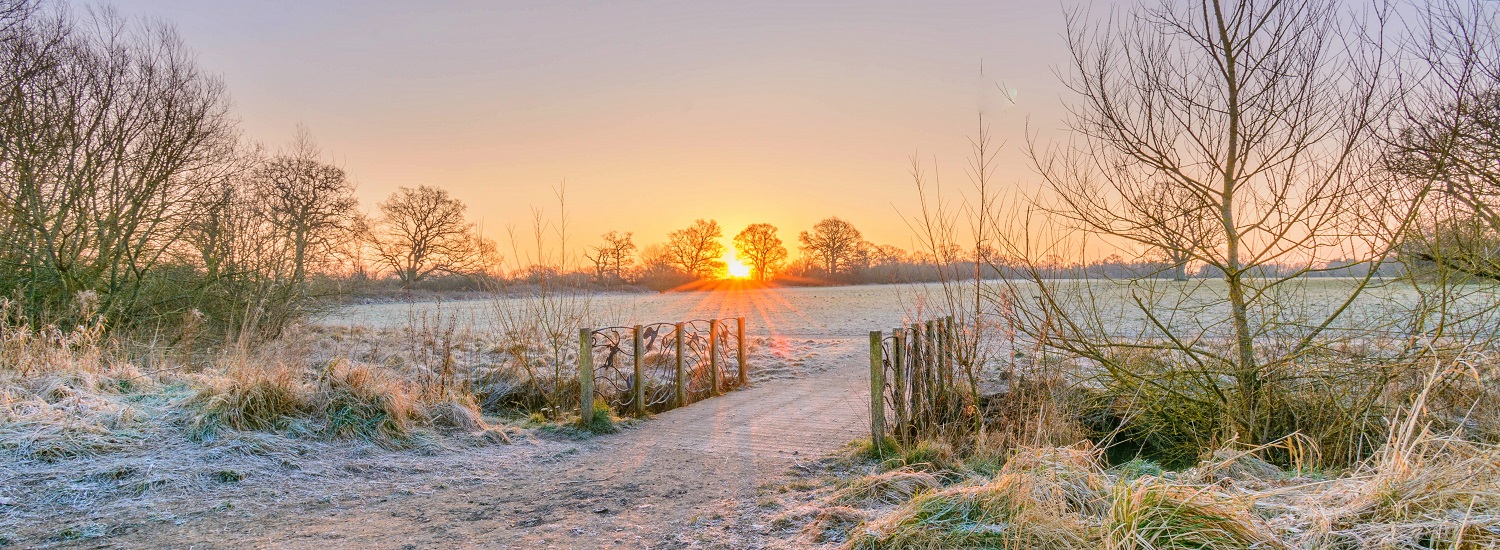
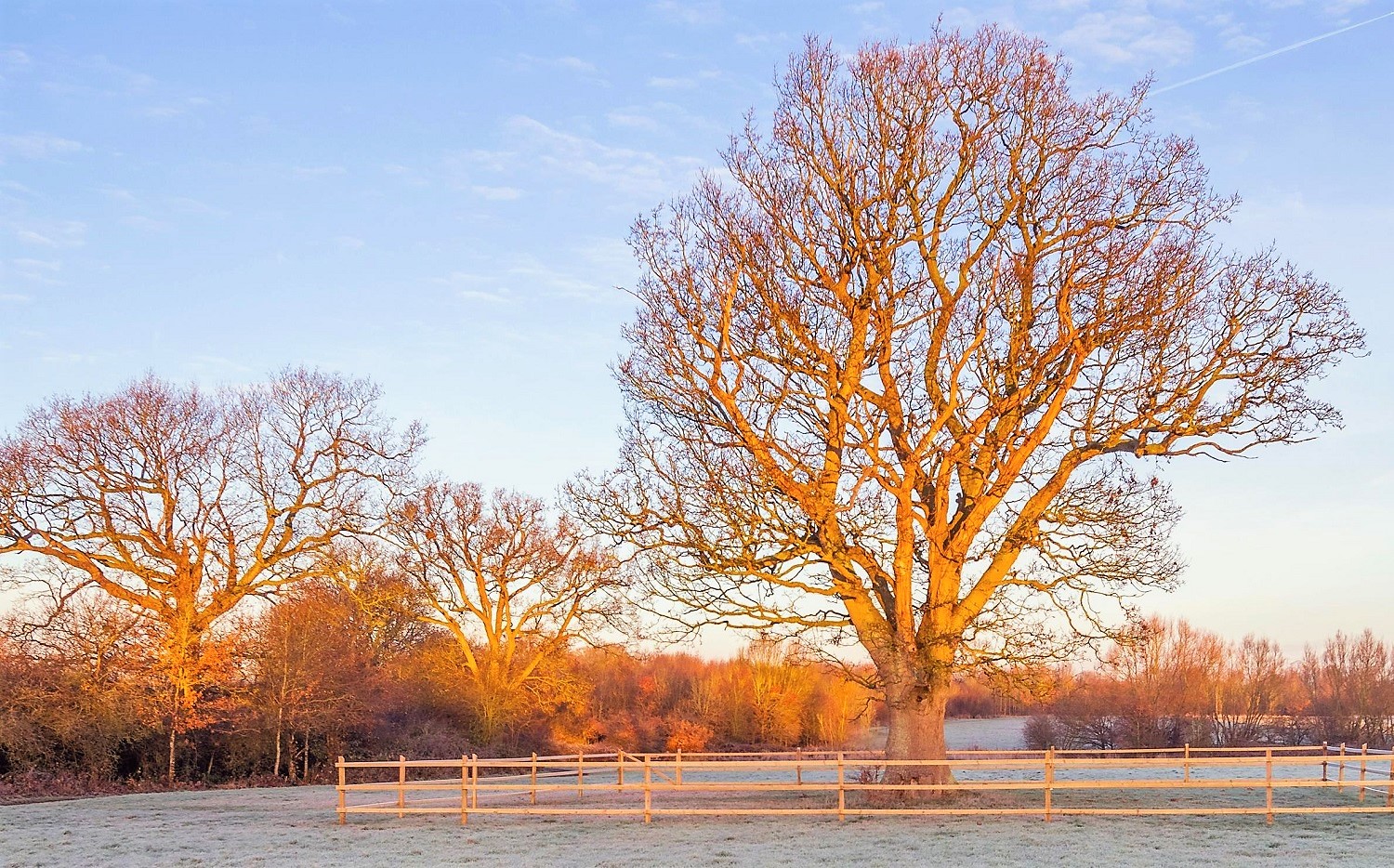
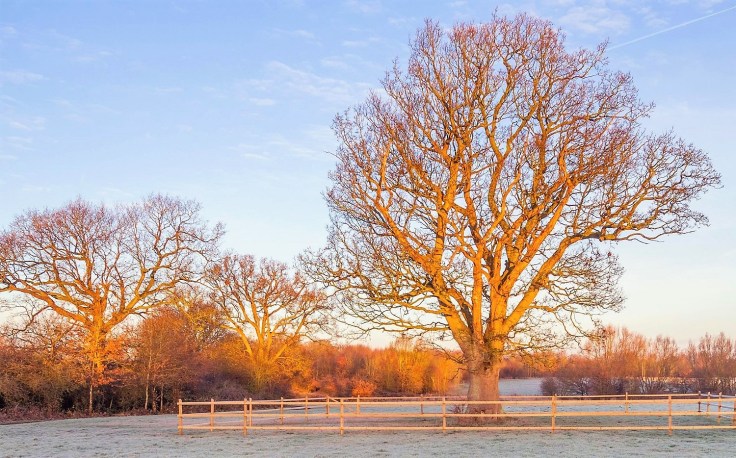
Some of DKG’s gorgeous pictures of frosty mornings in the park.
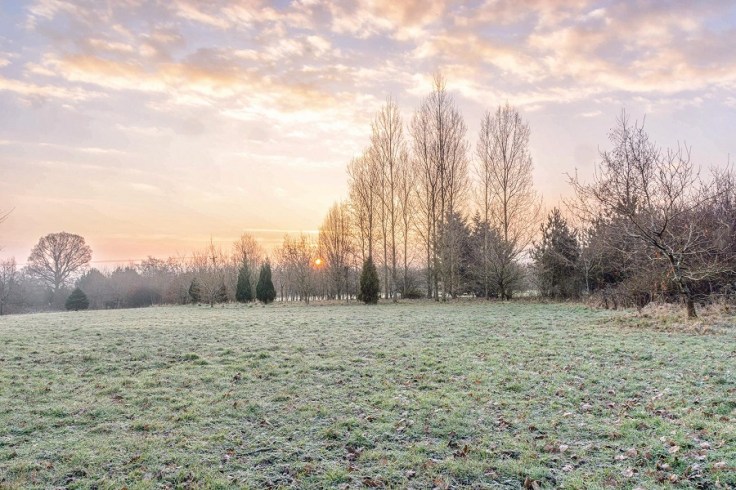


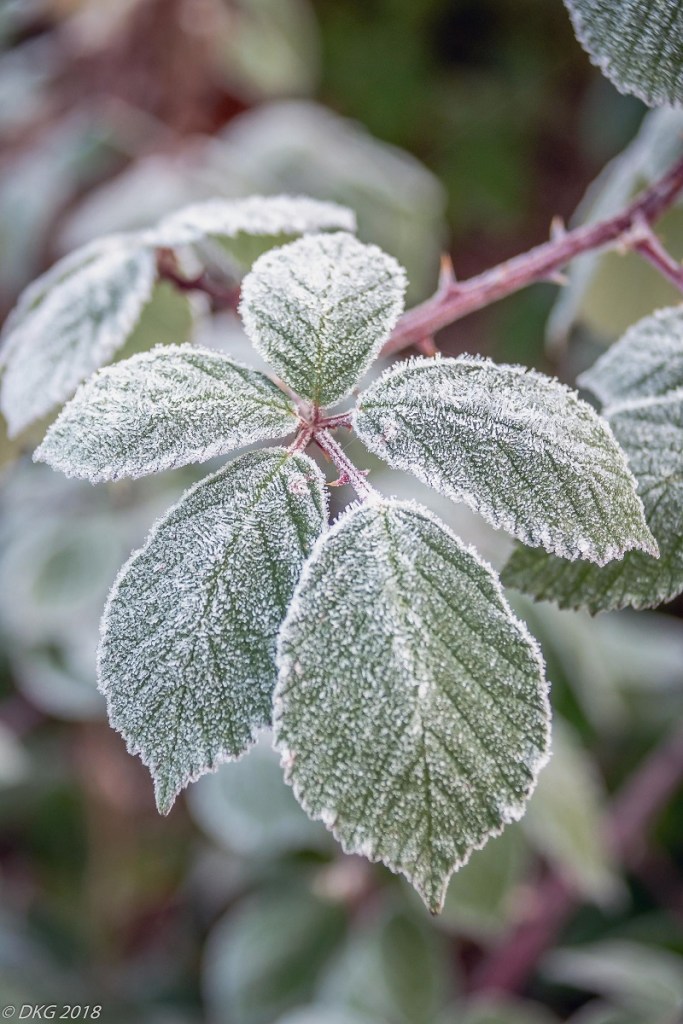


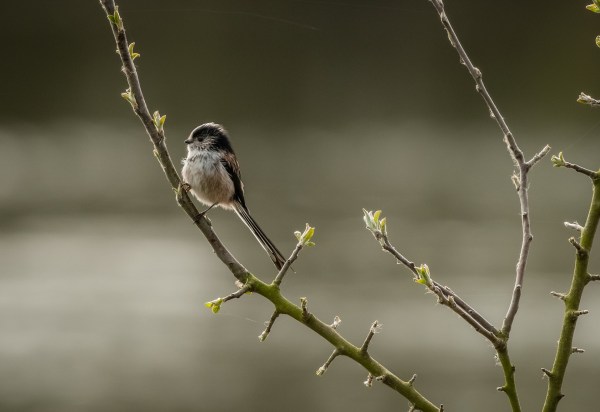
….here are long tail tits preparing for a cold February night.
Continue reading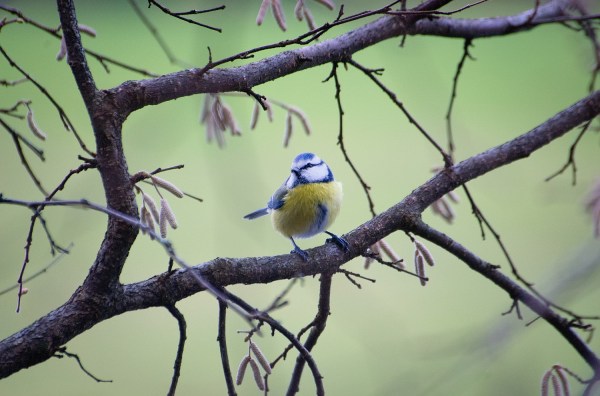
The increasing use of nest box cameras has shown how frequently garden nest boxes are used by blue tits for winter roosting.
Continue reading “Winter roosts”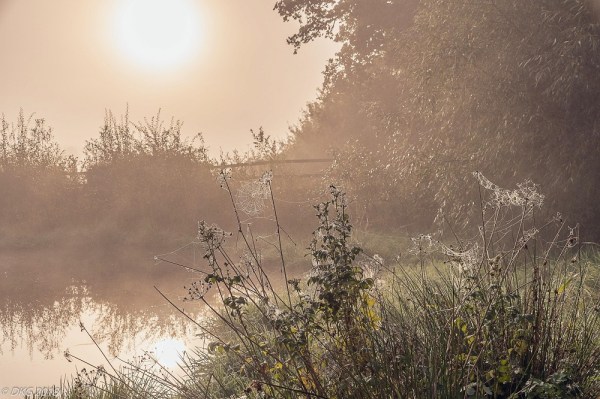
All non-essential services closed, reduced travel, households no longer able to meet indoors or in their gardens: this is the new lockdown.
Updated 10.45am
Continue reading
A message with beautiful pictures from photographer Simon Knight:
Continue reading “Amethyst deceiver”
We are half way through National Mammal Week! Who knew?
Continue reading
This is fly agaric (Amanita muscaria) found, rather unusually, under a willow tree in the park; birch and pine are its preferred partners.
Read on: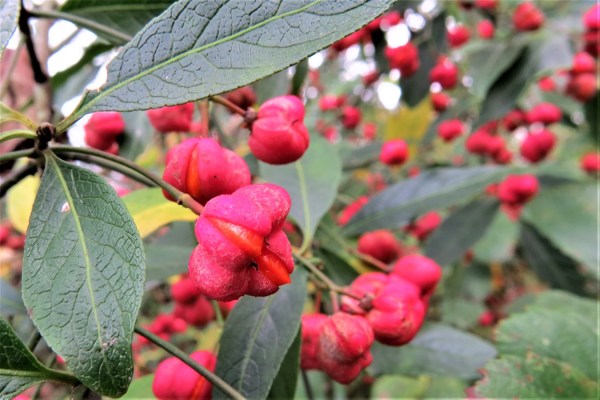
This year the park’s spindle trees have produced a bumper crop of poisonous, bright pink berries.


Keep a look out for hibernating amphibians as you tidy up your garden ready for winter. Frogs, toads and newts will find sheltered places to hibernate in hedge bottoms, compost heaps, under stones and in log piles and are best not disturbed. Take particular care if you are planning to clear out a pond: frogs and newts will sometimes overwinter in the mud at the bottom.
Continue reading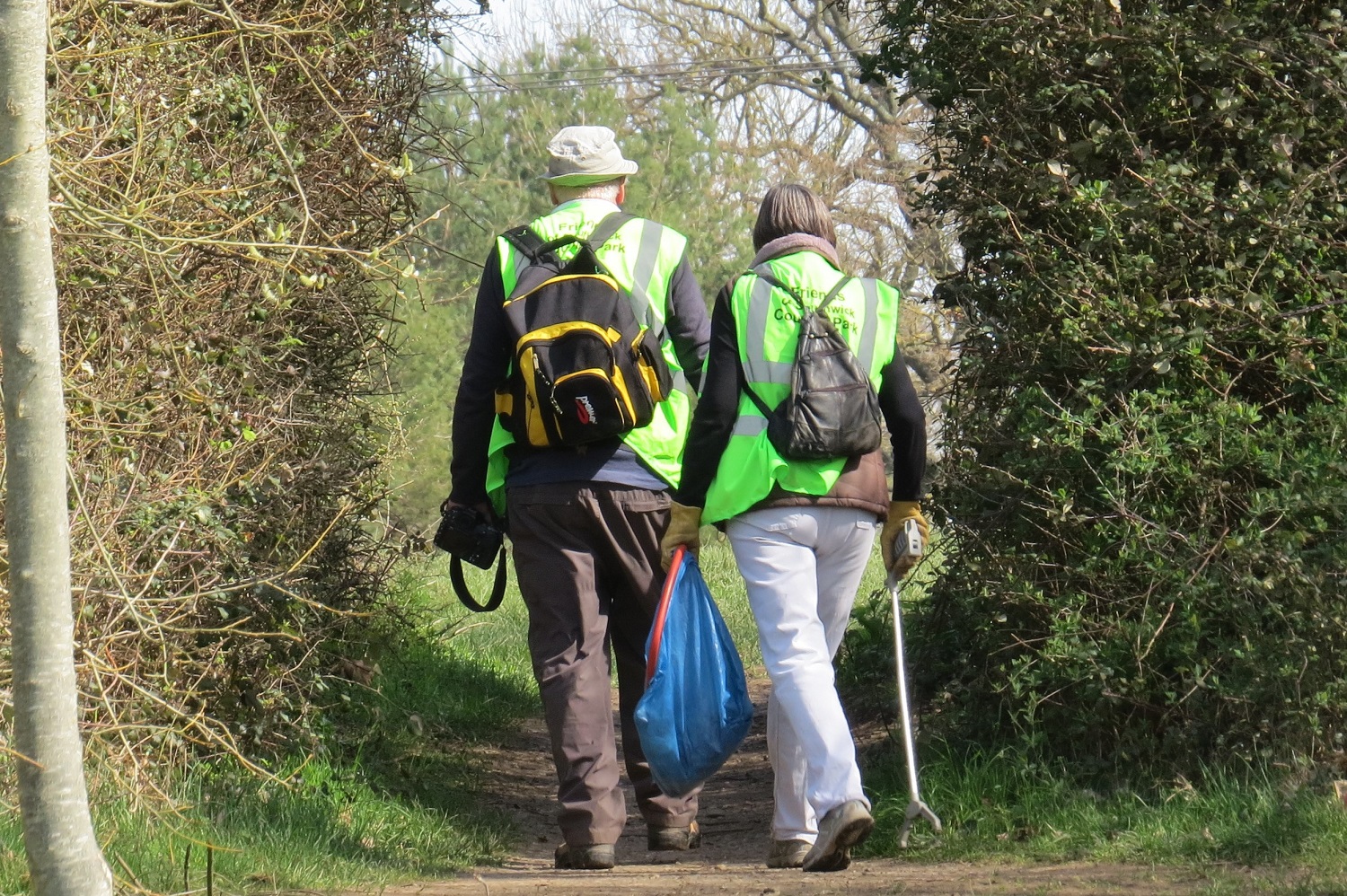


 Southwick Country Park Nature Reserve