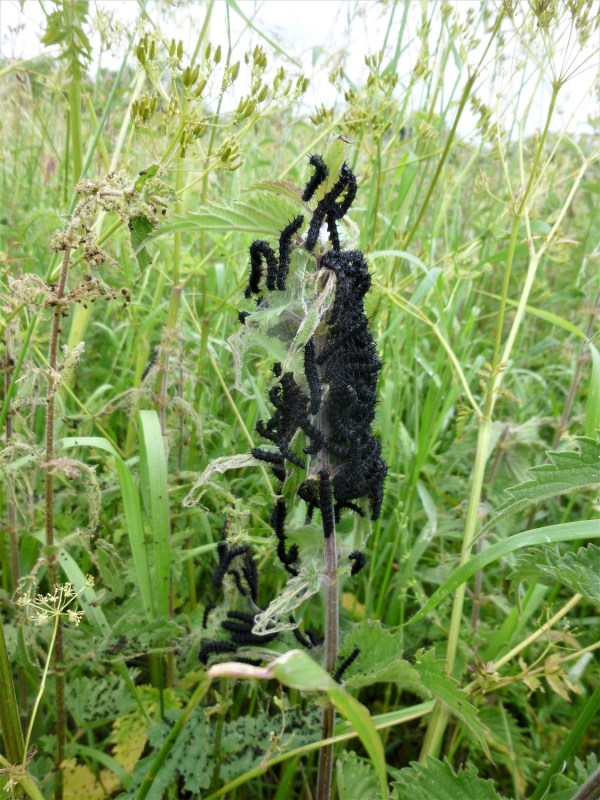
A peacock butterfly female lays about 500 eggs under the top leaves of a healthy nettle plant. The eggs hatch out into caterpillars after about two weeks and the caterpillars immediately spin a protective web called a nest around the top of the plant.
Continue reading “Two peacock nests”Buff tailed bumblebees
There are an exceptional number of buff-tailed bumblebees in the park this year; a walk around the hedges of Sleeper Field on a sunny morning revealed dozens working in the blackberry blossoms and the hogweed. There is obviously at least one large and thriving nest somewhere in the southern part of the park.
Continue reading “Buff tailed bumblebees”Burning of school books at Southwick Park
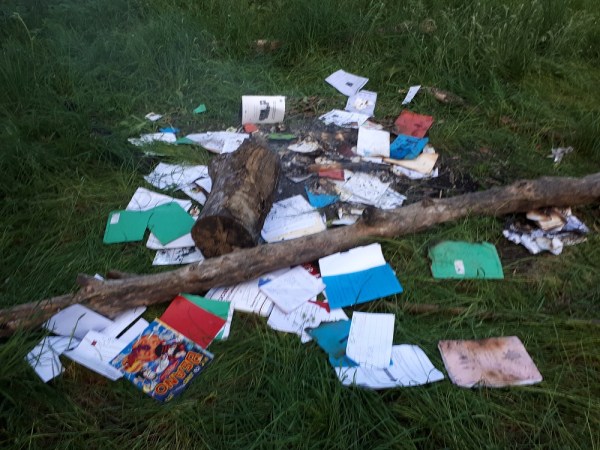
Email from a park user on Monday:
Read on to find out more:The path through the new clearing is finished.
Continue readingWHSAP latest news
Wiltshire Council has received the Inspector’s post hearing findings and advice from Stephen Lee and published it on the WHSAP DPD Examination page on their website.
Continue reading “WHSAP latest news”Haymaking time
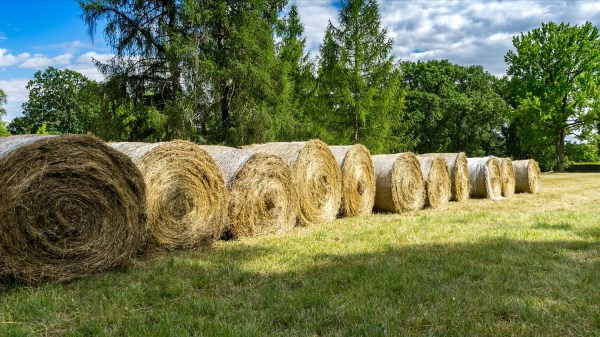
Before the end of June, the park’s tenant farmer will be cutting the grass for hay and for silage. The work will extend over several days but which days and for how long will depend on the weather. When the work is due to begin, Wiltshire Council will put up notices at all the gates to warn park users, and on the website we will try to keep you posted.
Please be careful when there is farm machinery in the fields, particularly if you have children with you, and please, please will dog walkers take extra care. Our farmer knows how the park is used and will keep his eye open for children and exuberant dogs but most of the work will be done by contractors who may not be expecting either.
Stay safe.
FoSCP
A buff tailed bumble bee collecting nectar from hogweed at Puddle Corner while, in the background, the Friends of the Park clear a fallen willow from the path.

This is Stachys sylvatica, commonly known as hedge nettle, hedge stachys or hedge woundwort. It is growing at the far end of Lambrok Meadow.
Continue readingNettle bed safari
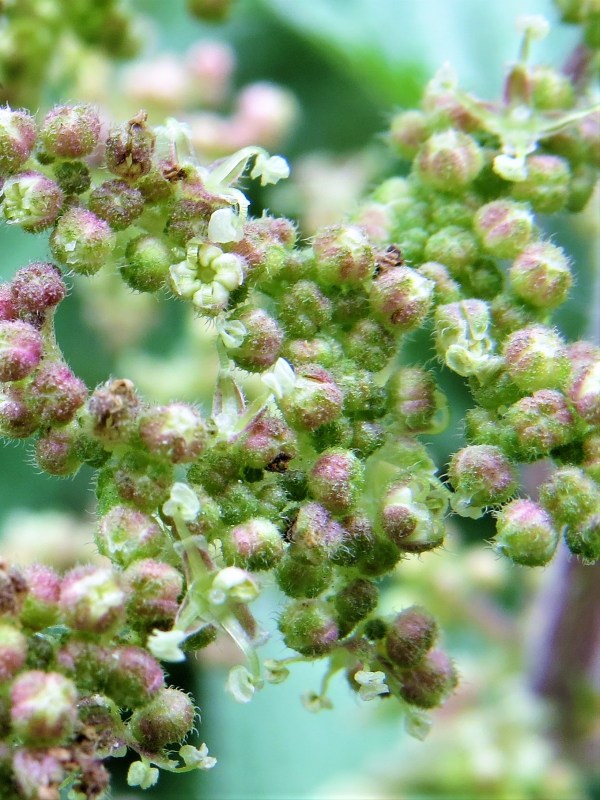
If you look closely enough, you can see that the nettles are beginning to flower. If you look even closer you will find a whole miniature ecosystem living in the nettle bed: sap suckers, nectar feeders, predators and terrifying creatures that hunt the predators.
Read onMeadow brown
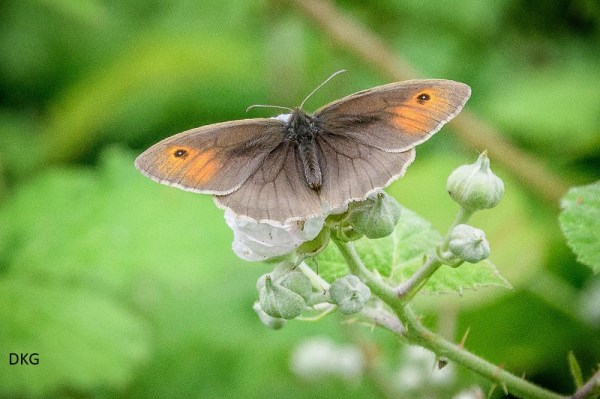
Lots of meadow browns yesterday morning among the long grass. Added to our 2019 butterfly list, they are the eleventh species of butterfly seen in the park this year.
Continue reading “Meadow brown”Trimming footpaths
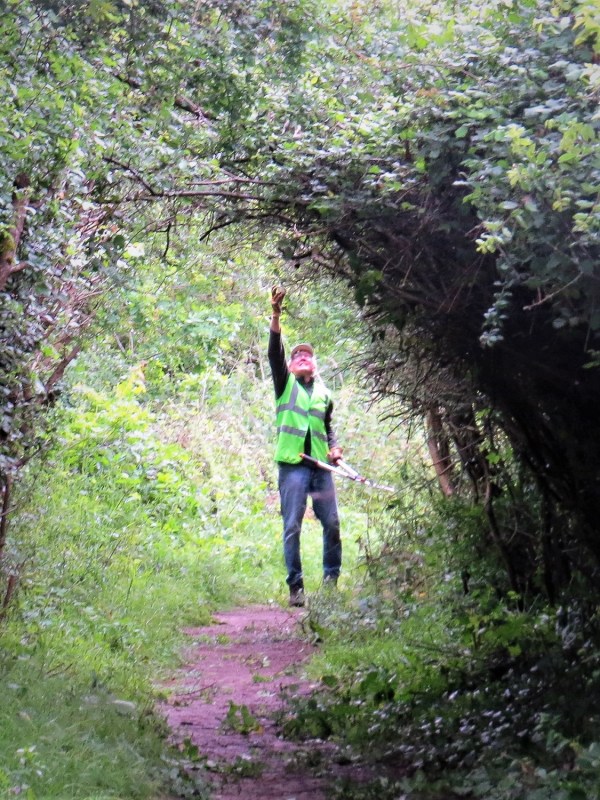
Some members of FoSCP put in a morning’s work party and then some.
Read on for the detailsAnother new species
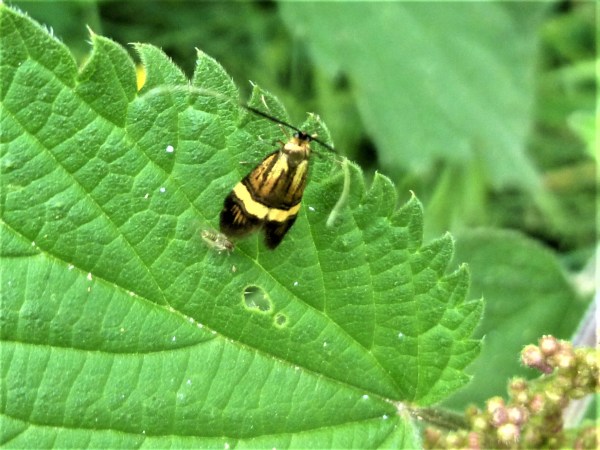
A yellow-barred longhorn moth (Nemophora degeerella) found and photographed in the nettles near the park’s main entrance by Ian Bushell. It is a new addition to our species lists.
Continue reading “Another new species”Walking for Health
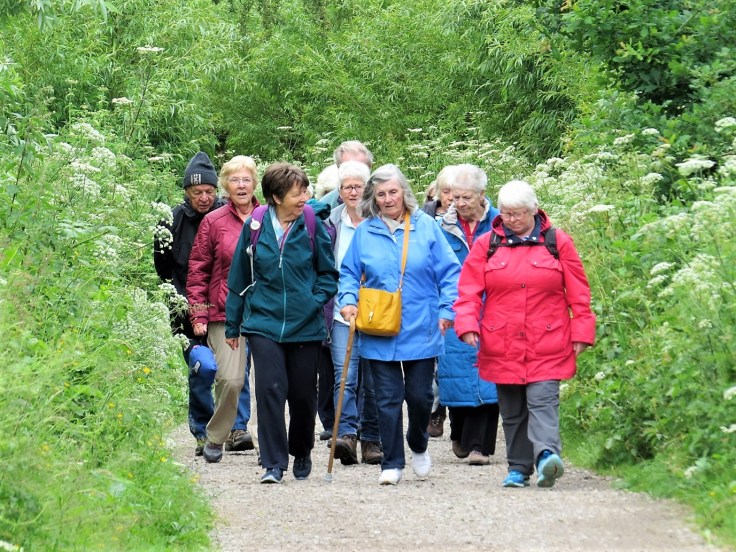
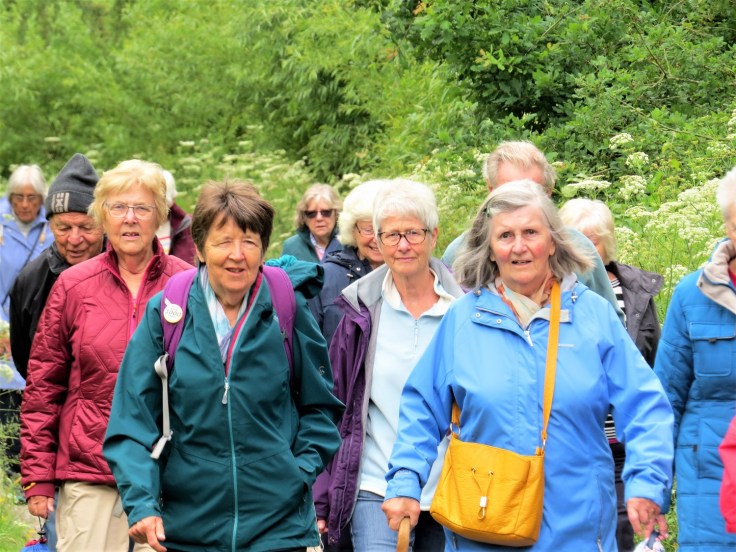
A Walking for Health group from Frome sweeps purposefully past our Wednesday work party; they are on their annual outing and probably heading to Hope Nature Centre for their lunch.
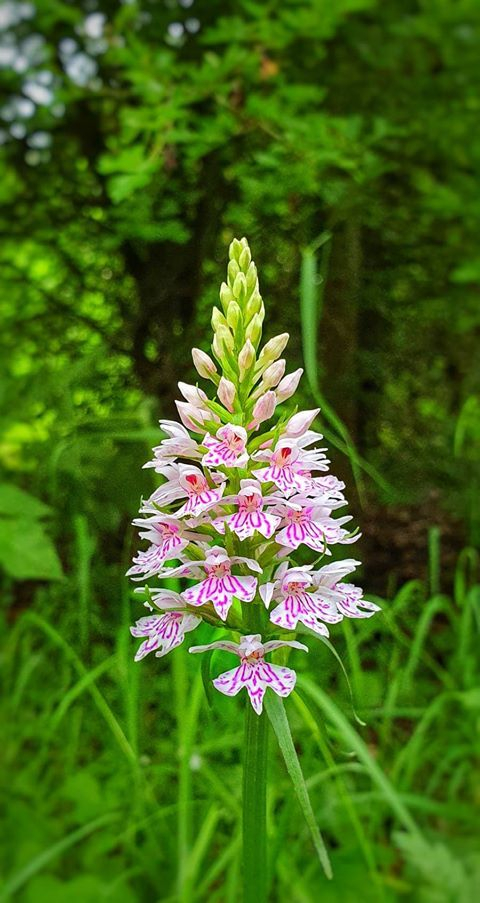
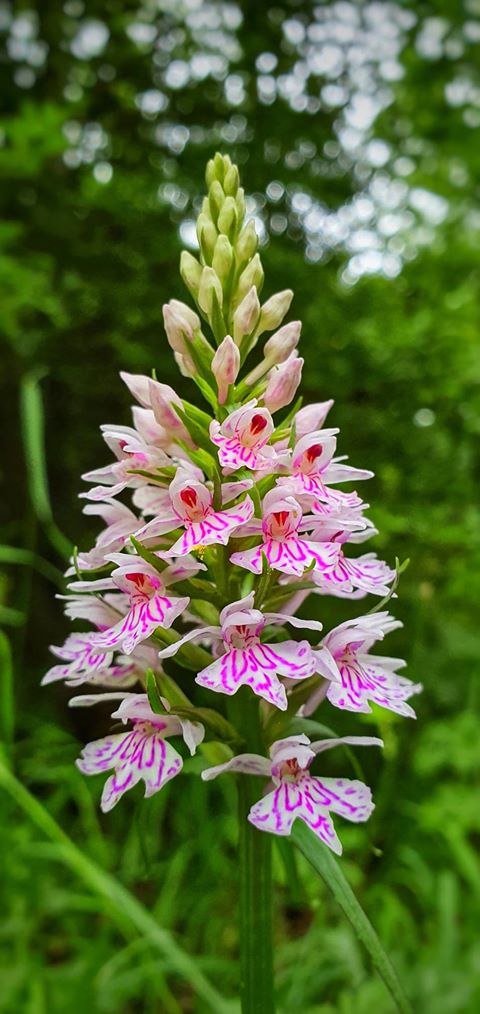
Chris Seymour’s pictures of the park’s common spotted orchids.
Painted lady
A painted lady (Vanessa cardui) spotted this morning at the far end of Lambrok Meadow and added to our 2019 butterfly list.
UPDATE 13.06.2019: THIS IS A NEW SPECIES IN THE PARK.
Continue reading “Painted lady”Counting hedgehogs
Counting hedgehogs is not easy and the best information we have about hedgehog populations is always an estimate.
Continue reading “Counting hedgehogs”Why is blue so rare in nature?
Click here for a video that explores this topicApologies
We have a phone for text and voicemail but posted the wrong number to our contacts page. We apologise, not just for the original error but also for the many weeks it has taken us to notice.
The correct number is 07744 708798
FoSCP
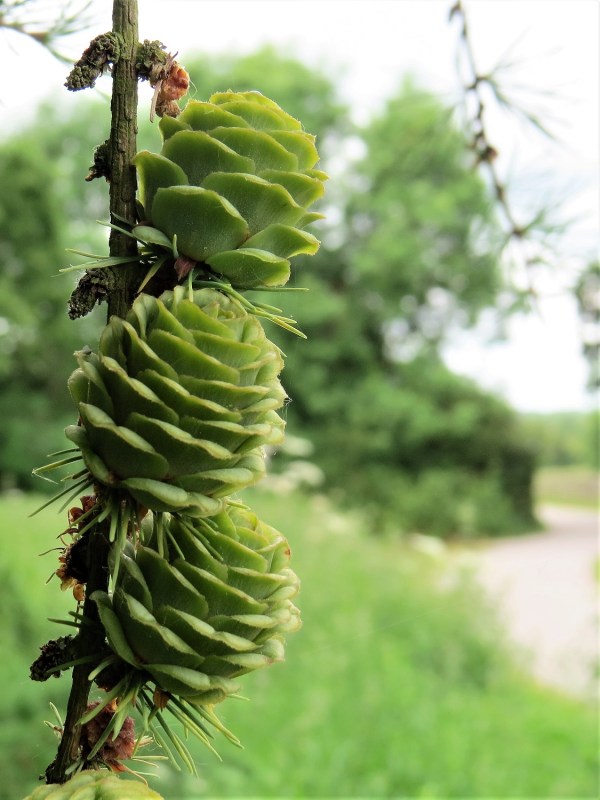
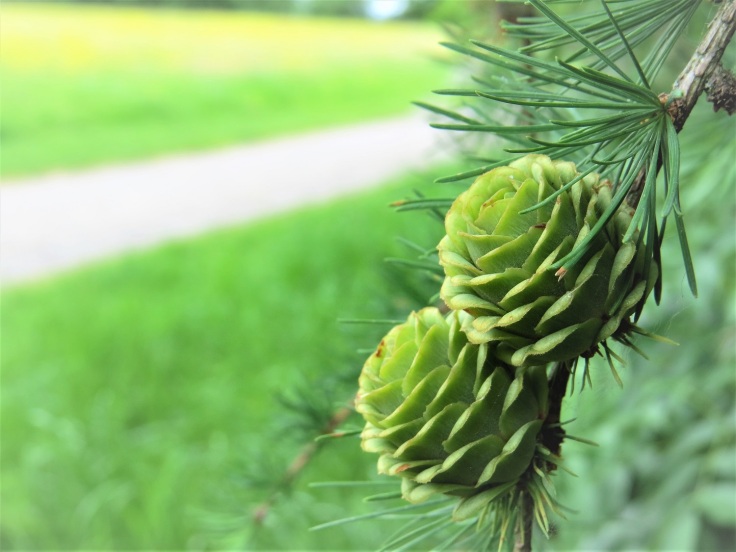
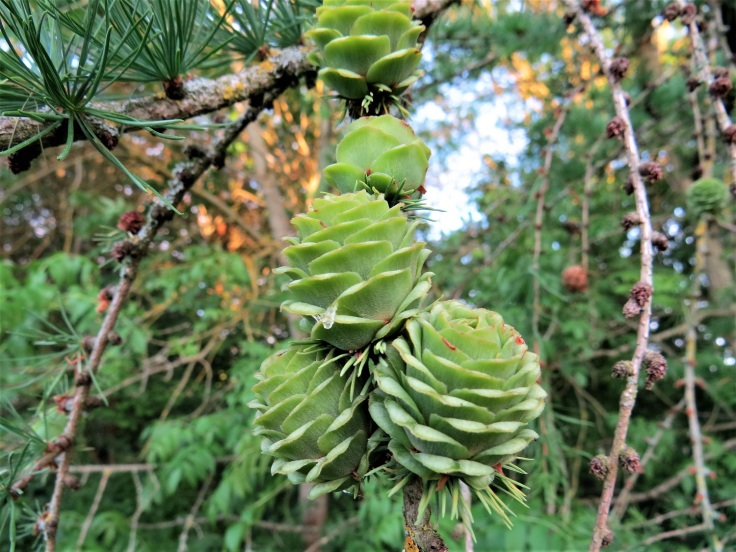
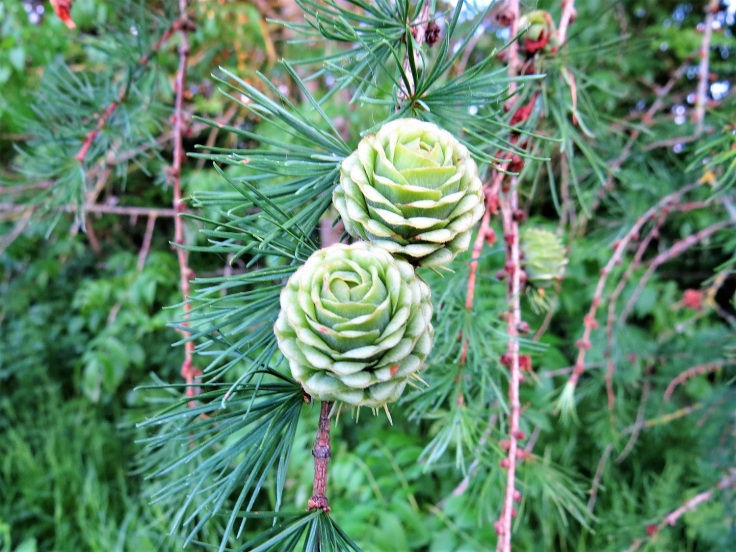
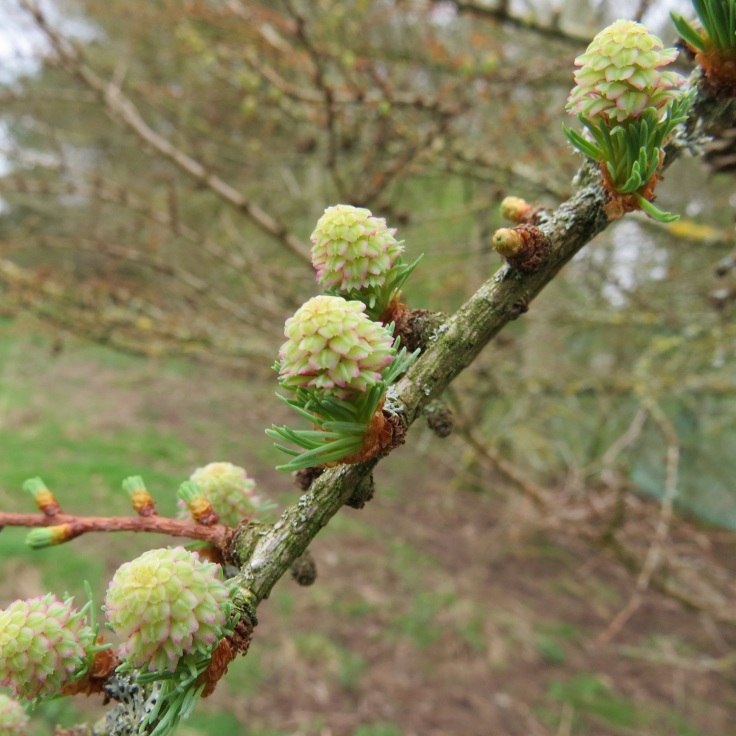
Elena Aschiopoaiei has emailed her pictures of rain-soaked larch cones in the park.
Continue readingPhotographs
Park users often send us their photographs of the park: larch cones in the rain, their children or grandchildren playing in the woods, butterflies on the point of escaping from the picture, first flowerings, blurred birds and fabulous views of the sunset. We would love to be able to publish more of them
Continue reading “Photographs”Large skipper
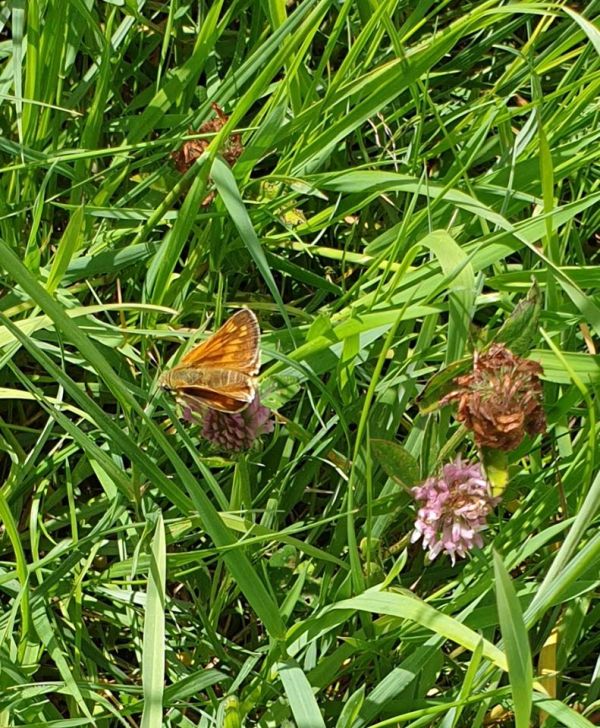
On Thursday, Lisa Burge sent us this picture and a message via Facebook:
” What type of butterfly is this please? Seen in Southwick Country Park.”
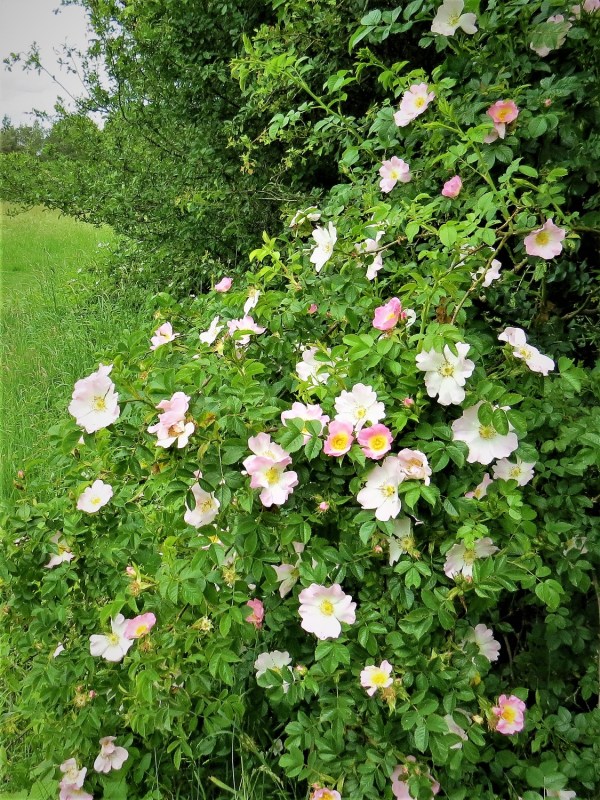
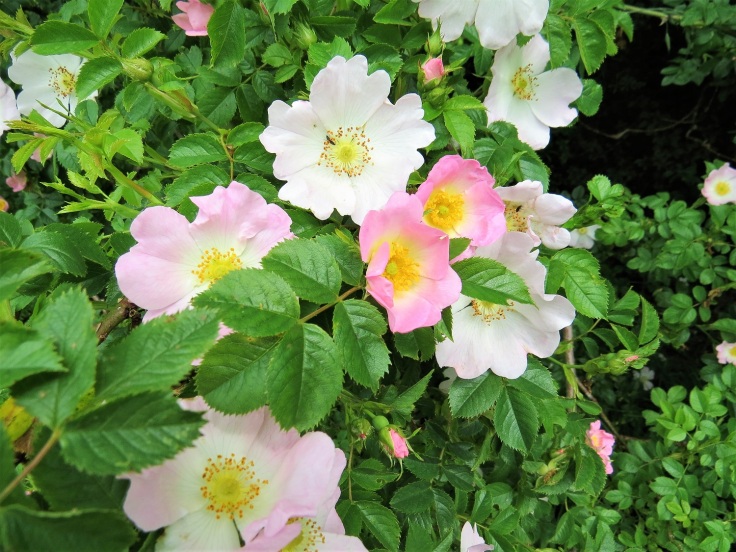
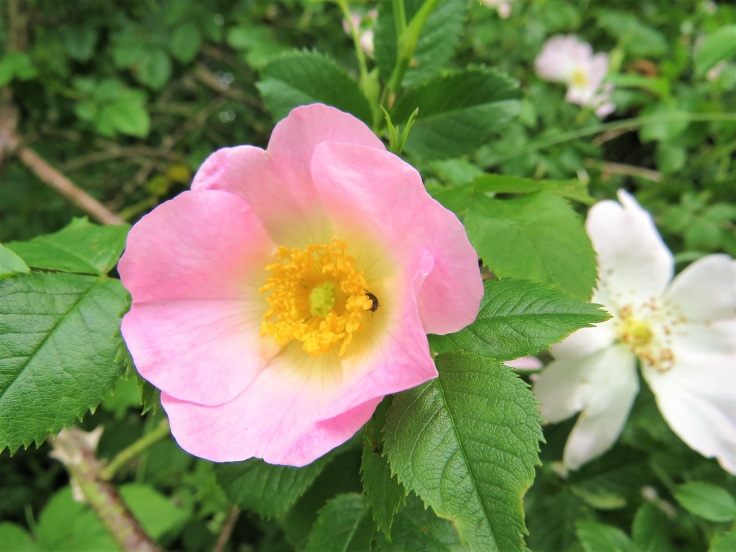
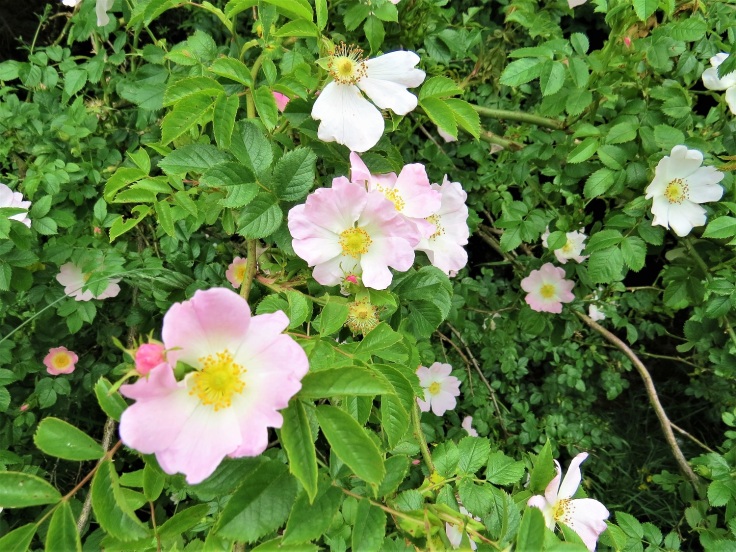
Continue reading “Large skipper”Dog roses (Rosa canina) are in flower in the park’s hedges. We are promised good weekend weather so come and see.
Queen wasp
A queen wasp (Vespula vulgaris) in the hedge in Sleepers Field.
Continue reading “Queen wasp”