Squirrels are true omnivores, they eat anything. This one is browsing either on the male flowers of an oak tree or on the new leaf buds. To eat either, the squirrel bites off the whole tuft of new leaves and all the flowers, and when it has eaten the tastiest pieces it throws the rest on the ground.
Continue reading “Squirrel in the oak flowers”Park Watch
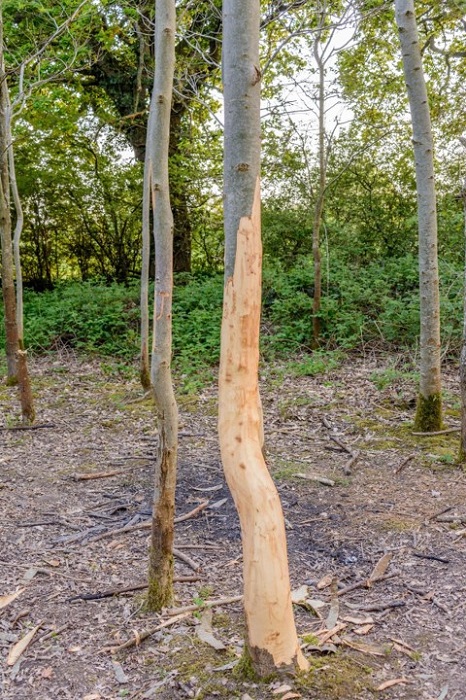
The vandalism in the park began earlier this year than last but at least it began with the destruction of infrastructure rather than with the killing of trees, as it did last year.

destruction of infrastructure 
the killing of trees
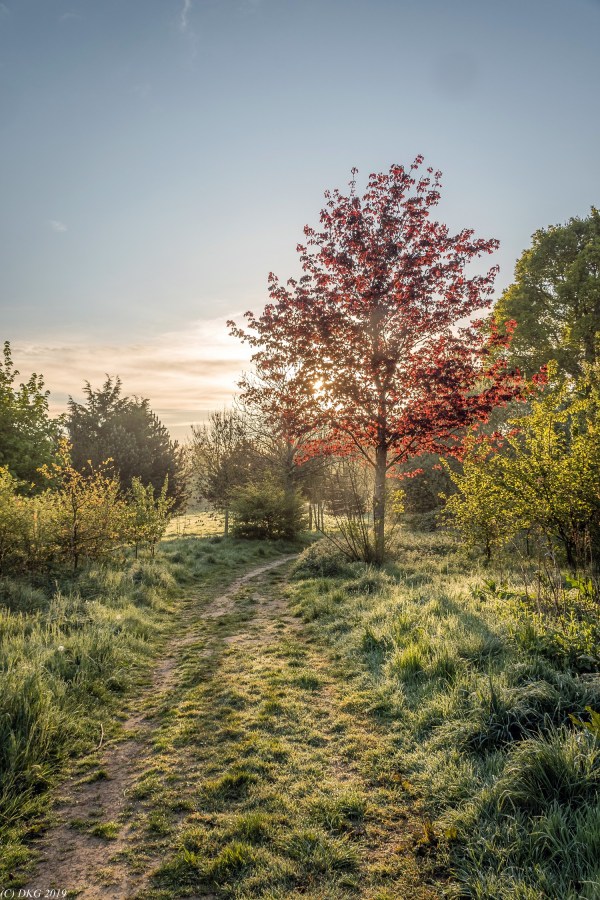
A walk around the park at sunrise with DKG
Click here to open the galleryScientific names
As well as local names for the species that live in and visit the park, we use scientific names. It looks a bit geeky but there is a reason.
Continue reading “Scientific names”A closer look at weeds: part 3
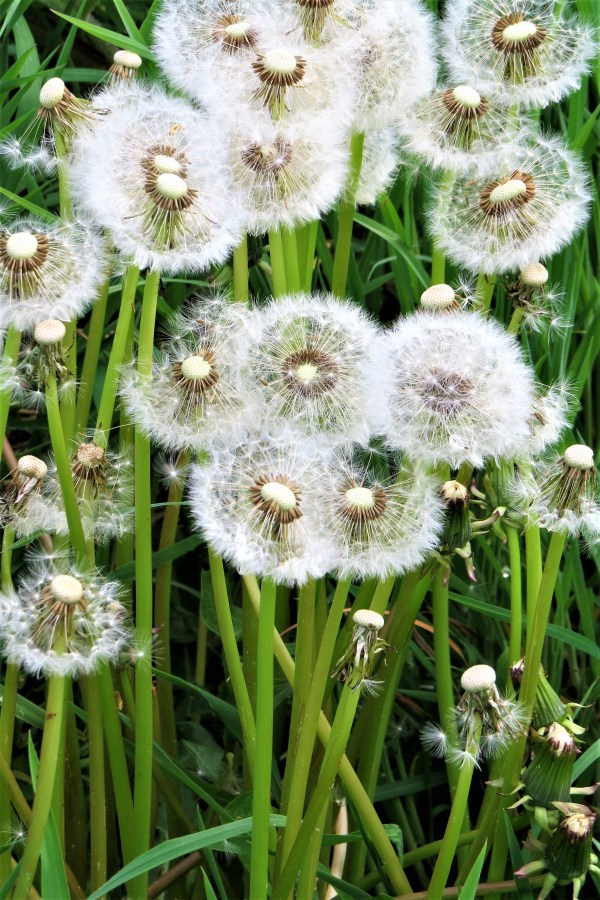
Dandelions (Taraxacum officinale) are the commonest of our wildflowers. They grow everywhere: between our paving stones, in flowerbeds, lawns and roadside verges, and straight up through the tarmac of a well-maintained driveway.
Continue reading “A closer look at weeds: part 3”Conservation status
Regular readers may have noticed the addition of grey boxes titled Conservation Status at the end of posts about our flora and fauna and beneath the pictures on the sidebar.
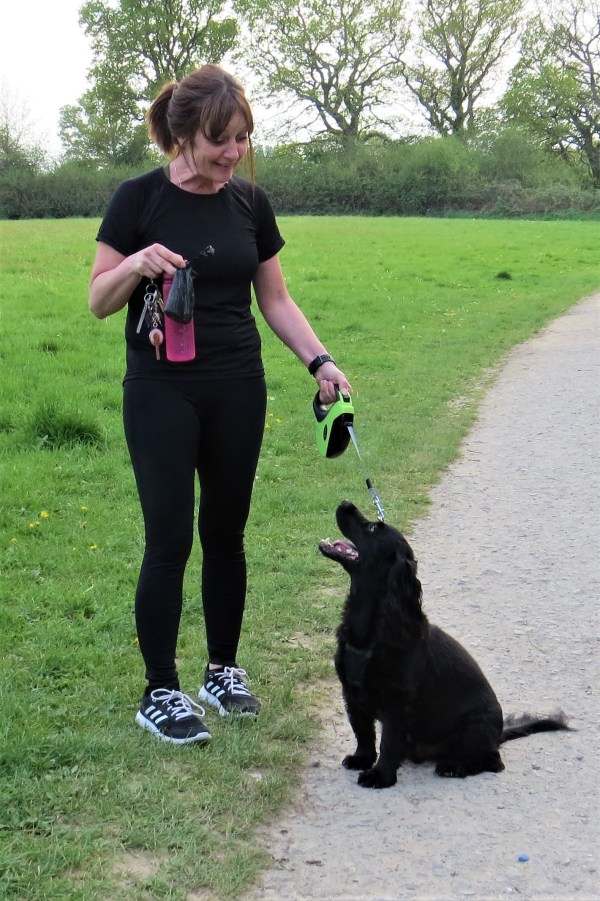
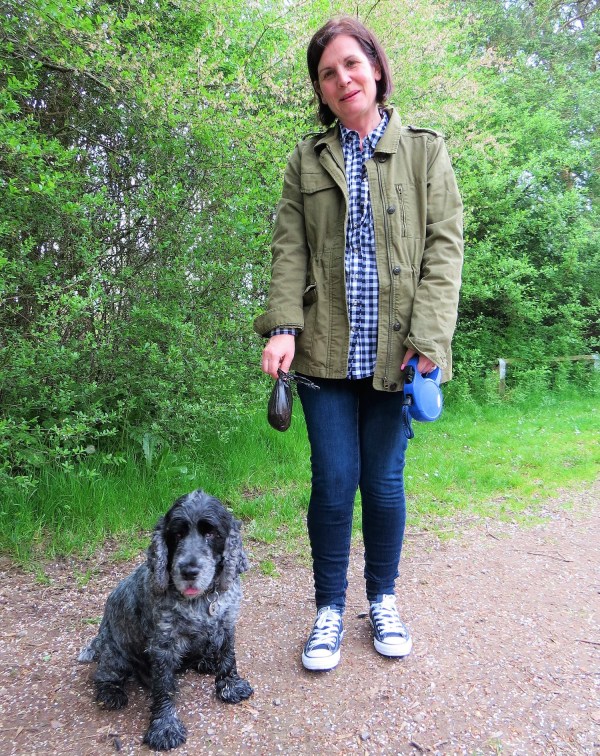
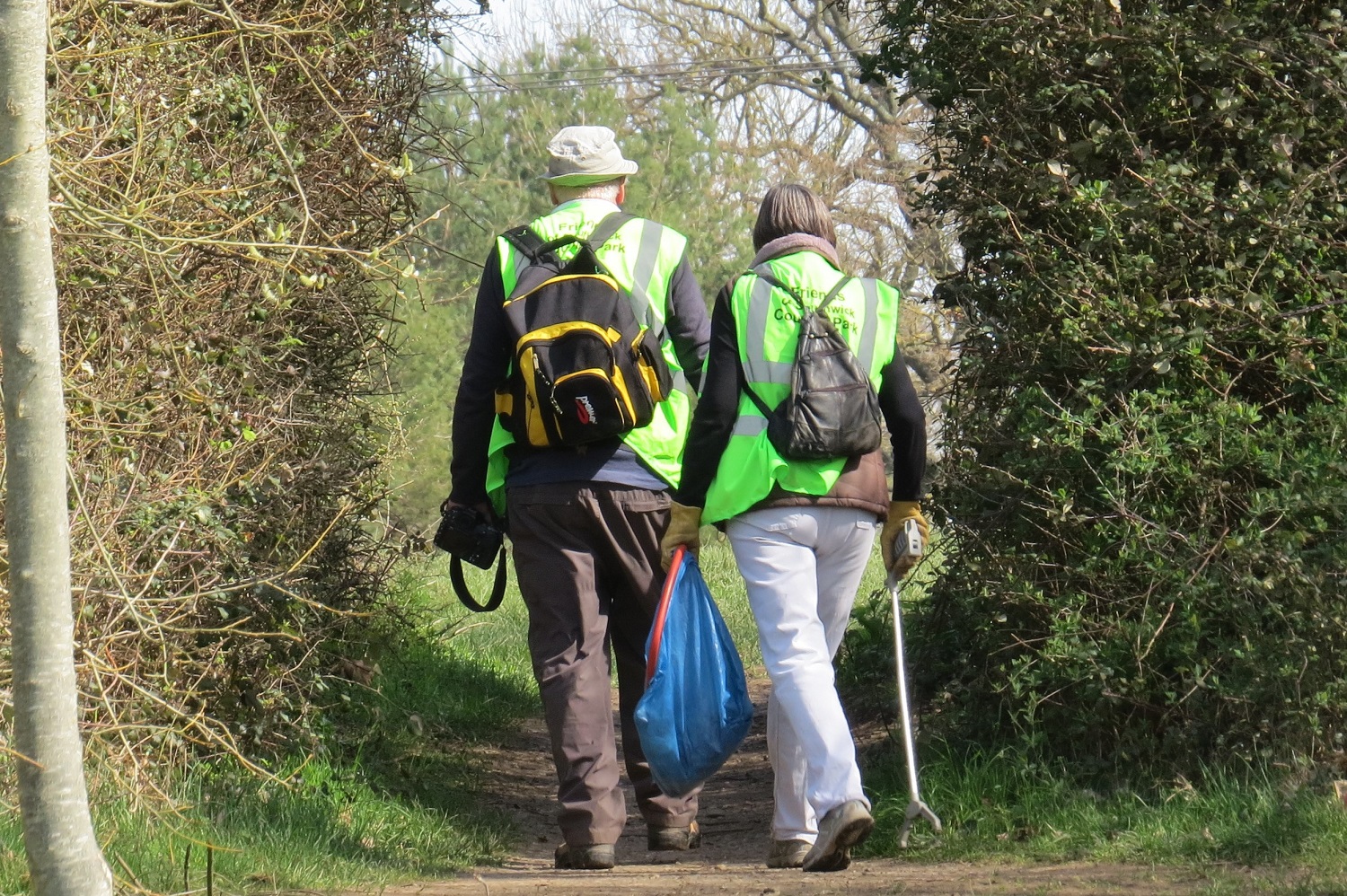
Continue reading “Conservation status”Picker uppers out for a run: Mandy and Stanley wearing matching outfits and helping us keep our park poop-free. Thank you!
Meadow pipit
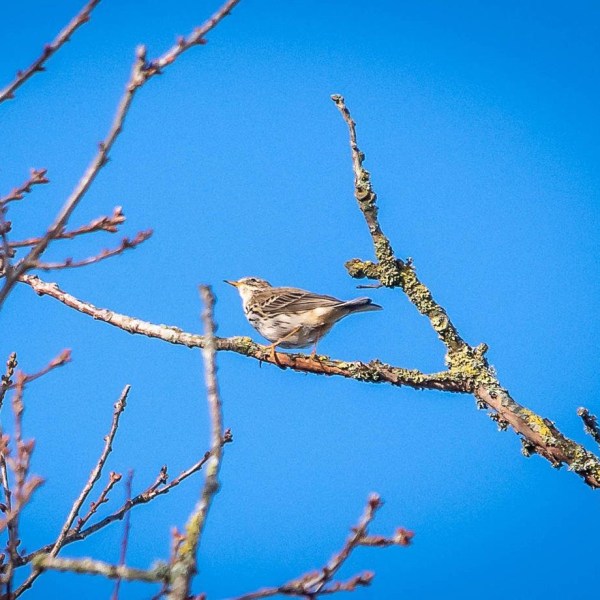
The meadow pipit (Anthus pratensis) is the default pipit. In the UK there are, besides meadow pipits, tree pipits, water pipits and rock pipits all very much alike.
Continue reading “Meadow pipit”More about our notable trees
By Patrick Jones
Iโve just been looking through the Tree Survey for the Country Park before passing it on to the committee and was amazed by the sheer number of specimen trees. I could not resist breaking it down. I donโt know if this has been done but the following are my (possibly inaccurate) figures.
Continue reading “More about our notable trees”Marsh marigold
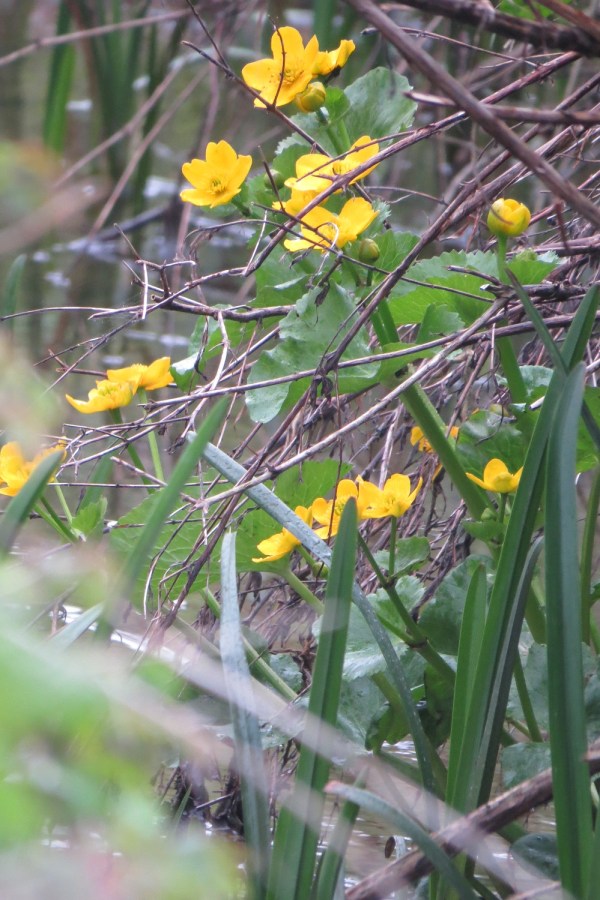
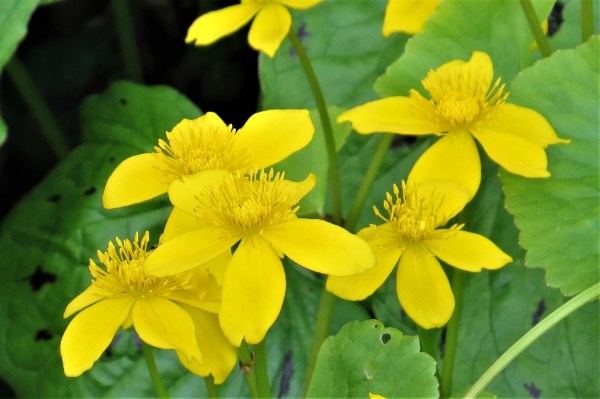
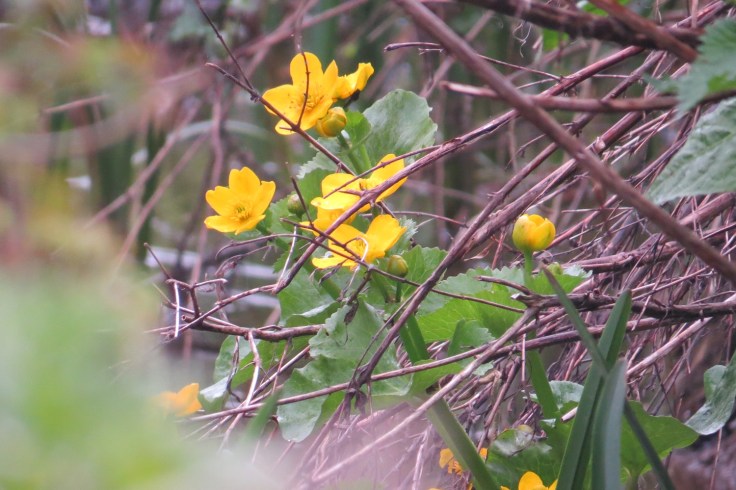
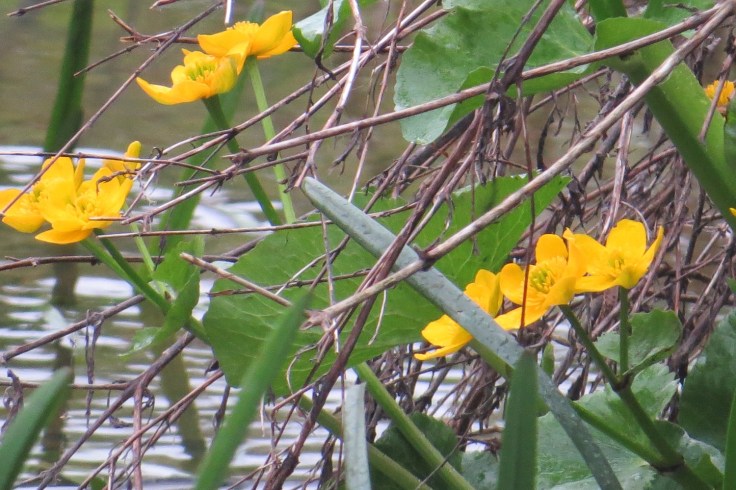
Marsh marigold (Caltha palustris), the latest addition to our species list, is a member of the buttercup family. While its colour and the shape of its flower seem very familiar, there is a lot about this beautiful plant that is quite unusual.
Continue reading “Marsh marigold”Notable trees
Wiltshire keeps a record of all the notable trees on all county-owned land. Each tree’s species, approximate age and its grid reference are written down; it is given a number and its photograph is taken.
Continue reading “Notable trees”Clearing trees from the new plantations and the areas affected by Ash Die-back has brought spring sunlight to the woodland floor for the first time in years.
Continue readingThe vandalism continues
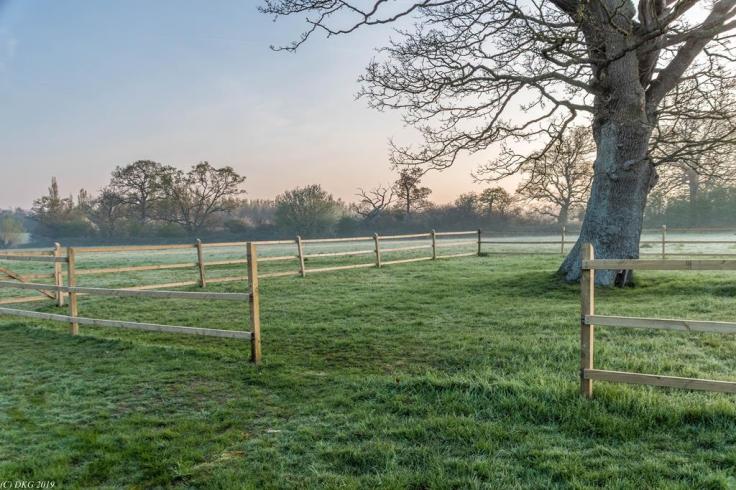
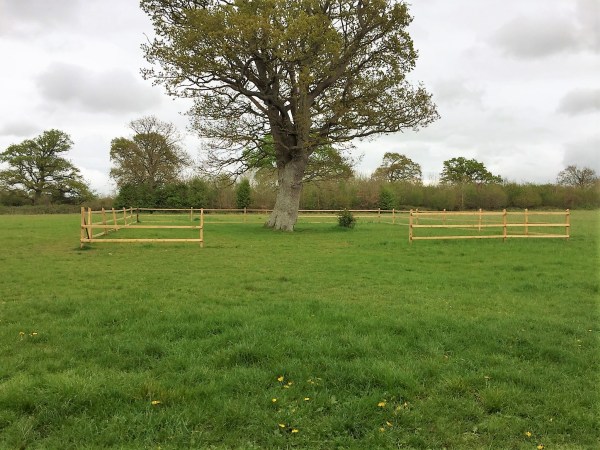
The fence around the Lone Oak is gradually being pulled apart. It is happening late in the evening, usually on fine days, when there are only a few people around; a group of teenage boys, some on bikes, come to the park specifically to break things and at the moment this fence is their target. Seven or eight of the planks have been pulled away now and one of the uprights has been damaged.
Continue reading “The vandalism continues”Bluebells
The bluebells are out in the park’s woods and copses; come and see.
Turn the page for a gallery of picturesChiffchaff or willow warbler
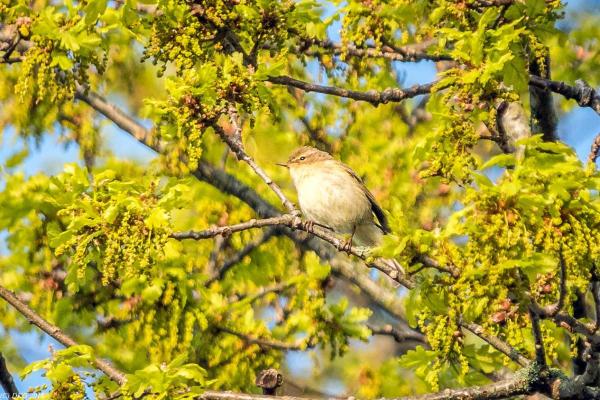
DKG photographed a small grey green bird with a pale eyestripe and cream underparts. This is either a chiffchaff or a willow warbler and it’s very hard to tell the difference.
Continue reading “Chiffchaff or willow warbler”Blue tit update
by DKG
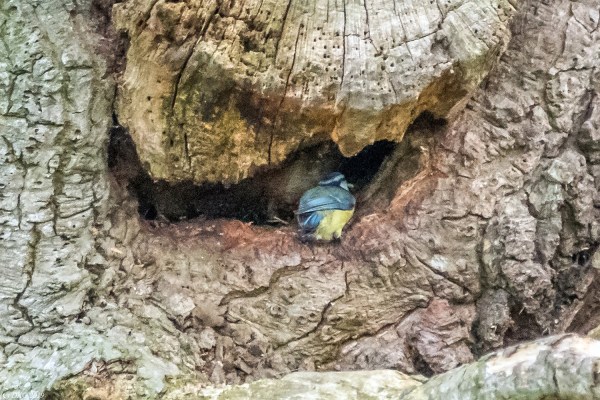
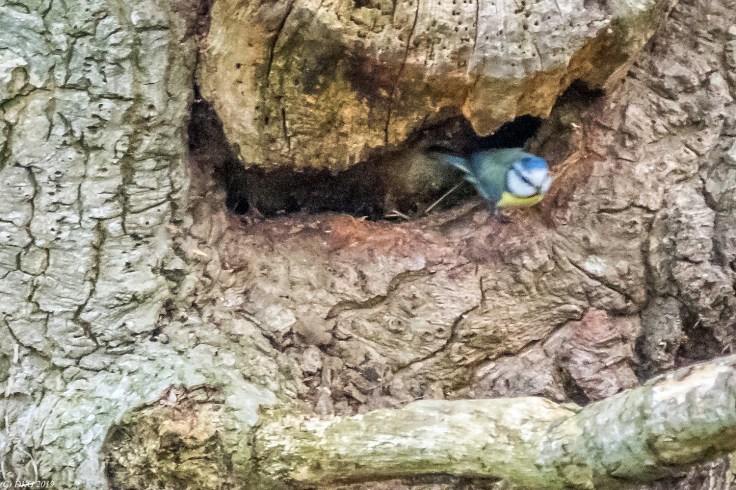
A couple of poor quality photos of the blue tit entering (above) and leaving (below) the nest early this morning. The pictures are not very sharp , the bird appeared and disappeared so quickly and I forgot the tripod again.
I think it’s the cock bird feeding the hen; the visits were not frequent but at least the birds are still present and hopefully doing well.

New species
A new species for our lists: marsh marigold (Caltha palustris).
Conservation status: Least Concern (population stable); locally threatened by drainage and agricultural improvement.

Another recent addition to our species lists:
Coot
Mail from Sam Smith, the Sports Participation and Coach Coordinator for Trowbridge Town Council.
Continue readingRagwort
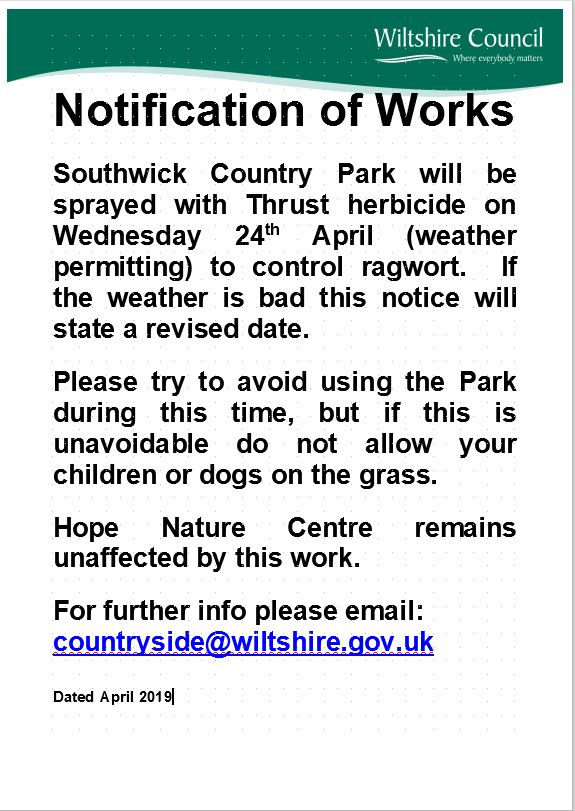
Ragwort is extraordinarily successful; all the โinjurious weedsโ named in the 1959 Weed Act are.
Continue reading “Ragwort”Bullfinch
Bullfinches are regular visitors to the park. Despite the male’s glorious colouring, they are quiet, retiring types, rarely seen; DKG took this picture early on Saturday morning when the park was pretty much empty of visitors.
Continue reading “Bullfinch”Song thrush
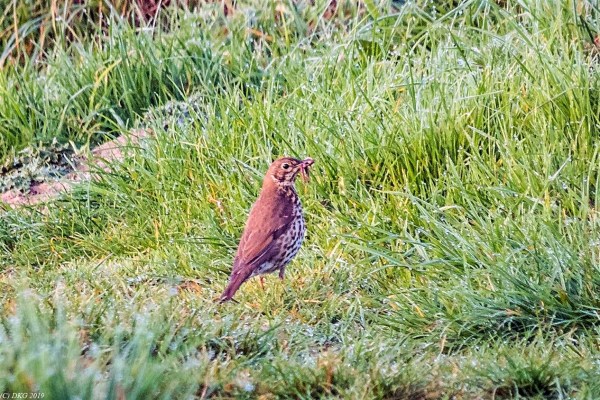
A song thrush, busy feeding a nestful of babies somewhere in the park.
Read on for conservation status and a recording of its song