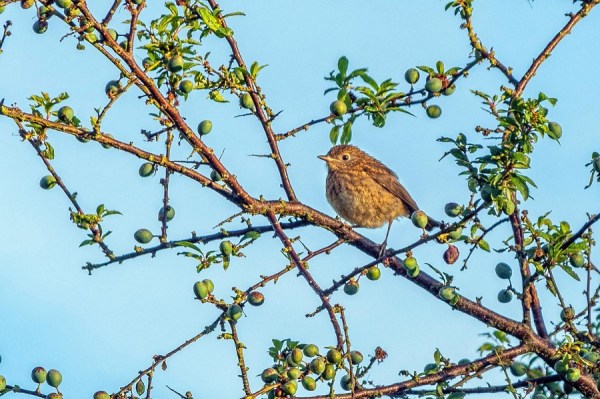
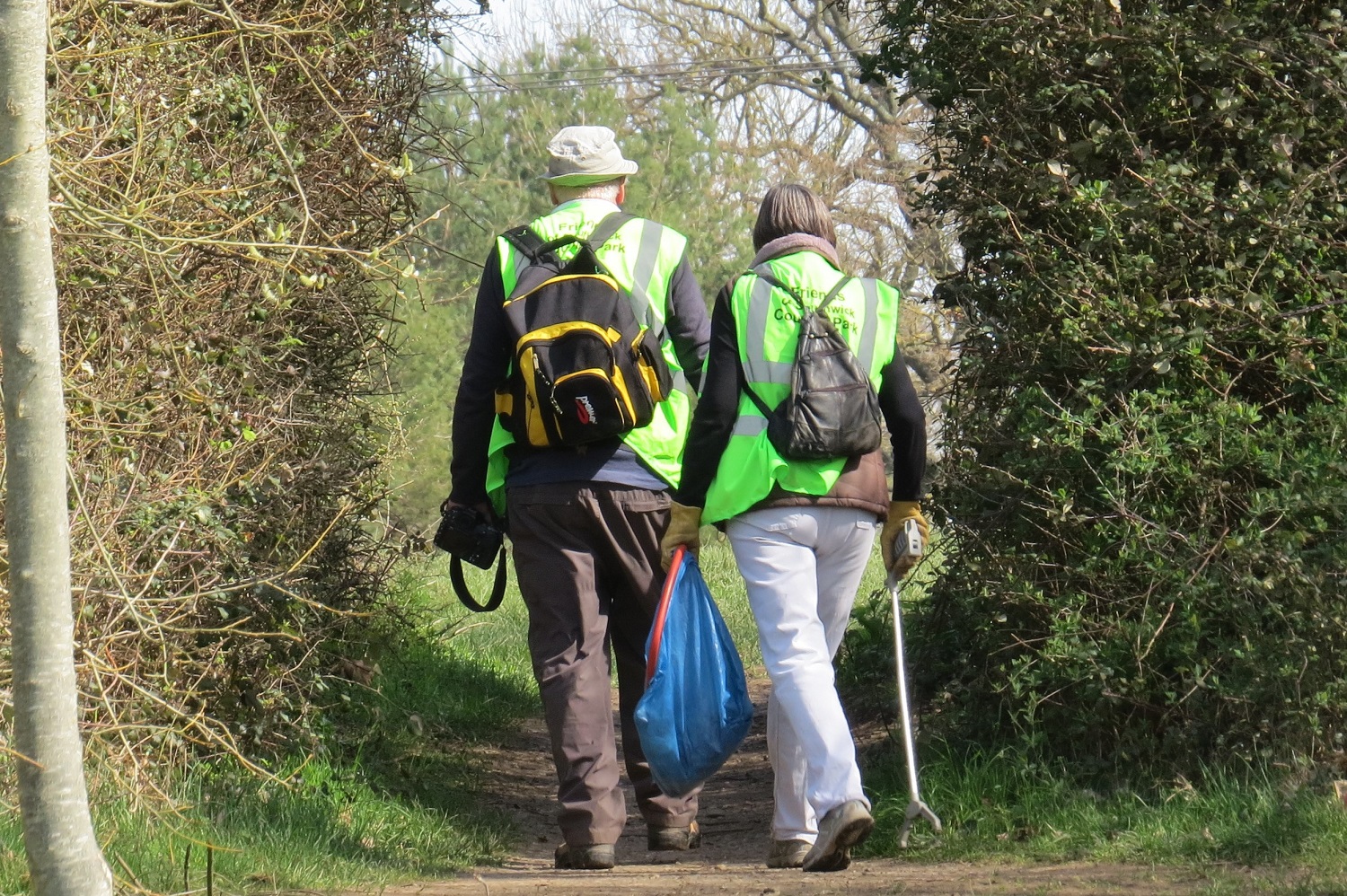
This is the robin that sang for the Friends of Southwick Country Park as they hacked their way through the thicket of bramble and blackthorn at the rear of the car park on Tuesday morning.
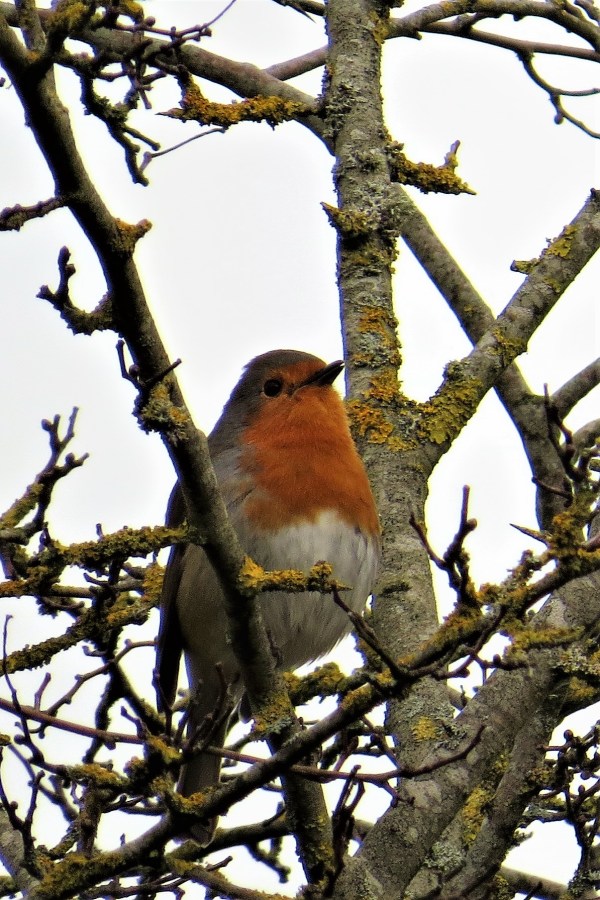
This is the robin that sang for the Friends of Southwick Country Park as they hacked their way through the thicket of bramble and blackthorn at the rear of the car park on Tuesday morning.
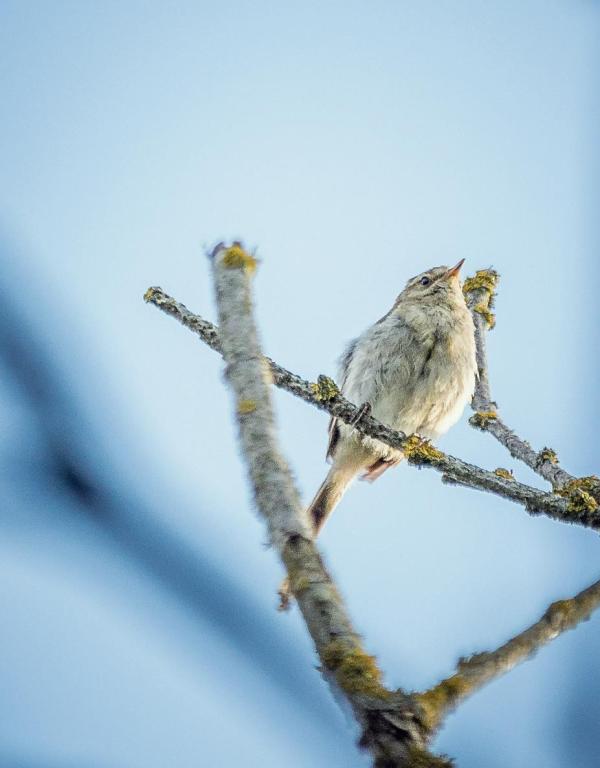
Our chiffchaffs will already have started the long journey back to their breeding sites in the park. They have overwintered in the warmth of southern Europe or northern Africa and are making their way home in a leisurely way with lots of stops for fuel; the males are the frontrunners and they need to arrive fit enough to find and fight for a territory.
They will begin arriving in March; their song (chiff-chaff, chiff-chaff) is one of the first signs of spring.
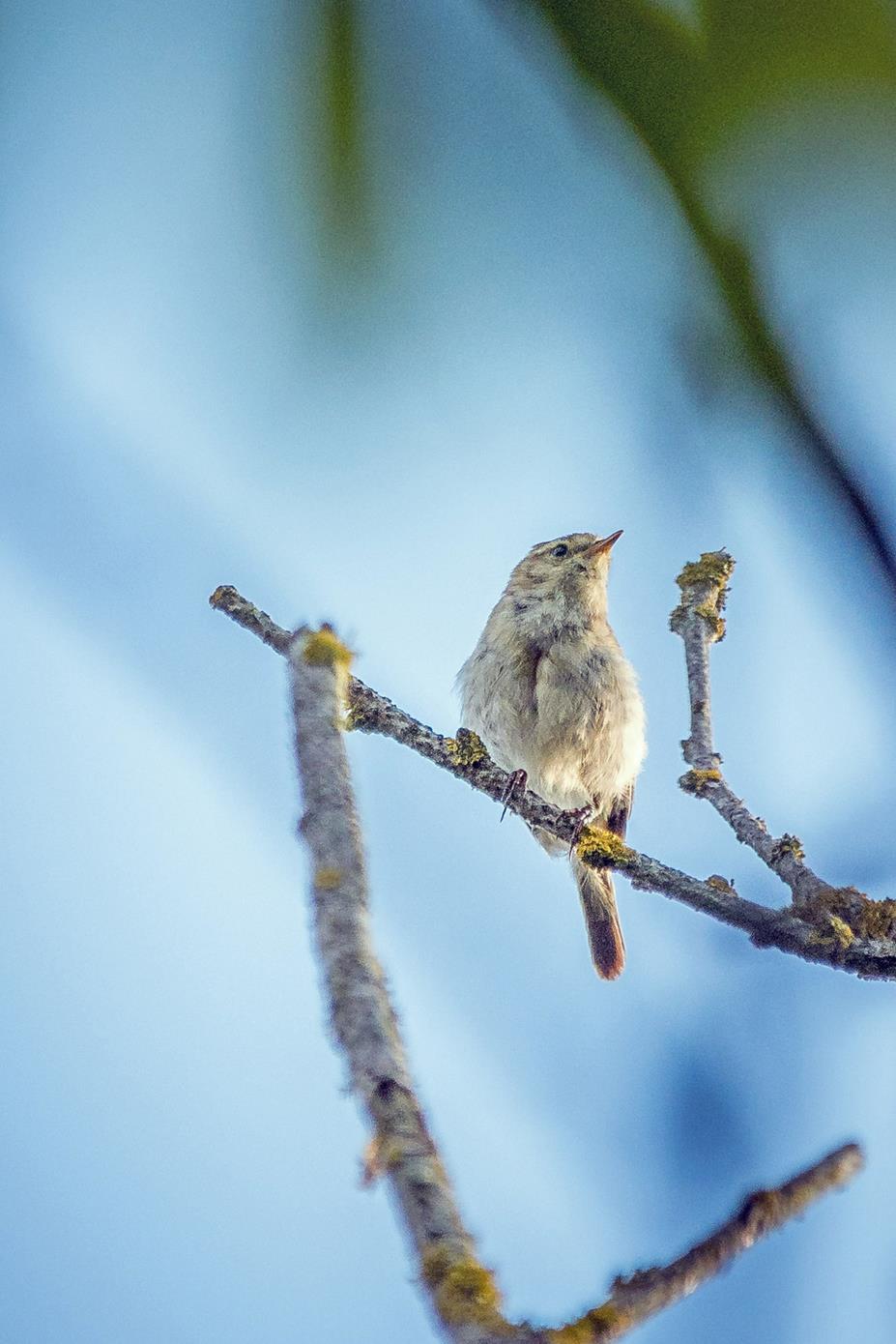
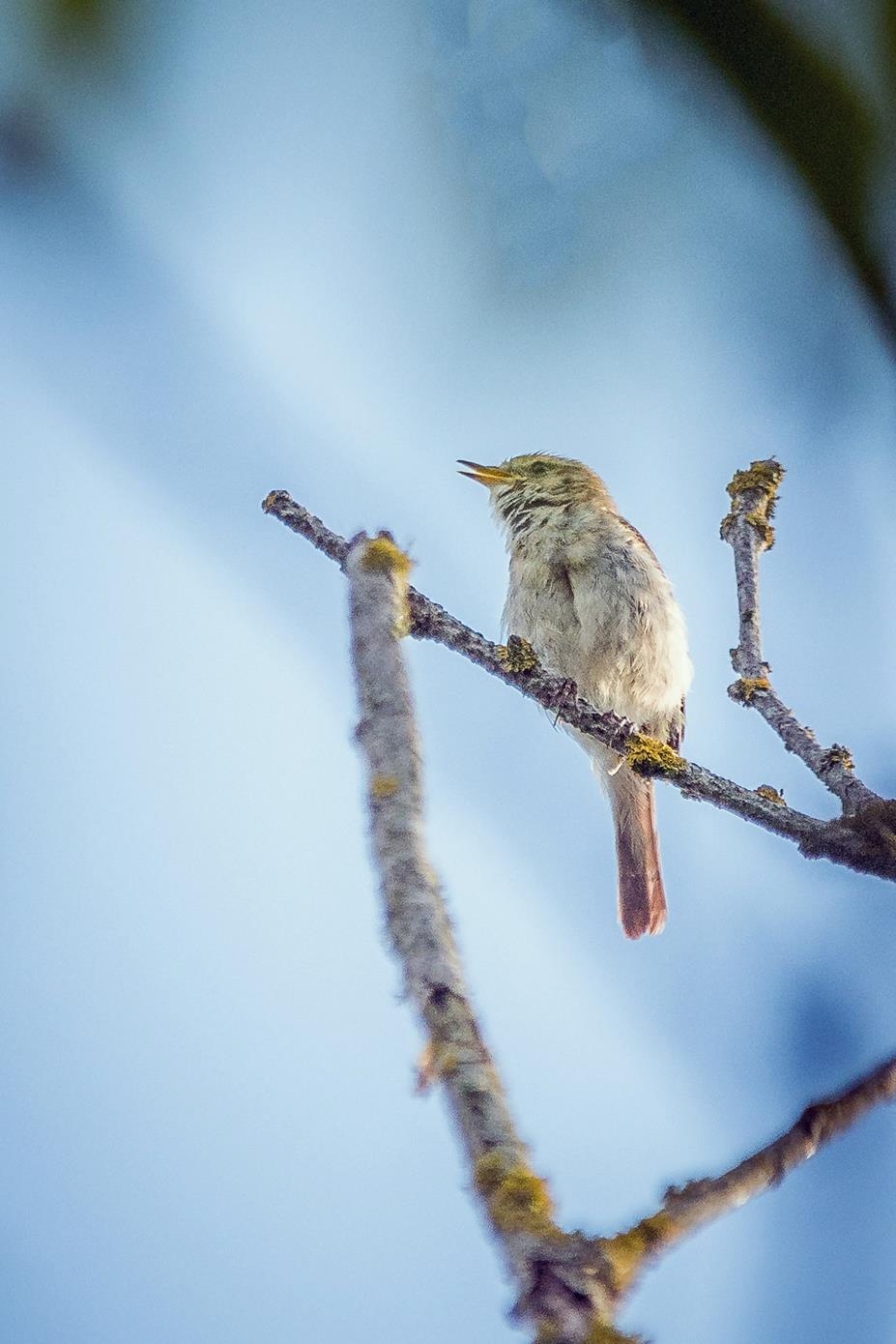
Pictures by DKG
Related posts:
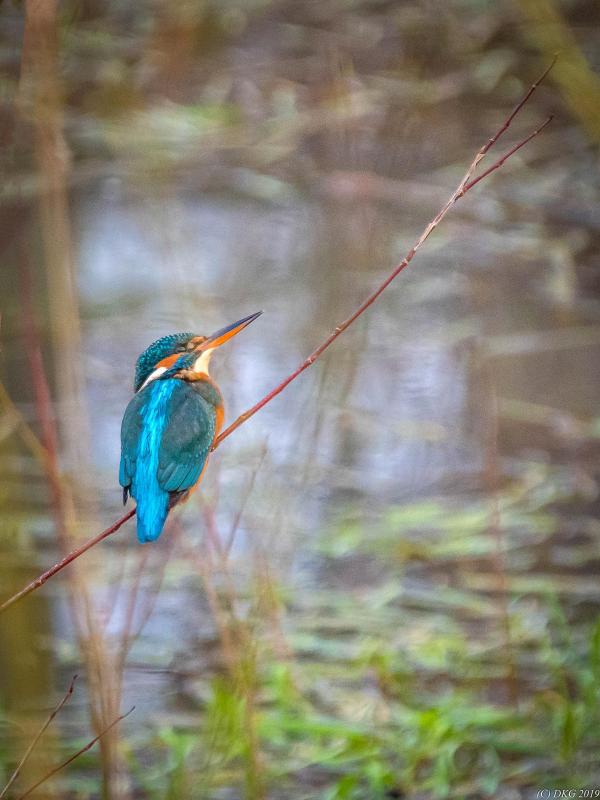
The kingfisher (Alcedo atthis) that DKG photographed at the weekend is a female. The male bird has an all black beak while the female’s lower mandible is orange with a black tip.
Kingfishers are highly territorial; they pair up in the winter but keep separate territories until the following spring. It is probable, therefore, that our female has already paired up with a nearby male.
A kingfisher’s territory covers, on average, a kilometre of waterway; our female will be looking for a nesting site either very close to, or in the park. The Lambrok’s steep clay banks may well be perfect.

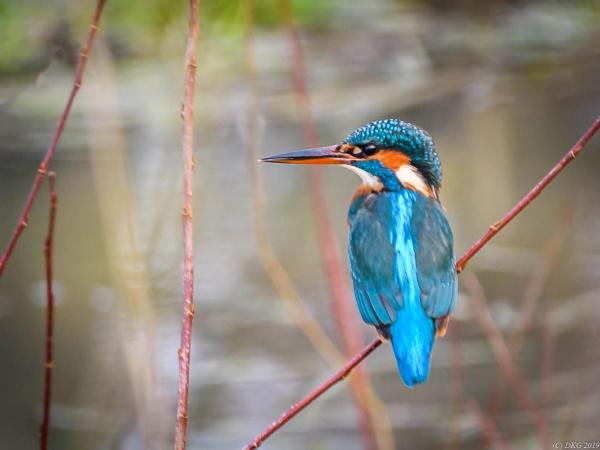
An excited email from DKG this morning:
” A few photos of our Kingfisher at last. After 5 years of trying to capture photos of the park’s resident kingfisher, yesterday (Sunday 20th) finally produced the photos I had been after. But these came about as usual with no intention of looking for it and if not for Ian, I would have even missed these shots.”
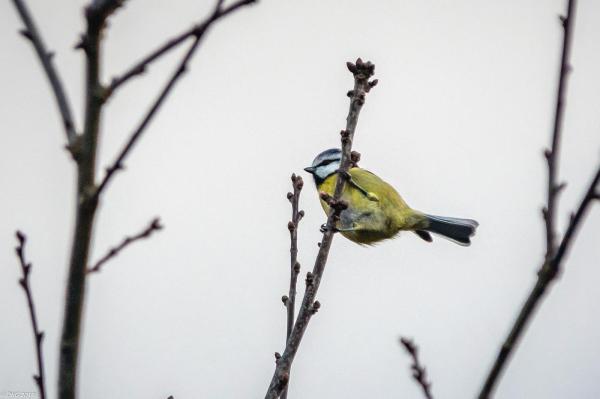
Bluetit factoid
Most birds can’t create pigments, other than melanin, on their own. This bluetit, high in the park’s canopy, can’t produce the pigment, carotene, that makes his tummy yellow; it comes from pigments in the green caterpillars he eats. The more caterpillars he eats and the brighter his tummy, the more likely he is to attract a mate.


Header picture by DKG; others CC0 from pixabay
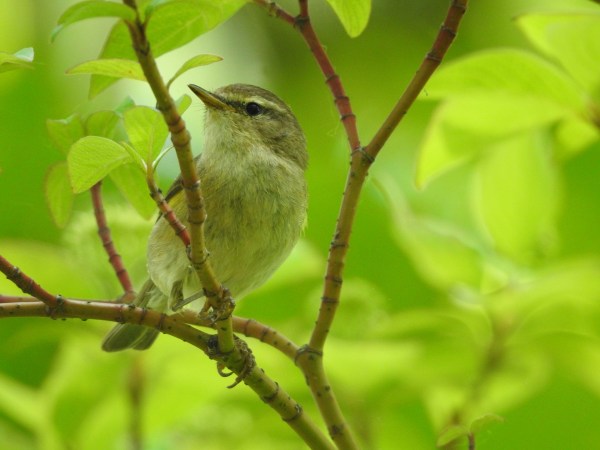
Our willow warblers are among the park’s smallest birds; at 8.7 grams, they are only half the size of a robin. Their migration route, though, is the longest of any of the park’s birds: over 8,000km all the way to sub-Saharan Africa, an astonishing feat of endurance, and in April they will come all the way back to the park.

by keithwlarson (CC BY-SA 3.0)
Another migrator from the spring of 2018:
The Chiffchaffs are back

Back from our Christmas break with an interesting tidbit of scientific discovery from 2018.
Continue reading “Migration”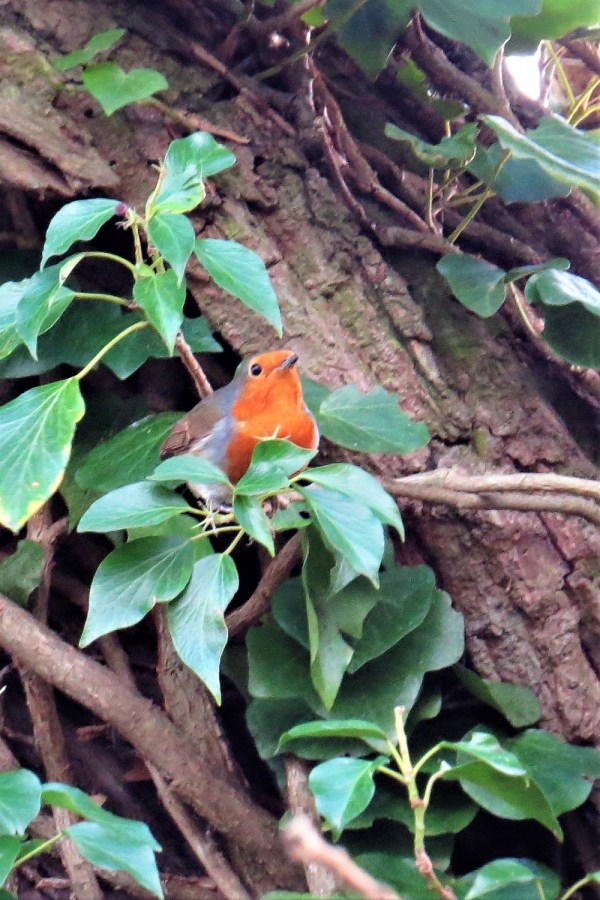
Many of our little songbirds abandon their territories in the winter and flock, sometimes in large numbers; but not the robin. Robins stick to and defend their territories right through the winter and their winter song is part of that defence.
Singing in winter is a high risk strategy. It uses a lot of energy when food resources are low but hanging on to a good territory right through the winter gives a robin an advantage in the spring when the breeding season begins. His winter song is shorter, quieter and altogther smaller than it will be come the spring.
Header photograph by Suzanne Humphries
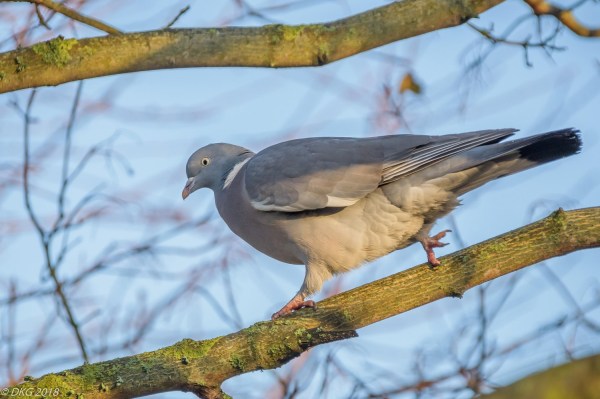
Wood pigeons (Columba palumbus) are our largest and most common pigeon. Gregarious, very adaptable and given to flocking in enormous numbers at this time of year, they are an everyday sight in British towns and countryside.
In towns they seem unafraid but in the park they are shy and wary. Often the first indication that they are there at all is the loud clattering and clapping of their wings as they take off and fly away. Their call is the lovely, familiar background noise of spring and summer.

Collared doves (Streptopelia decaocto) bred in Britain for the first time in 1955, in Norfolk. Within 20 years they had colonised every county in the British Isles, and had even reached Shetland and the Outer Hebrides.
Continue reading “Eurasian collared dove”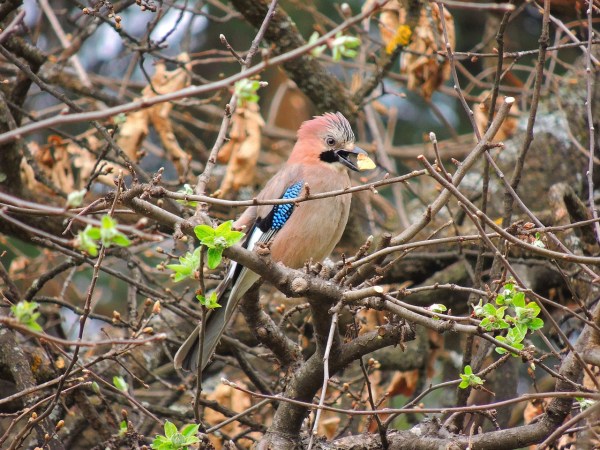
Lisa Burge’s photograph of a jay in flight prompted some research; we wondered how many jays our park could support.
Simon Handley has reported a brown and white magpie in the park, at the top of the Arboretum; this is a rare genetic fault called leucism. Please don’t forget your camera next time you visit; we would love a photograph of it.

Kingfishers come to the park regularly. Many people associate them with rivers and are surprised to see them here, fishing in our little streams.
Read on:
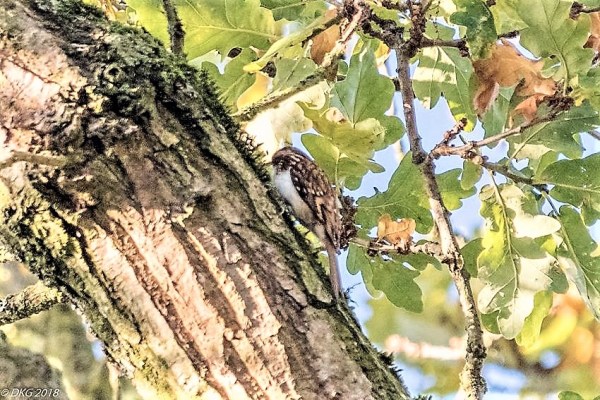
A tree creeper (Certhia familiaris) photographed in the park on Friday by DKG. Read on:

There are several families of magpies in the park. This year’s crop are, as yet, short-tailed, loud- mouthed and clumsy, hanging out in gangs and still learning to fly properly. But, despite their dramatic black and white beauty, their reputation is poor.
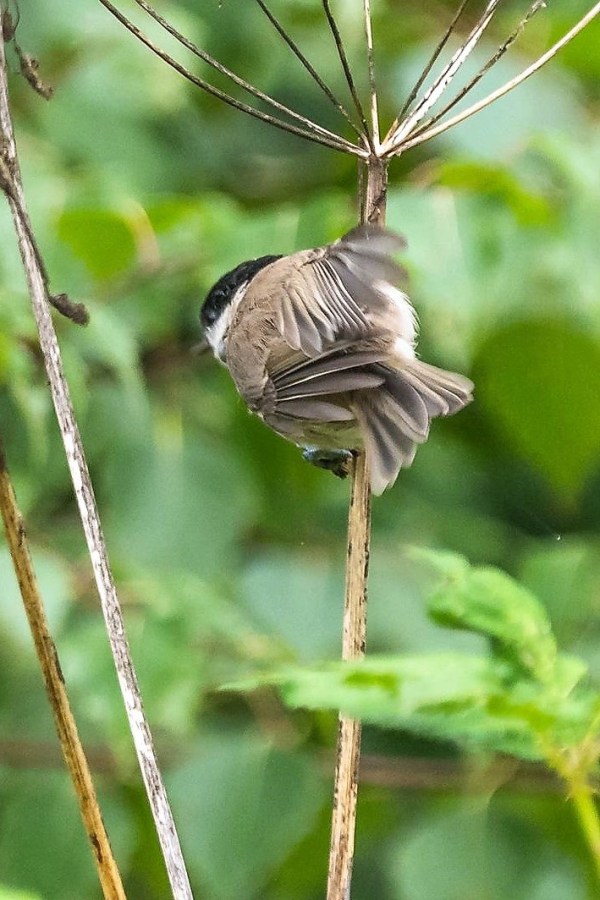
We apologise for wrongly identifying this little bird. We thought it was a blackcap (Sylvia atricapilla) but our expert has identified it as a marsh tit (Poecile palustris). This is the first sighting of a marsh tit in the park: a new name for our species lists.

Like ragwort, creeping thistle (Cirsium arvense) is classed as an injurious weed by the Weed Act of 1959. Our hedges and edges are full of it: beautiful, pollen-rich, heavily scented flowers, buzzing with invertebrates, followed by seed heads elevated on stems sturdy enough to support seed-eating birds. Gorgeous.


Photographs by DKG
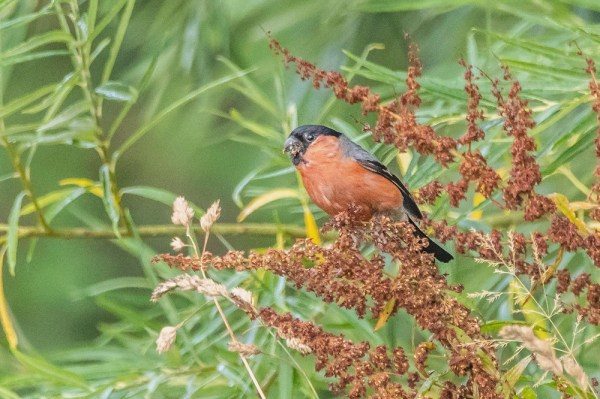
Words and pictures by DKG:
“A few photos of a Heron, Bullfinch and a Robin.”


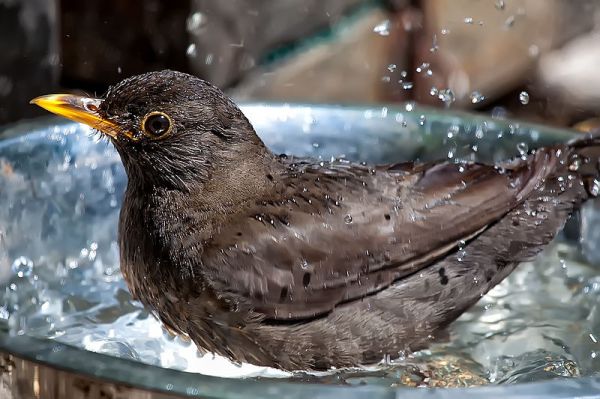
This is now the longest continuous period of drought since 1976. The park’s paths are dusty, the grass is brown and crunchy underfoot, some of the trees are shedding leaves in an attempt to stop water-loss and the streams are shrinking.
Listen to the song thrush:
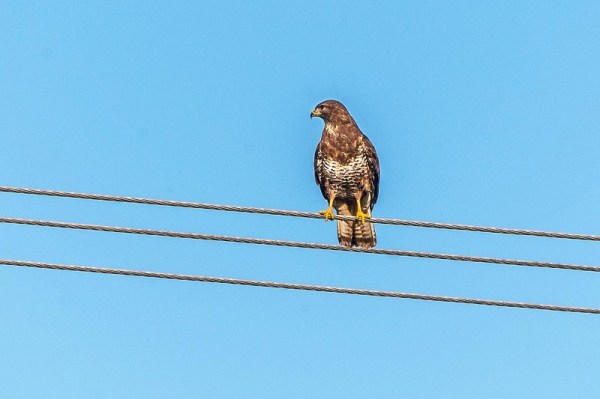
This is the park’s buzzard. It has come to the park for some years and hunts regularly here and across Southwick Court’s old parkland. Buzzards breed when they are three years old but this bird is always seen alone.
The world is full of little brown birds. Small and brown seems to be some kind of default programme for birds and accurate identification can depend on an extra millimetre in a brown tail feather or the exact shade of a brown eye-stripe. Until they are otherwise identified, the RSPB calls them all LBJs: little brown jobs.






 Southwick Country Park Nature Reserve