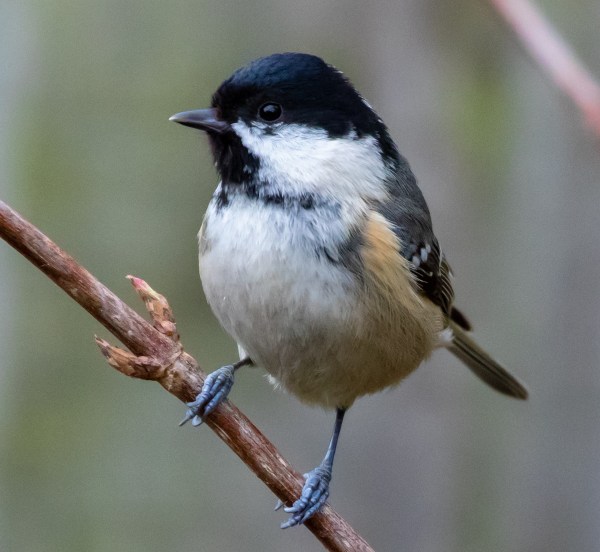
A coal tit: Periparus ater.

Coal tits are small passerines, very similar in appearance to their close relatives, great tits, bluetits and marsh tits, also resident in the reserve. Coal tits have a distinctive white patch on the nape of their neck and a longer bill than most other Paridae.

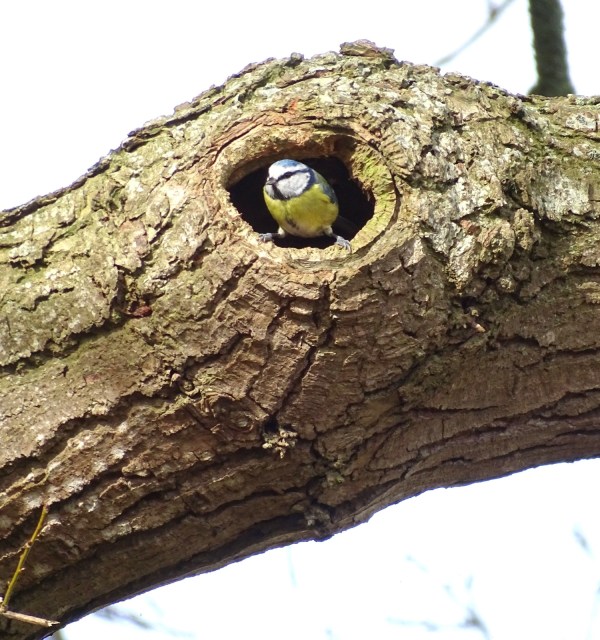
A pair has been seen near the main entrance. Hopefully they are raising a nestful of chicks in a hole in one of the big oak trees at that end of the reserve.
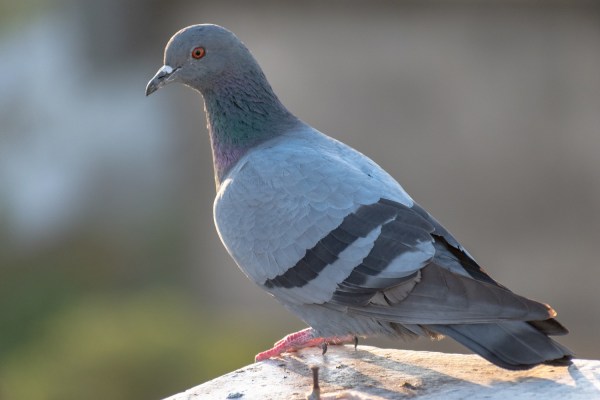
DYK

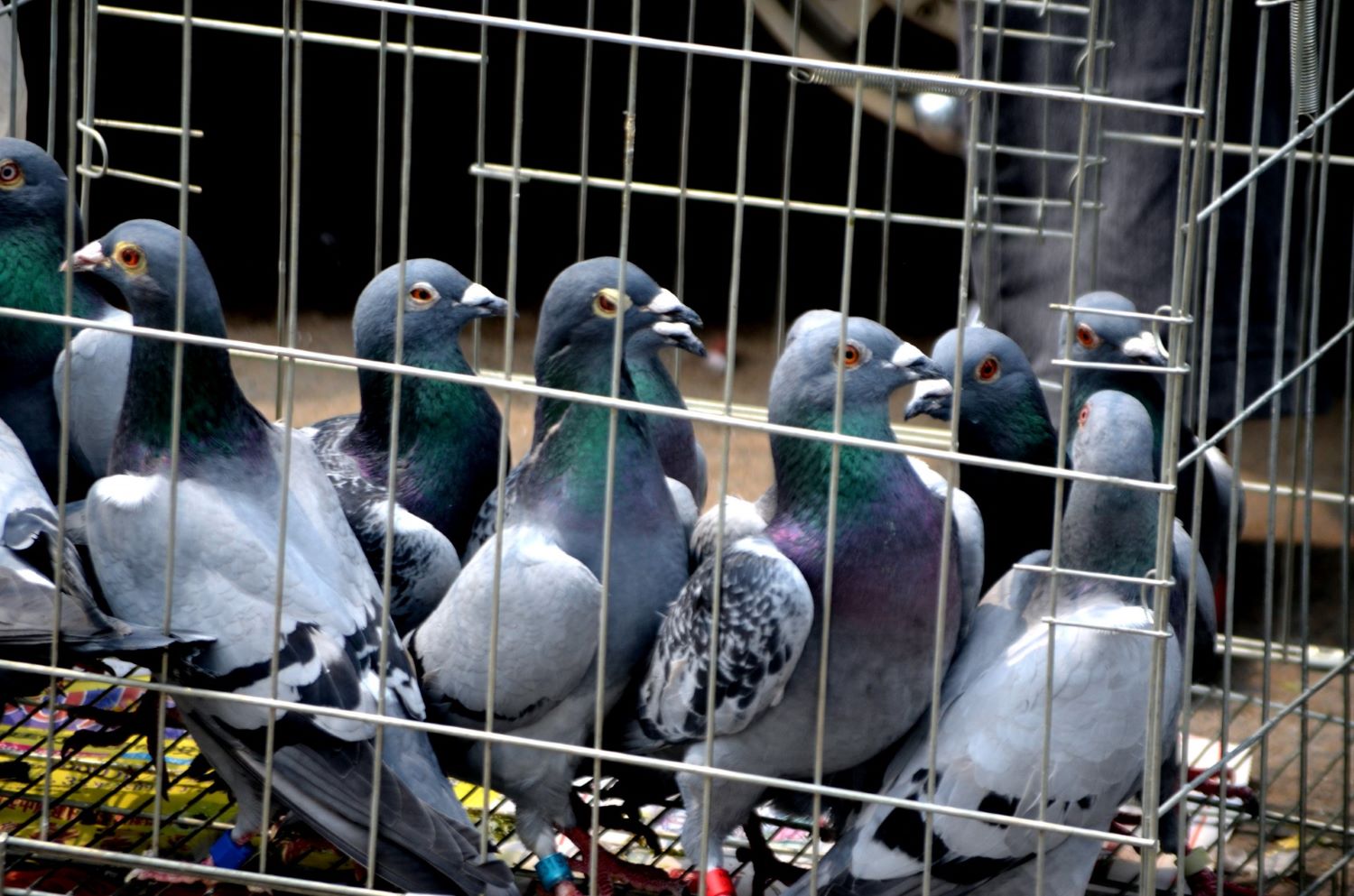
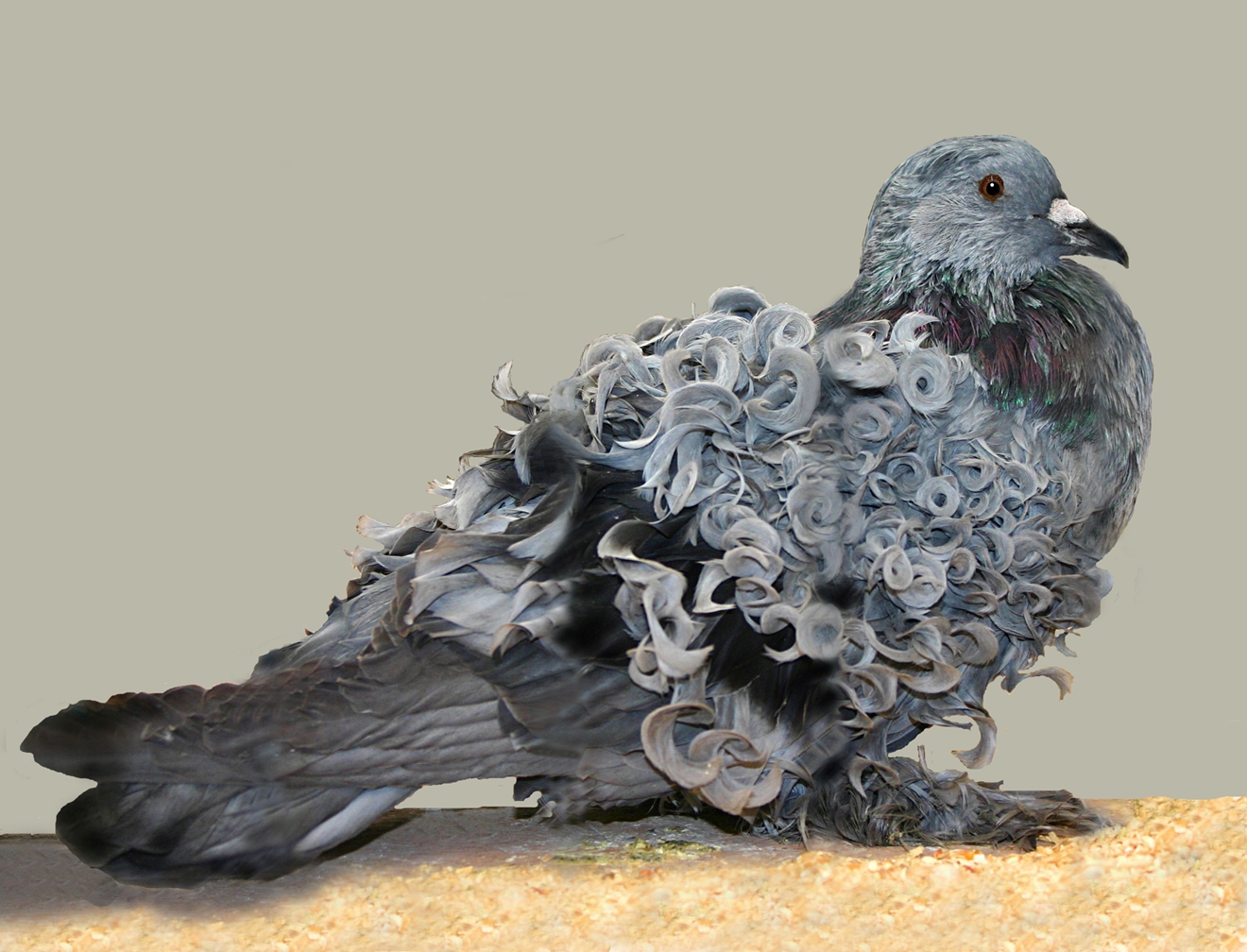
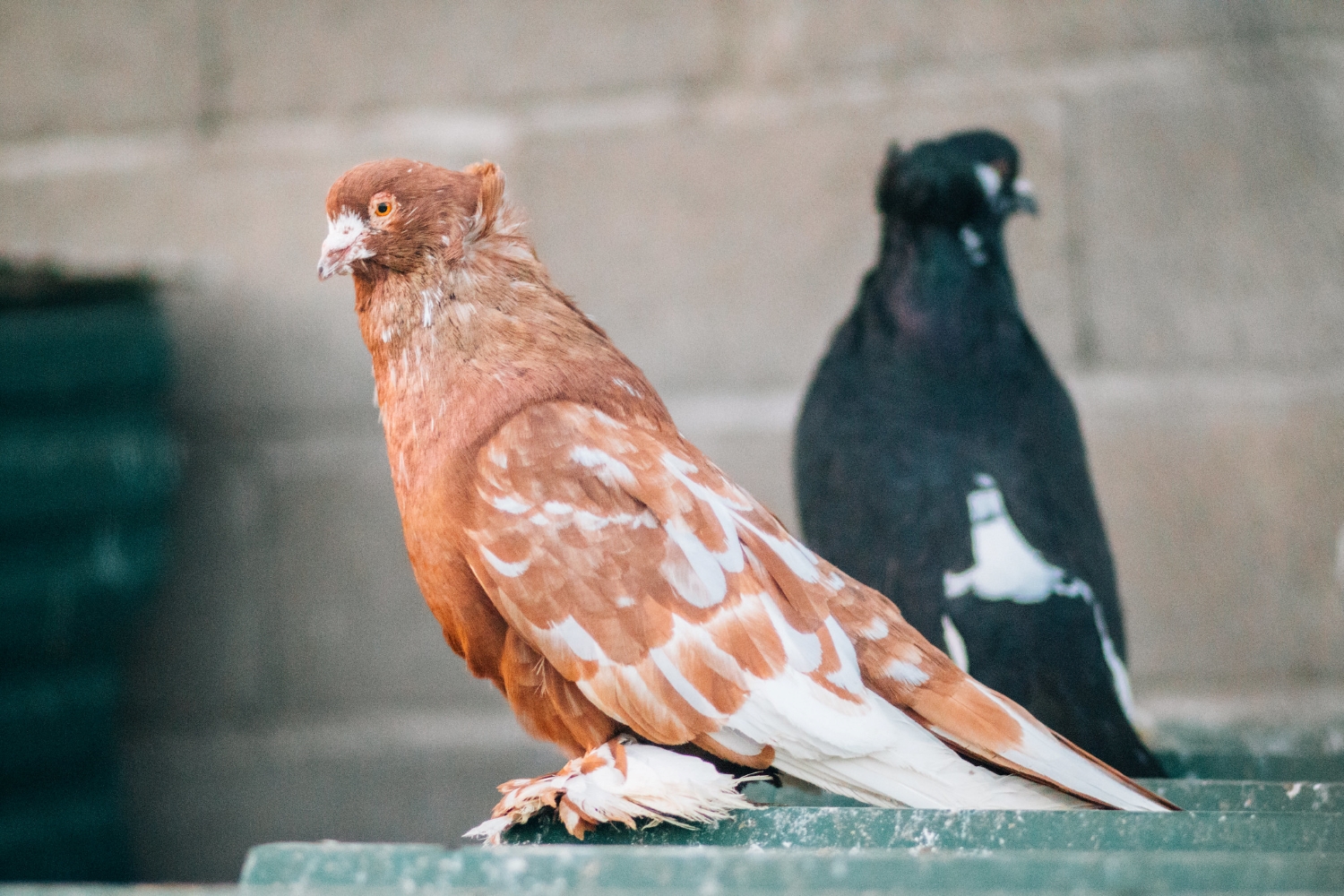
Did you know that all domesticated pigeons and doves are descended from a single species: Columba livia, the rock dove?

No? Neither did we. But all those rollers, racers and dovecote occupants with fluffy feet. curly feathers and fan-tails are domesticated versions of the one species. And, apparently, the process of domestication began more than 10,000 years ago.
Header Image: rock dove (CC0) pixabay.com

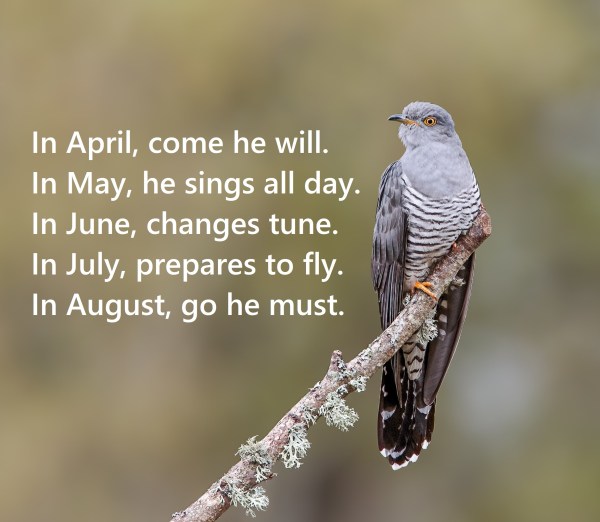
April, come he will…

Has any body heard a cuckoo yet?

The rhyme is a traditional nursery rhyme

We don’t often see ducks on our big pond. These are male mallards perhaps pausing in the reserve on their way to wider waters on either the Avon or the Biss.

Pictures by Cheryl Cronnie

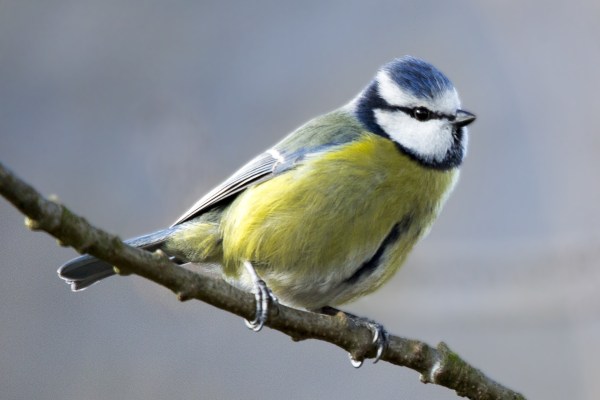
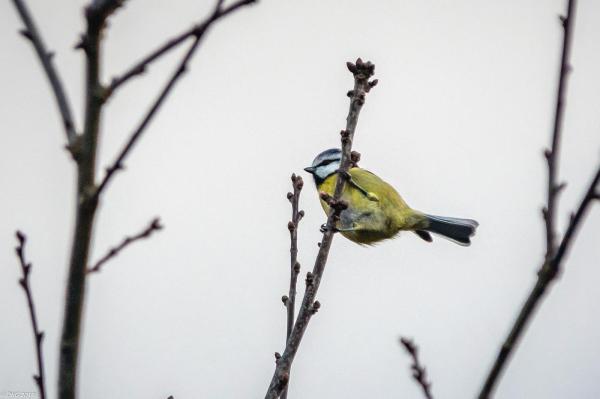
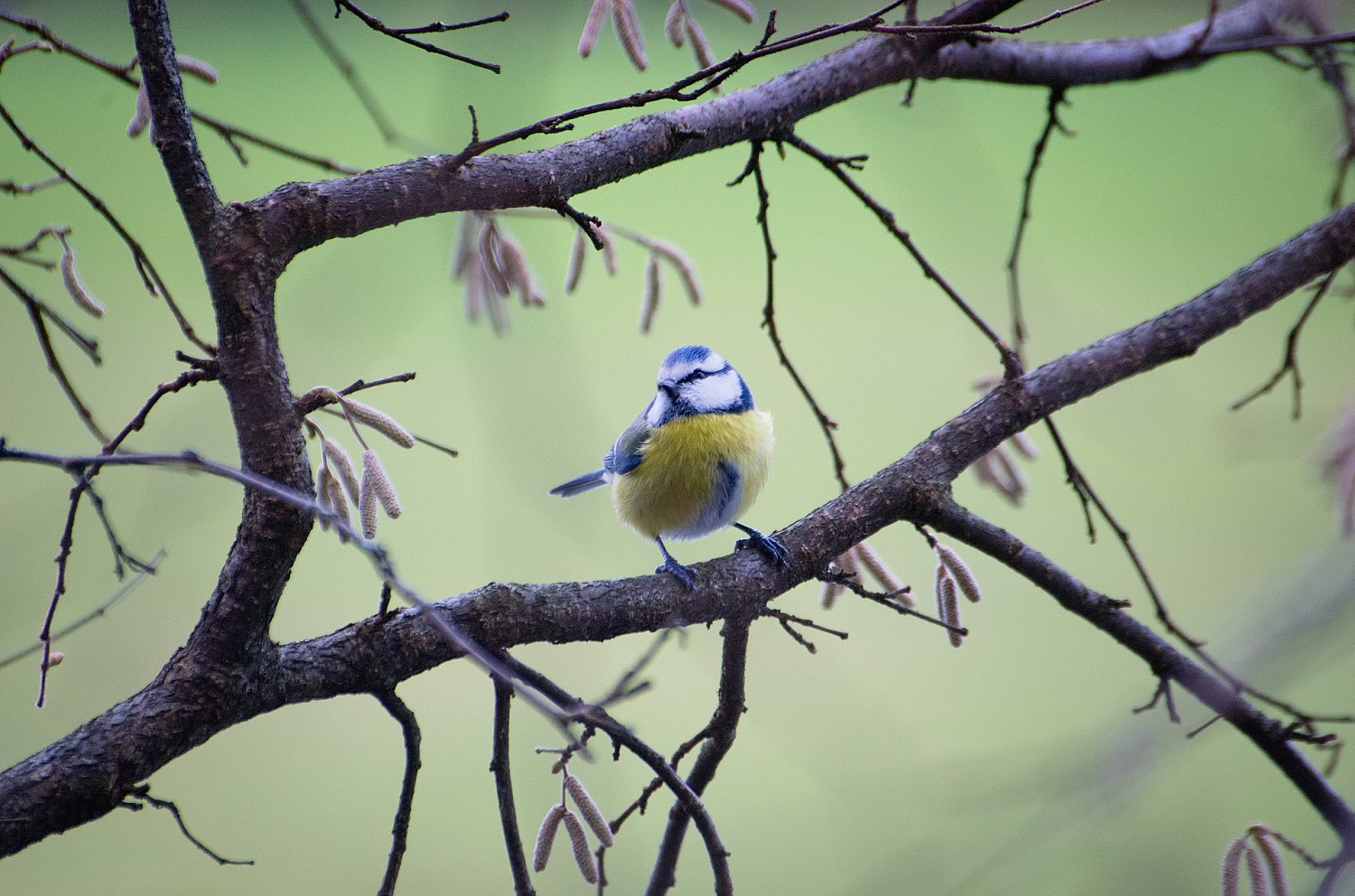
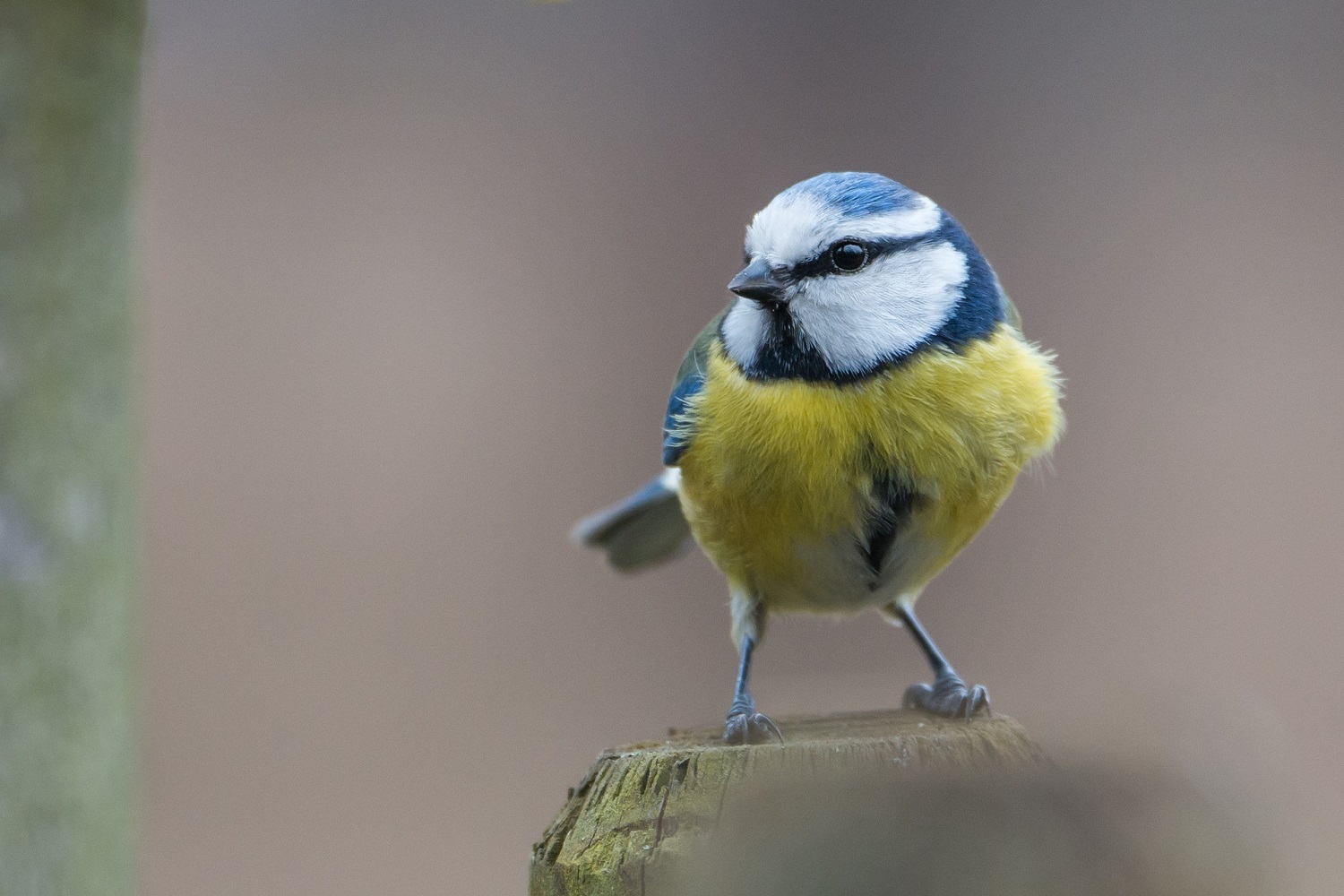
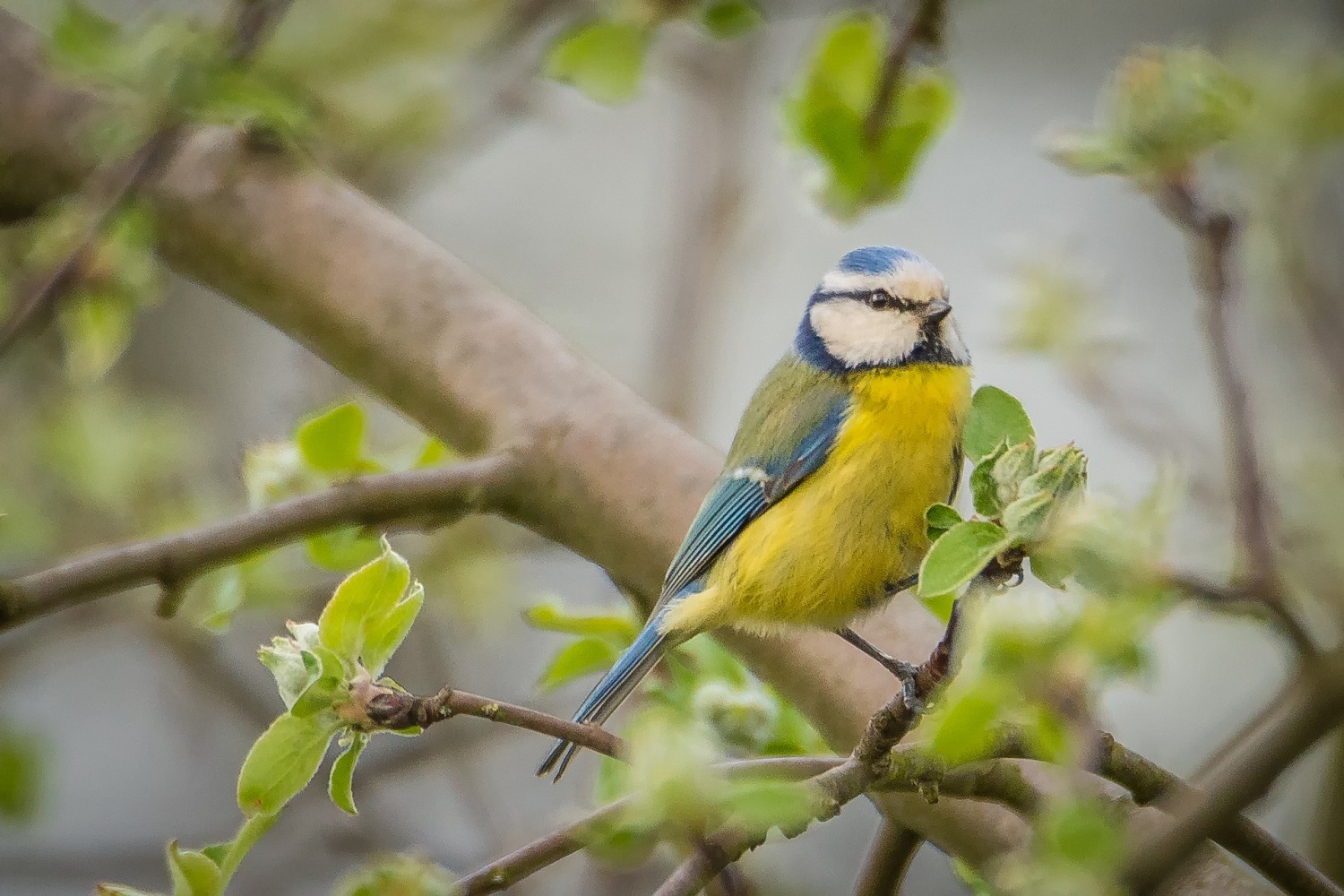
Bluetit factoid

Most birds can’t create pigments, other than melanin, on their own. This bluetit, high in the park’s canopy, can’t produce the pigment, carotene, that makes his tummy yellow; it comes from pigments in the green caterpillars he eats. The more caterpillars he eats and the brighter his tummy, the more likely he is to attract a mate.

Header picture by DKG; others CC0 from pixabay

Little egret

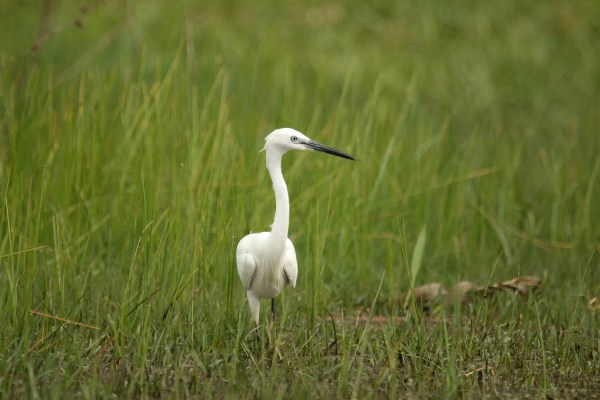
Clive Knight has spotted a little egret in Village Green this week. There is a nesting colony in the woods between Trowbridge and Bradford on Avon and egrets regularly visit the reserve, particularly at this time of year as they make their way back from their winter travels for the breeding season.

Continue reading

Create a website or blog at WordPress.com

Up ↑